Top 20 Natural Monuments around Brehme
Best natural monuments around Brehme are found in the Eichsfeld district of Thuringia, Germany, an area known for its diverse natural landscape and significant geological features. This region offers a unique blend of natural beauty and historical importance, particularly along the former inner-German border. Visitors can explore a variety of natural formations, from powerful karst springs to expansive viewpoints. The area's natural monuments provide insights into both geological processes and recent history.
Best natural monuments around Brehme
- The most popular…
Last updated: August 18, 2026
Sonnenstein (Ohm Mountains)
Highlight • Viewpoint
Translated by Google •
Tip by

Rhume Spring
Highlight • Natural Monument
Translated by Google •
Tip by

Sign up now to discover places like this
Get recommendations on the best single tracks, peaks, & plenty of other exciting outdoor places.
Sign up for free
Sonnenstein Skywalk Steps
Highlight • Viewpoint
Translated by Google •
Tip by

West-East Gate
Highlight • Monument
Translated by Google •
Tip by

Teistungen Reservoir
Highlight • Lake
Its location in the former …
Translated by Google •
Tip by

Sign up for free to discover even more natural monuments around Brehme.
Sign up for free
Already have an account?
Start today with a free account
Your next adventure awaits.
Login or Signup
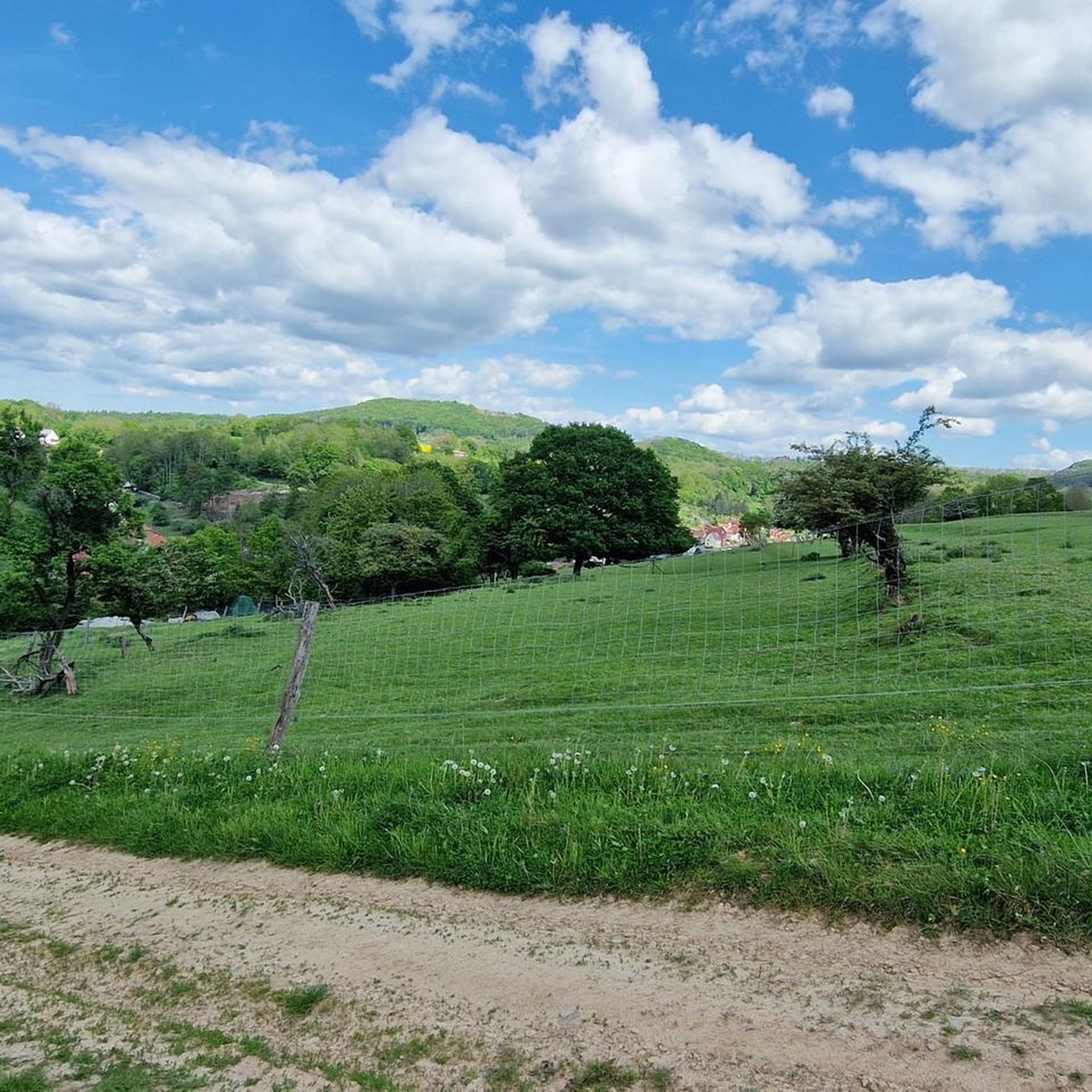
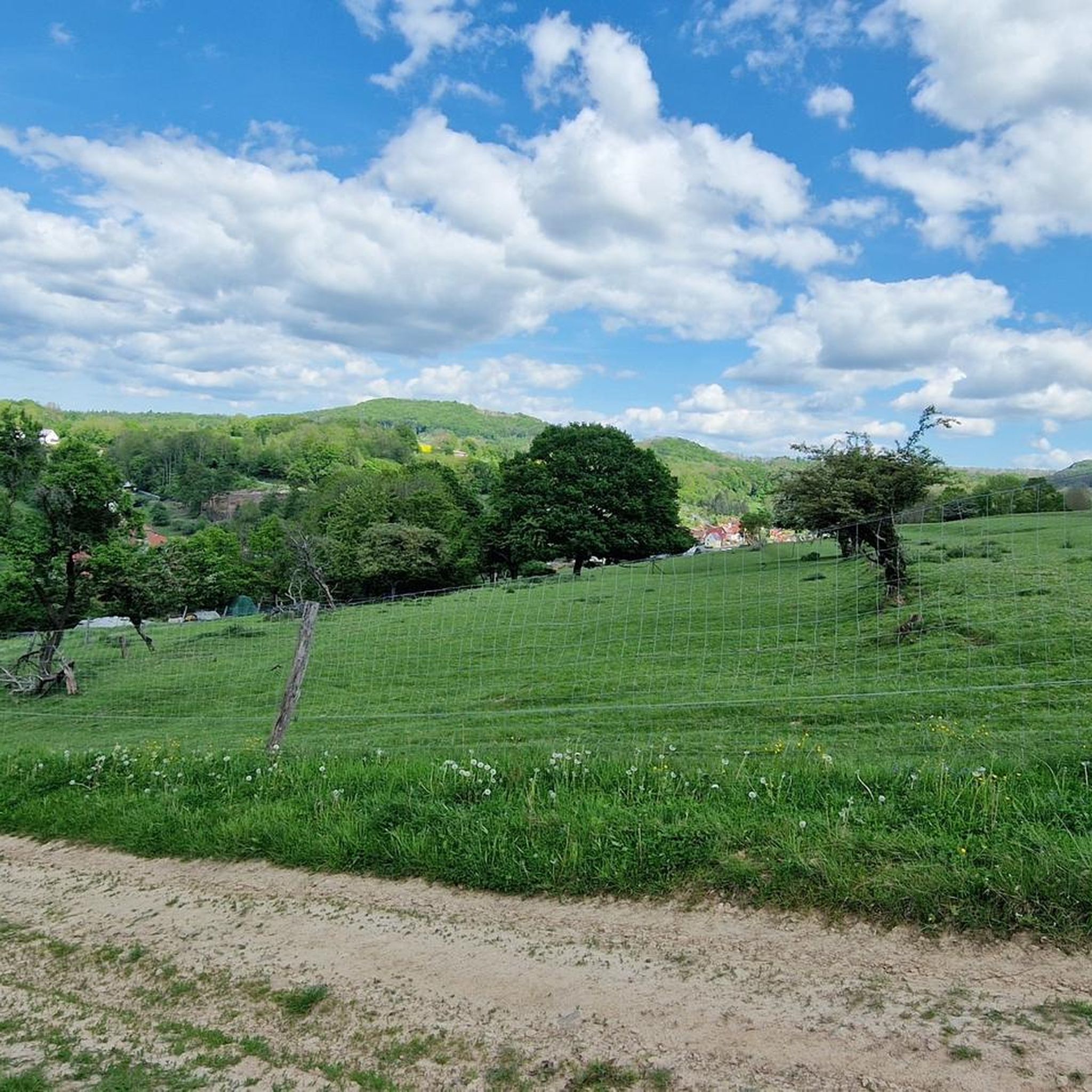
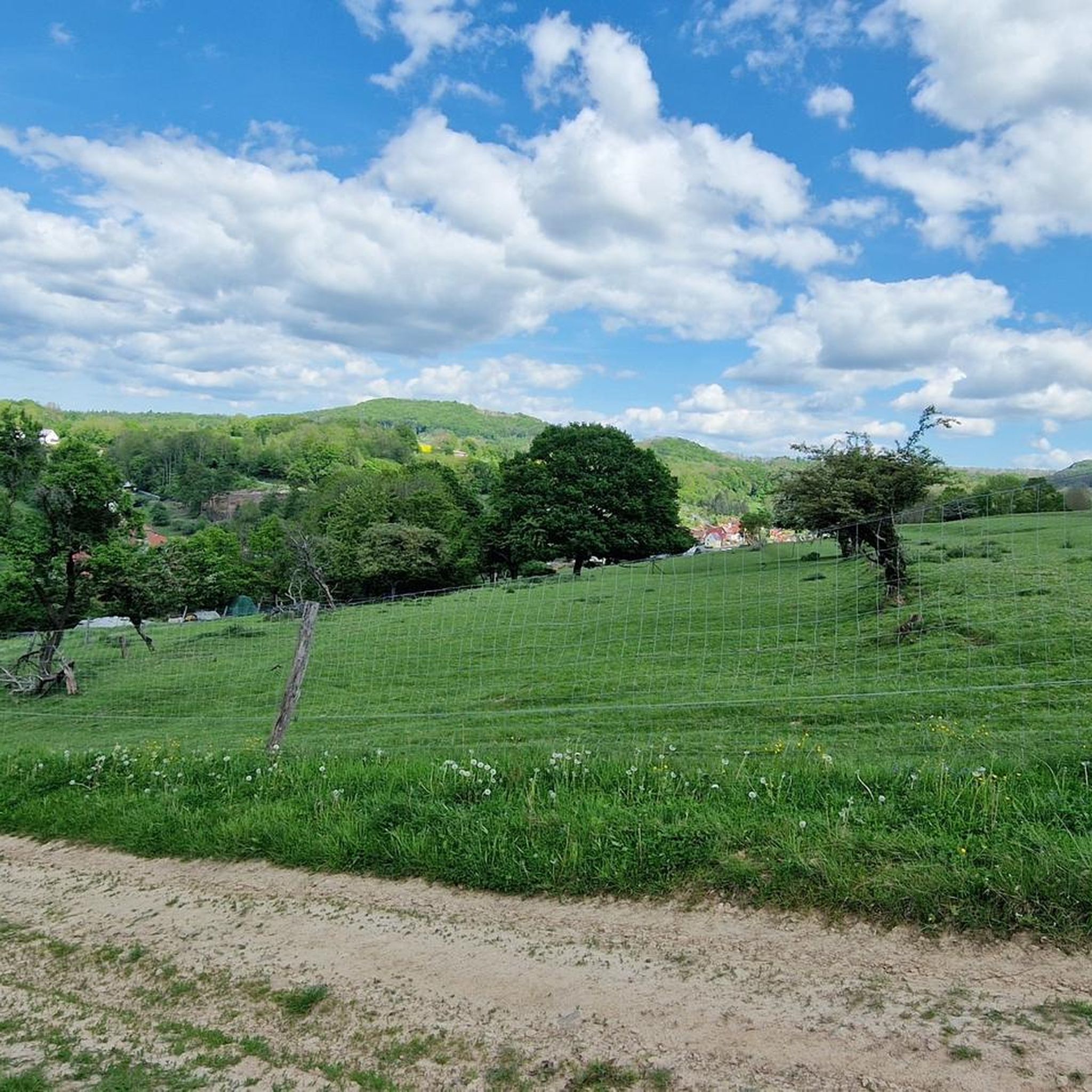
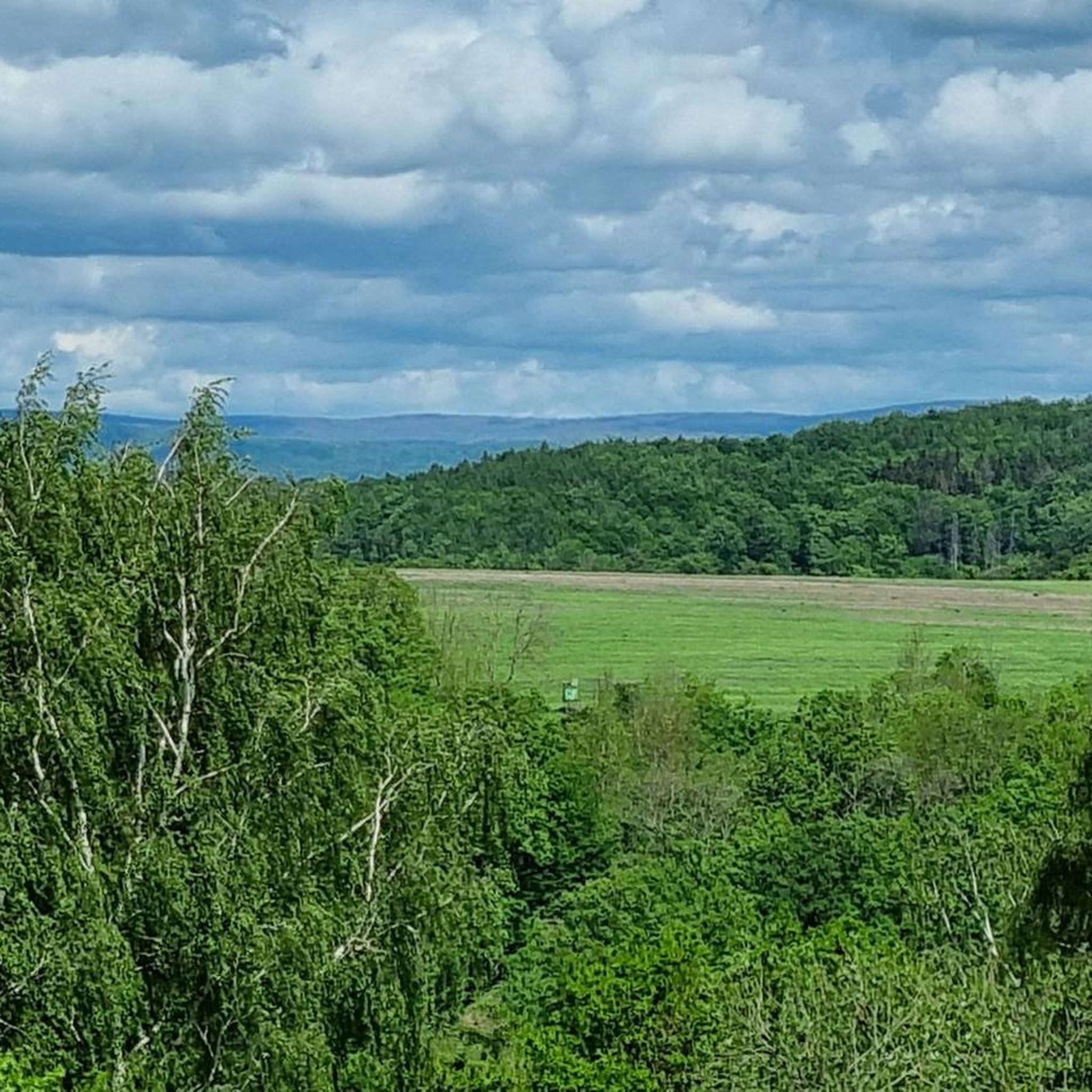
Tips from the Community

the climb is rewarded with a great view from the Skywalk
0
0

The first panel shows a map of the Eichsfeld, the second panel contains interesting facts about the Sonnenstein and the third panel provides information about the Eichsfeldlied and its author.
22
0
The Sonnenstein viewing platform was built in 2017 and is 14 meters long.
23
0

There is also a slightly flatter path
0
0

The West-Eastern Gate on what is now the Green Belt (then the inner-German border), inaugurated by Mikhail Gorbachev in 2002, was created by the artists Anka Förster and Robert Schätzle.
5
0
The Glockengraben stream, coming from the direction of Teistungen, flows into the reservoir near Teistungen.
4
0
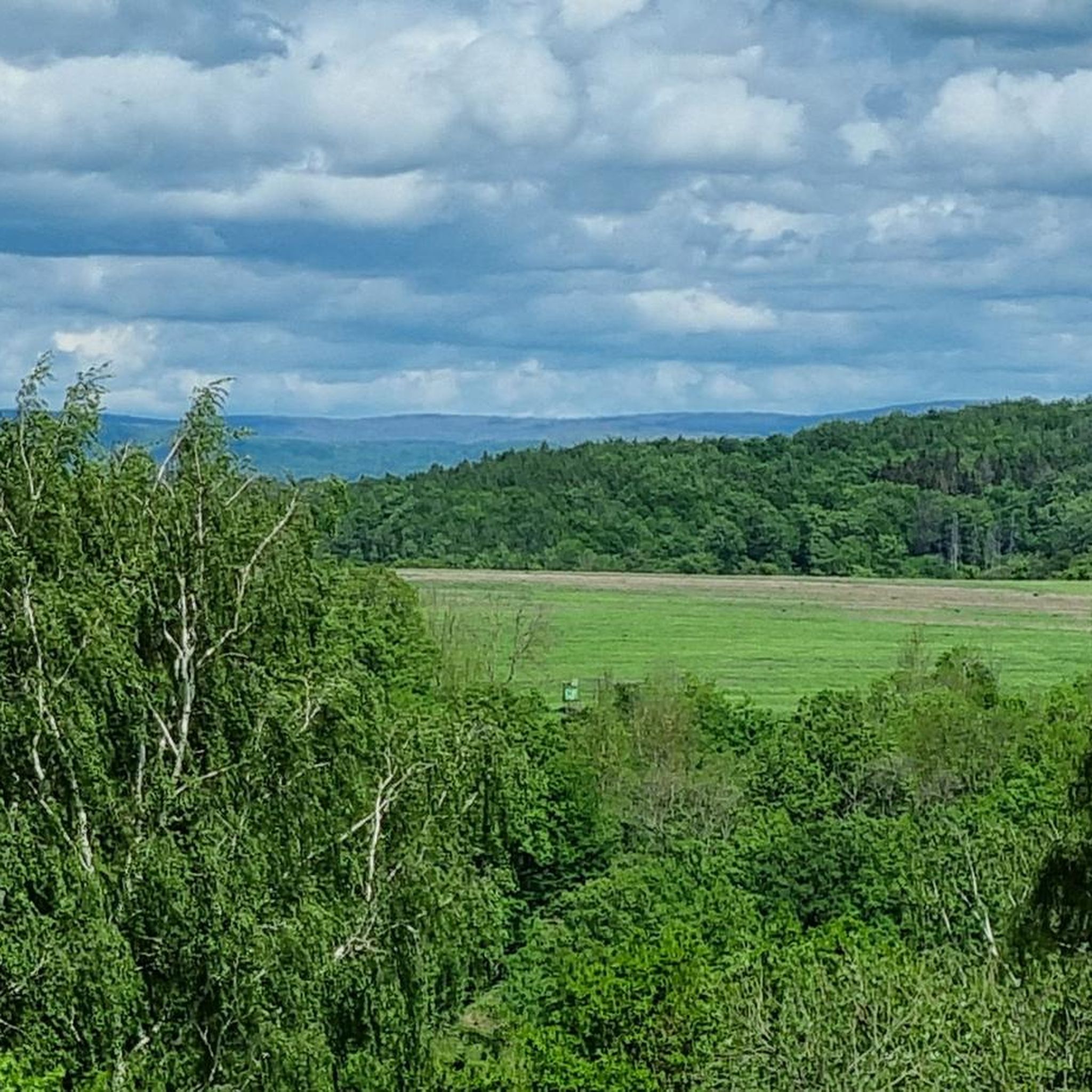
The high climb to Sonnenstein is undoubtedly a sporting challenge, but the reward at the top is absolutely worth it. This steep climb leads to a breathtaking viewpoint from which you can enjoy magnificent views of the surrounding area.
6
1

High steep climb to the Skywalk, but once you get to the top you are rewarded with the beautiful views and all the sights. 👍👍
0
0
Frequently Asked Questions
What are some of the most popular natural monuments to visit around Brehme?
Visitors frequently enjoy the Rhume Spring, one of Germany's largest karst springs known for its exceptionally clear, blue water. Other popular spots include the Skywalk Eichsfeld Observation Platform and the Sonnenstein Skywalk Steps, both offering magnificent panoramic views of the surrounding area.
Are there family-friendly natural monuments around Brehme?
Yes, several natural monuments are suitable for families. The Rhume Spring is a peaceful spot with picnic tables, perfect for a relaxed outing. The Skywalk Eichsfeld Observation Platform and the West-East Gate are also categorized as family-friendly, offering engaging experiences and views.
What unique natural features can I explore near Brehme?
The region around Brehme is rich in unique natural features. You can explore the impressive Rhume Spring, a powerful karst spring with stunning blue water. The Teistungen Reservoir, a former service water reservoir, has become a significant nature conservation area with rich flora and fauna. Additionally, the European Green Belt, a National Nature Monument, offers vast ecological networks and unspoiled nature.
Are there any historical sites or monuments related to the former inner-German border near Brehme?
Yes, the region holds significant historical value, particularly concerning the former inner-German border. The West-East Gate is a poignant man-made monument and viewpoint located directly on the former border, symbolizing the reunification of Germany. The European Green Belt itself, which traces the former border, is a living monument to this history, combining nature conservation with remembrance of the Cold War era. For more historical context, you can visit the Inner German border Wikipedia page.
What outdoor activities can I do near these natural monuments?
The natural monuments around Brehme are excellent starting points for various outdoor activities. You can enjoy hiking on trails like those found in the Hiking around Brehme guide, which includes routes near the Sonnenstein Skywalk Steps. There are also easy hikes and MTB trails available, allowing you to explore the diverse landscapes.
Are there specific hiking trails near the natural monuments?
Yes, there are several hiking trails. The Rhume Spring is located on the Karst hiking trail and the Solling-Harz Cross Trail. For those seeking views, the climb to Sonnenstein Skywalk Steps offers a challenging ascent with rewarding vistas. You can find more detailed routes in the Hiking around Brehme guide.
What is the Unicorn Cave and where is it located?
The Unicorn Cave (Einhornhöhle) is a significant show cave located approximately 16.2 kilometers from Brehme in the West Harz region. It is renowned for its geological and archaeological importance, including fossilized bones of extinct animals like mammoths and cave bears, and evidence of Neanderthal habitation. You can learn more about its history and discoveries on its Wikipedia page.
What makes the European Green Belt in Thuringia a significant natural monument?
The European Green Belt in Thuringia is a National Nature Monument that traces the former inner-German border. It's significant because the decades of minimal human interference in the former 'death strip' have transformed it into a vital refuge for diverse plant and animal species, including rare insects, wild cats, and otters. It serves as a powerful symbol of nature conservation and remembrance of the Cold War era.
What do visitors enjoy most about the natural monuments around Brehme?
Visitors particularly appreciate the breathtaking views from viewpoints like the Skywalk Eichsfeld Observation Platform, often noting that the climb is well worth the reward. The serene beauty and unique hydrogeology of the Rhume Spring also receive high praise, as does the historical significance of sites along the former inner-German border, such as the West-East Gate.
Are there any natural monuments that offer a challenging experience?
Yes, the ascent to the Sonnenstein Skywalk Steps is considered a sporting challenge. While demanding, the reward is a breathtaking viewpoint with magnificent panoramic vistas. It's recommended to wear sturdy shoes for this route.
What is the best time to visit the natural monuments around Brehme?
The natural monuments around Brehme can be enjoyed throughout the year. Spring and autumn offer pleasant temperatures for hiking and exploring the Green Belt's biodiversity. Summer is ideal for enjoying the clear waters of the Rhume Spring and the views from the skywalks. The Unicorn Cave maintains a constant temperature of 7°C, making it a comfortable visit regardless of outside weather.
Can I bring my dog to the natural monuments and trails?
While many natural areas in Germany are dog-friendly, specific rules may apply to protected natural monuments and trails. It's generally advisable to keep dogs on a leash to protect wildlife and ensure a pleasant experience for all visitors. Always check local signage for specific regulations at each site.
Are there any hidden natural gems or less-known spots worth exploring?
Beyond the well-known highlights, the broader European Green Belt offers numerous less-traveled paths and quiet spots where you can discover diverse flora and fauna. The Teistungen Reservoir, for instance, is a significant nature conservation area that, due to its history as a restricted zone, developed a species-rich environment, making it a peaceful spot for nature observation.
Most popular attractions around Brehme

Get inspired with the komoot mobile app


Explore more
Extend your search for the best caves by checking out these guides of the top ones around Brehme:
