Top 20 Natural Monuments around Großbartloff
Natural monuments around Großbartloff feature a landscape shaped by unique geological processes, including the formation of freshwater limestone. The region is characterized by its natural features, such as the Lutter Waterfall, a protected site with an approximately 10-meter-high steep wall of travertine. This area provides habitats for various animal species and offers natural landmarks for exploration. Visitors can discover diverse natural attractions within this landscape.
Best natural monuments around Großbartloff
- The most popular natural monuments is Schimberg Cross at Martinfeld…
Last updated: June 25, 2026
Unstrut Spring
Highlight • River
Translated by Google •
Tip by

Großbartloff Waterfall (Touringen Stamp Point No. 81)
Highlight • Waterfall
Translated by Google •
Tip by

Sign up now to discover places like this
Get recommendations on the best single tracks, peaks, & plenty of other exciting outdoor places.
Sign up for free
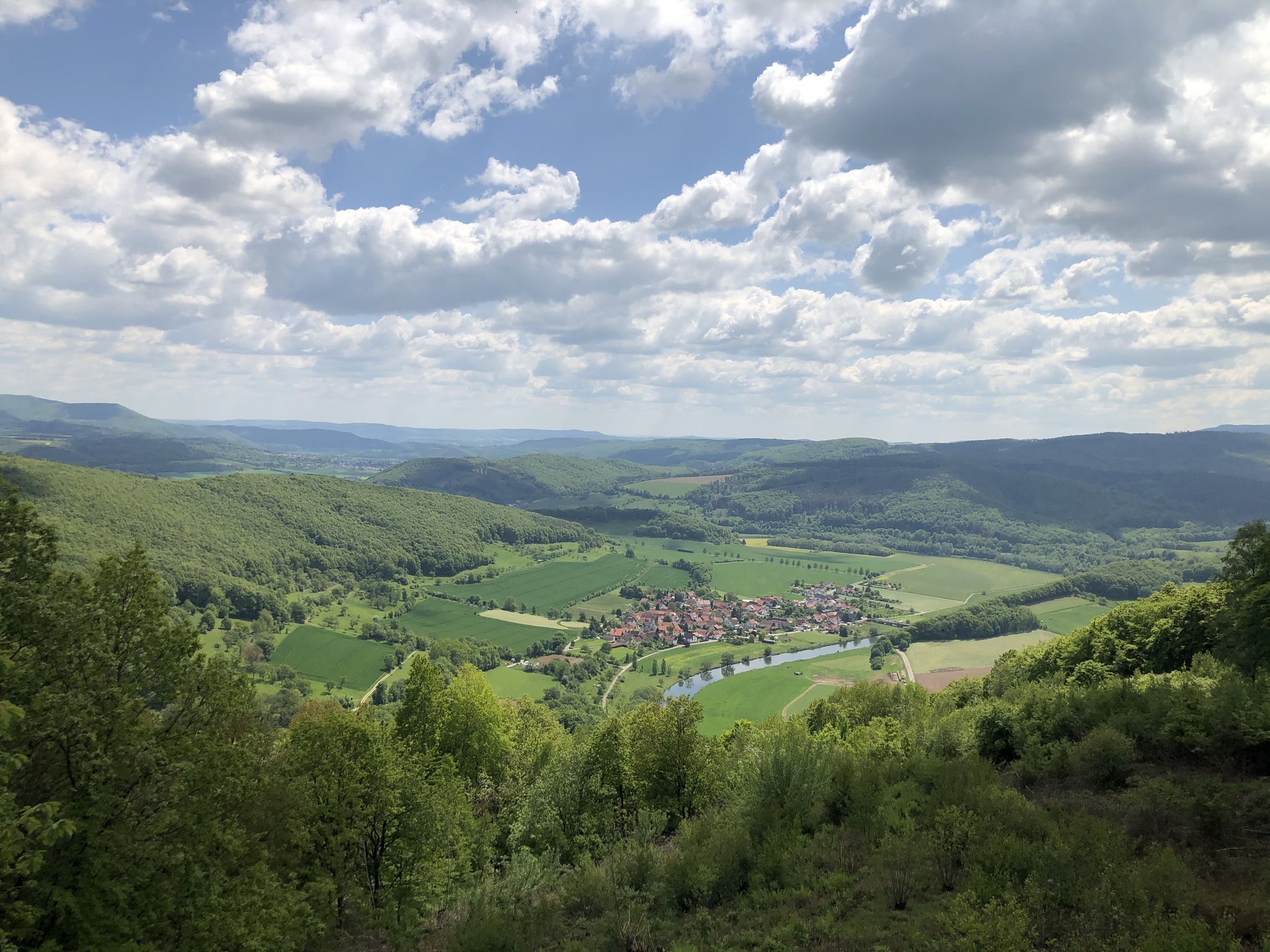
Dieterode Cliffs (from the valley floor)
Highlight • Viewpoint
Translated by Google •
Tip by

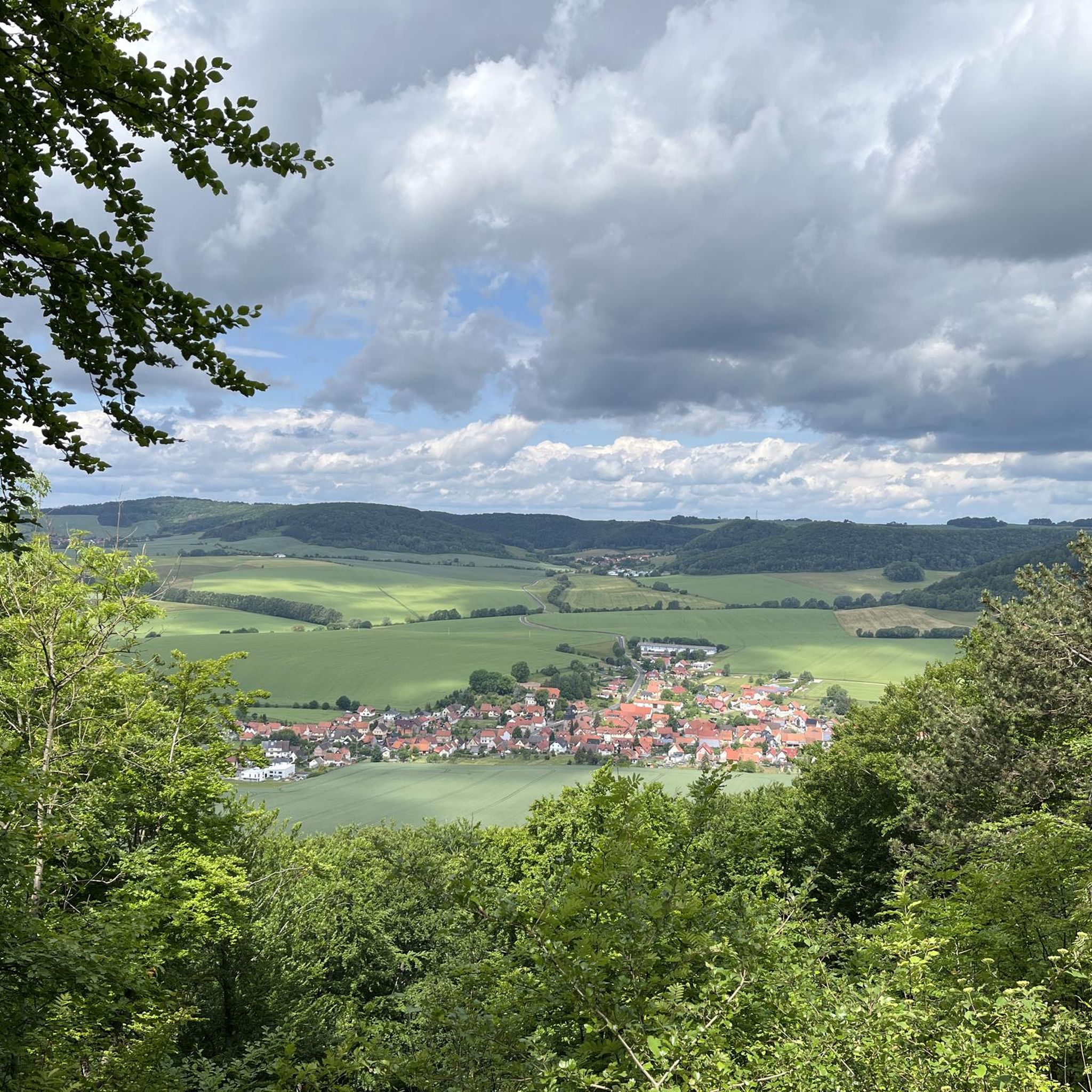
Schimberg Cross at Martinfeld Window
Highlight • Viewpoint
Translated by Google •
Tip by

Elfengrund Waterfall
Highlight • Waterfall
Translated by Google •
Tip by

Sign up for free to discover even more natural monuments around Großbartloff.
Sign up for free
Already have an account?
Start today with a free account
Your next adventure awaits.
Login or Signup

Other adventures around Großbartloff

Tips from the Community

A great view from below too.
4
0

what a fascinating VIEW
0
0
actually quite unspectacular .... but only from above ;-)
0
0

Also very nice to look at from below.
0
0
Look at the waterfall, a true natural highlight and now also a stamp station.
10
1

View of the Dieteröder Cliffs from the lower old railway embankment
0
0

It’s also a beautiful sight when seen from the bottom of the valley.
0
0

It's also nice to see the cliffs from below
0
0
Frequently Asked Questions
What are some unique natural monuments to explore around Großbartloff?
The region offers diverse natural monuments. You can visit the Unstrut Spring, one of the few easily accessible river sources, or the impressive Elfengrund Waterfall, known for its unique fossil limestone tufts. For panoramic views, the Schimberg Cross at Martinfeld Window provides a great resting spot with wide vistas.
What makes the Großbartloff Waterfall special?
The Großbartloff Waterfall, also known as the Lutter Waterfall, is a unique natural monument. It features an approximately 10-meter-high steep wall made of travertine, a freshwater limestone formed over thousands of years. The area is also a nature reserve, providing a habitat for rare species like the dipper, wren, grey wagtail, fire salamander, and striped dragonfly.
Are there family-friendly natural monuments around Großbartloff?
Yes, several natural monuments are suitable for families. The Großbartloff Waterfall is a popular destination where visitors can enjoy the calming natural environment and even cool their feet in the stream on warm days. The Unstrut Spring also has benches for relaxation, making it a pleasant stop for all ages.
What kind of natural features can I expect to see in the Großbartloff area?
The Großbartloff area is rich in geological and ecological diversity. You'll encounter unique freshwater limestone formations, such as those at the Großbartloff Waterfall and the Elfengrund Waterfall. The region also features river sources like the Unstrut Spring, and scenic viewpoints offering wide vistas, such as the Schimberg Cross at Martinfeld Window.
Are there any historical natural monuments in the region?
Yes, the Green Belt – Former Kolonnenweg is a significant historical natural monument. This trail follows the former inner-German border, serving as a hiking and cycling path today. It's part of the largest biotope network in Germany, preserving both natural habitats and a piece of history.
What outdoor activities can I do near the natural monuments in Großbartloff?
The area around Großbartloff offers excellent opportunities for hiking and cycling. You can explore various routes, including easy loops like the "Klostermühle Großbartloff – Großbartloff Waterfall loop" or moderate ones such as the "Großbartloff Waterfall – Heiligenberg Tunnel loop." For cycling, the "Kanonenbahn Rail Trail Tunnels – Küllstedter Tunnel loop" is a popular choice. Find more details on these activities in the hiking guide and cycling guide for Großbartloff.
What is the geology like around Großbartloff's natural monuments?
The geology around Großbartloff is characterized by unique freshwater limestone formations. The Großbartloff Waterfall, for instance, is formed from solid travertine, which developed from calcareous sands between 5,000 and 10,000 years ago. The water of the Lutter River, rich in carbonates and sulfates, continues to contribute to the formation of these freshwater limestones.
What is the best time of year to visit the natural monuments around Großbartloff?
The natural monuments around Großbartloff are beautiful to visit throughout the warmer months, generally from spring to autumn. During these seasons, the trails are most accessible, and the flora and fauna are vibrant. The Großbartloff Waterfall is particularly refreshing on warm days, and the ecological diversity is more evident.
Are the natural monuments around Großbartloff dog-friendly?
Many natural areas and trails around Großbartloff are dog-friendly, allowing you to enjoy the scenery with your canine companion. It's always recommended to keep dogs on a leash, especially in nature reserves like the area around the Großbartloff Waterfall, to protect wildlife and ensure a pleasant experience for all visitors.
What do visitors enjoy most about the natural monuments in Großbartloff?
Visitors frequently praise the tranquil natural environment and the unique geological features. Many appreciate the opportunity to relax by the water, such as at the Großbartloff Waterfall or the Unstrut Spring. The scenic viewpoints, like the Schimberg Cross at Martinfeld Window, are also highly rated for their expansive views and peaceful atmosphere.
Are there hiking trails that lead to these natural monuments?
Yes, numerous hiking trails lead to and connect the natural monuments. For example, you can find routes like the "Klostermühle Großbartloff – Großbartloff Waterfall loop" which takes you directly to the Großbartloff Waterfall. Many trails are integrated into the broader hiking network of the region. You can explore more options in the hiking guide for Großbartloff.
Most popular routes around Großbartloff
Most popular attractions around Großbartloff

Get inspired with the komoot mobile app


Explore more
Extend your search for the best caves by checking out these guides of the top ones around Großbartloff:
