Top 20 Natural Monuments around Schnaudertal
Natural monuments around Schnaudertal offer diverse natural features within the Burgenlandkreis region. The area presents a landscape characterized by its geological formations and historical natural landmarks. Visitors can explore various sites that showcase the region's natural heritage. These natural attractions provide opportunities for outdoor activities and observation of local flora and geological structures.
Best natural monuments around Schnaudertal
- The most popular natural monuments is Thousand-Year-Old Oak of Nöbdenitz, a natural monument that is approximately 700 years old. This pedunculate…
Last updated: July 8, 2026
Herrenhaus Göbitz
Highlight • Historical Site
Translated by Google •
Tip by

Thousand-Year-Old Oak of Nöbdenitz
Highlight • Natural Monument
Translated by Google •
Tip by

Sign up now to discover places like this
Get recommendations on the best single tracks, peaks, & plenty of other exciting outdoor places.
Sign up for free
Halde Beerwalde
Highlight • Structure
Open only on weekends.
Translated by Google •
Tip by

Bastei at Pfefferberg
Highlight • Natural Monument
"A long time ago, giants also lived in the Sprottental. Out of sheer boredom and high spirits, they tested their …
Translated by Google •
Tip by
Drosen Gravel Pit
Highlight • Natural
(Information board)
Translated by Google •
Tip by

Sign up for free to discover even more natural monuments around Schnaudertal.
Sign up for free
Already have an account?
Start today with a free account
Your next adventure awaits.
Login or Signup
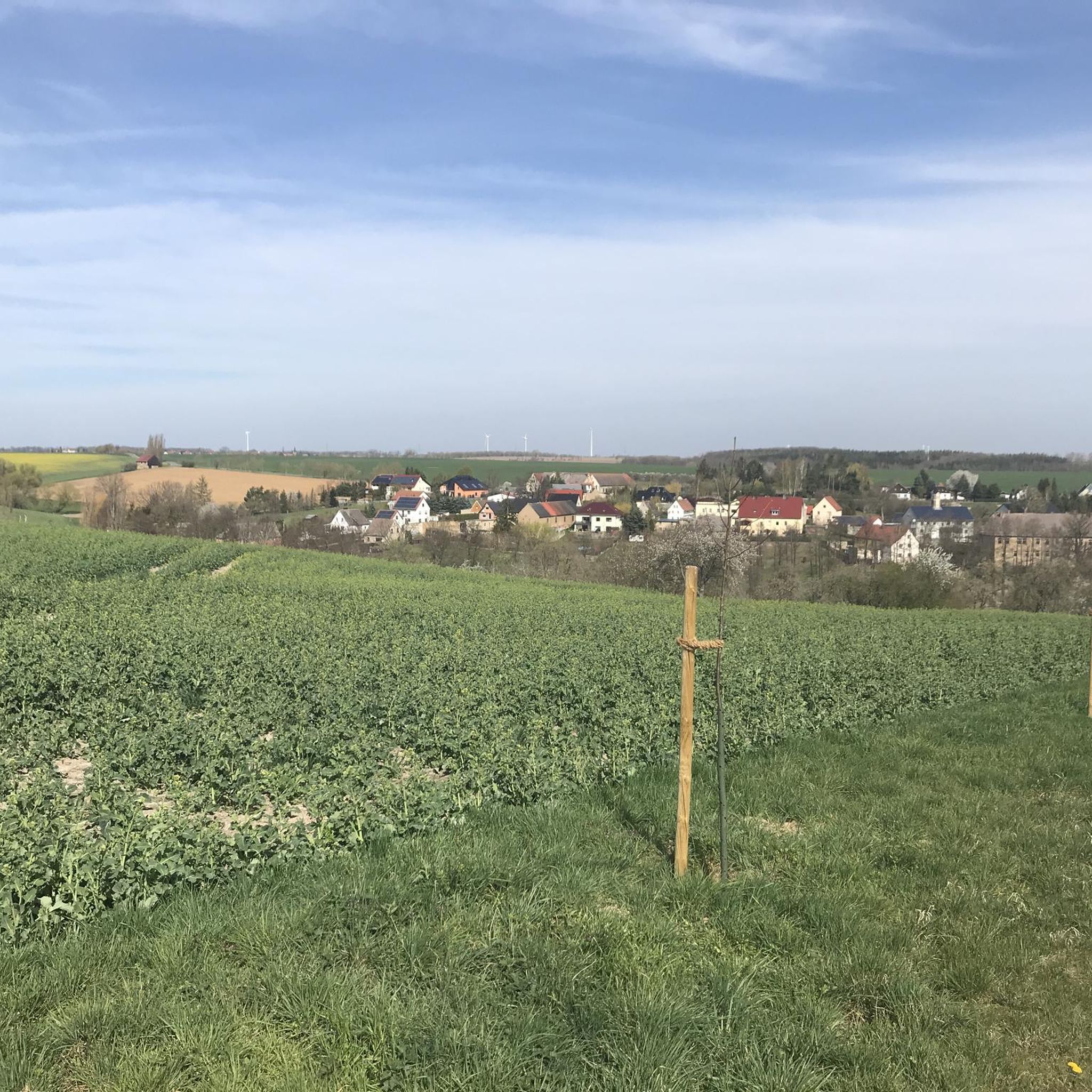
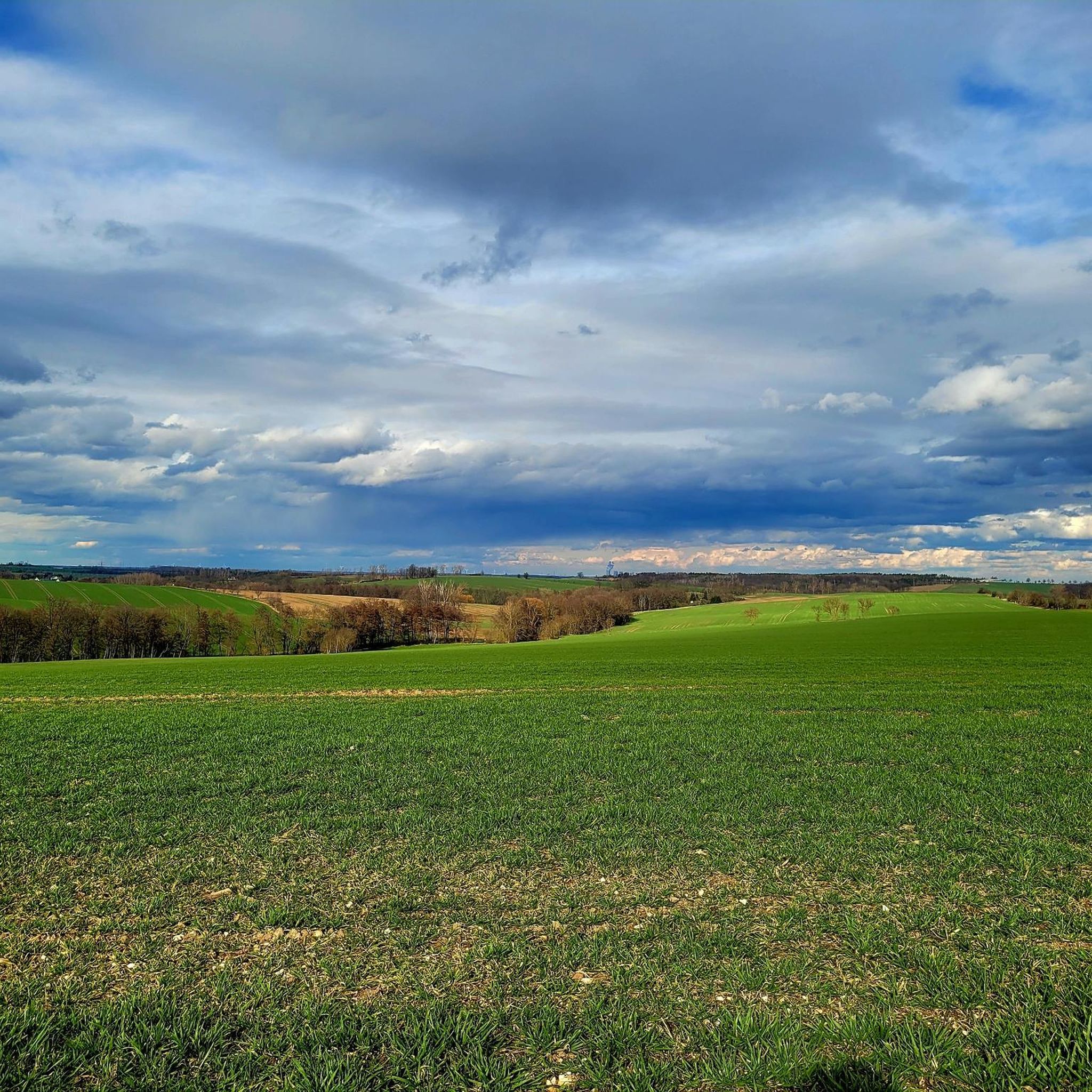
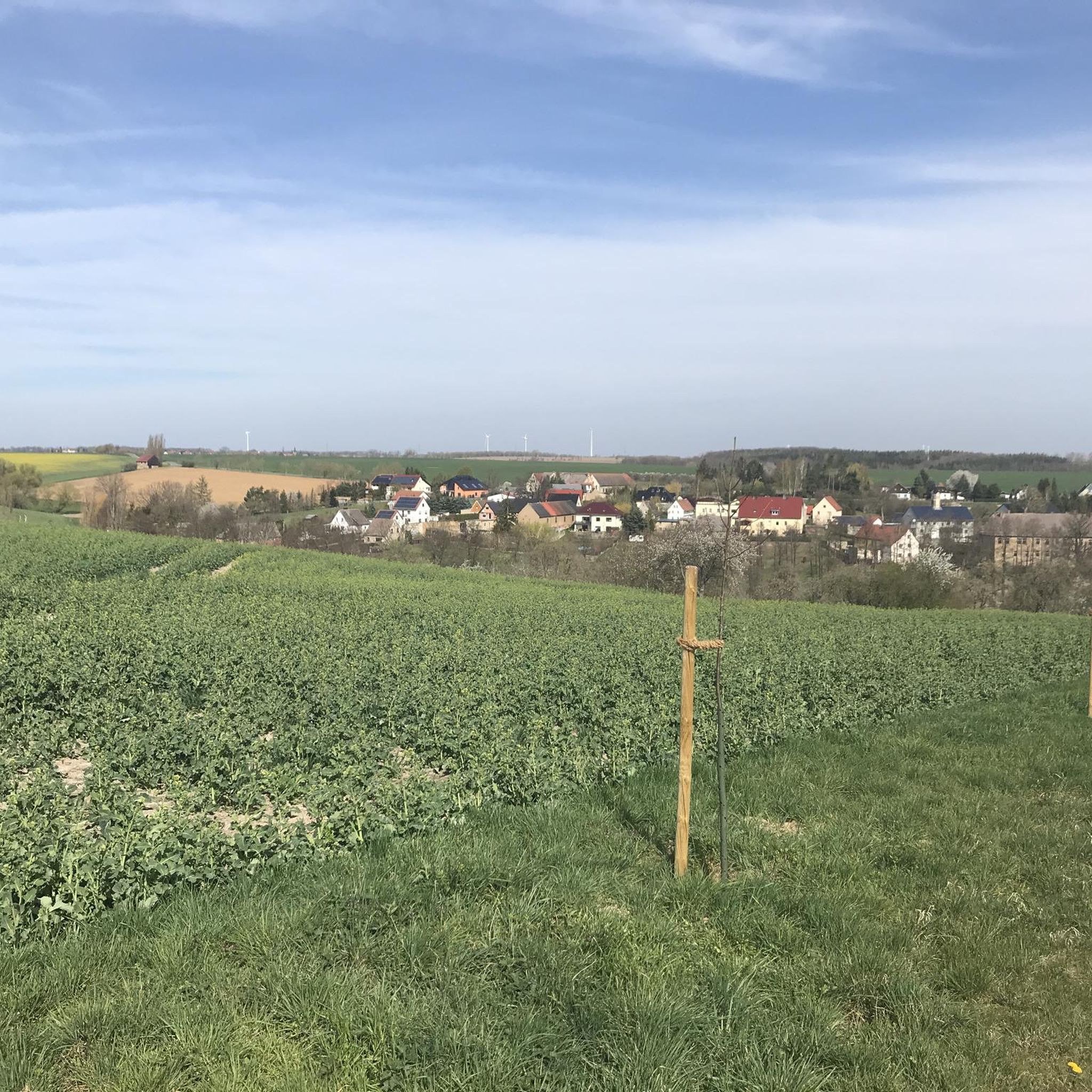
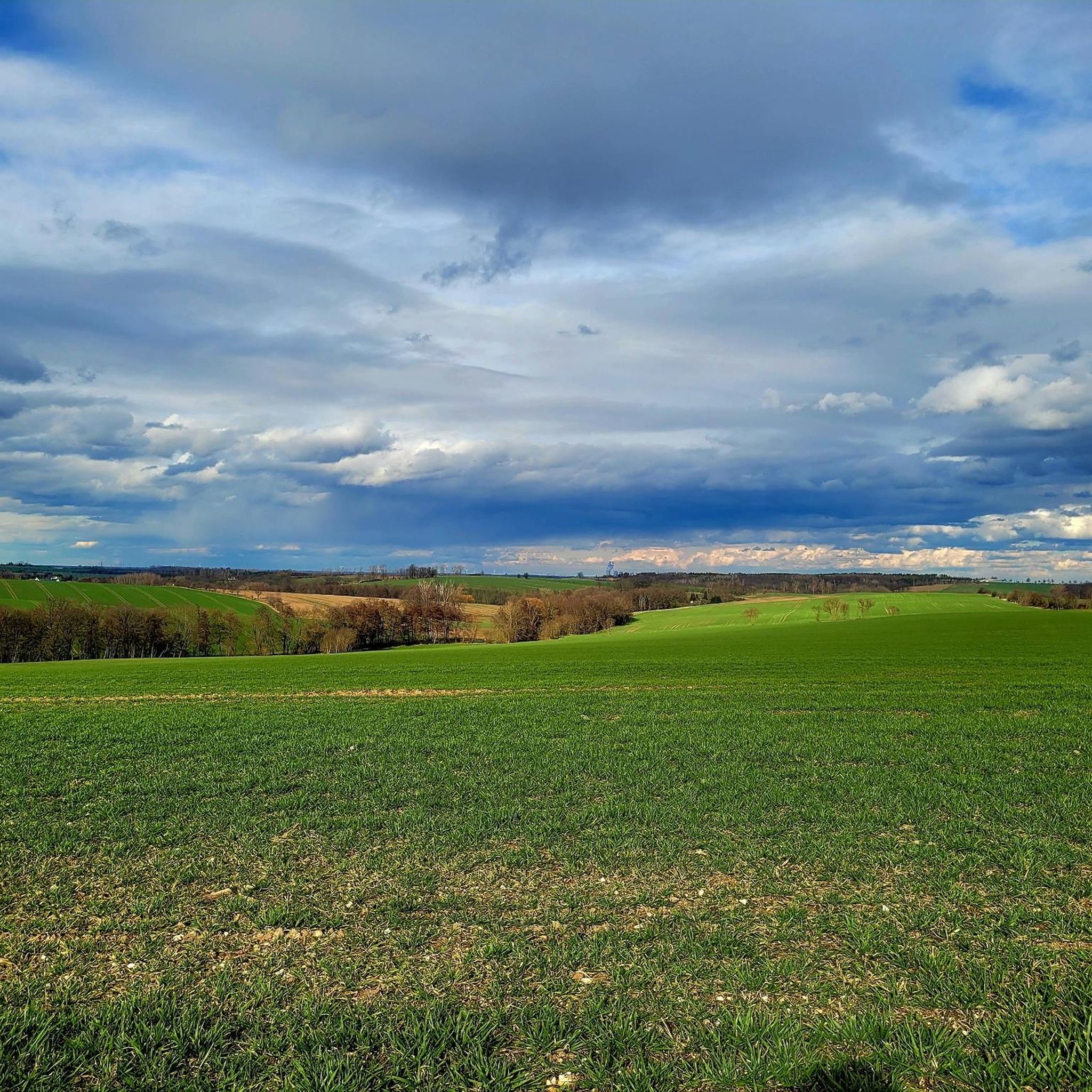
Tips from the Community

Beautiful rock formation on Schmöllner Pfefferberg.⛰️🌳
2
0


A beautiful viewpoint that invites you to linger!
3
0


We passed by there on our ✅🚲 tours through the Elsterauen and took advantage of the autumnal sunrays in the beer garden, which is still open, to have a rest and a great meal... 🚲Greetings from the Wetterau... Simone & Michael🙋🏻🙋♂️
2
0

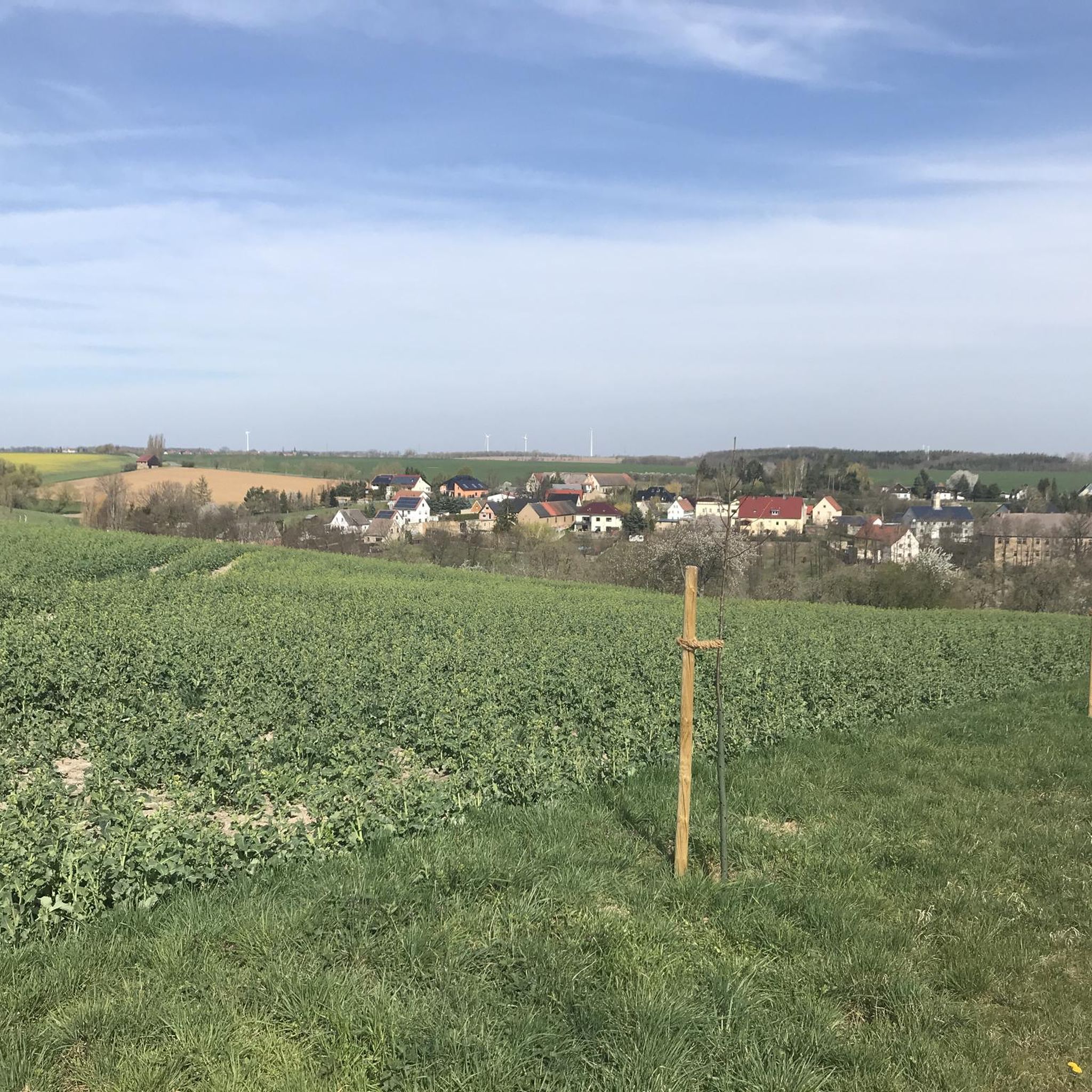
This area is totally idyllic.
1
1

what a beautiful landscape
3
0

In the 1930s the following legend was told about this: "A long time ago, giants also lived in the Sprottental. Out of sheer boredom and high spirits, they tested their strength by throwing stones. The strongest of them managed to break a large boulder out of the Pfefferberg and from there throw it far into the valley . The rock finally came to rest on today's Coßwitzanger. The large hole that was created when the chunk was torn from the Pfefferberg can still be admired today below the observation tower as the Schmöllner Bastei."
21
0
Frequently Asked Questions
What unique natural features can I explore around Schnaudertal?
The Schnaudertal area offers a variety of natural features, including ancient trees like the Thousand-Year-Old Oak of Nöbdenitz, unique geological formations such as the Bastei at Pfefferberg, and former mining landscapes like the Drosen Gravel Pit. These sites showcase the region's diverse natural heritage.
Are there any family-friendly natural monuments in the Schnaudertal region?
Yes, several natural monuments are suitable for families. The Thousand-Year-Old Oak of Nöbdenitz is a great spot to visit, offering a glimpse into history and nature. Additionally, the Herrenhaus Göbitz, while a historical site, is also listed as family-friendly and offers gastronomy on weekends.
What kind of historical significance do the natural monuments around Schnaudertal hold?
Many natural monuments in the area are intertwined with local history. For instance, the Thousand-Year-Old Oak of Nöbdenitz, despite its name, is approximately 700 years old and holds a crypt within its roots where Hans Wilhelm von Thümmel, who secured its preservation, was buried. The Drosen Gravel Pit is a testament to the region's past mining activities, where pebble and black slate were once extracted.
Can I find viewpoints or scenic spots among the natural monuments?
Absolutely. The Bastei at Pfefferberg is an interesting rock formation that offers scenic views. Another notable viewpoint is Halde Beerwalde, which provides a great perspective over Ronneburg and Gera, and symbolizes the region's mining history and subsequent natural revival.
What outdoor activities can I do near the natural monuments in Schnaudertal?
The Schnaudertal region offers various outdoor activities. You can explore extensive hiking trails, with options ranging from easy to moderate, such as the 'Picnic Shelter by the Pond – Bockwindmühle Lumpzig loop'. For cycling enthusiasts, there are numerous MTB and gravel biking routes, including the 'Utenbach Railway Viaduct – View of Camburg Castle loop' for MTB or the 'Schönburg Castle loop' for gravel biking. You can find more details on these activities in the dedicated guides for Hiking around Schnaudertal, MTB Trails around Schnaudertal, and Gravel biking around Schnaudertal.
Are there any natural monuments with interesting local legends or stories?
Yes, the Bastei at Pfefferberg is associated with a local legend. It's said that giants once tested their strength by throwing stones, and the large hole in the rock formation is a result of a giant tearing a boulder from the Pfefferberg. This boulder supposedly landed on today's Coßwitzanger.
What is being done to preserve the natural environment at these sites?
At the Drosen Gravel Pit, for example, goats are used for grazing two to three times a year to prevent overgrowth and preserve the unique 'dwarf shrub heath' biotope. This sustainable approach helps maintain the natural character of the former mining landscape.
What is the best time to visit the natural monuments around Schnaudertal?
While specific seasonal recommendations for each monument vary, generally, spring and autumn offer pleasant weather for exploring the natural landscapes and trails. Summer is also suitable, but some sites like Halde Beerwalde have specific weekend opening hours during the summer months (10:00 to 18:00).
Are there any places to eat or stay near the natural monuments?
The Herrenhaus Göbitz, located near some natural monuments, offers gastronomy on weekends and also provides 'bed & bike' accommodation, making it a convenient stop for visitors.
What kind of geological formations can be observed?
The region is characterized by diverse geological formations. The Drosen Gravel Pit features rugged cliffs and small pools, remnants of pebble and black slate mining. The Bastei at Pfefferberg is a distinctive rock formation, showcasing the area's natural geological processes.
What do visitors particularly enjoy about the natural monuments in Schnaudertal?
Visitors appreciate the diverse natural features, from ancient trees like the Thousand-Year-Old Oak of Nöbdenitz to the unique landscapes of the Drosen Gravel Pit. The blend of natural beauty with historical context and local legends, such as those surrounding the Bastei at Pfefferberg, makes for a compelling experience. The scenic views from spots like Halde Beerwalde are also highly rated.
Most popular routes around Schnaudertal
Most popular attractions around Schnaudertal

Get inspired with the komoot mobile app


Explore more
Extend your search for the best caves by checking out these guides of the top ones around Schnaudertal:
