Top 20 Natural Monuments around Hohenmölsen
Best natural monuments around Hohenmölsen include a diverse landscape shaped by both natural features and historical events. While Hohenmölsen itself is characterized by agriculture and former mining, the surrounding Burgenlandkreis region offers notable natural attractions. These include ancient oak trees and significant natural areas, providing ecological interest and recreational opportunities. The area features a mix of natural reserves, lakes, and historical sites recognized for their natural monument status.
Best natural monuments around Hohenmölsen
- The most popular natural monuments is Großstolpener…
Last updated: July 8, 2026
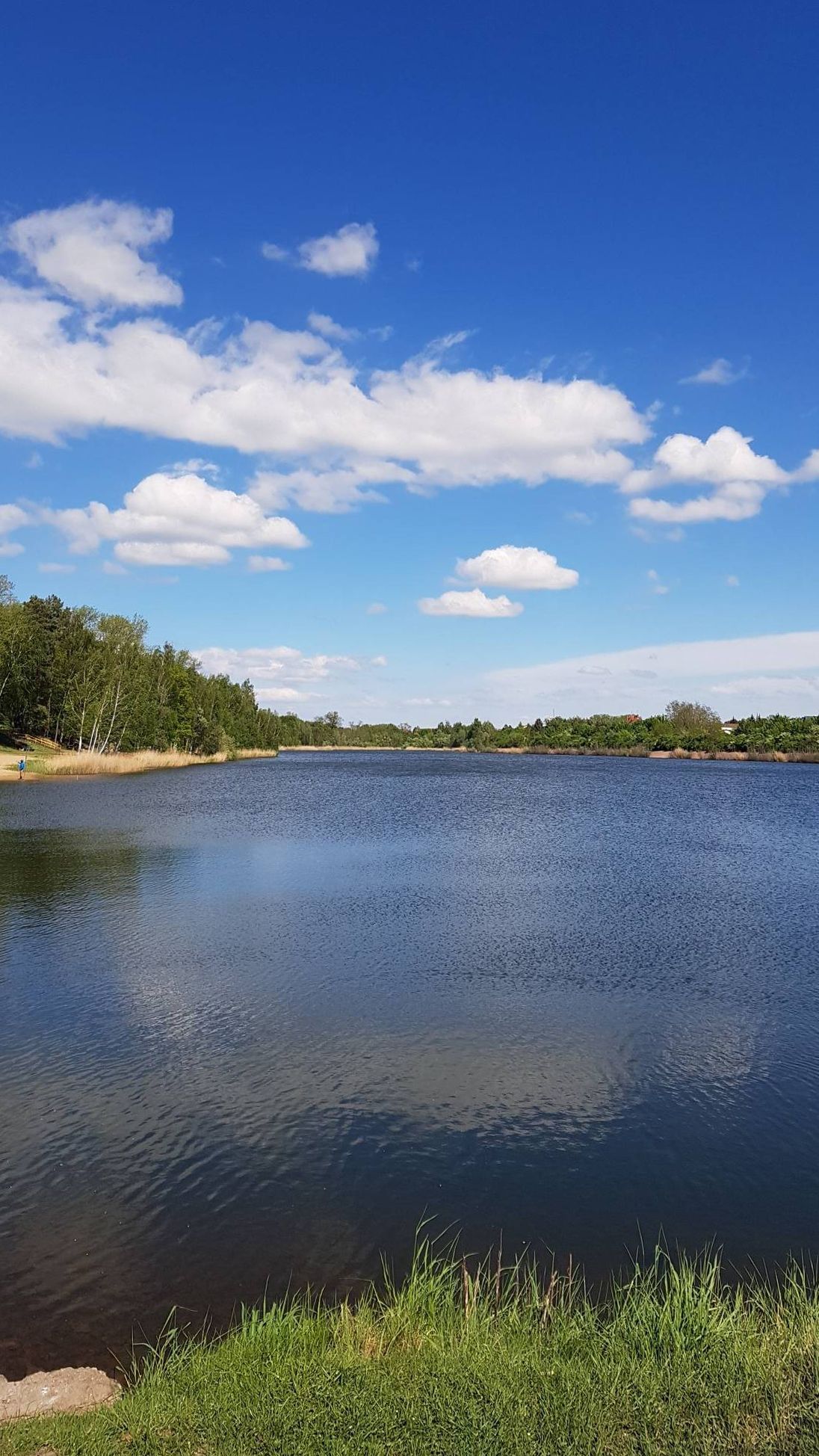
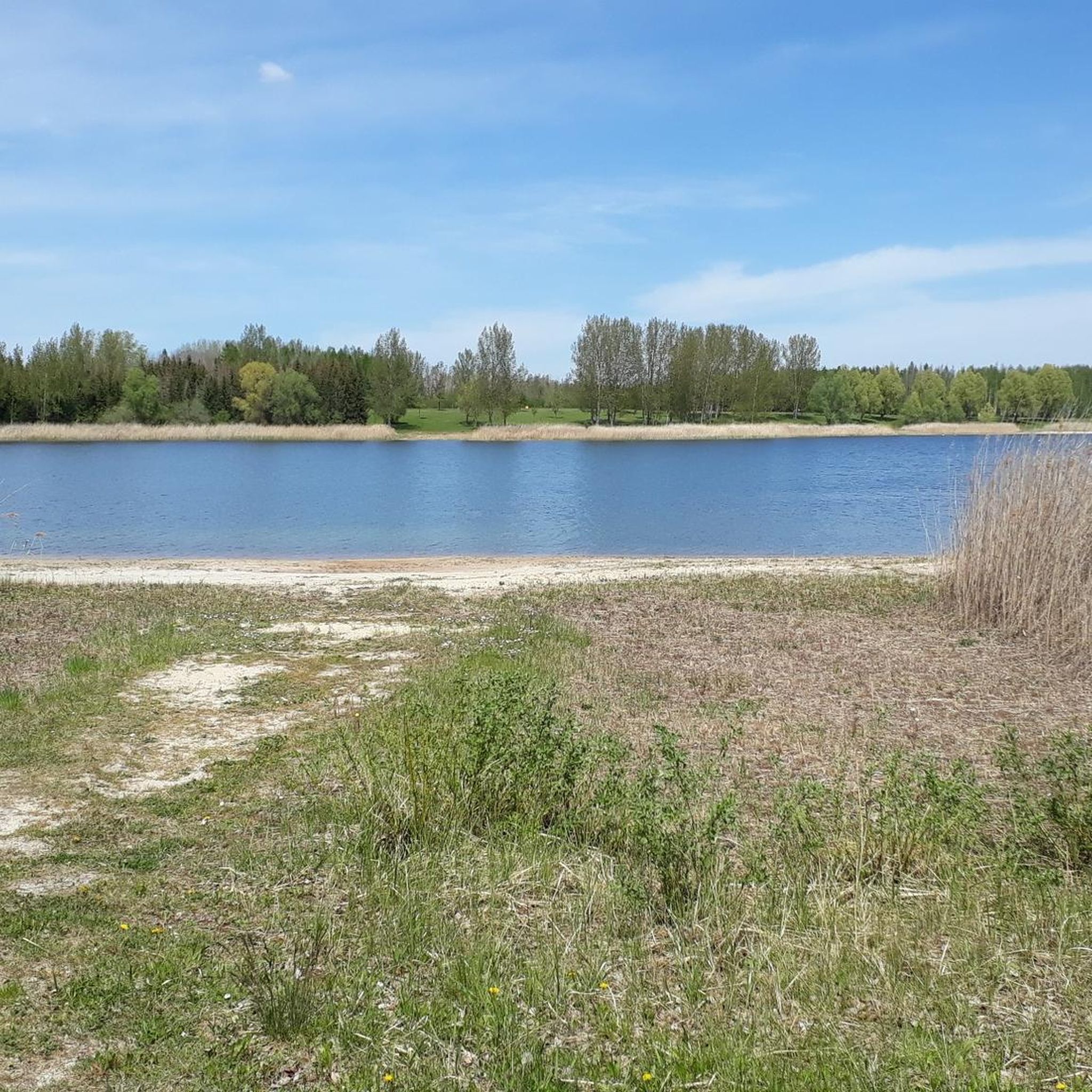
Großstolpener Lake
Highlight • Lake
Translated by Google •
Tip by

Eythra Memorial Stone
Highlight • Monument
Showing Translation
Tip by

Sign up now to discover places like this
Get recommendations on the best single tracks, peaks, & plenty of other exciting outdoor places.
Sign up for free
Seebenisch Stork Nest
Highlight • Structure
Translated by Google •
Tip by

Herrenhaus Göbitz
Highlight • Historical Site
Translated by Google •
Tip by

Linden Avenue and Former Saxon-Prussian Border Marker
Highlight (Segment) • Historical Site
the video of the tour: cnoops.de/aiovg_videos/von-grossdalzig-nach-zwenkau-loebschuetz-25-september-2021
Translated by Google •
Tip by
Sign up for free to discover even more natural monuments around Hohenmölsen.
Sign up for free
Already have an account?
Start today with a free account
Your next adventure awaits.
Login or Signup

Other adventures around Hohenmölsen

Tips from the Community

The wall is beautiful, lined with trees along the small path to the Trianon, Mother Nature shows herself in a diverse way in all sorts of shapes and colors.
0
0

As a reminder of the spatial-territorial history of the border region between the Kingdom of Saxony and the Prussian Province of Saxony, a lapidarium of boundary stones was created in the vicinity of the Trianon. Information boards report on the history of the avenue and the stone witnesses. https://www.kuladig.de/Objektansicht/BKM-30500104
0
0


At the right time of year and with a bit of luck and patience, you can see the storks flying here and watching them being fed.
0
0


We passed by there on our ✅🚲 tours through the Elsterauen and took advantage of the autumnal sunrays in the beer garden, which is still open, to have a rest and a great meal... 🚲Greetings from the Wetterau... Simone & Michael🙋🏻🙋♂️
2
0

This area is totally idyllic.
1
1
I hope that this service station will always remain fully available to all cyclists.
3
0
Frequently Asked Questions
What types of natural monuments can I explore around Hohenmölsen?
The region around Hohenmölsen offers a diverse range of natural monuments. You can find impressive ancient oak trees, such as the Stieleiche Unternessa, Stieleiche von Kreischau, and the Luthereiche von Göthewitz, known for their longevity and ecological significance. Additionally, there are significant natural areas like the Großstolpener Lake, a popular bathing spot, and the Haselbacher Teiche nature reserve, which is important for birdwatching and wildlife.
Are there any natural monuments with historical significance in the area?
Yes, several natural monuments around Hohenmölsen carry historical weight. The Eythra Memorial Stone marks the site of a village that was excavated for lignite mining, serving as a poignant reminder of landscape changes. Similarly, the Memorial Site of Stöntzsch commemorates another village lost to mining. The Luthereiche von Göthewitz, an ancient oak, is also estimated to be around 210 years old and potentially linked to local history.
What natural areas are best for wildlife observation and nature photography?
For wildlife observation and nature photography, the Haselbacher Teiche nature reserve is an excellent choice. This 125-hectare area is a crucial transit and resting spot for migratory birds and provides habitat for otters, bats, amphibians, and rare insects like the Dusky Large Blue butterfly. An observation tower is available for birdwatching. The Seebenisch Stork Nest is another spot where you can observe native storks.
Are there family-friendly natural monuments or activities suitable for children?
Absolutely. The Großstolpener Lake is a popular family destination with a sunbathing lawn, sandy beach, and clear water, perfect for a day out. The Seebenisch Stork Nest offers a nicely made break area right on a bike path, where children can observe storks. Exploring the ancient oak trees, like the Stieleiche Unternessa, can also be an engaging activity for families, offering a chance to connect with nature and history.
What outdoor activities can I do near these natural monuments?
The region offers various outdoor activities. You can enjoy cycling along the Weiße Elster river, which was designated as the 'River Landscape of the Year' for 2020-2022, or explore the bike path near the Seebenisch Stork Nest. Hiking is also popular, with trails like the Floßgraben hiking trail passing by the Memorial Site of Stöntzsch. For more specific routes, you can find numerous options for hiking, mountain biking, and running around Hohenmölsen.
Are there any natural monuments that offer food or accommodation?
Yes, the Herrenhaus Göbitz is a historical site recognized as a natural monument that offers gastronomy on weekends and 'bed & bike' services, making it a convenient stop for visitors looking for refreshments or an overnight stay.
What is the best time of year to visit the natural monuments around Hohenmölsen?
The natural monuments around Hohenmölsen can be enjoyed throughout the year, depending on your interests. Spring and autumn offer pleasant temperatures for hiking and cycling, with vibrant foliage or blooming nature. Summer is ideal for visiting the Großstolpener Lake for swimming and sunbathing. Birdwatching at the Haselbacher Teiche is rewarding in spring and autumn during migration periods.
Can I find ancient oak trees that are officially protected as natural monuments?
Yes, the Burgenlandkreis region, which includes Hohenmölsen, is home to several officially protected ancient oak trees. Notable examples include the Stieleiche Unternessa in Nessa, the Stieleiche von Kreischau in Muschwitz, and the Traubeneiche von Pobles, also in Muschwitz. These trees are recognized for their impressive age, size, and ecological value.
What makes the Weiße Elster river a significant natural feature in the region?
The Weiße Elster river is a prominent natural feature, recognized for its ecological, economic, and socio-cultural importance. It was designated as the 'River Landscape of the Year' for 2020-2022. The river and its surroundings offer diverse and scenic landscapes, including charming hills and colorful fields, providing numerous recreational opportunities such as cycling, hiking, kayaking, and canoeing.
What do visitors appreciate most about the natural monuments in this area?
Visitors frequently appreciate the tranquility and natural beauty of the area, as well as the historical context provided by sites like the Eythra Memorial Stone and the Memorial Site of Stöntzsch. The Großstolpener Lake is particularly popular for its clear water and recreational facilities. The ancient oak trees are admired for their impressive size and role as living historical markers.
Are there any natural monuments that are particularly storm-resistant or have unique characteristics?
The Traubeneiche von Pobles, a sessile oak, is known for its robust taproots, which make it extremely storm-resistant. These oaks can reach impressive ages of 800 to 1000 years and heights of 25 to 40 meters. They are characterized by a slightly looser crown structure compared to pedunculate oaks and their acorns were historically important for pig fattening.
Most popular routes around Hohenmölsen
Most popular attractions around Hohenmölsen

Get inspired with the komoot mobile app


Explore more
Extend your search for the best caves by checking out these guides of the top ones around Hohenmölsen:
