Top 20 Natural Monuments around Schraplau
Best natural monuments around Schraplau are found within the Lower Saale Valley Nature Park, a region characterized by diverse natural beauty and geological significance. The area features alluvial forests, oxbow lakes, and wet meadows along the Saale River, alongside steep rocky slopes with dry grasslands. Geologically, the landscape includes ancient rocks and Ice Age deposits, with formations of sandstone, conglomerate, porphyry, and limestone. The Salza River, also known as Weida, flows through Schraplau, contributing to the scenic backdrop and providing…
Last updated: July 8, 2026
Salziger Lake near Langenbogen
Highlight • Lake
Translated by Google •
Tip by

Dolmen Goddess Grave (Langeneichstädt)
Highlight • Historical Site
Translated by Google •
Tip by

Sign up now to discover places like this
Get recommendations on the best single tracks, peaks, & plenty of other exciting outdoor places.
Sign up for free
Dolmen Goddess of Langeneichstädt (Menhir)
Highlight • Monument
Translated by Google •
Tip by

Wendenburg Memorial
Highlight • Monument
Translated by Google •
Tip by
To the Kalte Stelle
Highlight • Natural Monument
Translated by Google •
Tip by

Sign up for free to discover even more natural monuments around Schraplau.
Sign up for free
Already have an account?
Start today with a free account
Your next adventure awaits.
Login or Signup
Tips from the Community

Many archaeological sensations have been unearthed in our homeland, and there are certainly many more slumbering underground. The Dolmen Goddess is something special.
1
0

Very interesting and there's a stamp too.👍
0
1

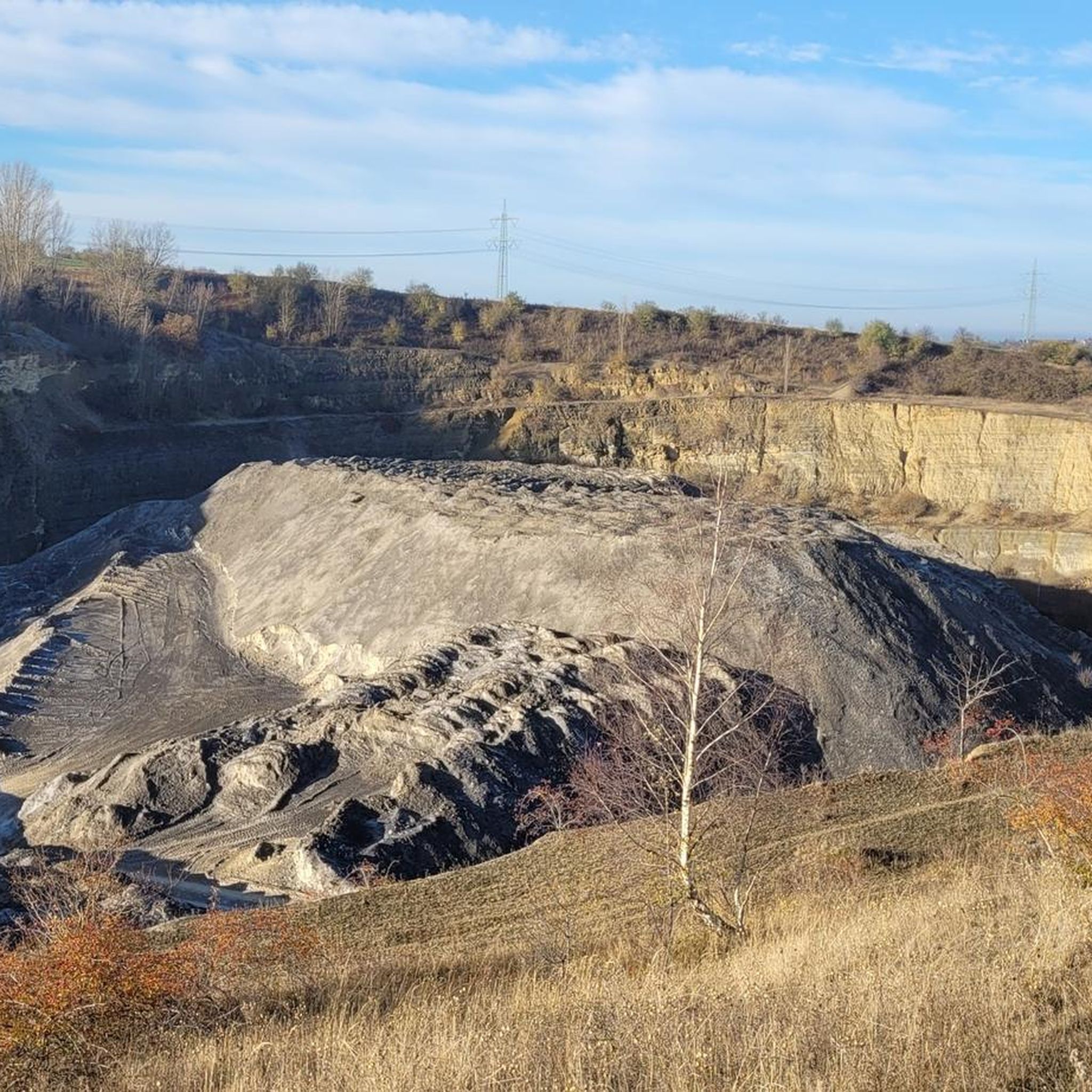
Just to clarify. Just because the Salza flows past the pond, the body of water is not called the Salty Lake. The name was already given long before (see below). The horseshoe pond is known as the Great Castle Pond and was only created at the end of the 1960s. The Salty Lake was located a little further west in a depression that stretches from Erdeborn to the Wansleben - sewage treatment plant road, the K 2149. The Salty Lake was about 3 times as large and twice as deep as its brother, the Sweet Lake, and was formed like the entire landscape by subsidence processes that began about 3,000,000 years ago (Cretaceous/Tertiary). In 1892, however, the "plug" was pulled and the lake almost completely drained. All that remains are 2 even deeper depressions, the Bindersee near Rollsdorf and the Kernersee, the one with the Fischerhof on the former eastern bank. The path that leads from Langenbogen on the Salza to Köllme is part of the Saale-Harz cycle path (Halle-Wippra). I have included a map with the pictures. The photos are great, it looks really idyllic. So far just a bit of local history by Willi
0
0

Please keep the area clean✌🏻
2
0

In addition to the monument you will find wonderful nature
6
0
The Wendenburg family bought the clearly run-down Seeburg Castle. On October 1, 1928, Major Wendenburg was killed in a riding accident at the spot where the monument stands today.
6
0
A must for all Himmelsweg travelers,
14
0
Frequently Asked Questions
What are some of the most popular natural monuments around Schraplau?
Visitors frequently enjoy the Salziger Lake near Langenbogen, known for its horseshoe shape and salty waters. Another significant site is the Dolmen Goddess of Langeneichstädt (Menhir), a historical monument reflecting ancient culture. The Wendenburg Memorial by Süssen Lake also offers a scenic viewpoint and historical context.
What kind of natural features can I expect to see in the Schraplau area?
The Schraplau area, situated within the Lower Saale Valley Nature Park, offers a diverse landscape. You'll find myth-enshrouded alluvial forests, oxbow lakes, and wet meadows along the Saale River. There are also steep rocky slopes with dry grasslands and meadow orchards. Geologically, the region is rich in ancient rocks and Ice Age deposits, featuring formations of sandstone, conglomerate, porphyry, and limestone.
Are there family-friendly natural monuments to visit around Schraplau?
Yes, several natural monuments are suitable for families. The Salziger Lake near Langenbogen is a great spot, as is the Dolmen Goddess of Langeneichstädt (Menhir), which combines natural and historical interest. The Wendenburg Memorial also offers a pleasant, family-friendly setting by Süssen Lake.
What cultural or historical sites are integrated with the natural landscape near Schraplau?
The region seamlessly blends natural beauty with historical significance. The Dolmen Goddess of Langeneichstädt (Menhir) is a prime example, being a Neolithic stone chamber tomb with a menhir. Another is the Wendenburg Memorial, a monument commemorating former castle lords set against the backdrop of Süssen Lake. Additionally, the Braunsbrunnen (Saint Bruno's Spring) is a historical site with a fascinating legend.
What outdoor activities can I do near the natural monuments around Schraplau?
The area around Schraplau offers various outdoor activities. You can explore numerous hiking trails, including easy loops like the "Schäfer Teich Stedten – Waida Falls loop." For runners, there are several running routes, such as the "Running loop from Schraplau." Cyclists can enjoy road cycling routes that take you past scenic lakes and historical sites.
Is the Salza River a natural monument, and what can I do there?
While not designated as a single natural monument, the Salza River (also known as Weida) is a significant natural feature flowing through Schraplau. It contributes to the picturesque landscape and offers opportunities for recreational activities such as fishing and enjoying scenic walks along its banks. Its presence is integral to the area's natural charm and ecological balance.
Are there easy natural monuments to visit near Schraplau for a relaxed outing?
For an easy and relaxed outing, consider visiting the Salziger Lake near Langenbogen. It's a beautiful lake that resembles a horseshoe, offering pleasant views and a tranquil atmosphere without requiring strenuous effort. The Wendenburg Memorial by Süssen Lake is also easily accessible and provides a lovely spot for a short visit.
What is the best time of year to visit the natural monuments around Schraplau?
The natural monuments around Schraplau are beautiful throughout the year, but spring and autumn often offer the most pleasant conditions for outdoor activities. In spring, the alluvial forests and meadows are vibrant with new growth, while autumn brings colorful foliage. Summer is also great for exploring, especially around the lakes, but can be warmer. Winter offers a different, serene beauty, particularly for quiet walks.
Can I bring my dog to the natural monuments and trails near Schraplau?
Many natural areas and trails around Schraplau are dog-friendly, allowing you to enjoy the outdoors with your canine companion. It's always recommended to keep your dog on a leash, especially in nature protection areas, and to clean up after them to preserve the natural environment for everyone.
What do visitors enjoy most about the natural monuments around Schraplau?
Visitors particularly appreciate the unique blend of natural beauty and historical significance. The serene atmosphere of places like the Salziger Lake and the picturesque setting of the Wendenburg Memorial are often highlighted. The historical depth of sites like the Dolmen Goddess (Menhir) also captivates many, offering a glimpse into central Germany's ancient culture.
Are there specific geological formations worth seeing in the Lower Saale Valley Nature Park?
Yes, the Lower Saale Valley Nature Park, which encompasses Schraplau, is geologically diverse. You can observe ancient rocks and Ice Age deposits, with typical stone formations including sandstone, conglomerate, porphyry, and limestone. The park is also known for its varied formations of river valleys, narrow valleys, and imposing slopes where the Saale River has carved its way through the landscape.
Are there any viewpoints offering panoramic views of the natural monuments or surrounding landscape?
The Wendenburg Memorial, located by Süssen Lake, serves as a scenic viewpoint. It offers beautiful vistas of the lake and the surrounding natural environment, making it a popular spot for appreciating the landscape.
Most popular attractions around Schraplau

Get inspired with the komoot mobile app


Explore more
Extend your search for the best caves by checking out these guides of the top ones around Schraplau:
