Top 18 Natural Monuments around Sprötau
Natural monuments around Sprötau offer insights into the region's historical and natural landscape. The area features various sites, including ancient burial mounds and protected natural areas. These locations provide opportunities to explore local natural attractions and historical landmarks. Sprötau is situated in a region known for its diverse geological features and efforts in nature conservation.
Best natural monuments around Sprötau
- The most popular natural monuments is Leubingen Burial Mound, a historical site that offers a glimpse into 4000 years…
Last updated: July 8, 2026
Alperstedter Ried
Highlight • Natural Monument
The peacefully grazing cattle are another attraction.
Translated by Google •
Tip by

Leubingen Burial Mound
Highlight • Historical Site
Translated by Google •
Tip by

Sign up now to discover places like this
Get recommendations on the best single tracks, peaks, & plenty of other exciting outdoor places.
Sign up for free
Burgstelle Tafelberg
Highlight • Historical Site
Showing Translation
Tip by

Alte Burg (Ettersberg)
Highlight • Historical Site
Translated by Google •
Tip by

Leubingen Prince’s Mound
Highlight • Historical Site
Go to the prince even if you are not called.
Translated by Google •
Tip by
Sign up for free to discover even more natural monuments around Sprötau.
Sign up for free
Already have an account?
Start today with a free account
Your next adventure awaits.
Login or Signup
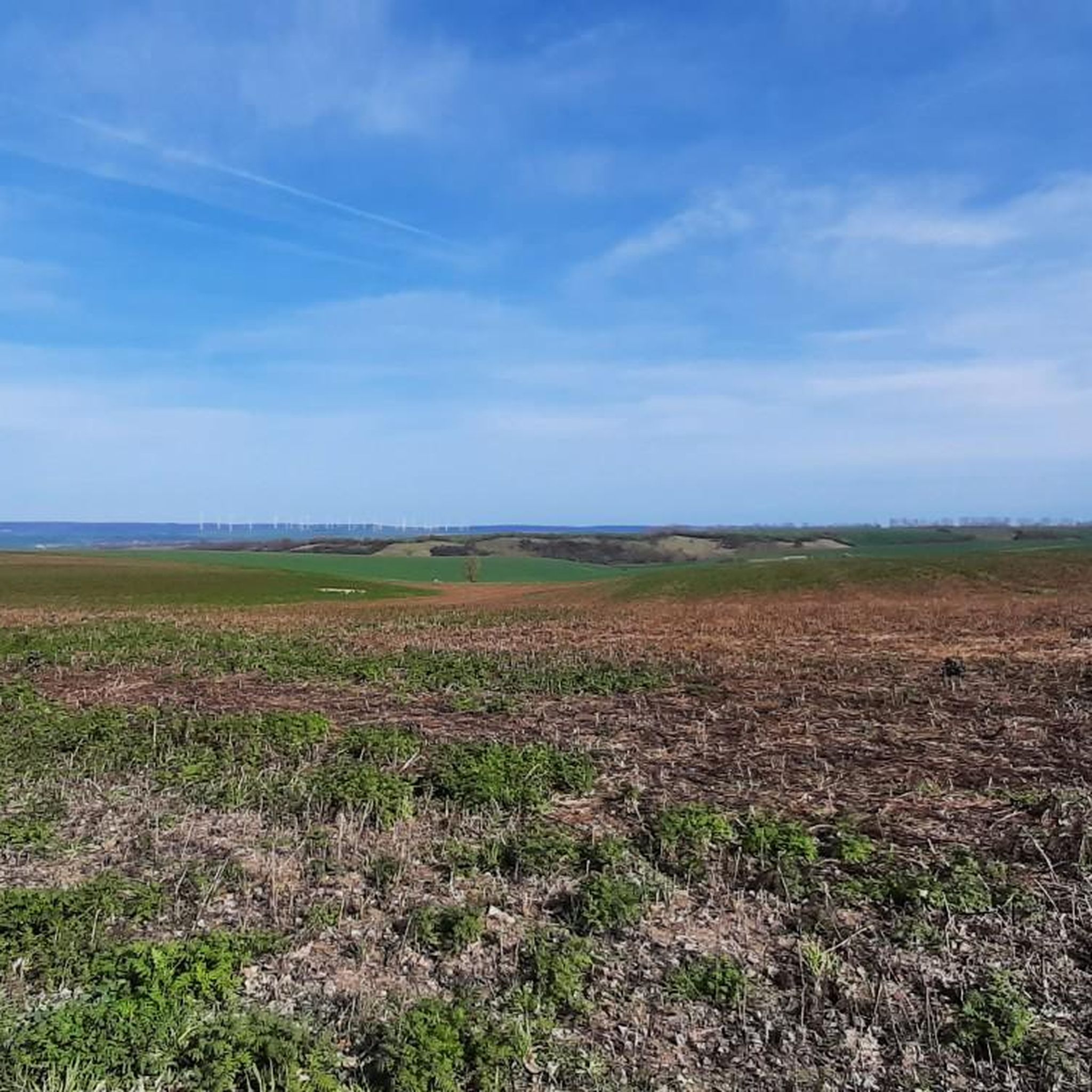
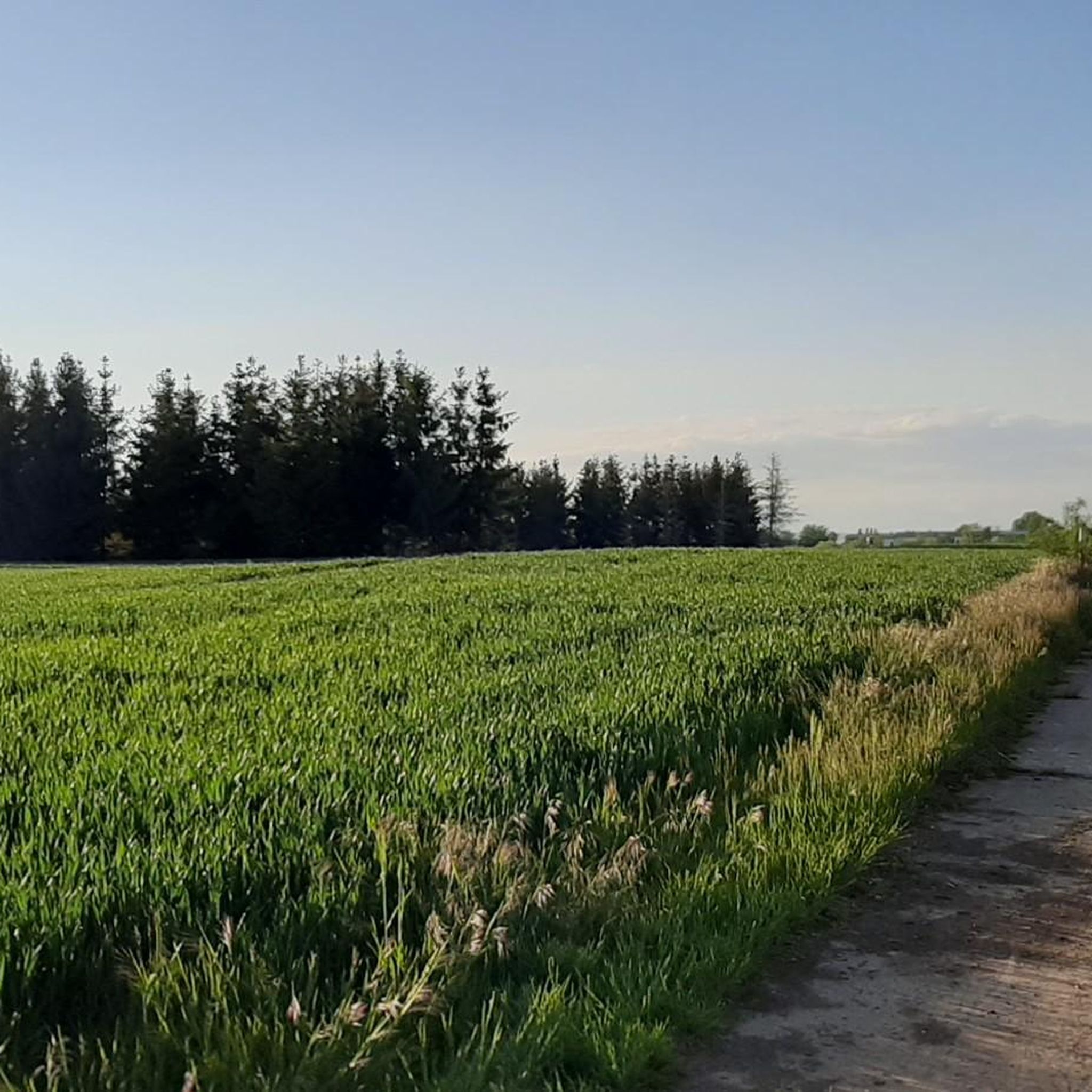
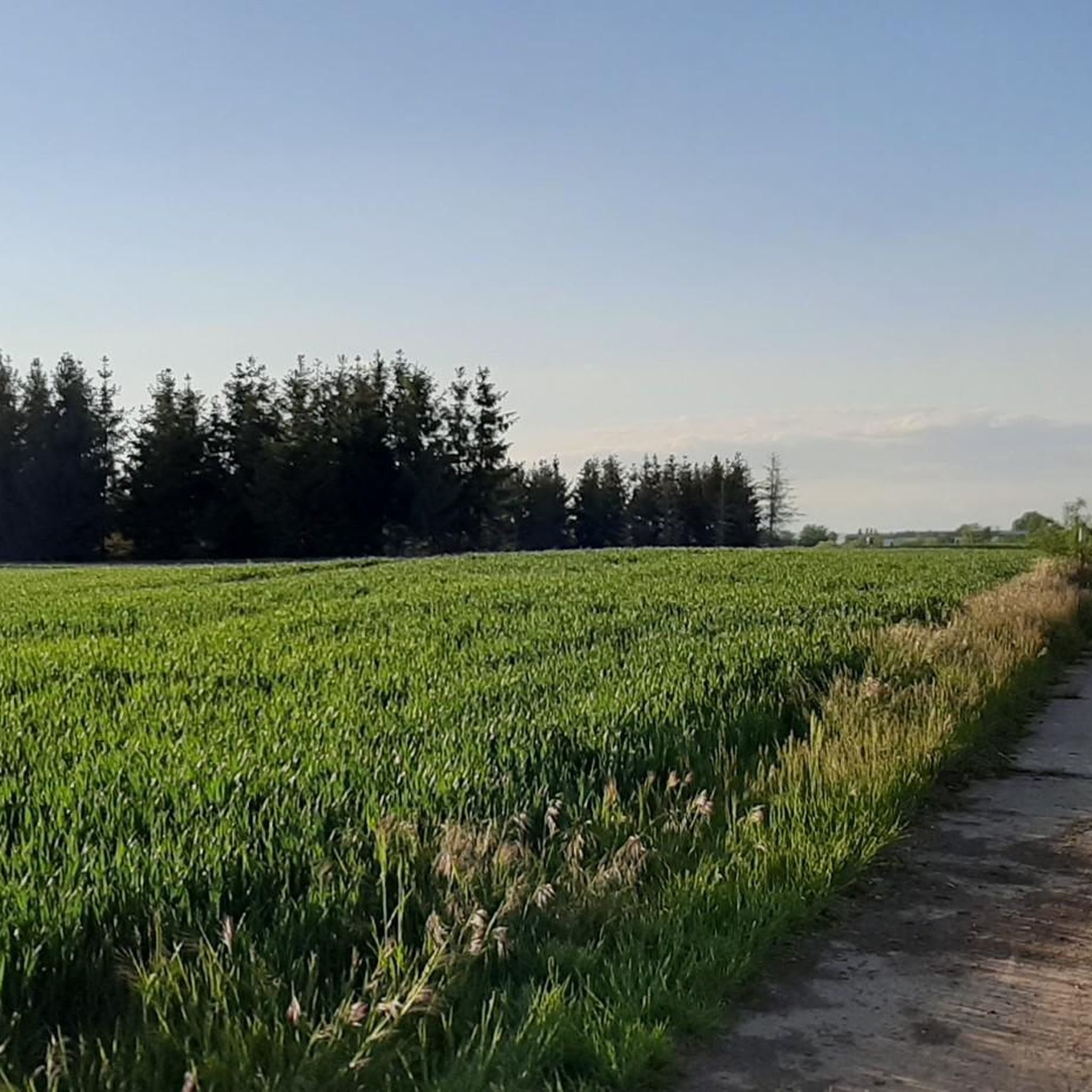
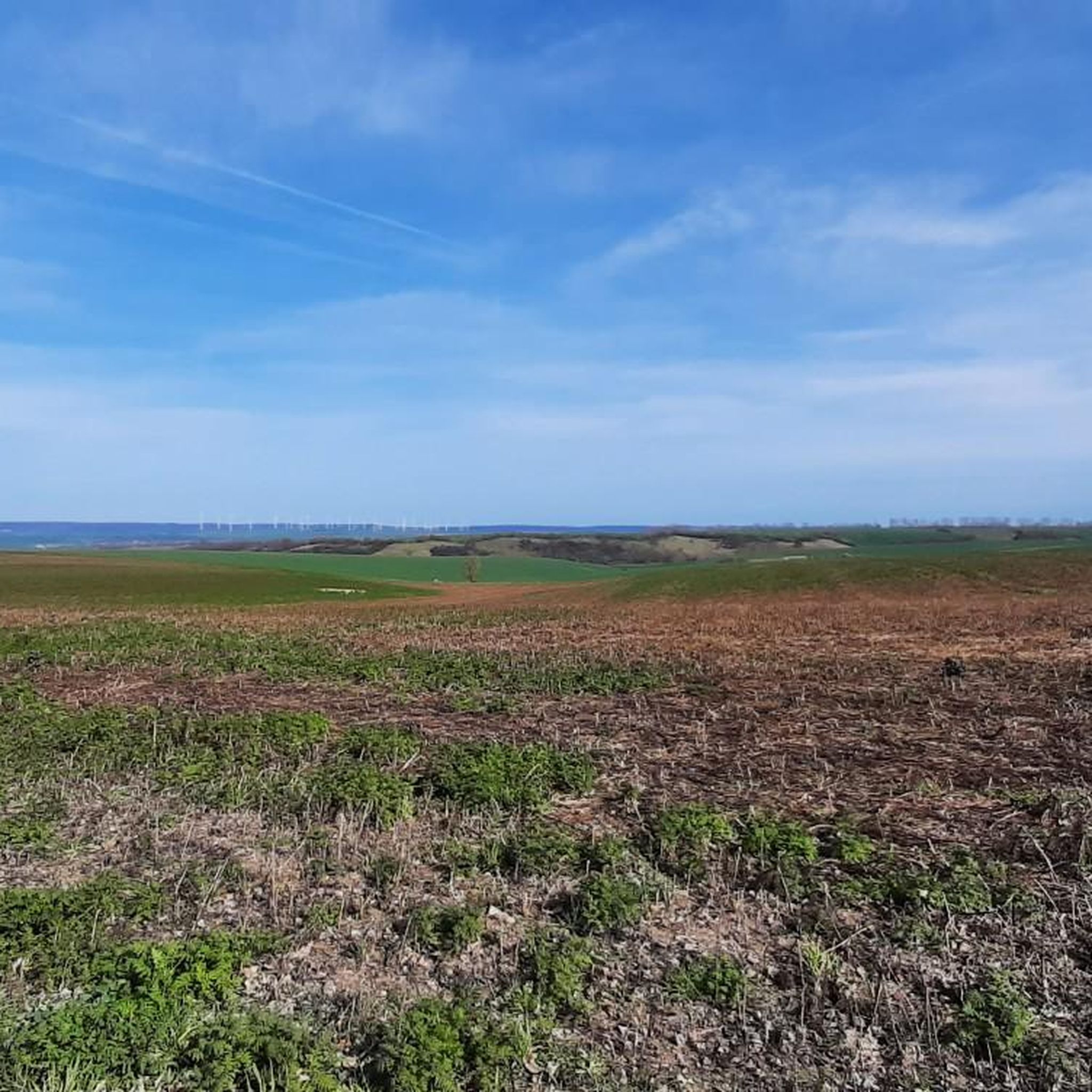
Tips from the Community

The Tafelberg castle site was a smaller motte castle in the Middle Ages on the southeastern outskirts of the town, which was probably built on a hill previously used as a cult site and is first indirectly mentioned in connection with noble ministerials of the Landgraves of Thuringia. In the 14th century, the castle came into the possession of the city of Erfurt and was used to secure trade routes, of which today only an approximately 20-meter-wide debris cone with a former moat remains, which is protected as a historical monument.
1
0

There is a sufficiently large parking area for hikers at the rest area
3
0

Several panels provide good information about the grave and its history.
3
0

This is where the prince is buried - the owner of the Nebra Sky Disk. It is worth visiting the museum in Nebra. The original is in the museum in Halle.
0
0
@Holger The museum is in Leubingen - the Heimatstube. It is right next to the church on the main street. See picture for opening times.
0
0

A highlight (slightly off the Unstrut cycle path) is the Leubinger Fürstenhügel, a burial mound of the Aunjetitz culture (1900 BC), the Bronze Age culture that produced the sky disc, the gold hats and a European trade network. Unfortunately, there are no plaques on the excavation finds themselves :-/ Unfortunately, we did not find the long house, which was a center of this culture, in nearby Dermsdorf ... not a sign, no indication of it. 😕😔
1
0

From the motorway service station or from the street you can walk the informative path, you will learn a lot about our ancestors. Go to the prince even if you are not called.
21
0

Historical place that I would not have found without the tip of an acquaintance.
2
0
Frequently Asked Questions
What kind of natural monuments can I expect to find around Sprötau?
The natural monuments around Sprötau are primarily historical sites integrated into the landscape, such as ancient burial mounds. These offer a unique blend of natural setting and archaeological significance, rather than typical geological formations. You'll discover places that tell stories of past civilizations.
Can you tell me more about the historical significance of these natural monuments?
Many of the natural monuments in the Sprötau area are ancient burial sites. For example, the Leubingen Burial Mound offers a glimpse into 4000 years of Bronze Age history, representing a significant culture of that era. Similarly, the Leubingen Prince’s Mound provides informative paths and panels about ancient ancestors.
Are there any specific natural conservation efforts highlighted in the Sprötau area?
Yes, you can find information about nature conservation efforts. The Natura 2000 Information Board – Feldhamster Conservation Station highlights a special nature conservation project. Natura 2000 is a European network of protected areas focused on conserving endangered plant and animal species and their habitats, with a specific station dedicated to field hamsters here.
Where can I learn about the Bronze Age history near Sprötau?
You can delve into Bronze Age history at the Leubingen Burial Mound, which is a significant site of the Aunjetitz culture. Another excellent spot is the Leubingen Prince’s Mound, where several panels provide good information about the grave and its history.
What is the 'Alte Burg' (Ettersberg) and what can I see there?
The Alte Burg (Ettersberg) is a protected ground monument featuring ramparts and moats of a former castle, destroyed in 1227. While the original buildings are gone, you can clearly see the man-made traces of this historical site. It's also known for a great big meadow, ideal for dogs or picnics.
Are there hiking opportunities near the natural monuments around Sprötau?
Absolutely. The region around Sprötau offers various hiking opportunities. You can explore routes like the 'Sprötau Village Church – Spring with vaulted cellar loop' or the 'Waldbühne Sprötau – Lichtenberg Family Tomb loop'. For more details and route options, check out the Hiking around Sprötau guide.
What kind of easy walks are available around Sprötau?
For easier walks, consider routes like the 'Schlossvippach Pathway loop' or the 'Lakeside Rest Area – Frohndorf Dam loop'. These are generally shorter and less challenging. You can find more easy routes in the Easy hikes around Sprötau guide.
Can I go mountain biking near Sprötau's natural monuments?
Yes, there are mountain biking trails available. Routes such as the 'Gera Cycle Path – Cathedral Square, Erfurt loop' or the 'Alperstedter See – View of Alperstädter See loop' offer opportunities for mountain biking. For a comprehensive list of trails, refer to the MTB Trails around Sprötau guide.
Are the natural monuments around Sprötau suitable for families?
Many of the sites, including the Leubingen Burial Mound, Leubingen Prince’s Mound, and Legendary Tafelberg Burial Mound, are marked as family-friendly. They often feature informative paths and boards, making them engaging for all ages to learn about history and nature.
Can I bring my dog to these natural monuments?
Yes, some natural monuments are dog-friendly. The Alte Burg (Ettersberg), for instance, is noted for its great big meadow, ideal for dogs. It's always a good idea to keep dogs on a leash and respect any local signage regarding pets.
What do visitors enjoy the most about the Leubingen Burial Mound?
Visitors are often amazed by the 4000 years of history embedded in the Leubingen Burial Mound. They appreciate the opportunity to breathe in such ancient history and learn about the Bronze Age Aunjetitz culture. The nearby museum (Heimatstube) in Leubingen is also highlighted as a valuable resource for more information.
Is there parking available at the natural monuments?
For sites like the Leubingen Prince’s Mound, there is a sufficiently large parking area for hikers at the nearby rest area. For other locations, parking availability may vary, so it's advisable to check local information or maps beforehand.
What is the best time of year to visit the natural monuments around Sprötau?
The natural monuments, being largely outdoor historical sites, are generally pleasant to visit during spring, summer, and early autumn when the weather is mild and the landscape is green. These seasons offer comfortable conditions for walking and exploring the sites. Winter visits are possible, but be prepared for colder weather and potentially snow-covered paths.
Most popular routes around Sprötau
Most popular attractions around Sprötau

Get inspired with the komoot mobile app


Explore more
Extend your search for the best caves by checking out these guides of the top ones around Sprötau:
