Top 20 Natural Monuments around Hummelshain
Natural monuments around Hummelshain are situated within a mountainous landscape in Thuringia, Germany, characterized by expansive forests and green areas. This region offers a serene and scenic environment, making it suitable for outdoor activities such as hiking and cycling. The natural beauty of Hummelshain, with its rolling hills and dense woodlands, provides a destination for nature-oriented recreation.
Best natural monuments around Hummelshain
- The most popular natural monuments is Töpfersdorf Church Ruins, a religious building that stands as an impressive…
Last updated: July 8, 2026
Töpfersdorf Church Ruins
Highlight • Religious Site
Translated by Google •
Tip by

Rothenstein Rock Caves
Highlight • Cave
Above them is the Bastei viewing point with the Trompeterfelsen.
Translated by Google •
Tip by
Sign up now to discover places like this
Get recommendations on the best single tracks, peaks, & plenty of other exciting outdoor places.
Sign up for free
Groom's Cliff
Highlight • Natural Monument
Translated by Google •
Tip by

Lenzborn Spring
Highlight • Natural Monument
Translated by Google •
Tip by

Where the Orla flows into the Saale
Highlight • River
Translated by Google •
Tip by

Sign up for free to discover even more natural monuments around Hummelshain.
Sign up for free
Already have an account?
Start today with a free account
Your next adventure awaits.
Login or Signup
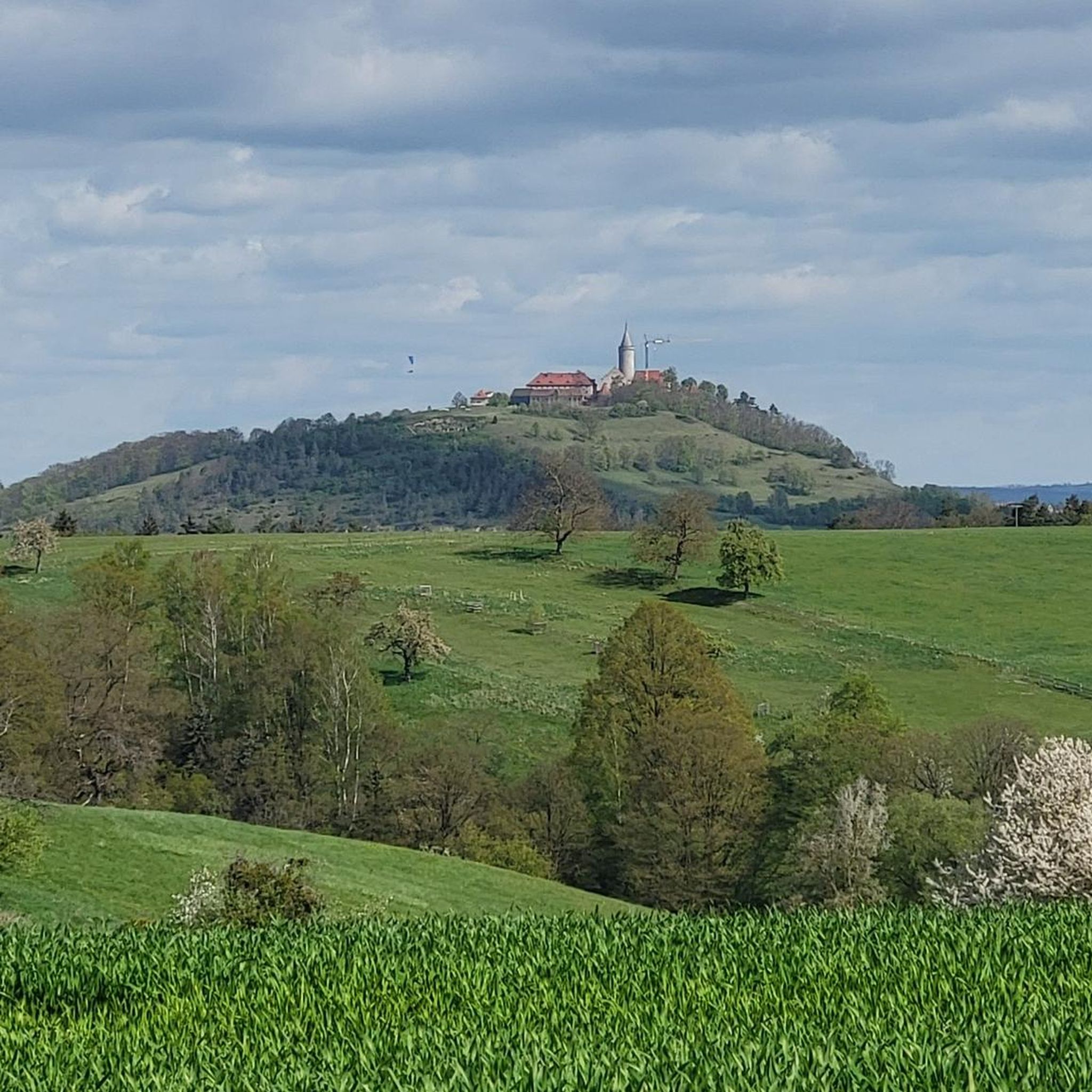
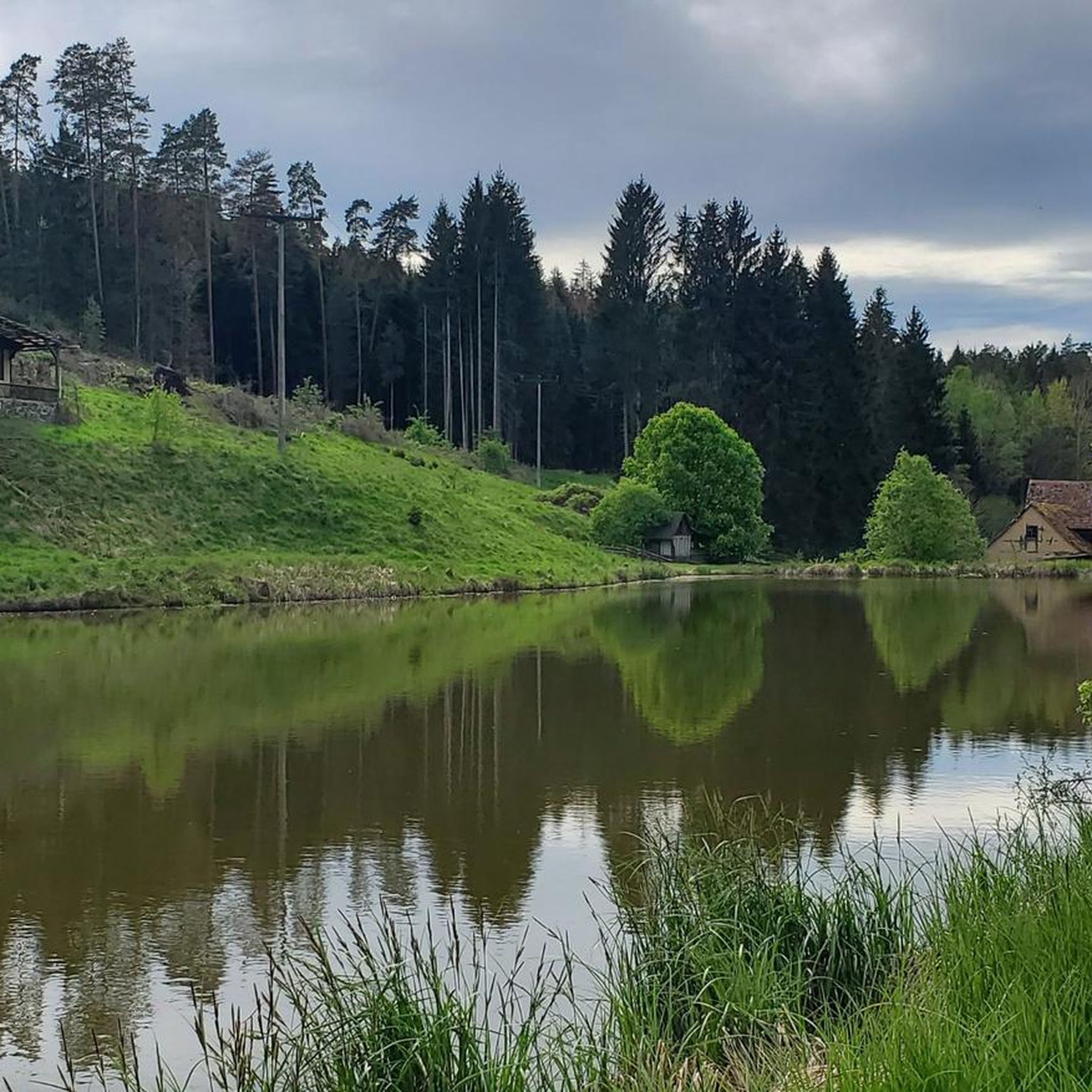
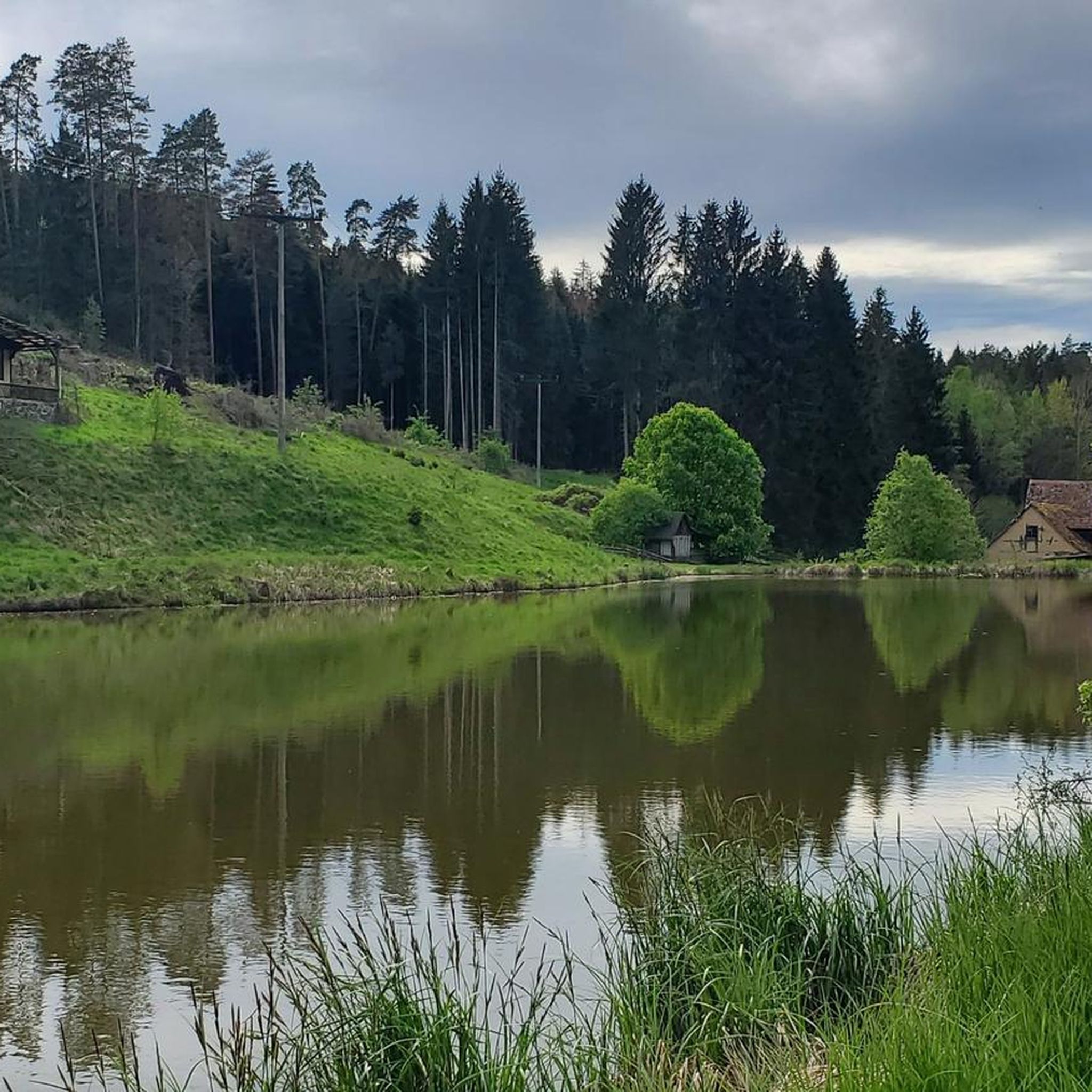
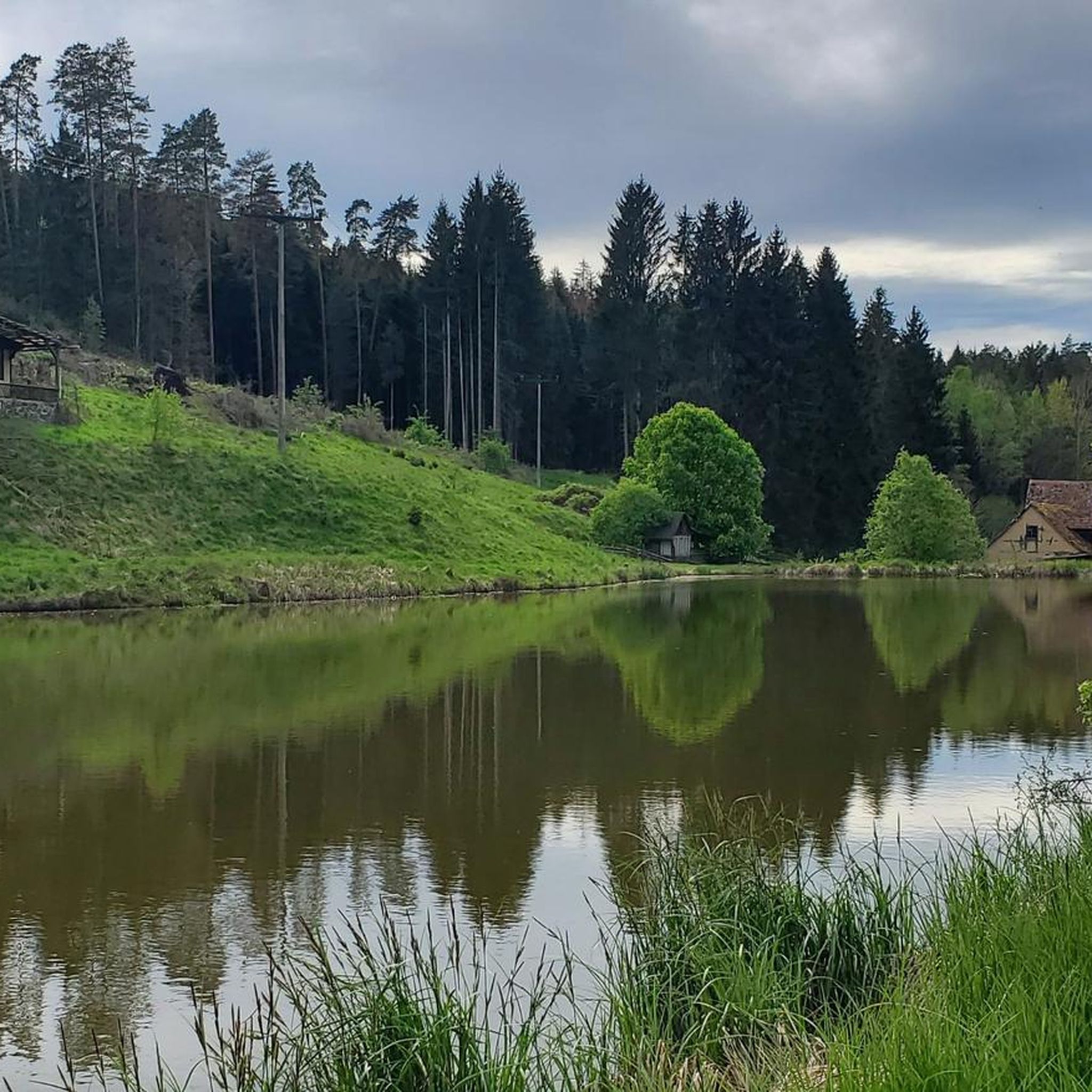
Tips from the Community

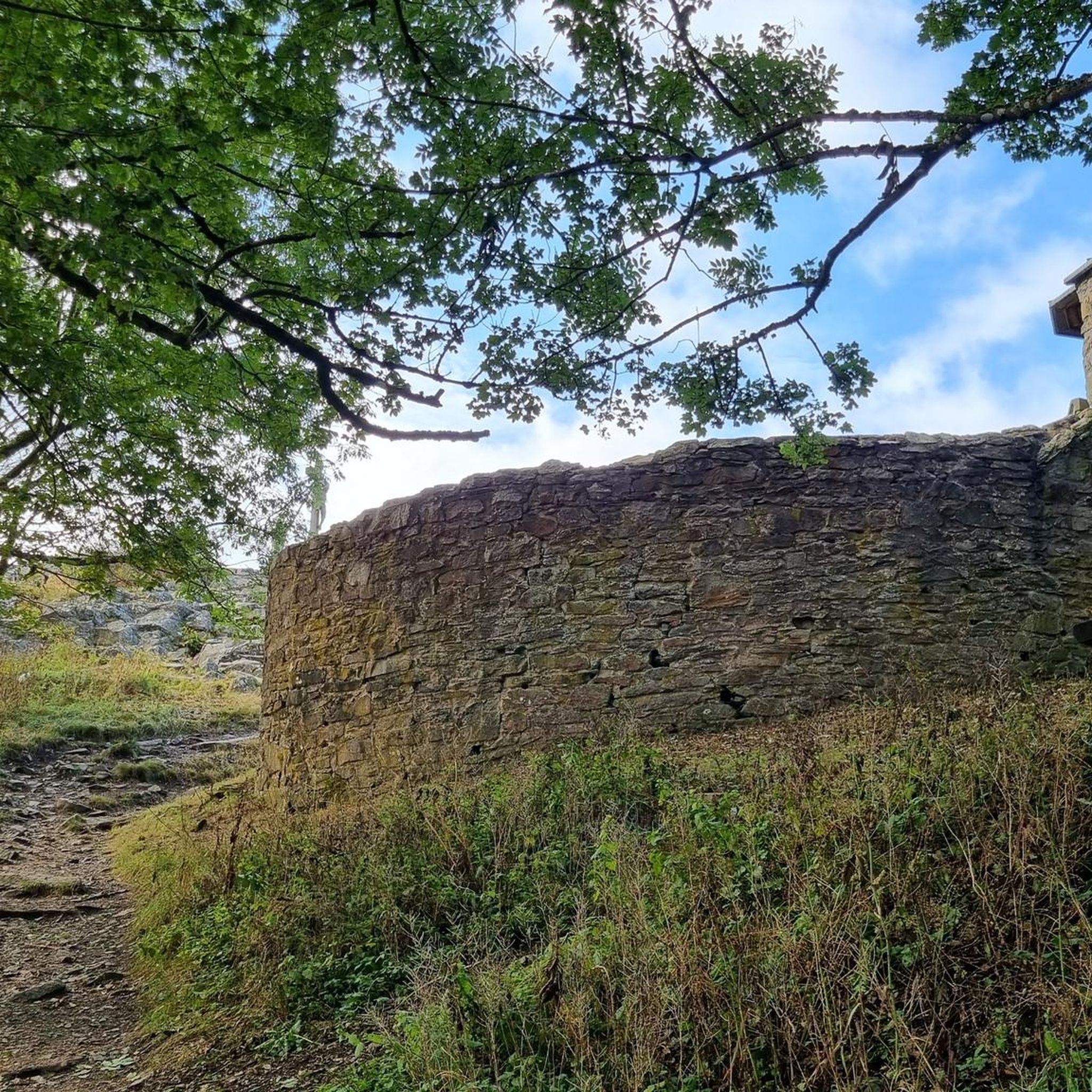
A very impressive ⛪️ ruin in the middle of the forest 🌲🌳 .
24
0

The small village, probably founded in the 12th century by the Lobdeburg family, was an active fief of the Abbots of Saalfeld and was repeatedly deserted. Since the 16th century, only two houses were occupied as forest and field supervisors, and not always. In 1850, the last family left the isolated place.
35
0

Bräutigamswand, a legendary sandstone cliff
1
0

Right next to the cycle path is the confluence of the Orla and Saale. There is a small hut with a table and two benches with space for about 6-8 cyclists (or hikers).
0
0
There are two beautiful caves to admire here. Above them is the Bastei viewing point with the Trompeterfelsen.
22
0

The Bräutigamswand is located on a beautiful trail (Saalleitenweg), which follows the course of the Saale between Oberkrossen and Zeutsch. Stories say that girls from Töpfersdorf used to meet here to see their future husbands in the Saale fog. One day, when a girl was standing on the cliff of the mighty rock and looking into the fog, she saw her husband. The girl was frightened and fell down the "Grätigamswand". She fell into the Saale and has not been found to this day.
1
0

The Orla is about 35 km long and flows into the Saale here at this well-maintained place.
14
0
The white sand extracted from the caves was used as grit in the living rooms of the Middle Ages and was later used industrially.
8
0
Frequently Asked Questions
What kind of natural features can I explore around Hummelshain?
The Hummelshain region is characterized by a mountainous landscape with expansive forests and green areas. You can discover diverse natural features, including impressive rock formations like Groom's Cliff, historical caves such as Rothenstein Rock Caves, and significant river confluences like Where the Orla flows into the Saale. There are also smaller natural elements like the refreshing Lenzborn Spring.
Are there any historical natural monuments in the Hummelshain area?
Yes, the region offers natural monuments with historical significance. A notable example is Töpfersdorf Church Ruins, an impressive religious building from the 15th century that stands as a ruin in the middle of the forest. The Rothenstein Rock Caves also have a historical aspect, as white sand extracted from them was used for various purposes, including industrial use and as grit in medieval living rooms.
Are the natural monuments around Hummelshain suitable for families?
Several natural monuments in the area are considered family-friendly. These include the Rothenstein Rock Caves, which offer an interesting exploration, the small and refreshing Lenzborn Spring, and the well-maintained spot Where the Orla flows into the Saale, which even features a small hiking hut for rest.
What is the best time of year to visit the natural monuments in Hummelshain?
The mountainous and forested landscape of Hummelshain is particularly beautiful in autumn, when the vibrant colors enhance the scenic environment. However, the region offers serene and scenic views suitable for outdoor activities like hiking and cycling throughout much of the year, making it a charming destination for nature-oriented recreation.
What outdoor activities can I do near these natural monuments?
The Hummelshain area is ideal for various outdoor activities. You can find numerous hiking routes, such as the 'Rieseneck Carriage House – Rieseneck Hunting Grounds loop' or the 'Duke's Seat – Rieseneck Hunting Grounds loop'. For cyclists, there are road cycling routes like the 'Oppurg Castle – Orlatal Valley loop' and general cycling routes including the 'Orla Cycle Path loop'. You can explore more options on the Hiking around Hummelshain, Road Cycling Routes around Hummelshain, and Cycling around Hummelshain guide pages.
Are there hiking trails near the natural monuments in Hummelshain?
Yes, there are many hiking trails that allow you to explore the natural monuments and the surrounding landscape. Popular routes include the 'Rieseneck Carriage House – Rieseneck Hunting Grounds loop' (11.1 km, moderate) and the 'Duke's Seat – Rieseneck Hunting Grounds loop' (8.8 km, moderate). These trails offer a great way to experience the region's forests and hills. For more hiking options, visit the Hiking around Hummelshain guide.
What do visitors enjoy most about the natural monuments in Hummelshain?
Visitors appreciate the blend of natural beauty and historical intrigue. The Töpfersdorf Church Ruins are often described as an 'impressive ruin in the middle of the forest'. The Groom's Cliff is noted for its imposing rock face and local legends, while the confluence Where the Orla flows into the Saale is valued as a well-maintained spot with a small hiking hut for rest. The overall serene and scenic environment, ideal for outdoor activities, is also a major draw.
Are there any natural monuments with viewpoints in the area?
Yes, several natural monuments offer scenic viewpoints. Groom's Cliff is an imposing rock face that provides views, and the Rothenstein Rock Caves are located near the Bastei viewing point with the Trompeterfelsen. Additionally, the spot Where the Orla flows into the Saale is also considered a viewpoint, offering a pleasant perspective of the river confluence.
Can I find natural monuments that are part of a forest setting?
Absolutely. The Hummelshain region is rich in forests. The Töpfersdorf Church Ruins are famously situated as an impressive ruin in the middle of the forest. The Rothenstein Rock Caves are also found within a forest environment, offering a natural and secluded experience.
Are there any natural monuments that involve climbing or challenging terrain?
The Groom's Cliff is categorized as a natural monument that involves climbing, suggesting more challenging terrain for those seeking an adventurous experience. It is an imposing rock face on the Saalleitenweg, known for its local legends.
Are there any natural springs or water features to visit?
Yes, you can visit the Lenzborn Spring, which is described as a small, inconspicuous, yet refreshing spring right next to the road. It's a cool fountain that invites visitors to take a break. Additionally, the confluence Where the Orla flows into the Saale is a significant water feature where the 35 km long Orla river joins the Saale.
Most popular routes around Hummelshain
Most popular attractions around Hummelshain

Get inspired with the komoot mobile app


Explore more
Extend your search for the best caves by checking out these guides of the top ones around Hummelshain:
