Top 20 Natural Monuments around Sonnenbühl
Natural monuments around Sonnenbühl showcase the geological wonders of the Swabian Alb region. This area is characterized by its white Jurassic limestone, forming impressive caves and striking rock formations. Visitors can explore a diverse landscape that includes ancient subterranean worlds and panoramic viewpoints. The region offers insights into its natural history and provides opportunities for outdoor exploration.
Best natural monuments around Sonnenbühl
- The most popular natural monuments is Wackerstein, a natural rock formation and viewpoint. This striking feature offers…
Last updated: May 12, 2026
Wackerstein
Highlight • Natural Monument
Translated by Google •
Tip by

Gießstein
Highlight • Viewpoint
Translated by Google •
Tip by

Sign up now to discover places like this
Get recommendations on the best single tracks, peaks, & plenty of other exciting outdoor places.
Sign up for free
View from Dreifürstenstein
Highlight • Viewpoint
Showing Translation
Tip by

Sonnenbühl fog cave
Highlight • Cave
Translated by Google •
Tip by

Schönberg Tower
Highlight • Viewpoint
Translated by Google •
Tip by

Sign up for free to discover even more natural monuments around Sonnenbühl.
Sign up for free
Already have an account?
Start today with a free account
Your next adventure awaits.
Login or Signup
Popular around Sonnenbühl
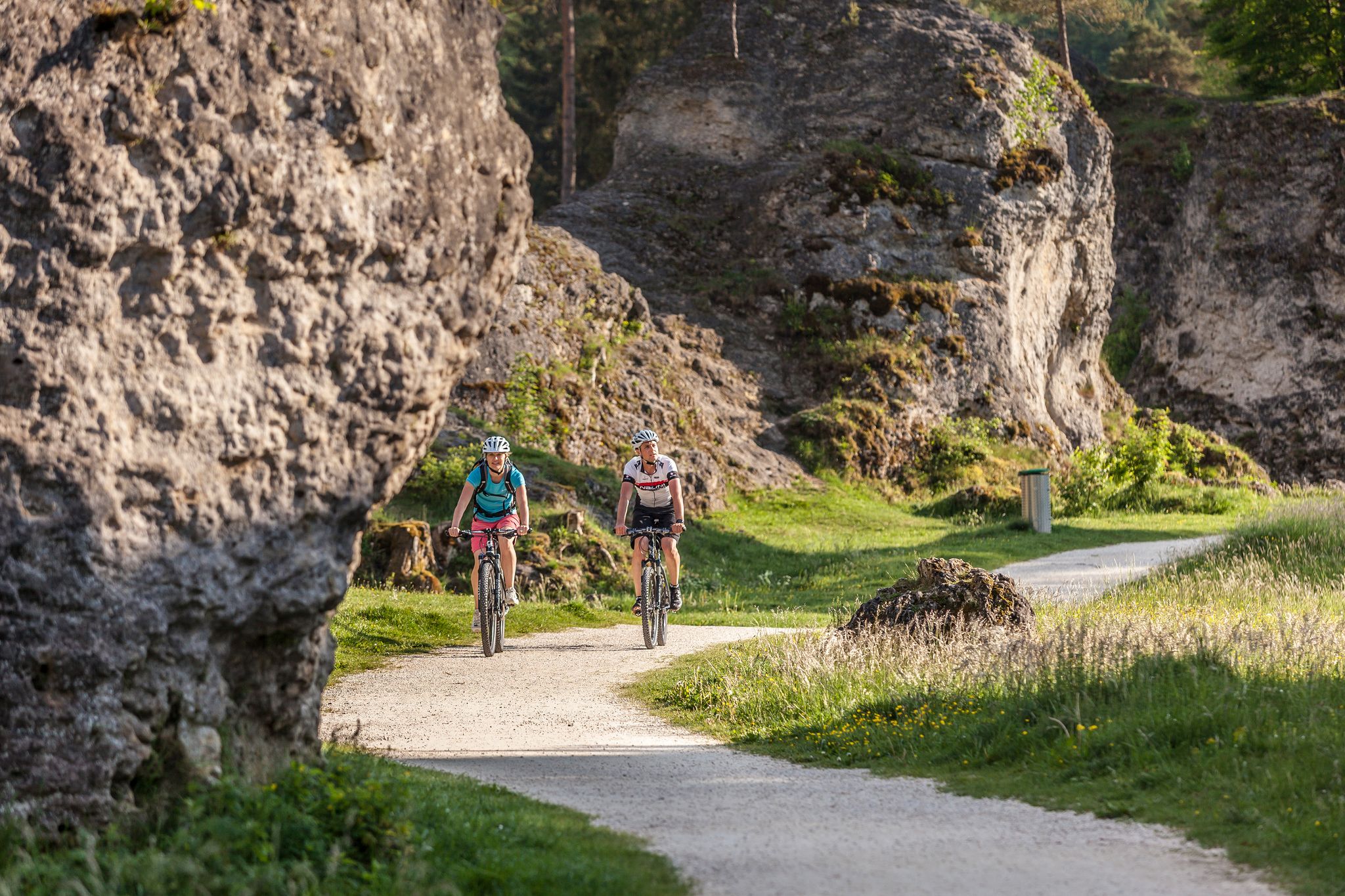
Experience nature by bike in the Swabian Jura
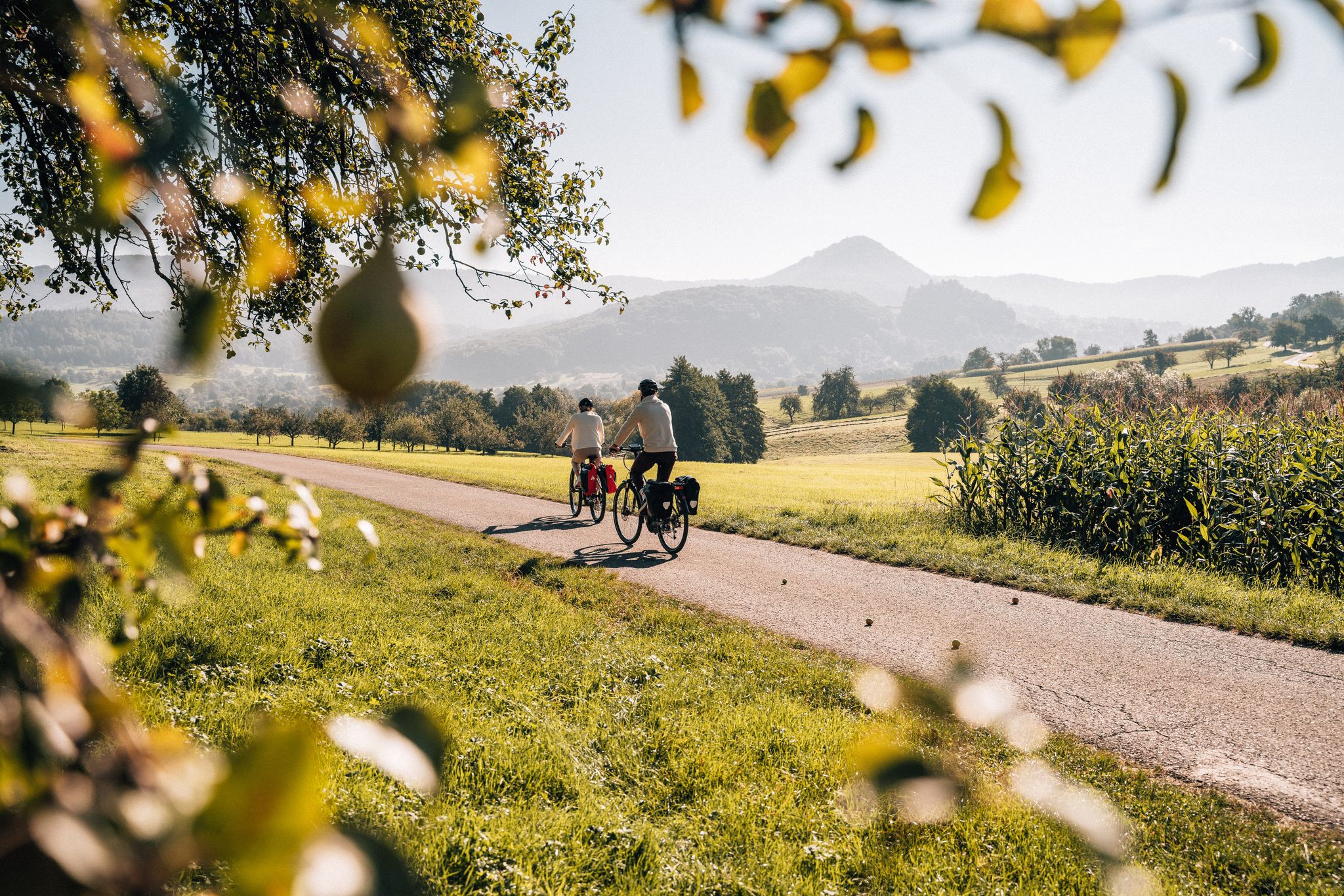
Cycle the Swabian Alb Cycle Path to Lake Constance
Explore the myths of the Swabian Alb – 20 fantastic bike Tours
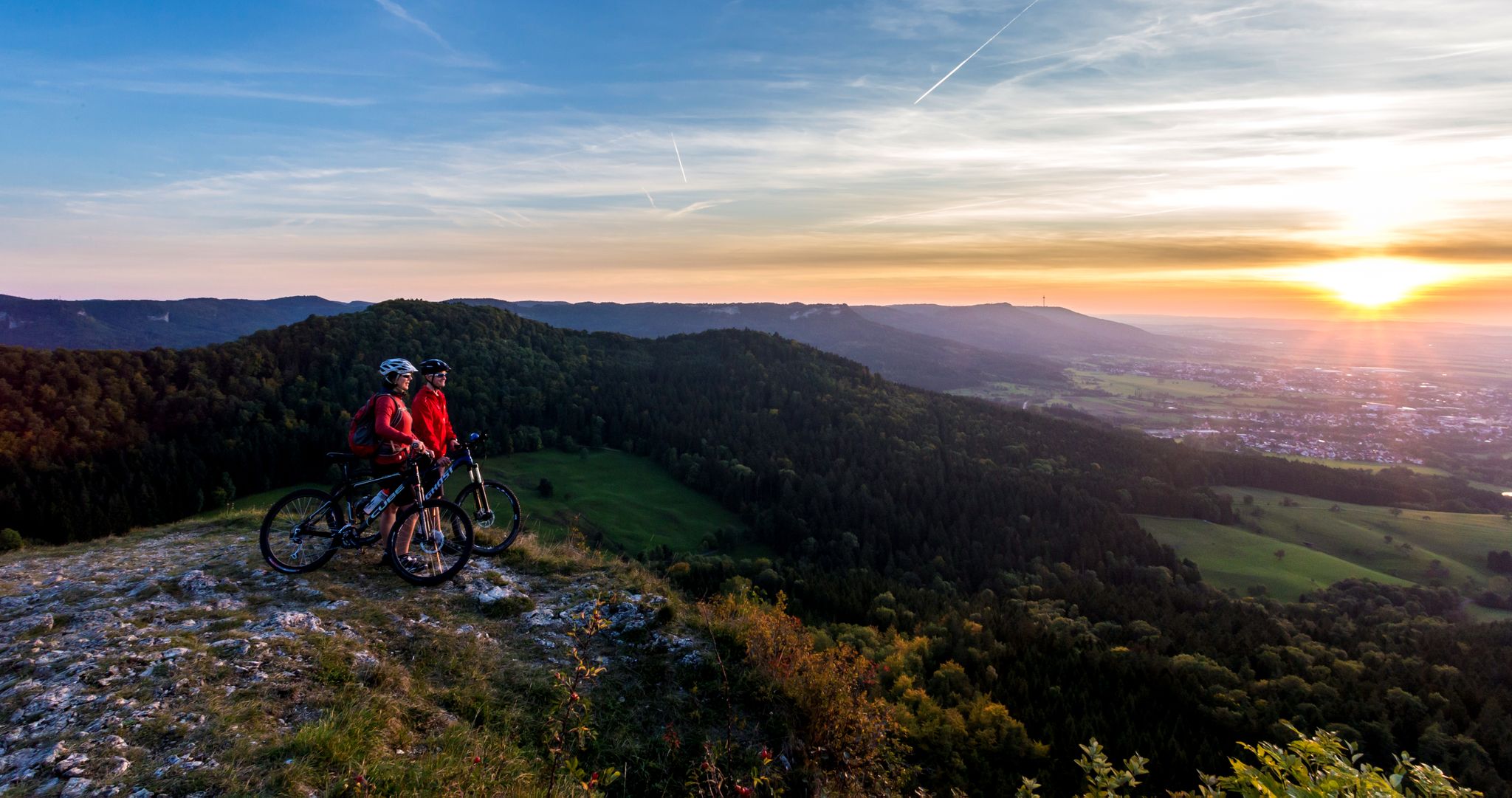
Alb-Crossing in Germany – traversing the Swabian Alb by bike
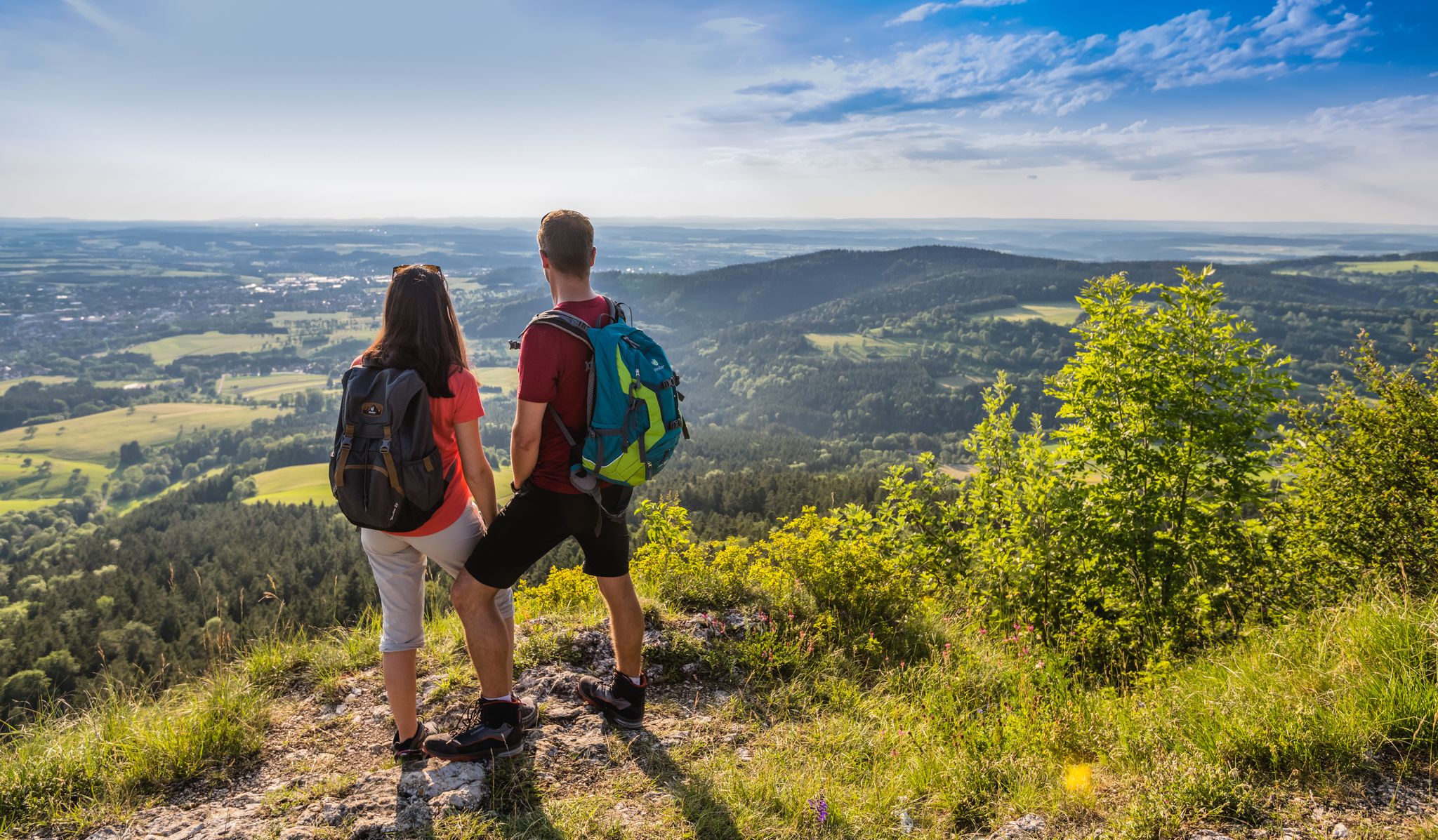
The Swabian Albsteig (HW1) – 16 stages of panoramic views
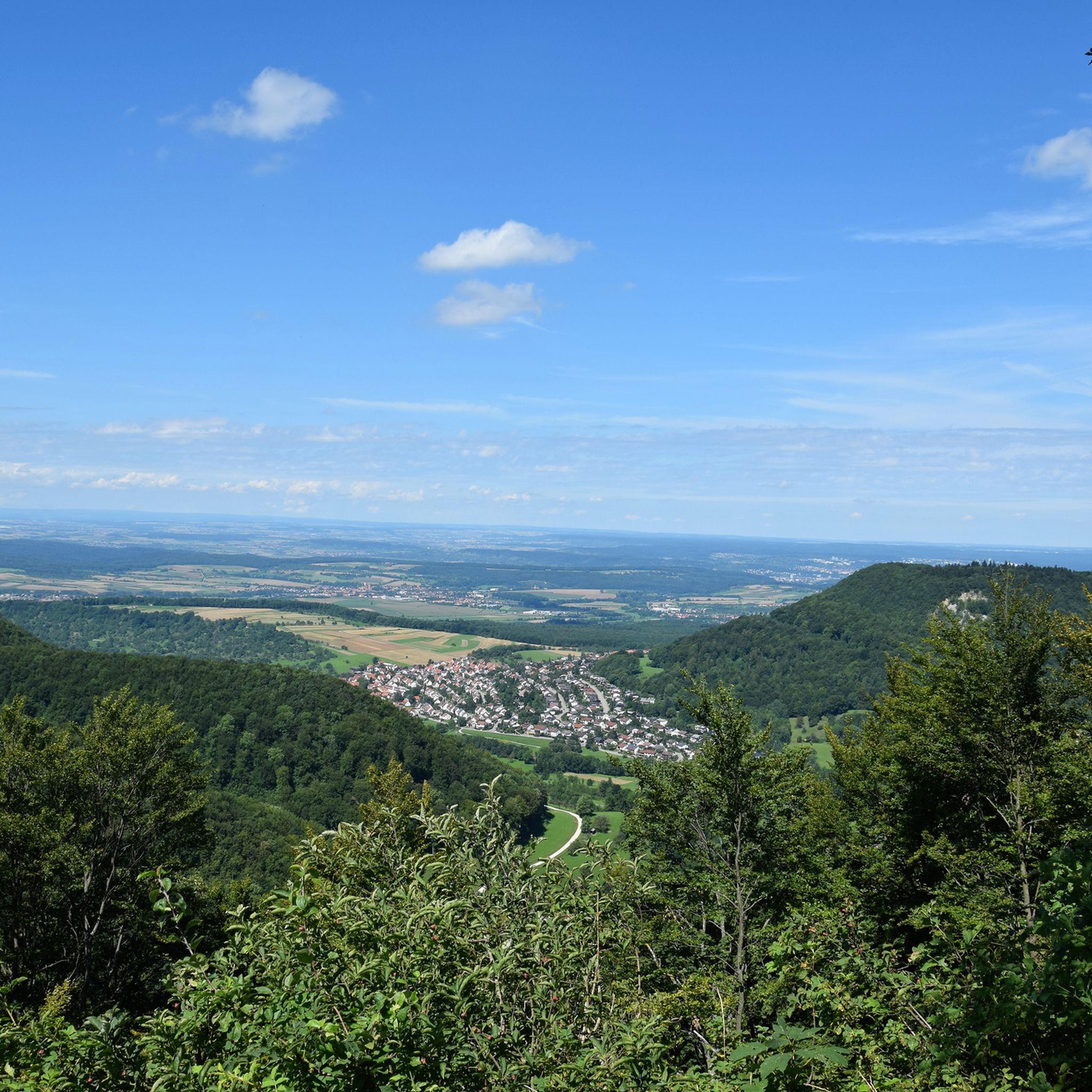
Hiking around Sonnenbühl
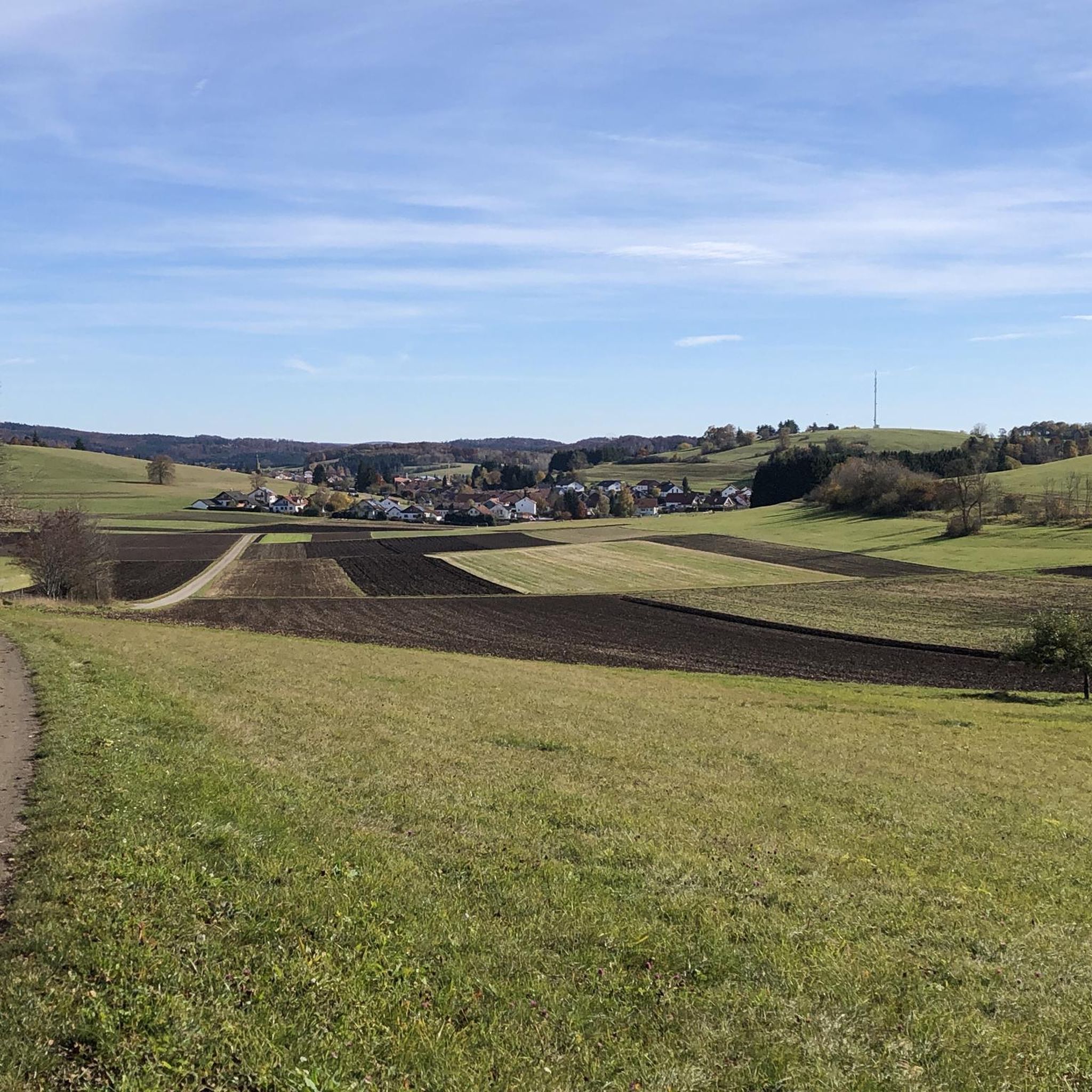
Cycling around Sonnenbühl
MTB Trails around Sonnenbühl
Road Cycling Routes around Sonnenbühl
Running Trails around Sonnenbühl
Other adventures around Sonnenbühl

Tips from the Community

The Maultaschenwirt is located in the large square in front of the cave. Right next to it is a nice children's playground.
11
0
Great view with a bench to relax in. The view stretches from Unterhausen via Honau to Lichtenstein Castle
10
0
Entrance on the right, exit on the left. Don't forget to pay the €1 fee. The view is worth it and the Swabian Alb Club is happy and can cover the running costs.
13
1


One of the many viewpoints. The Wackerstein summit book to enter was no longer there :(
9
0

The landmark of the Pfullinger is the Onderhos. The first reinforced concrete tower that was built.
14
0
Top view with summit cross and summit book. Nice climb on a narrow path
12
0
Exposed lookout rock that stands prominently on the corner with a breathtaking view and a small wind vane.
12
0
Frequently Asked Questions
Which natural monuments around Sonnenbühl offer the most impressive panoramic views?
For breathtaking panoramic views, consider visiting Wackerstein, which provides expansive vistas over Reutlingen and Tübingen, and even the Stuttgart television tower on clear days. Another excellent spot is the View from Dreifürstenstein, offering views of the Zoller and the surrounding flatlands. The Gießstein also provides a beautiful panoramic view far into the valley, ideal for a break.
Are the natural monuments around Sonnenbühl suitable for families with children?
Yes, several natural monuments are family-friendly. The Bärenhöhle (Bear Cave) is particularly suitable for families, offering an accessible subterranean world with cave bear skeletons. The Sonnenbühl fog cave is also a fascinating experience for families. Viewpoints like Gießstein and the View from Dreifürstenstein are also great for family outings.
What can I expect when visiting the caves in Sonnenbühl?
Sonnenbühl is home to two significant show caves: the Bärenhöhle (Bear Cave) and the Sonnenbühl fog cave (Nebelhöhle). Both feature impressive stalactite and stalagmite formations. The Bärenhöhle is known for its cave bear skeletons, while the Nebelhöhle offers a wild and romantic atmosphere, accessible independently. Both caves maintain a constant cool temperature of 8-10°C year-round, so bringing warm clothing is recommended. They are typically closed during winter for bat protection.
What outdoor activities can I do near the natural monuments in Sonnenbühl?
The area around Sonnenbühl's natural monuments is excellent for various outdoor activities. You can find numerous hiking trails, including easy options like the 'Bear Cave and Karl's Cave – Großes Rinnental loop from Karls- und Bärenhöhle' which is 6.8 km long. For more challenging routes, explore the 'Running Trails around Sonnenbühl' or 'Gravel biking around Sonnenbühl' guides. These guides offer a range of routes for jogging, hiking, and gravel biking, allowing you to combine your visit with active exploration. You can find more details on these routes in the Easy hikes around Sonnenbühl guide.
What is the best time of year to visit the natural monuments around Sonnenbühl?
The best time to visit depends on the specific monument. Viewpoints like Wackerstein are best enjoyed on clear days for optimal visibility, which can be any time of year outside of heavy fog or snow. The caves (Bärenhöhle and Sonnenbühl fog cave) are generally open from spring to late autumn, as they close during winter for bat protection. Spring and autumn offer pleasant temperatures for hiking and exploring the outdoor sites.
Do the natural monuments in Sonnenbühl have historical or geological significance?
Absolutely. The region's natural monuments are rich in both geological and historical significance. The caves, such as the Bärenhöhle and Sonnenbühl fog cave, are formed within Jurassic limestone and showcase impressive formations sculpted over hundreds of thousands of years. The Bärenhöhle is famous for its cave bear skeletons, while the Nebelhöhle is steeped in ancient legends, including tales of Duke Ulrich hiding there. Wackerstein is a former reef from the Jurassic Sea, protected as a geotop.
Are there any lesser-known natural monuments or features worth exploring near Sonnenbühl?
Beyond the prominent caves and viewpoints, the region offers other interesting natural features. The Kalkstein, an elevation at the edge of the Großen Rinnental (a dry valley), contributes to the unique geological character of the area. While less extensively documented than the main attractions, it offers a glimpse into the region's diverse landscape.
How can I reach the natural monuments around Sonnenbühl, and is parking available?
Many natural monuments, especially the caves, are accessible by car with dedicated parking areas. For instance, parking is available near the Bärenhöhle and Sonnenbühl fog cave. Public transport options, such as bus routes, also serve some locations. For specific details on public transport to the caves, it's advisable to check local schedules. For the Sonnenbühl fog cave, you can find more information on their website: sonnenbuehl-tourismus.de.
What should I wear or bring when visiting the natural monuments, especially the caves?
When visiting the caves, such as the Bärenhöhle or Sonnenbühl fog cave, it's essential to bring warm clothing as the temperature inside remains a constant 8-10°C year-round. Sturdy footwear is also recommended, especially for the Nebelhöhle, as some paths can be slippery and ceiling heights are low in places. For outdoor viewpoints and hiking trails, comfortable walking shoes and weather-appropriate attire are advisable.
Can I bring my dog to the natural monuments in Sonnenbühl?
While many outdoor trails and viewpoints in the Swabian Alb are dog-friendly, specific rules may apply to enclosed attractions like the caves. It is generally recommended to check the individual monument's regulations regarding pets before your visit. For outdoor areas, always keep dogs on a leash and clean up after them.
Are there any accessible natural monuments for visitors with mobility challenges?
Many of the natural monuments in Sonnenbühl, particularly the caves and elevated viewpoints, involve stairs, uneven terrain, or steep paths. For example, the Sonnenbühl fog cave requires descending 141 steps. Wackerstein is a climbing rock with a narrow ridge. Visitors with mobility challenges should research specific site accessibility or contact the local tourism office for detailed information before planning their visit.
What do visitors particularly enjoy about the natural monuments in Sonnenbühl?
Visitors frequently praise the stunning panoramic views from spots like Wackerstein and View from Dreifürstenstein. The unique experience of exploring the subterranean worlds of the Bärenhöhle and Sonnenbühl fog cave, with their impressive formations and historical anecdotes, is also highly valued. The opportunity to combine natural exploration with hiking in the beautiful Swabian Alb landscape is a major draw.
Most popular routes around Sonnenbühl
Most popular attractions around Sonnenbühl

Get inspired with the komoot mobile app


Explore more
Extend your search for the best caves by checking out these guides of the top ones around Sonnenbühl:
