Top 20 Natural Monuments around Großenstein
Best natural monuments around Großenstein offer diverse experiences within a landscape rich in natural features. The region provides opportunities for exploration through hiking and cycling, with komoot highlighting 20 natural monuments in the vicinity. These sites showcase the area's natural beauty and its historical interaction with human activity. The landscape includes forests, unique geological formations, and historical sites.
Best natural monuments around Großenstein
- The most popular natural monuments is Schmirchauer Höhe — Grubengeleucht (Mining Lamp) Observation Tower, a viewpoint…
Last updated: October 25, 2026
Köstritz Ice Ponds
Highlight • Lake
Showing Translation
Tip by

Ronneburg Schmirchauer Höhe
Highlight • Viewpoint
Translated by Google •
Tip by
Sign up now to discover places like this
Get recommendations on the best single tracks, peaks, & plenty of other exciting outdoor places.
Küchengarten, Gera
Highlight • Natural Monument
Translated by Google •
Tip by

Thousand-Year-Old Oak of Nöbdenitz
Highlight • Natural Monument
Translated by Google •
Tip by

Cold Oak
Highlight • Natural Monument
When the weather is nice there is a lot of public traffic.
Translated by Google •
Tip by
Sign up for free to discover even more natural monuments around Großenstein.
Already have an account?
Start today with a free account
Your next adventure awaits.

Tips from the Community

Added to the collection: https://www.komoot.com/de-de/collection/3600632/-naturdenkmaeler-besondere-baeume-und-weitere-schaetze-der-natur
2
0

Nice place to take a break on the course.
1
0

Nice place for a break on the Elster cycle path between Bad Köstritz and Gera-Untermhaus.
1
0
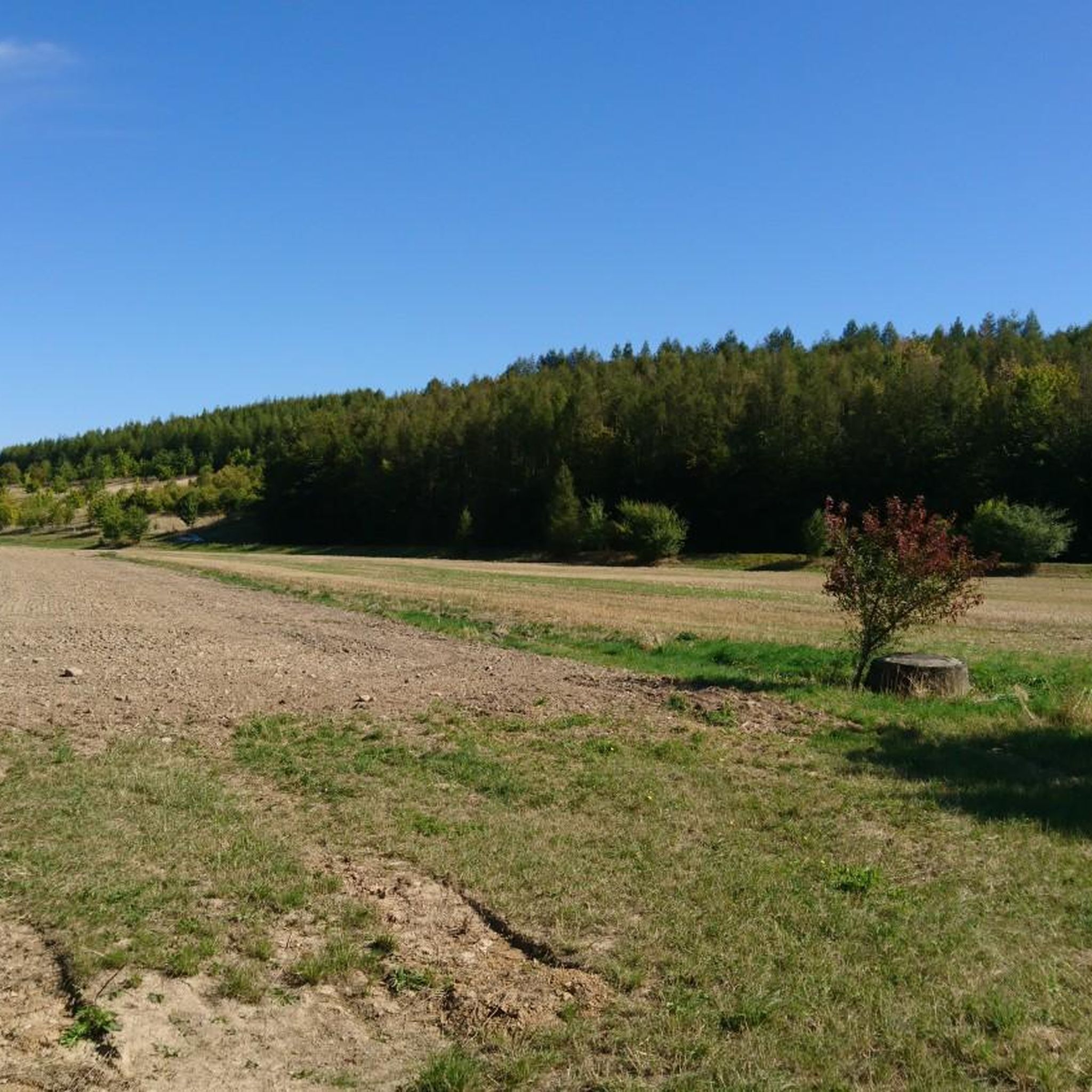
There are some covered break areas on the Gleitschauer Höhe with beautiful panoramic views.
17
1
The kitchen garden is a listed facility located between the theater in the east and the orangery building in the west. The aim of the design is to effectively highlight the original structure and spatiality of the kitchen garden. To do this, it is necessary to define the boundaries to the north and south more clearly.
9
0

Schmirchauer Höhe 2010 Resolution by the Ronneburg city administration to name the embankment as “Schmirchauer Höhe”, inauguration of the walk-in map 2012 Inauguration of the mine light
5
0

The age is estimated at 450/500 years. The size of the tree is gigantic and very impressive when you stand in front of it. I can only recommend a visit.
1
0

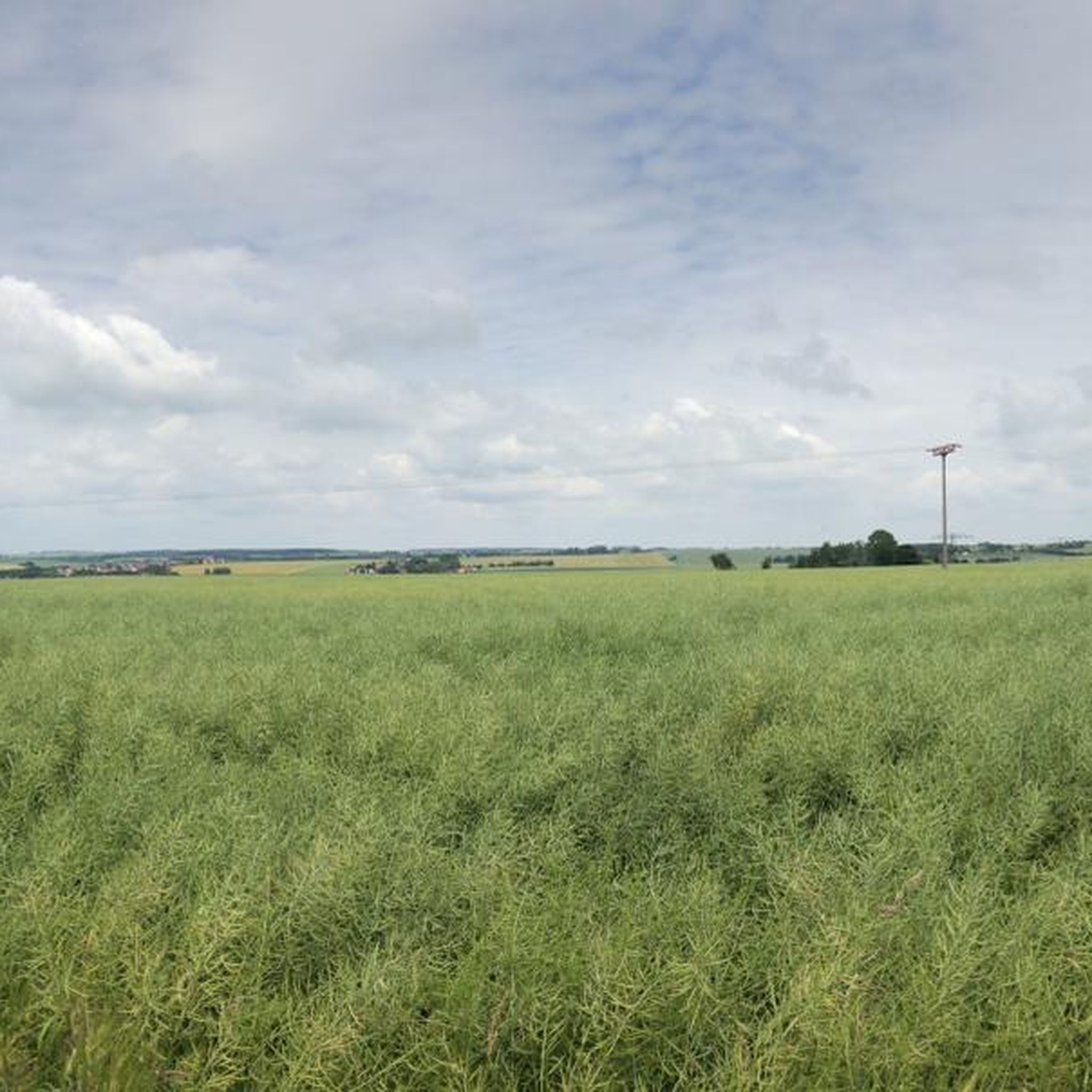
The Eisteiche are a group of 3 ponds lying next to each other. They are considered a popular fishing spot. In 1875, Rudolf Zersch leased the brewery of Prince Reuß-Köstritz. To ensure the cooling of the beer during the summer months, Rudolf Zersch additionally created the "Kleiner Eisteich" (Small Ice Pond). The ice for beer cooling above the weir of the "Weiße Elster" was no longer sufficient. In the middle of the pond today, there is a vegetated island. On the island, around 1806, there was originally a monument made of stacked rocks with a sarcophagus designed by the Berlin architect Friedrich. It was designated "Amalienstein". The "Amalienstein" was destroyed after 1945. Some of its stones lie invisibly at the foot of the island in the pond water. Source:http://www.av-aga-koestritz.de/html/eisteiche_bad_kostritz.html
2
0
Frequently Asked Questions
What unique natural monuments can I explore around Großenstein?
The region around Großenstein offers a variety of unique natural monuments. You can visit the Schmirchauer Höhe — Grubengeleucht (Mining Lamp) Observation Tower, a landscape monument depicting the effects of uranium mining with a viewing platform shaped like a pit light. Another significant site is the Thousand-Year-Old Oak of Nöbdenitz, an ancient tree with historical significance, as it contains a crypt. The Kalte Oak Ernsee is also a notable natural monument, a pedunculate oak estimated to be 400-500 years old with a substantial trunk circumference.
Are there any historical natural monuments in the Großenstein area?
Yes, several natural monuments in the Großenstein area have significant historical connections. The Schmirchauer Höhe — Grubengeleucht (Mining Lamp) Observation Tower serves as a landscape monument reflecting the history of uranium mining. The Küchengarten, Gera is a baroque pleasure garden with a rich history, once serving as a Reussian kitchen and pleasure garden connected to the former Osterstein castle. Additionally, the Thousand-Year-Old Oak of Nöbdenitz is historically notable for housing the grave of Hans Wilhelm von Thümmel.
What kind of natural features can I expect to see around Großenstein?
The Großenstein area is characterized by diverse natural features, including ancient trees, historical gardens, and unique geological formations. You'll encounter impressive old oaks like the Kalte Oak Ernsee and the Thousand-Year-Old Oak of Nöbdenitz. The landscape also features areas that visually represent human interaction with nature, such as the Schmirchauer Höhe, which offers views over the Gessental valley. The region is generally celebrated for its stunning scenery, encompassing forests and unique natural formations.
Are the natural monuments around Großenstein suitable for families?
Many natural monuments around Großenstein are family-friendly. For example, the Schmirchauer Höhe — Grubengeleucht (Mining Lamp) Observation Tower, the Küchengarten, Gera, and the Thousand-Year-Old Oak of Nöbdenitz are all categorized as family-friendly. These sites offer engaging experiences for all ages, from historical insights to natural beauty.
Are there any natural monuments that are wheelchair accessible?
Yes, the Schmirchauer Höhe — Grubengeleucht (Mining Lamp) Observation Tower is noted as wheelchair accessible. Its design includes an accessible map of the region, making it a welcoming destination for visitors with mobility needs.
What outdoor activities can I do near these natural monuments?
The area around Großenstein is excellent for various outdoor activities. You can find numerous routes for road cycling, gravel biking, and general cycling. For example, there are road cycling routes like the 'Gessental Cycle Path – Dragon's Tail Bridge, Ronneburg loop' and gravel biking routes such as 'Miners' Lamp Schmirchauer Höhe – Teich Kauern Nature Reserve loop'. You can explore more options on the Road Cycling Routes around Großenstein, Gravel biking around Großenstein, and Cycling around Großenstein guide pages.
What do visitors particularly enjoy about the natural monuments here?
Visitors appreciate the blend of natural beauty and historical context. The Schmirchauer Höhe is loved for its great views over the Gessental valley and its unique depiction of uranium mining history. The Küchengarten, Gera is highly recommended for relaxation, with its beautiful fountain, fragrant roses, and unusual tree varieties. Ancient trees like the Kalte Oak Ernsee are admired for their age and impressive size, offering a sense of timelessness.
Are there any cafes or facilities near the natural monuments?
The Küchengarten, Gera is listed as having facilities, suggesting amenities are available nearby or within the garden itself. For other natural monuments, it's advisable to check local listings for cafes, restaurants, or accommodation in Großenstein or nearby towns like Gera, as specific facilities are not always directly adjacent to every natural site.
What is the best time to visit the natural monuments around Großenstein?
The natural monuments around Großenstein can be enjoyed throughout the year, with each season offering a different perspective. Spring and summer are ideal for experiencing the lush greenery and blooming gardens, such as the Küchengarten, Gera. Autumn provides beautiful foliage, especially around the ancient oaks. Even in winter, a walk to sites like the Schmirchauer Höhe can offer crisp views of the landscape.
Are there any specific natural monuments that offer panoramic views?
Yes, the Schmirchauer Höhe — Grubengeleucht (Mining Lamp) Observation Tower is specifically designed as a viewpoint. From its platform, you can enjoy expansive views over the Gessental valley and the surrounding renovated landscape. The Cold Oak and Kalte Oak Ernsee are also situated in exposed positions that offer good views.
How long should I plan for a visit to the natural monuments?
The duration of your visit depends on the specific natural monument and your interests. For sites like the Küchengarten, Gera, you might spend an hour or two strolling and relaxing. A visit to the Schmirchauer Höhe might take less time, focusing on the views and historical information. If you plan to combine multiple sites or include cycling, you could easily spend a full day exploring the region's natural beauty.
Most popular routes around Großenstein
Most popular attractions around Großenstein

Get inspired with the komoot mobile app


Explore more
Extend your search for the best caves by checking out these guides of the top ones around Großenstein:
