Top 20 Natural Monuments around Kanzach
Natural monuments around Kanzach are primarily found in the nearby Federsee region and along the Renatured Danube Canal. Kanzach, located in Baden-Württemberg, Germany, serves as a gateway to these significant natural areas. The region is characterized by extensive moorlands, diverse wetlands, and restored river habitats, offering ecological importance and natural beauty. These sites provide opportunities for observing unique flora and fauna within distinct natural landscapes.
Best natural monuments around Kanzach
- The most popular natural monuments is Federsee Nature Reserve, a natural monument that is an internationally important bird reserve. It is a critical habitat for diverse flora and fauna, including many waterfowl and fish.
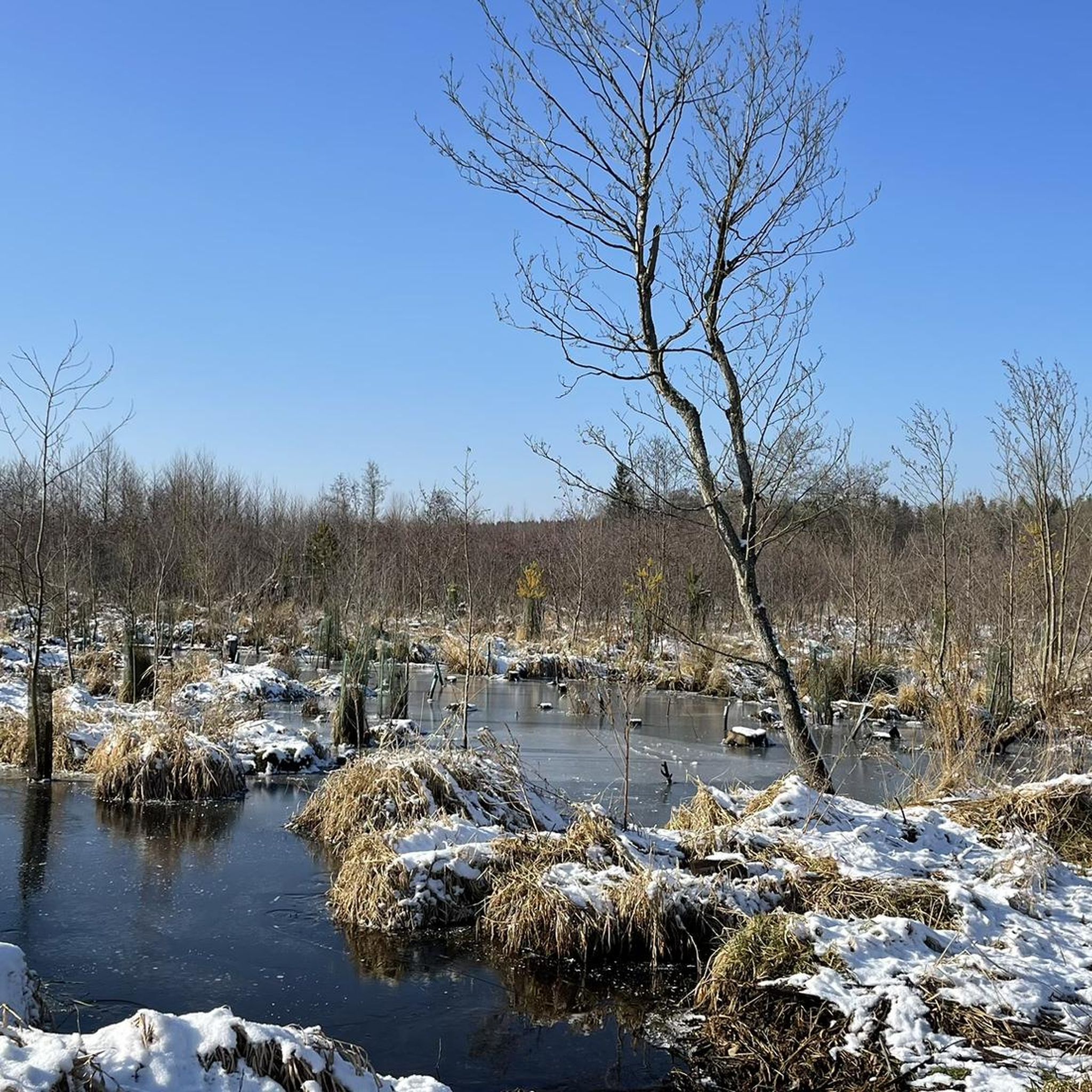
- Another must-see spot is Federsee Observation Platform, a viewpoint offering expansive views over the Federsee. Visitors can observe animals on the lake and marvel at plants within Southwest Germany's largest contiguous moorland area.
- Visitors also love Federseesteg Boardwalk Through Federsee Moor, a bridge and trail through the fen. This 1.5-kilometer-long wooden boardwalk allows access through the reed belt to the open water and is suitable for strollers and wheelchairs.
- Kanzach is known for its extensive moorlands, unique boardwalks, and renatured river sections. These areas offer diverse ecosystems, birdwatching opportunities, and unique geological features to explore.
- The natural monuments around Kanzach are appreciated by the komoot community, with more than 1300 upvotes and over 500 photos shared.
Last updated: July 8, 2026
Federseesteg Boardwalk Through Federsee Moor
Highlight (Segment) • Bridge
Translated by Google •
Tip by

Federsee Boardwalk
Highlight • Viewpoint
Translated by Google •
Tip by

Sign up now to discover places like this
Get recommendations on the best single tracks, peaks, & plenty of other exciting outdoor places.
Sign up for free
Renatured Danube Canal near Riedlingen
Highlight • River
Translated by Google •
Tip by

Federsee Observation Platform
Highlight • Viewpoint
Translated by Google •
Tip by

Federsee Nature Reserve
Highlight • Natural Monument
Translated by Google •
Tip by

Sign up for free to discover even more natural monuments around Kanzach.
Sign up for free
Already have an account?
Start today with a free account
Your next adventure awaits.
Login or Signup
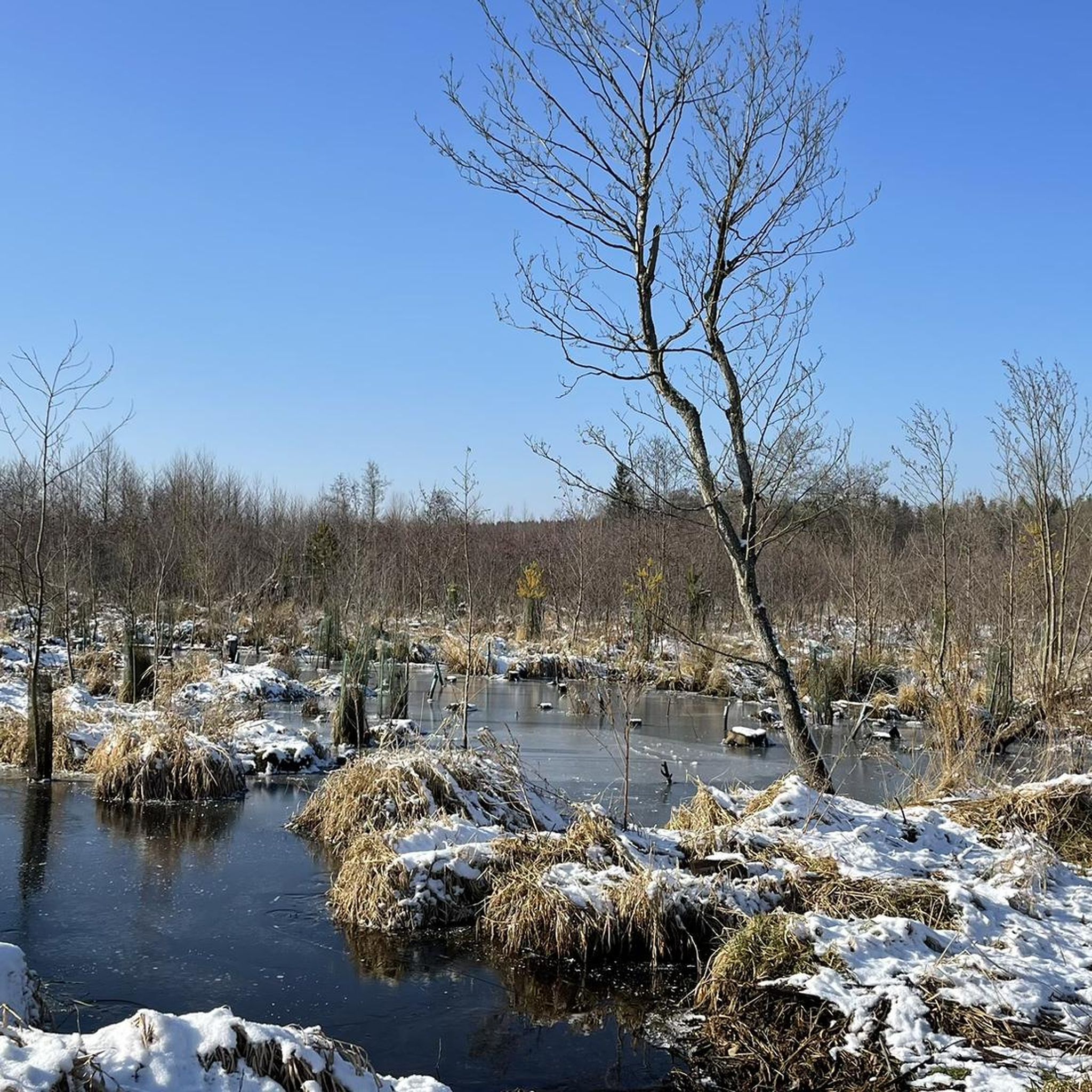
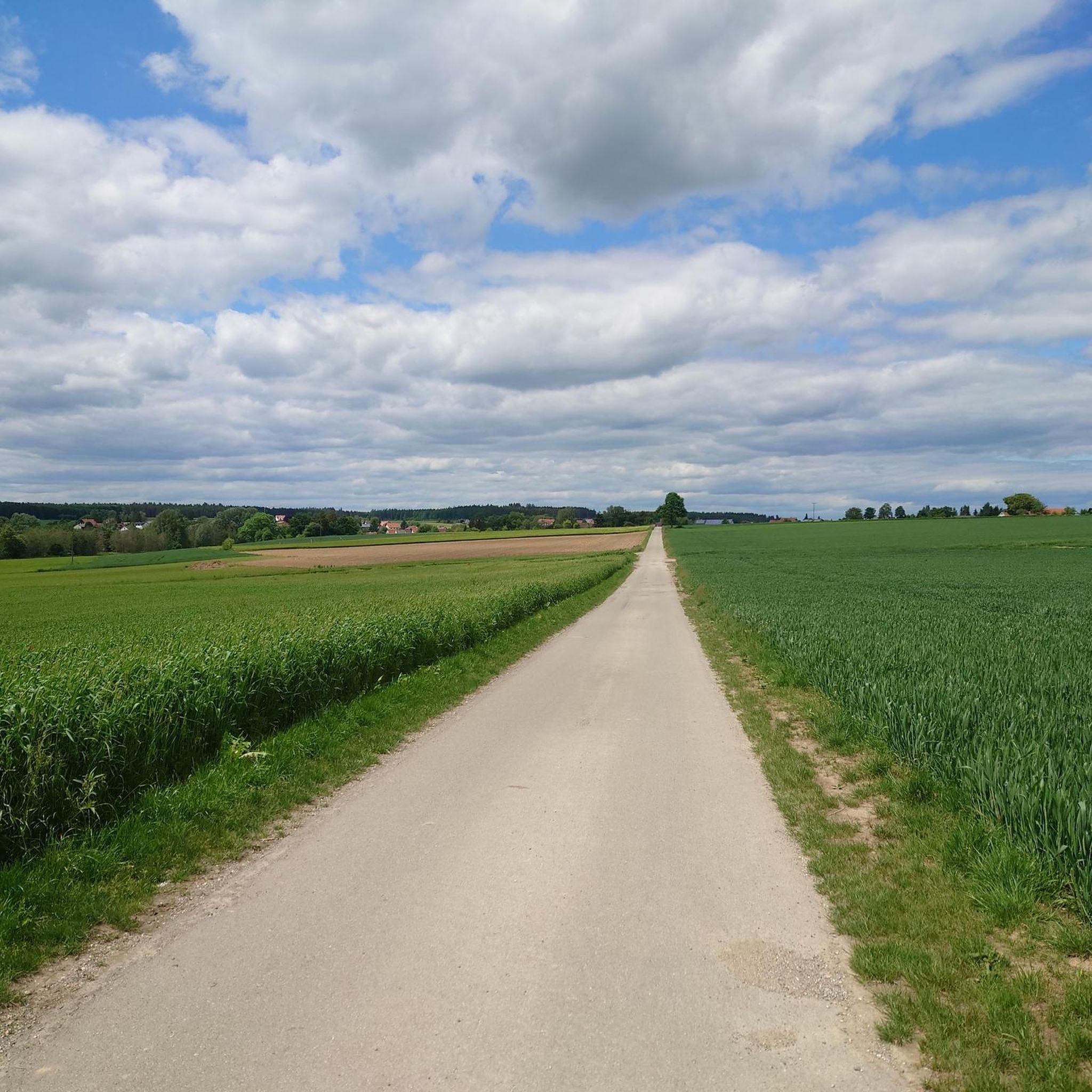
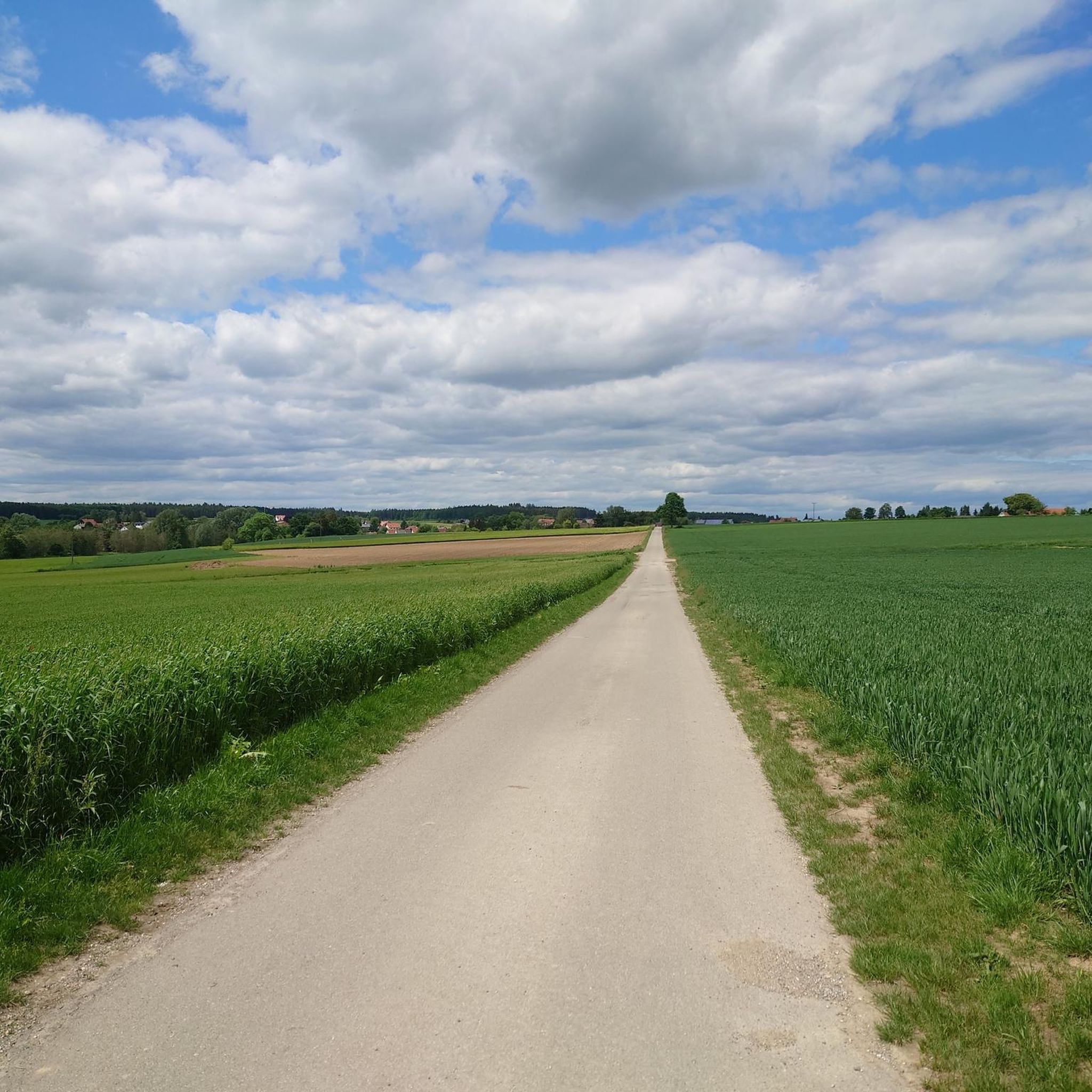
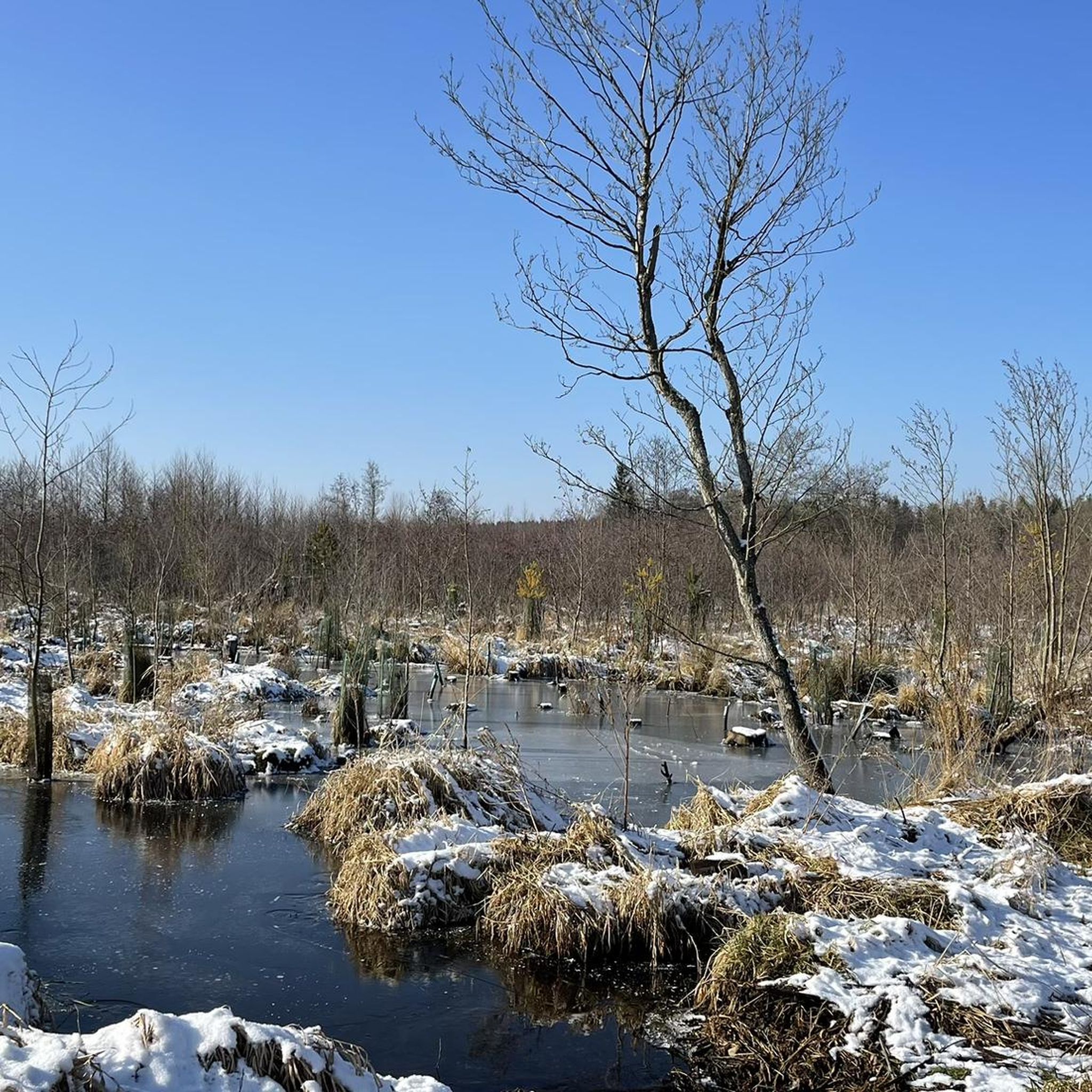
Tips from the Community

Idyllic nature on the Danube
2
0

Lake Federsee near Bad Buchau in the Upper Swabian district of Biberach is the second largest lake in Baden-Württemberg, covering an area of 1.4 km². It lies in the heart of the largest contiguous moorland area in Southwest Germany, spanning 33 km², and is, along with the moorland, the remnant of a once much larger post-glacial lake covering approximately 50 km². This complex of lake and moorland now forms the core of the geological Federsee Basin, which, following renaturation efforts, possesses outstanding natural and cultural-historical significance with its former shores and islands. Source: Wikipedia
1
0

The footbridge is definitely worth it. The circular trail follows the road a lot, so you have to be a fan of that.
4
0

A very nice bike path
4
0

Lake Federsee near Bad Buchau, a town west of Biberach an der Riß in Upper Swabia, is the largest contiguous moorland area in Southwest Germany, covering 33 km². The Federsee area is home to 265 bird species, 107 of which breed there. The more than 200 breeding pairs of whinchats and 18 breeding pairs of marsh harriers are particularly noteworthy. A museum, the Federsee Museum, and a NABU (Nature and Biodiversity Conservation Union) center provide information about the significance and history of the moor. The Federsee area is a bird sanctuary under the European Flora-Fauna-Habitat Directive and part of the European Natura 2000 network of protected areas. The Federsee basin is also known as an archaeological landscape with settlement remains primarily from the Late Neolithic and Bronze Age/Urnfield period.
4
0
The Federsee near Bad Buchau, a town west of Biberach an der Riß in Upper Swabia, is the largest contiguous moorland in southwest Germany at 33 km. 265 species of birds live in the Federsee area, including 107 breeding bird species. Over 200 breeding pairs of Whinchats and 18 breeding pairs of Marsh Harriers are worth mentioning in themselves. A museum, the Federsee Museum, and a NABU center provide information about the importance and history of the moor. The Federsee area is a bird sanctuary under the European Flora-Fauna-Habitat Directive and part of the European Natura 2000 biotope network. The Federsee basin is known as an archaeological site with settlement remains, especially from the Late Neolithic and Bronze Ages or Urnfield periods.
4
0

Very nice excursion destination. The wooden footbridge leads through the moor and reeds to the lake. There are benches at various places, a small wooden hut on the footbridge with a great view over the Federsee.
2
0

beautiful view over the lake and great reflection of the path
1
0
Frequently Asked Questions
What are the primary natural monuments to explore near Kanzach?
The main natural monuments near Kanzach are centered around the Federsee region and the Renatured Danube Canal. The Federsee Nature Reserve is an internationally important bird reserve, and the Renatured Danube Canal near Riedlingen offers a chance to observe wild animals and water birds in a restored habitat.
What makes the Federsee region a significant natural monument?
The Federsee region, located near Bad Buchau, is one of Southwest Germany's largest contiguous moorlands and a European bird reserve. It's a critical habitat for over 700 plant species, 600 butterfly species, and 272 bird species. Its unique mosaic of reed beds, sedge meadows, and moor forests makes it a paradise for nature observation.
Is the Federseesteg Boardwalk accessible for everyone?
Yes, the Federseesteg Boardwalk Through Federsee Moor is designed to be accessible. This 1.5-kilometer-long wooden boardwalk allows visitors to traverse through the reed belt to the open water and observation platforms. It is suitable for strollers and has been made passable for wheelchair users since its new construction in winter 2010. Bicycles are not allowed on the boardwalk.
Are there opportunities for birdwatching around Kanzach?
Absolutely. The Federsee region is an internationally important bird reserve, part of the Natura 2000 network. It's home to 265 bird species, with 107 breeding there, including notable populations of whinchats and marsh harriers. The Federsee Observation Platform provides excellent vantage points for observing waterfowl and other birds.
What is the Wackelwald (Shaking Forest) and where can I find it?
The Wackelwald, or 'Shaking Forest,' is a unique natural phenomenon located near the Federsee in Bad Buchau. Here, the forest grows on a soft, mossy bog that 'shakes' or 'bounces' with every step. It's one of the few preserved bogs in Baden-Württemberg and features an educational nature trail with eight stations explaining its formation and ecology.
Can I find family-friendly activities among the natural monuments?
Yes, several natural monuments are family-friendly. The Federseesteg Boardwalk is suitable for strollers and offers an immersive experience for all ages. The Wackelwald (Shaking Forest) provides a fun and unusual experience for families with its bouncing ground and educational trail. The Federsee Boardwalk also has facilities and is great for families.
Are there hiking trails available near these natural monuments?
Yes, there are numerous hiking trails in the vicinity. For instance, you can find routes like the 'Federsee Boardwalk – Federsee Bog loop from Kanzach' which is a moderate 12.8 km hike. You can explore more hiking options around the natural monuments on the Hiking around Kanzach guide.
What kind of wildlife and flora can I expect to see in the Federsee area?
The Federsee area is incredibly diverse. You can expect to see a wide array of bird species, including Reed Warblers, Sedge Warblers, Bearded Tits, and Water Rails. The moorland is also home to over 700 plant species and 600 butterfly species, thriving in the unique mosaic of reed beds, sedge meadows, and moor forests.
What is the best time of year to visit the natural monuments around Kanzach?
The Federsee region is beautiful year-round, but spring and autumn are particularly rewarding for birdwatching due to migration periods. Spring also brings little bird chicks, as noted by visitors. The boardwalks and trails are generally accessible in most seasons, but checking local conditions, especially in winter, is advisable.
Are dogs allowed on the trails around the natural monuments?
Yes, dogs are generally welcome on trails around the natural monuments, especially in the Federsee Nature Reserve, where it is noted as dog-friendly. However, it's always recommended to keep dogs leashed to protect the delicate ecosystems and wildlife, especially in bird reserve areas.
Are there any historical or archaeological aspects to these natural monuments?
Yes, the Federsee basin is renowned as an archaeological landscape. It contains significant settlement remains primarily from the Late Neolithic and Bronze Age/Urnfield periods. Some of these archaeological sites, preserved in the moist peat, are recognized as UNESCO World Heritage Sites, offering a glimpse into ancient human history alongside natural beauty.
Where can I find parking or public transport options for the Federsee area?
For the Federsee area, particularly the Federseesteg and Federsee Museum, there is a large parking lot directly in Bad Buchau. Public transport options are available to Bad Buchau, which serves as a gateway to the Federsee. For specific routes and schedules, it's best to check local public transport information.
What do visitors particularly enjoy about the Federsee area?
Visitors frequently praise the tranquility and the rich birdlife of the Federsee. Many enjoy the calming experience of observing waterfowl and fish, especially with binoculars. The unique experience of walking on the Federseesteg Boardwalk through the fen is also a highlight, offering close-up views of the diverse habitats.
Most popular routes around Kanzach
Most popular attractions around Kanzach

Get inspired with the komoot mobile app


Explore more
Extend your search for the best caves by checking out these guides of the top ones around Kanzach:
