Top 20 Natural Monuments around Apolda
Natural monuments around Apolda offer a variety of green spaces and natural recreation areas. The region features several promenades and parks, intentionally developed to provide accessible natural retreats within an urban setting. These areas contribute to the city's green infrastructure, offering opportunities for walking, cycling, and nature observation. The guide lists 6 natural monuments to explore in the vicinity.
Best natural monuments around Apolda
- The most popular natural monuments is Napoleon Stone on the Windknollen, a man-made monument that…
Last updated: June 25, 2026
Napoleon Stone on the Windknollen
Highlight • Monument
Translated by Google •
Tip by

Park Cave and the Nadelöhr in the Park on the Ilm
Highlight • Cave
There are a few other highlights above on the side facing away from the Ilm:
the "eye of the needle", the bark house, the temple lord's house etc..
Translated by Google •
Tip by

Sign up now to discover places like this
Get recommendations on the best single tracks, peaks, & plenty of other exciting outdoor places.
Sign up for free
Winter Aconites in Bloom in the Rautal
Highlight • Natural Monument
Translated by Google •
Tip by

Dornburg Palaces (Dornburger Schlösser)
Highlight • Castle
Translated by Google •
Tip by

Schloss Tiefurt
Highlight • Castle
Duchess Anna Amalia's summer residence
The current design reflects the taste of the time around 1800. Originally it was the estate tenant's house, until Duchess Anna Amalia took …
Translated by Google •
Tip by

Sign up for free to discover even more natural monuments around Apolda.
Sign up for free
Already have an account?
Start today with a free account
Your next adventure awaits.
Login or Signup

Tips from the Community

A dream, the gardens, terraces and of course the playful Rococo palace make the visit an experience.
6
0

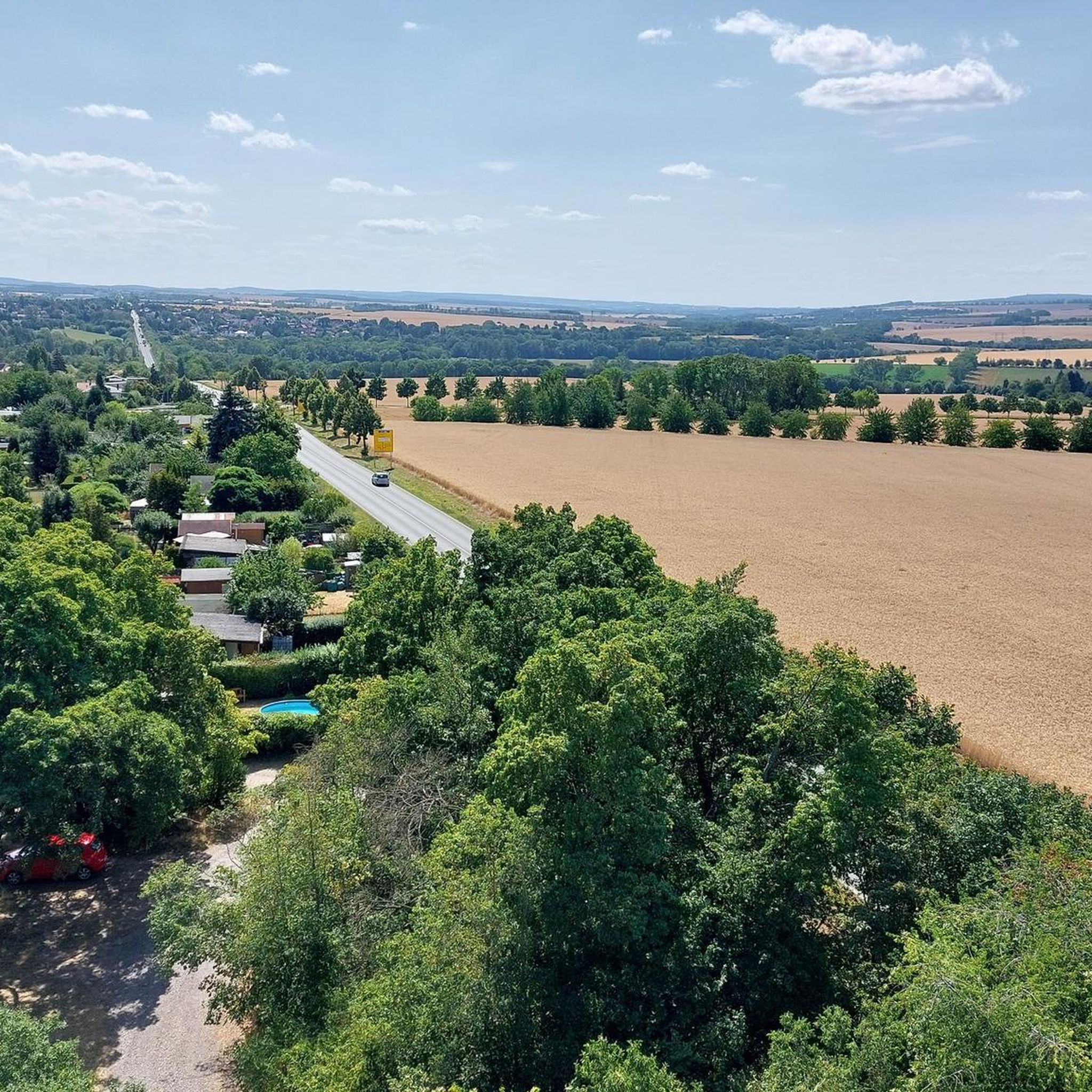
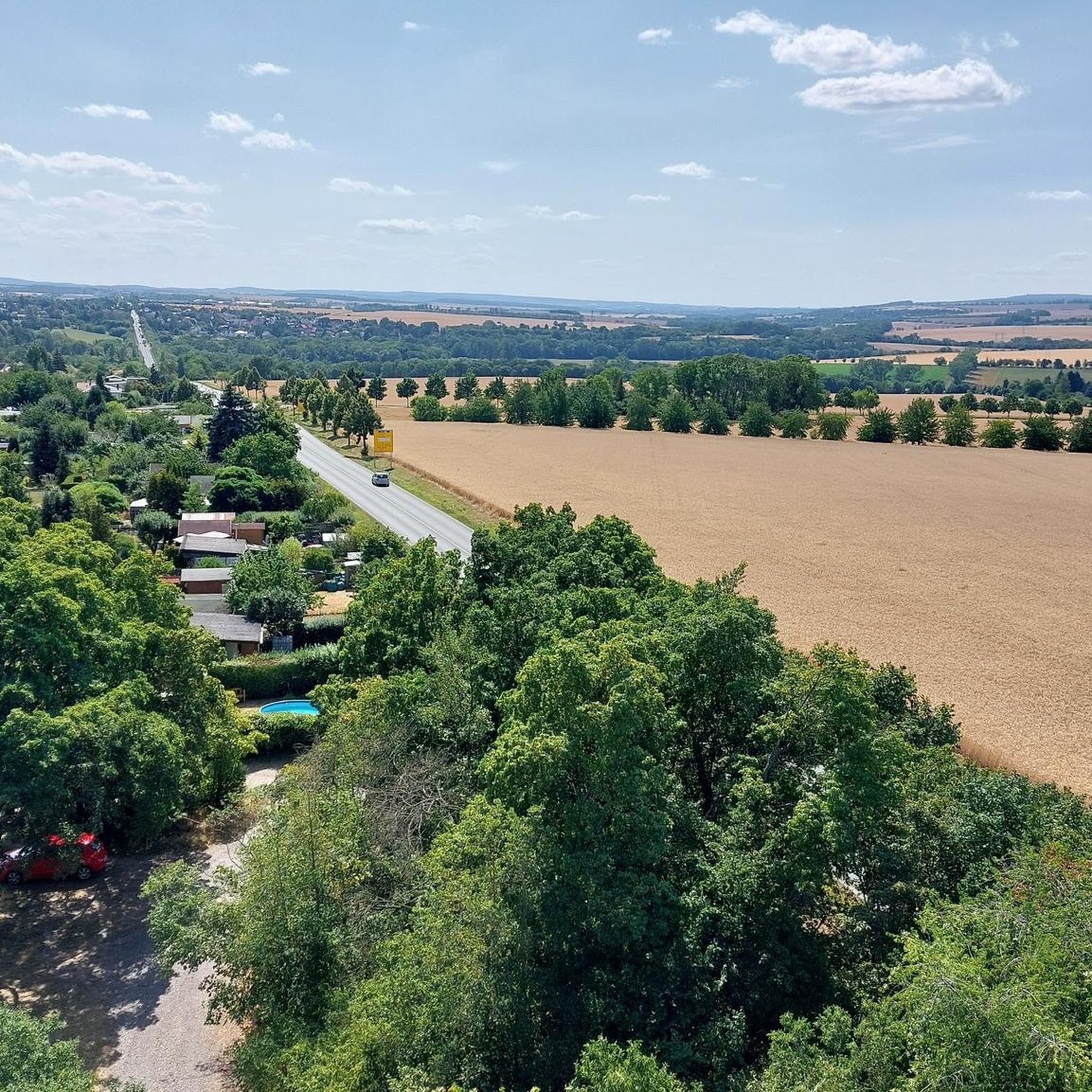
In the autumn of 1806, world history was made here on these heights northwest of Jena. Directly behind the Landgrave's house lay the Jena-Auerstedt battlefield, the site of the fighting between Prussian troops and Napoleon in October 1806. The Napoleon Stone, which, like the museum in nearby Cospeda, commemorates this event over two hundred years ago, is located here.
12
0
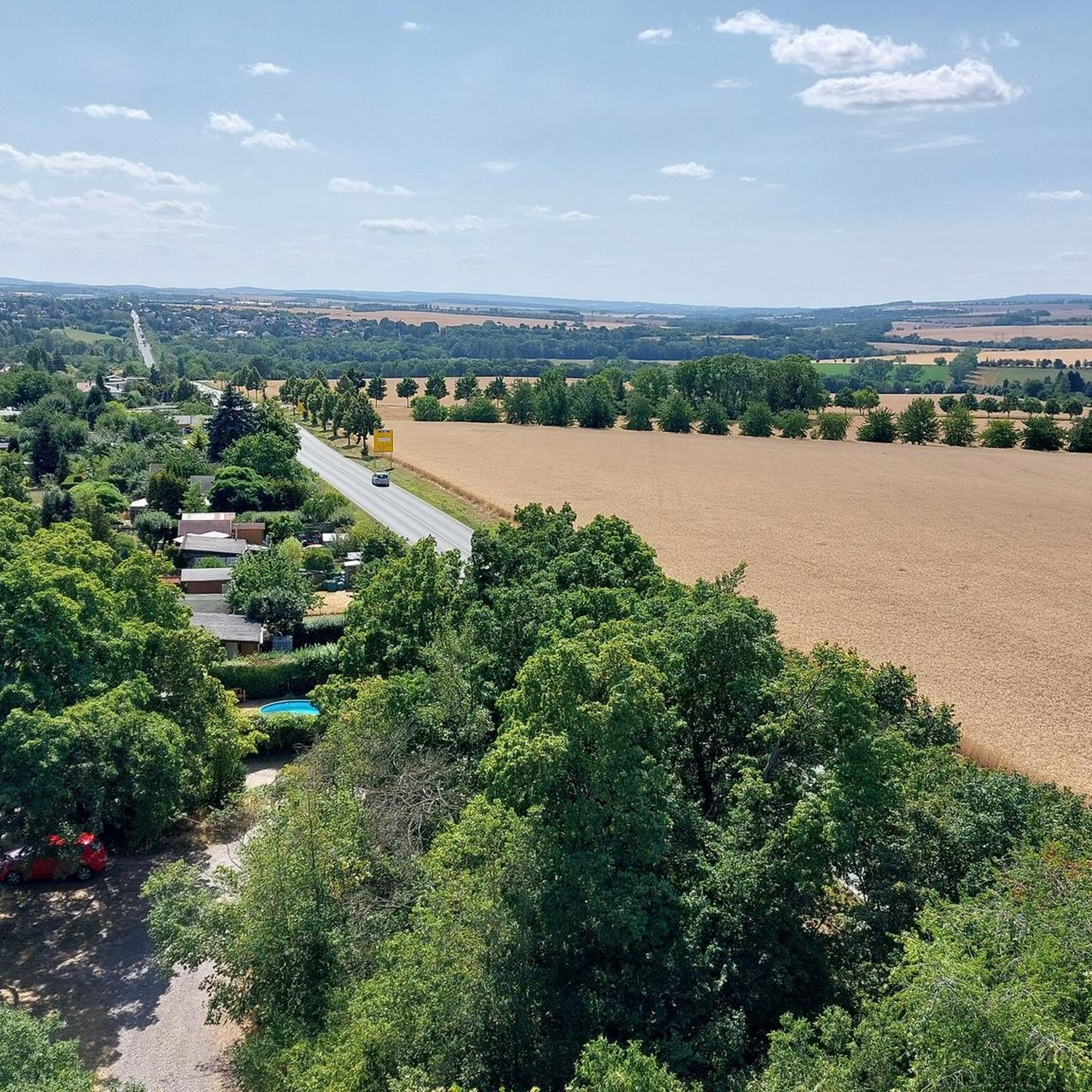
Another stop on the Napoleon Trail with a bench at the Napoleon Stone. Here you have a wonderful panoramic view 😎
13
0

Ignoring the Prussian ultimatum, Napoleon marched with approximately 160,000 men from Bavaria to Thuringia toward Berlin between October 7 and 13, 1806. On the afternoon of October 13, Napoleon, standing on the Windknollen, spotted the enemy firing positions on the Dornberg and ordered all available troops to take up positions overnight on the Landgrafenberg. The Prussian commanders never expected the French artillery with its heavy cannons to climb the steep mountain.
14
0

Tiefurt Castle Duchess Anna Amalia's summer residence The current design reflects the taste of the time around 1800. Originally it was the estate tenant's house, until Duchess Anna Amalia took over the modest castle building after Ettersburg Castle as a summer residence and turned it into a place for literary and social meetings. The Duchess made a conscious decision not to change the exterior architecture, as she particularly liked the rural ambience. Anna Amalia also gathered scholars and friends around her in Tiefurt. The heyday of Tiefurt's sociability, which was reflected in Tiefurt's journal, is associated with the first four years of her summer stays. Performances by the Weimar amateur theater were among the special events. Tour Several works of art commemorate Anna Amalia's trip to Italy from 1788 to 1790, including a watercolor by Johann Georg Schütz showing the Duchess and her traveling party surrounded by Roman artists in the garden of the Villa d'Este. Sculptures and busts by the court sculptor Gottlieb Martin Klauer in the stairwell as well as porcelain from China, Meissen, Copenhagen, Fürstenberg and Vienna are among the artistic highlights of the furnishings. From the courtyard, it is possible to look into the cold kitchen with a variety of utensils. The historical display dishes made of porcelain, wax and papier-mâché on display there come from the ducal property and imitate the dishes in a deceptively realistic way. Text / Source: Weimar GmbH, Tourist Information Weimar, Markt 4, Weimar https://www.weimar.de/kultur/sehenswuerdigkeiten/schloesser/schloss-tiefurt/#:~:text=Schloss%20Tiefurt.%20Herzogin%20Anna%20Amalias%20Sommersitz.%20Die
15
2
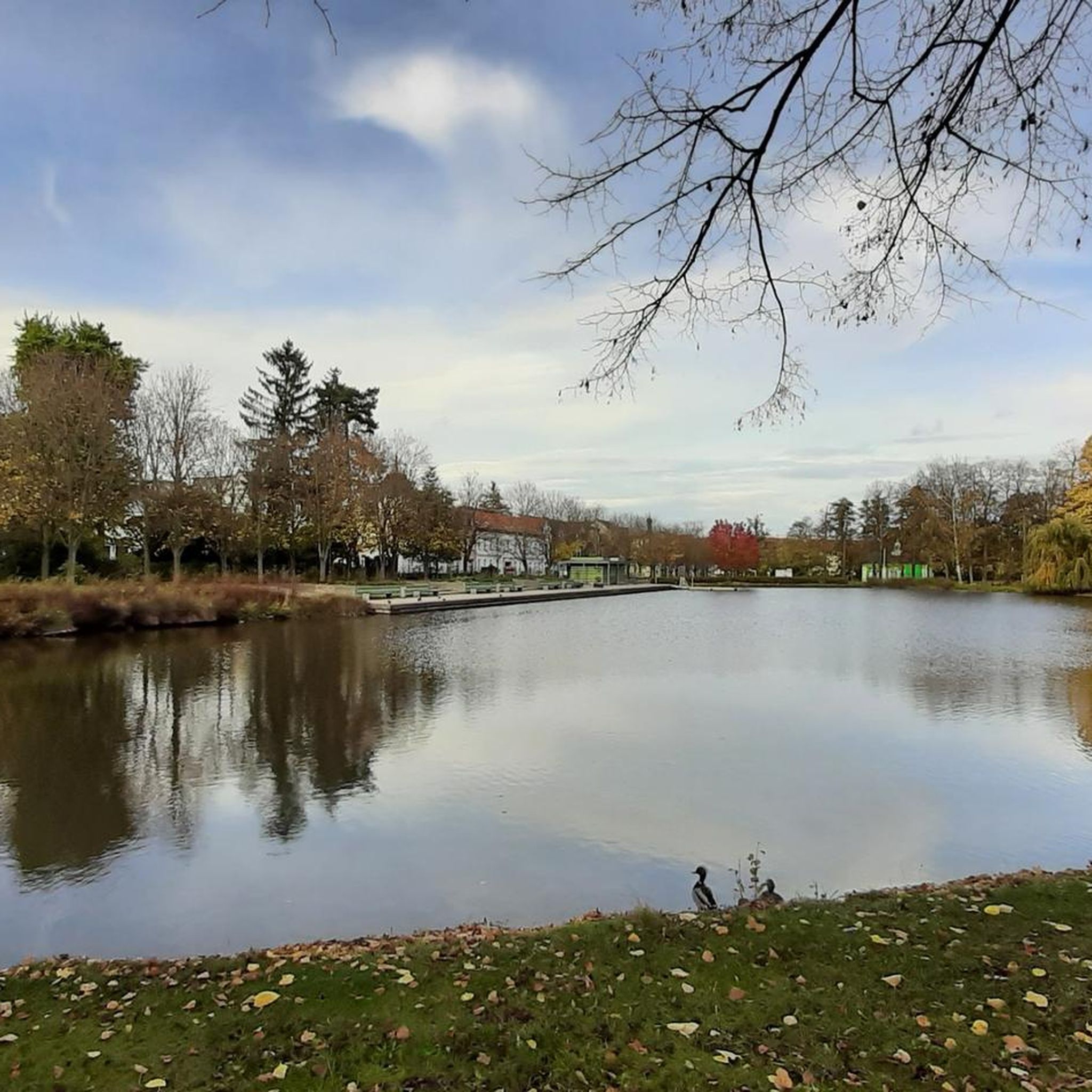
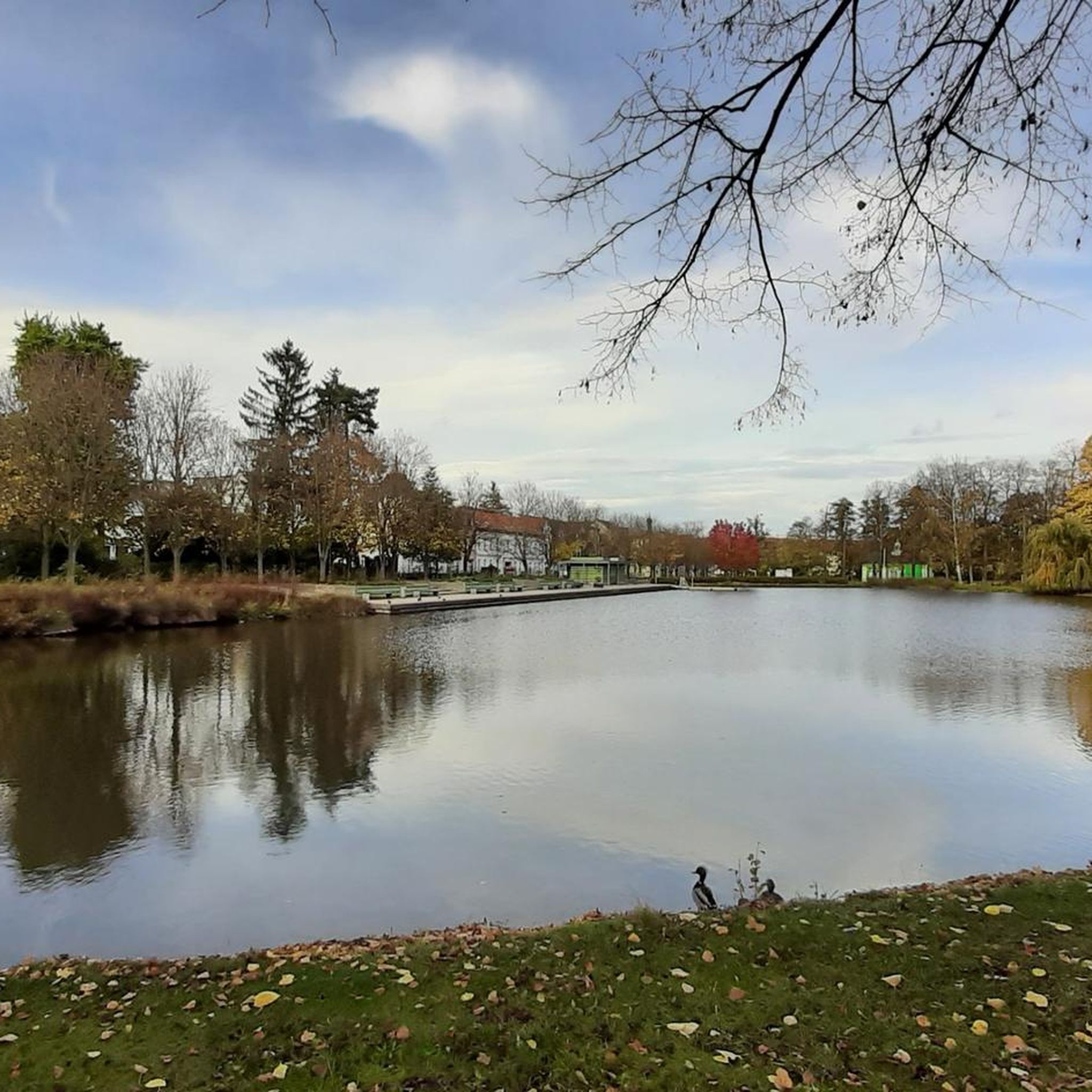
Tiefurt Castle Park The Tiefurt Castle Park extends over an area of 21 hectares on both sides of the Ilm. Gently sloping meadows with beautiful groups of trees extend to the river bank. Beyond this, a steep slope covered with dense trees rises. Numerous monuments and park architecture such as the tea pavilion invite you to explore. The Ilmtal cycle path runs directly along the river. Text / Source: Weimar GmbH, Tourist Information Weimar, Markt 4, Weimar https://www.weimar.de/kultur/sehenswuerdigkeiten/parks-und-gaerten/schlosspark-tiefurt/#:~:text=Der%20Schlosspark%20Tiefurt%20erstreckt%20sich%20auf%20einer%20Fl%C3%A4che%20von
14
1

Very nice path through the park.
4
0
Very nicely made bridge.
5
0
Frequently Asked Questions
What are some popular walking routes among Apolda's natural areas?
Apolda offers several pleasant walking routes through its green spaces. The Schötener Promenade is a historic path following the Schötener Bach, known for its established trees and the fabled Bonifatiusquelle. Another option is the Herressener Promenade, which was even the site of the Thuringian State Garden Show. For a unique natural spectacle, consider the circular route to see the Winter Aconites in Bloom in the Rautal.
What natural features and viewpoints can I discover around Apolda?
You can find diverse natural features and viewpoints. The Napoleon Stone on the Windknollen offers a fantastic view of Jena and the Saale Valley. The Dornburg Palaces also provide a very nice view of the Saale valley from their beautifully landscaped gardens. Within the Park on the Ilm, you can explore the Park Cave and the natural bridge known as the Nadelöhr.
Are there any significant geological formations around Apolda?
While Apolda is more known for its green spaces and promenades, specific geological formations are less prominent. However, the Park Cave and the Nadelöhr in the Park on the Ilm feature natural rock formations, including a cave and a natural bridge, offering interesting geological elements within a park setting.
What is the best time to visit Apolda's natural areas?
The best time to visit depends on your interests. For the spectacular blooming of the Winter Aconites in Bloom in the Rautal, early to mid-February is ideal. In summer, the large, shade-giving trees along the Schötener Promenade provide pleasant coolness. Autumn is popular for kite flying at the Napoleon Stone on the Windknollen due to favorable winds.
Are there family-friendly natural monuments around Apolda?
Yes, several natural areas are suitable for families. The Napoleon Stone on the Windknollen, Dornburg Palaces, and Schloss Tiefurt are all categorized as family-friendly. The promenades like the Schötener Promenade and Herressener Promenade offer easy paths for leisurely strolls with children.
What outdoor activities can I do near these natural monuments?
Beyond walking and nature observation, you can enjoy various outdoor activities. Cycling is popular, with connections to the Lutherweg and Napoleon Cycle Path from the Schötener Promenade. For more structured routes, explore MTB Trails around Apolda, Easy hikes around Apolda, or Running Trails around Apolda.
Are there hiking trails near these natural monuments?
Yes, there are numerous hiking trails. For easy walks, consider routes like the 'Wasserburg Niederroßla – Ilm Bridge in Niederroßla loop' or the 'Bonifatius Spring – Bonifatiusweiher loop' which are part of the Easy hikes around Apolda guide. These trails allow you to explore the green spaces and natural features of the region.
What is the typical difficulty of trails in Apolda's natural monuments?
Most trails within Apolda's green spaces and promenades, such as the Herressener and Schötener Promenades, are generally easy and suitable for leisurely walks. Some highlights like the Napoleon Stone on the Windknollen or the Winter Aconites in Bloom in the Rautal involve intermediate sections, but overall, the region is well-suited for accessible outdoor experiences.
Are dogs allowed in Apolda's natural areas?
Many of Apolda's green spaces and promenades are dog-friendly, allowing you to enjoy walks with your pet. However, it's always advisable to keep dogs on a leash and clean up after them to ensure a pleasant experience for all visitors. Specific rules may apply in certain protected areas or within castle grounds like Dornburg Palaces or Schloss Tiefurt.
Where can I find parking and public transport access for Apolda's natural monuments?
Apolda's natural areas, particularly the promenades and parks, are generally well-integrated into the urban infrastructure. Parking is often available near major green spaces like the Herressener Promenade, Schötener Promenade, and Paulinenpark. Public transport also serves these areas, making them accessible without a car. For specific highlights further afield, such as the Napoleon Stone or Dornburg Palaces, dedicated parking facilities are usually provided.
What historical sites are near Apolda's natural monuments?
Several historical sites are intertwined with the natural beauty of the region. The Napoleon Stone on the Windknollen commemorates a significant historical event. The Dornburg Palaces are a castle complex with a rich history and beautifully landscaped gardens. Similarly, Schloss Tiefurt, a former summer residence of Duchess Anna Amalia, offers historical insights within its expansive park.
Are there any cafes or restaurants near Apolda's promenades and parks?
Given that Apolda's promenades and parks are often close to or within the urban center, you'll find various cafes and restaurants nearby. The city's infrastructure provides amenities within easy reach of these green spaces, allowing visitors to enjoy refreshments before or after their strolls.
What makes the Schötener Promenade a special natural monument?
The Schötener Promenade is special due to its historical development as a 'green oasis' for the industrial city, dating back to 1876. It features an established tree population, natural paths along the Schötener Bach, a small pond, and the fabled Bonifatiusquelle. It has been under landscape protection since 1970 and offers a serene atmosphere with beautiful light play through its canopies.
Most popular routes around Apolda
Most popular attractions around Apolda

Get inspired with the komoot mobile app


Explore more
Extend your search for the best caves by checking out these guides of the top ones around Apolda:
