Top 20 Natural Monuments around Wohlsborn
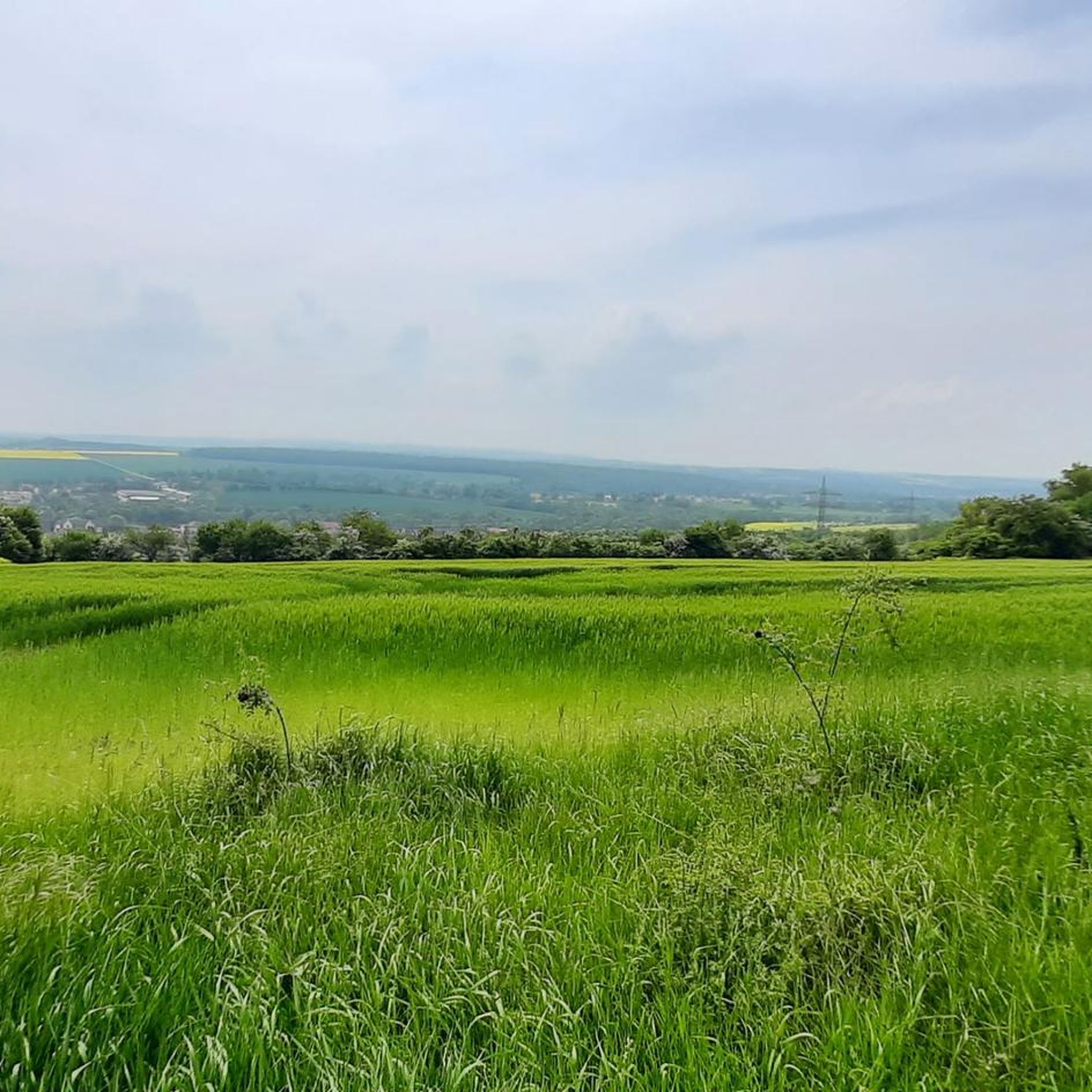
Natural monuments around Wohlsborn are found in the idyllic village of Wohlsborn, located in the Weimarer Land district of Thuringia, Germany. The region is characterized by its green landscape, with the Scherkonde stream originating here and several ponds. These natural features, combined with historical sites, offer diverse points of interest for visitors. The area provides opportunities to explore both geological formations and culturally significant landmarks.
Best natural monuments around Wohlsborn
- The most popular natural monuments is Sculptural Group at the…
Last updated: June 25, 2026
Bridge over the Ilm
Highlight • Cave
Showing Translation
Tip by

Schloss Tiefurt
Highlight • Castle
Duchess Anna Amalia's summer residence
The current design reflects the taste of the time around 1800. Originally it was the estate tenant's house, until Duchess Anna Amalia took …
Translated by Google •
Tip by

Sign up now to discover places like this
Get recommendations on the best single tracks, peaks, & plenty of other exciting outdoor places.
Sign up for free
Park on the Ilm (Weimar)
Highlight • Natural
Translated by Google •
Tip by

Ruins of the Tempelherrenhaus
Highlight • Historical Site
Translated by Google •
Tip by

Sculptural Group at the Buchenwald Memorial
Highlight • Monument
Translated by Google •
Tip by

Sign up for free to discover even more natural monuments around Wohlsborn.
Sign up for free
Already have an account?
Start today with a free account
Your next adventure awaits.
Login or Signup

Tips from the Community

Fritz Cremer's famous Buchenwald sculpture is part of the Buchenwald Memorial, the largest and most important concentration camp memorial in Germany. Created between 1954 and 1958, the group of figures was restored between 2002 and 2005. The expressive group comprises eleven larger-than-life bronze figures symbolizing struggle and sacrifice, victory and the prisoners' oath. Behind the group of monuments, the 50-meter-high bell tower rises majestically, visible far into the distance.
5
0

Fritz Cremer's famous group of figures in front of the bell tower of liberated prisoners is intended to symbolize the victory over the SS under the leadership of the Communist Party.
3
0

Tiefurt Castle Duchess Anna Amalia's summer residence The current design reflects the taste of the time around 1800. Originally it was the estate tenant's house, until Duchess Anna Amalia took over the modest castle building after Ettersburg Castle as a summer residence and turned it into a place for literary and social meetings. The Duchess made a conscious decision not to change the exterior architecture, as she particularly liked the rural ambience. Anna Amalia also gathered scholars and friends around her in Tiefurt. The heyday of Tiefurt's sociability, which was reflected in Tiefurt's journal, is associated with the first four years of her summer stays. Performances by the Weimar amateur theater were among the special events. Tour Several works of art commemorate Anna Amalia's trip to Italy from 1788 to 1790, including a watercolor by Johann Georg Schütz showing the Duchess and her traveling party surrounded by Roman artists in the garden of the Villa d'Este. Sculptures and busts by the court sculptor Gottlieb Martin Klauer in the stairwell as well as porcelain from China, Meissen, Copenhagen, Fürstenberg and Vienna are among the artistic highlights of the furnishings. From the courtyard, it is possible to look into the cold kitchen with a variety of utensils. The historical display dishes made of porcelain, wax and papier-mâché on display there come from the ducal property and imitate the dishes in a deceptively realistic way. Text / Source: Weimar GmbH, Tourist Information Weimar, Markt 4, Weimar https://www.weimar.de/kultur/sehenswuerdigkeiten/schloesser/schloss-tiefurt/#:~:text=Schloss%20Tiefurt.%20Herzogin%20Anna%20Amalias%20Sommersitz.%20Die
15
2
Tiefurt Castle Park The Tiefurt Castle Park extends over an area of 21 hectares on both sides of the Ilm. Gently sloping meadows with beautiful groups of trees extend to the river bank. Beyond this, a steep slope covered with dense trees rises. Numerous monuments and park architecture such as the tea pavilion invite you to explore. The Ilmtal cycle path runs directly along the river. Text / Source: Weimar GmbH, Tourist Information Weimar, Markt 4, Weimar https://www.weimar.de/kultur/sehenswuerdigkeiten/parks-und-gaerten/schlosspark-tiefurt/#:~:text=Der%20Schlosspark%20Tiefurt%20erstreckt%20sich%20auf%20einer%20Fl%C3%A4che%20von
14
1

Very nice park with sights 💯🔝👍🏻😊
1
0

A magnificent work of art in an impressive setting.
4
0

The bronze figures symbolize the resistance of the prisoners. The arrangement and posture of the figures reflect the style of socialism at the time.
5
0

On the manifestation square in front of the bell tower stands the group of figures created by Fritz Cremer, mounted on a red stone base. The bronze sculpture - it is the largest in Germany - is dedicated to the victorious resistance struggle in the camp and shows the “self-liberation” of the prisoners under the leadership of the communists.
6
0
Frequently Asked Questions
What are the most notable natural monuments to visit around Wohlsborn?
The region around Wohlsborn offers a blend of natural beauty and historical significance. Key natural monuments include the Park Cave and the Nadelöhr in the Park on the Ilm, known for its natural bridge and views of Goethe's garden house. You can also explore the expansive Park on the Ilm, a unique landscape garden with historical significance. Additionally, the Bärenhügel, a distinctive natural elevation on the Kleine Ettersberg, is a significant archaeological and spiritual landmark from the Neolithic Age.
Are there any historical sites or cultural landmarks among the natural monuments?
Yes, several natural monuments around Wohlsborn are deeply intertwined with history and culture. Schloss Tiefurt, a former summer residence of Duchess Anna Amalia, features a beautiful park along the Ilm river. The Sculptural Group at the Buchenwald Memorial, while man-made, is considered a natural monument due to its setting and commemorates the victims of the Buchenwald concentration camp. The Bärenhügel also holds ancient historical importance as a burial and cult site.
What kind of natural features can I expect to see in the Wohlsborn area?
Wohlsborn is characterized by its green landscape. You'll find the Scherkonde stream originating here, along with several ponds. The region features geological formations like the Park Cave with its 'natural bridge,' and distinctive elevations such as the Bärenhügel on the Kleine Ettersberg. Expansive parks like the Park on the Ilm also showcase beautifully landscaped natural settings.
Are there family-friendly natural monuments around Wohlsborn?
Many natural monuments in the area are suitable for families. The Park on the Ilm offers ample space for relaxation and exploration, with varied landscapes and seating areas. Schloss Tiefurt and its park are also family-friendly, providing historical context within a natural setting. The Park Cave and the Nadelöhr can be an exciting discovery for children, though some parts may be slippery when wet.
What outdoor activities can I do near these natural monuments?
The region around Wohlsborn is excellent for various outdoor activities. You can enjoy gravel biking on routes like the 'Buchfart Watermill – Buchfart Rock Caves loop' or 'Duchess Anna Amalia Library – Ilm Park loop'. For mountain biking, consider trails such as 'Taubach Watermill – Rock Castle loop'. Running enthusiasts can explore routes like the 'Schloss Tiefurt – Tiefurt Palace Park loop' or the 'Buchenwald Memorial Obelisk loop'. Find more details on these activities in the Gravel biking around Wohlsborn, MTB Trails around Wohlsborn, and Running Trails around Wohlsborn guides.
Are there hiking trails near the natural monuments in Wohlsborn?
Yes, there are numerous hiking and walking paths. The Park on the Ilm itself offers pleasant trails. The Bärenhügel on the Kleine Ettersberg provides a tranquil spot for walks amidst nature. For more structured routes, you can find running trails that are also suitable for walking, such as the 'Schloss Tiefurt – Tiefurt Palace Park loop' or the 'Gutsteich loop from Wohlsborn'. These routes are detailed in the Running Trails around Wohlsborn guide.
What do visitors enjoy most about the natural monuments around Wohlsborn?
Visitors particularly appreciate the combination of natural beauty and rich history. The tranquil settings of places like the Bärenhügel, the scenic views from the Park Cave, and the artistic and historical significance of sites like Schloss Tiefurt are frequently highlighted. The well-maintained parks and the opportunity to explore both geological formations and culturally significant landmarks are also highly valued.
Is the Bärenhügel a significant natural monument, and what is its history?
The Bärenhügel (Bear Hill) is indeed a significant natural monument located on the Kleine Ettersberg, east-southeast of Wohlsborn. It is a distinctive natural elevation that is actually the remnant of a very large burial mound. It served as a burial and cult site as far back as the Neolithic Age, making it an important archaeological and spiritual landmark. Despite its name, it's believed to be named for berry bushes rather than bears.
Are there any viewpoints or scenic spots among the natural monuments?
Yes, several natural monuments offer scenic views. From the Park Cave and the Nadelöhr in the Park on the Ilm, you can enjoy beautiful views of Johann Wolfgang von Goethe's garden house. The Park on the Ilm itself is a work of art with varied landscapes and seating areas, offering picturesque scenes, including views of the city palace and the Sternbrücke.
What is the best time of year to visit the natural monuments around Wohlsborn?
The natural monuments around Wohlsborn can be enjoyed throughout the year, each season offering a different charm. Spring brings blooming flora to the parks and hillsides, while summer is ideal for longer walks and outdoor activities. Autumn showcases vibrant foliage, particularly in areas like the Park on the Ilm and around the Bärenhügel. Winter offers a serene, often snowy, landscape, though some paths, like those near the Park Cave, can be slippery.
Are there any natural monuments that are wheelchair accessible?
The Sculptural Group at the Buchenwald Memorial is noted as wheelchair accessible, allowing visitors to experience this significant historical site. For other natural monuments, accessibility may vary, with some parks offering paved paths while natural trails might be more challenging.
What is the 'Park on the Ilm' and what makes it a natural monument?
The Park on the Ilm is a 48-hectare landscape garden on the edge of Weimar's old town, considered a natural monument due to its unique design and ecological value. Duke Carl August and Johann Wolfgang Goethe realized their gardening ideas here, creating a walk-in work of art with varied landscapes, park architecture, and seating areas. It serves as a place for relaxation, education, and aesthetic enjoyment of nature, featuring old trees, lawns, and the meandering Ilm river.
Most popular routes around Wohlsborn
Most popular attractions around Wohlsborn

Get inspired with the komoot mobile app


Explore more
Extend your search for the best caves by checking out these guides of the top ones around Wohlsborn:
