Top 20 Natural Monuments around Geisa
Best natural monuments around Geisa are situated within the picturesque Ulster Valley, part of Germany's Rhön Biosphere Reserve. This region offers serene landscapes and diverse flora, providing numerous recreational opportunities. The area's natural appeal lies in its well-maintained nature trails and scenic beauty, making it a notable destination for outdoor exploration. Visitors can experience the unique cultural landscape and biodiversity of the Rhön.
Best natural monuments around Geisa
- The most popular natural monuments is Milseburg Summit and Crucifixion Group,…
Last updated: September 28, 2026
Milseburg Summit and Crucifixion Group
Highlight • Summit
Translated by Google •
Tip by

Buchschirmberg summit and Kreuz des Ostens (Cross of the East)
Highlight • Summit
Translated by Google •
Tip by

Sign up now to discover places like this
Get recommendations on the best single tracks, peaks, & plenty of other exciting outdoor places.
Buchschirmberg Viewing Platform
Highlight • Viewpoint
Translated by Google •
Tip by

Öchsenberg Summit and Celtic Cross
Highlight • Summit
Translated by Google •
Tip by

Ulmenstein Basalt Lake
Highlight • Lake
Translated by Google •
Tip by

Sign up for free to discover even more natural monuments around Geisa.
Already have an account?
Start today with a free account
Your next adventure awaits.
Popular around Geisa
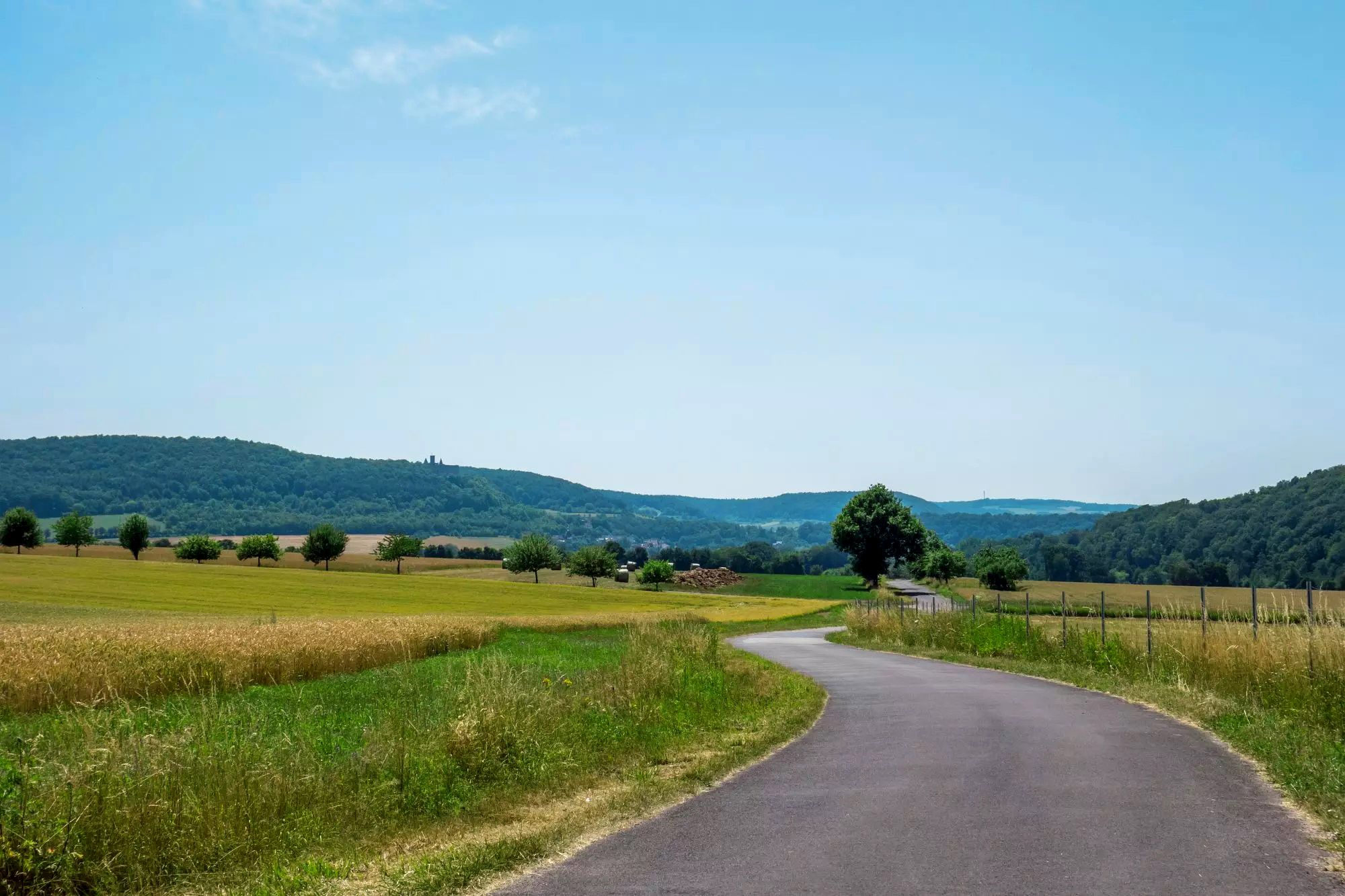
Rhön Cycleway in Germany – Cycling in the Land of Open Distances
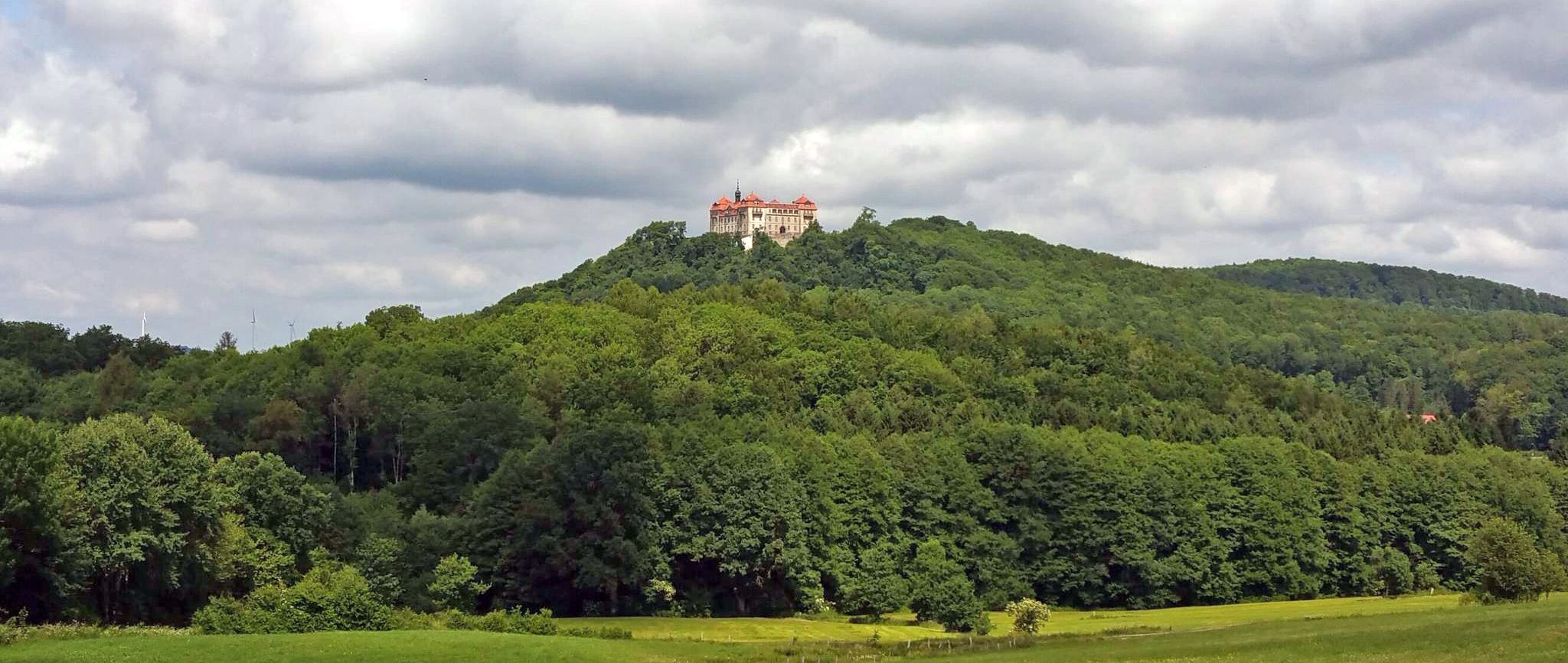
BahnRadweg Hessen — castles, palaces & beautiful nature
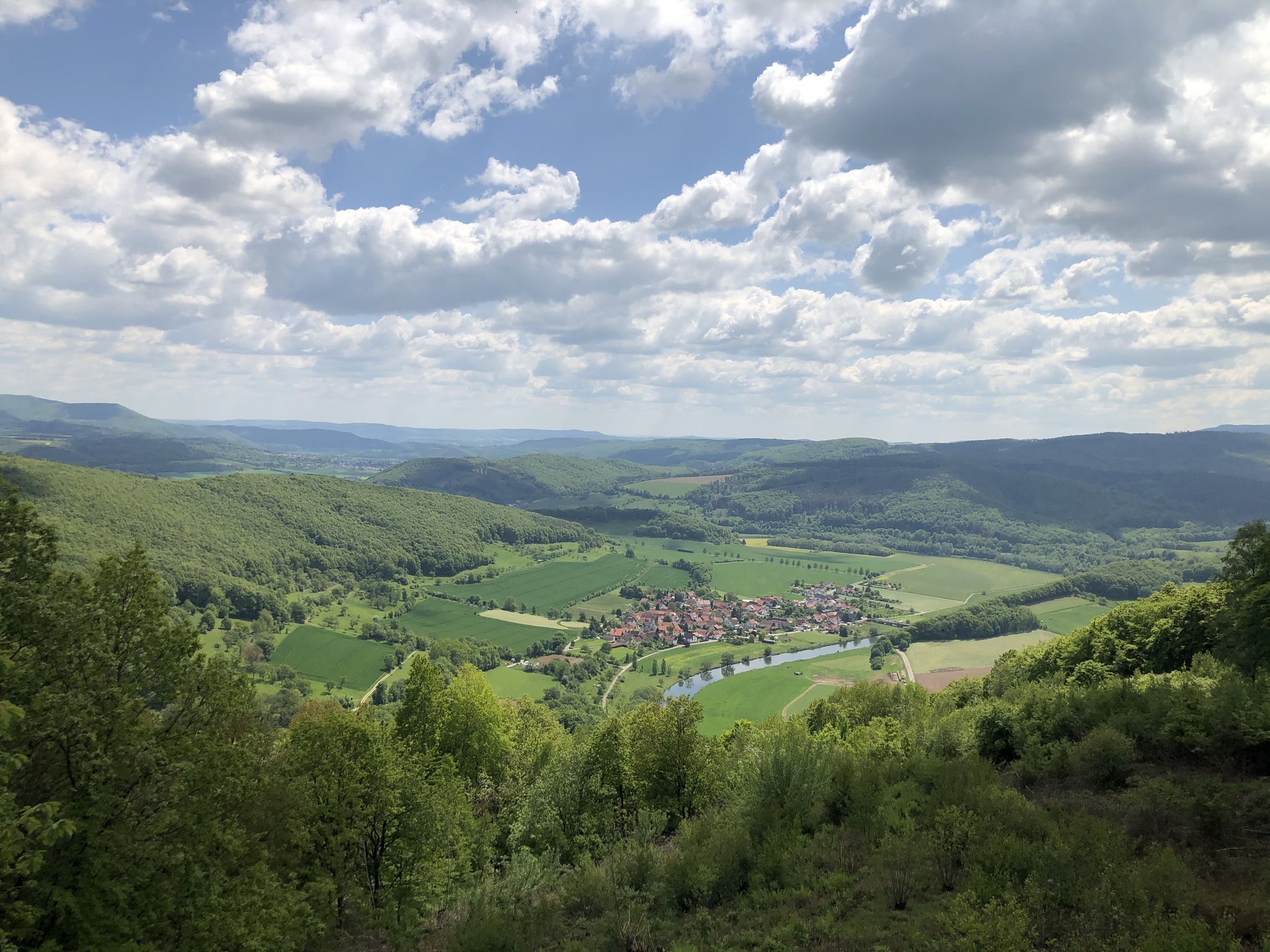
Wonderful Green Band
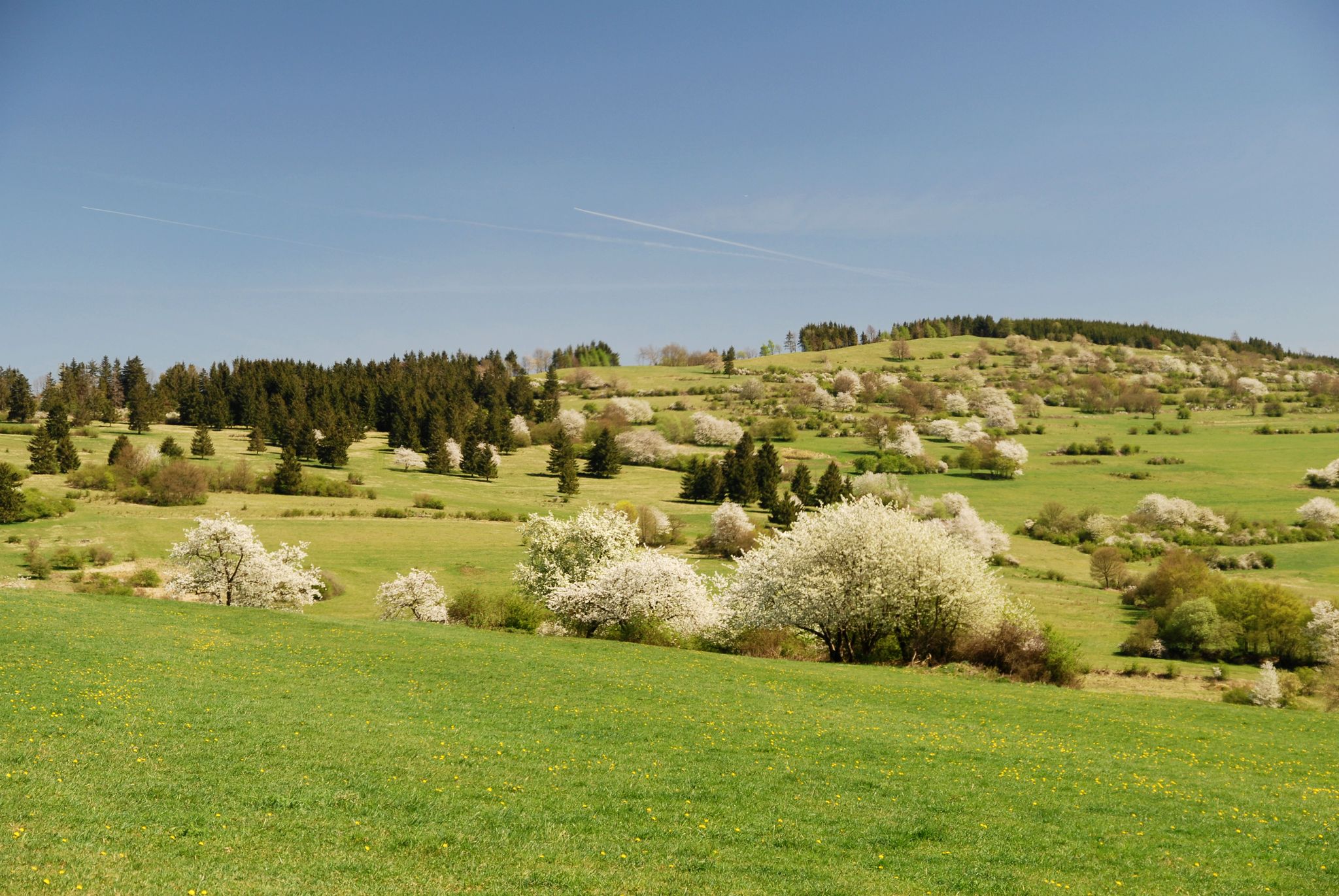
Extra tours North - excellent premium hiking trails of Rhön
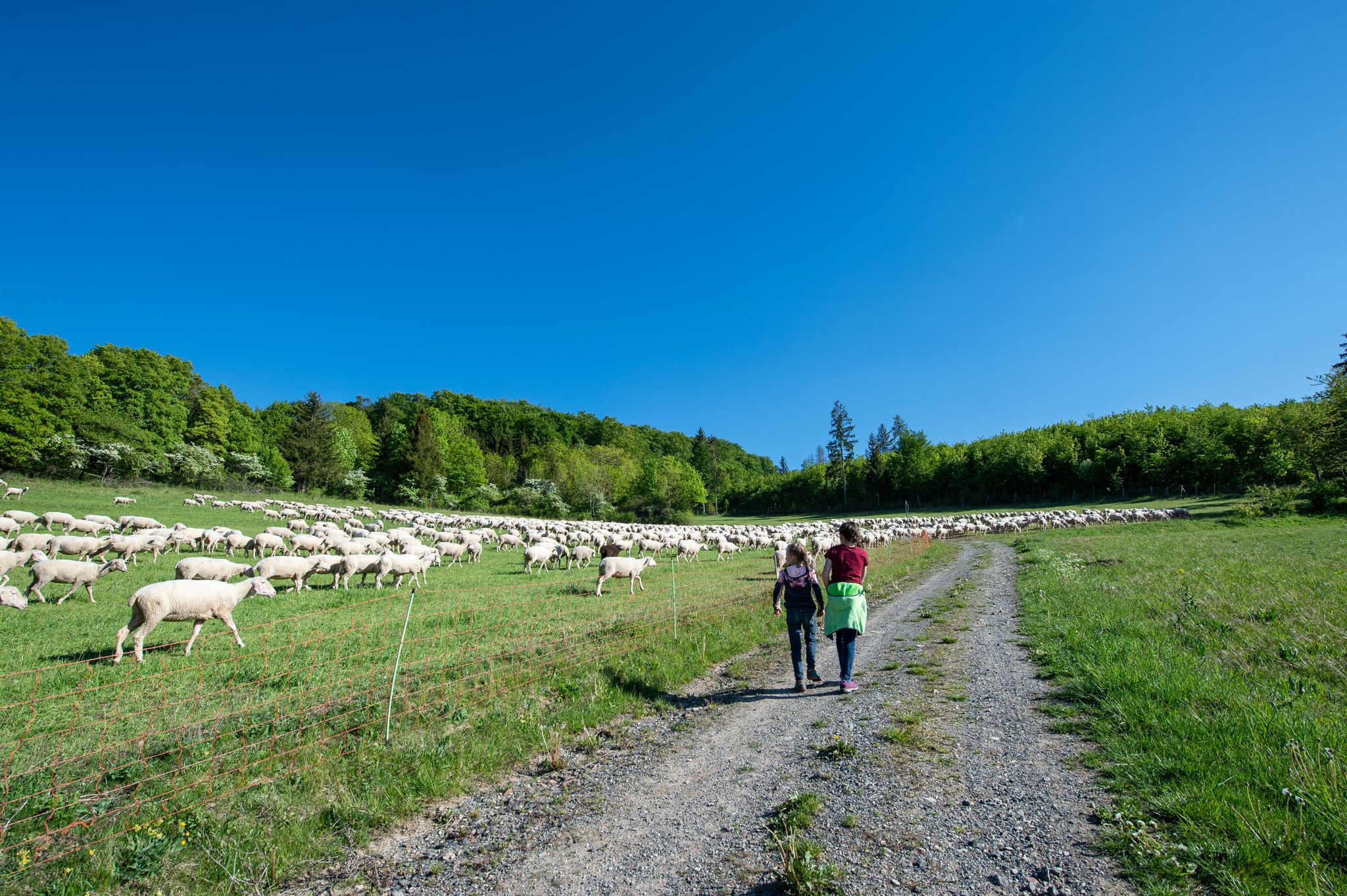
Family paths - on the way with kids in the Rhön
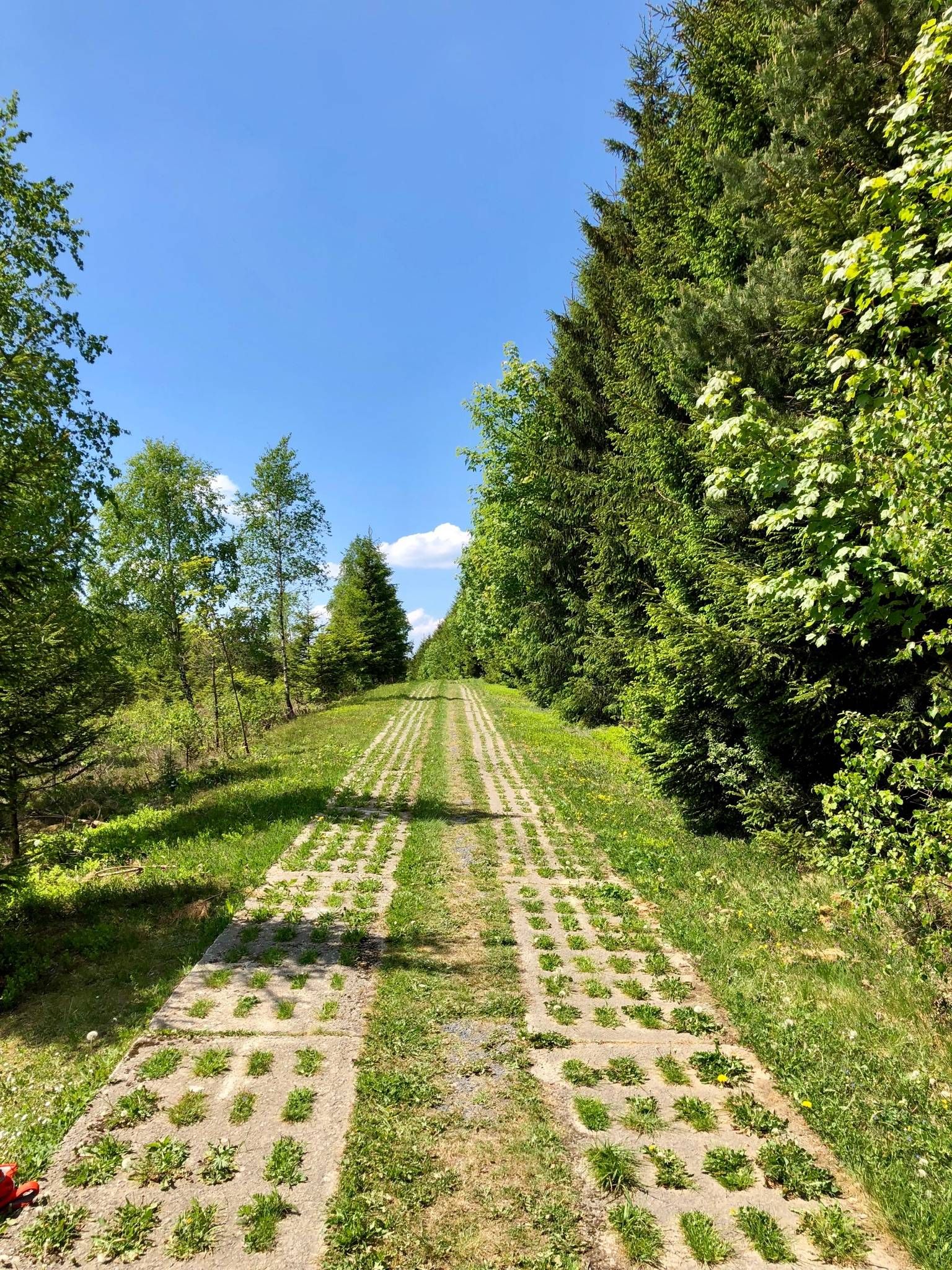
Experience history – day Tours at the Green Belt in Thuringia
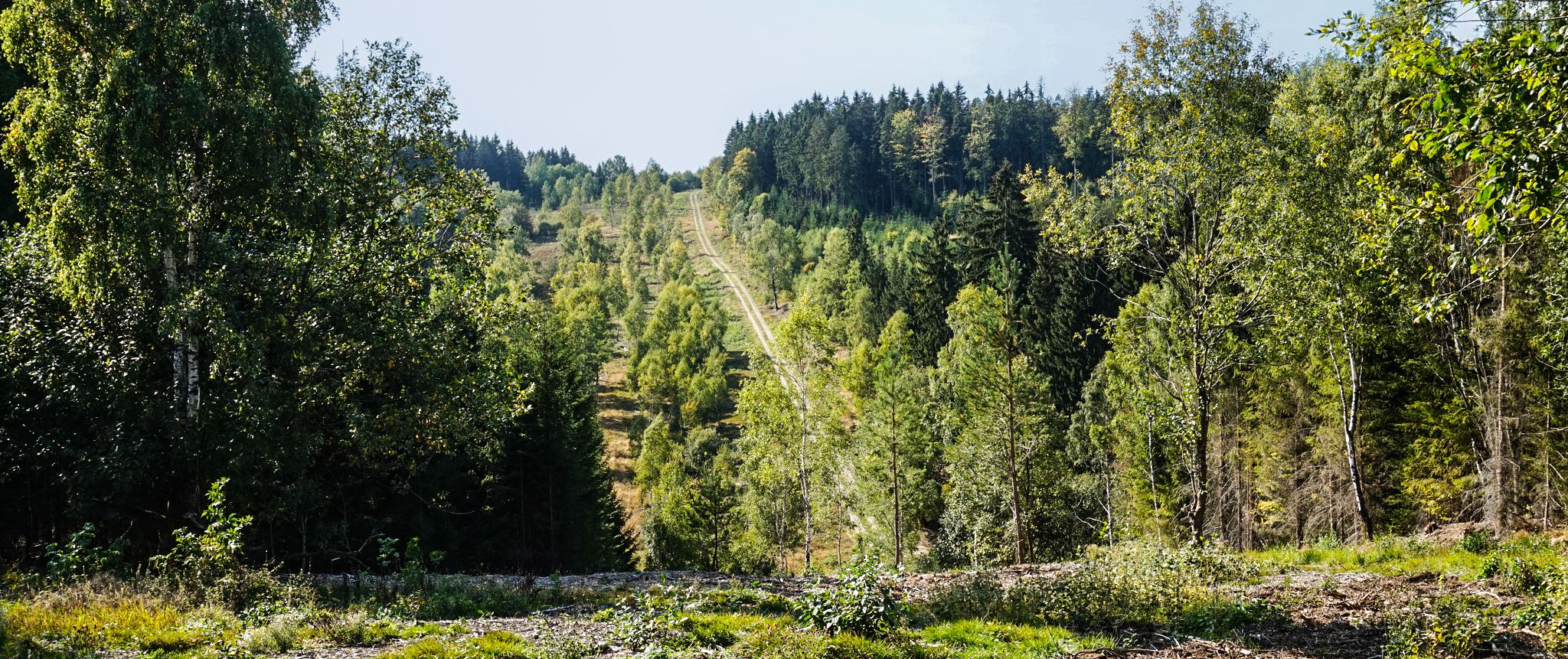
Discover the nature along the “Greenbelt” together with the BUND
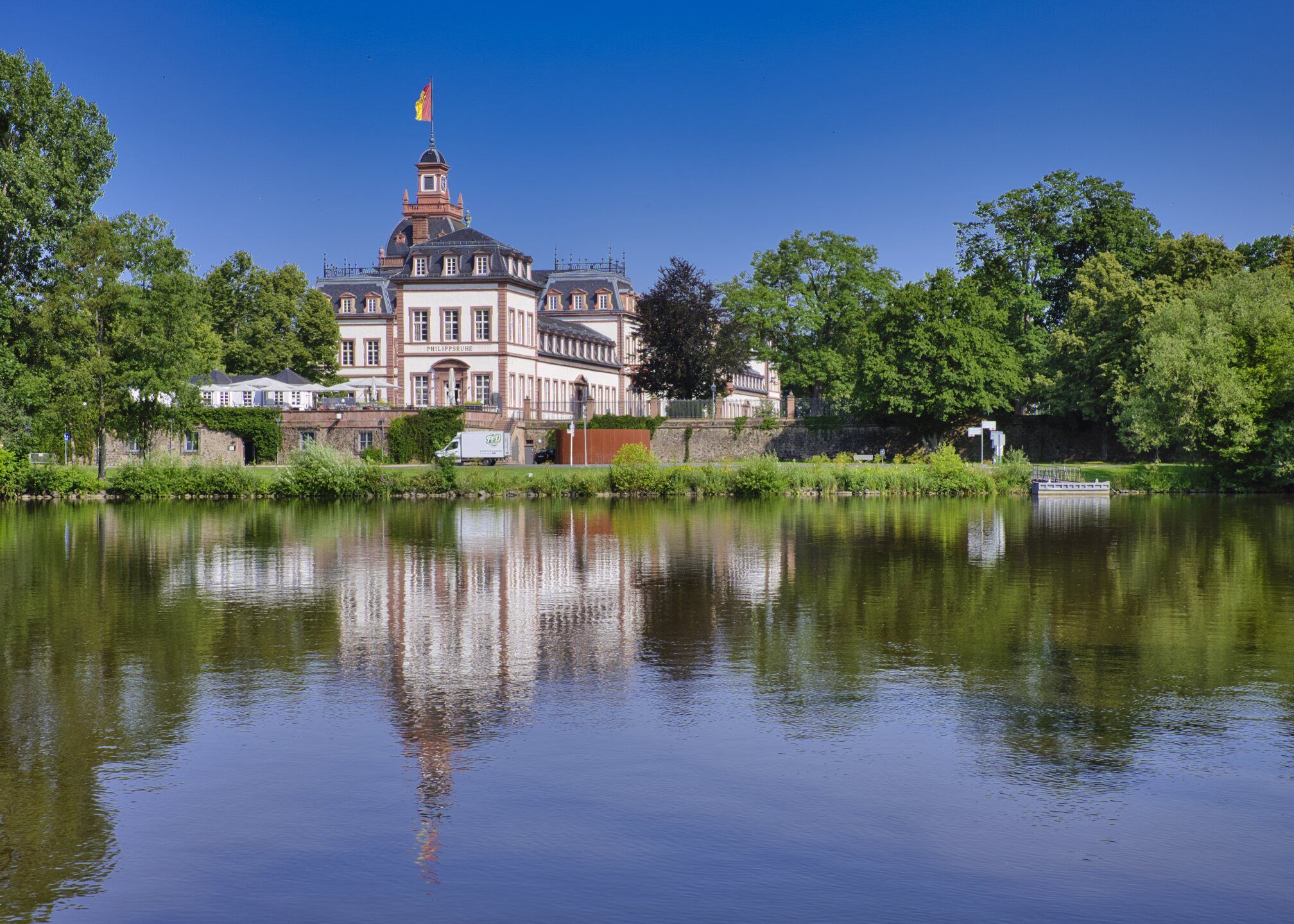
Rad-Kurzurlaube im RMV – Einfach mal raus!
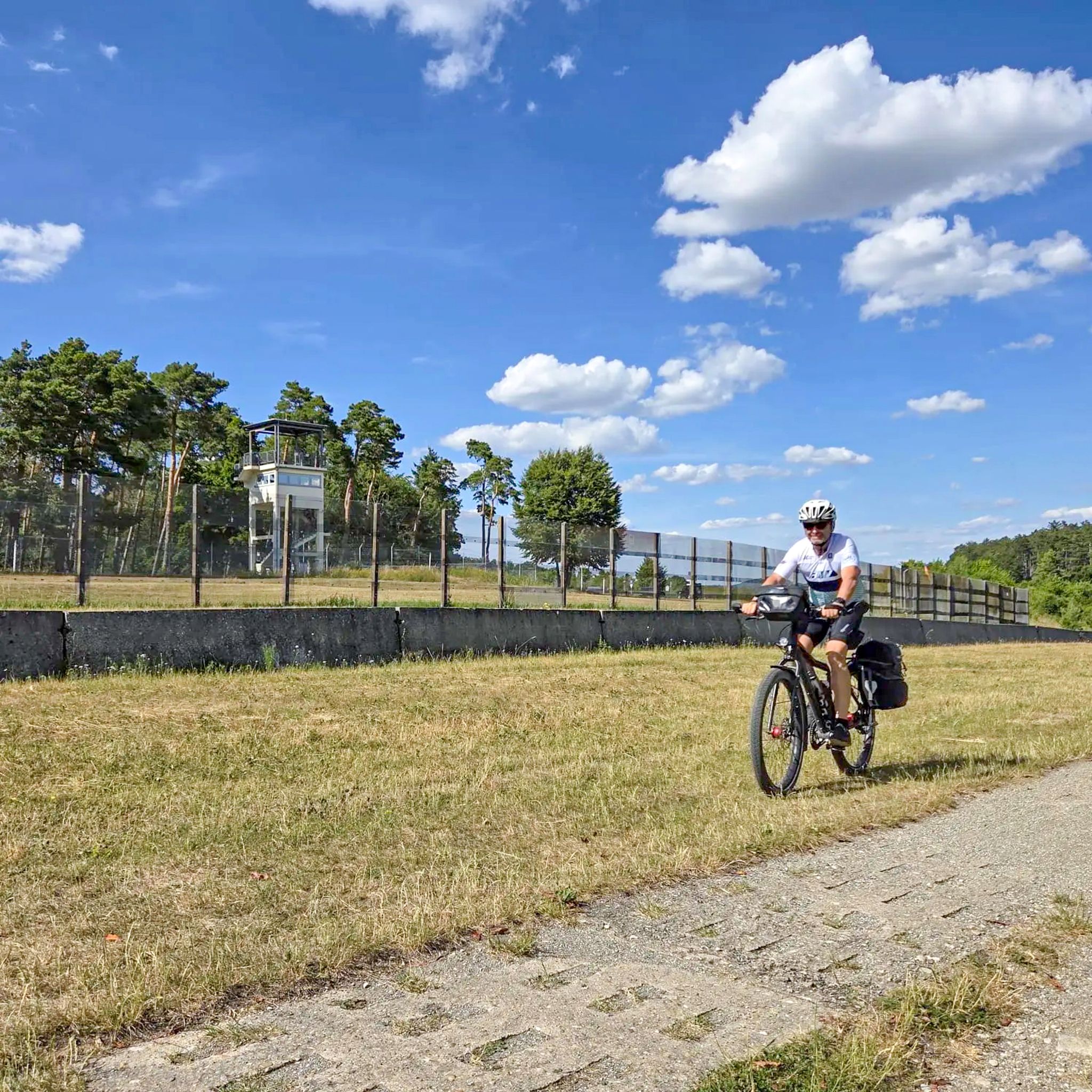
Radtouren zum Tag der Deutschen Einheit – Unterwegs im Fulda-Gap
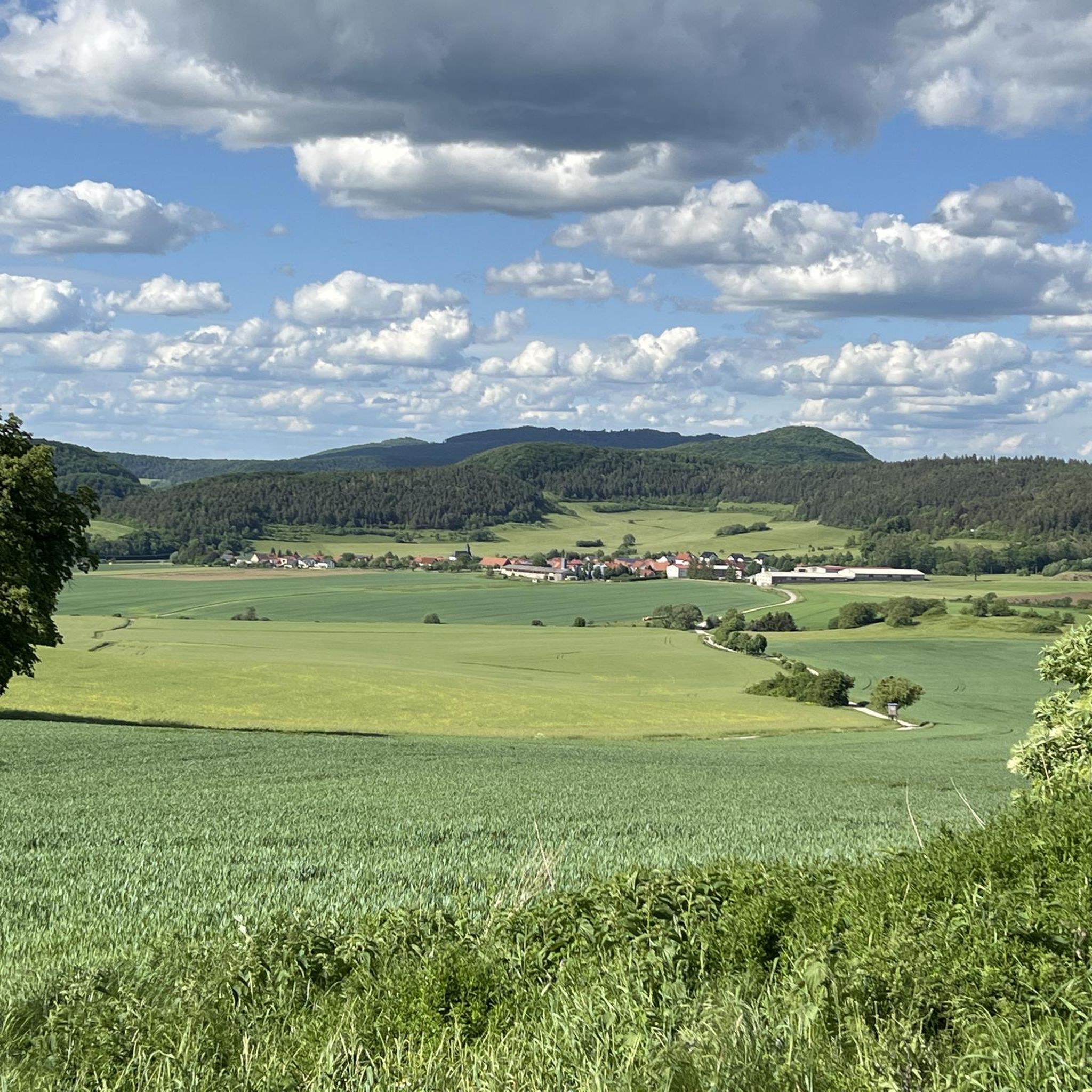
Hiking around Geisa
Other adventures around Geisa


Tips from the Community

A very idyllic spot. Benches and a shelter invite you to take a long rest.
1
0

Basalt used to be mined here. Now it's a lovely place to relax, have a picnic or rest. There's plenty of parking with tables.
6
0

A paradise for those seeking peace and quiet, nature lovers and mountain lake enthusiasts. The basalt lake "Ulmenstein" lies between Hofaschenbach and Mackenzell and is up to 15 metres deep. You can walk around the lake on hiking trails. On the south side there is a barbecue area with seating, a fire pit, a barbecue hut, a shelter and a beautiful view of the lake. A shelter for hikers and cyclists has been built on the north side. In recent years, the Mackenzeller brass choir "Tonica" has given many concerts here at Ulmenstein. Up until 1908, a 70-metre-high basalt dome stood out where the lake is today. This was gradually dismantled and transported on rails via Mackenzell to Nüst and then on to Holland. Up to 270 miners were employed here at the time. After the 70 meters above ground had been removed, the miners set to work up to 30 meters underground to bring basalt columns to light. Around 1928, water broke in and further mining was no longer possible or profitable. Over the decades, today's basalt lake developed in the depths of the quarry due to springs and fissure water. Source: RhönTravel
3
0

Simply beautiful, the perfect place for a long break :)
2
0
Land of the Open Distances with Window on the Universe.
12
1
Interesting information about the Rhöndistel, which occurs frequently here.
10
1
It always pulls me up here. Pure relaxation.
7
3
There are exactly 3 seesaw benches. Ideal for relaxing and enjoying the view.
14
1
Frequently Asked Questions
What kind of natural features can I explore around Geisa?
The area around Geisa, nestled in the Rhön Biosphere Reserve, is characterized by its unique "Land of Open Distances" landscape. You'll find diverse forest ecosystems, picturesque valleys like the Ulster Valley, and geological formations shaped by basalt mining. Notable features include summits offering panoramic views, serene lakes, and extensive nature trails through old beech forests and calcareous grasslands.
Are there good hiking opportunities near Geisa's natural monuments?
Absolutely. Geisa is an excellent base for hiking. You can explore the easy hikes around Geisa, which include trails like the Family hiking trail Geisböckchenweg. The region also features the Naturlehrpfad "Geisaer Wald," a 10-kilometer nature trail through diverse forests, and sections of the long-distance "Hochrhöner" trail.
What are some of the most scenic viewpoints in the Geisa area?
For breathtaking vistas, visit the Buchschirmberg summit and Kreuz des Ostens (Cross of the East), which offers impressive views towards Wasserkuppe, Milseburg, and the Ulster Valley. Another great spot is the Buchschirmberg Viewing Platform, known for its "Window on the Universe" perspective. The Gangolfiberg also provides excellent panoramic views over Geisa and the surrounding Ulster Valley.
Are there any natural monuments with historical significance?
Yes, several natural monuments around Geisa have historical connections. The Milseburg Summit and Crucifixion Group features old brickwork and is associated with legends of the giant Mils. The Öchsenberg Summit and Celtic Cross, shaped by decades of basalt mining, is a highlight of the “Celtic Path” hiking route and offers insights into the region's past industries.
Can I find family-friendly natural monuments or trails around Geisa?
Yes, the region offers options suitable for families. The Ulmenstein Basalt Lake is a lovely place to relax, picnic, and hike, and is categorized as family-friendly. Additionally, the "Geisböckchenweg" is specifically designed as a family hiking trail, perfect for exploring the Rhön with children.
What is the best time of year to visit the natural monuments in Geisa?
The Rhön Biosphere Reserve is beautiful year-round. Spring is particularly vibrant when the old beech forests along trails like the Naturlehrpfad "Geisaer Wald" are rich in flora. Clear weather in any season will enhance the panoramic views from summits like Buchschirmberg. Summer and early autumn are ideal for hiking and cycling, offering pleasant temperatures and lush landscapes.
Are there cycling routes available near Geisa's natural monuments?
Certainly. Geisa is well-integrated into the region's cycling network. You can find various cycling routes around Geisa, including sections of the Rhön Cycle Path and routes that take you through the scenic Ulster Valley. There are options for both touring and road cycling, catering to different preferences.
What do komoot users particularly enjoy about the natural monuments in Geisa?
Komoot users appreciate the diverse experiences offered. They highlight the impressive vantage points from summits like Buchschirmberg, the historical significance and unique rock formations of Milseburg, and the panoramic views from Öchsenberg. Many enjoy the peaceful environment of places like Ulmenstein Basalt Lake for relaxation and picnicking, and the immersive experience of hiking through the local forest ecosystems.
Is there parking available near the natural monuments?
Yes, for many natural monuments and trailheads, parking is available. For instance, the Ulmenstein Basalt Lake has plenty of parking with tables, making it convenient for visitors. When planning your visit, it's advisable to check specific highlight details or trail descriptions for precise parking information.
What kind of wildlife can I expect to see in the Rhön Biosphere Reserve around Geisa?
The Rhön Biosphere Reserve is known for its biodiversity. While specific sightings can vary, the region's diverse habitats, including forests, grasslands, and wetlands, support a variety of birds, insects, and smaller mammals. Keep an eye out for local flora, especially during spring, and enjoy the natural sounds of the area.
Are there any hidden natural gems or less-known spots worth discovering?
While the main highlights are popular for good reason, the broader Rhön Biosphere Reserve and Ulster Valley offer many serene corners. Exploring the extensive network of pilgrim, hiking, and cycling trails can lead you to quieter spots and magnificent vistas like the "Schleidsbergblick," which provides stunning views of the valley and surrounding villages, often away from the main crowds.
Most popular routes around Geisa
Most popular attractions around Geisa

Get inspired with the komoot mobile app


Explore more
Extend your search for the best caves by checking out these guides of the top ones around Geisa:
