Top 3 Mountain Passes in Hinterland
Mountain passes in Hinterland refer to routes through a region lying inland from a coast or river, a remote or undeveloped area, or a region economically linked to a nearby town, city, or port. This geographical concept does not denote a specific mountain range, but rather a general type of area. Such regions often feature varied terrain, including elevated routes that facilitate travel and offer views of the surrounding landscape. Understanding what 'Hinterland' refers to in a geographic context helps…
Last updated: September 28, 2026
Schwägalp
Highlight • Rest Area
Translated by Google •
Tip by

Nusshalde (pass, saddle, and border)
Highlight • Mountain Pass
Nusshaldensattel
Appenzell Ausserrhoden, Appenzell Innerrhoden
The Nusshaldensattel (also written Nosshaldensattel) is a pass on the cantonal border of Appenzell Innerrhoden and Appenzell Ausserrhoden. It is located at …
Translated by Google •
Tip by

Sign up now to discover places like this
Get recommendations on the best single tracks, peaks, & plenty of other exciting outdoor places.
Ascent to Schwägalp via Säntisfluh
Highlight (Segment) • Trail
Translated by Google •
Tip by

Schwägalp Ascent from Urnäsch
Highlight (Segment) • Climb
Translated by Google •
Tip by

Descent on Schwägalp Pass Road
Highlight • Mountain Pass
Showing Translation
Tip by

Knechtsegg
Highlight • Mountain Pass
Translated by Google •
Tip by

Start today with a free account
Your next adventure awaits.
Popular around Hinterland
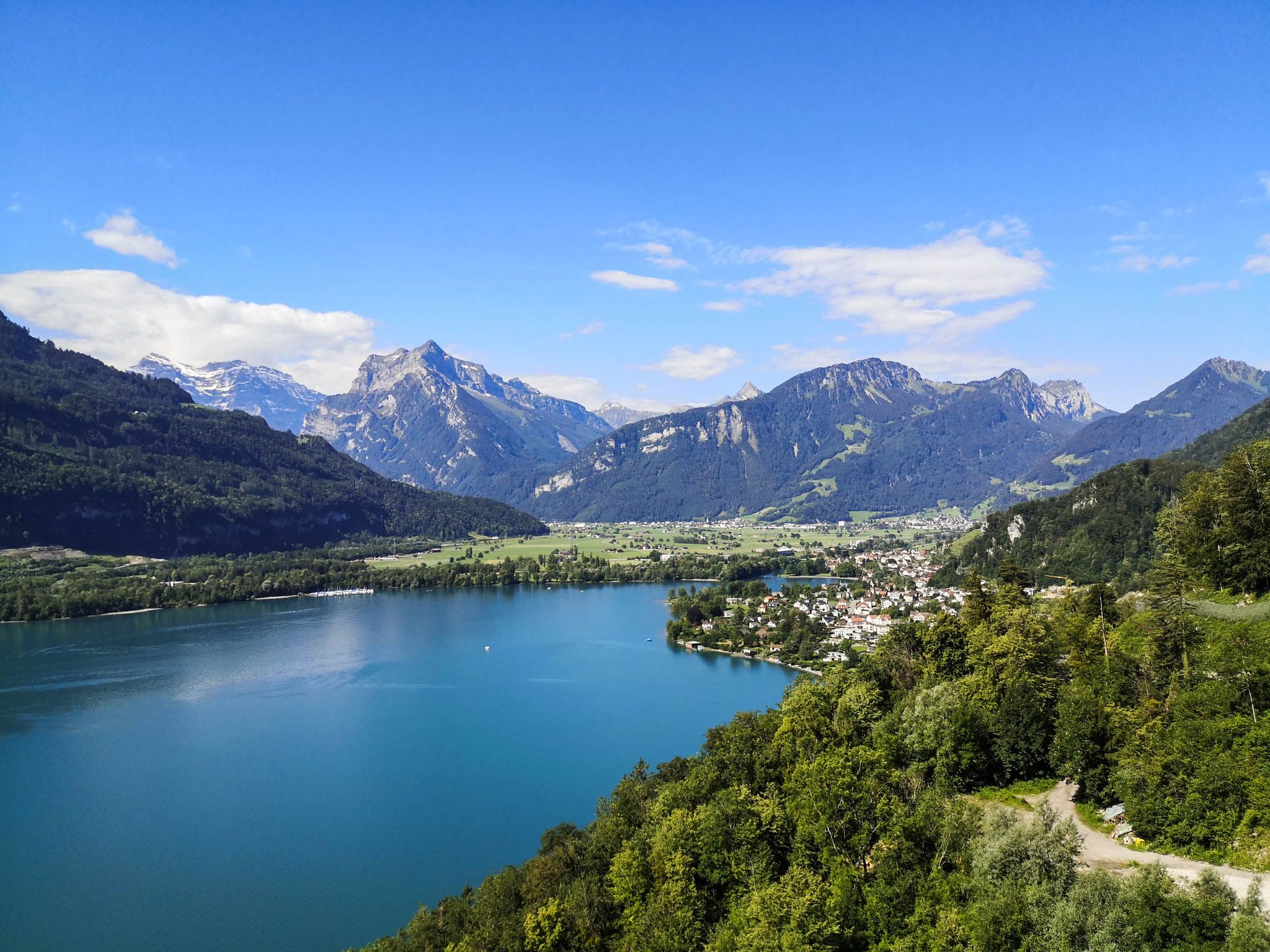
Alpine Panorama Trail in Switzerland – Keep your eyes on the mountains
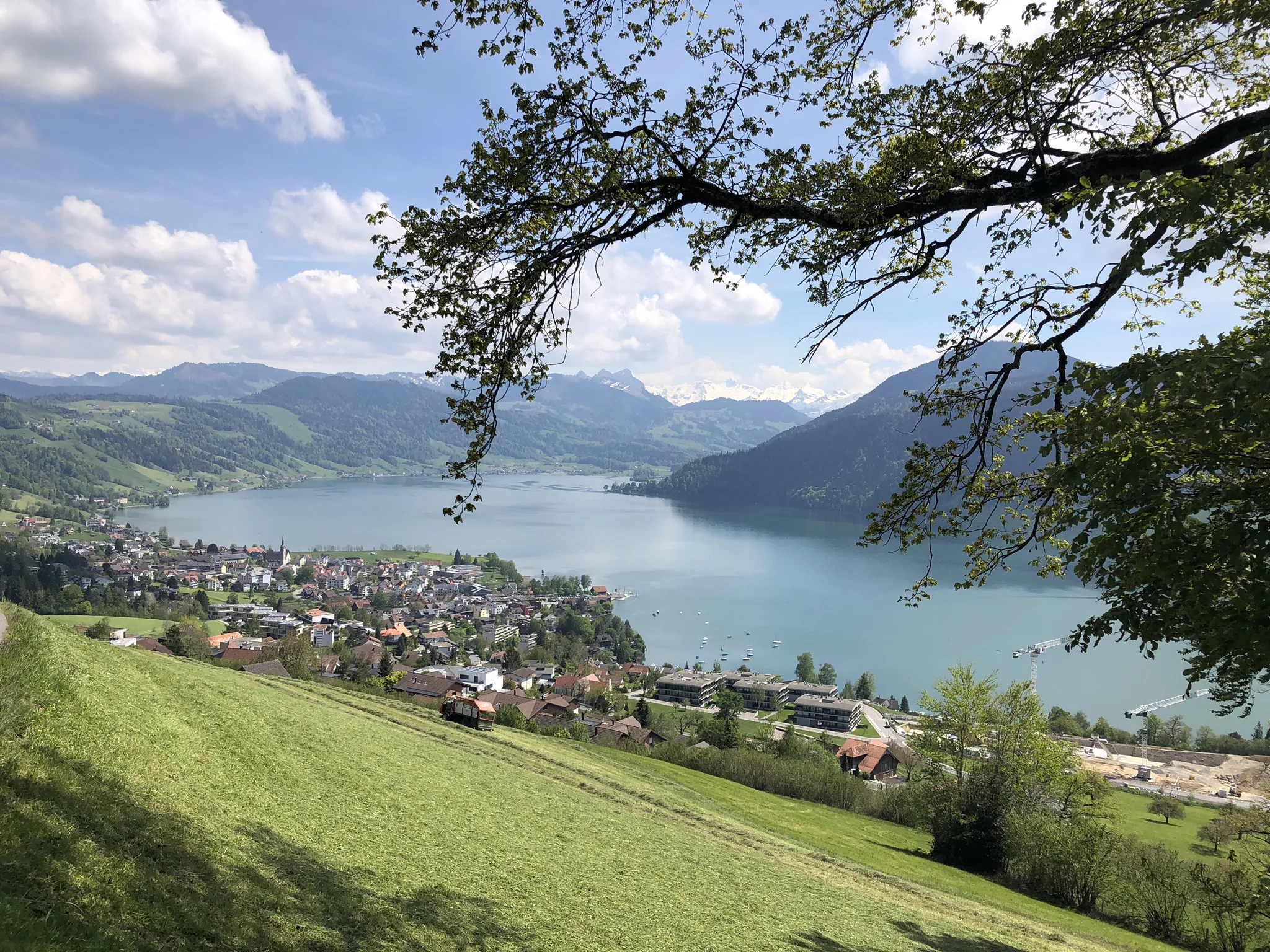
The Herzroute – Cycling through the heart of Switzerland
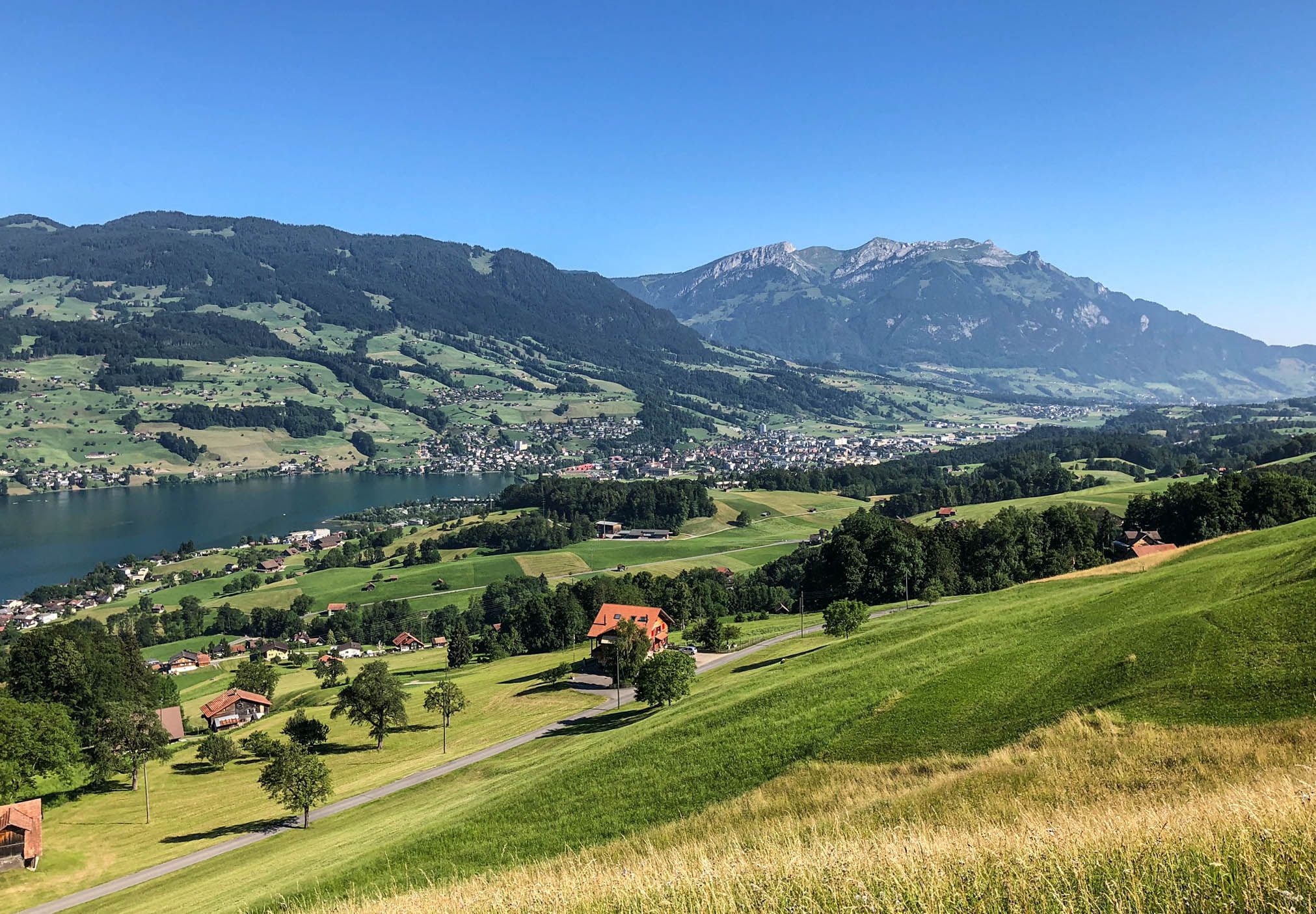
Via Jacobi – Following the Way of St James across Switzerland
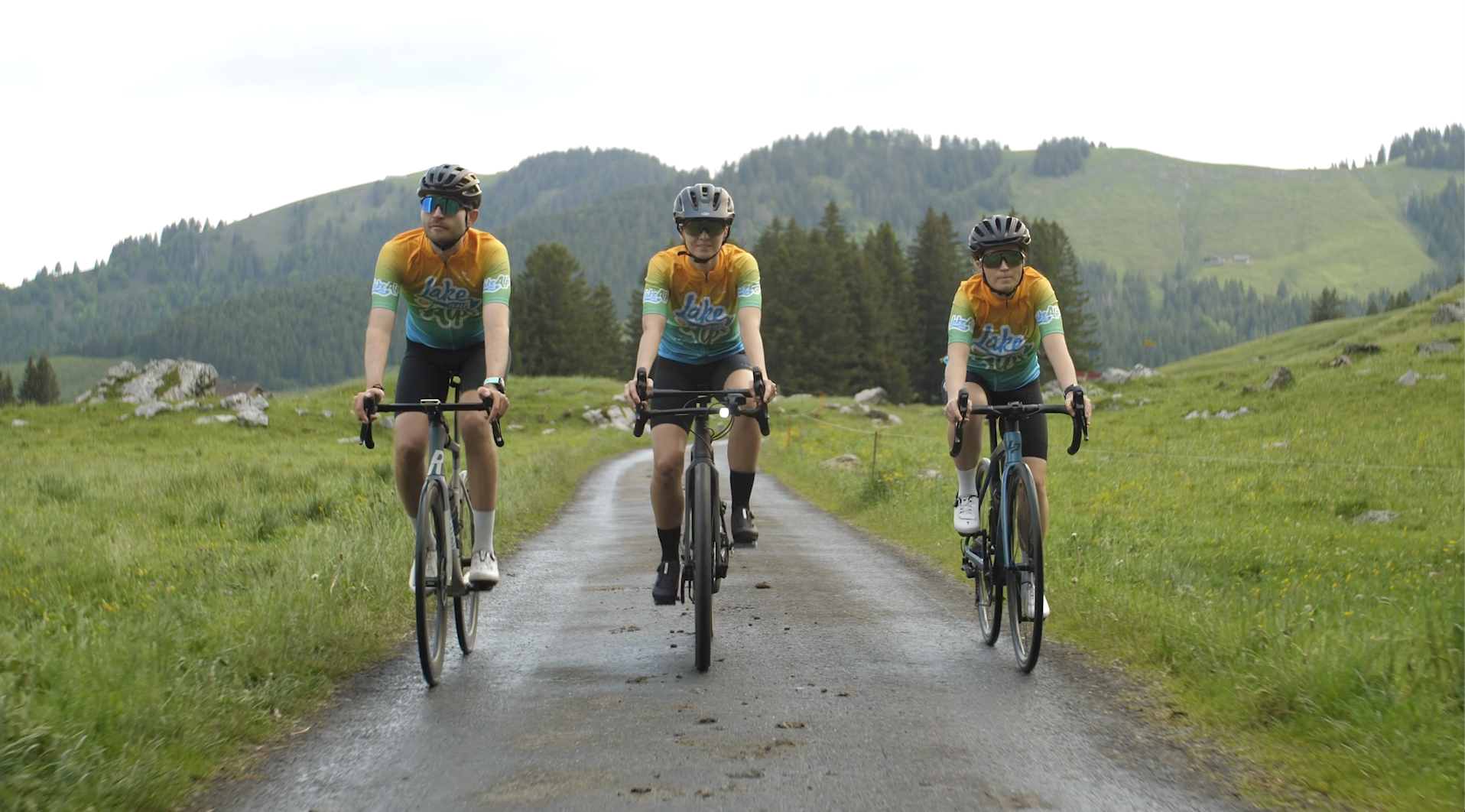
Lake and Alps Adventure – explore 100 dreamy places in our cycling region!
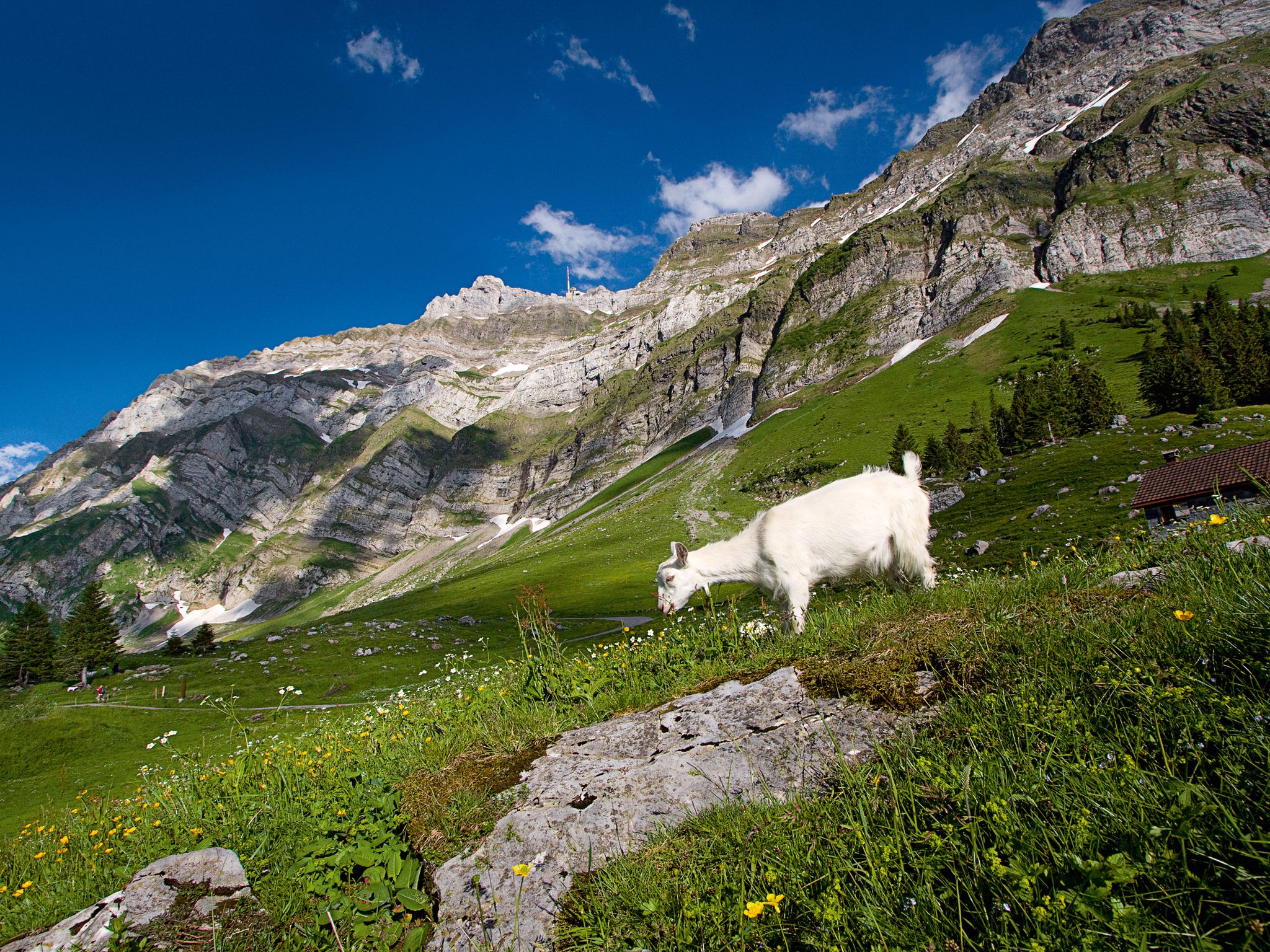
When the mountain awakens – spring hikes around the Schwägalp
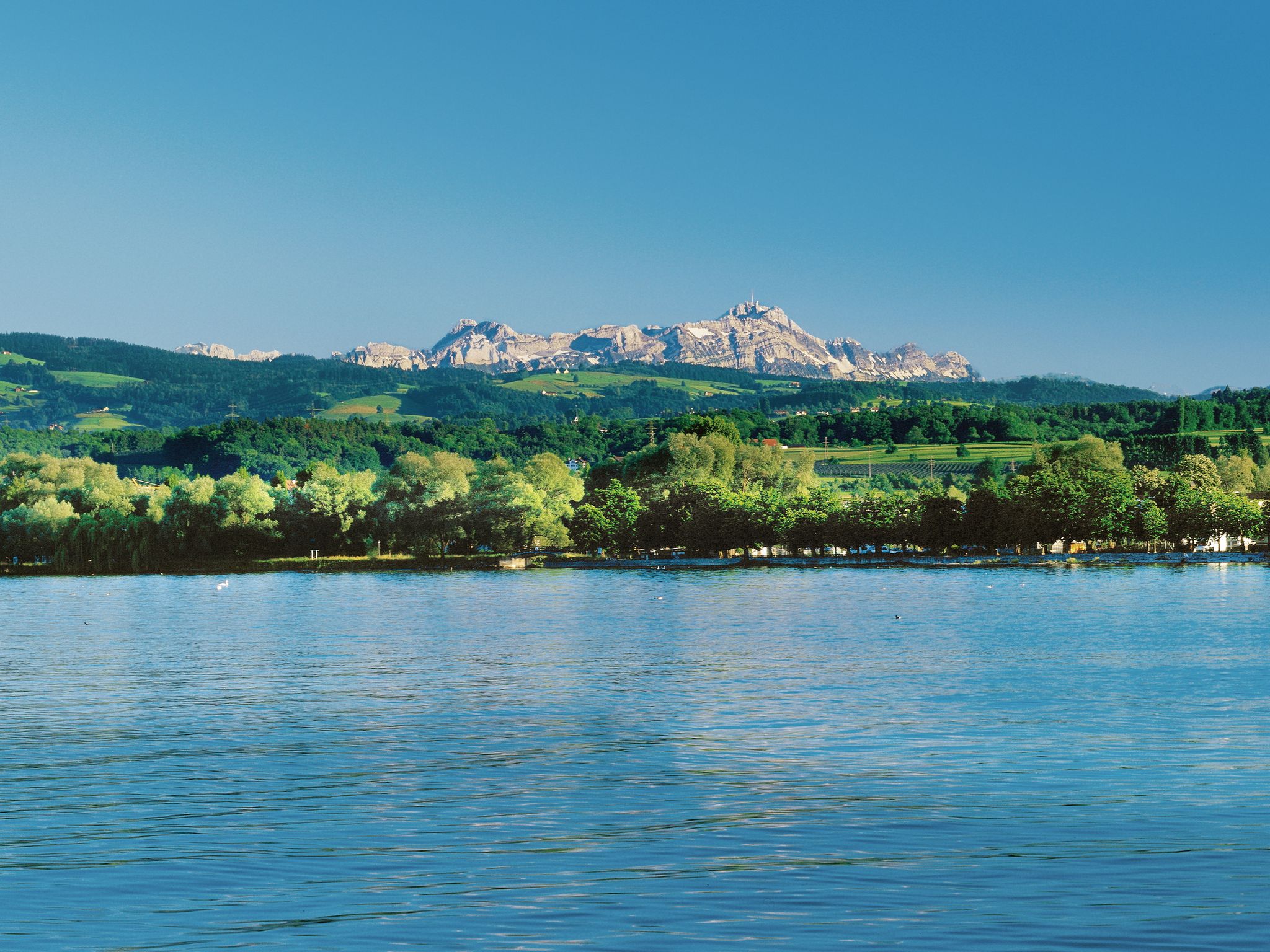
Lake and Alps Main Route – Your Path To Adventure!
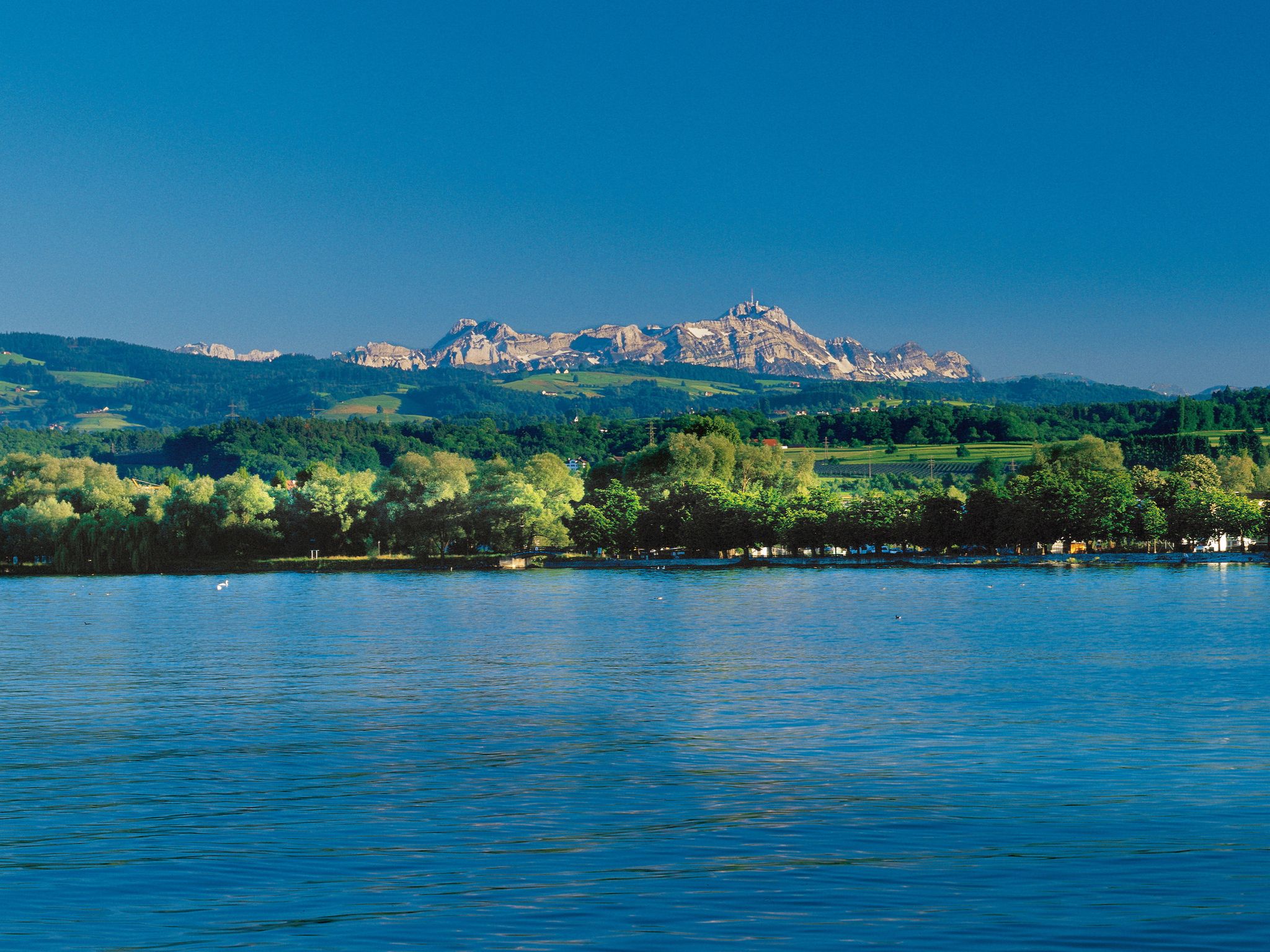
Lake and Alps Route – Cycling between Lake Constance and the Appenzell Alps
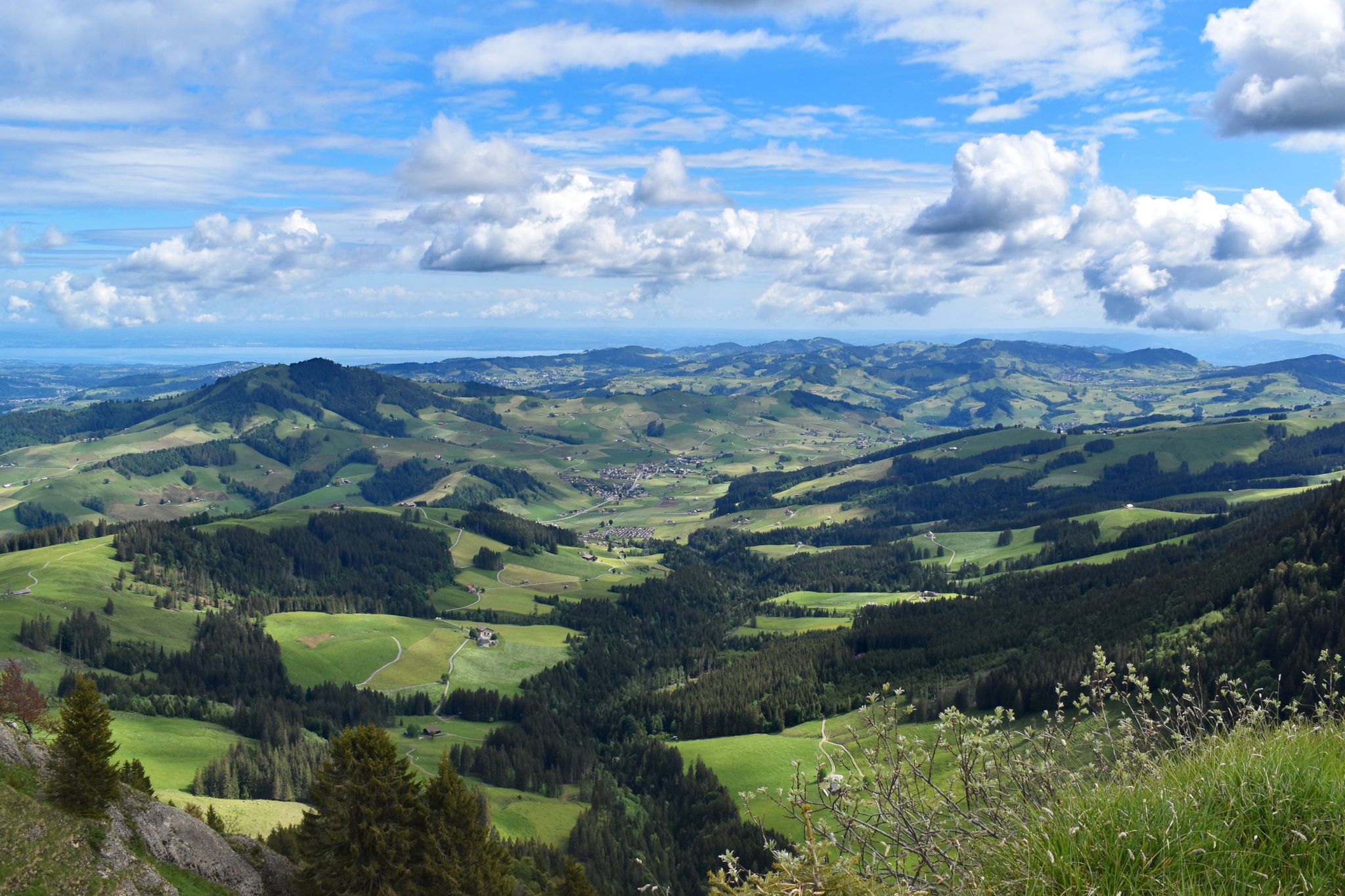
Appenzeller Weg – pilgrimage routes from Austria to Switzerland
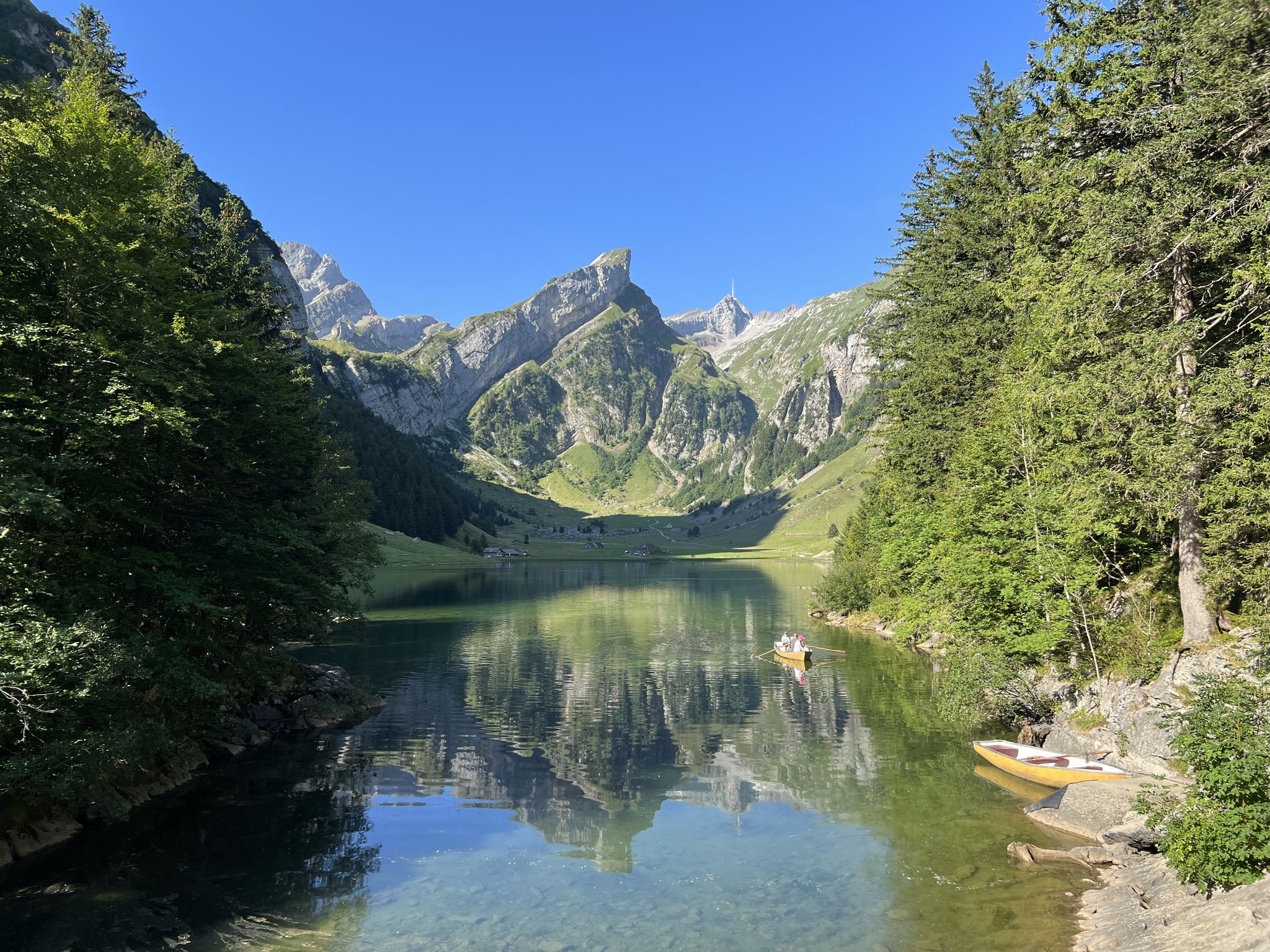
Exciting day hikes in Switzerland’s Alpstein
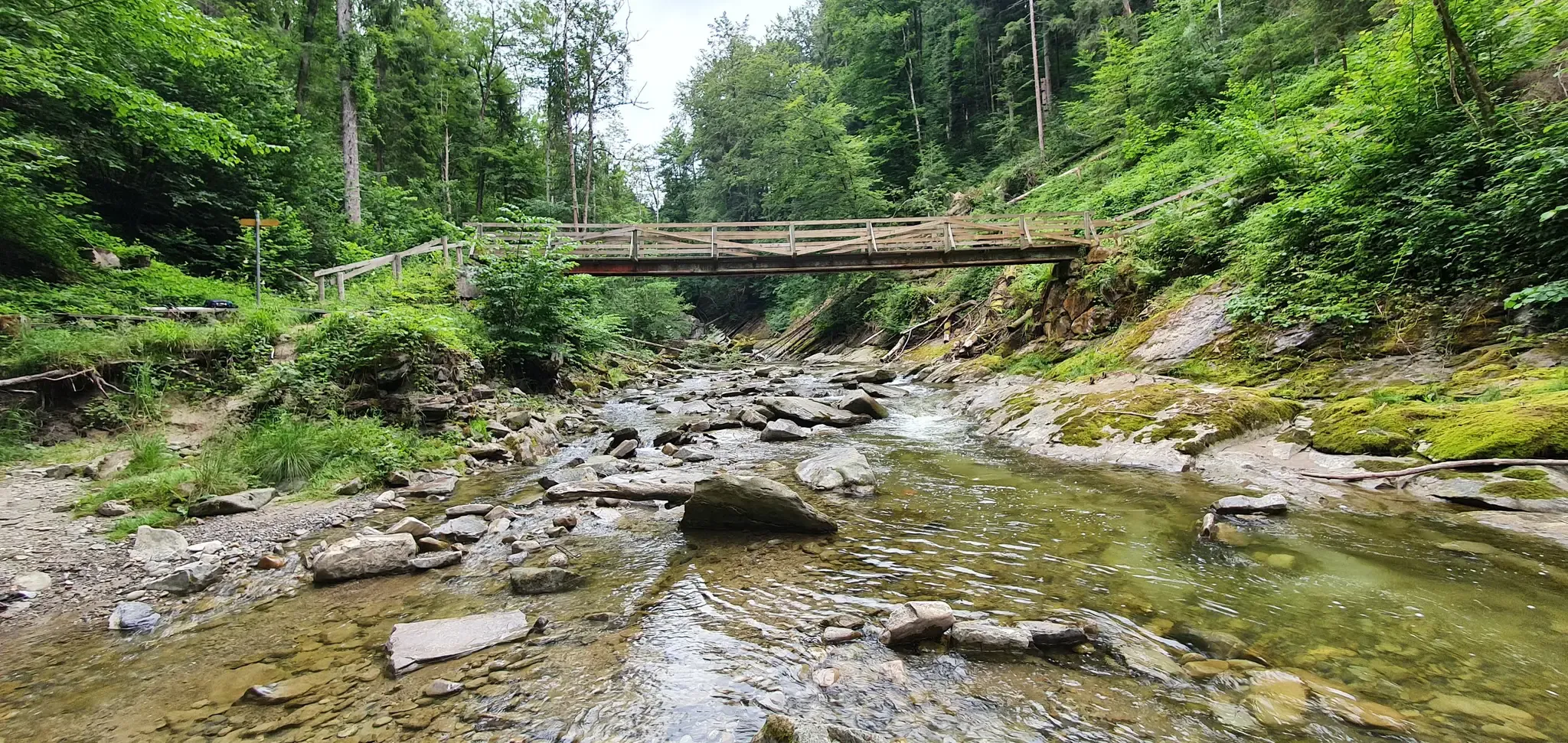
Cultural Trail Appenzellerland - Hiking between Lake Constance and Alpstein
Other adventures in Hinterland


Tips from the Community

Beautiful view and great feeling
0
0

A varied beautiful route and wonderful views
2
0

Nosshaldensattel 1496 m Nusshaldensattel Appenzell Ausserrhoden, Appenzell Innerrhoden The Nusshaldensattel (also written Nosshaldensattel) is a pass on the cantonal border of Appenzell Innerrhoden and Appenzell Ausserrhoden. It is located at an altitude of 1496 meters above sea level southeast of Kronberg (1663m). The saddle can be reached either from Schwägalp or from the village of Urnäsch up to Kronberg. You can also hike over the pass on the second stage of the Appenzeller Höhenweg (hiking route 980). This leads from Schwägalp via Chammhalden up to Nusshaldensattel and from there via Petersalp back down to Urnäsch. Text / Source: fuorcla.ch https://fuorcla.ch/nusshaldensattel/
10
0

The Nusshalde saddle is located at an altitude of 1,496 metres in the Appenzell Alps between Kronberg (1,663 metres altitude) and Spitzli (1,519 metres altitude) on the border of Appenzell Innerrhoden and is a pass.
2
0

easily accessible farm track with lots of nature
2
0

Knechtsegg crossing 1012 m, with very beautiful views all around. Paths in 3 directions.
1
0

With good equipment, everyone can enjoy a nice hike here.
1
0

Very beautiful switchbacks in a picturesque valley in the southern Appenzell hinterland
1
1
Frequently Asked Questions
What does 'Hinterland' refer to in a geographic context for these mountain passes?
The term 'Hinterland' generally refers to a region inland from a coast or river, or a remote area. In the context of this guide, it encompasses the area where passes like Schwägalp, Nusshalde, and Knechtsegg are located, which are known for their scenic beauty and outdoor activities.
Which mountain passes in Hinterland are suitable for families?
Schwägalp is a great option for families, offering facilities and the unique experience of the Alpine Show Dairy. The View of Säntis above Schönau also provides family-friendly viewpoints and facilities.
What are some notable mountain passes in Hinterland for scenic views?
For breathtaking vistas, consider Schwägalp, which offers clear air and stunning sunrises. The Nusshalde saddle provides a very nice view of the Alpstein massif, while Knechtsegg offers beautiful panoramic views all around.
Are there options for parking at the mountain passes in Hinterland?
Yes, Schwägalp is noted for having parking facilities, making it convenient for visitors arriving by car.
What kind of hiking trails can I find near the mountain passes in Hinterland?
The region offers a variety of hiking experiences. You can find city hikes with routes like the St. Gallen Main Railway Station loop or the Kybunpark Stadium loop. For more details and routes, explore the City hikes in Hinterland guide.
Can I go road cycling near the mountain passes in Hinterland?
Absolutely. There are several road cycling routes, including the challenging Schwägalppass – View of Lake Walen loop from Herisau and the moderate Urnäsch – Pre-Alpine landscape loop from Urnäsch. Discover more options in the Road Cycling Routes in Hinterland guide.
Are there traffic-free bike rides available in Hinterland?
Yes, for those seeking traffic-free cycling, routes like the Appenzell Route or the Espel Viewing Platform – Burgau loop from Gossau offer pleasant experiences. Check out the Traffic-free bike rides in Hinterland guide for more details.
What is the best time to visit the mountain passes in Hinterland?
The summer and early autumn months (May to September) are ideal for visiting, especially if you wish to experience the alpine cheese season at places like Schwägalp. During this time, the weather is generally favorable for hiking and enjoying the scenic landscapes.
What historical or cultural insights can I gain when visiting these mountain passes?
At Schwägalp, you can delve into the rich history of Swiss alpine farming at the Alpine Show Dairy. Learn about the traditional production of alpine cheese, the seasonal alpine ascent and descent of herds, and the vibrant alpine culture that has shaped the region for centuries.
Are there any challenging trails for experienced hikers near the mountain passes?
Yes, for experienced hikers, the Nusshalde saddle can be reached from Schwägalp or from the village of Urnäsch up to Kronberg. It's also part of the second stage of the Appenzeller Höhenweg, offering a more demanding route with rewarding views.
What do visitors enjoy most about the mountain passes in Hinterland?
Visitors frequently praise the spectacular landscapes, especially the views of the Alpstein massif and Säntis. The traditional alpine culture, such as the Alpine Show Dairy at Schwägalp, and the well-maintained trails for hiking and cycling are also highly appreciated.
Most popular routes in Hinterland
Most popular attractions in Hinterland

Get inspired with the komoot mobile app


Didn’t find what you were looking for?
Find even more amazing mountain passes in Hinterland organized by region:
