Top 20 Natural Monuments in Goms
Best natural monuments in Goms are found in the Upper Valais region of Switzerland, characterized by its diverse natural landscape. The area features prominent geological formations, including glaciers, high-alpine viewpoints, and unique valleys. Goms offers a range of natural attractions for outdoor enthusiasts to explore. This region is home to significant natural landmarks that showcase the power and beauty of the Alps.
Best natural monuments in Goms
- The most popular natural monuments is Jungfraujoch, a summit that is easily…
Last updated: September 28, 2026
Eggishorn
Highlight • Viewpoint
Translated by Google •
Tip by

View of the Aletsch Glacier from Bettmerhorn
Highlight • Viewpoint
Showing Translation
Tip by

Sign up now to discover places like this
Get recommendations on the best single tracks, peaks, & plenty of other exciting outdoor places.
Twingi Gorge
Highlight (Segment) • Gorge
Translated by Google •
Tip by

Märjelensee
Highlight • Lake
Translated by Google •
Tip by

Jungfraujoch
Highlight • Summit
The Jungfraujoch, with its highest train station in Europe and the Aletsch Glacier, the longest glacier in the Alps, belongs to …
Translated by Google •
Tip by

View of the Aletsch Glacier
Highlight • Viewpoint
Translated by Google •
Tip by

Grimsel Pass and the Totensee
Highlight • Mountain Pass
Translated by Google •
Tip by

Totensee (Grimsel Pass)
Highlight • Lake
Translated by Google •
Tip by

Märjelenseen
Highlight • Lake
Showing Translation
Tip by

Continental Divide Monument at Grimsel Pass
Highlight • Monument
The Grimsel Pass is in the heart of the Alps, an exceptional natural area. From a hydrological point of view, the large amounts of precipitation …
Translated by Google •
Tip by

Sign up for free to discover even more natural monuments in Goms.
Already have an account?
Start today with a free account
Your next adventure awaits.
Popular around Goms
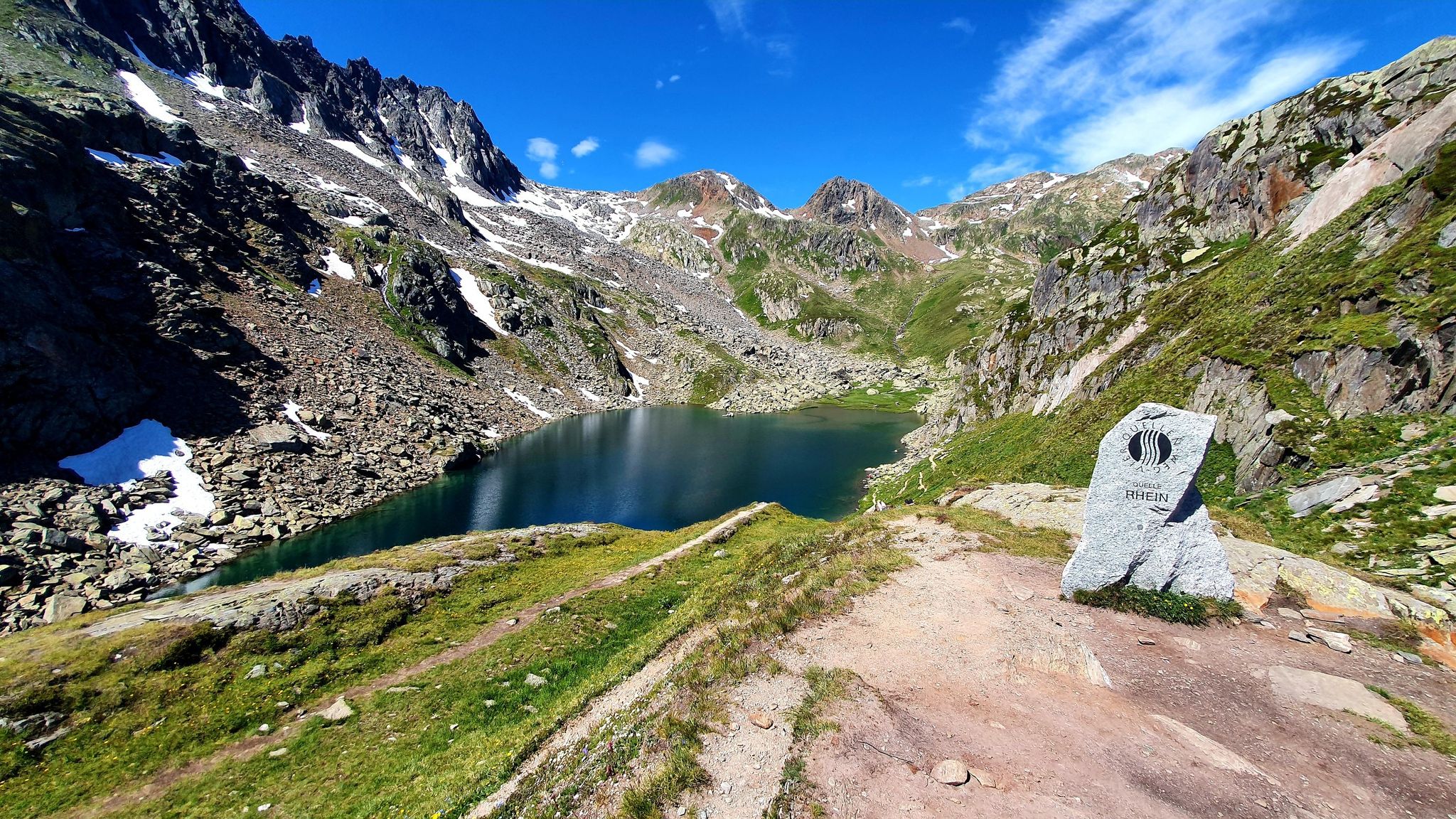
Four Springs Trail — Find flow in Switzerland's Gotthard Massif
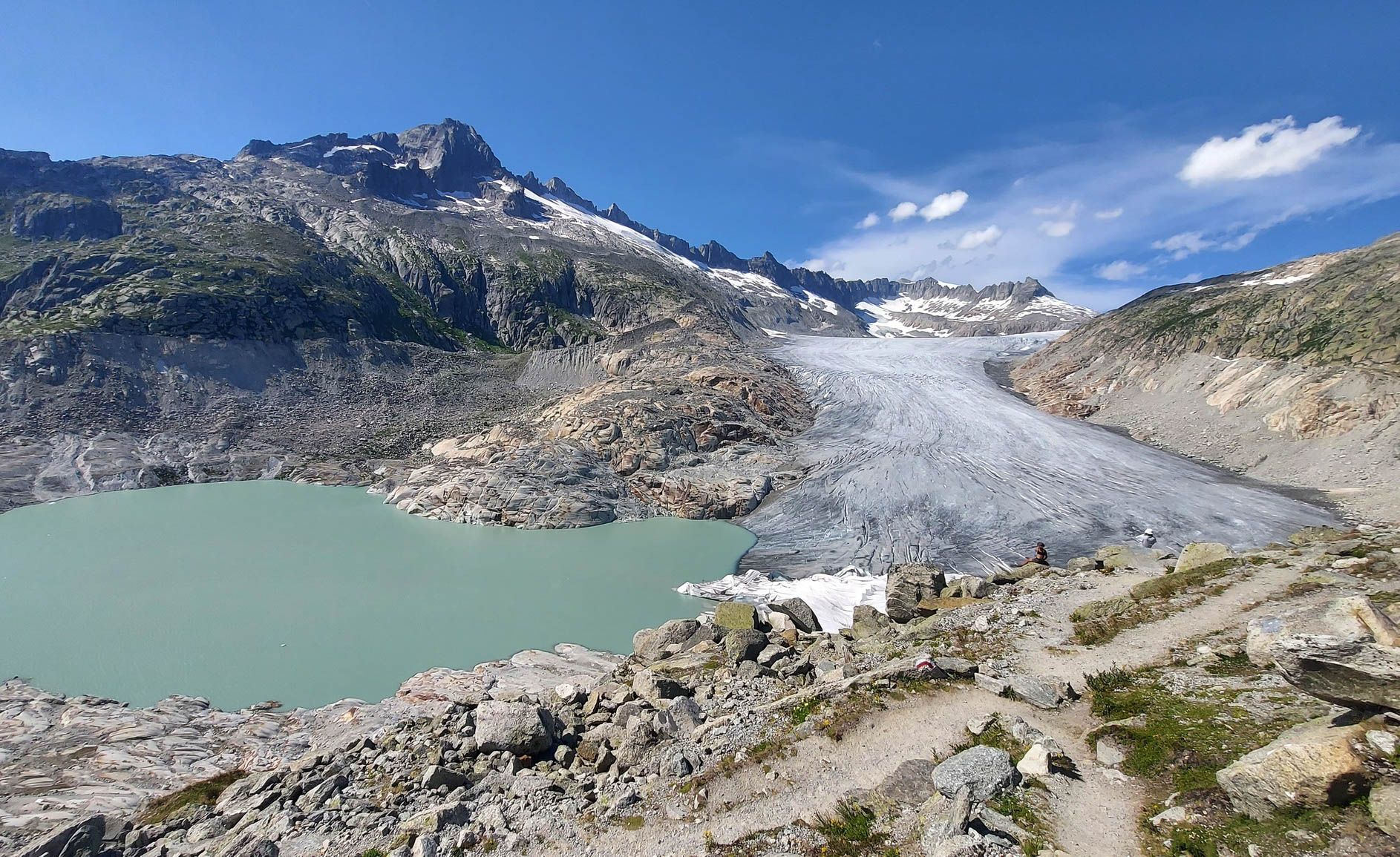
Switzerland's Furka High Trail – Two days of history and nature
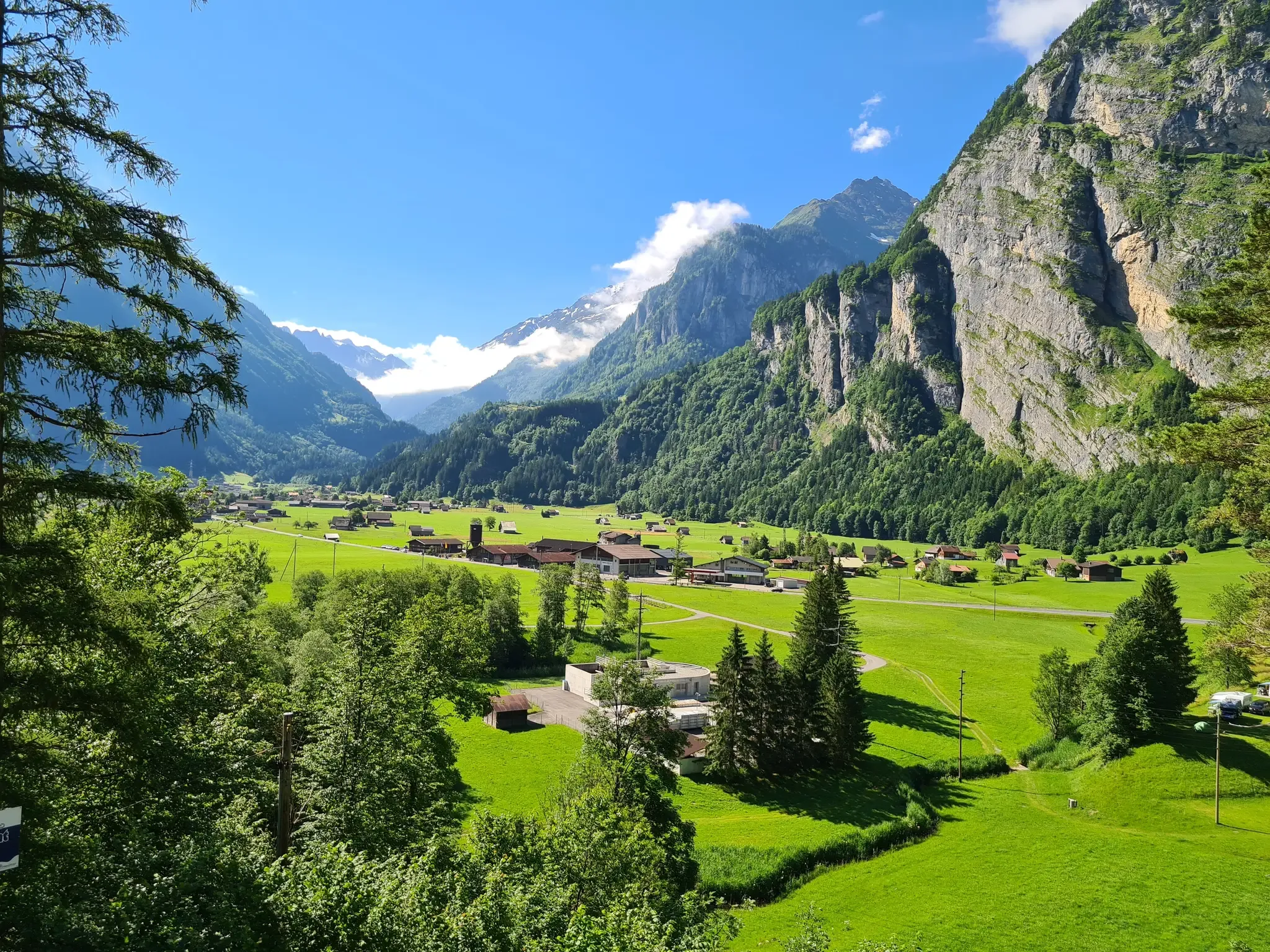
Aare Route – Everything Switzerland has to offer
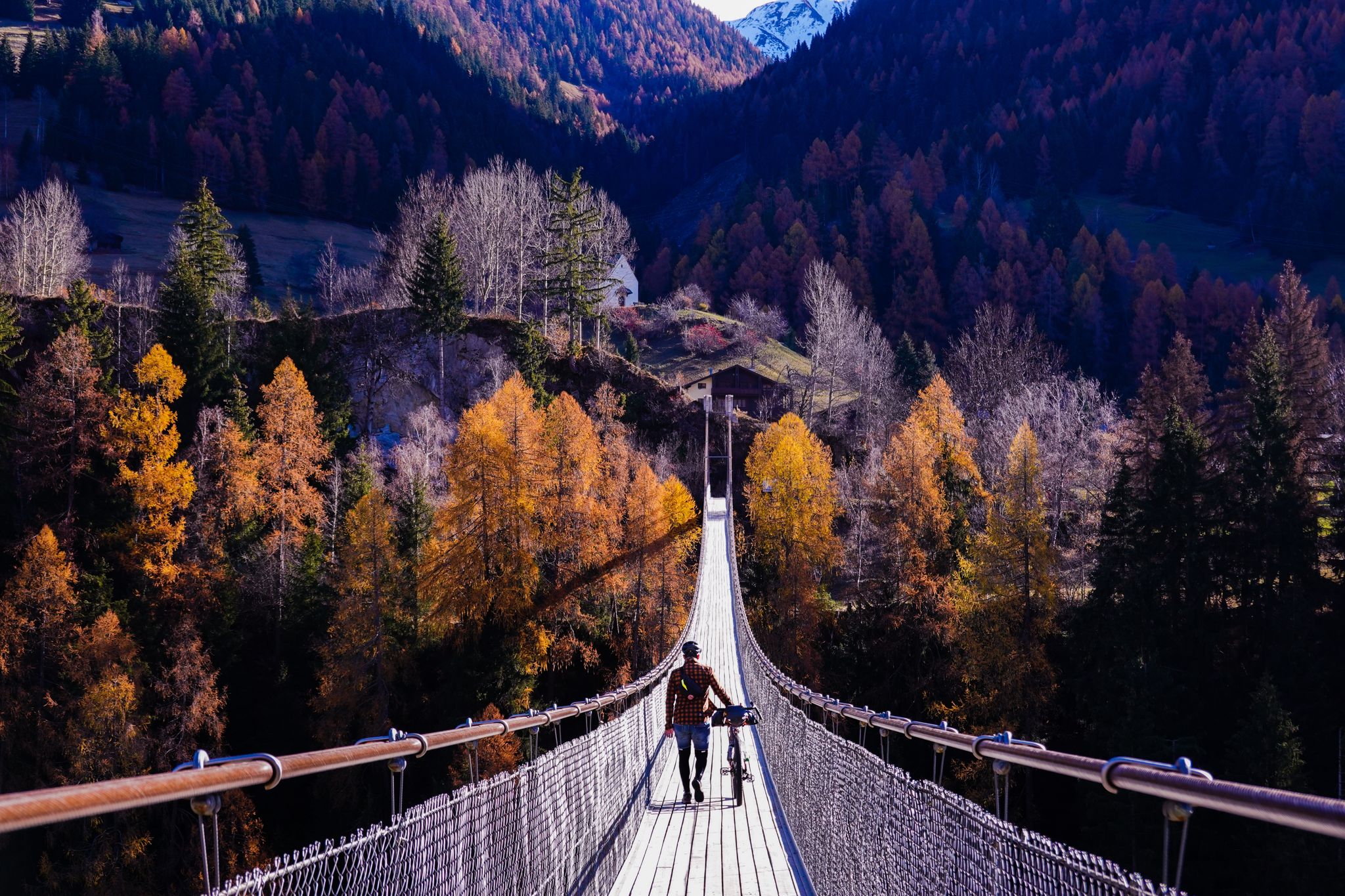
Valais Weekender – 3 days of adventure in Switzerland's Simplon region
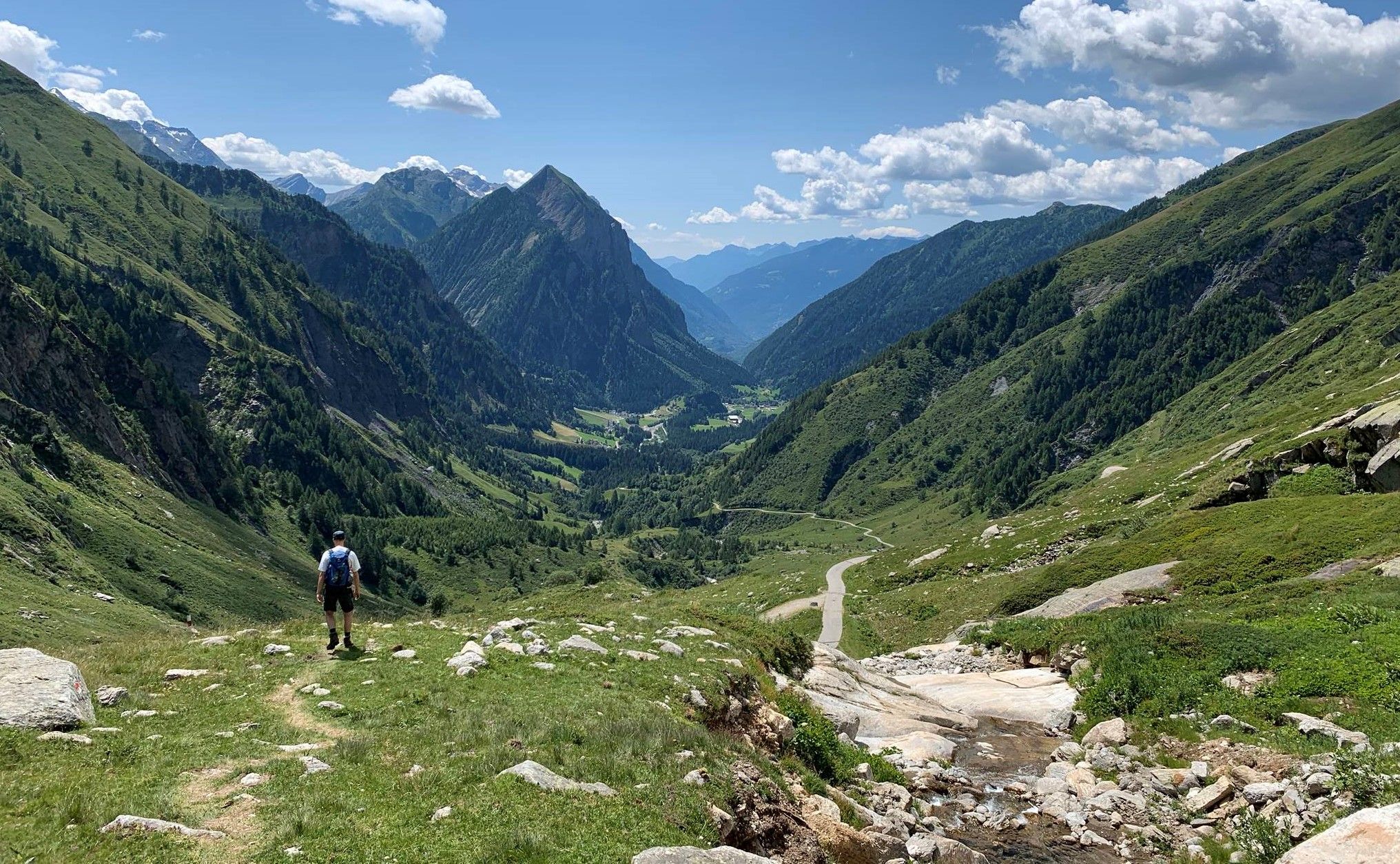
Alpine Passes Trail in Switzerland – 34 stages of pure mountain fun
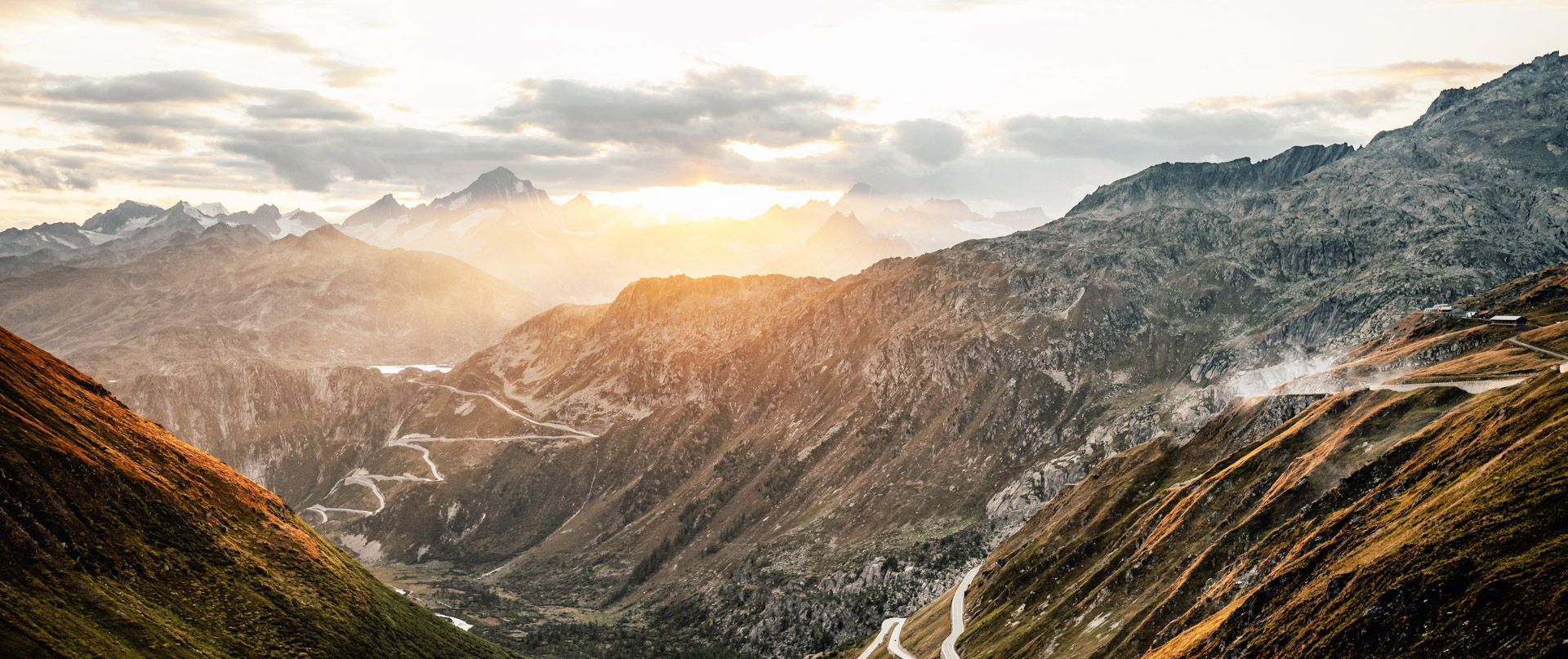
The Rhone Route – from glaciers to Lake Geneva
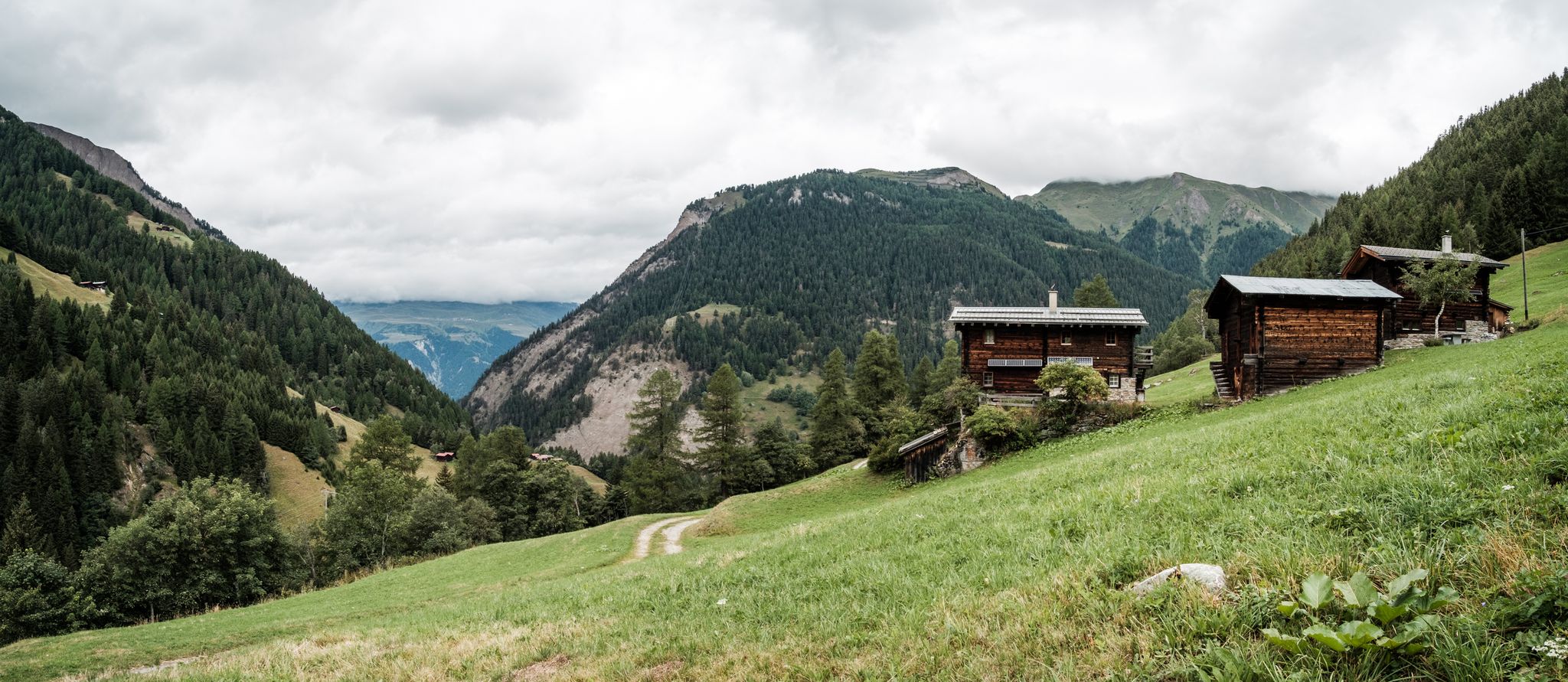
On mule tracks from Binntal to Italy
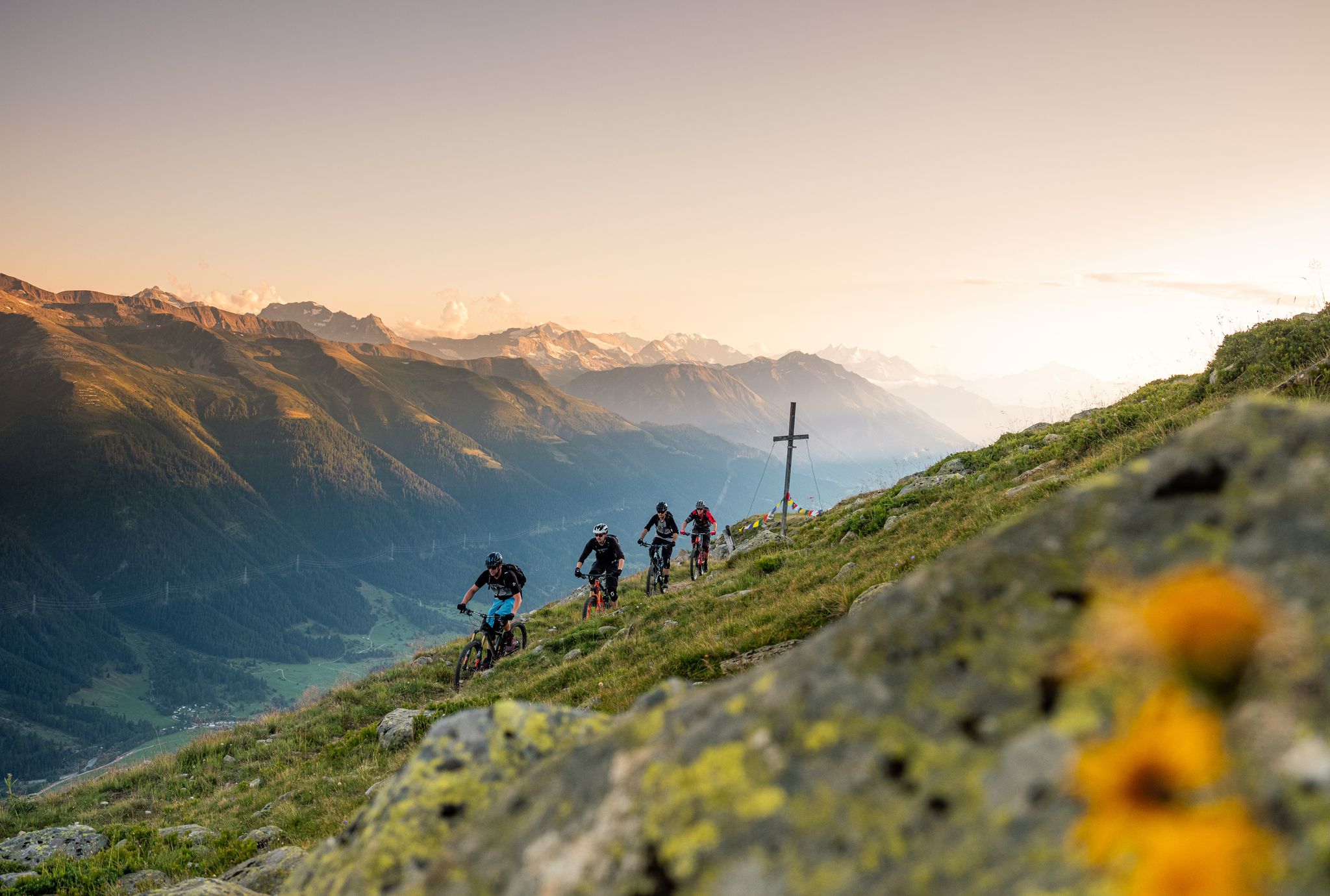
Rugged trails, spectacular views: trail adventures in the high valley of Goms
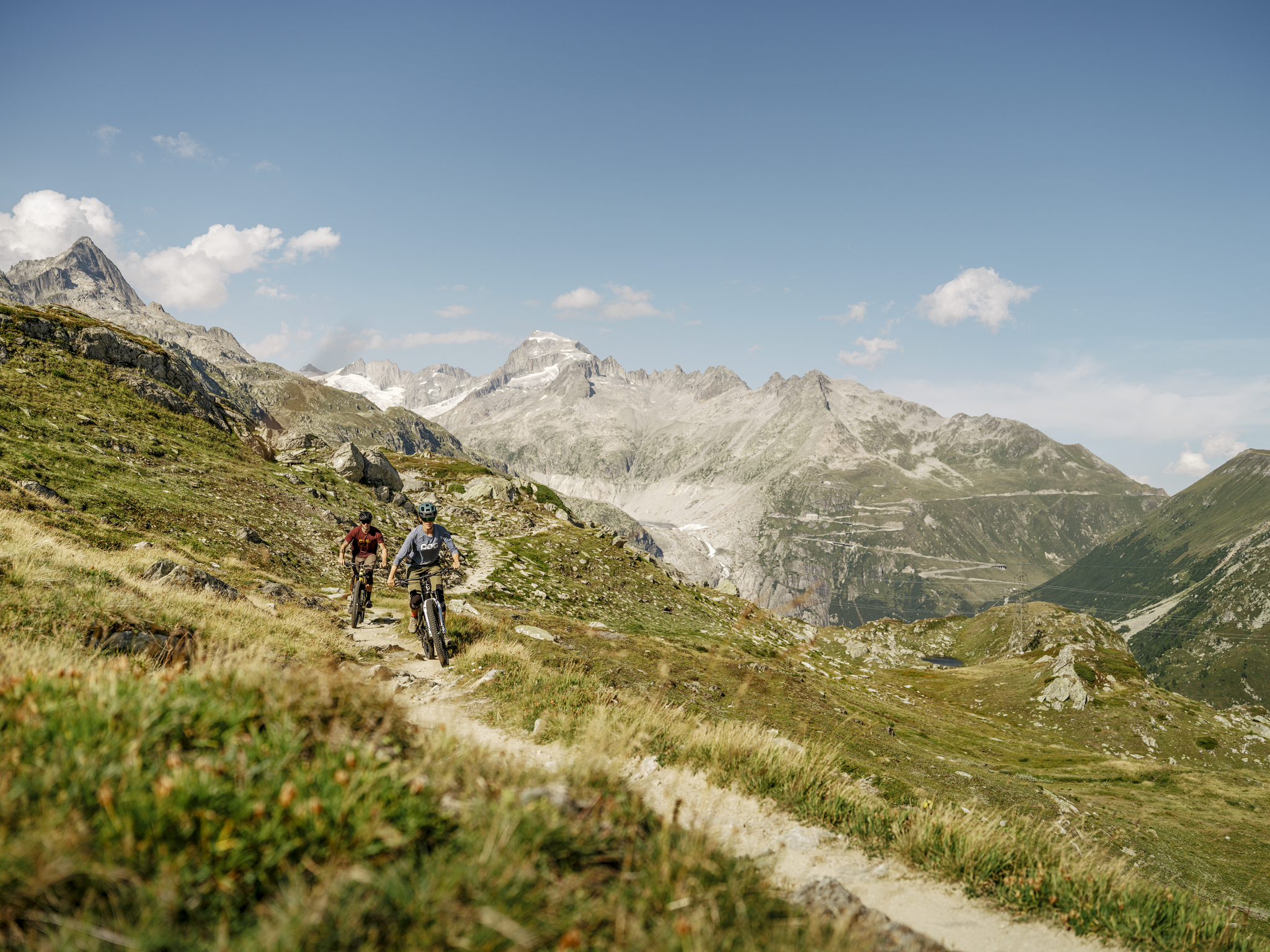
MTB adventures in the Upper Valais – Valais Panorama Bike Switzerland
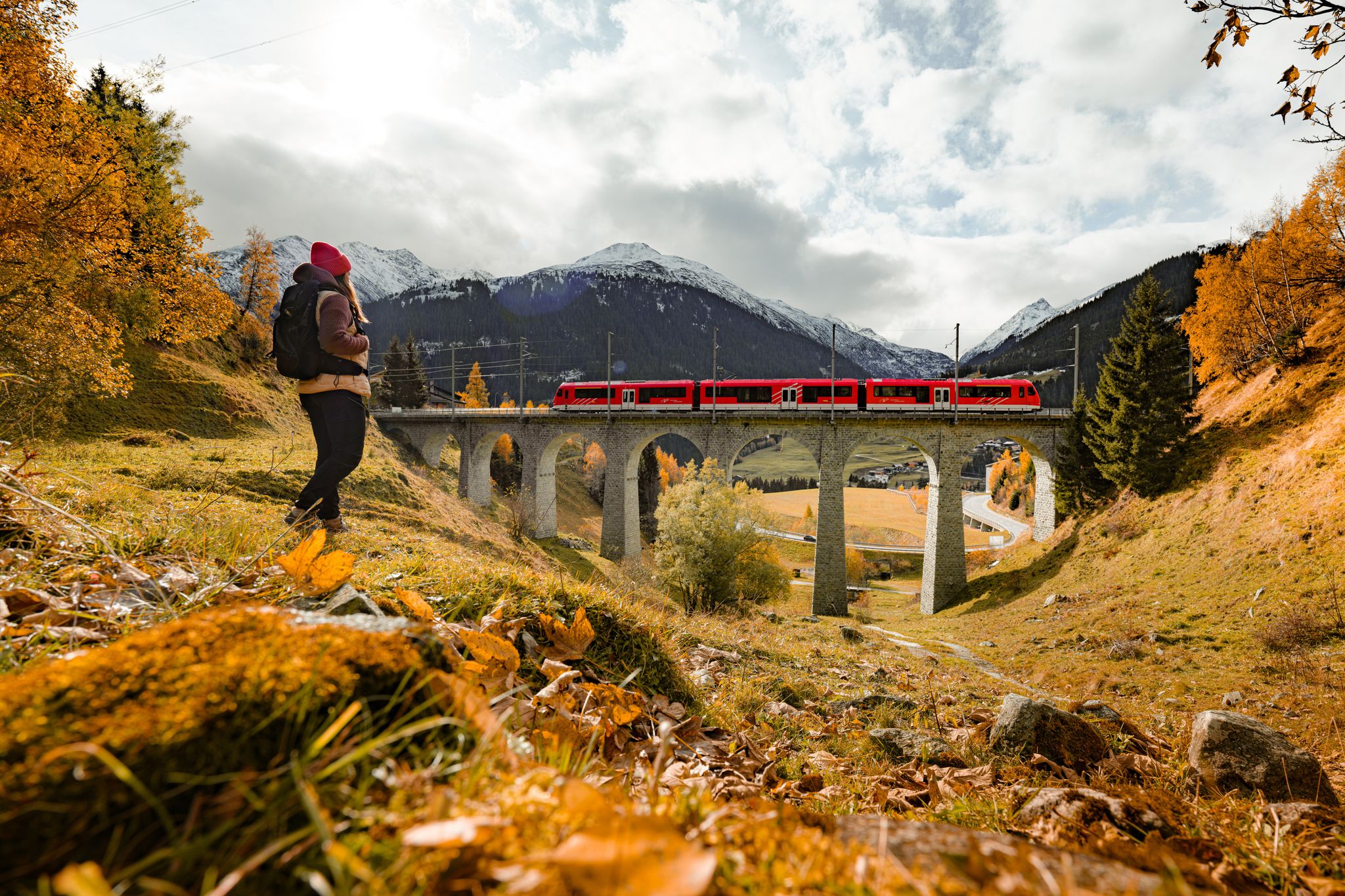
Fantastic hiking through the Alps with the Matterhorn Gotthard Railway
Other adventures in Goms


Tips from the Community

From the Sphinx viewing terrace, you have an impressive view of the eternal ice of the mighty Aletsch Glacier, which belongs to the UNESCO World Natural Heritage Swiss Alps Jungfrau-Aletsch.
9
0


Very busy, very narrow and still: great!
11
1

Speaking of the Grimsel Pass: The Grimsel Pass is in the heart of the Alps, an exceptional natural area. From a hydrological point of view, the large amounts of precipitation are unique. Here at the Grimsel Pass, this is an average of around 2300 litres per square metre per year. 300 litres of this evaporate per square metre, and 2000 litres per square metre leave the region as runoff in the Rhone or Aare. That is a lot of water: twice as much as the Swiss average and almost seven times as much as the average in Germany. Depending on which side of the pass the water drops reach the earth's surface, they flow into the Mediterranean or the North Sea. The Aare, with a total length of around 290 km, flows through the cantons of Bern, Solothurn and Aargau, crossing Lake Brienz, Lake Thun and Lake Biel. It is the longest river located entirely in Switzerland. Although the Aare carries more water on average at the confluence with the Rhine, it loses its name. After another 1000 km of flow, the Aare water flows into the North Sea as part of the Rhine. The Rhone, on the other hand, keeps its name until it flows into the Mediterranean. Its approximately 810 km long flow takes it through the Valais into Lake Geneva and from there via Lyon into the French Rhone Valley, where it repeatedly receives tributaries from the Western Alps. While the Aare flows into an oceanic climate, the Rhone carries the water from the Grimsel Pass into the Mediterranean climate zone, where the abundant snow and glacier meltwater from alpine rivers is very popular in the dry summers.
2
0

The circular trail is almost 500 metres long and always offers you the perfect view of the UNESCO World Heritage Swiss Alps Jungfrau-Aletsch. Information boards along the route provide interesting facts about the largest ice stream in the Alps and the surrounding mountains. The circular trail starts directly at the Eggishorn mountain station.
11
0

This lake supplies the three mountain villages with drinking water. This shows even more that we need to take care of our nature.
1
0

Even small fish have found their way here.
0
0
Frequently Asked Questions
What unique geological features can I explore in Goms?
Goms is rich in unique geological formations. The Twingi Gorge, located within the Binntal Nature Park, offers an adventurous route with waterfalls and small tunnels. The Binntal Nature Park itself is renowned for its rich mineral deposits and rock crystals, with many unique mineral types discovered there.
Where can I experience glaciers up close in Goms?
You can experience glaciers up close at the Rhône Glacier, which features an annually carved ice grotto, offering a unique experience inside a 100-meter-long blue ice tunnel. For panoramic views of the Great Aletsch Glacier, visit the View of the Aletsch Glacier from Bettmerhorn or the Eggishorn viewpoint, both offering stunning vistas of this UNESCO World Heritage site.
Are there family-friendly natural monuments in Goms?
Many natural monuments in Goms can be enjoyed by families. The Twingi Gorge offers an easily navigable road with information panels, making it an adventurous yet accessible option. The Rhône Glacier also provides a nature trail for educational insights into glacier development, suitable for families.
What are the best viewpoints for panoramic scenery in Goms?
For breathtaking panoramic scenery, the Eggishorn viewpoint, accessible by gondola and cable car, offers unparalleled views of the Great Aletsch Glacier and iconic peaks like the Eiger and Matterhorn. Another excellent spot is the View of the Aletsch Glacier from Bettmerhorn, which provides magnificent vistas of the glacier and the Goms region.
Can I find hiking trails near the natural monuments in Goms?
Yes, Goms offers an extensive network of hiking trails near its natural monuments. For example, the Binntal Nature Park has numerous trails leading to mountain lakes and through picturesque hamlets. You can find various hiking routes, including circular walks, by exploring the Hiking in Goms guide.
What is the Goms Hanging Bridge, and where is it located?
The Goms Hanging Bridge is a suspension bridge spanning 280 meters in length and standing 92 meters above the Rhône River. It offers impressive views of the valley and river below. It's part of a larger network connecting various hiking routes in the Aletsch and Goms region, providing a thrilling perspective of the Valais landscape.
What is the best time of year to visit the natural monuments in Goms?
The best time to visit the natural monuments in Goms is generally from late spring to early autumn (May to October) when hiking trails are clear of snow and weather conditions are favorable. During this period, attractions like the Rhône Glacier's ice grotto and the high-alpine viewpoints are fully accessible. Winter offers a different, snow-covered experience, but access to some areas may be limited.
Are there any natural monuments in Goms that are particularly challenging to access?
Some natural monuments in Goms require a good level of fitness and suitable equipment. The ridge leading to the View of the Aletsch Glacier from Bettmerhorn, for instance, is described as challenging and requires suitable footwear and a head for heights. Similarly, high-alpine summits like Jungfraujoch, while accessible by train, are at high altitudes and can be demanding for some visitors.
How can I reach the natural monuments in Goms using public transport?
Many natural monuments in Goms are accessible via Switzerland's efficient public transport system. For example, the Eggishorn viewpoint is reachable by gondola and cable car from Fiesch, which is connected by train. The region's train and bus networks often provide connections to trailheads and key attractions. It's advisable to check local transport schedules for specific destinations.
What makes the Binntal Nature Park special?
The Binntal Nature Park is special for its rich mineral deposits and rock crystals, with many unique mineral types found there. It's also celebrated for its unspoiled natural and cultural landscapes, maintained through effective conservation. The park offers diverse flora and fauna, extensive hiking trails, and picturesque hamlets, making it ideal for gentle tourism and appreciation of its geological and biological diversity.
Are there any natural monuments in Goms that highlight the impact of climate change?
The Rhône Glacier is a poignant example of the impact of climate change. Visitors can observe its significant recession over the years, with the shrinking ice mass highlighting the effects of global warming. The annually carved ice grotto provides a direct experience of the glacier while also serving as a reminder of its vulnerability.
What kind of lakes can be found among Goms' natural monuments?
Goms features several beautiful lakes as natural monuments. The Märjelensee is a calm mountain lake, originally dammed by the glacier, now nestled among moraines. Another notable lake is Totensee (Grimsel Pass), a beautiful reservoir located right on the alpine watershed.
Are there opportunities for gravel biking near Goms' natural monuments?
Yes, the Goms region offers excellent opportunities for gravel biking, often passing by or near natural monuments. Routes like 'The 14 switchbacks to the Breithorn' or 'Village Square Ernen – Twingi Gorge loop' provide challenging and scenic rides. You can explore more options in the Gravel biking in Goms guide.
Most popular routes in Goms
Most popular attractions in Goms

Get inspired with the komoot mobile app


Didn’t find what you were looking for?
Find even more amazing natural monuments in Goms by checking out the top Highlights region by region:
Explore more
Extend your search for the best caves by checking out these guides of the top ones in Goms:
