Top 4 Natural Monuments around Cartaya
Best natural monuments around Cartaya include diverse ecosystems and unique geological formations. This region in Huelva, Spain, features extensive natural areas with significant ecological and scenic value. It is characterized by dynamic coastal landscapes, vast pine forests, and important wetlands. The area offers opportunities to explore rich biodiversity and unique natural phenomena.
Best natural monuments around Cartaya
- The most popular natural monument is Monument to the Discovering Faith, a man-made monument and natural viewpoint located at the confluence of…
Last updated: July 14, 2026
Monument to the Discovering Faith
Highlight • Monument
Translated by Google •
Tip by

El Portil Lagoon
Highlight • Lake
It …
Translated by Google •
Tip by
Sign up now to discover places like this
Get recommendations on the best single tracks, peaks, & plenty of other exciting outdoor places.
Sign up for free
Old Astur Saltworks
Highlight • Natural Monument
Translated by Google •
Tip by
Odiel Marshes
Highlight • Natural
Translated by Google •
Tip by
View of the Flecha del Rompido
Highlight • Viewpoint
Translated by Google •
Tip by
Sign up for free to discover even more natural monuments around Cartaya.
Sign up for free
Already have an account?
Start today with a free account
Your next adventure awaits.
Login or Signup

Tips from the Community

The Monument to the Faith of the Discoverer, also known as the Columbus Monument, is one of the most representative symbols of the city of Huelva. It is located at Punta del Sebo, a natural setting where the Tinto and Odiel rivers meet, approximately 4 km from the city center.
9
0

Good route, but it needs some fine-tuning. Try optimizing it another day.
1
0
This natural area covers approximately 7,185 hectares and is known for its rich biodiversity and its importance as a breeding area and refuge for numerous bird species. Notable species include the Eurasian spoonbill, the flamingo, various ducks, grey and purple herons, and birds of prey such as the osprey. The area also has an interpretation center, birdwatching points, trails, and rest areas.
4
0
This area is known for its focus on aquaculture and environmental tourism. The salt flats were built in the 1920s by Antonio Sánchez Allende-Valledor. Today, the Salinas del Astur offer a variety of activities such as safe recreational fishing, hiking, birdwatching, and photography. You can also enjoy canoeing and observe a wide variety of birds in the Marismas del Odiel Natural Park.
4
0
It was designed by the American sculptor Gertrude Vanderbilt Whitney and donated to Spain by the United States in 1929. The sculpture, in Cubist style and inspired by Egypt, is 37 metres high and represents a Franciscan friar from the Monastery of La Rábida. This friar welcomed Christopher Columbus while he was planning his first voyage and awaiting confirmation of funding from the Spanish monarchs. The pedestal of the monument includes reliefs depicting Mayan, Aztec, Inca and Christian elements.
9
0

Meeting of the Tinto and Odiel rivers
3
0

the siphon bridge (section on unknown routes) is now open and enabled for bicycles
0
1

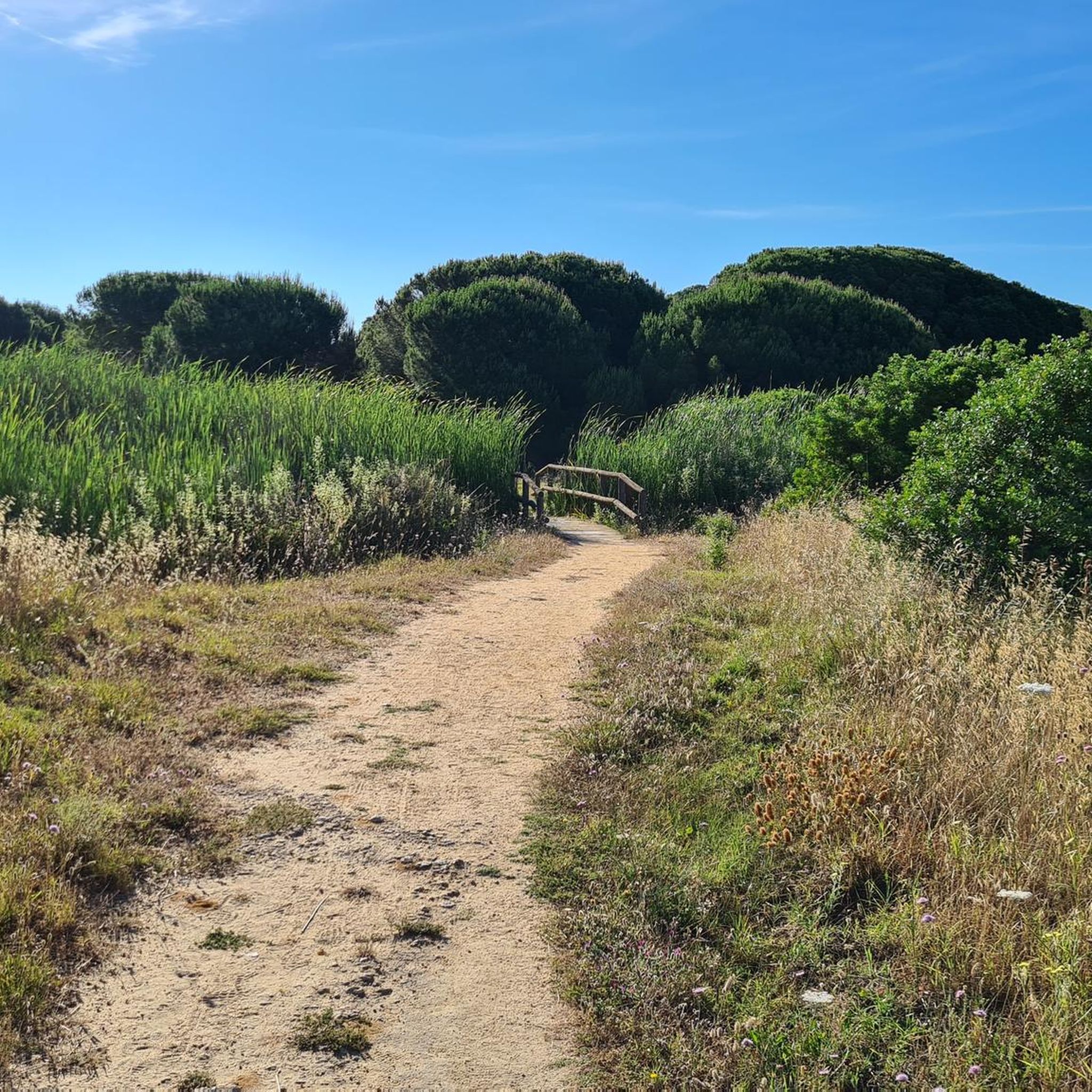
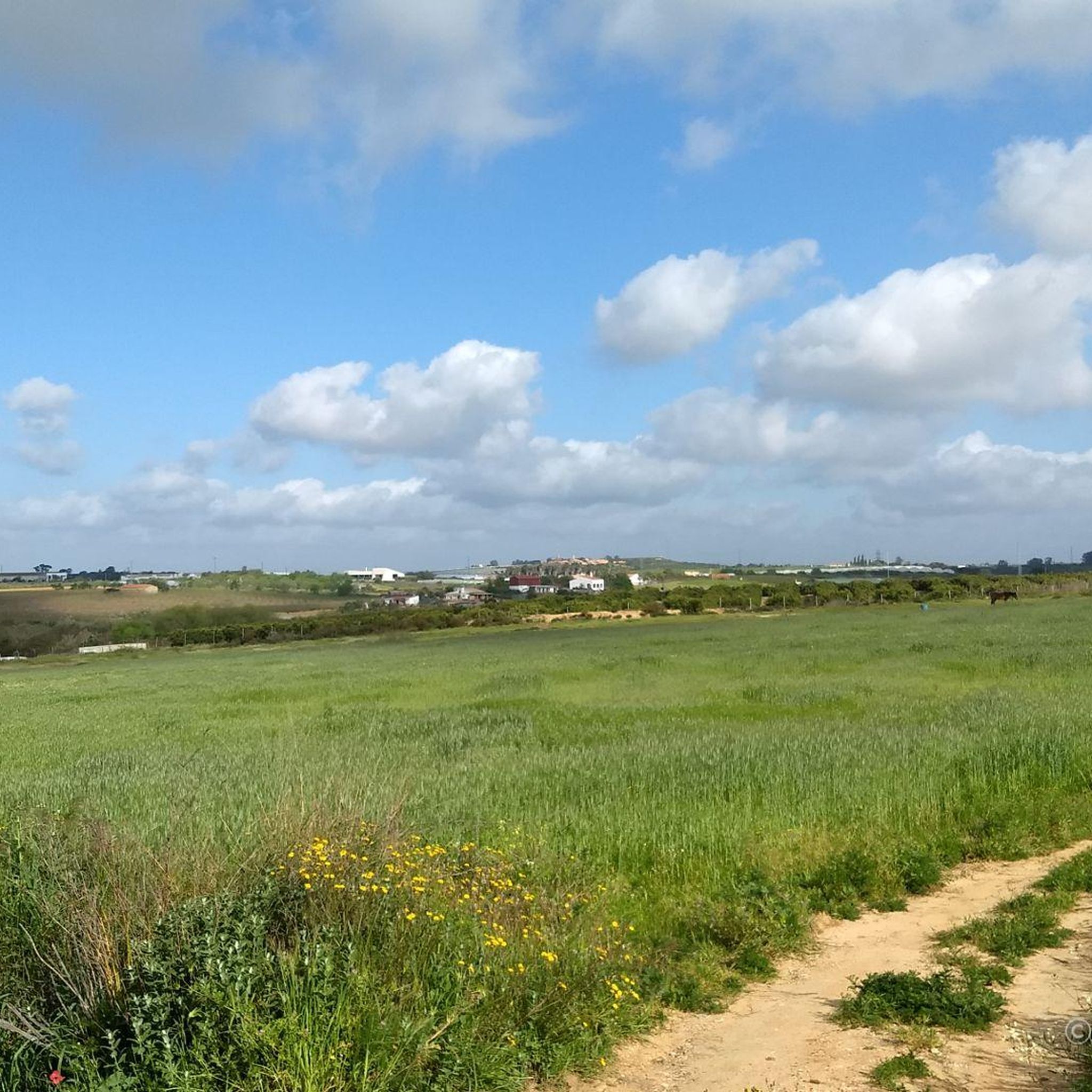
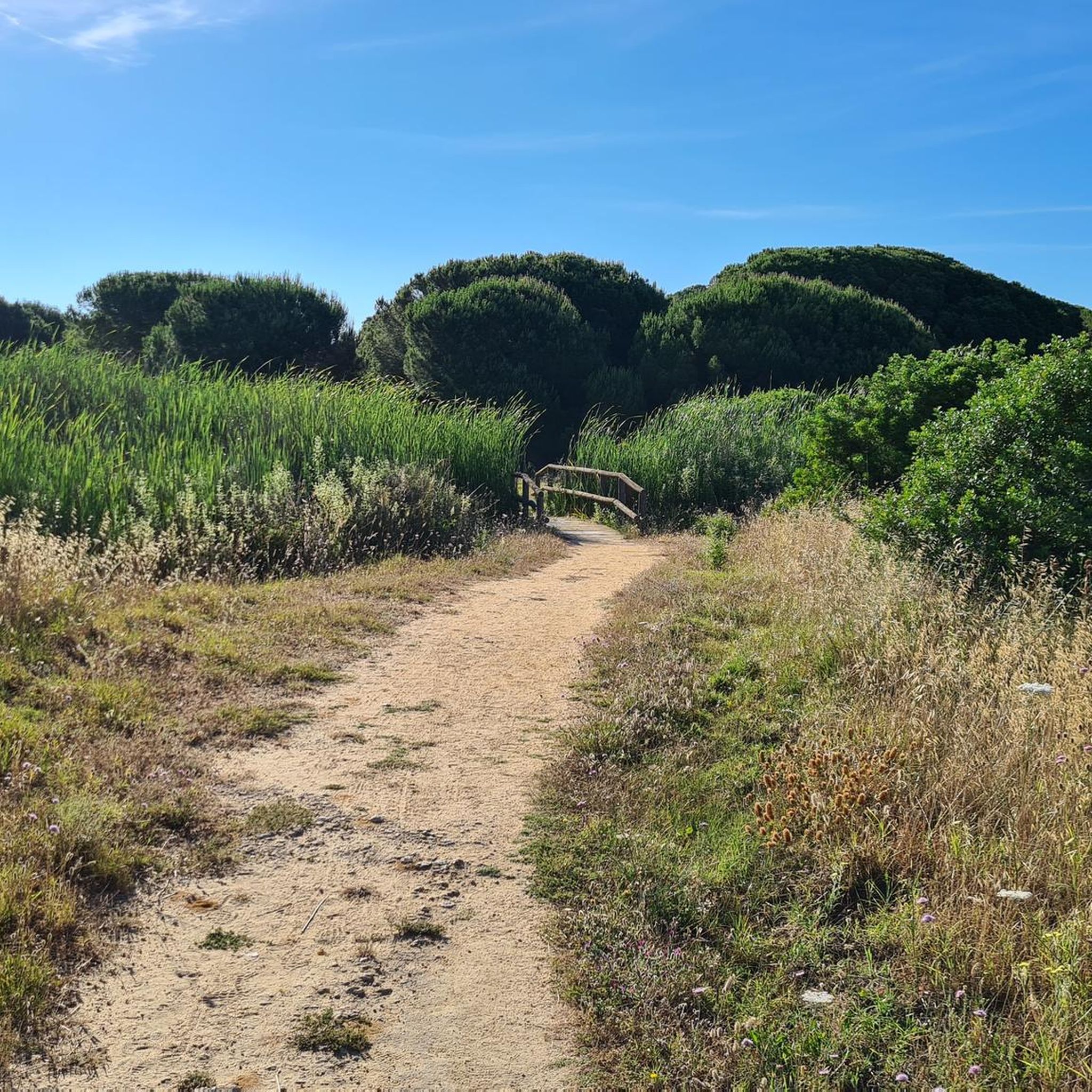
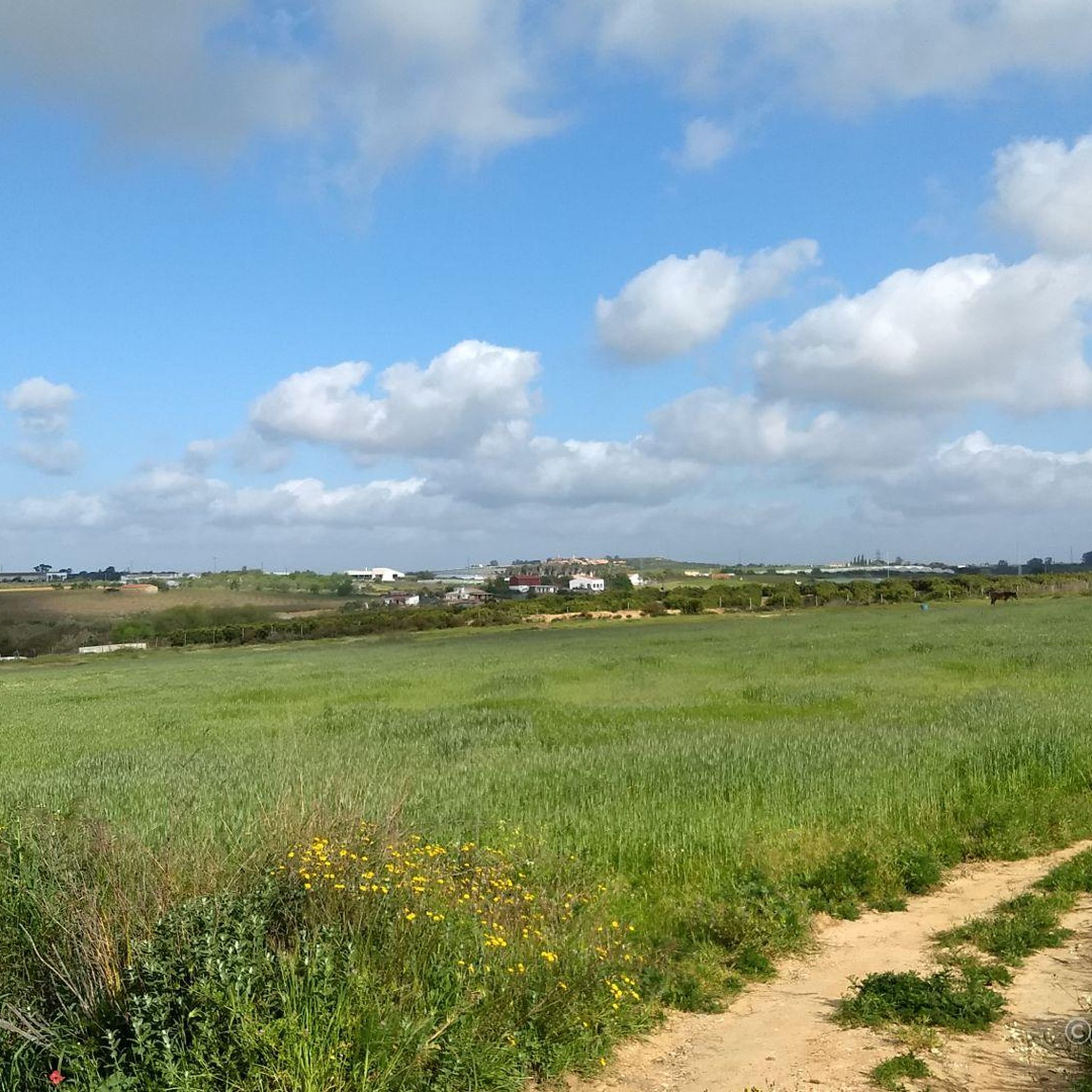
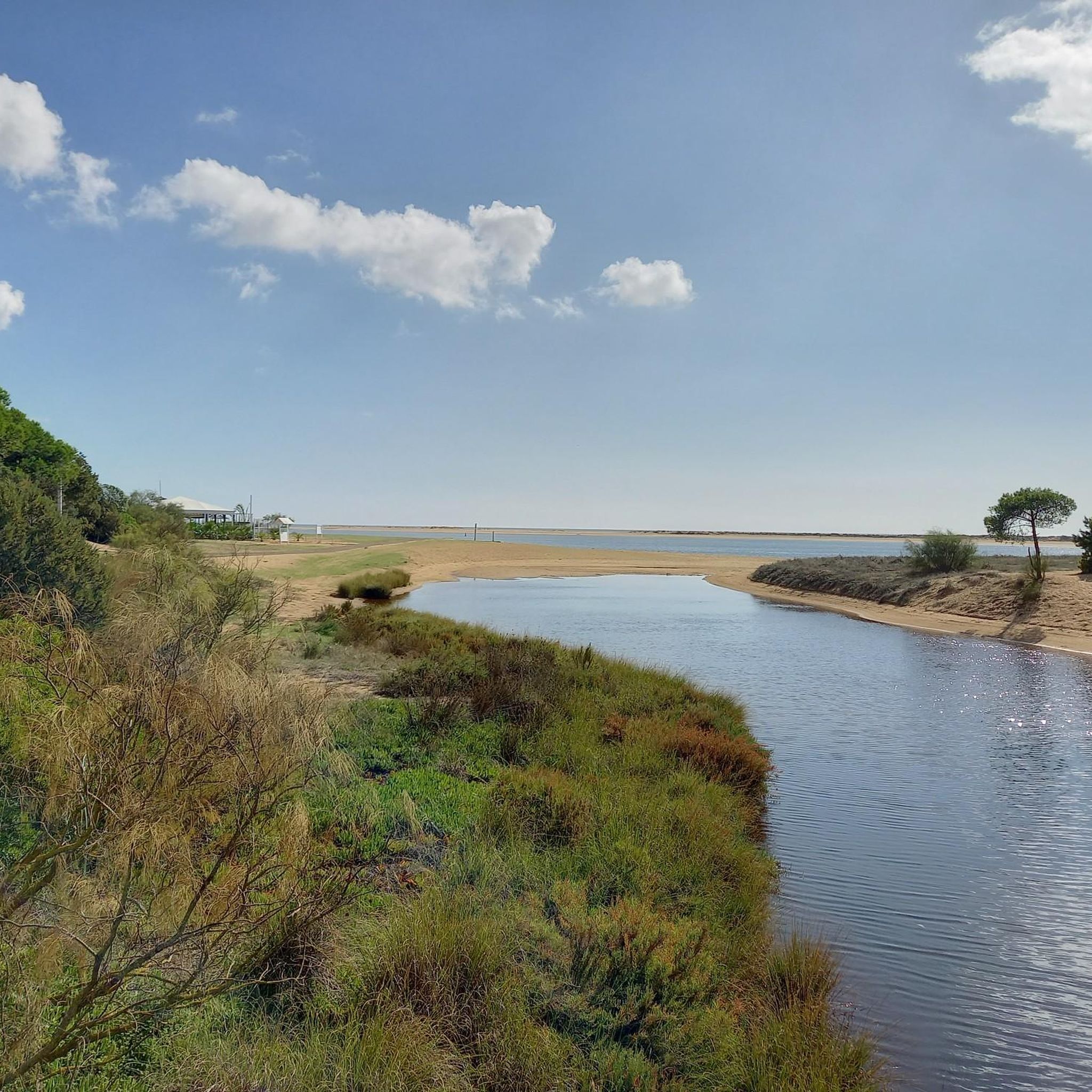
From the Nuevo Portil Viewpoint located in front of the area of Hotels that exist in the town, an impressive panoramic view of the Arrow of El Rompido, Piedras River and the beaches of El Portil, La Bota, Nuevo Portil, San Miguel and El broken.
1
0
Frequently Asked Questions
What kind of wildlife can I expect to see in Cartaya's natural monuments?
Cartaya's natural monuments are rich in biodiversity. In the Marismas del Río Piedras y Flecha de El Rompido Natural Area and the Odiel Marshes, you can observe numerous bird species, including Eurasian spoonbills, flamingos, various ducks, grey and purple herons, and birds of prey like ospreys. The Pinares de Cartaya are home to Mediterranean plant species and diverse animal life such as birds, dormice, rabbits, hares, foxes, and genets. Wetlands like El Portil Lagoon are vital for migratory birds, and La Ribera is an excellent spot to see wading birds feeding on small crustaceans.
Are there family-friendly natural monuments or activities in Cartaya?
Yes, several natural monuments in Cartaya are suitable for families. The Marismas del Río Piedras y Flecha de El Rompido Natural Area offers long walks and adapted trails. El Portil Lagoon has a circular route through pine forests, perfect for a family stroll. The Odiel Marshes feature an interpretation center, birdwatching points, and trails. The Pinares de Cartaya provide numerous trails, picnic areas, and recreational zones for all ages.
What makes the Marismas del Río Piedras y Flecha de El Rompido unique?
The Marismas del Río Piedras y Flecha de El Rompido Natural Area is unique due to its distinctive sandbar, 'La Flecha' (The Arrow), which stretches over 12 kilometers and separates the tidal marshland from the Atlantic Ocean. This sandbar is formed by a dynamic interplay of marine deposits, river currents, and winds, growing at an impressive average rate of over 30 meters per year. It's a geomorphological phenomenon unique along the Andalusian coast and a Special Protection Area for Birds (SPA).
Are there hiking or cycling trails near Cartaya's natural monuments?
Absolutely. The natural monuments around Cartaya offer excellent opportunities for hiking and cycling. For example, you can find various MTB Trails around Cartaya, including routes through the Odiel Estuary. There are also many Cycling routes around Cartaya, such as the 'View of the Piedras River – View of the Flecha del Rompido loop from El Portil'. The Pinares de Cartaya also provide numerous trails ideal for both activities.
What is the best time of year to visit the natural monuments in Cartaya?
The best time to visit Cartaya's natural monuments is generally during spring (March to May) and autumn (September to November). During these seasons, the weather is mild and pleasant for outdoor activities like hiking and birdwatching, and you can witness migratory bird patterns. Summer can be very hot, while winter offers cooler temperatures but still provides good conditions for exploration.
Are any natural monuments in Cartaya accessible for people with reduced mobility or wheelchairs?
Yes, the Marismas del Río Piedras y Flecha de El Rompido Natural Area offers adapted trails for people with reduced mobility, allowing everyone to enjoy the panoramic views of the marshes and La Flecha from viewpoints like San Miguel and Corniso de El Rompido.
Can I visit historical sites or cultural landmarks near the natural monuments?
Yes, you can combine your visit to natural monuments with historical sites. For instance, the Monument to the Discovering Faith, a man-made monument commemorating Christopher Columbus, is located at the confluence of the Tinto and Odiel rivers, offering panoramic views of the Huelva landscape. The Old Astur Saltworks also offer a glimpse into the region's historical aquaculture practices.
What are the main natural features of the Pinares de Cartaya?
The Pinares de Cartaya, also known as 'Campo Común', are extensive pine forests covering approximately 11,500 hectares, predominantly featuring the stone pine (Pinus pinea). This vast forest boasts significant ecological and landscape value, harboring a wide array of Mediterranean plant species and diverse animal life. It's divided into Campo Común de Arriba and Campo Común de Abajo, with the latter serving as a crucial ecological corridor.
Are there any lagoons or wetlands worth visiting for birdwatching?
Yes, Cartaya is home to several important wetlands. El Portil Lagoon is a freshwater lake and a vital wetland for migratory birds, surrounded by pine forests. Other significant lagoons include Laguna de las Borreras, Tuberas del Lancón, and Laguna del Águila, which contribute to the high diversity of ecosystems and are excellent for birdwatching enthusiasts.
What do visitors enjoy most about the natural monuments around Cartaya?
Visitors particularly appreciate the rich biodiversity and the unique natural phenomena. The dynamic geomorphology of 'La Flecha' at the Marismas del Río Piedras, the tranquility and birdlife at El Portil Lagoon, and the extensive trails through the Pinares de Cartaya are frequently highlighted. The opportunity for accessible wildlife observation, even near urban areas like La Ribera, is also highly valued.
What should I wear when visiting the natural monuments in Cartaya?
When visiting Cartaya's natural monuments, it's advisable to wear comfortable clothing and sturdy walking shoes, especially if you plan to explore trails. During warmer months, light, breathable fabrics and sun protection (hat, sunglasses, sunscreen) are essential. In cooler seasons, layers are recommended. If birdwatching, consider bringing binoculars. For marshy areas, waterproof footwear might be beneficial.
Most popular routes around Cartaya
Most popular attractions around Cartaya

Get inspired with the komoot mobile app


Explore more
Extend your search for the best caves by checking out these guides of the top ones around Cartaya:
