Attractions and Places To See in Castle Wildland Provincial Park - Top 3
Best attractions and places to see in Castle Wildland Provincial Park include a vast mountain wilderness in southwestern Alberta, encompassing over 105,000 hectares of mountain landscapes, hills, meadows, and montane forests. The park is recognized for its diverse natural features, including iron-rich argillite formations and evidence of the Lewis Thrust. It is a vital part of the Crown of the Continent Ecosystem, boasting high biodiversity with over 200 rare species of plants and animals. The area also holds cultural importance…
Last updated: July 14, 2026
Castle Wildland Provincial Park
Highlight • Natural
Tip by

Castle Wildland Provincial Park
Highlight • Natural
Tip by

Sign up now to discover places like this
Get recommendations on the best single tracks, peaks, & plenty of other exciting outdoor places.
Sign up for free
North Drywood Falls Trail
Highlight (Segment) • Trail
Tip by
Table Mountain
Highlight • Summit
Translated by Google •
Tip by

La Coulotte Ridge
Highlight (Segment) • Summit
Tip by

Start today with a free account
Your next adventure awaits.
Login or Signup
Popular around Castle Wildland Provincial Park
Tips from the Community

Castle Wildland Provincial Park is a vast mountain wilderness in southwest Alberta, known for its rugged peaks, deep valleys, rivers, waterfalls, and extensive trail network. There are multiple hiking routes that wind through alpine meadows, dense forests, and remote backcountry landscapes, offering excellent opportunities to spot wildlife, including elk, deer, bears, and birds of prey. The mix of dramatic scenery and quieter, less-travelled trails gives the park a wild and peaceful feel, making it especially rewarding for outdoor exploration.
0
0
North Drywood Falls Trail is a very scenic route through the Drywood Valley that follows an old road and forested path toward the falls in the heart of Castle Wildland Provincial Park. The trail passes through open meadows, with river crossings, and breathtaking mountain scenery, with constant views of the rugged peaks and opportunities to spot wildlife along the way. The gentle grades for most of the route make it ideal for beginners and families, and the waterfall at the end adds a rewarding finish to the journey.
0
0

Covering nearly 197,000 acres, Castle Wildland Provincial Park is a prime slice of remote alpine ridges, mature forests, and high-mountain lakes. It shares a border with Castle Provincial Park, and together they are managed under the Castle Management Plan. Outdoor lovers will find unmarked trails, wildlife corridors for grizzly bears and wolverines, and dispersed back-country terrain perfect for hiking, horseback riding or wilderness camping. With almost no developed facilities and an emphasis on solitude and wildness, Castle Wildland is a destination for the adventurous and those seeking true backcountry experiences.
0
0

Table Mountain is a 2,232 meter high plateau mountain. From here you can see the Fernie Formation and get an idea of where the Continental Divide runs. There are also some good photo spots along the cliff.
1
0

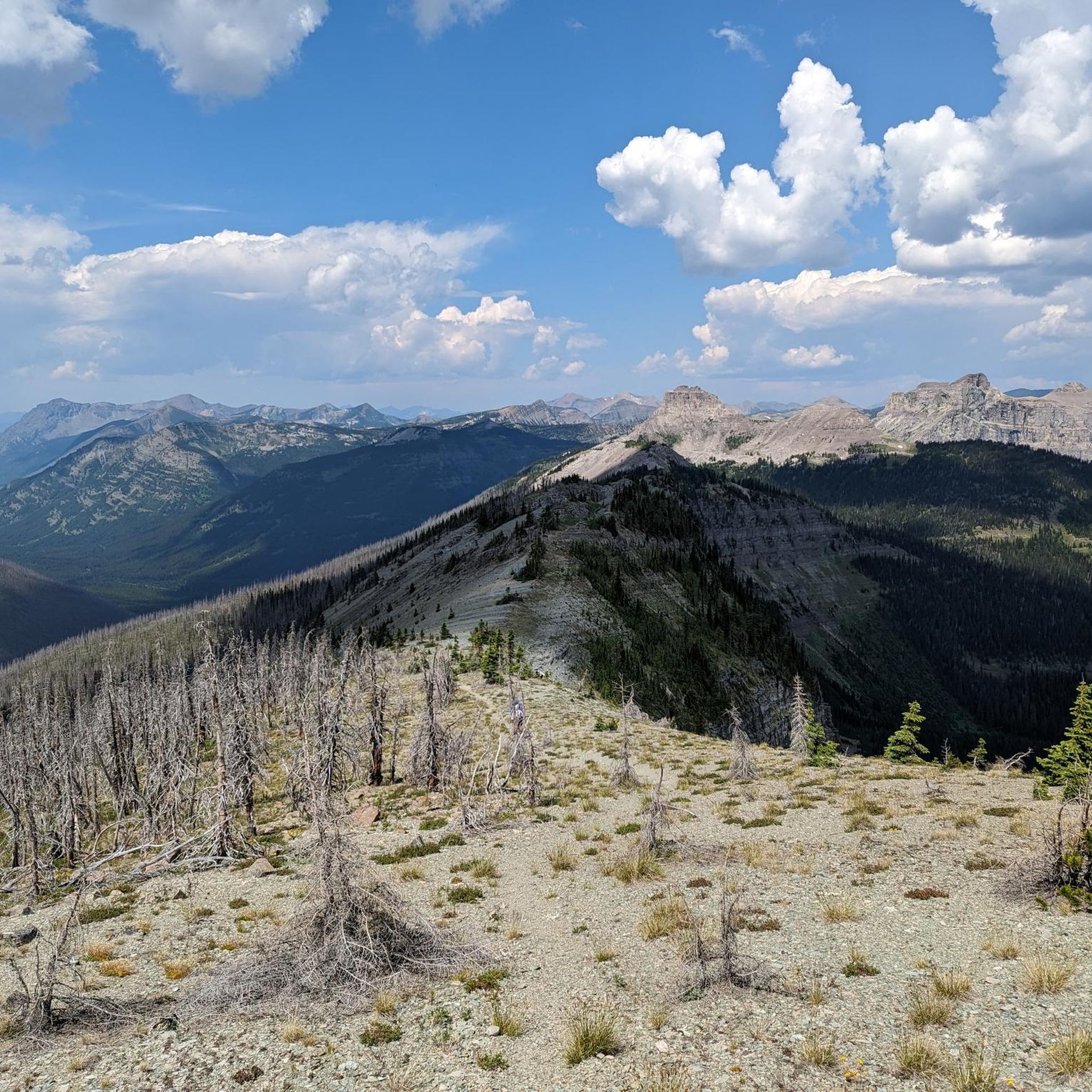
Six peaks make for a big trek, but it's a simply wonderful ridge if you get the right weather! Mind there's no water.
2
0
Frequently Asked Questions
What are some notable natural features in Castle Wildland Provincial Park?
The park is rich in geological and natural wonders. You can explore prominent features like Table Mountain, known for its distinctive plateau, and observe the iron-rich argillite that gives mountains a reddish glow. The area also features exposures from the Lewis Thrust, showcasing ancient sedimentary rock, and evidence of the Purcell lava flow. You'll find numerous alpine lakes, tarns, and wetlands, contributing to the park's high biodiversity.
Are there family-friendly hiking options in the park?
Yes, Castle Wildland Provincial Park offers trails suitable for families. The North Drywood Falls Trail is a scenic route with gentle grades, making it ideal for beginners and families, culminating in a rewarding waterfall. For more options, you can explore various routes in the Family-friendly hikes in Castle Wildland Provincial Park guide.
What kind of wildlife can I expect to see in Castle Wildland Provincial Park?
Castle Wildland Provincial Park is a vital wildlife corridor within the Crown of the Continent Ecosystem. You might spot larger mammals such as grizzly bears and wolverines. The park is also home to westslope cutthroat trout, harlequin ducks, and a diverse array of over 200 rare plant and animal species, including whitebark and limber pine.
What are some popular hiking trails for experienced hikers?
For experienced hikers seeking a challenge, the park offers several rewarding trails. The hike to Table Mountain is a popular 10 km return trip with stunning views. Another challenging option is the trek to La Coulotte Ridge, which involves navigating six peaks for a significant adventure. You can find more challenging routes in the Hiking in Castle Wildland Provincial Park guide.
What is the best time of year to visit Castle Wildland Provincial Park?
The park offers activities year-round. For hiking and exploring the extensive trail network, the period from mid-June to late-October is ideal, aligning with the fishing season for trout and mountain whitefish. Winter brings opportunities for cross-country skiing, snowshoeing, and ski touring, with fat biking also permitted on multi-use trails.
Are there any cultural or historical sites in the park?
Yes, the Castle area holds significant cultural importance, particularly for local First Nations groups. There are 92 archaeological sites within the park, with 75% representing the pre-contact period of Indigenous heritage. Nearly 30% of these sites are considered to be of spiritual importance, illustrating various historical activities from toolmaking to camping.
What outdoor activities are available besides hiking?
Beyond hiking, Castle Wildland Provincial Park offers a variety of outdoor activities. Mountain biking is popular, with 23 km of signed multi-use trails. You can also enjoy fishing in the area's lakes and streams, paddling, and horseback riding on designated trails. During winter, cross-country skiing, snowshoeing, and ski touring are popular.
Do I need a permit for backcountry camping in Castle Wildland Provincial Park?
No, permits are typically not required for backcountry camping in Castle Wildland Provincial Park. However, it's important to practice responsible wilderness camping, generally setting up at least 60 meters from any water source and a kilometer or more away from services to ensure a true wilderness experience.
What are some of the viewpoints offering panoramic scenery?
Many trails and summits within the park offer breathtaking panoramic views. The summit of Table Mountain provides expansive vistas overlooking the prairies and helps visualize the Continental Divide. La Coulotte Ridge also offers simply wonderful ridge views, especially on clear days.
Are dogs allowed on trails in Castle Wildland Provincial Park?
While the guide data doesn't explicitly state dog policies for all trails, Castle Wildland Provincial Park generally welcomes dogs, provided they are kept on a leash and owners adhere to Leave No Trace principles. Always check specific trail regulations before heading out with your pet.
What makes Castle Wildland Provincial Park unique compared to other parks?
Castle Wildland Provincial Park stands out for its rugged, remote, and ecologically rich backcountry experience. It emphasizes solitude and wildness, with almost no developed facilities, making it a destination for those seeking true wilderness adventures. Its unique geology, including the Lewis Thrust and ancient sediments, along with its role as a critical wildlife corridor, contribute to its distinct character.
Where can I find easy hiking trails in the park?
For those looking for easier walks, the park has several accessible options. You can find routes like Star Creek Falls Loop or Chinook Lake loop. For a comprehensive list of less strenuous paths, refer to the Easy hikes in Castle Wildland Provincial Park guide.
Most popular routes in Castle Wildland Provincial Park

Get inspired with the komoot mobile app


Explore more
Still not found the Highlight you’re looking for? See guides of the top attractions in other regions:
