Attractions and Places To See around Rapoula Do Côa - Top 7
Best attractions and places to see around Rapoula Do Côa include a blend of natural beauty, historical sites, and cultural experiences within the municipality of Sabugal, Portugal. The area is characterized by the clear waters of the Côa River, which features several river beaches and serves as a passage point for the Côa Grand Route. Visitors can explore well-preserved medieval fortifications and historic settlements that reflect centuries of regional history. This region offers a tranquil setting and serves as a gateway to explore the natural landscapes of the Serra da Malcata mountain range and the wider Beira Interior.
Best attractions and places to see around Rapoula Do Côa
- The most popular attractions is Sabugal Castle, a castle that preserves centuries of borders and memory. It is known as the "Castle of the Five Corners" due to its unique pentagonal keep and offers panoramic views over the city and the Côa River.
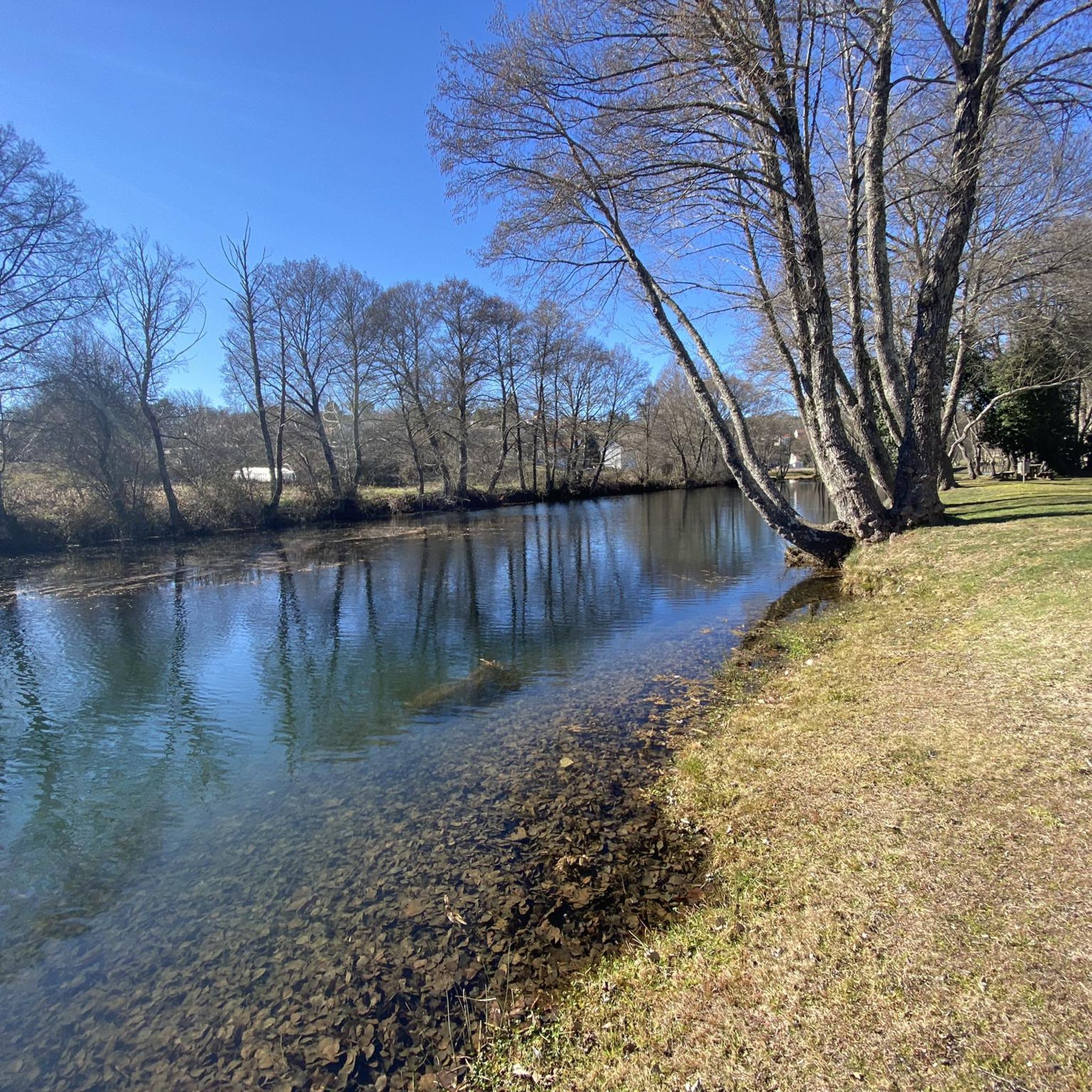
- Another must-see spot is Bridge over the Côa River, a bridge over a discreet treasure of Portugal. It is an ideal place to rest and experience the river's serenity.
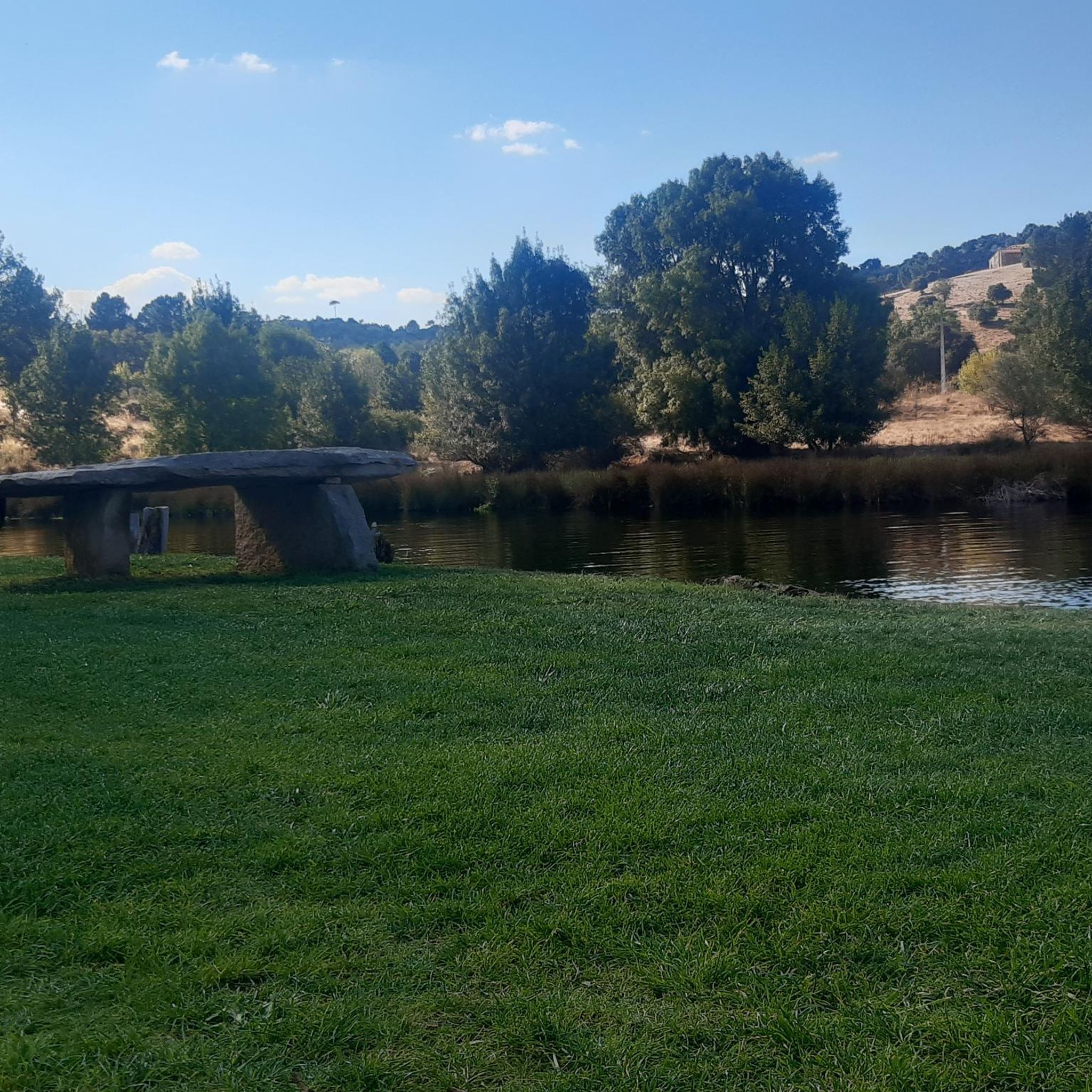
- Visitors also love Alfaiates River Beach, a beach that transformed an old dam into a leisure haven. It features a lawn, sand, a bar with a terrace, a picnic area, and activities like a soccer field and playground.
- Rapoula Do Côa is known for its river beaches, historical castles, and ancient settlements. These attractions offer a variety of experiences for those interested in natural features and cultural heritage.
- The attractions around Rapoula Do Côa are appreciated by the komoot community, with 5 upvotes and 29 photos shared.
Last updated: May 2, 2026
Sabugal Castle
Highlight • Castle
Today, it continues to stand as a living testament to the long history of one of Europe's oldest nations.
Translated by Google •
Tip by

Bridge over the Côa River
Highlight • Bridge
Translated by Google •
Tip by
Sign up now to discover places like this
Get recommendations on the best single tracks, peaks, & plenty of other exciting outdoor places.
Sign up for free
Alfaiates River Beach
Highlight • Beach
Surrounded by verdant slopes and trees that paint the landscape with vibrant colors, the beach features a lawn, sand, a bar with a terrace, and a picnic area.
And for those seeking more activity: a soccer field, a playground, canoes, pedal boats, and even an area dedicated to group games. A nearby motorhome park completes the offerings.
Translated by Google •
Tip by
Vila Maior
Highlight • Settlement
Today, the streets descend from the old fortress to the plain, where manor houses, bridges, and churches continue to tell the long story of this border town.
Translated by Google •
Tip by
Torre
Highlight • Settlement
In August, however, the village takes on a new life: the grand festivities in honor of Our Lady of Fátima fill the streets with color, faith, and celebration.
Translated by Google •
Tip by
Sign up for free to discover even more attractions around Rapoula Do Côa.
Sign up for free
Already have an account?
Start today with a free account
Your next adventure awaits.
Login or Signup
Popular around Rapoula Do Côa
Tips from the Community

Sabugal Castle is one of the most imposing and well-preserved medieval fortifications in Portugal. It is known as the "Castle of the Five Corners" due to the unusual shape of its impressive pentagonal keep, the castle's most iconic feature. Its pentagonal (five-cornered) plan is considered unique in Portuguese military architecture. It is approximately 30 meters high and offers incredible views. The castle has a double ring of walls. You can walk along the ramparts on top of the walls for a panoramic view over the city and the Côa River. From the top, you can see the Côa River winding its way through the city and the natural landscape of the Serra da Malcata mountain range.
0
0
Sabugal, a town that deserves a visit to its castle and the entire surrounding area, especially the magnificent river beach on the Côa River.
0
0

Vilar Maior breathes history in every stone. From the 11th century until the Treaty of Alcanices in 1297, it passed from the Kingdom of León to Portugal under King Dinis, who reinforced the castle with the keep. Between medieval walls, the ruins of the Church of Santa Maria, the Manueline pillory, and prehistoric engravings, the place holds centuries of memory. Today, the streets descend from the old fortress to the plain, where manor houses, bridges, and churches continue to tell the long story of this border town.
2
0
Opened in 2017, this river beach transformed the old dam, previously used for irrigation and fishing, into a leisure haven. The dam is fed by the Ribeira de Alfaiates, which flows until it flows into the Côa River. Surrounded by verdant slopes and trees that paint the landscape with vibrant colors, the beach features a lawn, sand, a bar with a terrace, and a picnic area. And for those seeking more activity: a soccer field, a playground, canoes, pedal boats, and even an area dedicated to group games. A nearby motorhome park completes the offerings.
2
0
In the heart of the municipality of Sabugal, stands the small village of Torre. Today, few people live here, mostly people who keep the tradition of agriculture and livestock alive. In August, however, the village takes on a new life: the grand festivities in honor of Our Lady of Fátima fill the streets with color, faith, and celebration.
1
0
Among the secret corners of Portugal, the Côa River is a discreet treasure. It rises in Fóios and flows through valleys and hills until it joins the Douro River in Vila Nova de Foz Côa. Even here, where it flows gently and seems like just a trickle, the valley reveals all its magic. It's the ideal place to rest for a moment, cool your feet, and let yourself be enveloped by the river's serenity before resuming your journey.
1
0
Built on the Côa River, Sabugal Castle preserves centuries of borders and memory. Once part of the Kingdom of León, it passed to Portugal in 1297 and became a strategic staging ground for the Portuguese-British troops during the Third French Invasion. Today, it continues to stand as a living testament to the long history of one of Europe's oldest nations.
1
0
Frequently Asked Questions
What natural attractions can I explore around Rapoula Do Côa?
The region around Rapoula Do Côa is rich in natural beauty. The most prominent is the Rapoula do Côa River Beach, offering clear waters, picnic areas, and a children's playground. Another option is the Praia Fluvial de Vale das Éguas. The area is also a passage point for the Côa Grand Route, and the nearby Serra da Malcata Natural Reserve provides marked trails for nature enthusiasts.
Are there opportunities for outdoor activities like cycling or hiking near Rapoula Do Côa?
Yes, the area offers various outdoor activities. You can find numerous routes for cycling, including Road Cycling Routes and general Cycling routes. For mountain biking, explore the MTB Trails around Rapoula Do Côa. These guides feature routes that pass by attractions like the Bridge over the Côa River and Sabugal Castle.
What historical sites are worth visiting in the Rapoula Do Côa region?
The region boasts several significant historical sites. The most notable is Sabugal Castle, known for its unique pentagonal keep and panoramic views. You can also explore the well-preserved Sortelha Historic Center, which includes Sortelha Castle, and the historic settlement of Vila Maior with its medieval walls and ruins.
Where can I find river beaches for swimming and relaxation?
Rapoula Do Côa is known for its river beaches. The Rapoula do Côa River Beach is a popular spot with clear waters, picnic areas, and facilities. Another excellent option is Alfaiates River Beach, which transformed an old dam into a leisure haven with a lawn, sand, a bar, and a playground. You can also visit the Praia Fluvial de Vale das Éguas for more riverside enjoyment.
Are there family-friendly attractions or activities in Rapoula Do Côa?
Absolutely. River beaches like the Rapoula do Côa River Beach and Alfaiates River Beach are ideal for families, offering playgrounds, picnic areas, and safe swimming. The Bridge over the Côa River is also considered family-friendly for a peaceful stop.
Can I visit any thermal baths in the area?
Yes, the Termas do Cró are notable thermal baths located very close to Rapoula Do Côa, offering a relaxing experience.
What kind of views can I expect from the historical sites?
From Sabugal Castle, you can walk along the ramparts for panoramic views over the city of Sabugal, the winding Côa River, and the natural landscape of the Serra da Malcata mountain range. The historic village of Vila Maior also offers glimpses of ancient architecture and the surrounding plains.
Are there any religious sites of interest in Rapoula Do Côa itself?
Within Rapoula Do Côa, you can visit the Parish Church of Santa Maria Madalena and the Chapel of São Domingos, both contributing to the local heritage.
What is the Côa Grand Route?
The Côa Grand Route is a longer trail that highlights the riverside and natural surroundings of the region. The Rapoula do Côa River Beach serves as a passage point for this route, making it accessible for those interested in exploring the Côa River's path.
Where can I learn more about the local history and culture of the municipality?
To delve deeper into the local history and culture, you can visit the Sabugal Museum, located in the nearby town of Sabugal. Additionally, the Côa Valley Archaeological Park, while further afield, is a UNESCO World Heritage site renowned for its prehistoric rock art, offering a unique cultural and historical experience.
What is the best time of year to visit Rapoula Do Côa for outdoor activities?
The region is generally pleasant for outdoor activities during spring and early autumn when temperatures are milder. Summer is ideal for enjoying the river beaches and water activities, though it can be quite warm. Winter offers a different, more tranquil experience, but some facilities might have reduced hours.
Most popular routes around Rapoula Do Côa

Get inspired with the komoot mobile app


Explore more
Still not found the Highlight you’re looking for? See guides of the top attractions in other regions:
