Top 5 Castles in Bhutan
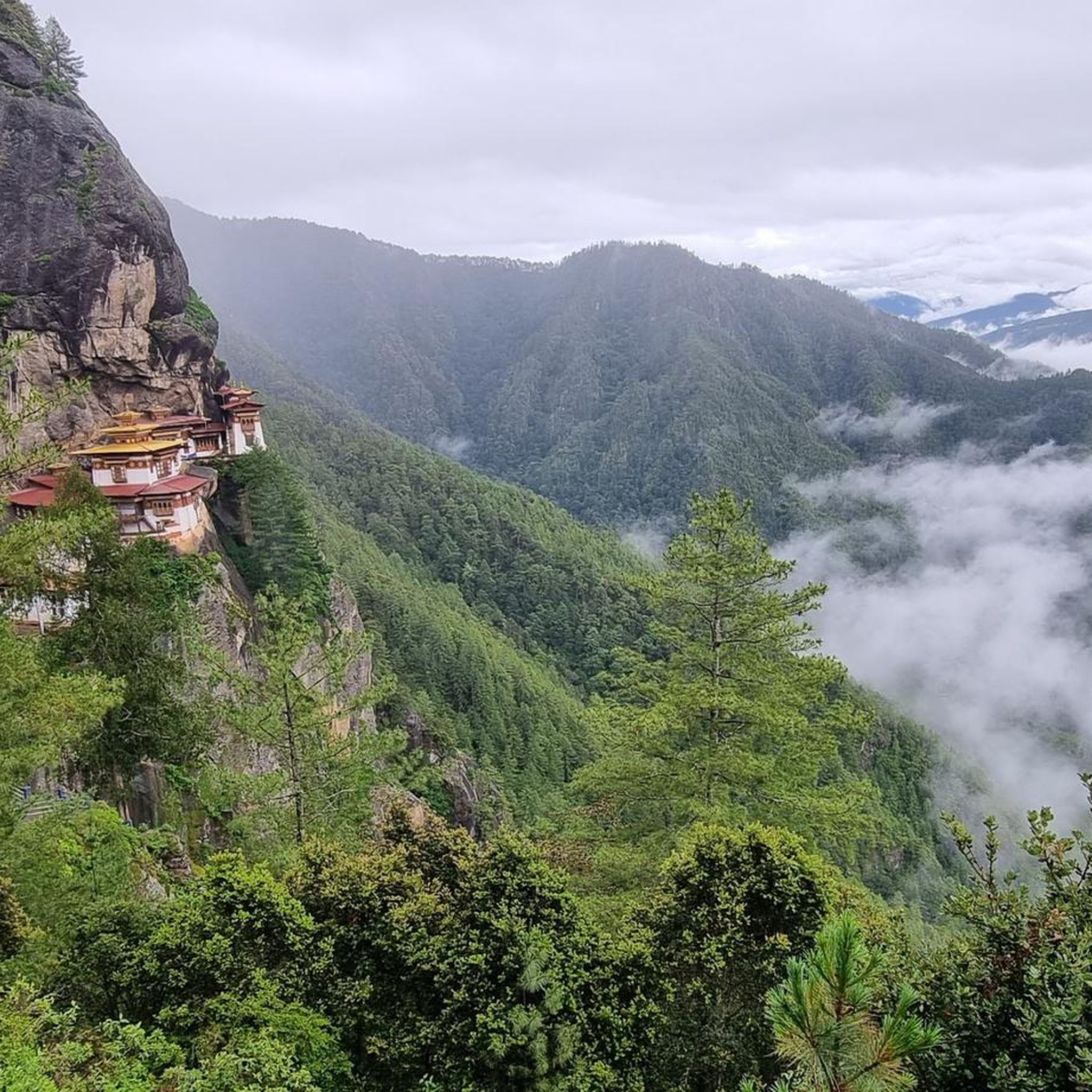
Castles in Bhutan, known as dzongs, are distinctive Buddhist fortress-monasteries that serve as both religious and administrative centers. These architectural structures are often situated on hilltops or at river confluences, featuring whitewashed walls and intricate woodwork. Bhutan's landscape is characterized by mountainous terrain and river valleys, providing strategic locations for these historical sites. Visiting these dzongs offers insight into Bhutan's history, culture, and spiritual heritage.
Best castles in Bhutan
- The most popular castles is Trashigang Dzong, a castle built…
Last updated: August 31, 2026
Soe Dzong Ruins
Highlight • Historical Site
bhutantodays.blogspot.com/2008/06/bhutan-stony-legend-of-soe-dzong.html
Translated by Google •
Tip by

Trashigang Dzong
Highlight • Castle
Translated by Google •
Tip by

Sign up now to discover places like this
Get recommendations on the best single tracks, peaks, & plenty of other exciting outdoor places.
Sign up for free
Mongar Dzong
Highlight • Castle
Translated by Google •
Tip by
Tashichho Dzong Viewpoint
Highlight • Viewpoint
Translated by Google •
Tip by
Trashigang Dzong Viewpoint
Highlight (Segment) • Viewpoint
Translated by Google •
Tip by
Start today with a free account
Your next adventure awaits.
Login or Signup
Popular around Bhutan
Tips from the Community

Thimphu Dzong, also known as Tashichho Dzong, is a fortress and Buddhist monastery that serves as the seat of the Bhutanese government and religious institutions. Located on the west bank of the Wang Chhu River in Thimphu, it houses the throne room, the king's offices, and the summer residence of the central monastic body. A striking landmark, renowned for its traditional Bhutanese architecture, it is a popular tourist destination.
1
0
Mongar Dzong is a fortress in Bhutan, built in 1930 to replace the old Shongar Dzong. It serves as the administrative and religious center of the district and is known for its traditional architecture, constructed without modern plans or nails. Key features include two entrances, a central tower (utse) with four chapels, and the fact that it hosts the annual Mongar Tshechu Festival in November.
1
0
Trashigang Dzong (Dzongkha: བཀྲ་ཤིས་སྒང་རྫོང, literally "Fortress of Auspicious Hill") is one of the largest dzong fortresses in Bhutan and is located in Trashigang, in the district of the same name. The fortress was built in 1659 to defend against Tibetan invasions. The dzong housed a monastic community and served as the central administrative center of the Trashigang district before being relocated due to ongoing restoration work. Source: https://en.wikipedia.org/wiki/Trashigang_Dzong
1
0
A dzong is a Buddhist fortress-monastery in Bhutan and Tibet that serves as both a religious center and an administrative and defensive stronghold. These massive fortresses were originally built for defense, but today they are primarily used as administrative centers for local districts and monasteries. Each dzong is architecturally unique and houses religious areas such as temples and monks' quarters, as well as administrative offices. Here you'll find a viewpoint overlooking the Trashigang Dzong.
1
0

In Jangothang lies the ruins of the fortress ‘Soe Dzong‘ or also called ‘Jangothang Dzong‘, about which legends are told. http://bhutantodays.blogspot.com/2008/06/bhutan-stony-legend-of-soe-dzong.html
1
0
Frequently Asked Questions
What are dzongs and what is their significance in Bhutan?
Dzongs are distinctive Buddhist fortress-monasteries that serve as both religious and administrative centers in Bhutan. They are renowned for their imposing whitewashed walls, intricate woodwork, and strategic locations, often perched on hilltops or at the confluence of rivers. Visiting them offers a unique glimpse into Bhutan's rich history, culture, and spiritual heritage.
Which dzongs are particularly known for their architectural beauty?
Many dzongs are celebrated for their architecture. Tashichho Dzong (Thimphu Dzong) is a grand edifice with beautiful surroundings and lush green lawns, showcasing excellent traditional Bhutanese architecture. Punakha Dzong is also celebrated for its breathtaking beauty and architectural splendor, especially with the lilac jacaranda flowers blooming around it in spring.
Are there any dzongs that played a crucial role in Bhutan's history?
Yes, several dzongs hold immense historical significance. Punakha Dzong served as Bhutan's capital until 1955 and was the site of the first king's coronation. Trongsa Dzong was the seat of power for the Wangchuck dynasty before they became rulers of Bhutan, controlling the east-west trade route. Trashigang Dzong was built in 1659 to defend against Tibetan invasions.
What is the best time of year to visit castles (dzongs) in Bhutan?
The best time to visit Bhutanese dzongs is generally during spring (March to May) and autumn (September to November). During these seasons, the weather is pleasant, with clear skies, making it ideal for sightseeing and enjoying the scenic beauty around the dzongs. Spring also brings the blooming of jacaranda flowers around Punakha Dzong, adding to its beauty.
Are there specific cultural events or festivals held at these dzongs?
Yes, many dzongs host vibrant annual festivals known as Tshechus. The annual Punakha Tshechu is a significant cultural event held at Punakha Dzong. The Thimphu Tshechu festival, featuring traditional dances and cultural performances, takes place at Tashichho Dzong. Mongar Dzong also hosts the annual Mongar Tshechu Festival in November, and Paro Rinpung Dzong is known for its colorful Paro Tshechu.
Are there hiking opportunities near Bhutanese dzongs?
Yes, Bhutan offers numerous hiking opportunities, many of which are near dzongs or offer views of them. For example, you can find various hiking routes in Bhutan, including easy to moderate trails. You can explore options like the hiking guide for Bhutan or the easy hikes guide for Bhutan for routes near these historical sites.
What are the entry requirements or permits needed to visit dzongs in Bhutan?
Visiting Bhutan requires a visa and typically involves booking through a licensed Bhutanese tour operator, which handles permits and entry fees as part of a daily tariff. This tariff usually covers accommodation, meals, transportation, and a guide. Specific entry requirements for individual dzongs are generally managed through this process.
Are there family-friendly dzongs or activities near them?
Many dzongs are accessible and offer a fascinating cultural experience for families. The open courtyards and impressive architecture can be engaging for children. While specific 'family-friendly' categories aren't always noted, the general experience of exploring these historical sites and attending festivals can be enriching for all ages. Consider visiting dzongs with accessible grounds like Tashichho Dzong in Thimphu.
Which dzongs offer the best panoramic views?
Many dzongs are strategically located to offer stunning views. Trongsa Dzong, for instance, towers majestically over the Mangde River, providing expansive vistas. Trashigang Dzong Viewpoint offers an excellent perspective of the fortress and its surroundings. Jakar Dzong, located high above the picturesque Chokhor Valley, also provides beautiful panoramic views.
What makes <a href="https://www.komoot.com/highlight/8115142" target="_blank" rel="noopener">Trashigang Dzong</a> unique?
Trashigang Dzong is one of the largest dzong fortresses in Bhutan. It was built in 1659 specifically to defend against Tibetan invasions and previously served as the central administrative center of the Trashigang district. Its historical role as a defensive stronghold makes it particularly significant.
What is special about <a href="https://www.komoot.com/highlight/8115197" target="_blank" rel="noopener">Mongar Dzong</a>?
Mongar Dzong is notable for being built in 1930 without modern plans or nails, showcasing traditional Bhutanese architectural methods. It replaced the old Shongar Dzong and continues to function as the administrative and religious center of its district, hosting the annual Mongar Tshechu Festival.
Are there any remote or lesser-known dzongs worth exploring?
Yes, for those seeking a more off-the-beaten-path experience, Gasa Dzong is a remote 17th-century dzong known for its cultural and religious importance, housing sacred relics and a body of Buddhist monks. Lhuntse Dzong, located in the scenic Kuri Chhu Valley, also offers beautiful views from its perch on a mountain ridge and is less frequented than the major dzongs.
Most popular routes in Bhutan
Most popular attractions in Bhutan

Get inspired with the komoot mobile app


Explore more
Looking for the best castles somewhere else? Discover other guides in Bhutan:
