The best MTB trails around Lenting
4.7
(1185)
3,666
riders
23
rides
Mountain biking around Lenting offers a diverse landscape characterized by rolling hills, agricultural fields, and sections of woodland. The region features a mix of established cycle paths and natural trails, some with moderate ascents and descents. The nearby Danube River provides scenic routes, while the Altmühltal Nature Park offers varied terrain including valleys and rock formations. This area provides options for different skill levels, from gentle paths to more challenging routes.
Best mountain bike trails around Lenting
- The most popular…
Last updated: August 15, 2026
3.5
(6)
20
riders
26.8km
01:57
280m
280m
Moderate mountain bike ride. Great for any fitness level. Advanced riding skills necessary.
4.9
(7)
28
riders
Easy mountain bike ride. Great for any fitness level. Suitable for all skill levels.

Sign up for free
5.0
(2)
12
riders
36.9km
02:48
470m
470m
Hard mountain bike ride. Good fitness required. Advanced riding skills necessary. Some portions of the route may require you to push your bike.
5.0
(4)
11
riders
31.2km
02:10
300m
300m
Moderate mountain bike ride. Good fitness required. Advanced riding skills necessary.
4.0
(1)
7
riders
22.2km
01:15
190m
190m
Easy mountain bike ride. Great for any fitness level. Suitable for all skill levels.
Get access to more routes and recommendations from other explorers.
Sign up for free
Already have an account?
Our route recommendations are based on thousands of hikes, rides, and runs completed by other people on komoot.
Start today with a free account
Your next adventure awaits.
Login or Signup

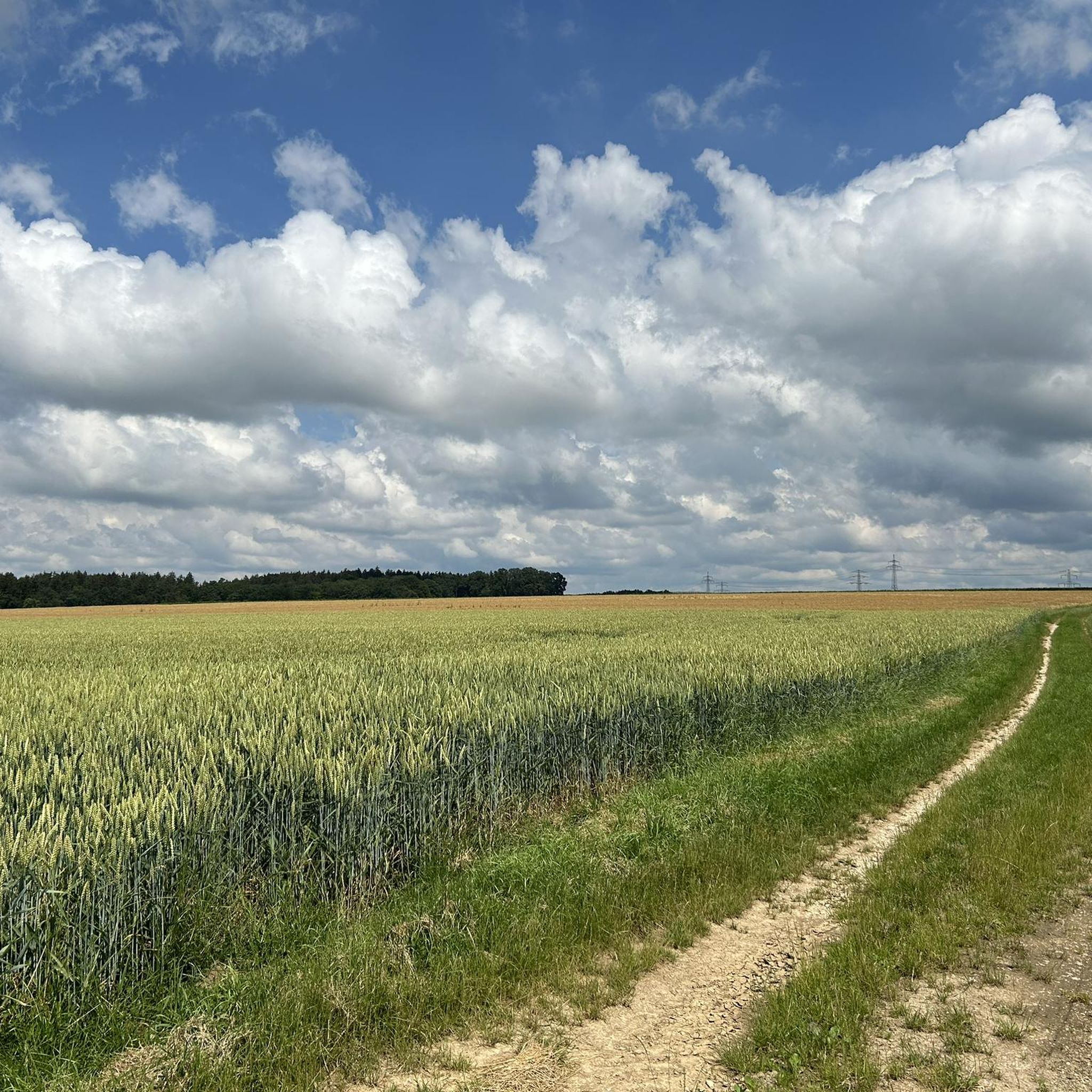
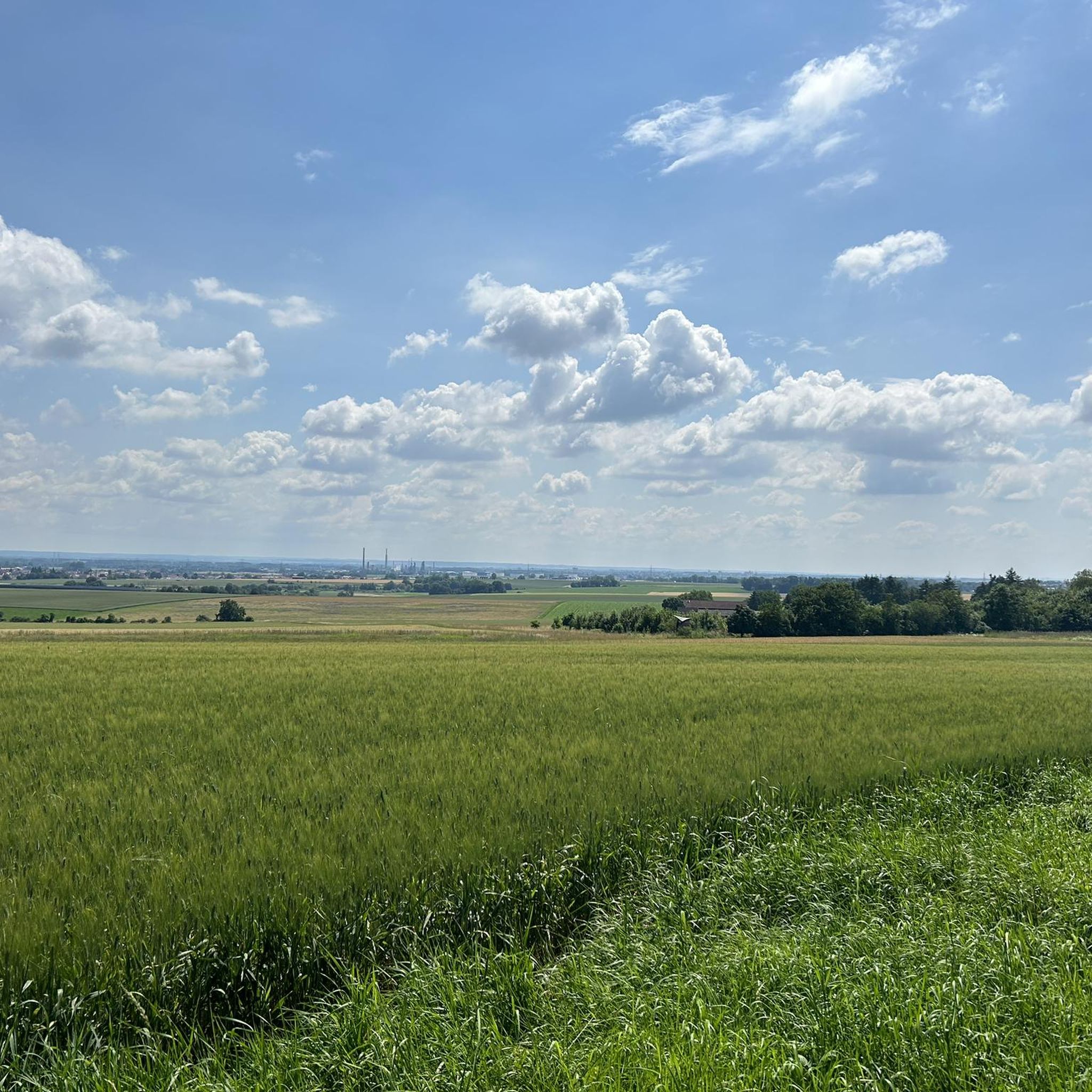
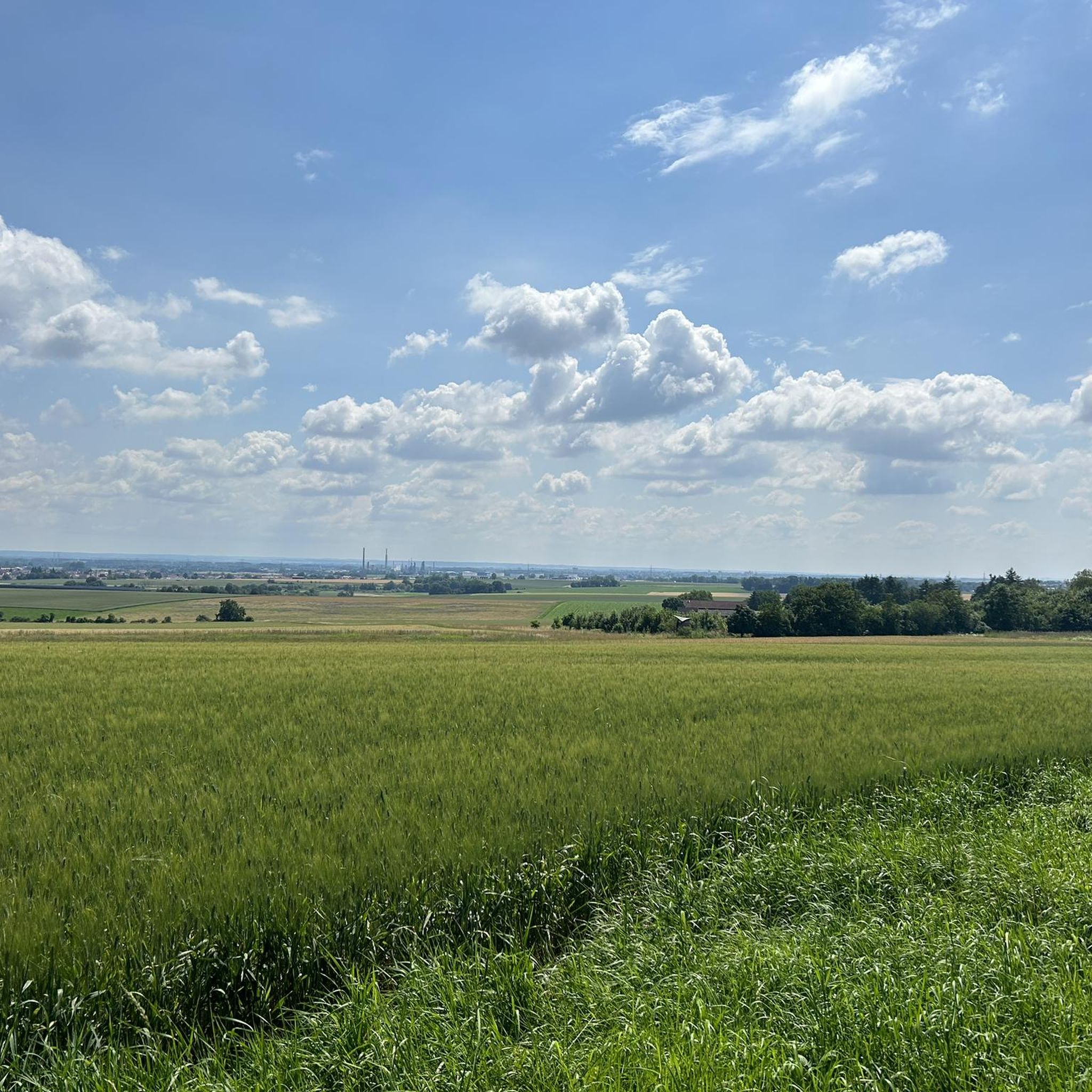
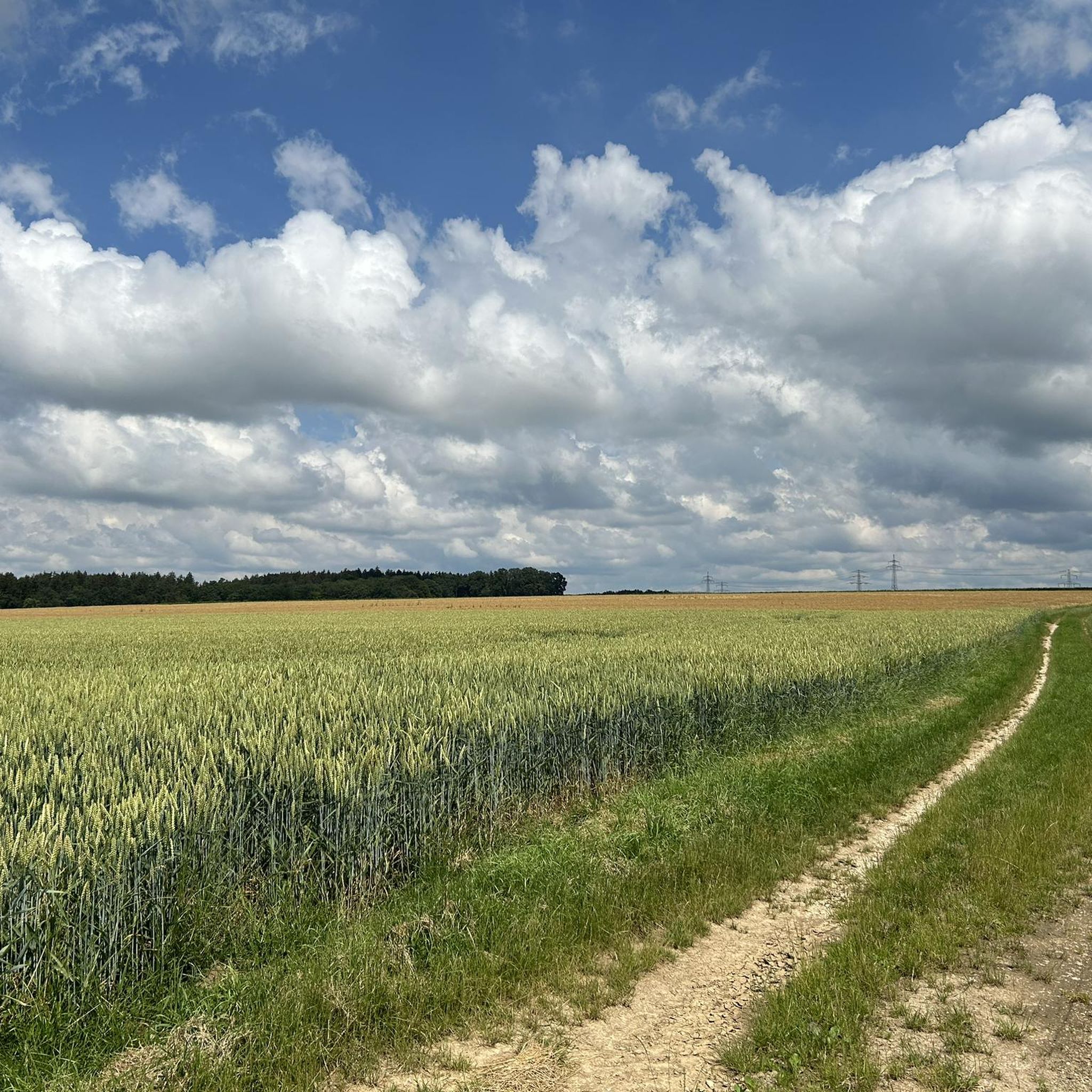
Tips from the Community

Beautiful, varied hiking trail. Unfortunately, it runs parallel to the road, so it's not very quiet. Only recommended for mountain bikers with reservations, as it is often very narrow with steps.
0
0

Still easily rideable on firm gravel;
0
0

This beautiful trail along the road no longer exists; excavators have cut a wide path through it!
0
0
Beautiful section of the Way of St. James near Bettbrunn with some small sights;
0
0
Good view of Bettbrunn from the edge of the forest;
0
0

The most beautiful rest stop on the Schambachtal Cycle Path between Ingolstadt and Riedenburg. A pleasant concept, the club station is run entirely by volunteers. And the prices are fantastic: €2.60 for a drink with table service is unmatched anywhere else. Always open on Sundays when the weather is nice. Ideal for a quick stop for coffee and cake. Food is only available in exceptional cases or by prior arrangement.
0
0

The historic train station is still present on the cycle path.
0
0
The chapel is very well maintained and worth a visit.
0
0
Frequently Asked Questions
How many mountain bike trails are available around Lenting?
There are over 560 mountain bike trails around Lenting, offering a wide variety of options for different skill levels and preferences. This includes routes ranging from easy to difficult.
What are the different difficulty levels for mountain biking in Lenting?
Lenting offers a good mix of trails for all abilities. You'll find over 150 easy routes, more than 350 moderate trails, and around 50 more challenging options for experienced riders. The terrain generally features rolling hills, open pastures, and woodland sections.
Are there any family-friendly mountain bike routes in Lenting?
Yes, Lenting has numerous easy and moderate trails suitable for families. These routes often feature less technical terrain and gentler ascents, making them enjoyable for riders of varying ages and skill levels. Look for routes categorized as 'easy' in the komoot app.
Are there any circular mountain bike routes in the Lenting area?
Many of the mountain bike routes around Lenting are designed as loops, allowing you to start and finish at the same point. For example, the Schambachtalbahn Cycle Path – Schambachtalbahn Cycle Path loop from Kösching is a longer circular option, while the Högnerhäusl Beer Garden loop from Geisbergtunnel offers a shorter, moderate loop.
What kind of elevation gain can I expect on mountain bike trails in Lenting?
The elevation gain varies significantly depending on the trail. While Lenting is characterized by rolling hills, some routes can include notable climbs. For instance, the Horse pasture near Kösching loop from Kösching involves over 400 meters of ascent, providing a good workout. Other routes, especially easier ones, will have more modest elevation changes.
What do other mountain bikers say about the trails in Lenting?
The mountain bike trails in Lenting are highly regarded by the komoot community, with an average rating of 4.7 stars from over 1,200 reviews. Riders often praise the varied terrain, the mix of established cycle paths and natural trails, and the scenic views across agricultural fields and woodlands.
Are there any advanced or technically challenging mountain bike trails in Lenting?
Yes, for experienced riders seeking a challenge, there are around 50 difficult mountain bike routes in the Lenting area. The Högnerhäusl Beer Garden – Lentinger Trail S1–S2 loop from Lenting is a popular choice, featuring sections with S1–S2 technical difficulty for a dynamic ride.
What are some scenic spots or viewpoints along the mountain bike trails in Lenting?
While riding around Lenting, you'll encounter scenic views of open pastures and rural landscapes. For specific viewpoints, consider exploring highlights like the View of the Danube and Schloss in Upper Bavaria or the View of the New Castle (Neues Schloss) in Ingolstadt, which can be incorporated into longer rides.
Are there any interesting landmarks or attractions to see while mountain biking near Lenting?
Yes, the region around Lenting offers several interesting landmarks. You can find historical sites like the New Palace, Ingolstadt or the Bavarian Army Museum & New Palace. For those interested in more biking, there are also dedicated spots like the Singletrack in Naturpark Altmühltal or the Flow Trail at the Wettstetten sports field.
Are there mountain bike trails that pass by places to eat or drink in Lenting?
Many routes in the Lenting area pass through or near villages and towns where you can find cafes and pubs. The Högnerhäusl Beer Garden loop from Geisbergtunnel, for example, is named after a local establishment, suggesting opportunities for refreshments along or near the trail.
What is the best time of year for mountain biking in Lenting?
The best time for mountain biking in Lenting is generally from spring through autumn (April to October). During these months, the weather is typically mild, and the trails are dry and in good condition. Summer offers longer daylight hours, while spring and autumn provide pleasant temperatures and vibrant scenery.
Are there any specific trails that offer a less crowded experience?
While popular routes can see more traffic, Lenting's extensive network of over 560 trails means you can often find quieter options. Exploring some of the less-trafficked moderate or difficult routes, or venturing out during off-peak hours, can provide a more secluded riding experience. The 13% steep ascent southbound – Horse pasture near Kösching loop from Lenting might offer a more challenging and potentially less crowded ride.
Most popular attractions around Lenting

Get inspired with the komoot mobile app


Explore more
Browse the best MTB trails in other regions.
