Top 3 Natural Monuments around Le Caylar
Best natural monuments around Le Caylar are situated on the Larzac plateau in the Hérault department of France. This region is characterized by its limestone geology and landscapes sculpted by erosion, featuring unique rock formations and historical agricultural features. The area offers a diverse natural heritage, including deep cirques and ancient water collection systems. It provides insights into the symbiotic relationship between human activity and the natural environment.
Best natural monuments around Le Caylar
- The most popular natural monument is…
Last updated: October 22, 2026
Roc Castel
Highlight • Natural Monument
Translated by Google •
Tip by

watering pond
Highlight • Structure
Translated by Google •
Tip by

Sign up now to discover places like this
Get recommendations on the best single tracks, peaks, & plenty of other exciting outdoor places.
Vis Valley
Highlight (Segment) • Gorge
Translated by Google •
Tip by

Karst Landscape Near Homs (Causse du Larzac)
Highlight • Natural Monument
Translated by Google •
Tip by

View of Saint-Étienne-de-Gourgas from the Cliffs of Cirque du Bout du Monde
Highlight • Viewpoint
Showing Translation
Tip by

Start today with a free account
Your next adventure awaits.
Popular around Le Caylar


Tips from the Community

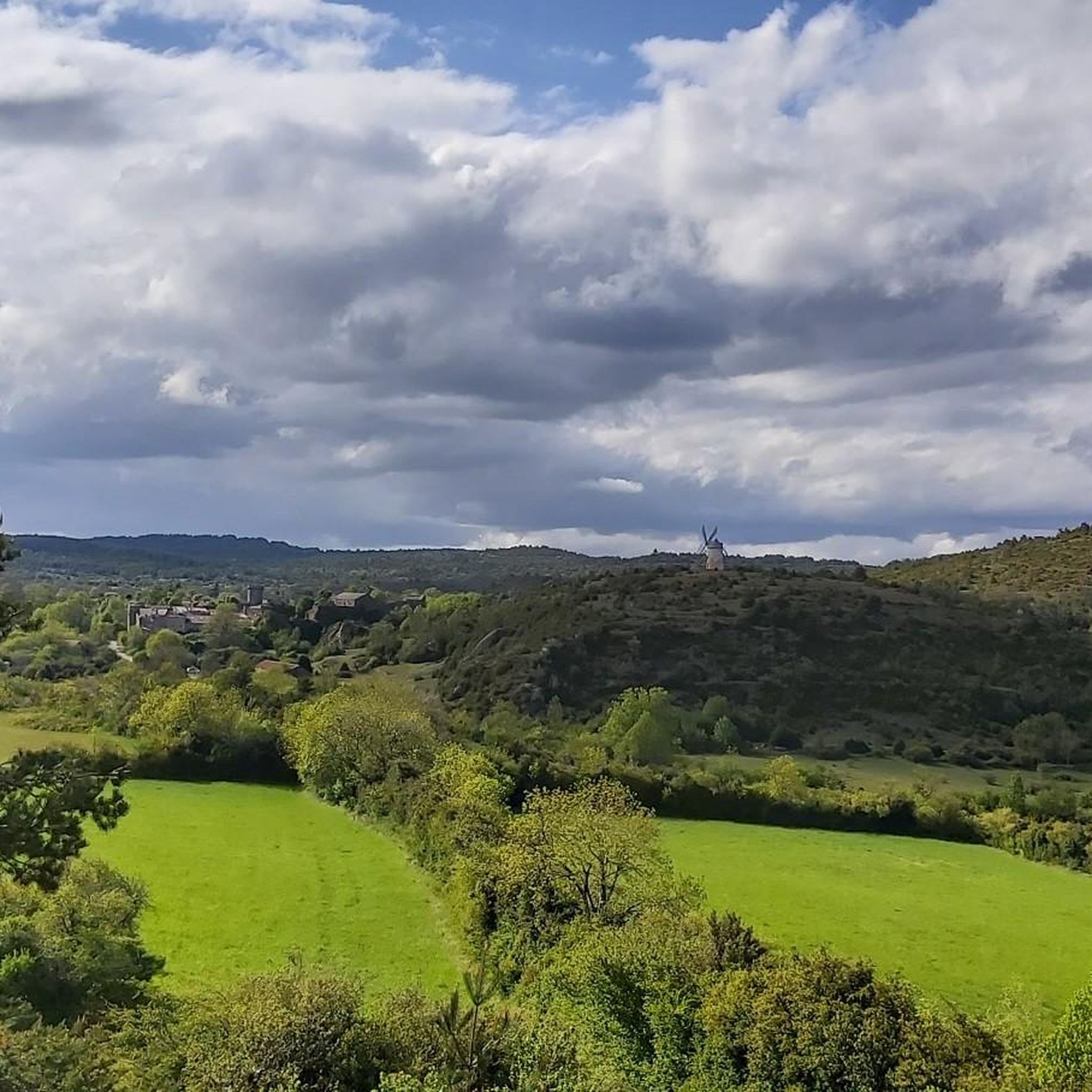
From this viewpoint on the cliff edge, Gourgas, Saint-Étienne-de-Gourgas and the Brèze valley unfold before your eyes. The cirque's cliffs form a vast curve around this valley, particularly well visible from this point. Beyond, the reliefs of the Lodévois close the horizon.
3
0

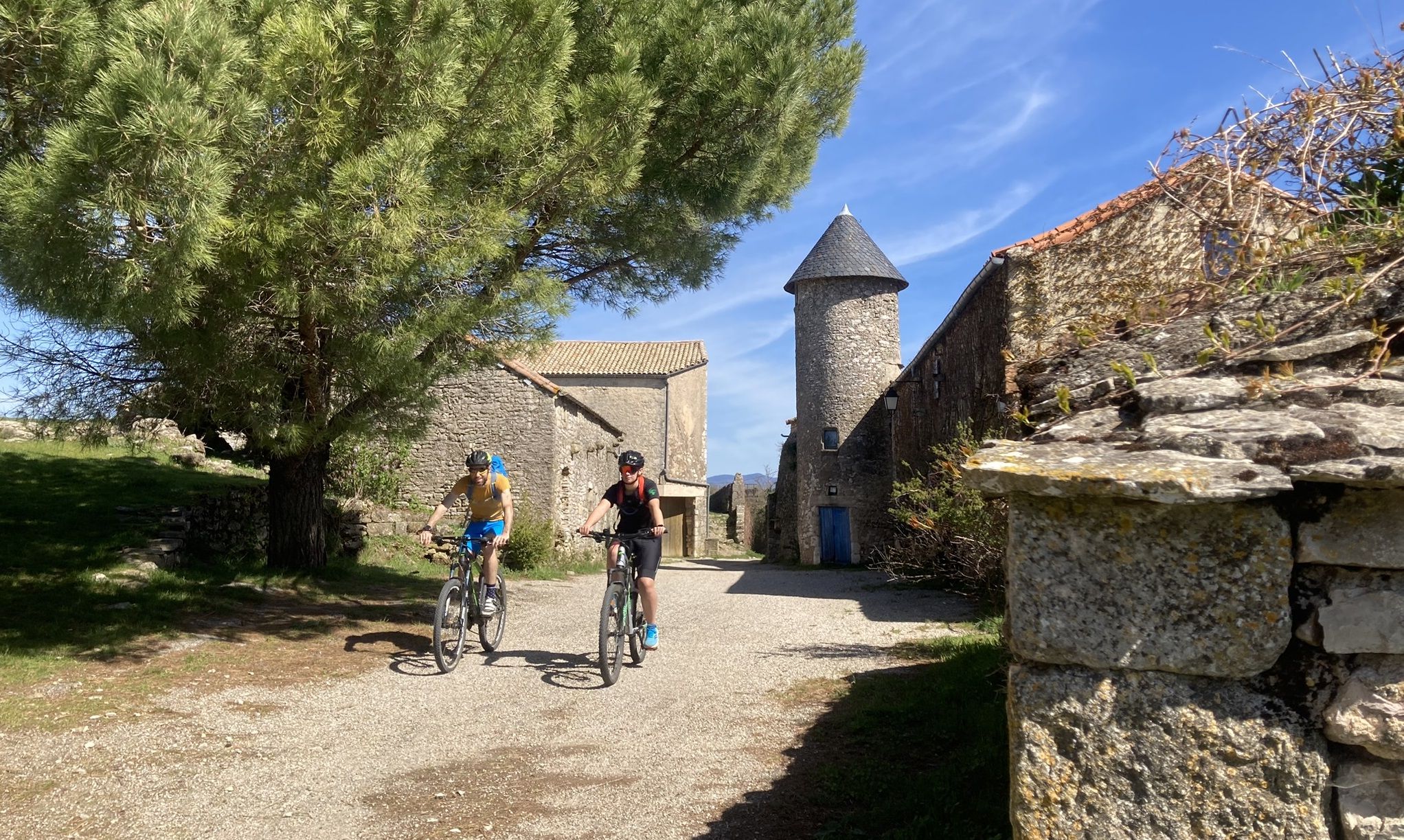
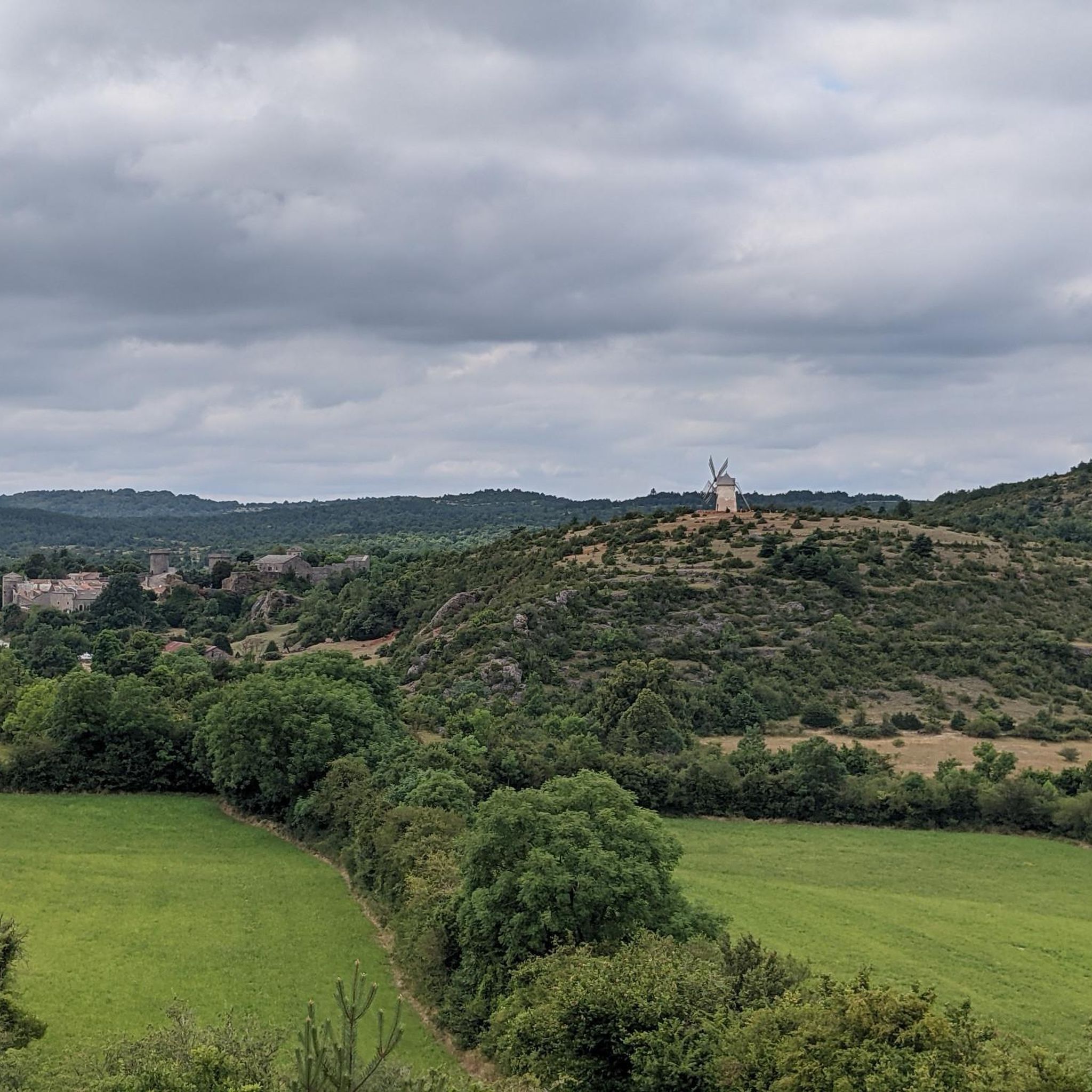
The Roc Castel dominates the Caylar from its 70m high and offers a magnificent panorama.
0
0

Roc Castel is a group of dwellings organized around a chapel. They were built on a 70 meter high rock which dominates the surrounding area at 360 degrees. The walls of the rock serve as walls and foundations for several of these constructions.
2
0


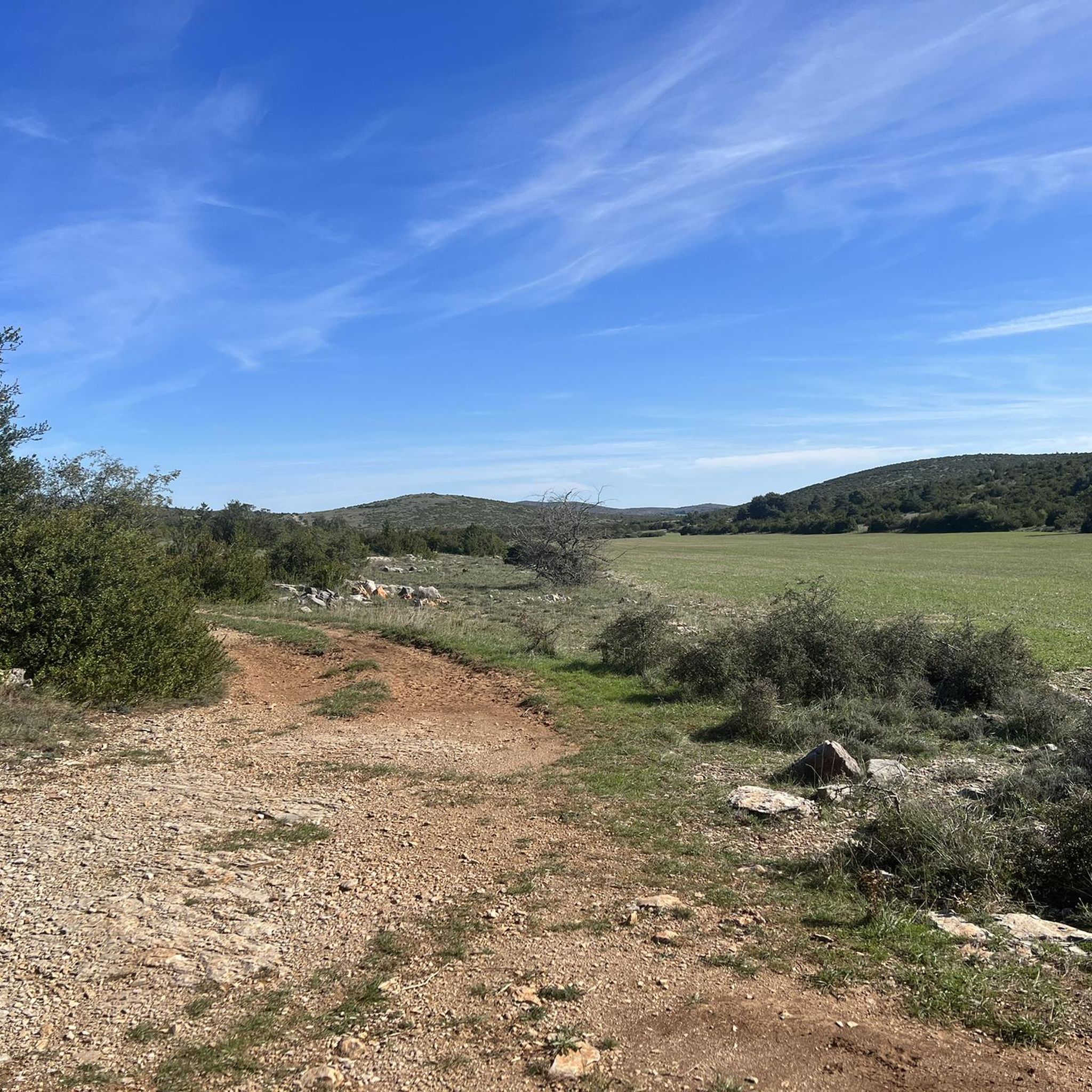
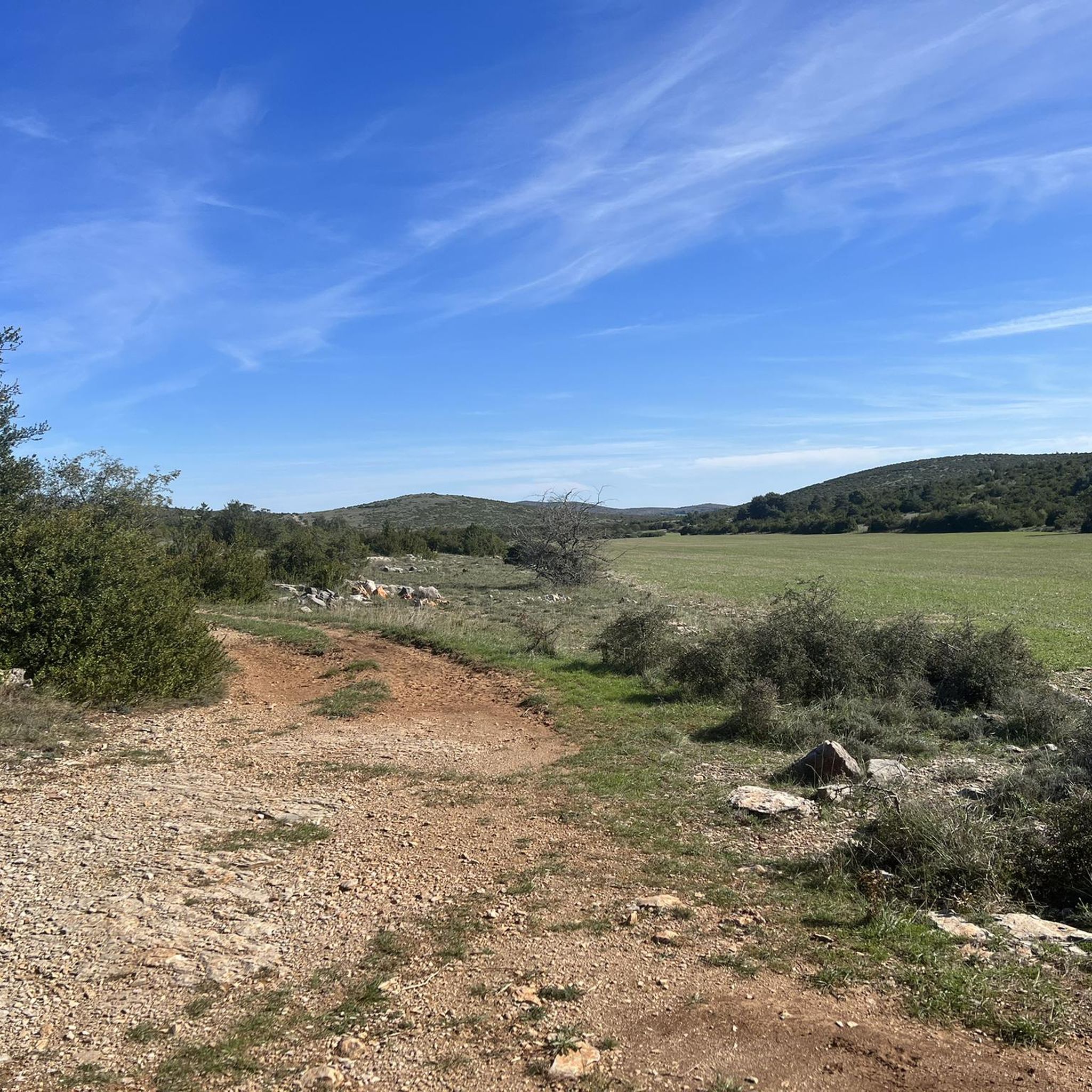
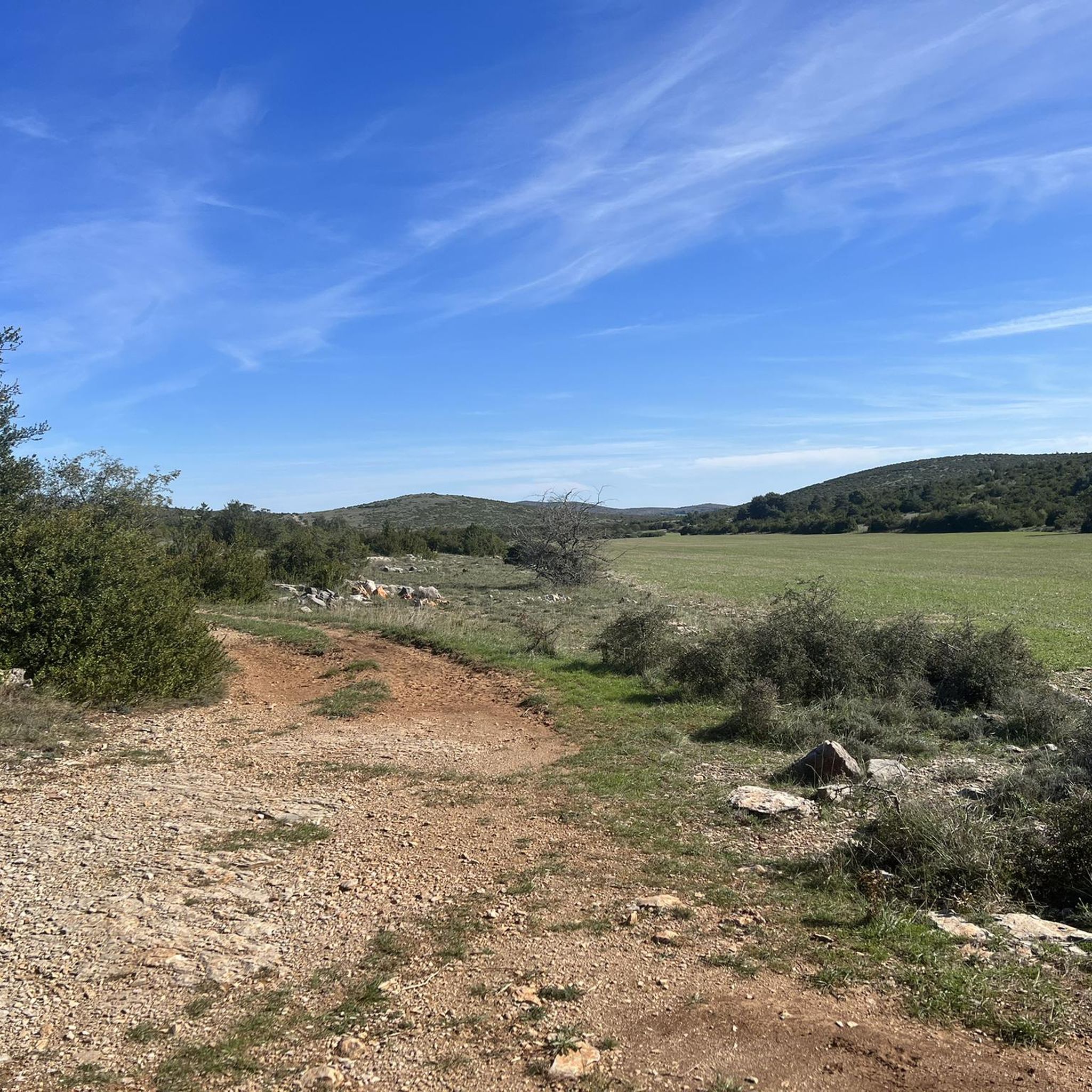
Beautiful hike, especially in spring (mid-May to mid-June) when the orchids and other flowers are in bloom. The small and idyllic village of Homs is the starting point for a round trip.
1
0

Ruins and a great view. sturdy shoes are recommended
2
0
Frequently Asked Questions
What are some must-see natural monuments around Le Caylar?
The region around Le Caylar offers several remarkable natural monuments. Don't miss Roc Castel, a historical rock formation with panoramic views, and the unique Lavognes, ancient water collection basins. Further afield, the dramatic Cirque du Bout du Monde and the impressive Cirque de Navacelles are also highly recommended for their breathtaking landscapes.
What kind of geological features can I expect to see in the natural monuments near Le Caylar?
The natural monuments around Le Caylar are primarily characterized by the limestone geology of the Larzac plateau. You'll encounter dramatic cirques like the Cirque du Bout du Monde and Cirque de Navacelles, deep gorges such as the Vis Valley, and fascinating karst landscapes with unique rock formations like the Chaos de Montpellier-le-Vieux. Caves, sinkholes, and underground rivers are also common features, showcasing millions of years of erosion.
Are there natural monuments with historical significance in the area?
Yes, several natural monuments around Le Caylar are steeped in history. Roc Castel, for instance, once hosted dwellings and a Romanesque chapel, with traces of ancient fortifications still visible. The Lavognes are also historical, representing centuries of ingenious agro-pastoral practices that are part of the region's UNESCO World Heritage status.
Are there family-friendly natural monuments to visit near Le Caylar?
Absolutely. The Lavognes offer an easy and educational experience for families, showcasing the region's unique agricultural history. The walk up to Roc Castel from Le Caylar village is also accessible and provides rewarding views suitable for most ages.
What outdoor activities can I do near these natural monuments?
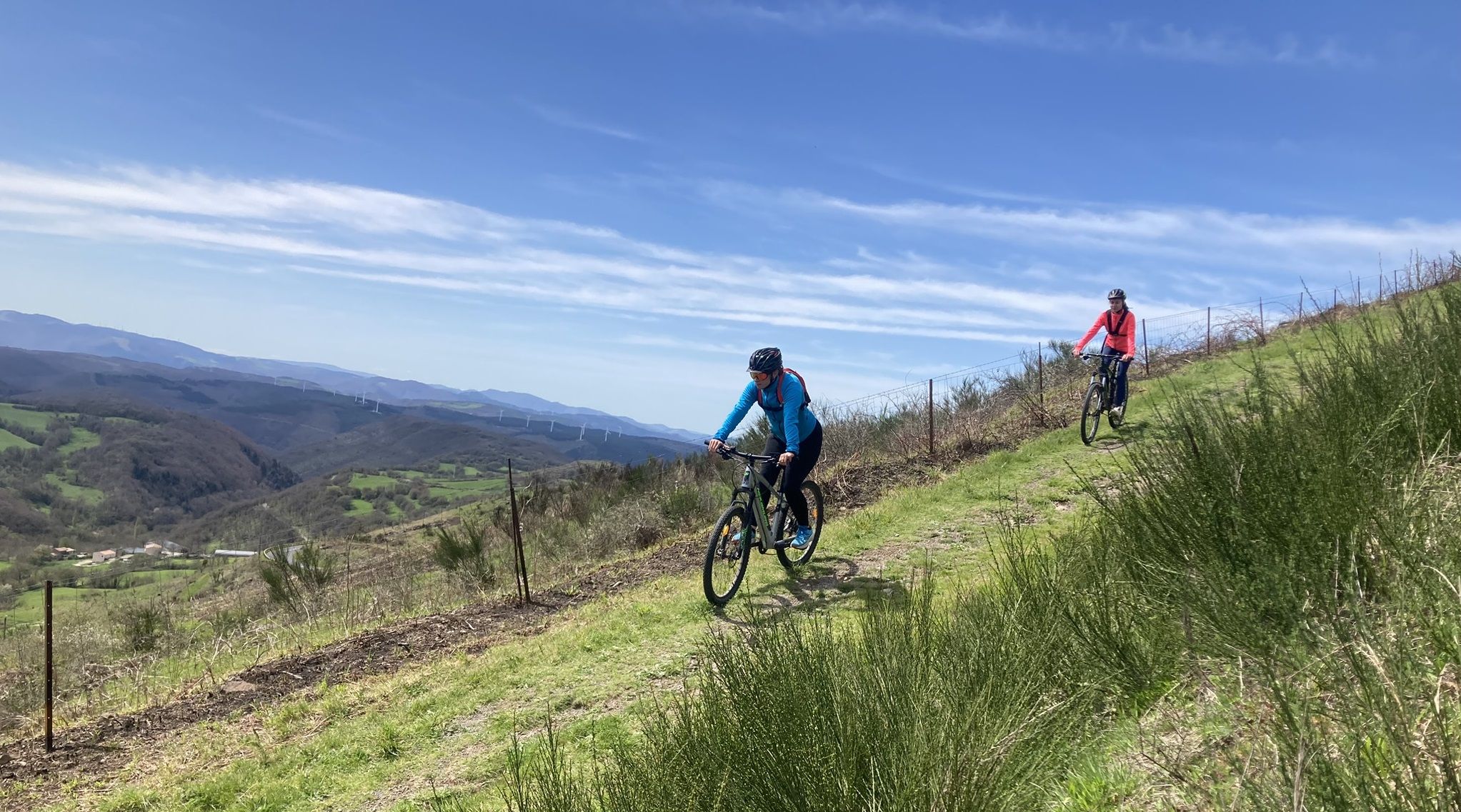
The Larzac plateau, home to these natural monuments, is ideal for various outdoor activities. You can enjoy extensive hiking and mountain biking trails. For specific routes, explore the MTB Trails around Le Caylar or discover Road Cycling Routes around Le Caylar. Many trails offer stunning views of the cirques and other geological formations.
What is the best time to visit the natural monuments around Le Caylar?
The spring (mid-May to mid-June) is particularly beautiful when the orchids and other wildflowers are in bloom, especially around areas like the Karst Landscape Near Homs. Autumn also offers pleasant weather and vibrant colors. Summers can be warm, but early mornings or late afternoons are ideal for exploration. Always check local weather conditions before your visit.
Are there any accessible walks or beginner hiking trails among the natural monuments?
Yes, for an accessible experience, the walk from Le Caylar village to the summit of Roc Castel is relatively easy and offers superb panoramic views. Exploring the Lavognes also typically involves gentle terrain, making them suitable for beginners or those seeking a relaxed stroll.
Can I find cafes or refreshments near the natural monuments?
While some natural monuments are in remote areas, you can often find cafes and restaurants in nearby villages. Le Caylar itself offers amenities, and other villages like Saint-Étienne-de-Gourgas (visible from the Cirque du Bout du Monde viewpoint) or those near the Cirque de Navacelles will have options. It's always a good idea to pack water and snacks, especially for longer explorations.
What makes the Cirque de Navacelles a significant natural monument?
The Cirque de Navacelles, though about 30 km from Le Caylar, is a UNESCO World Heritage Site and one of Europe's largest and most impressive canyons. Carved by the Vis river, it plunges 300 meters deep, showcasing an exceptional example of fluvial erosion and offering breathtaking natural beauty and geological significance.
What unique historical insights do the Lavognes offer?
The Lavognes are natural depressions that have been sealed by humans over centuries to collect rainwater for livestock. They are a distinctive feature of the agro-pastoralism that shaped the Causses and Cévennes, providing a unique insight into the symbiotic relationship between humans and the natural environment of the Larzac plateau and its historical agricultural practices.
Are there opportunities for exploring underground natural monuments?
Yes, the Cirque et Grotte de Labeil, located about 10 km from Le Caylar, offers a fascinating opportunity to explore subterranean wonders. This site includes a cave with an underground river and illuminated waters, revealing the unique geological history of the area through its maze-like passages.
Most popular routes around Le Caylar
Most popular attractions around Le Caylar

Get inspired with the komoot mobile app


Explore more
Extend your search for the best caves by checking out these guides of the top ones around Le Caylar:
