Top 3 Castles around Pula
Best castles around Pula showcase the region's rich history through diverse fortifications. Pula, Croatia, features a strategic location on the Adriatic, leading to the construction of ancient Roman, Venetian, and Austro-Hungarian defensive structures. These sites offer insights into military engineering and provide panoramic views of the city, harbor, and surrounding landscapes. The area's geography, with its central hills and coastal positions, made it a significant point for various empires.
Best castles around Pula
- The most popular castles is Venetian Fortress…
Last updated: November 21, 2026
Venetian Fortress (Kaštel), Pula
Highlight • Castle
Translated by Google •
Tip by

Fort Punta Christo
Highlight • Historical Site
see: fortpuntachristo.net/en/about-fort
Translated by Google •
Tip by

Sign up now to discover places like this
Get recommendations on the best single tracks, peaks, & plenty of other exciting outdoor places.
Fort Munide
Highlight • Historical Site
Tip by

Start today with a free account
Your next adventure awaits.
Popular around Pula
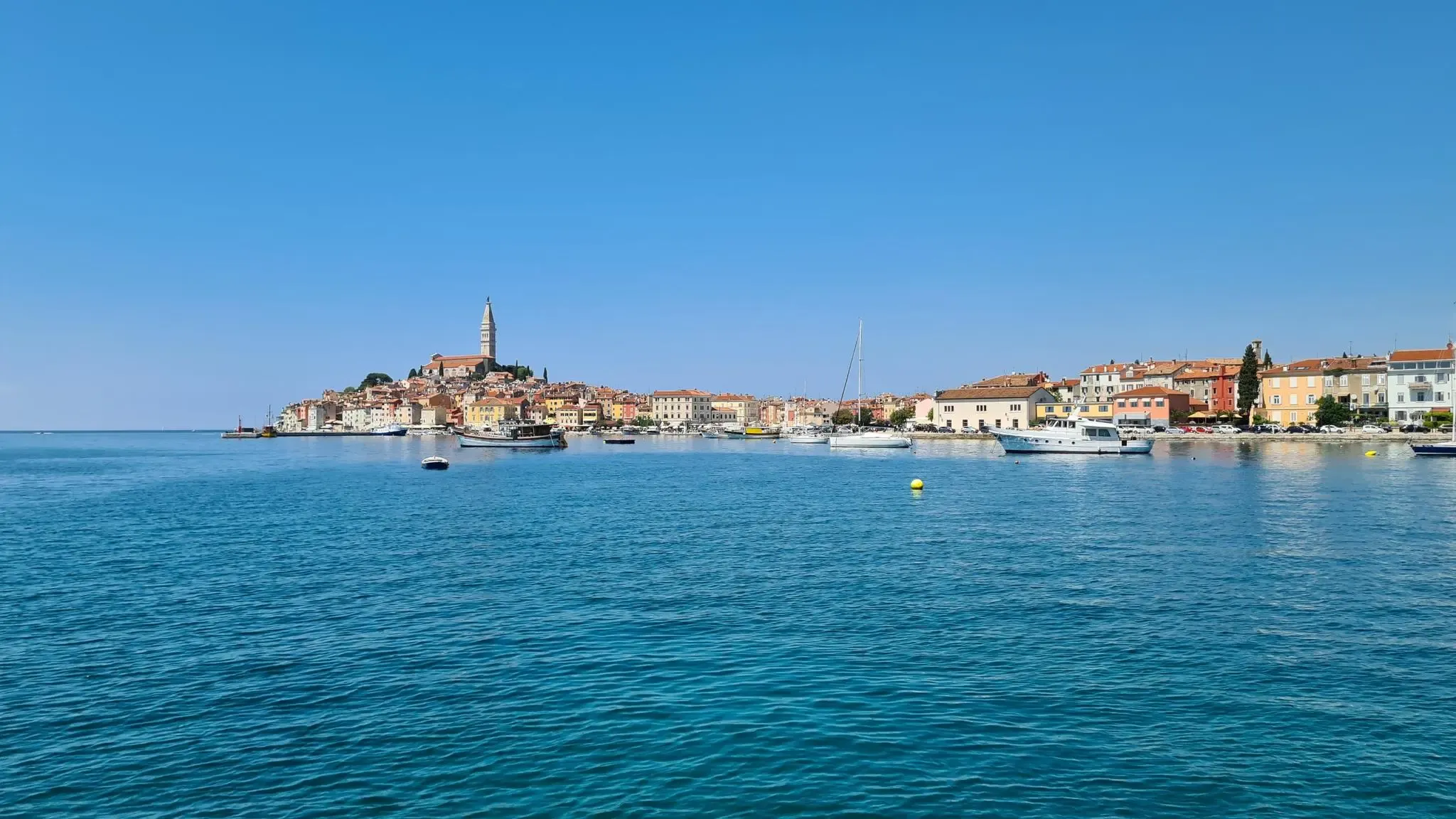
From Istria to Dubrovnik – Experience Croatia's Adriatic Coast from the Saddle
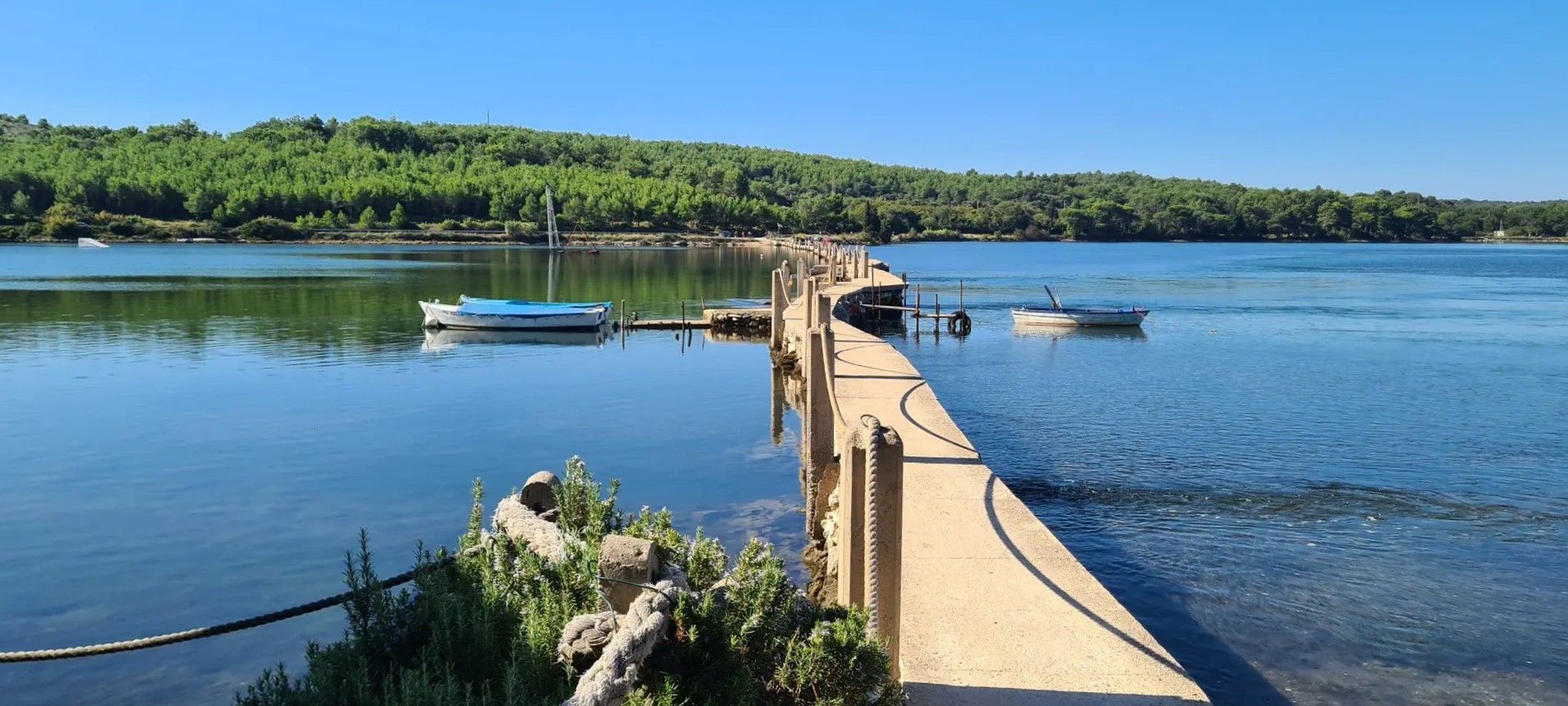
Gravel Roads to the Sea: Gravel Biking in Croatia
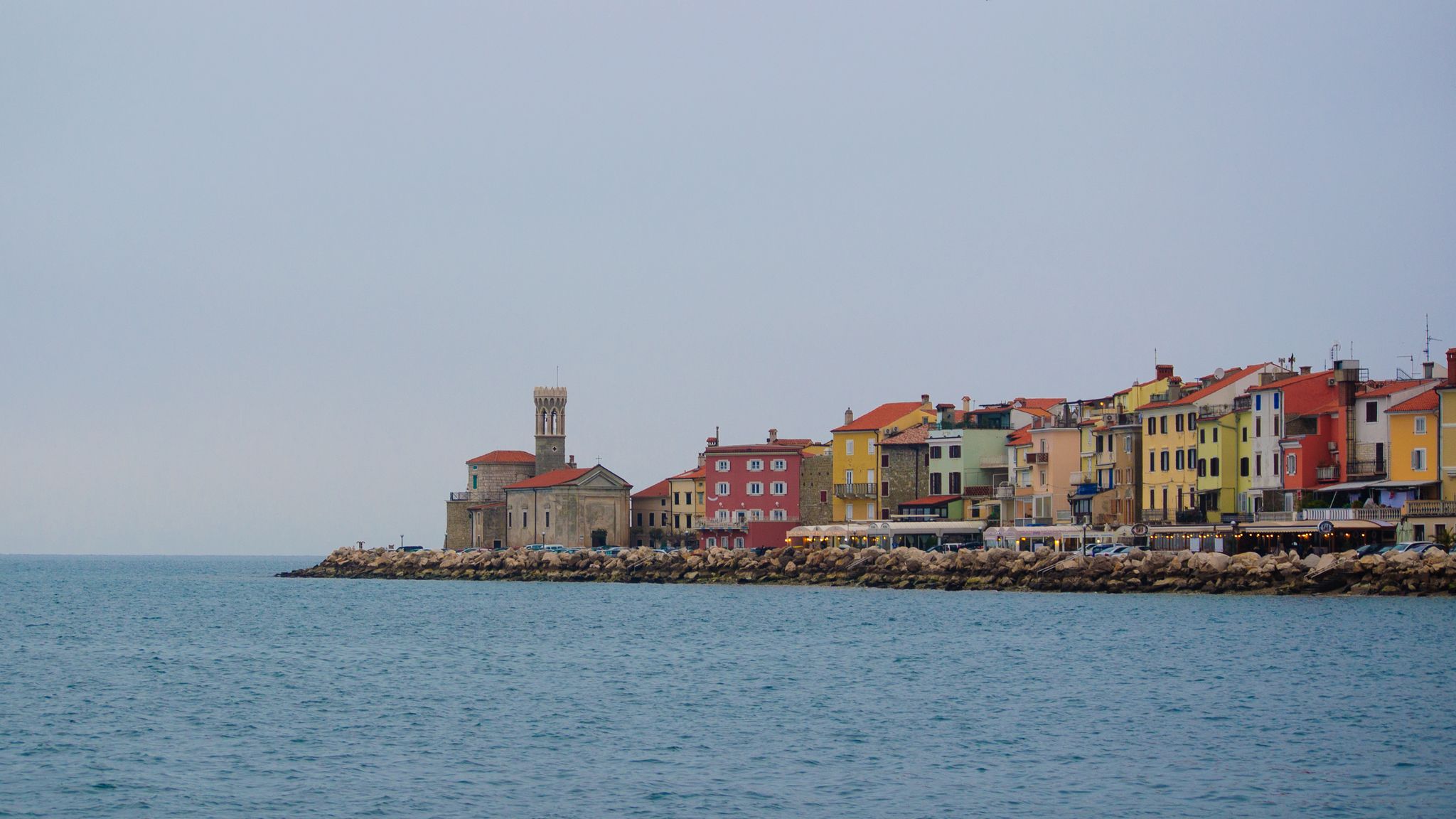
Trieste to Rijeka – along the coast of Istria from Italy to Croatia
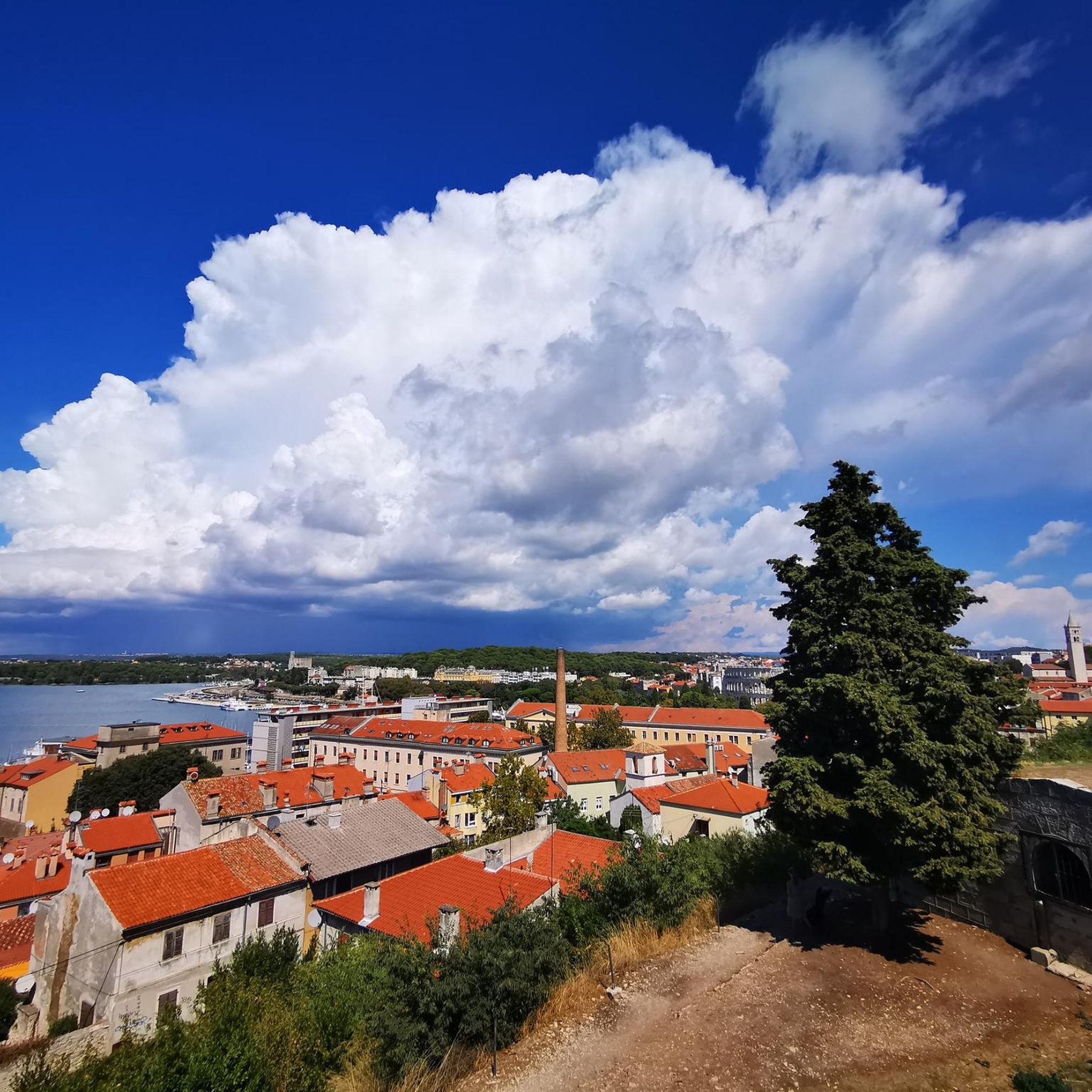
Hiking around Pula
Road Cycling Routes around Pula
Cycling around Pula
Running Trails around Pula
Gravel biking around Pula
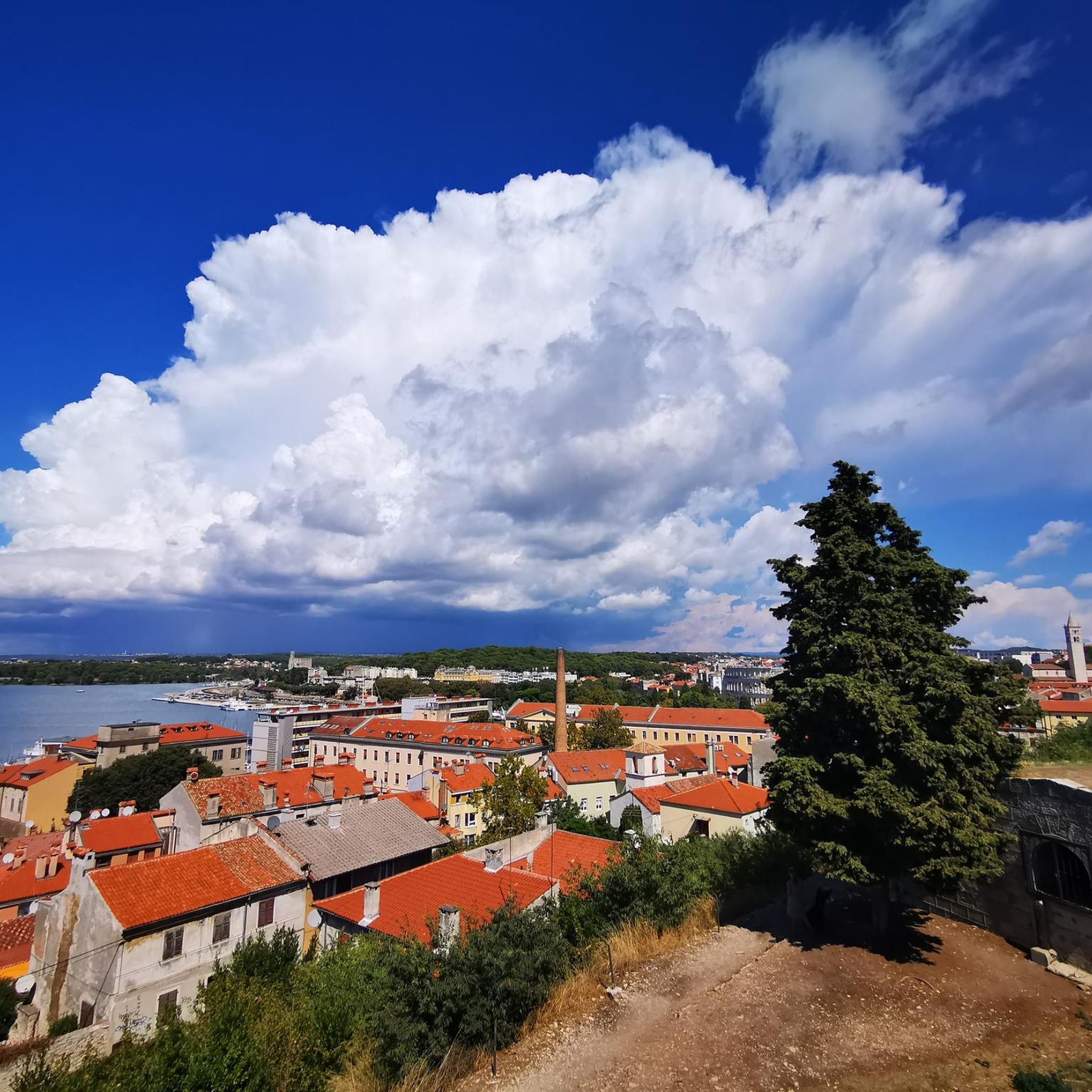
MTB Trails around Pula
Other adventures around Pula


Tips from the Community

Porta Forte Punta Christo
0
0

Impressive complex from the time of the k&k monarchy - unfortunately no opening hours can be found - just drive there.
1
0

The fort is open only on weekends from 1-8 p.m
1
0

We didn't go in, not expensive though, nice view over the city and possibly even better inside and on top.
6
0

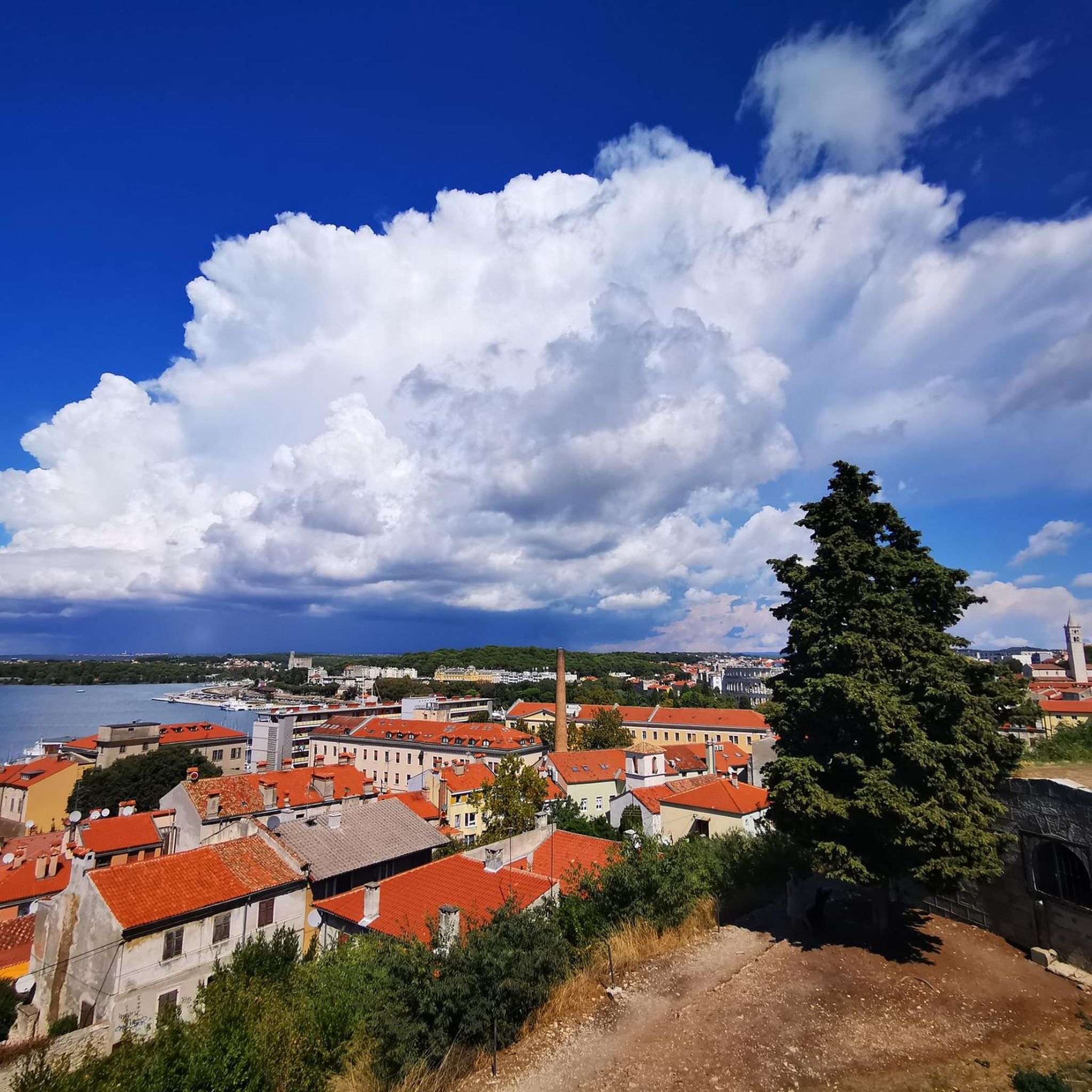
+++Thanks to the fact that Pula's fortifications never really had to serve as city defense, Pula can now shine before its visitors with well-preserved buildings. For example, with the Pula Castle, which sits majestically on one of the highest hills in the city in the middle of the old town. +++That's why you have a fantastic view of the harbor and the sea over the city +++The complex was built in the early 17th century and was built by the Venetians to protect the harbor. Today it houses the Museum of the History of Istria and offers visitors an impressive panoramic view of the old town (source: https://www.lust-auf-kroatien.de/istrien/festungsanlagen-von-pula/)
6
0
From the upper district road there is a climb to the hill where in 1630 a quadrangular fortress accented with angular bastions was built. It was built according to the plans of the French military architect Antoine De Ville by order of the Venetian government for the protection of the city and the port, due to the importance of Pula in maritime traffic on the northern Adriatic. At the top of the hill there used to be a fortress, probably with continuity from pre-Roman times. The gradina (fortress) inhabited by Histra had primarily a defensive function, and in Roman times it was supposed to be a small military station. Today the Historical Museum of Istria is in Kaštel (source: https://www.pulainfo.hr/en/where/fortung-kastel)
7
0

During the day a visit for young and old in the evening and at night a disco under the starry sky
1
0

In 5/2022 there will be further renovations. Seems to be some kind of open-air disco with a number of taps. We liked it very much.
4
0
Frequently Asked Questions
What fortifications offer the best panoramic views of Pula?
For breathtaking panoramic views, visit the Venetian Fortress (Kaštel), Pula, which sits on a central hilltop. Its elevated position provides expansive views of the city, harbor, and surrounding area. Monte Grosso Fortress also offers stunning vistas of the city, harbor defenses, and the Brijuni Islands, extending to Rovinj and the Kvarner islands on clear days.
Are there family-friendly fortifications to visit in Pula?
Yes, Fort Punta Christo is noted as family-friendly and often hosts cultural events. Fort Verudela is also a great option, as it houses the Pula Aquarium, offering an engaging experience for all ages within a historic setting.
What outdoor activities and routes can I find near Pula's fortifications?
Many fortifications are accessible via walking or cycling routes. For example, you can explore the exterior grounds of Fort Bourguignon. The Pula area offers numerous cycling opportunities, including traffic-free bike rides, gravel biking, and road cycling routes. You can find detailed routes like the 'Entrance to Harbor Ruins – Military Watchtower loop from Pula Amphitheatre' or 'Coastal Path Near Ližnjan – View of Levan Island loop from Medulin' in guides such as Traffic-free bike rides around Pula and Gravel biking around Pula.
When is the best time of year to visit Pula's fortifications?
The summer months are popular, especially for cultural events and concerts held at sites like the Venetian Fortress (Kaštel), Pula and the Pula Arena. However, for exploring the exterior grounds and enjoying outdoor activities without intense heat, spring and autumn offer pleasant weather. Visiting in these shoulder seasons can also mean fewer crowds.
How much time should I allocate to visit Pula's fortifications?
Visiting a single major site like the Venetian Fortress (Kaštel), Pula or the Pula Arena can take 1-2 hours, especially if you explore the museums or attend an event. For a more comprehensive experience, including exploring multiple forts and nearby routes, plan for a full day or even several days to appreciate the region's rich history and natural beauty.
How can I reach Pula's fortifications using public transport or by car?
Many of Pula's fortifications, such as the Venetian Fortress (Kaštel), Pula and the Pula Arena, are centrally located and easily accessible on foot within the city. For those further afield, like Fort Bourguignon or Fort Verudela, local buses are an option, or you can drive. Parking availability varies by location; some sites may have dedicated parking, while others require street parking or nearby public lots. Always check local signage for parking regulations.
What historical periods do Pula's fortifications represent?
Pula's fortifications span a wide range of historical periods. The Pula Arena is an iconic Roman amphitheater from the 1st century AD. The Venetian Fortress (Kaštel), Pula was built by the Venetians in the 17th century. Many other significant forts, including Fort Bourguignon, Fort Verudela, Monte Grosso Fortress, Fort Punta Christo, and Fort Munide, are examples of Austro-Hungarian military engineering from the 19th century, built to protect Pula's strategic harbor.
Are there any hidden gems among Pula's fortifications?
While not entirely 'hidden,' Fort Bourguignon is described by visitors as an abandoned fort hidden in the forest near the coast, requiring some effort to find but well worth a look for its well-preserved 19th-century architecture. Fort Munide, a circular fort from the mid-19th century, also offers a glimpse into the extensive Austro-Hungarian defensive system.
What amenities are available near Pula's fortifications?
The more central fortifications like the Venetian Fortress (Kaštel), Pula and the Pula Arena are close to numerous cafes, restaurants, and shops in Pula city center. Fort Verudela is located within a hotel complex, making it easily accessible to amenities. For other forts, especially those further from the city, amenities might be less frequent, so it's advisable to bring water and snacks.
Can I visit the interior of all fortifications?
Access varies by fortification. The Venetian Fortress (Kaštel), Pula houses the Historical and Maritime Museum of Istria, allowing interior exploration. Fort Verudela hosts the Pula Aquarium within its walls. However, for some forts like Fort Bourguignon, the interior sections are generally closed to the public, though visitors can often explore the exterior grounds and admire the architecture.
What makes Pula's fortifications unique compared to traditional castles?
Pula's fortifications are primarily defensive structures, ranging from ancient Roman architecture like the Pula Arena to extensive Austro-Hungarian coastal forts. While the Venetian Fortress (Kaštel), Pula is a traditional castle, many others are military forts designed for strategic defense of the harbor, featuring unique engineering like circular designs, casemates, and moats, rather than the residential and feudal characteristics often associated with medieval castles.
Most popular routes around Pula
Most popular attractions around Pula

Get inspired with the komoot mobile app


Explore more
Looking for the best castles somewhere else? Discover other guides around Pula:
