Top 4 Natural Monuments around Monnières
Natural monuments around Monnières offer insights into the region's diverse landscapes and historical connections. The area, situated in the Loire-Atlantique department of France, features local natural sites that highlight its beauty. These include significant geological formations and areas shaped by historical human activity. The natural environment here provides opportunities for observation and exploration.
Best natural monuments around Monnières
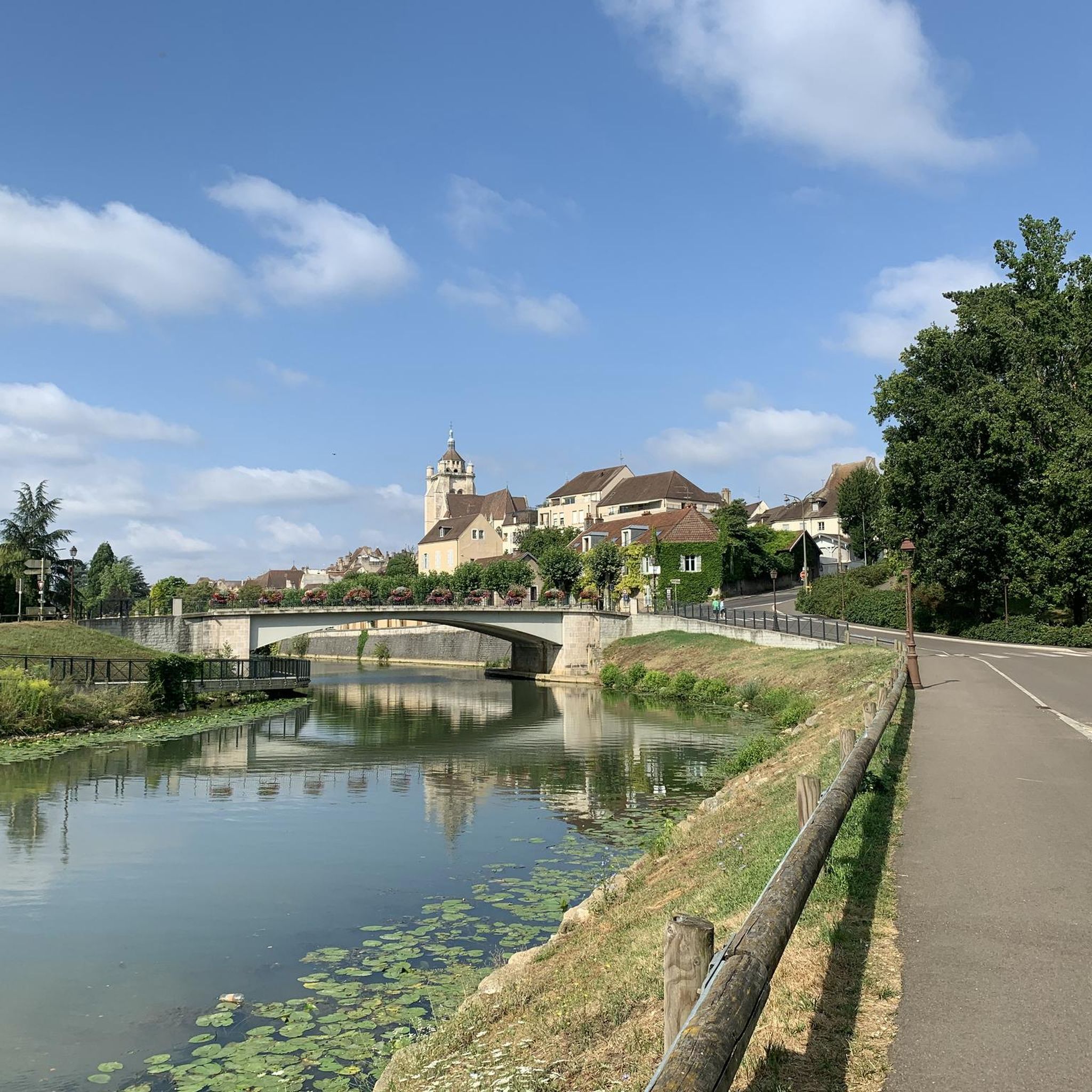
- The most popular natural monuments is Cliffs along the Doubs / Rhône–Rhine Canal, a canyon that features a cycle path bordered by cliffs. This passage offers several picnic spots and is considered a scenic route.
- Another must-see spot is Hermitage Cave, a cave and historical site located in the Serre massif. Visitors can explore prehistoric caves that have been shaped by both natural erosion and human intervention.
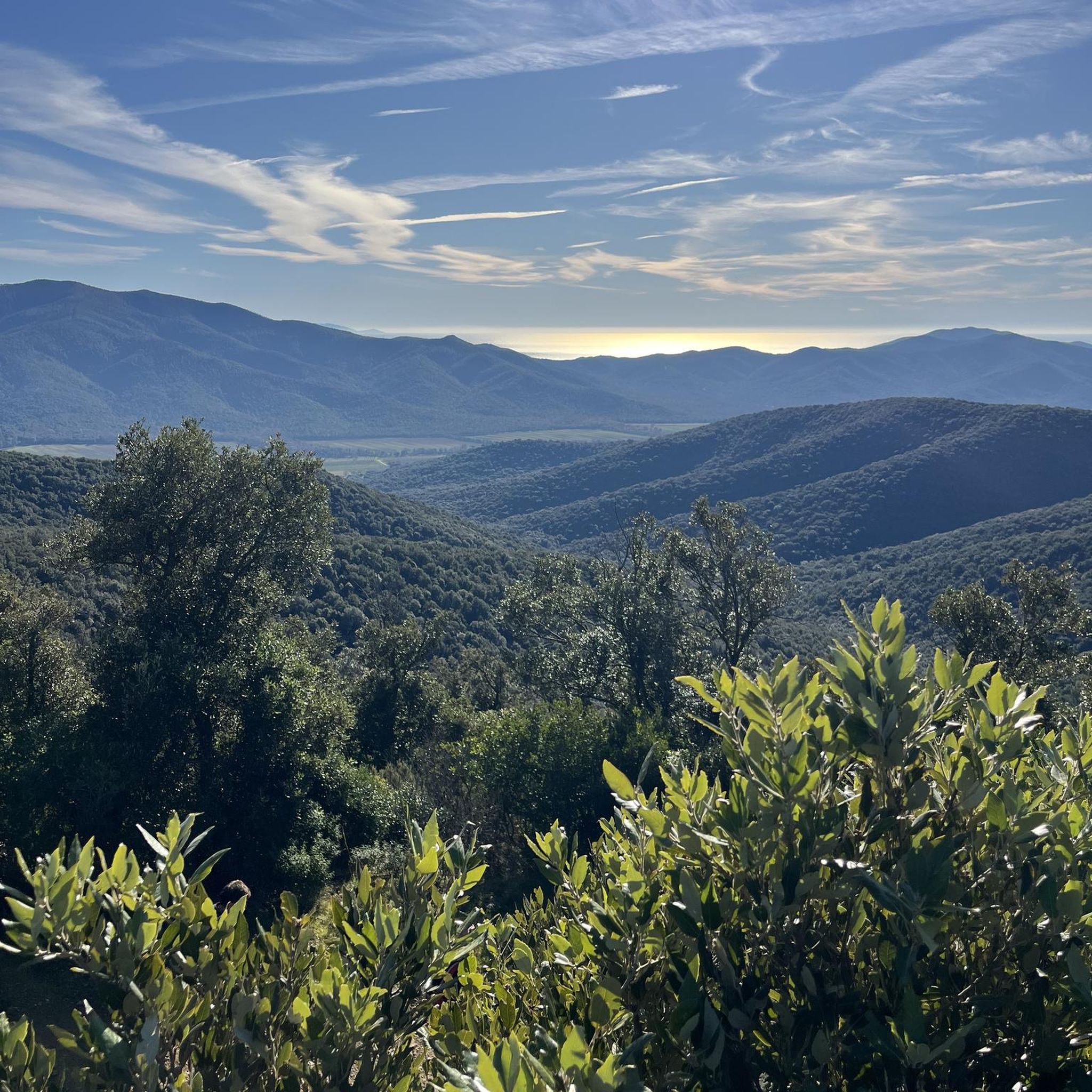
- Visitors also love Ascent of the Massif de la Serre, a climb offering viewpoints. This site provides a challenging ascent with rewarding views and access to the Grotte de l’Ermitage.
- Monnières is known for its canyons, caves, and viewpoints. The area offers a variety of natural monuments to see and explore, from geological formations to historical sites.
- The natural monuments around Monnières are appreciated by the komoot community, with more than 360 upvotes and over 80 photos shared.
Last updated: July 9, 2026
Cliffs along the Doubs / Rhône–Rhine Canal
Highlight (Segment) • Canyon
Translated by Google •
Tip by

Hermitage Cave
Highlight • Cave
Translated by Google •
Tip by

Sign up now to discover places like this
Get recommendations on the best single tracks, peaks, & plenty of other exciting outdoor places.
Sign up for free
Source of the Foulatière
Highlight • Natural
Translated by Google •
Tip by

Ascent of the Massif de la Serre
Highlight (Segment) • Cave
Tip by

The Baths of Dole
Highlight • River
Translated by Google •
Tip by

Start today with a free account
Your next adventure awaits.
Login or Signup

Tips from the Community


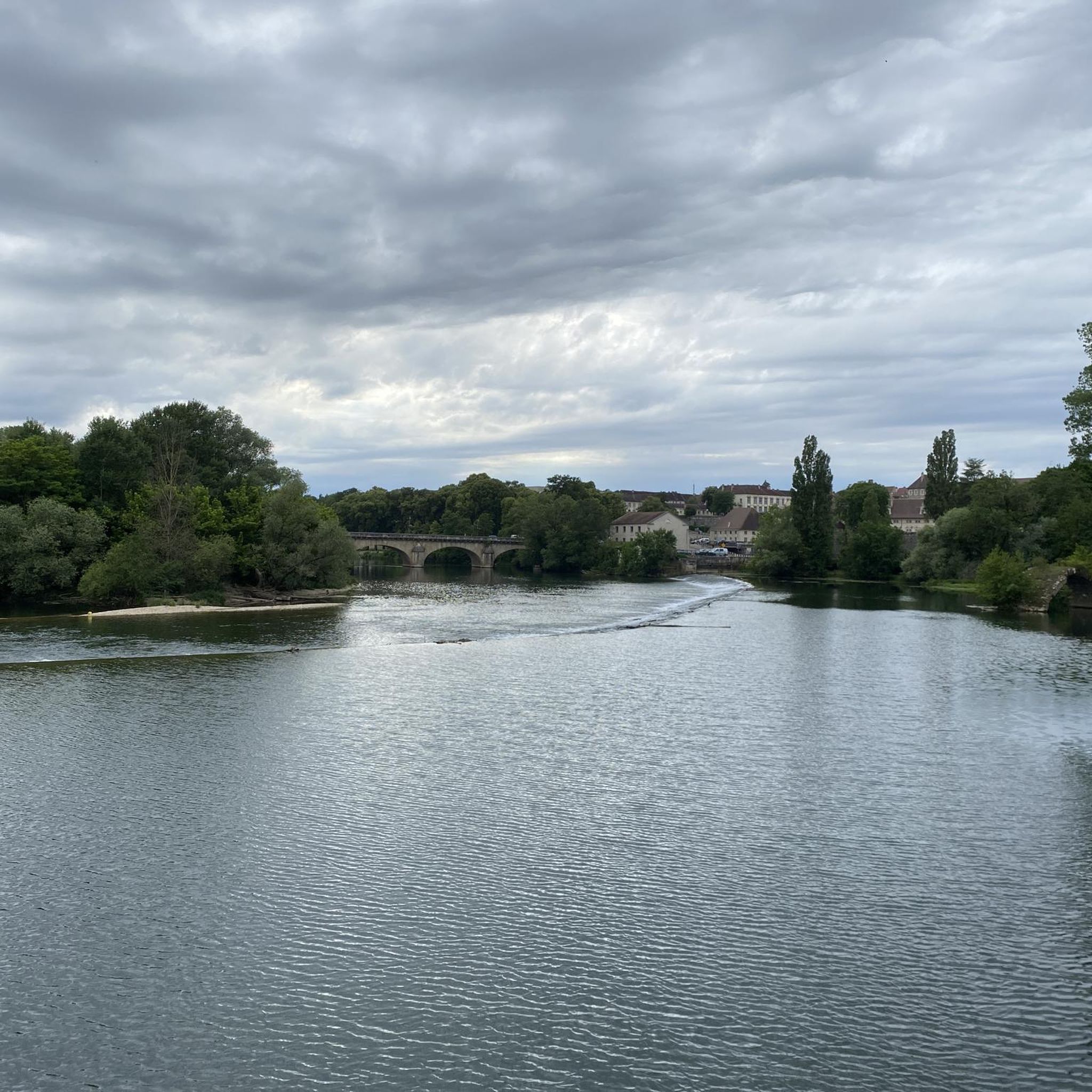
Nestled on a peninsula between the Doubs River and the Charles-Quint Canal, a few steps leading into the water face the canal. If you don't fancy a dip, there's a great rest area right next to it and a pleasant spot right by the weir—I could watch the water flow there for hours.
1
0

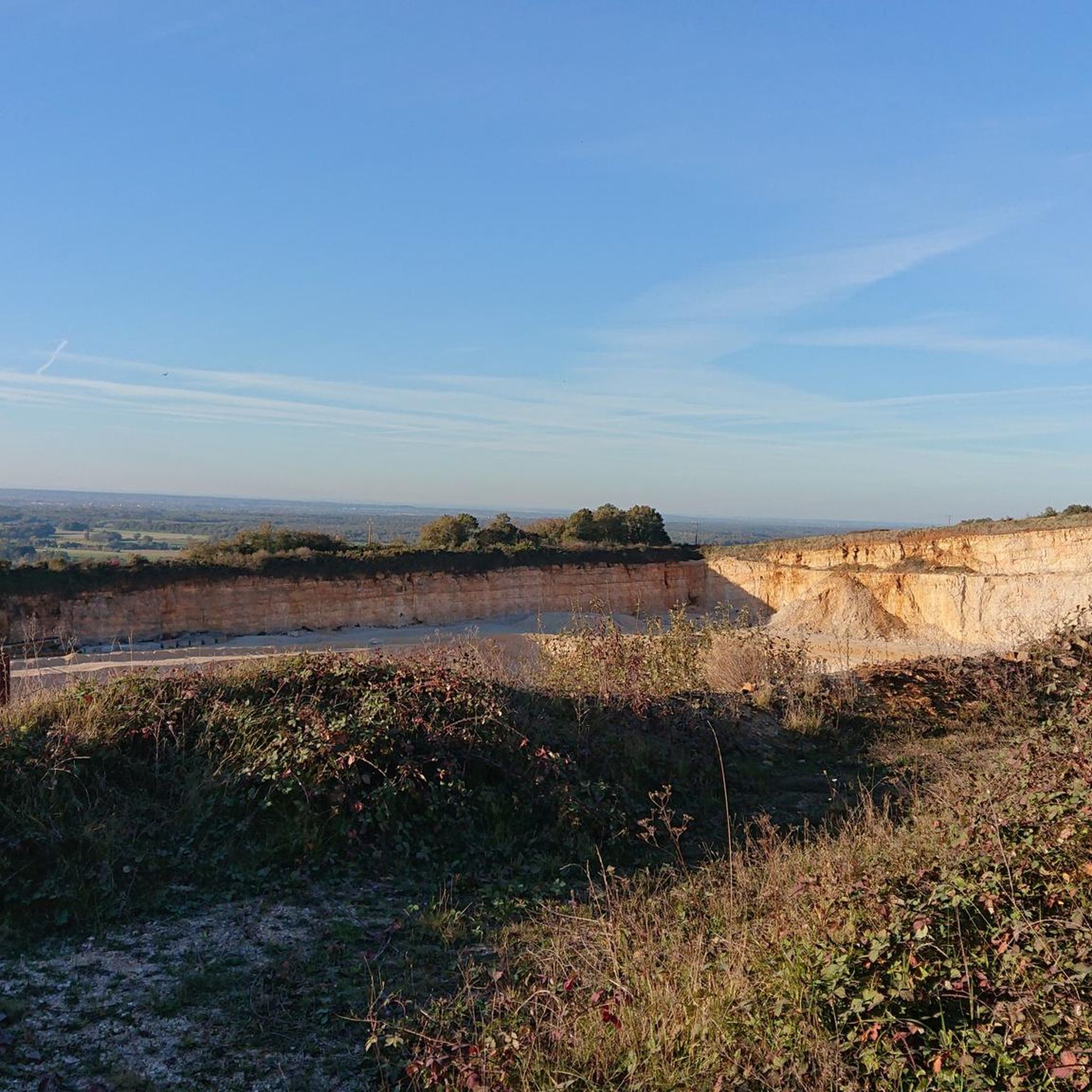
In the Serre massif, a natural area perfect for mountain biking, the Hermitage cave is a curiosity that invites you to take a break. If erosion has given the rock its particular shape, the human hand has also intervened in the shaping of the cave.
0
0

The Foulatiére source is located on the edge of the undergrowth in the town of Jouhe at the foot of Mont Roland. The presence of ponds and foundations indicate the existence of an old ruined mill, the old millstone still on the site, serves as a picnic table.
0
0

Special passage with rocks
6
0

Prehistoric caves that look like a luxury house in the forest. A site to see!
4
0

Beautiful Radeg along the Rhine-Rhône Canal, signposted as EV6. Locks, rocks and beautiful scenery on the Doubs and the canal.
6
1

this is one of the nicely dressed old houses
5
1
Frequently Asked Questions
What are the most popular natural monuments around Monnières?
While Monnières itself offers charming local spots, the broader region features several notable natural monuments. Visitors frequently enjoy the Cliffs along the Doubs / Rhône–Rhine Canal for its scenic cycle path bordered by impressive cliffs, and the Hermitage Cave, a unique prehistoric site in the Serre massif.
Are there family-friendly natural monuments in the area?
Yes, several natural monuments are suitable for families. The Cliffs along the Doubs / Rhône–Rhine Canal offer a pleasant cycle path with picnic spots. The Source of the Foulatière is another family-friendly spot, featuring ponds and a historical millstone that serves as a picnic table. Additionally, L'Etang des Tuileries in Monnières provides a children's play area and picnic facilities.
What kind of natural features can I expect to see around Monnières?
The region around Monnières offers a diverse range of natural features. You can explore dramatic cliffs, ancient caves, and serene river sources. The area is also characterized by the picturesque Vignoble Nantais (Nantes Vineyard), offering vast landscapes of vineyards, gentle hills, and bodies of water like L'Etang des Tuileries, known for its diverse aquatic environment.
Are there historical sites combined with natural beauty?
Absolutely. The Hermitage Cave is a prehistoric site nestled in a natural forest setting. The Source of the Foulatière features remnants of an old mill. In Monnières, the Point de vue du Moulin de la Minière offers panoramic views of the vineyards and the historical significance of a mill that was central to local rural life.
What outdoor activities can I do near these natural monuments?
The area is excellent for cycling and hiking. You can enjoy traffic-free bike rides around Monnières, with routes like the 'Hermitage Cave – Notre-Dame Collegiate Church, Dole loop' or 'Along the Loue – Port-Lesney Bridge loop'. For road cycling, consider routes like 'Rhine-Rhône Canal – Rhône-Rhine Canal Cycle Path loop'. You can find more details on these activities in the Traffic-free bike rides around Monnières and Road Cycling Routes around Monnières guides.
Are there good viewpoints to appreciate the landscape?
Yes, the region offers several stunning viewpoints. The Ascent of the Massif de la Serre provides excellent views. In Monnières, the Point de vue du Moulin de la Minière offers breathtaking panoramic views over the Vignoble Nantais, perfect for photography and appreciating the vast vineyard landscapes.
What is the best time to visit the natural monuments around Monnières?
The best time to visit depends on your preferred activity. Spring and autumn offer pleasant temperatures for hiking and cycling through the vineyards. Summer is ideal for enjoying recreational activities at L'Etang des Tuileries and for swimming at places like The Baths of Dole. The vineyards are particularly beautiful during harvest season in late summer/early autumn.
Are there any natural spots for swimming or relaxing by the water?
Yes, The Baths of Dole, located on a peninsula between the Doubs River and the Charles-Quint Canal, offer steps leading into the water and a pleasant rest area. In Monnières, L'Etang des Tuileries is a peaceful spot for nature observation and relaxation by the water, though swimming might not be officially permitted.
Where can I find information about local tourist services like cafes or accommodation?
While specific cafes and accommodation near each natural monument are not listed here, Monnières and the surrounding towns in the Vignoble Nantais offer various options. For detailed local information, including cafes, pubs, and accommodation, it's recommended to check with the local tourist information center, such as the Office de Tourisme du Vignoble de Nantes.
Can I bring my dog to these natural sites?
Many natural trails and outdoor areas in the region are dog-friendly, but leash rules often apply. For specific natural monuments like L'Etang des Tuileries, it's best to check local signage or contact the Monnières commune for their specific regulations regarding pets to ensure a pleasant visit for everyone.
What makes the Vignoble Nantais region unique for natural monuments?
The Vignoble Nantais region, where Monnières is located, is unique for its blend of viticultural landscapes and natural features. You'll find vast vineyards alongside rivers and ponds, offering a distinct charm. Sites like the Point de vue du Moulin de la Minière perfectly encapsulate this, providing panoramic views of the wine region intertwined with historical elements.
Most popular routes around Monnières
Most popular attractions around Monnières

Get inspired with the komoot mobile app


Explore more
Extend your search for the best caves by checking out these guides of the top ones around Monnières:
