Top 3 Natural Monuments around Le Brethon
Natural monuments around Le Brethon are concentrated within the vast Tronçais Forest, a significant natural area in the Allier department of France. This region is characterized by its ancient oak groves, some featuring trees centuries old. Visitors can explore diverse natural features, from historic oaks to serene ponds and unique geological formations. The area offers opportunities for exploring the natural landscape and its historical elements.
Best natural monuments around Le Brethon
- The most popular natural monument is Oak of the…
Last updated: July 11, 2026
Oak of the Resistance
Highlight • Natural Monument
Translated by Google •
Tip by

Fontaine de Viljot
Highlight • Natural Monument
Translated by Google •
Tip by
Sign up now to discover places like this
Get recommendations on the best single tracks, peaks, & plenty of other exciting outdoor places.
Sign up for free
Pirot Oak and Pirot Pond
Highlight • Natural Monument
Translated by Google •
Tip by

The Twins
Highlight • Forest
Translated by Google •
Tip by
The Blue Lagoon
Highlight • Lake
Translated by Google •
Tip by

Start today with a free account
Your next adventure awaits.
Login or Signup


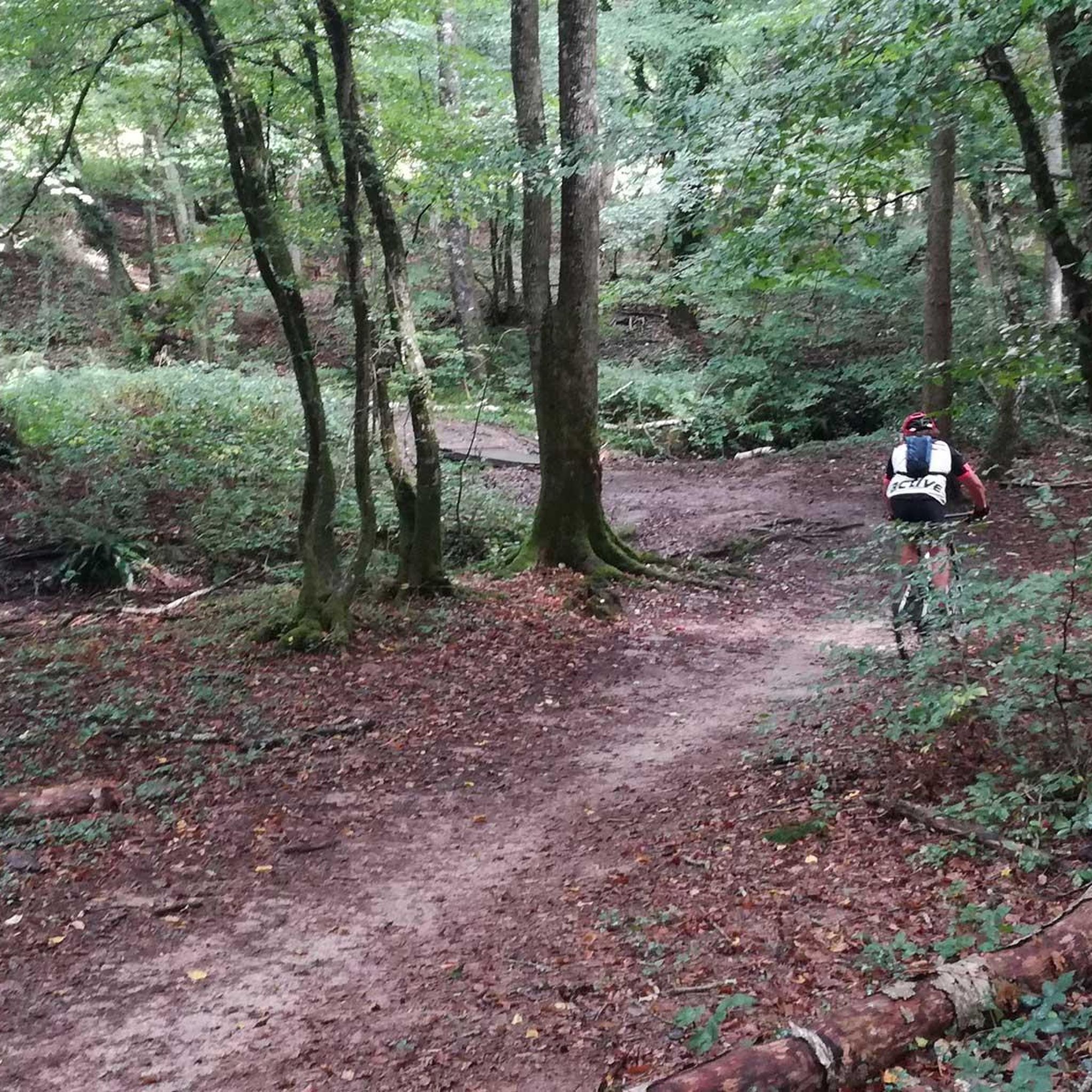
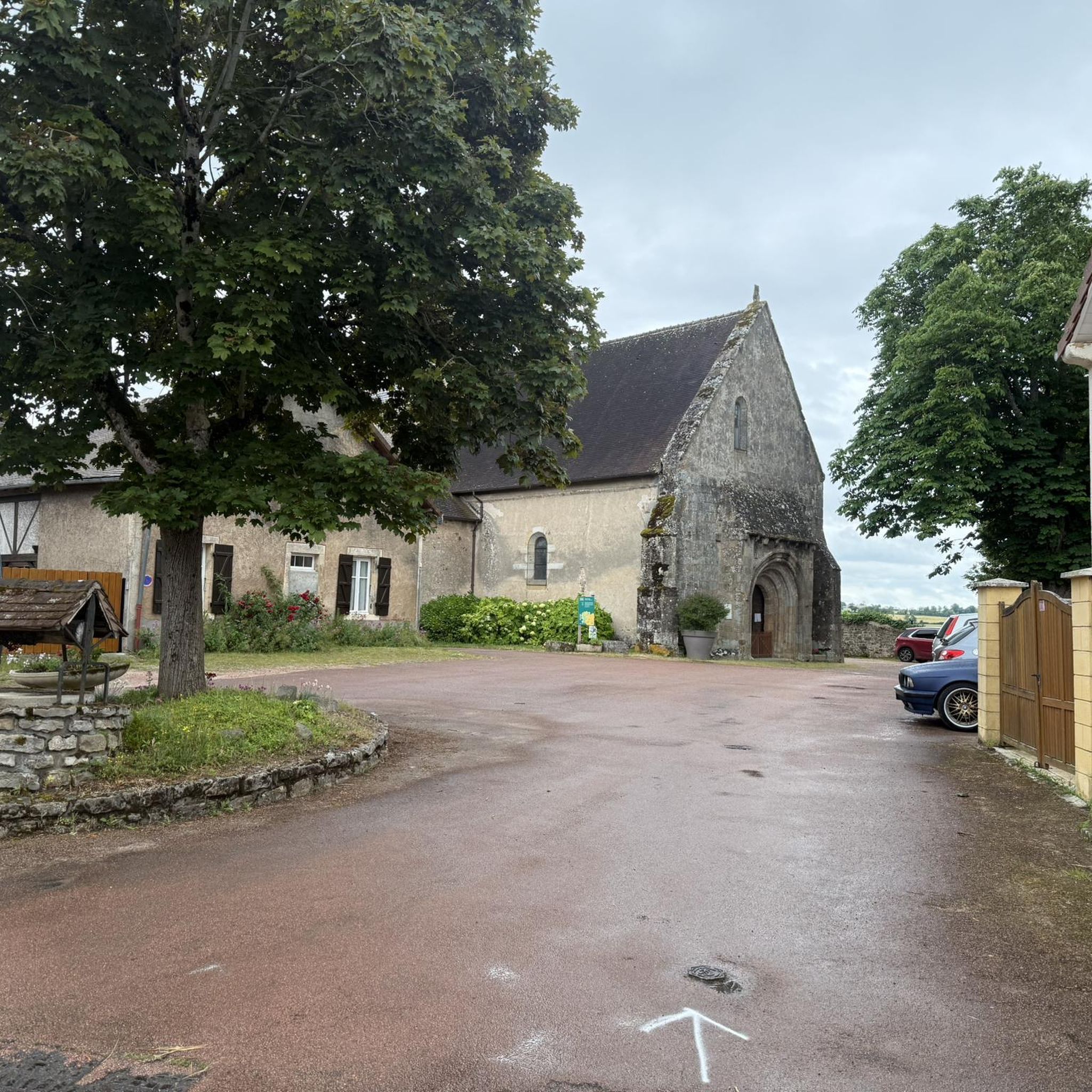
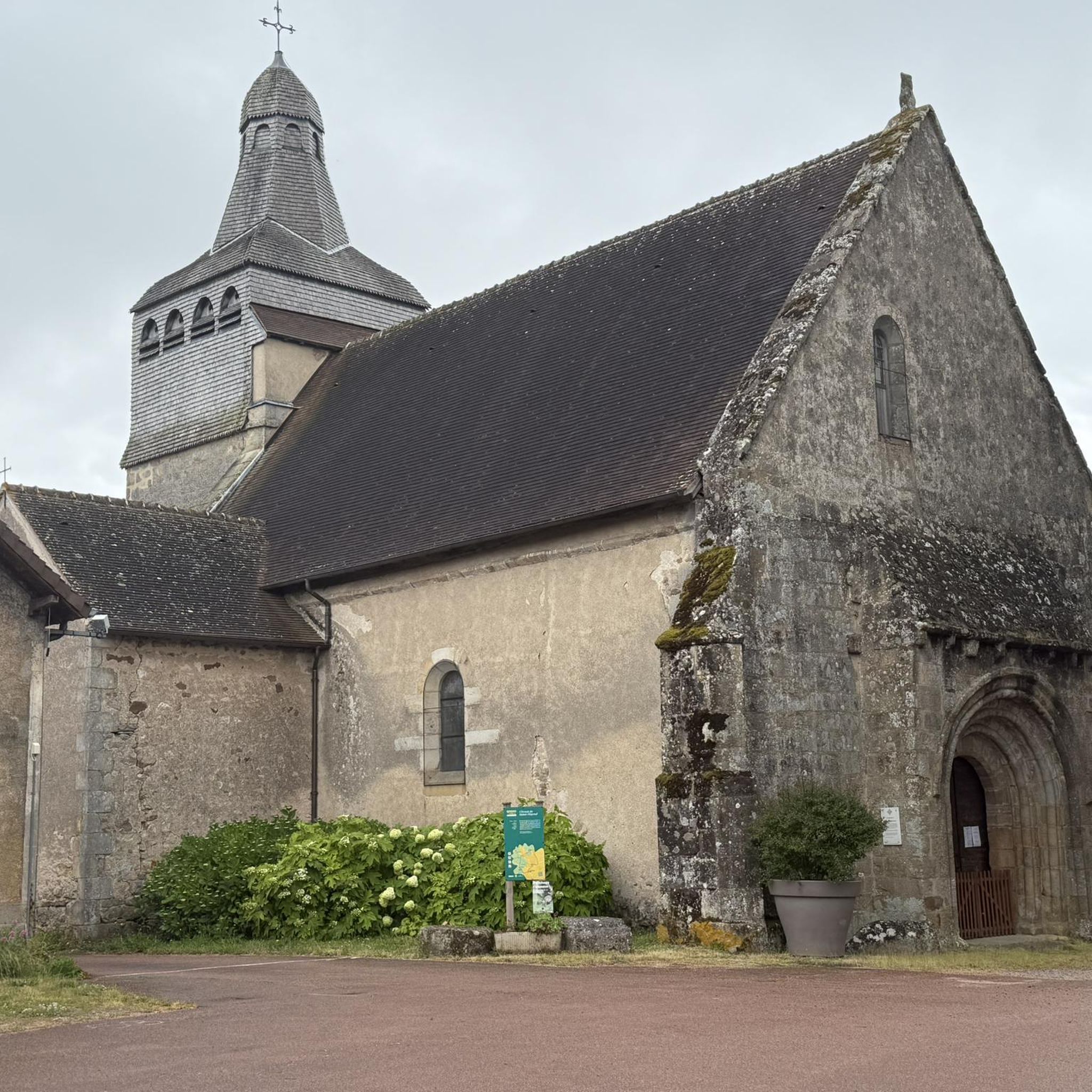
Tips from the Community

Access is a bit difficult, there is construction and a lot of mud.
0
0

Now part of the Collection https://www.komoot.com/de-de/collection/3600632/-naturdenkmaeler-besondere-baeume-und-weitere-schaetze-der-natur
0
0
This old quarry has given life to a remarkable site. The water is transparent.
0
0

This magical and mysterious place in the Tronçais forest is a circular fountain surrounded by legends and stories, some of which date back to Gallo-Roman times. You can admire the inscription "The foresters at Velleda" on the edge of the fountain, in homage to the Germanic druidess who was venerated as the goddess of the forest. You can also try your luck by throwing a coin or a pin into the water, as some traditions say this will allow you to make a wish or get married. And if you're brave enough, you can visit the fountain at midnight on Christmas Eve, where some say you can hear the bells and moans of buried monks who have been punished for their sins.
3
1
Les Jumeaux are two remarkable oak trees over 380 years old, witnesses of the French Revolution and the Resistance.
2
1
The Resistance Oak of the Tronçais Forest is a majestic oak, born around 1640. It has witnessed many events in the history of France. It was first named after Marshal Pétain, leader of the collaborationist Vichy regime, in 1940. But in 1944, three loggers secretly replaced the plaque with the name of Gabriel Péri, a French patriot executed by the Nazis. In 1982, the tree was officially renamed Chêne de la Résistance, to honor the courage of those who fought against fascism. You can admire this giant 41 meters high and 3.68 meters in circumference, surrounded by a wooden fence, in the heart of the Futaie Colbert, a protected area of ancient forest. It is a remarkable example of nature's resilience and beauty.
4
0

The Viljot fountain is the most famous fountain in Tronçais. It is located near a Gallo Roman site; its name comes from Villa Jovis (Villa of Jupiter). During the development of this source in 1900, the foresters engraved on the coping “The foresters at Velleda”. Velleda, a 1st century German druidess, had been brought back into fashion by 19th century romanticism and was considered the goddess of foresters. A legend tells that a convent and a church rose in these places and were engulfed because of the sacrileges carried out by the monks who lived there.
1
0
Frequently Asked Questions
What unique natural features can I explore around Le Brethon?
The region around Le Brethon is dominated by the vast Tronçais Forest, one of Europe's most beautiful oak groves. You can explore ancient oak trees, serene ponds, and unique geological formations. Highlights include the majestic Oak of the Resistance and the tranquil Pirot Oak and Pirot Pond.
Are there any historical natural monuments in the Tronçais Forest?
Yes, several natural monuments in the Tronçais Forest have significant historical connections. The Oak of the Resistance, for instance, is a centuries-old tree with a powerful story tied to French history during World War II. Additionally, the Fontaine de Viljot is a mysterious circular fountain steeped in legends, some dating back to Gallo-Roman times.
What natural monuments are suitable for families with children?
Many natural monuments around Le Brethon are family-friendly. The Oak of the Resistance and Pirot Oak and Pirot Pond offer easy access and beautiful settings for a family outing. The Saint-Bonnet-Tronçais Pond also features a leisure center with picnic tables and supervised swimming, making it ideal for families. The Blue Lagoon, with its transparent water, can also be an interesting spot for older children.
Are there accessible natural monuments for visitors with reduced mobility?
Yes, the Saint-Bonnet-Tronçais Pond offers an informative trail around the pond, with a 1 km section specifically designed to be suitable for people with reduced mobility. This allows everyone to enjoy the serene waters, observe birds, and appreciate the majestic trees of the Tronçais Forest.
What is the best time of year to visit the natural monuments around Le Brethon?
The natural monuments around Le Brethon are beautiful year-round. Spring brings lush greenery and blooming flora, while summer is perfect for leisure activities around the ponds. Autumn is particularly stunning, with the changing colors of the ancient oak leaves in the Tronçais Forest, especially around Morat Pond. Even winter offers a peaceful, serene experience for those who enjoy quiet contemplation.
What kind of outdoor activities can I do near these natural monuments?
The area is excellent for various outdoor activities. You can enjoy extensive hiking, cycling, and even traffic-free bike rides. There are numerous routes that take you through the Tronçais Forest and past its natural monuments. For more details on routes, check out the hiking guide and the traffic-free bike rides guide around Le Brethon.
Are there specific hiking trails to explore the natural monuments?
Absolutely. The Tronçais Forest offers many well-marked paths. For example, you can find trails around the Saint-Bonnet-Tronçais Pond and Morat Pond that lead you through areas with hundred-year-old oaks, including the Oak of the Resistance. The hiking guide around Le Brethon provides detailed routes, including loops around the Étang de Tronçais and Morat Pond.
Where can I find ancient or remarkable trees in the Tronçais Forest?
The Tronçais Forest is renowned for its exceptional ancient oak trees. You can find several remarkable specimens, such as the Oak of the Resistance (born around 1640) and the Pirot Oak, both easily accessible. Don't miss The Twins, two over 380-year-old oak trees, located within the Futaie Colbert area, which is home to many centuries-old oaks.
Is there a natural monument with a unique story or legend?
Yes, the Fontaine de Viljot is particularly known for its unique stories and legends. This magical circular fountain in the Tronçais Forest is said to have origins dating back to Gallo-Roman times, with tales of buried monks and wishes granted by throwing coins into its waters.
Are there any natural monuments that include water features like ponds or lakes?
Certainly. The region boasts several beautiful water features. The Saint-Bonnet-Tronçais Pond is a large lake popular for leisure and swimming. Morat Pond, created in the early 19th century, offers stunning views and a path around its perimeter. Additionally, the Pirot Pond and the Blue Lagoon are also notable natural monuments featuring tranquil waters.
Can I find routes for cycling near the natural monuments?
Yes, the Tronçais Forest and its surroundings are very popular for cycling. You'll find numerous routes suitable for racebikes and touring bicycles, often traffic-free, that pass by or through these natural monuments. For detailed cycling routes, refer to the Traffic-free bike rides around Le Brethon guide, which includes routes like the 'Tronçais Forest Ride'.
What do visitors typically enjoy most about the natural monuments in this region?
Visitors consistently praise the tranquility and natural beauty of the Tronçais Forest. They particularly enjoy the majestic ancient oaks, the peaceful atmosphere around the ponds, and the sense of history associated with sites like the Oak of the Resistance and the mysterious Fontaine de Viljot. The opportunity for scenic hikes and quiet contemplation amidst nature is a major draw.
Most popular attractions around Le Brethon

Get inspired with the komoot mobile app


Explore more
Extend your search for the best caves by checking out these guides of the top ones around Le Brethon:
