Top 3 Castles around powiat kielecki
Best castles around powiat kielecki are found in the Świętokrzyskie Voivodeship of Poland, a region known for its historical sites and varied terrain. The area features remnants of medieval fortresses and baroque magnate residences, often situated on elevated positions. These historical structures provide insight into Poland's past. Powiat kielecki offers a landscape where history and nature converge.
Best castles around powiat kielecki
- The most popular castles is Royal Castle in Chęciny, a castle that was built at the turn…
Last updated: July 16, 2026
Ruins of the Tarło Palace in Podzamcze Piekoszowskie
Highlight • Historical Site
Translated by Google •
Tip by

Royal Castle in Chęciny
Highlight • Castle
Translated by Google •
Tip by

Sign up now to discover places like this
Get recommendations on the best single tracks, peaks, & plenty of other exciting outdoor places.
Sign up for free
Royal Castle in Chęciny
Highlight • Castle
Translated by Google •
Tip by

Ruiny Zamku W Bodzentynie
Highlight • Castle
Translated by Google •
Tip by

View of Sobków and Mokrsko Castle Ruins
Highlight (Segment) • Viewpoint
Translated by Google •
Tip by

Start today with a free account
Your next adventure awaits.
Login or Signup
Popular around powiat kielecki
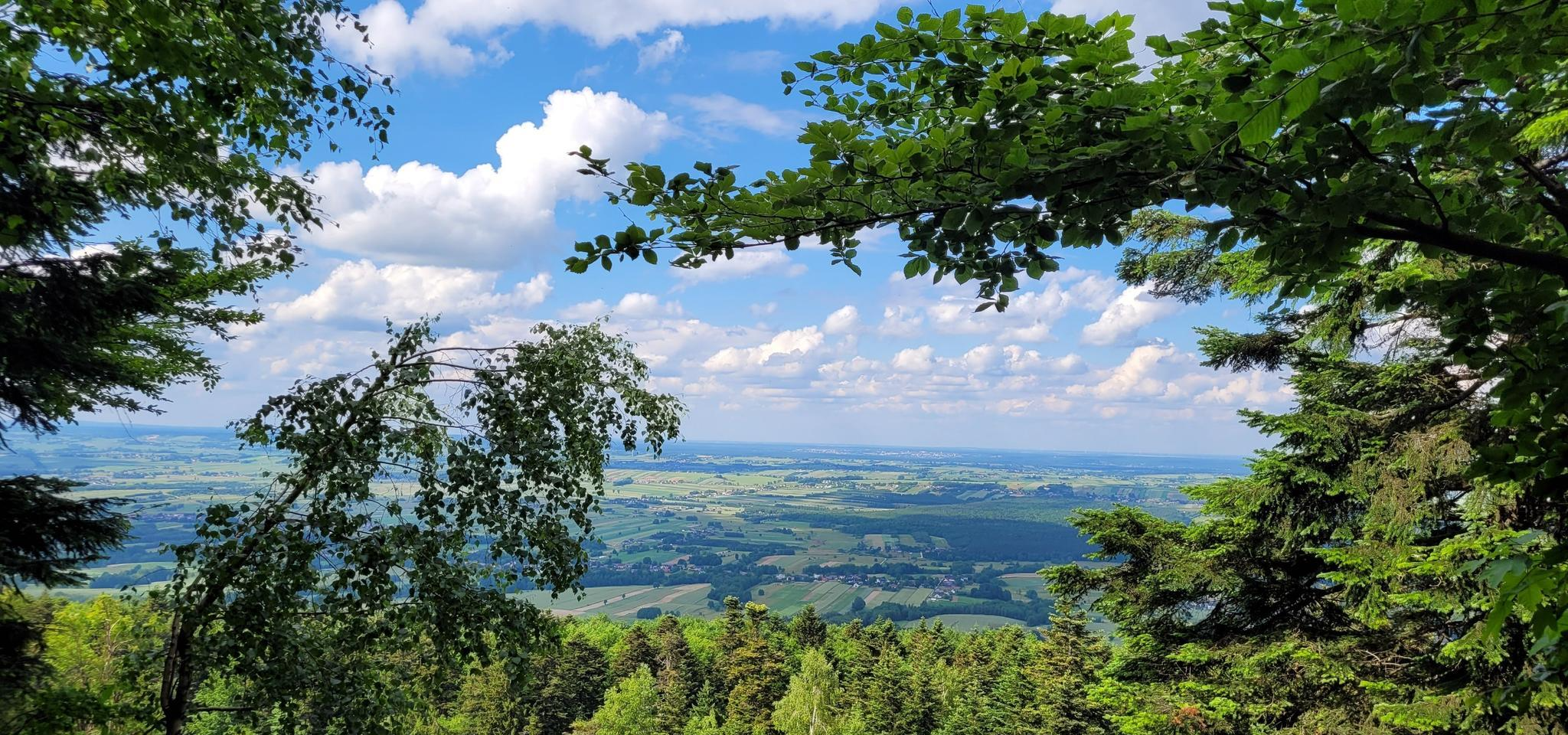
Główny Szlak Świętokrzyski – Spruce forest, magnificent peaks and Polish history
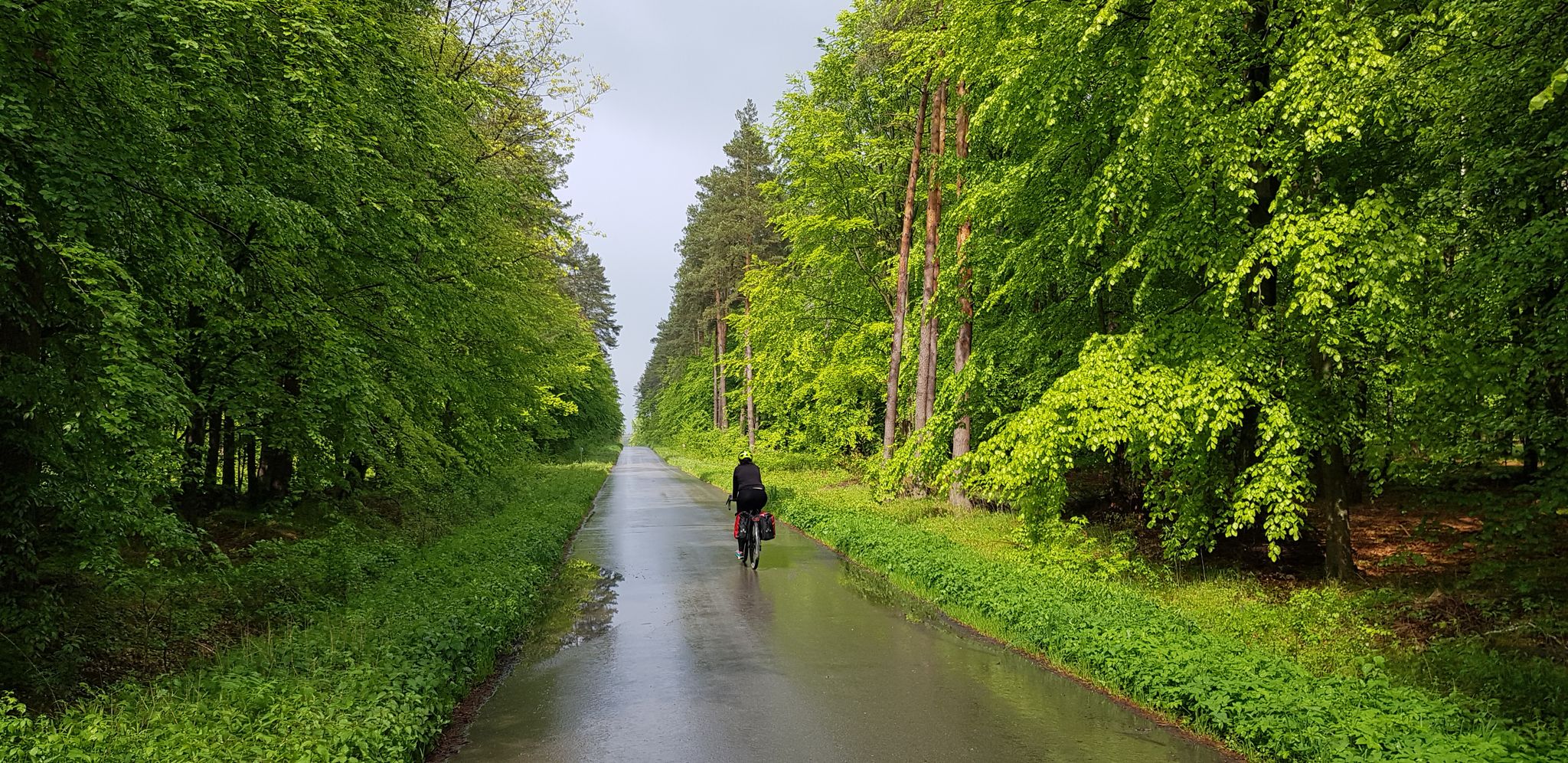
To the east, Eden – La Green Velo Szlak (part one)
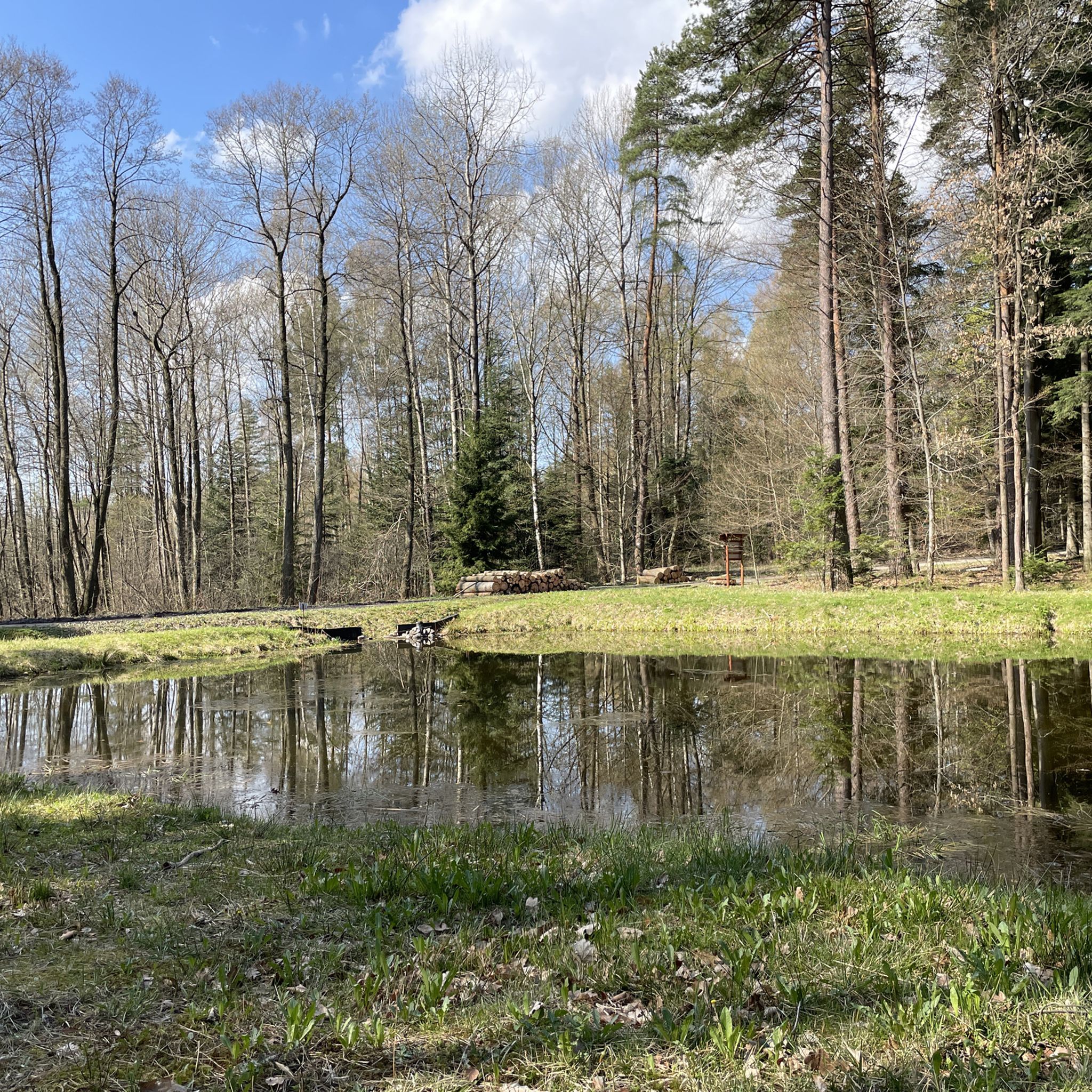
Hiking around powiat kielecki
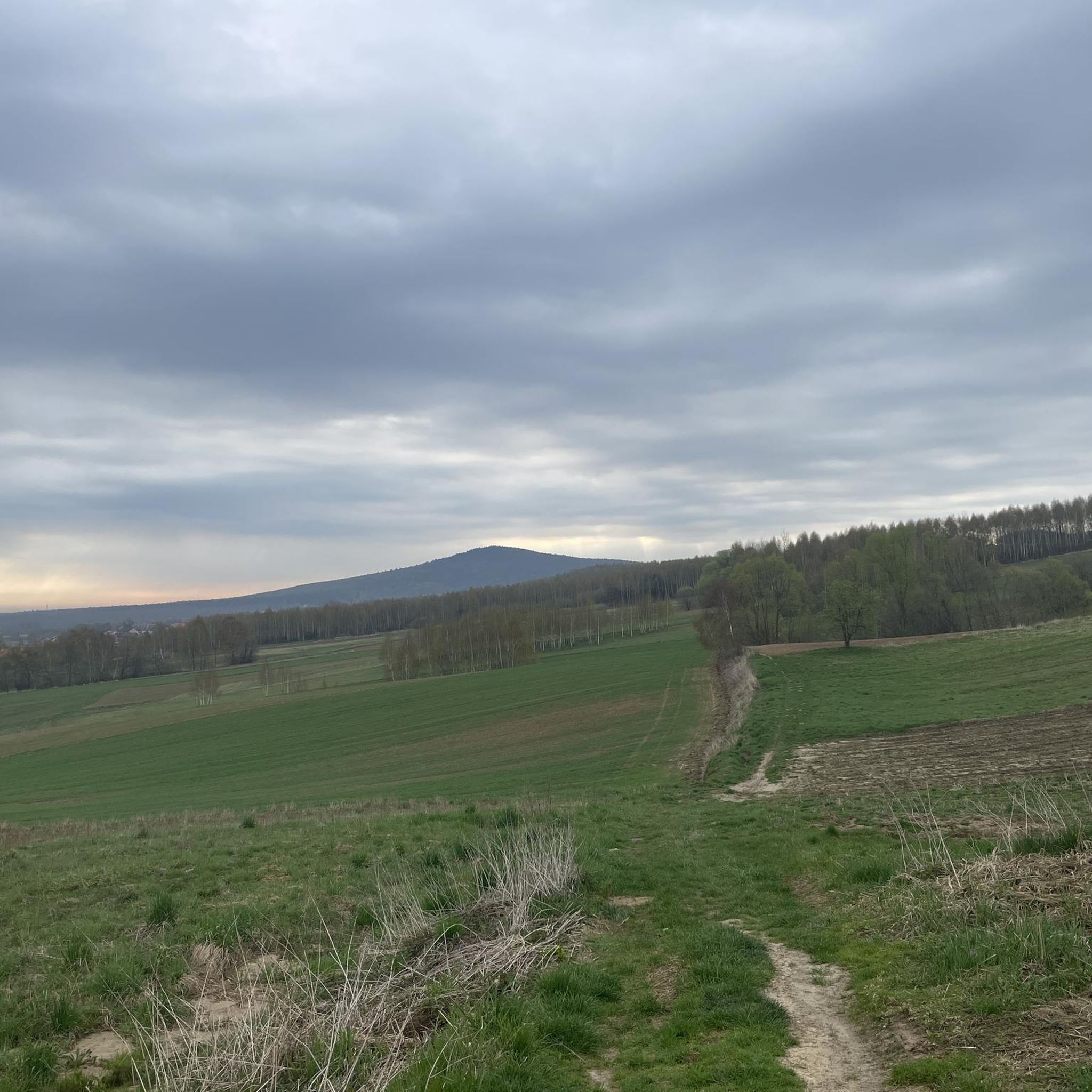
Cycling around powiat kielecki
Road Cycling Routes around powiat kielecki
Running Trails around powiat kielecki
MTB Trails around powiat kielecki

Gravel biking around powiat kielecki

Mountain Hikes around powiat kielecki


Tips from the Community

Piekoszów can be an interesting stop on a bicycle route around Kielce. There are ruins of Jan Aleksander Tarło's palace, which was almost a copy of the Kielce bishops' palace. Although only a ruin without a roof remains of the former residence, you can still see the layout of the rooms. The history of the palace's construction is connected with an anecdote about Tarło's rivalry with the bishop of Kraków. The building is publicly accessible, but unfortunately neglected, but it can still be an interesting point on the map for history lovers.
4
0

Very interesting description of the history of the palace - > https://www.zamkipolskie.com/piekut/piekut.html
0
1

The ruins of the castle in Bodzentyn are under renovation
0
0

Ruins of a castle from the 13th century. Quite badly damaged, but it is being renovated in spring 2024, so it will only get better. Here you can admire it from a distance. It's worth approaching from the side and behind. There are narrow paths.
0
0

The Royal Castle in Chęciny was erected on the ridge of a rocky hill (367 meters above sea level), probably at the turn of the 13th and 14th centuries, on the initiative of Wenceslaus II, the king of Czech and Poland. The first references to the castle date back to 1306, when in a document issued by Władysław Łokietek, the castle (Latin: castrum nostrum ducale) together with 11 villages was to be handed over to the bishop of Krakow, Jan Muskata. The clergyman was a political opponent of Łokietek, whom Piast wanted to win over to his side, but the planned diplomatic operation backfired, so already in 1307 the stronghold re-entered the royal domain. From this period there is also a mention of the first castle official in charge of the Chęciny stronghold, named Wrocław [Latin: Wroclaw].
0
0

This dirt road offers a great 180° view. The hike should be planned in such a way that you go down the path to the village of Sobków to enjoy this view. You can also see the ruins of the Renaissance Mokrsko Castle from there.
4
0
It was built at the turn of the 13th and 14th centuries, founded by Wenceslaus II, rebuilt by the last two Piasts. It had defensive and residential functions, it was a state prison, a place where the crown treasury was stored. On May 26, 1331, a congress of knights from all Polish lands took place at the foot of the hill. Destroyed during the Swedish wars. Restored and made available again in 2015.
5
0

The palace was built in the years 1645–1650 by Jan Aleksander Tarło. It was very similar to the Kielce residence of the Kraków bishops. It remained in the Tarło family until 1842. It burned down in the mid-19th century. Since then, despite numerous attempts, its glory has not been restored. It is sad to look at 😟
0
1
Frequently Asked Questions
What is the history of the Royal Castle in Chęciny?
The Royal Castle in Chęciny is a Gothic ruin with a rich history dating back to the late 13th century. It was strategically built on a rocky mountain and served as a crucial administrative and military center. It was a royal residence for several Polish queens, including Adelaide of Hesse and Bona Sforza, and also functioned as a state prison. The castle has undergone several preservation efforts and offers a tangible connection to Poland's medieval past.
What can I expect when visiting the Tarło Palace in Podzamcze Piekoszowskie?
The Ruins of the Tarło Palace in Podzamcze Piekoszowskie are the remnants of a grand baroque-style residence built between 1645 and 1650. Although it is now a roofless ruin, you can still discern the layout of its rooms and appreciate its former scale. The palace was designed to rival the bishops' palace in Kielce and offers a unique opportunity to witness the remains of an opulent 17th-century estate.
Are there other notable castle ruins in the Powiat Kielecki region?
Yes, beyond Chęciny and Tarło Palace, you can also visit the Ruins of Bodzentyn Castle, which date back to the second half of the 14th century. While quite damaged, it is undergoing renovation. Additionally, you can find a viewpoint overlooking the ruins of the Renaissance Mokrsko Castle near Sobków.
What kind of architecture can I see among the castles in Powiat Kielecki?
The region showcases a range of historical architecture. The Royal Castle in Chęciny is a prime example of Gothic defensive architecture, with its robust walls and towers conforming to the hill's shape. In contrast, the Tarło Palace in Podzamcze Piekoszowskie represents a baroque magnate residence, designed with a palatial character despite its castle-like towers.
Are the castles in Powiat Kielecki family-friendly?
Many castle sites, especially those that are ruins, can be interesting for families, offering space to explore and imagine history. The Royal Castle in Chęciny is a popular spot for history enthusiasts of all ages, and its strategic location provides panoramic views. While specific family amenities vary, the open nature of many ruins allows for engaging visits.
Are there accessible castles for visitors with mobility issues?
The Royal Castle in Chęciny is noted as being wheelchair accessible, making it a good option for visitors with mobility considerations. For other ruin sites like the Tarło Palace or Bodzentyn Castle, accessibility may be more limited due to uneven terrain and the nature of historical ruins.
What is the best time of year to visit the castles in Powiat Kielecki?
Spring and autumn generally offer pleasant weather for exploring outdoor historical sites like castles, with milder temperatures and beautiful scenery. Summer can also be a good time, though it might be busier. Winter visits are possible, but some areas might be less accessible due to snow or ice, and facilities might have reduced hours.
Can I bring my dog to the castle ruins?
While many outdoor historical sites in Poland are generally dog-friendly, especially if they are open ruins, it's always best to check specific regulations for each location. For example, the Royal Castle in Chęciny may have specific rules regarding pets within its managed areas. Always keep dogs on a leash and clean up after them.
Are there hiking trails near these castles?
Yes, the region offers various outdoor activities. For instance, you can find mountain hikes around Powiat Kielecki, with routes like the "Łysica Summit – St. Francis' Spring loop from Kakonin" or "St. Francis' Spring – Łysica Summit loop from Święta Katarzyna." You can explore more options on the Mountain Hikes around Powiat Kielecki guide.
What other outdoor activities can I do near the castles in Powiat Kielecki?
Beyond hiking, Powiat Kielecki is excellent for cycling and running. There are numerous cycling routes, such as the "Bike trail around Piekoszów 'By the Faithful River'" near the Tarło Palace, or the "Duża Pętla Bielińska." For runners, trails like the "Łysica Summit – St. Francis' Spring loop" offer challenging options. Discover more routes in the Cycling around Powiat Kielecki and Running Trails around Powiat Kielecki guides.
Is parking available at the castles?
Parking is generally available at the more popular castle sites. The Royal Castle in Chęciny is noted to have parking facilities. For other ruins or less developed sites, parking might be less formal, often roadside or in nearby villages. It's advisable to check local signage upon arrival.
What do visitors enjoy most about the Royal Castle in Chęciny?
Visitors frequently highlight the castle's impressive historical significance and its strategic location. They appreciate exploring the extensive outer walls and three towers, which offer a tangible connection to Poland's medieval past. The panoramic views of the surrounding Świętokrzyskie region from the castle are also a major draw.
What do visitors say about the Tarło Palace ruins?
Visitors find the Ruins of the Tarło Palace in Podzamcze Piekoszowskie to be an interesting point for history lovers, despite its neglected state. They note that even as a roofless ruin, you can still discern the layout of the rooms and appreciate the massive structure and its former grandiosity. The historical anecdote about its construction, aiming to rival the Kielce bishops' palace, also adds to its intrigue.
Most popular routes around powiat kielecki
Most popular attractions around powiat kielecki

Get inspired with the komoot mobile app


Didn’t find what you were looking for?
Explore powiat kielecki’s best castles region by region:
Explore more
Looking for the best castles somewhere else? Discover other guides around powiat kielecki:
