Top 12 Mountain Passes around Mont-Noble
Best mountain passes around Mont-Noble are located in the Swiss canton of Valais, a region characterized by its authentic alpine environment. This area features spectacular mountainous landscapes, primarily traversed by hikers and mountaineers. The terrain offers challenging trails and provides expansive views of diverse valleys. Mont-Noble is known for its high-altitude passes, which connect various valleys and offer remote alpine experiences.
Best mountain passes around Mont-Noble
- The most popular mountain passes is Pas de Lona, a mountain pass that…
Last updated: July 10, 2026
Col de Torrent
Highlight • Mountain Pass
Translated by Google •
Tip by

Pas de Lona
Highlight • Mountain Pass
Translated by Google •
Tip by

Sign up now to discover places like this
Get recommendations on the best single tracks, peaks, & plenty of other exciting outdoor places.
Sign up for free
Sanetsch Pass from Sion
Highlight (Segment) • Mountain Pass
Translated by Google •
Tip by

Tsaté Pass
Highlight • Mountain Pass
Translated by Google •
Tip by

Col du Sanetsch from Conthey
Highlight (Segment) • Mountain Pass
Translated by Google •
Tip by

Sign up for free to discover even more mountain passes around Mont-Noble.
Sign up for free
Already have an account?
Start today with a free account
Your next adventure awaits.
Login or Signup
Other adventures around Mont-Noble

Tips from the Community

The Col du Sanetsch is certainly one of Switzerland's classic mountain passes, even though it can only be approached by road bike from the south. There are two alternative routes: one starts in Sion, the other, this one, in Conthey. Above the village of Daillon, the two roads converge and the steeper part of the climb begins. While there is only a parking lot at the Col du Sanetsch, the highest point, you can continue on the paved road to the reservoir (Lake Sanetsch). There is an inn there. The cable car station, which offers a ride down to Gsteig bei Gstaad, is also located here. This makes the pass a perfect circular tour.
0
0

The hike from Lac de Moiry to Col de Torrent is great and the descent to Evolène is largely rideable. Top tip!
0
0

When planning your trip, always keep the post buses in mind. You can easily travel to the reservoir (from Zinal) or from La Sage to Arolla, for example, by post bus. As always, take a break on the pass and take your time. When there are clouds, there are always windows where they break away and reveal a wonderful view.
0
0

A technical and isolated Alpine pass, nestled under the Pointe du Bandon. The pass, as well as the drive up to the pass, has a wild and desolate feel - a great place to visit for that wild mountain feeling we all love.
0
0

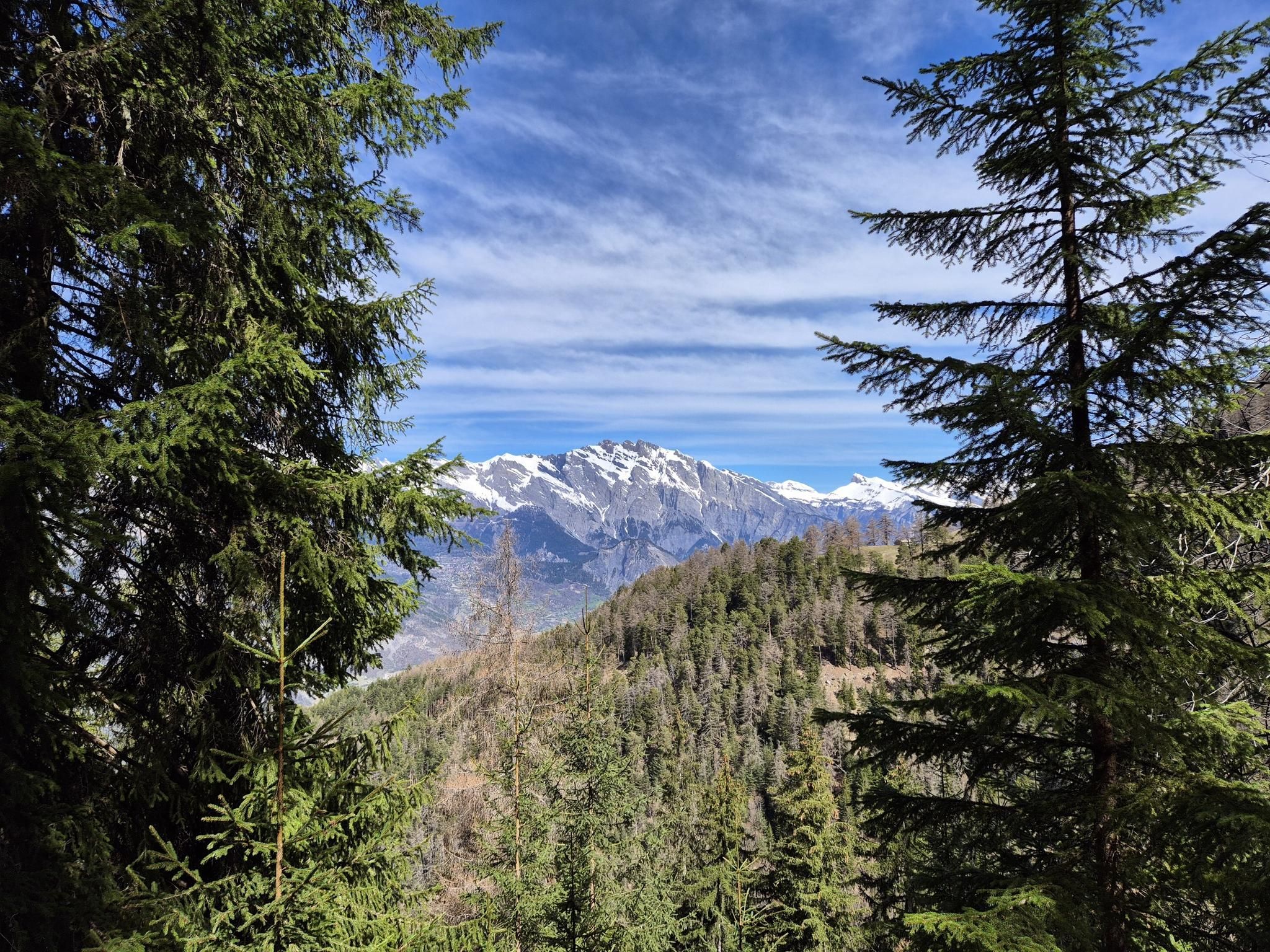
Col de Torrent 2916 m Mountain and alpine hiking This is another good, big pass that leads from the Val d’Hérens into the Val de Moiry. It lies on a high, wide ridge between Pointe du Prélet and Sasseneire. The path is very attractive and offers a great panorama.
0
1

The Col de Torrent is located at an altitude of 2,919 metres. The ascent from Les Haudères is quite steep for most of the way, but the trail isn't particularly technical. The descent from the opposite side is just as impressive, with breathtaking views and well-maintained trails that take you close to the beautiful lakes of Autannes and Moiry. The panorama from the top is simply wonderful, with lakes and glaciers as a backdrop, giving you an extraordinary and immersive view of the surrounding valleys (Val d'Anniviers and Val d'Herens).
4
0

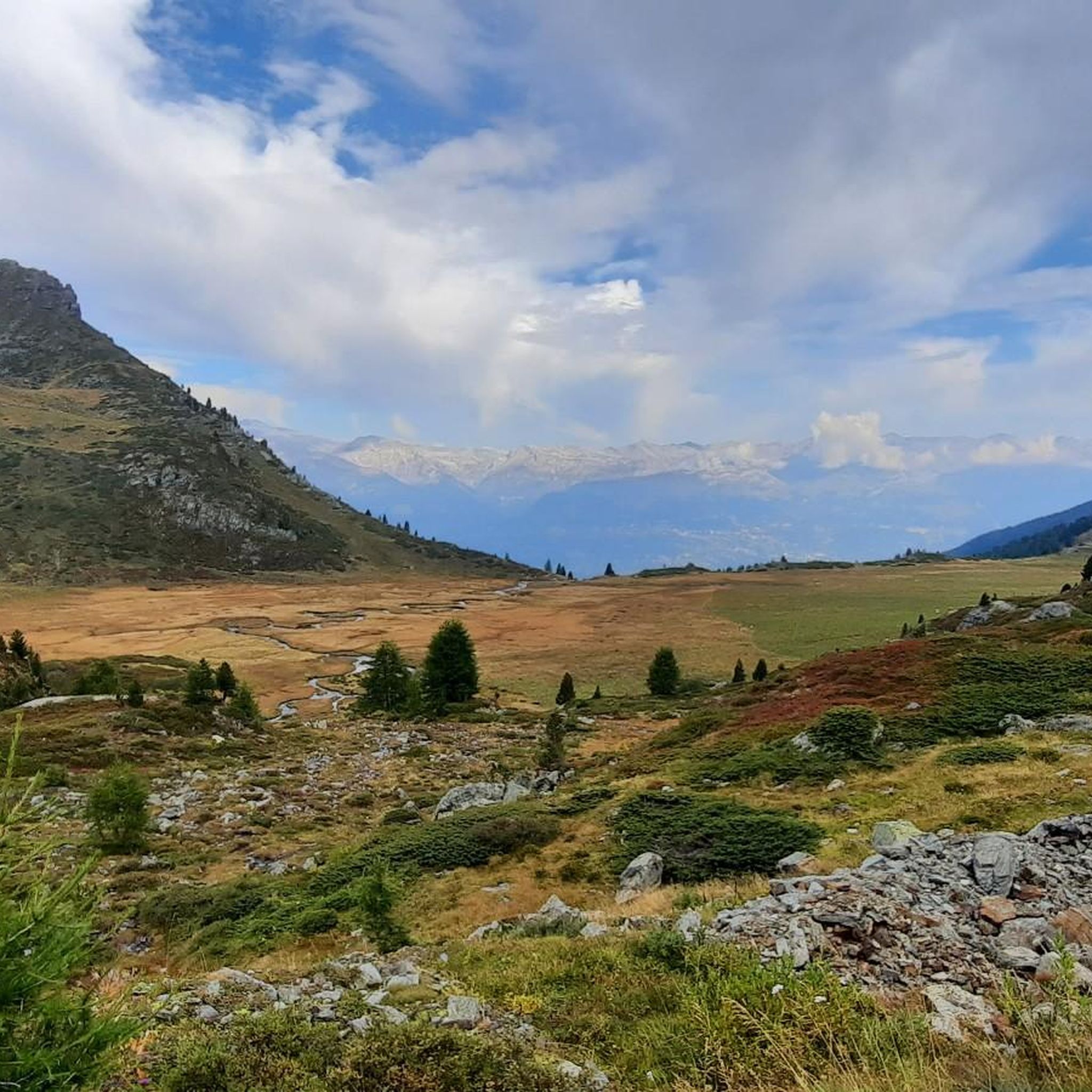
The Pas de Lona is a hiking pass located at an altitude of 2787 meters connecting Eison in the Val d'Hérens, to Grimentz via the Col des Becs-de-Bosson, or the Moiry dam via the Basset de Lona, in the Val d'Hérens. of Anniviers. The Becs de Bosson hut overlooks the pass on the ridge to the north of the pass, below the eponymous summit. Located on the Grand Raid route between Verbier and Grimentz, it constitutes the passage most feared by participants because it requires considerable effort before being able to switch to the last section leading to Grimentz.
0
0

The most beautiful climb you have never heard of.
3
2
Frequently Asked Questions
What kind of terrain and difficulty can I expect on mountain passes around Mont-Noble?
The mountain passes around Mont-Noble are primarily for hikers and mountaineers, offering challenging trails and an authentic alpine environment. You can expect a variety of difficulties, from intermediate to very demanding. For example, the Col de Torrent, at 2,919 meters, involves a steep but not overly technical ascent. Other passes, like the Pass of Lovégno, are recognized as mountaineering routes, requiring more skill and adventure.
Are there any particularly scenic viewpoints or natural features to look out for on these passes?
Yes, the region is renowned for its breathtaking panoramas. From the summit of Col de Cou, you can enjoy expansive aerial views of Mont Gautier, Mont Noble, and the diverse Valais' central valley, Val de Réchy, and Val d'Hérens. The Col de Torrent also offers wonderful panoramic views, with stunning lakes and glaciers as a backdrop, providing an immersive experience of the surrounding valleys.
What is the best time of year to hike the mountain passes in Mont-Noble?
The summer months are ideal for hiking the mountain passes around Mont-Noble, as many routes like the Col de Cou are frequently used during this season. However, some passes, including the Col de Cou, remain accessible in winter and are frequented by skiers and winter hikers, offering a different perspective of their beauty. Always check local conditions, especially for late-season snowfields, which can make ascents more challenging.
What outdoor activities can I do near the mountain passes of Mont-Noble?
Beyond hiking and mountaineering, the Mont-Noble region offers a variety of outdoor activities. You can explore numerous road cycling routes, such as the challenging 'Circuit at the foot of the Valais summits' or the easier 'Loop of Sion along the Rhône'. There are also gravel biking options, like the 'Sion – Castles of Sion loop', and several running trails, including the 'Mont Noble to Lac de Louché' loop. For more details, you can check out the dedicated guides for Road Cycling Routes, Gravel Biking, and Running Trails around Mont-Noble.
Are there any particularly challenging mountain passes for experienced hikers?
Yes, Mont-Noble is known for its challenging passes. The Pass of Lovégno, at 2,696 meters, is a high-altitude mountaineering route connecting Val d'Hérens with Val de Réchy, offering an arduous experience for skilled hikers. Another demanding option is the Tsaté Pass, which is a technical pass with a significant elevation gain of 1,400 meters over approximately six kilometers from the village of Sage.
What makes the Pas de Lona a notable mountain pass in the region?
The Pas de Lona is a significant hiking pass located at 2,787 meters. It connects Eison in the Val d'Hérens to Grimentz or the Moiry dam. It's particularly famous for being part of the challenging Grand Raid route between Verbier and Grimentz, known as the most feared section by participants due to the considerable effort required before the final stretch to Grimentz.
Can I find any circular walks that incorporate mountain passes in Mont-Noble?
Yes, the Col de Cou is a key part of the 'Mont-Noble Tour,' which is a demanding loop around the Mont-Noble massif. Additionally, the Sanetsch Pass from Sion, while often considered a dead end, can be integrated into a circular route by utilizing the cable car at the reservoir to descend to Gsteig in the Bernese Oberland, allowing for further exploration.
What are the access options for the Sanetsch Pass?
The Sanetsch Pass can be approached by road bike from the south, with two alternative routes starting from Sion or Conthey. The Col du Sanetsch from Conthey route merges with the Sion route above Daillon, leading to the steeper part of the climb. The north side of the pass is only accessible by cable car or a single trail, making it a quiet and scenic route with virtually no car traffic.
What do visitors enjoy most about the mountain passes around Mont-Noble?
Visitors frequently praise the spectacular mountainous landscapes and the authentic alpine environment. The panoramic views from passes like the Col de Cou and Col de Torrent are consistently highlighted as extraordinary. The challenging yet rewarding nature of the trails, combined with the sense of remoteness and untouched beauty, makes for a memorable experience in the Swiss Pennine Alps.
Are there any specific historical or geological features on these passes?
While the region is primarily known for its natural beauty and challenging trails, the Tsaté Pass offers an interesting geological insight. The slate slabs on its slopes consist mostly of greenish chlorite and amphibolite slates, with the green color coming from the mineral chlorite. You can observe unique features like 'harnesses,' which are sliding surfaces where rock packages have shifted, leaving distinct patterns.
Is public transport available to reach trailheads for the Mont-Noble passes?
The provided information focuses on the passes themselves and their hiking routes. While specific public transport details for each trailhead are not listed, the region is part of the Swiss canton of Valais, which generally has a well-developed public transport network. It is advisable to check local bus or train schedules to nearby villages like Nax or Mase, which serve as starting points for many routes, including those leading to Col de Cou and Pass of Lovégno.
Are there any amenities like cafes or pubs near the mountain passes?
While the high-altitude passes themselves offer a secluded alpine environment, some routes may lead to areas with amenities. For instance, at the reservoir near the Sanetsch Pass, there is an inn. For other passes, it's generally recommended to plan for self-sufficiency or check for facilities in the nearest villages before or after your hike. The focus of these passes is typically on the natural, untouched experience.
Most popular routes around Mont-Noble
Most popular attractions around Mont-Noble

Get inspired with the komoot mobile app


Explore more
See even more epic mountain passes by checking out these guides around Mont-Noble:
