Top 3 Natural Monuments around Maynard
Best natural monuments around Maynard, Massachusetts, include a variety of outdoor experiences, from expansive wildlife refuges to scenic rail trails and local parks. The area features diverse habitats such as wetlands, forests, and riverine landscapes, providing opportunities for outdoor activities. Maynard's natural settings offer a blend of ecological interest and historical significance. The Assabet River is a prominent geographic feature, influencing many of the local natural areas.
Best natural monuments around Maynard
- The most popular natural monument is Walden Pond…
Last updated: November 24, 2026
Ice Fort Cove — Walden Pond
Highlight • Lake
Tip by

Walden Pond
Highlight • Lake
Tip by

Sign up now to discover places like this
Get recommendations on the best single tracks, peaks, & plenty of other exciting outdoor places.
Thoreau Cove & Cabin
Highlight • Historical Site
Tip by
Robbins Mill
Highlight • Historical Site
Tip by

Start today with a free account
Your next adventure awaits.



Tips from the Community

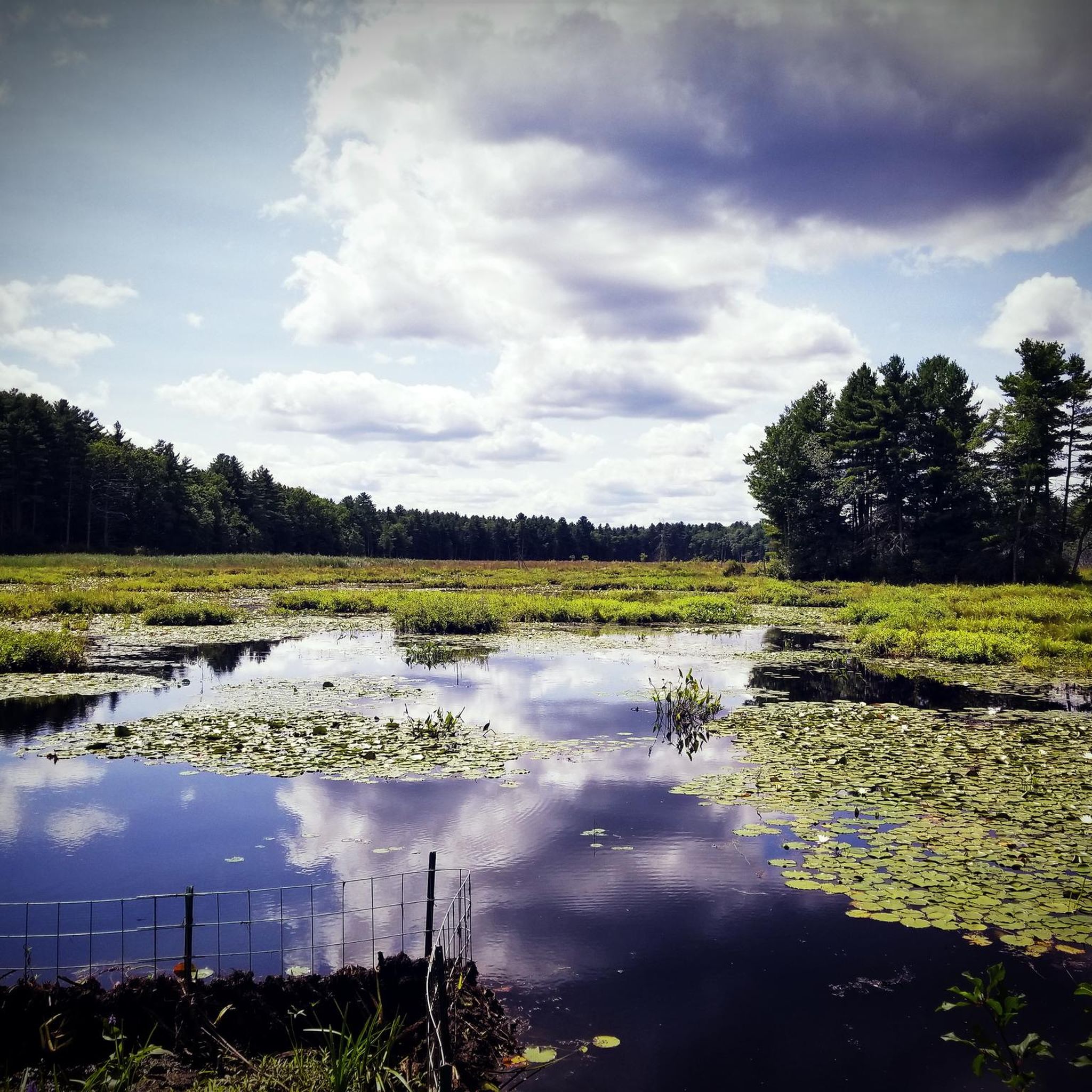
Robbins Mill Conservation Land in Acton, Massachusetts, features remnants of an 18th-century gristmill and sawmill along Nashoba Brook just north of Wheeler Farm. The mill harnessed the brook's flow to power its operations, and visitors can still see the foundations of the mill buildings and the mill run—a channel designed to direct water from the brook to the mill’s wheel. Adjacent to the mill run is a small pond that feeds into Nashoba Brook that was likely used as a reservoir to ensure a steady water supply for the mill's operation.
0
0

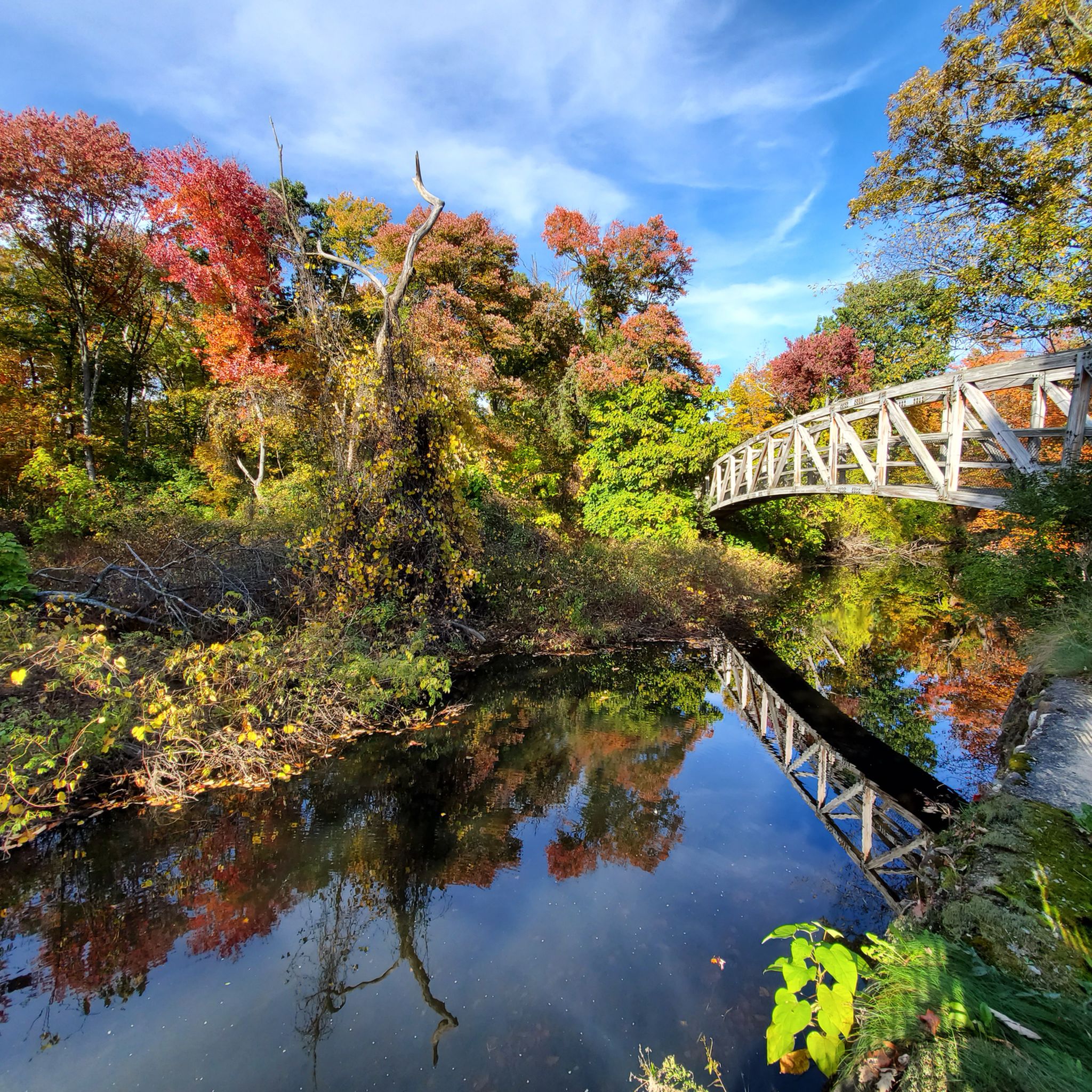
Walden Pond, in Concord, is a revered and celebrated cultural and historical icon. Walden Pond was made famous by transcendentalist philosopher and writer Henry David Thoreau, who lived there in the 1840s for two years while writing one of his most famous works, "Walden". This serene site remains a source of inspiration for writers, nature enthusiasts, seekers of contemplation, and some believe that Walden Pond was also the start of the conservation movement. Geologically, Walden Pond formed from a glacial depression during the last Ice Age, around 10,000-12,000 years ago. As a block of ice melted, it left a depression that filled with water, resulting in the pond we know today in Concord, Massachusetts.
0
0
Thoreau's Cove, nestled near Walden Pond, was a serene refuge for Henry David Thoreau, where he sought solitude and inspiration from nature's stillness. Adjacent to it, his small cabin became an iconic symbol of simple living and self-discovery in the heart of nature. Here you can find the site of where the cabin once was, with a memorial dedicated to Henry David Thoreau.
1
0
Walden Pond, in Concord, is a revered and celebrated cultural and historical icon. Walden Pond was made famous by transcendentalist philosopher and writer Henry David Thoreau, who lived there in the 1840s for two years while writing one of his most famous works, "Walden". This serene site remains a source of inspiration for writers, nature enthusiasts, seekers of contemplation, and some believe that Walden Pond was also the start of the conservation movement. Geologically, Walden Pond formed from a glacial depression during the last Ice Age, around 10,000-12,000 years ago. As a block of ice melted, it left a depression that filled with water, resulting in the pond we know today in Concord, Massachusetts.
0
0

This pond was created by glacial melting water several thousands of years ago. Today you can take a break from running on the small, but idyllic beach or even take a dip into the lake.
4
0
This pond was created by glacial melting water several thousands of years ago. Today you can take a break from hiking on the small, but idyllic beach.
1
0
Frequently Asked Questions
What kind of wildlife can I expect to see at natural monuments around Maynard?
The Assabet River National Wildlife Refuge is a prime location for wildlife observation, especially birdwatching, as it serves as a resting place for migratory birds. You can also spot various animals in its diverse habitats, including wetlands, forests, and vernal pools. Other areas like School Woods and Blue Jay Woods also offer opportunities to see local flora and fauna.
Are there good hiking trails within Maynard's natural monuments?
Yes, several natural monuments offer excellent hiking opportunities. The Assabet River National Wildlife Refuge features miles of easy, flat trails like the Puffer Pond Loop. Summer Hill, the highest point in Maynard, has trails winding through woods and past old stone walls. School Woods also provides well-maintained trails through varied ecosystems. For more detailed routes, you can explore the Running Trails around Maynard guide.
Can I go cycling or biking on trails near Maynard's natural monuments?
Absolutely. The Assabet River Rail Trail is a 3.5-mile paved multi-use path within Maynard, perfect for biking. It's part of a longer trail connecting several towns and offers scenic views of the Assabet River. A section near the Assabet River National Wildlife Refuge even transitions to a dirt public access road suitable for mountain bikes. For more cycling options, check out the Traffic-free bike rides around Maynard guide.
Are there opportunities for water activities like kayaking or canoeing?
Yes, the Assabet River Rail Trail provides access to the Assabet River with two boat launches in Maynard: White Pond Road and Ice House Landing. These are ideal for canoe and kayak access, allowing you to explore the river's natural beauty from the water.
Are there any historical sites within the natural monuments around Maynard?
Maynard's natural areas blend nature with history. The Assabet River National Wildlife Refuge contains visible World War II-era ammunition bunkers, known as 'igloos.' Nearby, Thoreau Cove & Cabin and Walden Pond in Concord are famously associated with Henry David Thoreau's life and work, offering a rich historical context. Additionally, Robbins Mill in Acton features remnants of an 18th-century gristmill and sawmill.
Are there family-friendly natural monuments in Maynard?
Many natural monuments around Maynard are suitable for families. The Assabet River Rail Trail is excellent for leisurely strolls and bike rides with children. Carbone Park, a 'pocket park' close to downtown, offers grassy areas for play and short wooded trails. While not directly in Maynard, Walden Pond is also a popular family destination for swimming and easy walks.
Are any natural monuments around Maynard wheelchair accessible?
The Assabet River Rail Trail is a paved multi-use path, making it a great option for wheelchair users and strollers. Its flat, even surface ensures accessibility for enjoying the scenic river views and natural surroundings.
What is the best time of year to visit the natural monuments near Maynard?
The natural monuments around Maynard offer beauty in every season. Spring brings blooming wildflowers and migratory birds. Summer is ideal for water activities and enjoying the lush greenery. Fall showcases stunning foliage, making it perfect for hiking and photography. Even winter offers serene landscapes for snowshoeing or cross-country skiing, though some trails might be less accessible.
Are natural monuments around Maynard dog-friendly?
Many natural areas in Maynard welcome dogs, but it's always best to check specific regulations for each location. Generally, dogs are permitted on trails if kept on a leash. For instance, the Assabet River Rail Trail and many trails within the Assabet River National Wildlife Refuge are dog-friendly, provided owners follow leash laws and clean up after their pets.
Where can I find panoramic views of the area?
Summer Hill, as the highest point in Maynard at 351 feet, offers commanding views overlooking the Assabet River and historically, distant mountains. It's a great spot for enjoying a quieter, more elevated natural landscape within the town.
Are there any smaller, less-trafficked natural spots to explore?
Beyond the larger areas, Maynard has several smaller open spaces worth exploring. Blue Jay Woods offers a short trail to a small pond, while Durant Pond features a singletrack loop trail. These spots provide opportunities to enjoy local flora and fauna away from more crowded areas.
Most popular routes around Maynard
Most popular attractions around Maynard

Get inspired with the komoot mobile app


Explore more
Extend your search for the best caves by checking out these guides of the top ones around Maynard:
