Attractions and Places To See in Brisbane Water National Park - Top 3
Best attractions and places to see in Brisbane Water National Park include a diverse range of natural features and cultural sites on the Central Coast of New South Wales. The park protects over 11,000 hectares of sandstone ridges, valleys, and waterways, offering opportunities for exploration. It is known for its extensive Aboriginal heritage, with numerous ancient rock engraving sites. Visitors can find a mix of bushwalking tracks, scenic lookouts, and quiet forest trails.
Best attractions and places to see in…
Last updated: November 16, 2026
Kariong Brook Falls
Highlight • Waterfall
Tip by

Brisbane Water National Park
Highlight • Forest
Tip by
Sign up now to discover places like this
Get recommendations on the best single tracks, peaks, & plenty of other exciting outdoor places.
Brisbane Water National Park
Highlight • Forest
Tip by

Mount Wondabyne summit
Highlight • Summit
Tip by
Patonga to Pearl Beach Walking Track
Highlight (Segment) • Trail
Tip by
Sign up for free to discover even more attractions in Brisbane Water National Park.
Already have an account?
Start today with a free account
Your next adventure awaits.
Tips from the Community

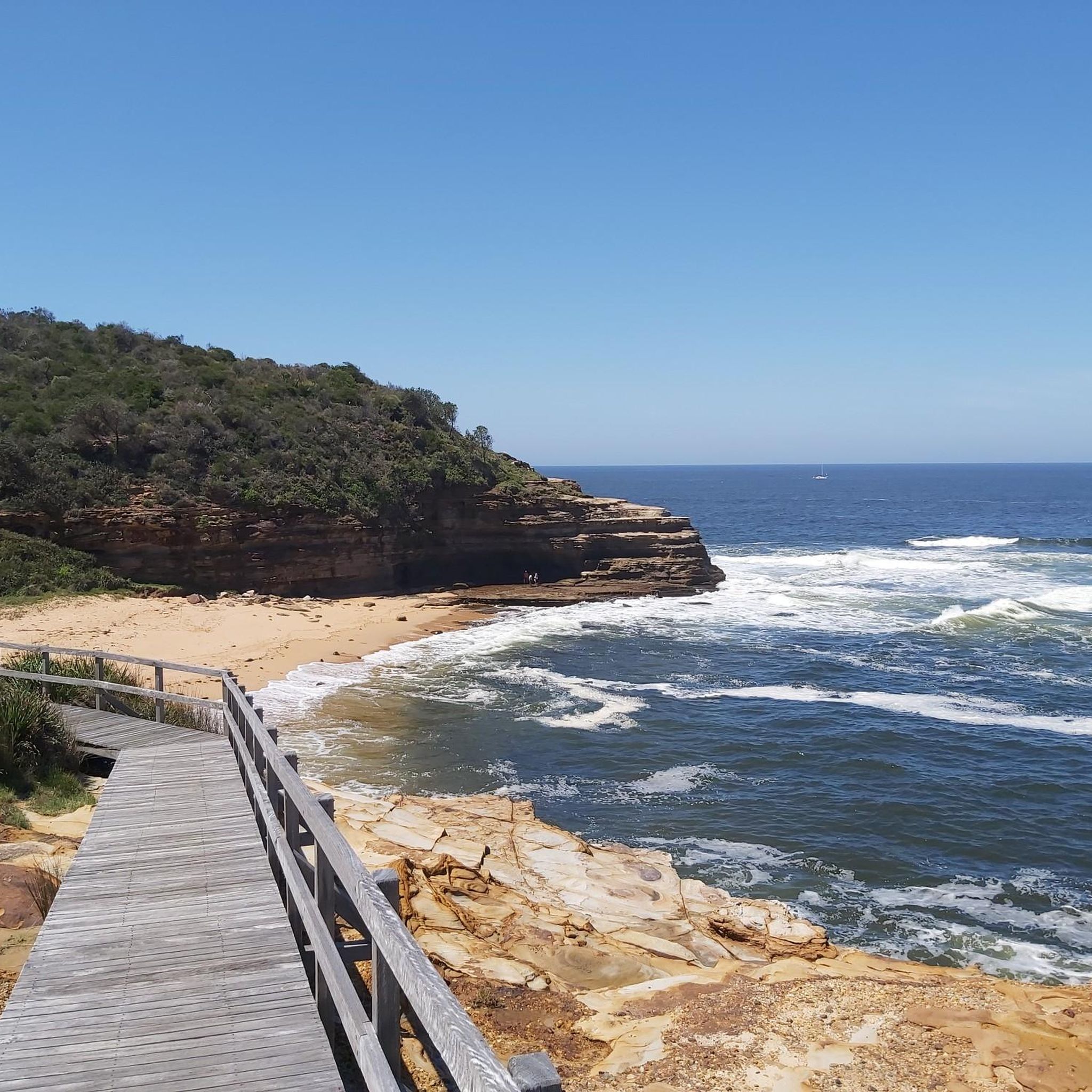
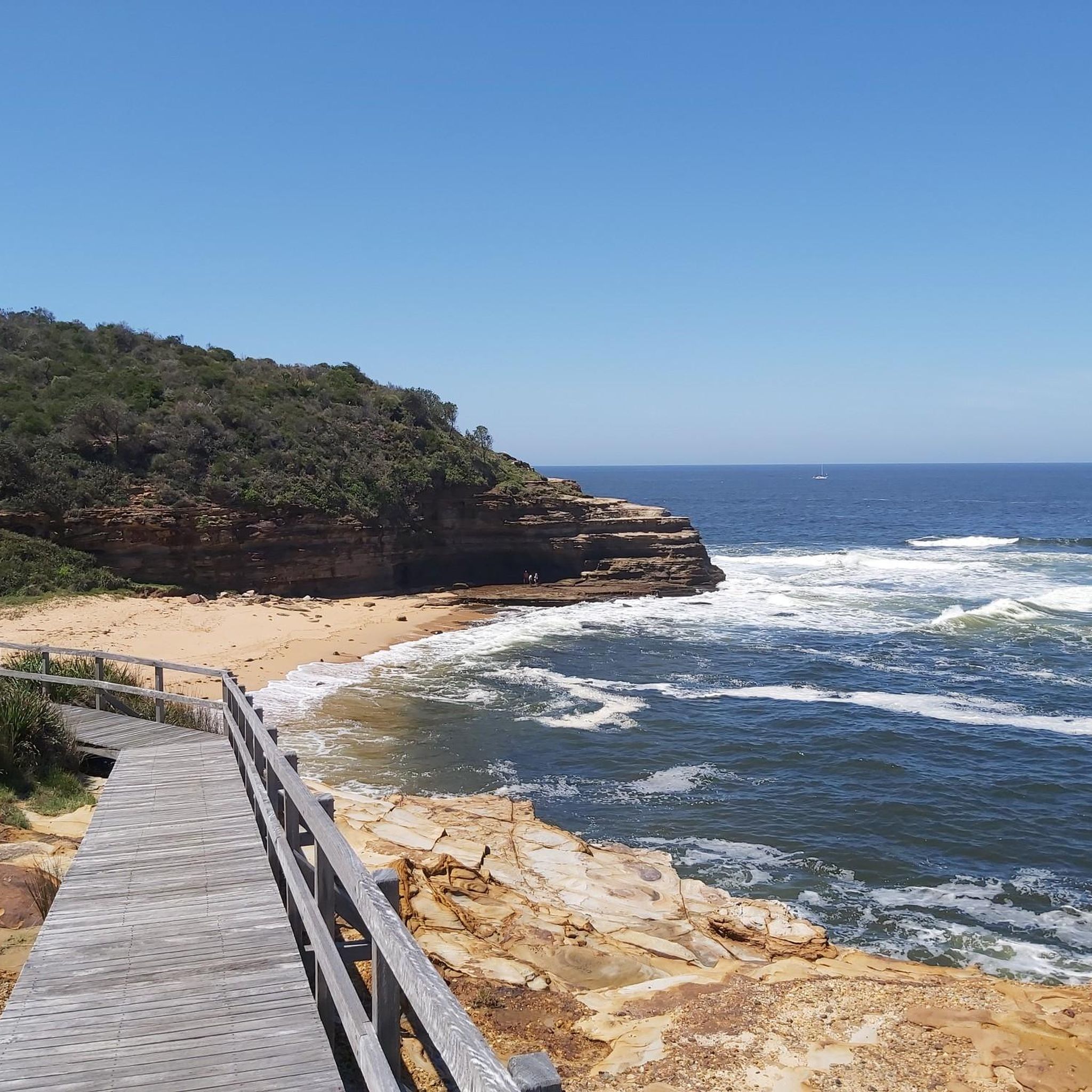
Brisbane Water National Park protects 12,000 hectares of rugged sandstone country, with walking tracks crossing open forest, sheltered rainforest and waterways flowing towards the Hawkesbury River. Late winter and spring bring colourful wildflowers, while the park also contains significant Aboriginal engraving sites. More than 270 native animal species have been recorded here, including glossy black-cockatoos, powerful owls and spotted-tailed quolls.
0
0
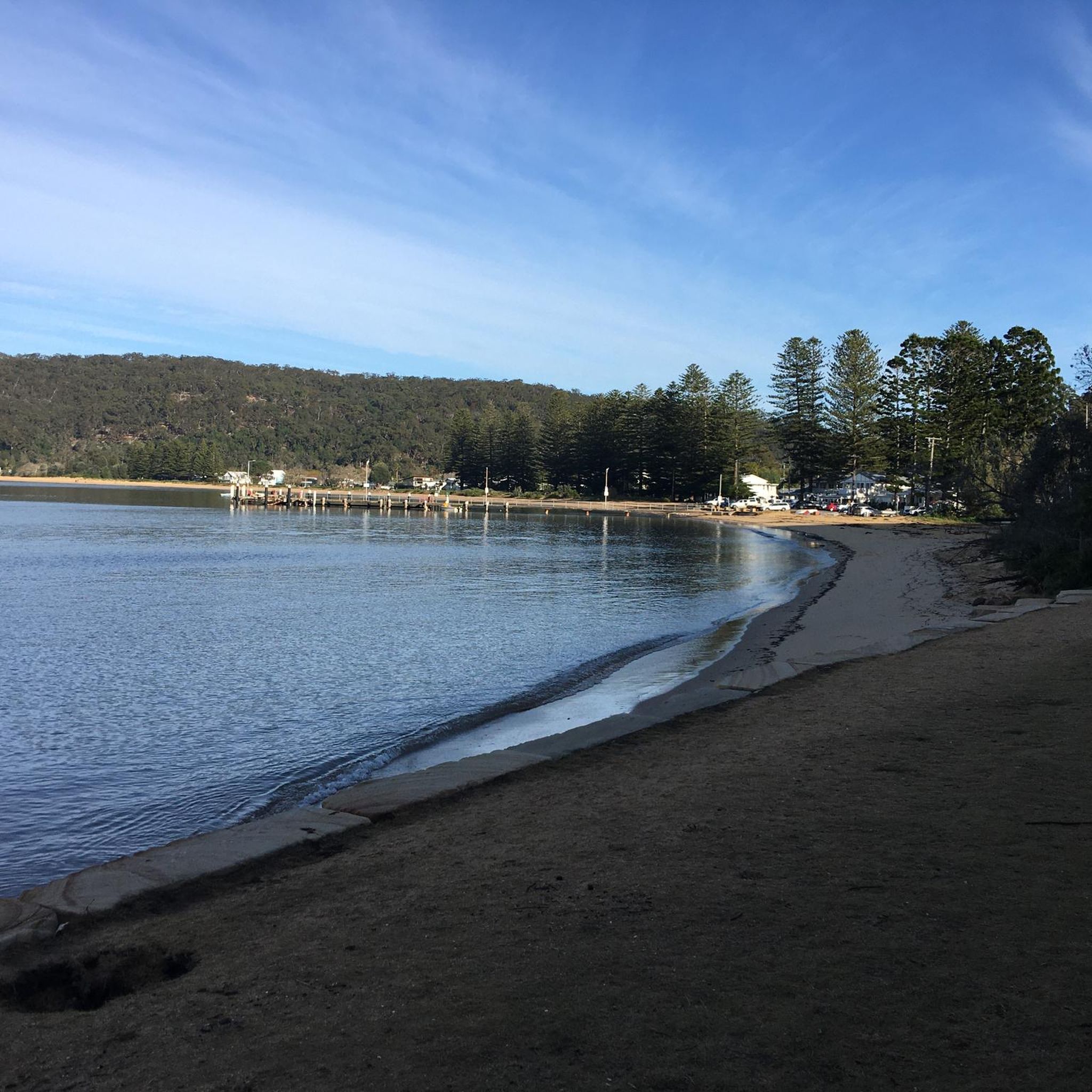
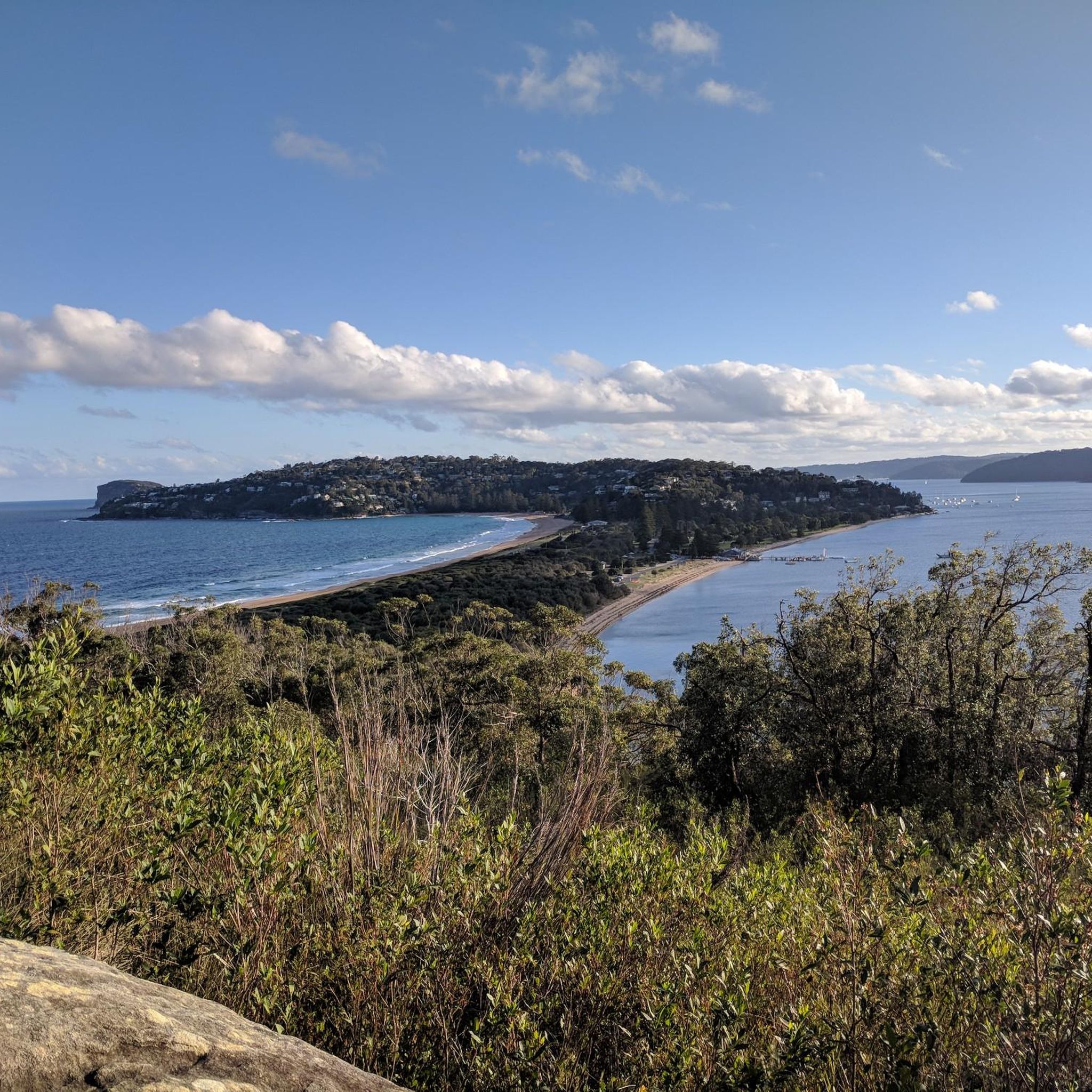
The Patonga to Pearl Beach walking track packs an impressive variety of landscapes into just 3 kilometres. Climb through towering red gums and eucalypt forest to Warrah Lookout, pass sandstone overhangs draped with native ferns, then descend to the golden sands of Pearl Beach. Beginning and ending at the coast, it's a rewarding walk that combines bushland, ocean views and two beautiful beachside villages.
0
0
Kariong Brook spills over a broad sandstone ledge into a deep pool surrounded by towering rock walls and dense bushland. After rain, the cascade becomes even more impressive, while the pool below is a popular place to cool off after the hike.
0
0

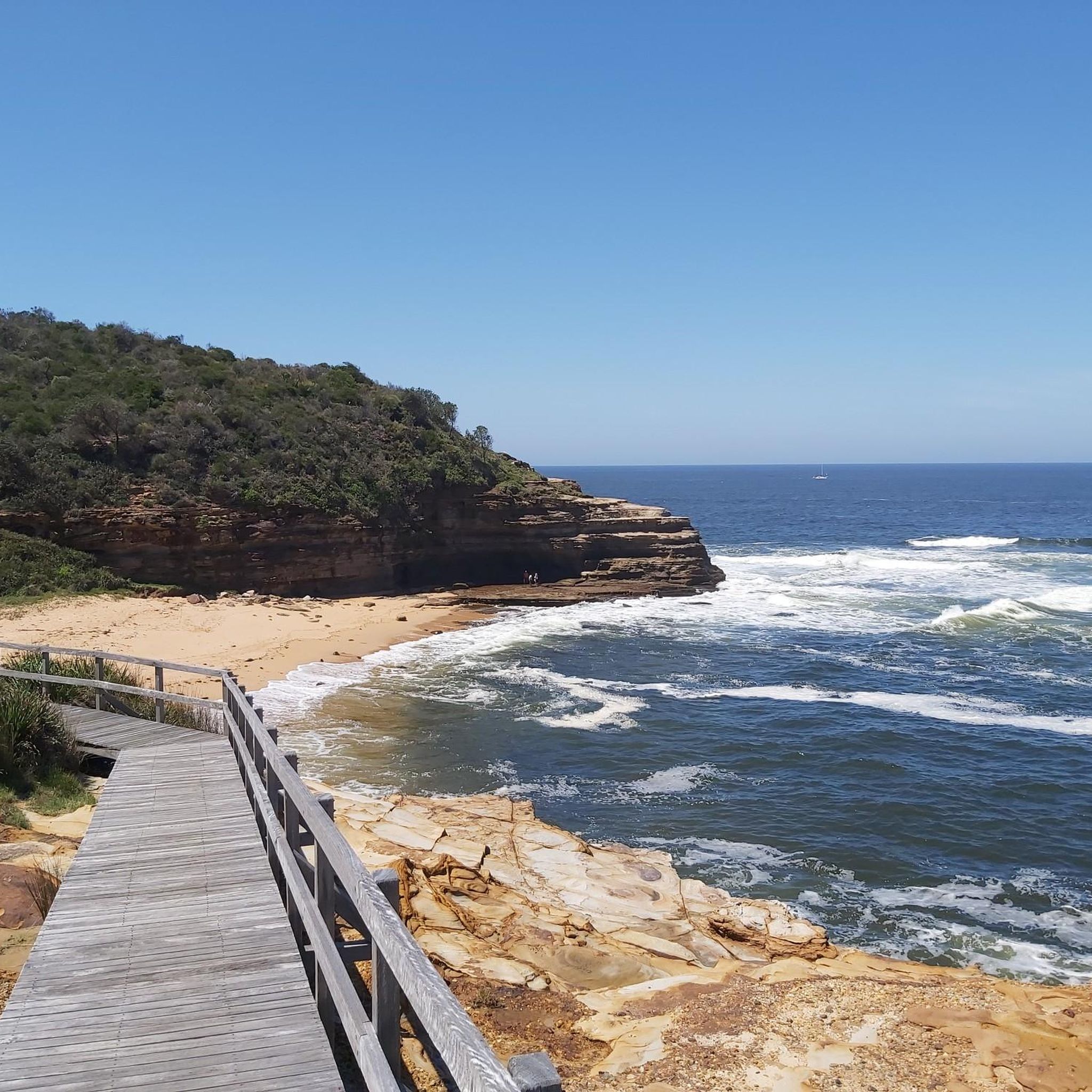
Brisbane Water National Park protects more than 11,000 hectares of rugged sandstone ridges, sheltered valleys and coastal waterways on the Central Coast north of Sydney. The park is known for its network of bushwalking tracks, including sections of the Great North Walk. Its mix of scenic lookouts, Aboriginal heritage sites and quiet forest trails makes it a popular escape for walkers exploring the region.
0
0
The summit of Mount Wondabyne rises about 210 metres above sea level and provides sweeping views over the Hawkesbury River and surrounding bushland. From this rocky high point, you can look across to the forested ridges and waterways that define this quiet corner of the Central Coast. This viewpoint is remote and peaceful, and the panoramic views are rewarding after a challenging climb.
0
0
Frequently Asked Questions
What are the best places to experience panoramic views in Brisbane Water National Park?
For sweeping vistas, head to Mount Wondabyne summit, which offers panoramic views over the Hawkesbury River and surrounding bushland after a challenging climb. Other notable lookouts include Staples Lookout, Warrah Lookout, and Mt Ettalong Lookout, providing views of Brisbane Water, the distant Barrenjoey headland, and Umina Beach.
Are there any significant Aboriginal cultural sites to visit in the park?
Yes, Brisbane Water National Park is rich in Aboriginal heritage. The most significant and accessible site is the Bulgandry Art Site Aboriginal Place, featuring well-preserved engravings of a man, wallabies, fish, and a dolphin. You can also find an Aboriginal engraving site on a short walk from the Girrakool picnic area, and Alison's Cascade Engraving Site with bird and shark engravings.
What kind of walking trails are available for different fitness levels?
The park offers a variety of walking tracks. For a challenging circuit with creek crossings and waterfalls after rain, try the Piles Creek Loop. The Girrakool Loop Walking Track is an easier, well-signposted option. For more easy hikes, explore routes in our guide to Easy hikes in Brisbane Water National Park.
Where can I see waterfalls in Brisbane Water National Park?
Waterfalls are a beautiful feature, especially after rainfall. Somersby Falls is a popular spot with a walking track along Floods Creek. You can also view Andamira Falls from Andamira Lookout, with its flow varying based on recent rainfall. Kariong Brook Falls is another notable waterfall accessible via certain walks.
What cycling opportunities are there in and around the park?
The park and surrounding areas offer various cycling routes. You can find options for road cycling in our guide to Road Cycling Routes in Brisbane Water National Park, and for more relaxed, traffic-free rides, check out our guide to Traffic-free bike rides in Brisbane Water National Park. The Tunnel Fire Trail is also used as an access route for longer bushwalking and cycling circuits.
When is the best time to visit Brisbane Water National Park for wildflowers?
Spring is the ideal time to visit if you want to witness the colourful wildflower displays. The sandstone heathland comes alive with a wide variety of plant species, including waratah and scribbly gum.
Are there picnic areas with facilities in the park?
Yes, there are well-equipped picnic areas. The Girrakool Picnic Area serves as a starting point for several walks and includes picnic tables, barbecues, and toilets. Somersby Falls Picnic Area also offers barbecues, picnic tables, and toilets, conveniently located next to the Somersby Falls walking track.
What kind of natural environment can I expect to see in Brisbane Water National Park?
The park features a diverse natural environment, including rugged sandstone ridges, sheltered valleys, and coastal waterways like Brisbane Water and Mooney Mooney Creek. You'll find dry eucalypt forest, wetlands, and areas with rare and endangered plants. The park is also home to a wide variety of flora, with 814 recorded plant species.
What is the Great North Walk and does it pass through the park?
The Great North Walk is a significant long-distance walking track that stretches from Sydney to Newcastle. A section of this renowned trail does indeed pass through Brisbane Water National Park, offering hikers an opportunity to experience its diverse landscapes and scenic beauty.
What wildlife might I encounter in Brisbane Water National Park?
Brisbane Water National Park is a sanctuary for various plant and animal communities. While wildlife sightings can vary, the park is known to protect threatened species, including the koala. Keep an eye out for diverse birdlife and other native animals during your visit.
What is the <a href="https://www.komoot.com/highlight/8268196" target="_blank" rel="noopener">Brisbane Water National Park</a> highlight about?
This highlight refers to the national park itself, emphasizing its network of bushwalking tracks, including sections of the Great North Walk. It's known for its mix of scenic lookouts, Aboriginal heritage sites, and quiet forest trails, making it a popular escape for walkers exploring the Central Coast region.
Most popular routes in Brisbane Water National Park

Get inspired with the komoot mobile app


Explore more
Still not found the Highlight you’re looking for? See guides of the top attractions in other regions:
