The best family-friendly hikes and walks around Cascais e Estoril e Estoril e Estoril
4.5
(2686)
18,770
hikers
61
hikes
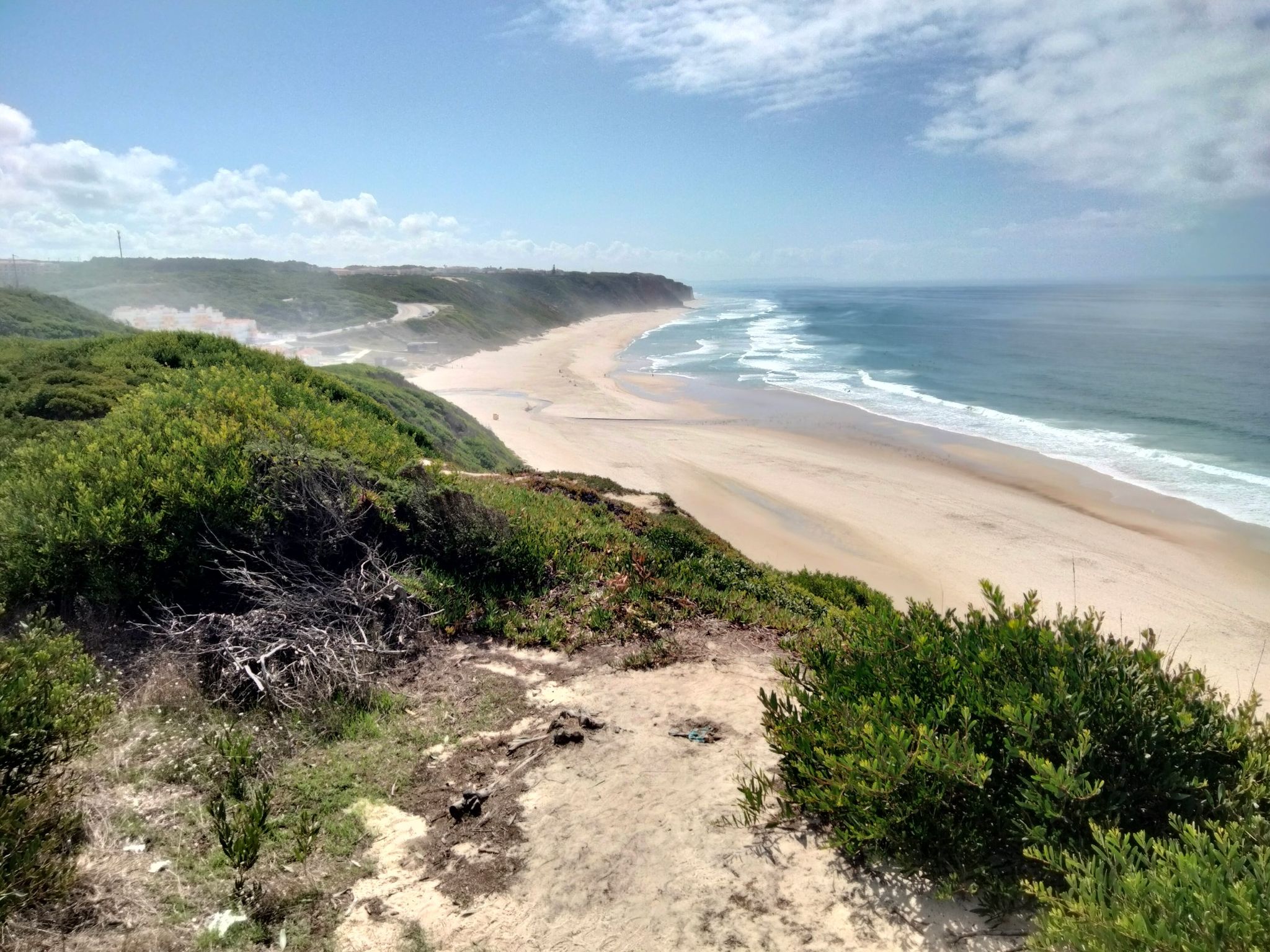
Family friendly hiking trails around Cascais e Estoril traverse a diverse landscape, characterized by the Atlantic coastline, sandy dunes, and the forested hills of the Sintra Mountains. The region, largely within the Sintra-Cascais Natural Park, features rugged cliffs, picturesque beaches, and ancient geological formations. Hikers can explore a variety of ecosystems, including forests, dune systems, and coastal paths, offering varied terrain for all abilities.
Best family friendly hiking trails around Cascais e Estoril
- The most popular family friendly hiking route…
Last updated: July 19, 2026
3.4
(41)
142
hikers
13.0km
03:22
80m
80m
Moderate hike. Good fitness required. Mostly accessible paths. Sure-footedness required.
4.9
(8)
33
hikers
Easy hike. Great for any fitness level. Easily-accessible paths. Suitable for all skill levels.

Sign up for free
4.6
(56)
760
hikers
Moderate hike. Good fitness required. Easily-accessible paths. Suitable for all skill levels.
4.6
(36)
463
hikers
Easy hike. Great for any fitness level. Easily-accessible paths. Suitable for all skill levels.
4.8
(29)
392
hikers
8.81km
02:16
50m
50m
Moderate hike. Good fitness required. Easily-accessible paths. Suitable for all skill levels.
Get access to more routes and recommendations from other explorers.
Sign up for free
Already have an account?
Our route recommendations are based on thousands of hikes, rides, and runs completed by other people on komoot.
Start today with a free account
Your next adventure awaits.
Login or Signup
Popular around Cascais e Estoril e Estoril e Estoril
Other adventures around Cascais e Estoril e Estoril e Estoril

Tips from the Community

The Cidadela de Cascais (Cascais Citadel) is a fascinating fortress complex that guards the marina and the bay. It is a unique mix of military history and modern art. Here is a summary of what makes it special: 1. Living History The Citadel is not just a ruin; it is a restored fortification with three main parts: The Fortress of Nossa Senhora da Luz: Built between the 15th and 17th centuries to defend the coast from pirates and Spanish troops. The Royal Palace: It became the summer residence of the Portuguese Royal Family in the late 19th century (King D. Luís I). Because of this, Cascais transformed from a fishing village into a "Court town," attracting the aristocracy. Presidential Residence: Today, the Palace is still an official summer residence for the President of Portugal, but parts of it can be visited (guided tours are often available via the Museum of the Presidency). 2. The "Art District" (Modern Twist) A few years ago, the Citadel was revitalized. It now houses a luxury hotel (Pestana Cidadela) and the Cidadela Art District. Open Courtyards: You can walk freely into the fortress courtyards. It is no longer a closed military zone. Galleries & Studios: The old barracks have been converted into art galleries, studios, and bookshops. It is very common to see artists working there. "Déjà Lu" Bookshop: A charming charity bookshop located inside the complex, highly recommended for book lovers. 3. What to Do Walk Through: It serves as a perfect connection between the Marina and the Culture Centre/Marechal Carmona Park. See the Views: The walls offer great angles for photos of the marina and the sea. Cultural Stop: Visit the Palace museum or simply wander the Art District to see contemporary sculptures contrasting with ancient stone walls. Summary: It is a place where you can see 16th-century cannons and 21st-century modern art in the same 10-minute walk.
0
0
The "Green Heart" of Cascais This park is the perfect peaceful retreat, blending nature, history, and leisure just steps away from the Marina. Key Highlights: Condes de Castro Guimarães Museum: A fairytale-like palace with a famous tower overlooking the water (a must-see). Roaming Animals: Famous for its free-roaming peacocks, ducks, and roosters, making it very popular with children. Chapel of São Sebastião: A small, historic chapel with beautiful tiles inside the park grounds. Activities: Great for picnics and family walks (lots of shade and playgrounds). Hosts a popular Organic Market on Saturday mornings. Venue for major events like the "Cascais Christmas Village."
1
0
The View: A Living Postcard The bay offers an iconic mix of a traditional fishing village and the aristocratic "Portuguese Riviera." You will see colorful fishing boats anchored in calm blue waters, framed by the historic Citadel and elegant palaces rising from the rocks. Best Spots to See It: Hotel Baía Rooftop: The most famous spot for a panoramic, aerial view of the entire bay and town. Praia da Ribeira (Main Square): The best ground-level view to get close to the fishing boats and the beach. The Citadel & Marina: Offers a beautiful "reverse" view, looking back at the town, which is stunning at sunset. Insider Tip: Walk just past the bay to the Santa Marta Lighthouse. The view of the lighthouse and the bridge over the water is arguably the most photogenic spot in Cascais.
0
0


Praia da Duquesa is one of Cascais's most central and popular beaches, ideal for those seeking convenience, beauty, and water activities. It's located between two historic mansions—Chalet Faial and Chalet Palmela—and is directly connected to Praia da Conceição, forming a single beach at low tide.
2
0
Praia da Conceição is one of Cascais's most popular and accessible beaches, ideal for both tourists and locals looking to enjoy the sea without leaving the city center. It's located next to the Hotel Albatroz, just a 5-minute walk from Cascais Train Station, making it one of the easiest beaches to reach from Lisbon.
2
1
Praia da Rainha is one of Cascais's most charming and central beaches, ideal for those seeking beauty, history, and convenience in an urban setting. It is located in the heart of Cascais, with direct access from Rua Frederico de Arouca, an iconic pedestrian street with undulating pavement. It is just a short walk from the train station and the Hotel Albatroz.
3
0
Praia da Ribeira, also known as Praia dos Pescadores, is an urban beach located in the heart of Cascais, right in front of the Hotel Baía and next to Praça 5 de Outubro. It's located in Cascais Bay, surrounded by historic buildings such as the Seixas Palace and very close to the Citadel and the Museu da Vila. It's a small beach, about 120 meters long.
3
0
Frequently Asked Questions
How many family-friendly hiking trails are there in the Cascais e Estoril region?
There are over 60 family-friendly hiking trails around Cascais e Estoril, with 33 of them rated as easy, making them perfect for outings with children. These routes offer manageable distances and gentle paths for everyone to enjoy.
What kind of terrain can we expect on family-friendly hikes in Cascais e Estoril?
The region offers a diverse range of terrain, especially within the Sintra-Cascais Natural Park. You can expect coastal paths with dramatic cliffs and sandy dunes, as well as forested hills and riverbanks. Many trails feature well-maintained paths, some even with wooden platforms, ensuring a pleasant experience for families.
Are there any easy circular routes suitable for families?
Yes, there are several easy circular routes. For example, the Sistema Dunar da Cresmina — circular route in Parque Natural Sintra-Cascais is an excellent option. It's an easy, relatively short loop that allows families to explore the unique dune system within the Natural Park.
Can we bring our dog on these family-friendly trails?
Many trails in the Cascais e Estoril region are dog-friendly, especially those within the Sintra-Cascais Natural Park. However, it's always best to check specific trail regulations, as some protected areas or beaches might have restrictions. Always keep your dog on a leash and clean up after them.
What are some natural landmarks or viewpoints we can see on family hikes?
The region is rich in natural beauty. You can hike to Cabo da Roca, the westernmost point of continental Europe, for breathtaking cliff views. Ursa Beach is also famed for its impressive rock formations. The Guincho-Oitavos dune system offers unique coastal scenery and birdlife. You might also encounter ancient geological features like limestone formations and lapiez.
Are there any historical sites or attractions accessible from family-friendly trails?
Absolutely! The hiking experience in Cascais e Estoril is often enhanced by proximity to historical and cultural landmarks. You can explore areas near Sintra Historic Centre, or visit the impressive Castle of the Moors and Quinta da Regaleira, both near Sintra. The Peninha Sanctuary also offers expansive views and historical context.
What is the best time of year to go hiking with kids in Cascais e Estoril?
Spring (April to June) and early autumn (September to October) are generally the best times for family hiking. The weather is milder, and the landscapes are vibrant. Summer can be quite hot, especially in exposed coastal areas, so early mornings or late afternoons are recommended if hiking during peak summer months.
Are there any stroller-friendly options for families with very young children?
While many trails are natural paths, some sections of the Cascais-Estoril Promenade offer a flat, paved surface suitable for strollers, connecting Cascais to São João do Estoril. For more natural settings, look for routes described as having very gentle, wide paths, though full stroller accessibility on all trails cannot be guaranteed due to varied terrain.
How can we reach the trailheads using public transport?
Many trailheads, especially those closer to Cascais and Estoril towns, are accessible by local buses or trains. The train line connects Lisbon to Cascais, with stops in Estoril. From these towns, local bus services can often take you closer to specific starting points within the Sintra-Cascais Natural Park. Planning your route with a local transport app is recommended.
Is parking available near the family-friendly trailheads?
Parking is generally available near popular trailheads and attractions, especially within the Sintra-Cascais Natural Park. However, during peak season or on weekends, parking lots can fill up quickly. Arriving early is advisable, especially for popular spots like Cabo da Roca or Guincho Beach areas.
Are there opportunities to spot wildlife on these family hikes?
Yes, the Sintra-Cascais Natural Park is home to diverse wildlife. You might spot various bird species, especially near coastal areas like Guincho Beach and its dunes. Quinta do Pisão, a nature preserve within the park, is specifically designed for wildlife observation and offers trails where you can see local fauna.
What do other hikers say about the family-friendly trails in Cascais e Estoril?
The family-friendly trails in Cascais e Estoril are highly rated by the komoot community, with an average score of 4.55 stars. Reviewers often praise the stunning coastal views, the well-maintained paths, and the opportunity to combine nature with historical exploration, making them ideal for family adventures.
Most popular routes around Cascais e Estoril e Estoril e Estoril
Most popular attractions around Cascais e Estoril e Estoril e Estoril

Get inspired with the komoot mobile app


Explore more
Browse the best Hikes in other regions.
