Attractions and Places To See around Val-de-Travers - Top 20
Best attractions and places to see around Val-de-Travers include a diverse landscape of natural rock formations, picturesque gorges, and the Jura mountains. The region is also rich in cultural heritage, offering insights into local traditions and history. Visitors can explore a blend of natural beauty and unique points of interest.
Best attractions and places to see around Val-de-Travers
- The most popular attractions is Starting point of the Poëta-Raisse gorge, a waterfall that marks the entrance or exit of the Poëta Raisse Gorge. This area offers a beautiful forest hike through narrow passages and alpine meadows, with a picnic area and parking available.
- Another must-see spot is Noiraigue, a settlement located in the Areuse basin. It serves as a starting point for hikes to the Creux du Van and through the Gorges de l‘Areuse, offering access to wild natural landscapes.
- Visitors also love Môtiers village center, a historical settlement that developed around the priory of St-Pierre. The village is known for its well-preserved architectural heritage and its connection to Jean-Jacques Rousseau.
- Val-de-Travers is known for its natural features like the Creux du Van and Areuse Gorges, as well as cultural sites such as the Maison de l'Absinthe and Asphalt Mines of La Presta. The region offers a variety of attractions to see and explore, from historical villages to scenic hiking trails.
- The attractions around Val-de-Travers are appreciated by the komoot community, with 248 upvotes and 19 photos shared across the highlights.
Last updated: July 6, 2026
Creux du Van
Highlight • Gorge
Translated by Google •
Tip by

Noiraigue
Highlight • Settlement
The first written mention of the place dates back to the year 998 under the name Nigra aqua. This Latin word meaning black water refers to the water of the Noiraigue, which is often cloudy due to the boggy soil in the Vallée des Ponts, the catchment area of the karst spring. However, the area around Noiraigue was already visited in the Neolithic, which is testified by the discovery of an ax from this period.
Noiraigue belonged to the Priory of Saint-Pierre in Môtiers until the 14th century, after which it was subject to the Castaney of Val-de-Travers until 1848. During this time, the County of Neuchâtel held sovereignty over the area. Since 1648 Neuchâtel was a principality and from 1707 it was linked to the Kingdom of Prussia by a personal union. In 1806 the area was ceded to Napoleon I and in 1815 came to the Swiss Confederation in the course of the Congress of Vienna, whereby the kings of Prussia also remained princes of Neuchâtel until the Neuchâtel trade in 1857. In 1719 numerous houses fell victim to a village fire.
Text / Source: Wikipedia:
de.wikipedia.org/wiki/Noiraigue#:~:text=Noiraigue%20%C3%B6rte%20to%20%2014.%20century%20to%20priory,county%20Neuchâtel%20the%20supremacy%20% C3%BCover%20the%20territory%20inside.
Translated by Google •
Tip by

Sign up now to discover places like this
Get recommendations on the best single tracks, peaks, & plenty of other exciting outdoor places.
Sign up for free
Creux du Van
Highlight • Gorge
Source: share.google/qQ4zo9CPIq9SnEl6N
Translated by Google •
Tip by

Ferme Robert
Highlight • Mountain Hut
Translated by Google •
Tip by

Restaurant Le Soliat
Highlight • Restaurant
Translated by Google •
Tip by

Gorges de la Poeta Raisse
Highlight • Gorge
Translated by Google •
Tip by

Môtiers village center
Highlight • Settlement
Môtiers: from the Latin monasteries, meaning church or monastery. The foundation of Môtiers merges with the foundation of the priory of St-Pierre, probably in the 10th century in a still sparsely populated Val-de-Travers. The village developed around the monastery, then rich and powerful. At the beginning of the 14th century, the Counts of Neuchâtel were the rulers of Val-de-Travers and were represented by lords. The castle, first mentioned in 1344, became their residence. At the beginning of the 16th century, the construction of an inn and the famous "town house" began: it is the Hotel des Six-Communes. The building, as it can still be admired, dates from around 1590.
Jean-Jacques Rousseau stayed there from 1762 to 1765, but his disputes with the pastor of Montmollin forced the philosopher to leave Môtiers for the Ile Saint-Pierre. The 19th century left the capital a little distant from the industrial development of the rest of the district. There are a few small watch factories, a few absinthe distilleries and a company still present in the priory buildings that produces sparkling wines using the champagne method.
In 1987, the municipality developed a policy to protect its architectural heritage. The character of the village and the quality of its cultural and artistic life make Môtiers a place appreciated by visitors.
Text / Source: Val de Travers, Rue du Temple 8, 2114 Fleurier
val-de-travers.ch/page/motiers#:~:text=Histoire%20du%20village%20de%20Mostier%20-%20Moustier%20-,d%C3%A9veloppe%20autour%20du %20monast%C3%A8re%2C%20alors%20riche%20et%20puissant.
Translated by Google •
Tip by
Asphalt Mines of La Presta
Highlight • Historical Site
In 1711, the first modern scientist specializing in the field of asphalt, the Greek doctor Eirini d'Eyrinys, identified the first deposits on the northern anticline of Val-de-Travers. Initially interested in the therapeutic effects of this material, he laid the foundations for its modern use in his "Dissertation sur l'asphalt ou ciment naturel".
The first mine was open-pit and it seems well established that exploitation only concerned the Combe-Vaubayon deposit until 1812. The documents available do not agree on the exact date (around 1830) when the La Presta deposit on the southern slope of the valley would have started to be exploited.
After passing through various hands, the mine became the property of an English company, the "Neuchâtel Asphalte Company Ltd.", in 1873. It should be noted that asphalt, like salt, is subject to royal law and that in 1873 the latter charged a sum of around CHF 5 per tonne (around CHF 15 per tonne in 1986).
Around 1960, NACO Ltd. was taken over by one of the most powerful road companies in Europe, the British company Tarmac.
The asphalt mines of Presta were thus used artisanally and then industrially from 1712 to 1986 before being opened to the public.
Text / Source: Les Mines d'asphalte du Val-de-Travers
mines-asphalte.ch/a-propos
Translated by Google •
Tip by
Travers Village and Stone Bridge
Highlight • Settlement
The area of the 24.7 km² former municipal area includes the eastern section of the Val de Travers, which has a flat valley floor around 600 m wide. East of the village, the Areuse curves northwards, passes the narrow point between the steep slopes of Côte Lambercier and Côte de Rortier and then enters the Noiraigue basin, the western part of which also belonged to Travers. In the south, the municipal area extended over the densely wooded steep slope (Bois des Lacherels) to the anticline of the Chasseron. In the very southeast, at Soliat, it reached the upper edge of the Creux du Van rock arena, where the highest point in Travers was at 1410 m above sea level. To the north, the municipal area extended over the Rotel plateau and the Crêt de Sapel (1210 m above sea level) to the height of Roumaillard (1263 m above sea level) and into the dry valley of Combe Pellaton. This lies in the catchment area of the Vallée des Ponts high valley, the extreme southwest of which belonged to Travers. Particularly on the Rotel plateau and on the Crêt de Sapel there are extensive Jura high pastures with the typical mighty spruce trees, which stand either individually or in groups. In 1997, 4% of the municipal area was used for settlements, 43% for forest and woodland, 52% for agriculture and just over 1% was unproductive land.
Travers included the hamlets of Vers chez Montandon (730 m above sea level) to the right of the Areuse, Vers chez le Bois (837 m above sea level) on the northern slope of the valley and Le Sapelet (1098 m above sea level) on the southern slope of the Crêt de Sapel as well as numerous individual farms on the valley slopes and on the Jura heights. Neighbouring communities of Travers were Couvet, La Brévine, Les Ponts-de-Martel, Brot-Plamboz, Noiraigue and Gorgier in the canton of Neuchâtel and Provence in the canton of Vaud.
Translated by Google •
Tip by

Maison de l'Absinthe
Highlight • Historical Site
The Maison de l'Absinthe is open daily from 10:00 AM to 6:00 PM (5:00 PM on Sundays), except Mondays. Admission is 15 Swiss francs for adults; children up to 16 years old are free.
Translated by Google •
Tip by

Sign up for free to discover even more attractions around Val-de-Travers.
Sign up for free
Already have an account?
Start today with a free account
Your next adventure awaits.
Login or Signup
Popular around Val-de-Travers
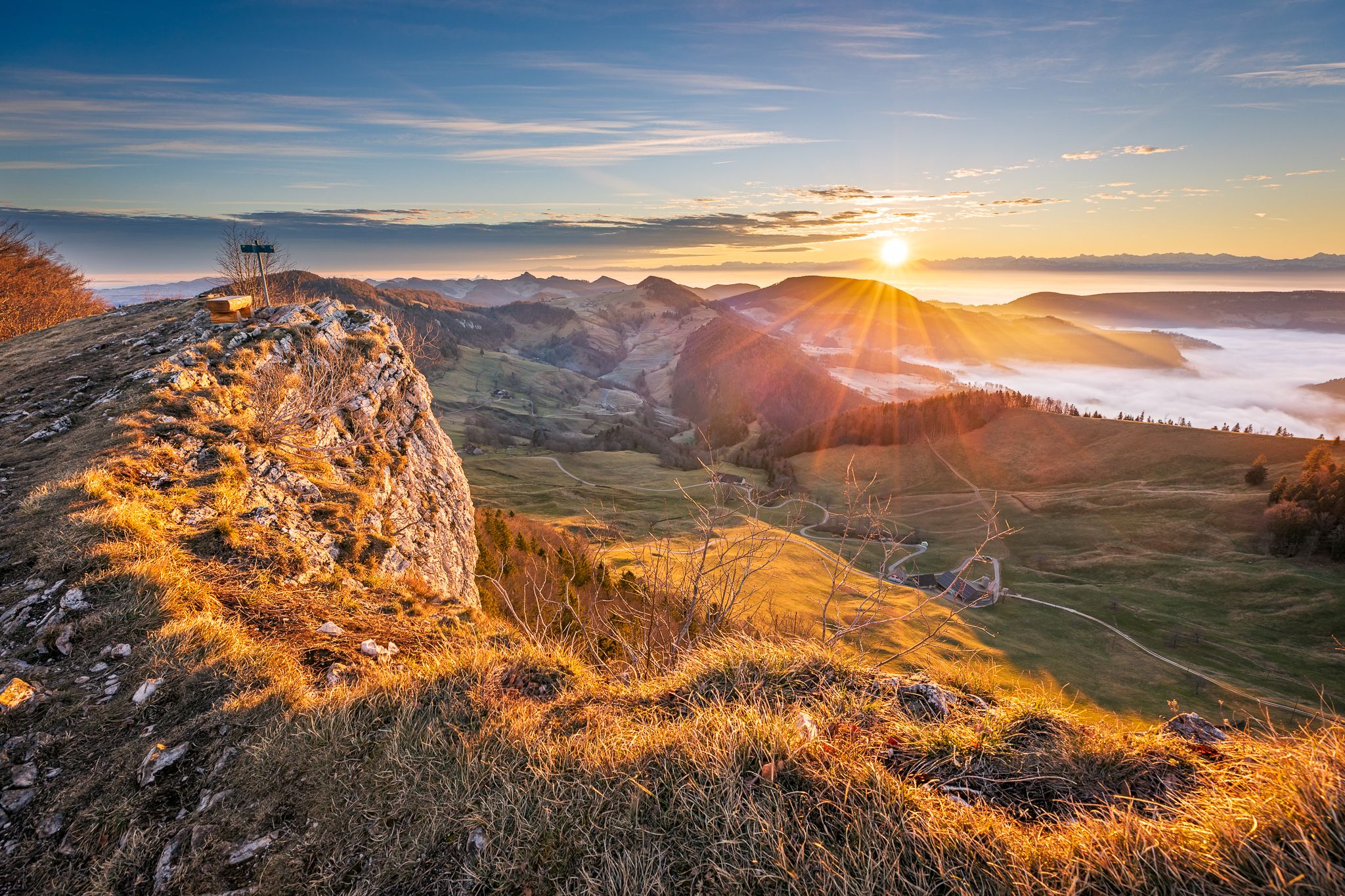
Jura Crest Trail - Rocks, distant views and fondue - 16 stages
Cycling the Jura from Basel to Lake Geneva in 6 stages
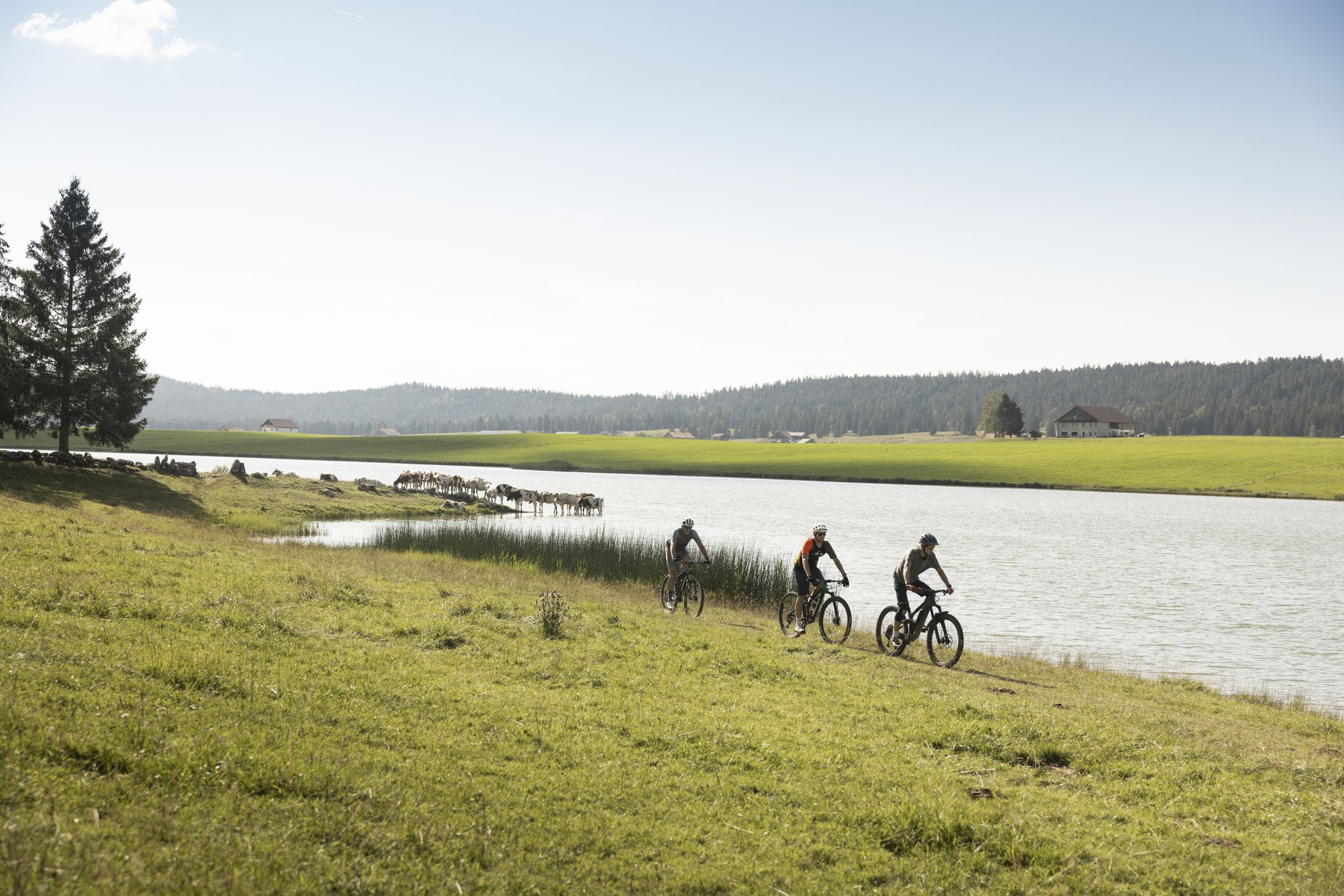
Cycling in the Jura & Three-Lakes Region
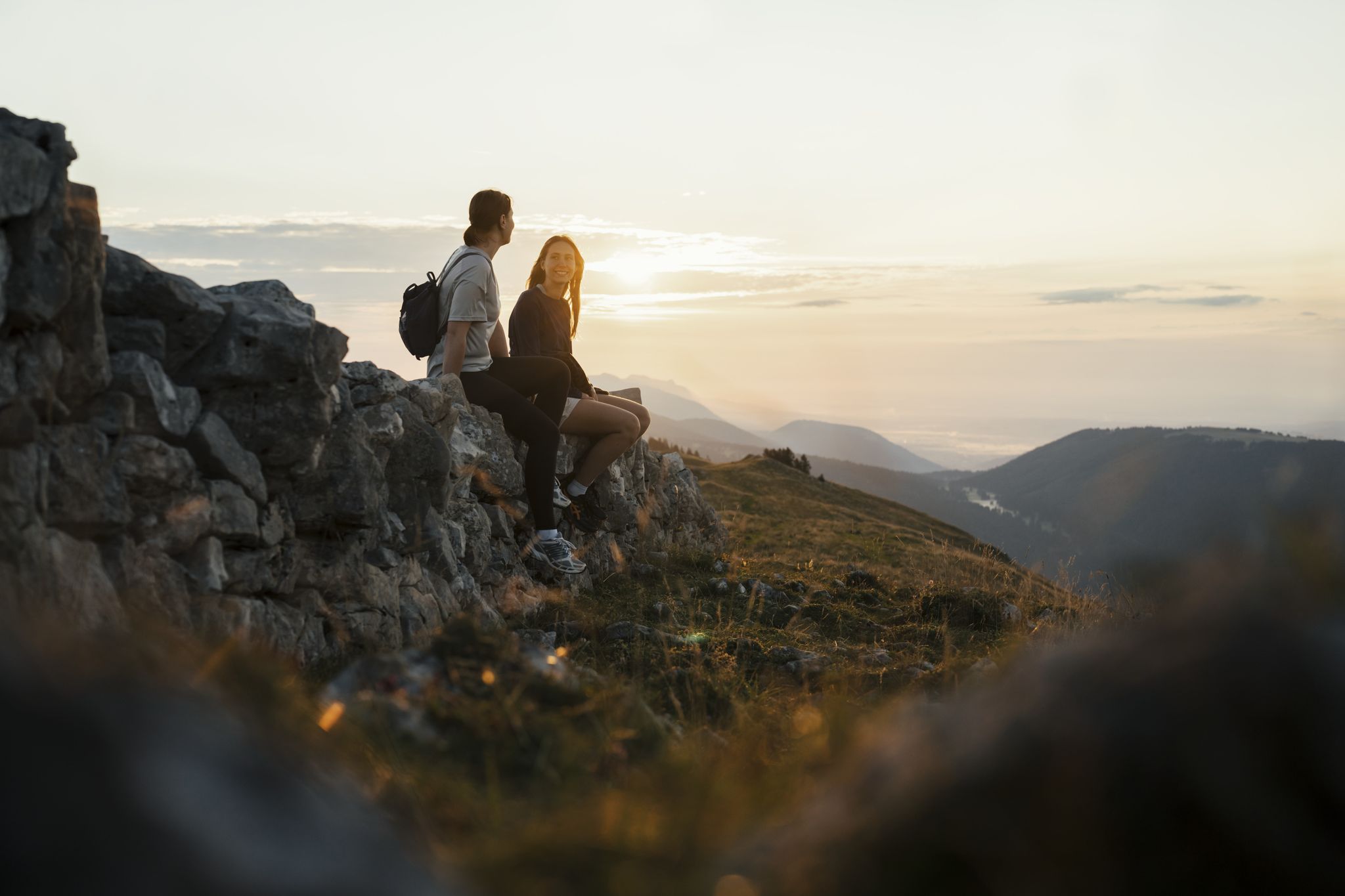
Panoramic hikes in the Jura & Three-Lakes Region
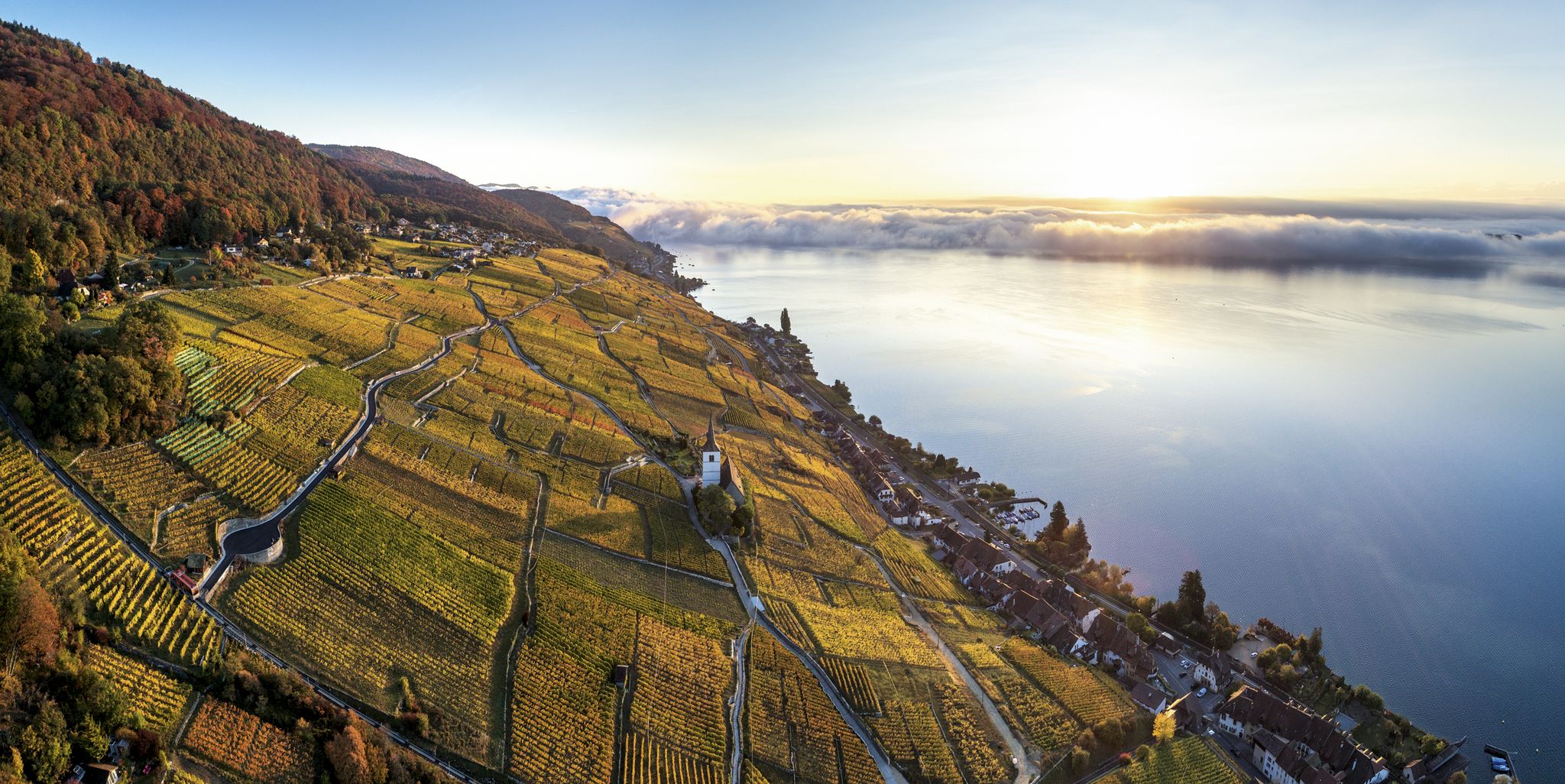
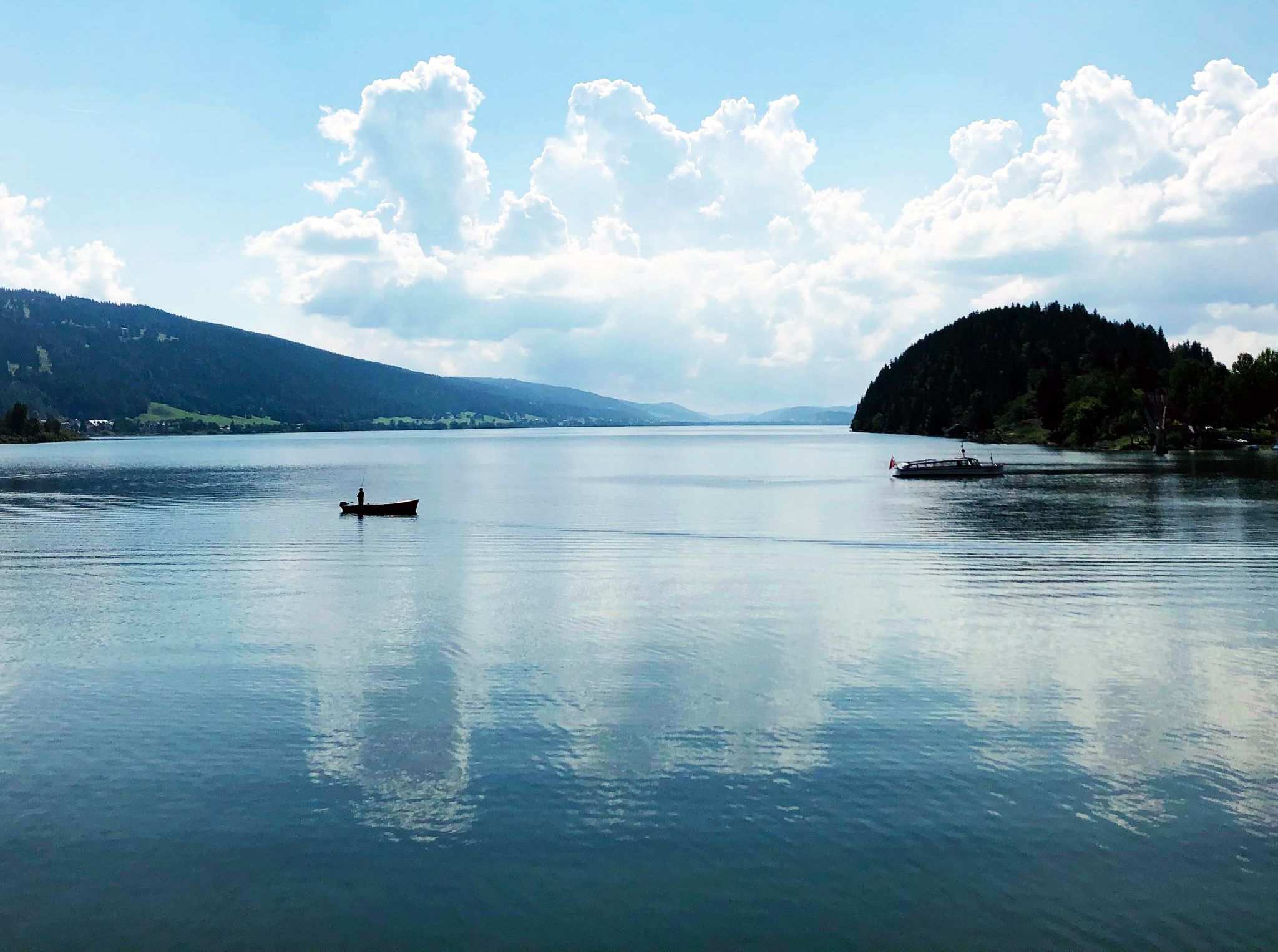
Waterside hiking in the Jura & Three-Lakes region
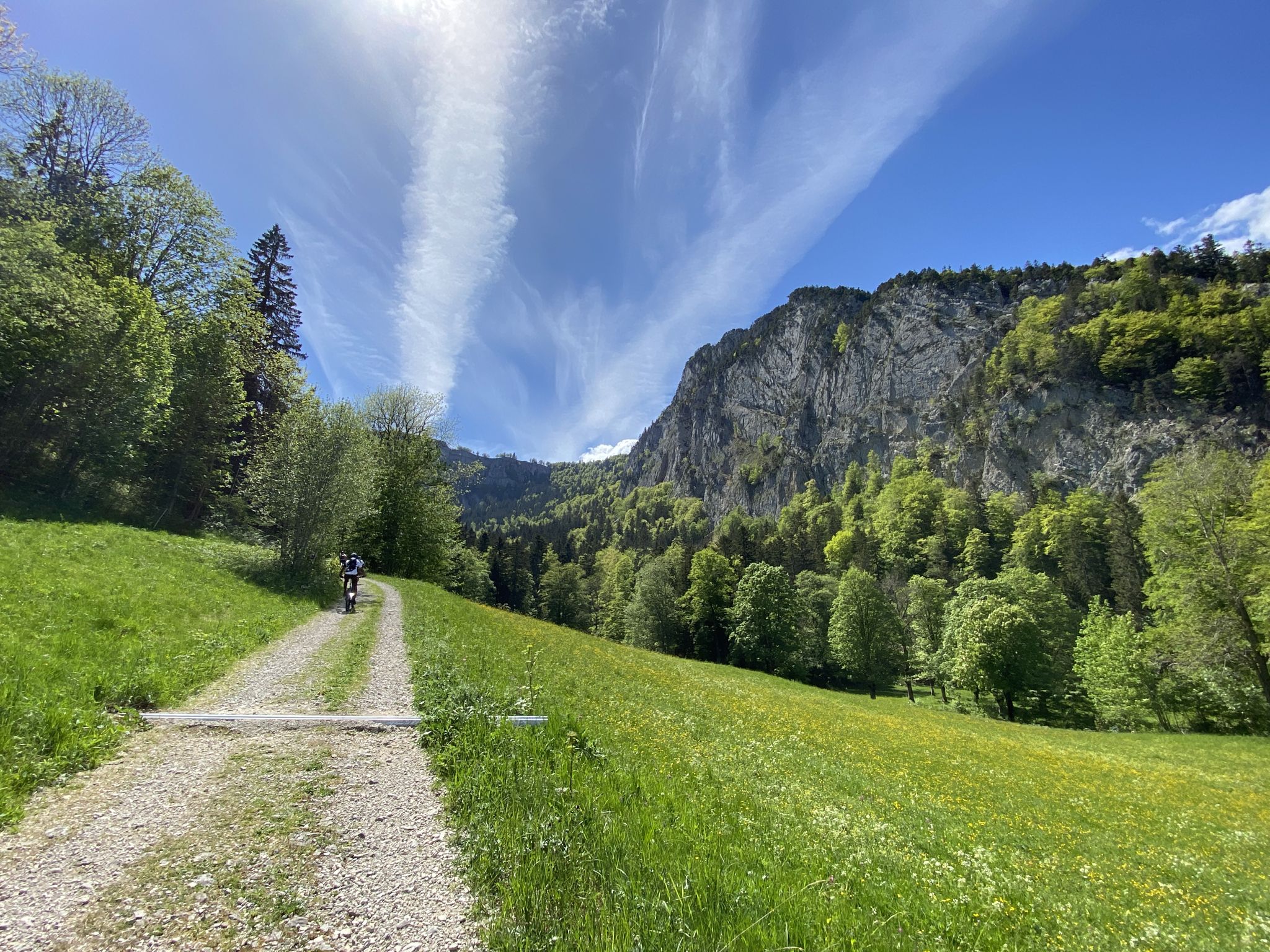
Through forests, meadows and gorges – The Neuchâtel Bike
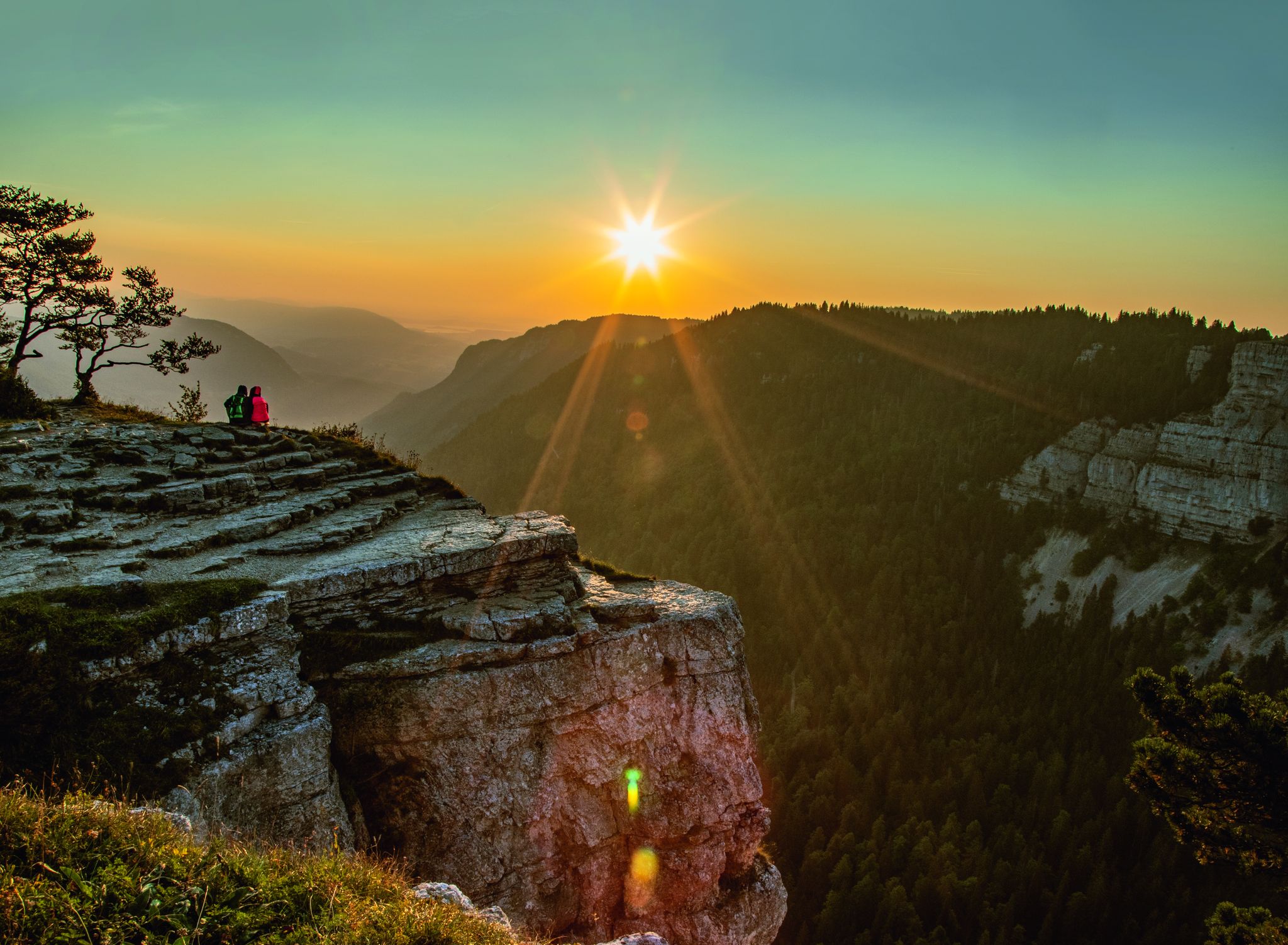
Ride through the magnificent Swiss Jura – La Trans Jurassienne
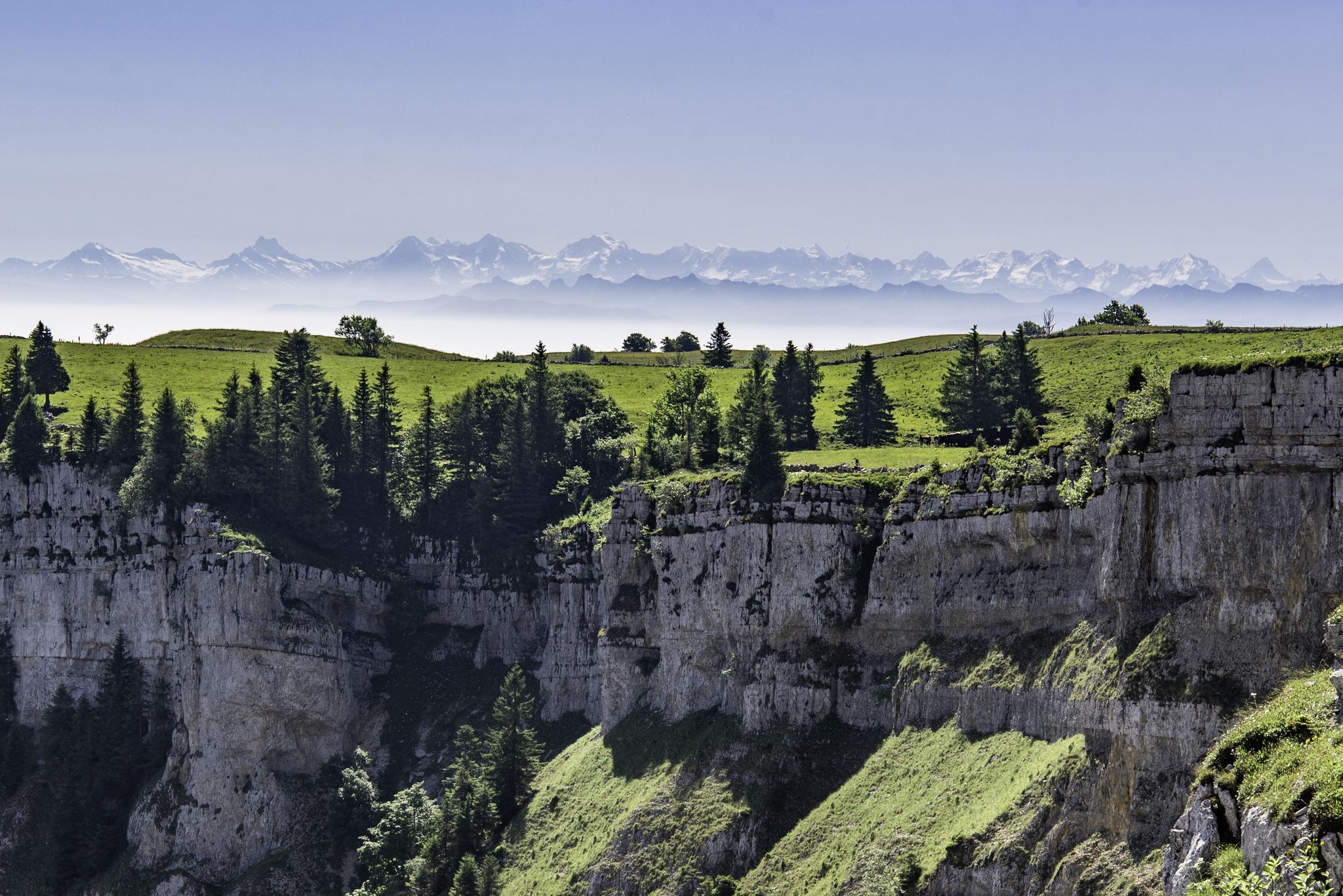
From the Vosges to the Jura mountains – Hexatrek, le Grand Est
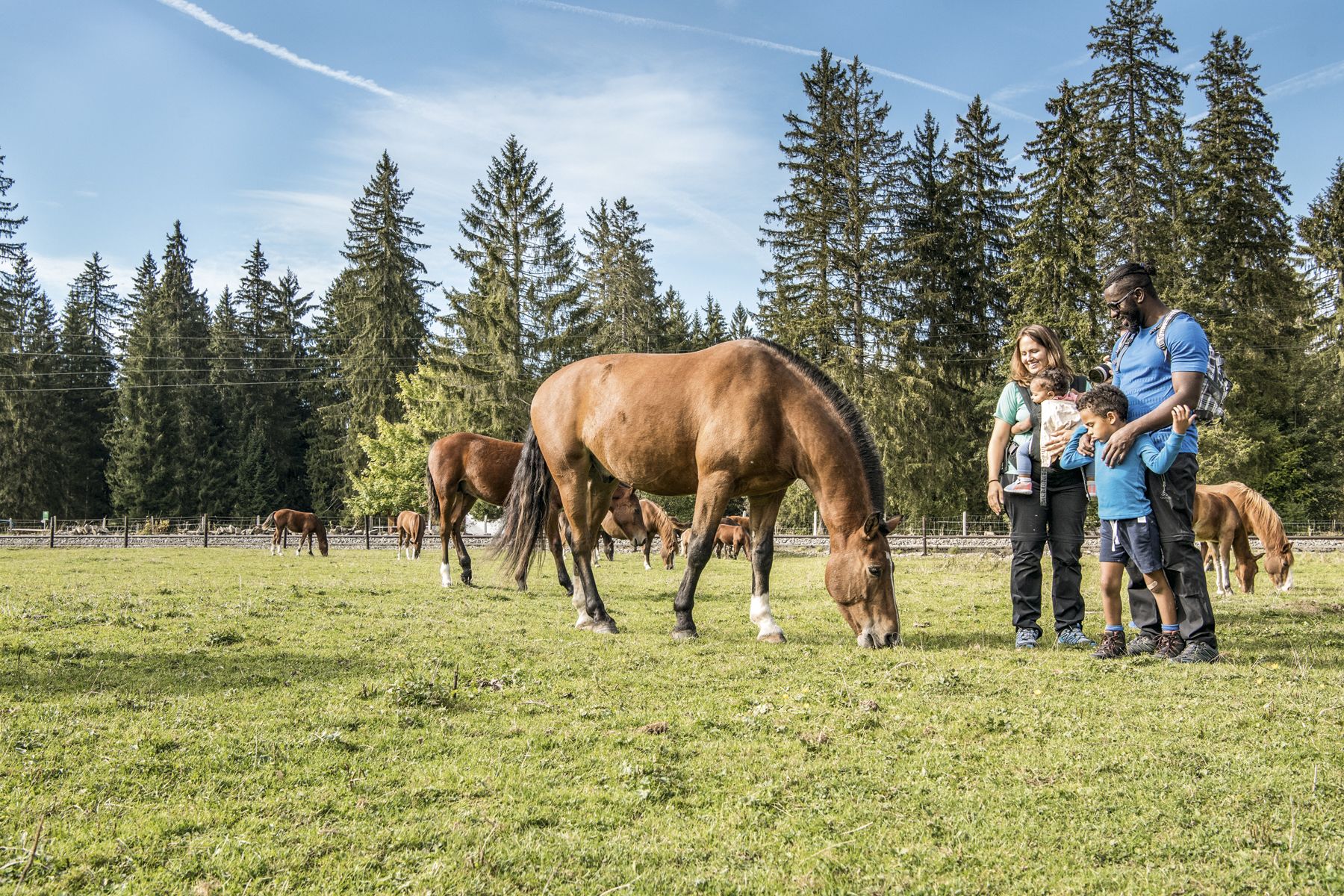
Jura — Visit the farms of organic pioneers

Schottergenuss und Gaumenschmaus – Grand Gourmet Rides durch die Schweiz
Other adventures around Val-de-Travers


Tips from the Community


Simply immense and very impressive what nature has created!!!
2
0

At the Maison de l'Absinthe, you can immerse yourself in the history of absinthe. In addition to a permanent exhibition on the history of absinthe, there is a themed exhibition space, a garden, a laboratory that explains the absinthe-making process, a bar where you can sample around 30 different varieties, and finally, a shop where you can purchase various regional products. The Maison de l'Absinthe is open daily from 10:00 AM to 6:00 PM (5:00 PM on Sundays), except Mondays. Admission is 15 Swiss francs for adults; children up to 16 years old are free.
2
0

Great restaurant, right by the Creux du Van. The fondue is highly recommended, very delicious 😎
7
1
Very cozy and inviting garden terrace.
7
0
The Creux du Van is approximately 1,200 meters wide and 500 meters deep. The total length of the rock faces, which drop approximately 160 meters vertically, is approximately four kilometers. The area is located near Mont Soliat at 1,200 to 1,450 meters above sea level. It has been protected since 1972 and is included in the federal inventory of landscapes and natural monuments of national importance. Source: https://share.google/qQ4zo9CPIq9SnEl6N
8
0

Lots of stairs but charming place with absinthe fountains
2
0
Frequently Asked Questions
What are the most impressive natural attractions to visit in Val-de-Travers?
Val-de-Travers is renowned for its stunning natural features. The most iconic is the Creux du Van, a magnificent natural rock amphitheater with towering limestone cliffs. You can also explore the picturesque Areuse Gorges, where the river carves its way through lush greenery, and the dramatic Poëta-Raisse Gorge, offering beautiful forest hikes through narrow passages and alpine meadows.
Where can I discover the cultural heritage and history of Val-de-Travers?
To delve into the region's rich history, visit the Maison de l'Absinthe in Môtiers, which explores the history of the 'Green Fairy' that originated here. Another unique historical site is the Asphalt Mines of La Presta, where you can take an underground tour. The Môtiers village center itself is a historical settlement with well-preserved architecture and a connection to Jean-Jacques Rousseau.
Are there good hiking opportunities around Val-de-Travers?
Yes, Val-de-Travers is a paradise for hikers. Popular trails include those through the Areuse Gorges, the Poëta-Raisse Gorge, and to the Creux du Van. You can find various routes, from moderate to difficult, including waterfall hikes and mountain trails. For detailed routes, explore the Waterfall hikes around Val-de-Travers and Mountain Hikes around Val-de-Travers guides.
What cycling routes are available in the Val-de-Travers region?
The region offers numerous cycling routes for various skill levels. You can enjoy scenic rides through forests, meadows, and gorges. For specific road cycling routes, including loops like the 'Brévine Valley – Lac des Taillères' or 'The Areuse – Painters' cycle path', refer to the Road Cycling Routes around Val-de-Travers guide.
Are there family-friendly activities or attractions in Val-de-Travers?
Absolutely! Families can enjoy the Ferme Robert mountain inn, which has a playground and an enclosure with goats. The Asphalt Mines of La Presta offer a fascinating and unique underground experience. The Starting point of the Poëta-Raisse gorge also features a large log cabin for picnics, perfect for a family outing.
How can I get to the Creux du Van and what facilities are nearby?
The village of Noiraigue serves as a popular starting point for hikes to the Creux du Van. From there, you can embark on various trails. Near the Creux du Van, you'll find the Ferme Robert mountain inn and Restaurant Le Soliat, both offering food and refreshments, with Ferme Robert also providing a playground for children.
What is the best time of year to visit Val-de-Travers for outdoor activities?
Val-de-Travers offers activities year-round. Spring and autumn are ideal for hiking and cycling, with pleasant temperatures and beautiful foliage. Summer is perfect for exploring the cool Areuse Gorges and enjoying outdoor leisure at La Robella. In winter, the Jura mountains provide opportunities for downhill skiing, snowshoe trekking, and tobogganing.
Are there any unique local specialties or experiences in Val-de-Travers?
Yes, Val-de-Travers is the birthplace of absinthe, the 'Green Fairy.' You can learn about its history and even sample different varieties at the Maison de l'Absinthe or visit local distilleries. Another unique local culinary specialty is ham cooked in asphalt, a tradition linked to the Asphalt Mines of La Presta.
What kind of viewpoints can I find in the region?
The region offers several breathtaking viewpoints. The most prominent is from the top of the Creux du Van, providing panoramic views over the valley. The Via Ferrata du Tichodrome also offers stunning valley views for those seeking an adventurous climb. Additionally, the Jura mountains themselves provide numerous scenic vistas.
How accessible is Val-de-Travers by public transport?
Val-de-Travers is well-connected by public transport. Key villages like Noiraigue, a starting point for many hikes, have train stations like Noiraigue Train Station. This makes it convenient to reach various attractions and trailheads without a car.
What are 'Métaries' and where can I find them?
Métaries are old mountain farms in the Jura mountains that have been converted into guesthouses. They serve as excellent stops for hikers to rest, enjoy a meal, and experience local hospitality amidst the scenic landscapes. You'll find them dotted along many of the hiking trails in the region.
Are there any specific historical villages worth exploring in Val-de-Travers?
Beyond Môtiers village center with its well-preserved heritage, the village of Travers is also of historical significance, known for its stone bridge. Both offer a glimpse into the region's past and traditional architecture.
Most popular routes around Val-de-Travers
Most popular attractions around Val-de-Travers

Get inspired with the komoot mobile app


Didn’t find what you were looking for?
Are you keen on exploring more awesome places nearby? Browse our guides:
Explore more
Still not found the Highlight you’re looking for? See guides of the top attractions in other regions:
