The 17 Most Amazing Peaks around Oberdiessbach
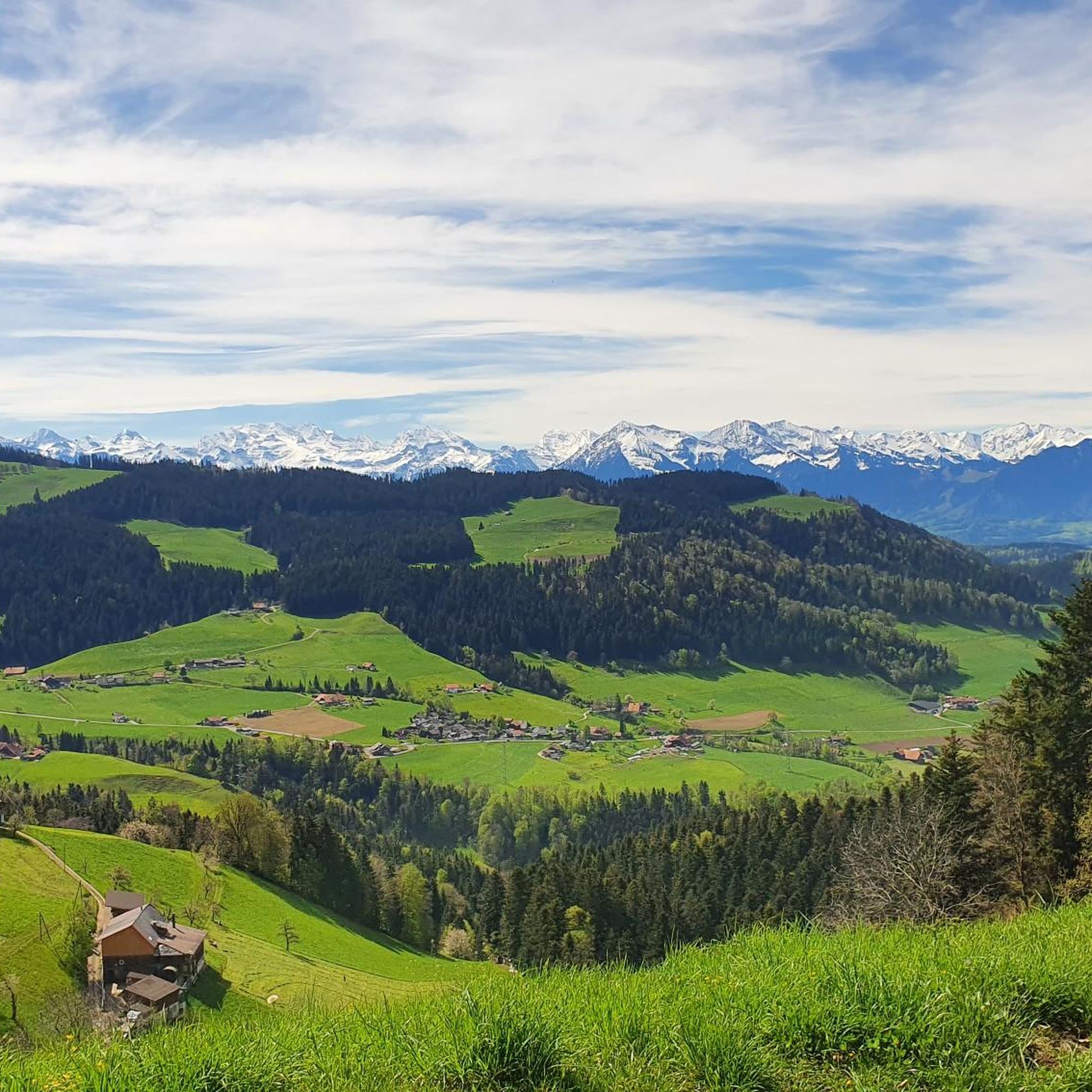
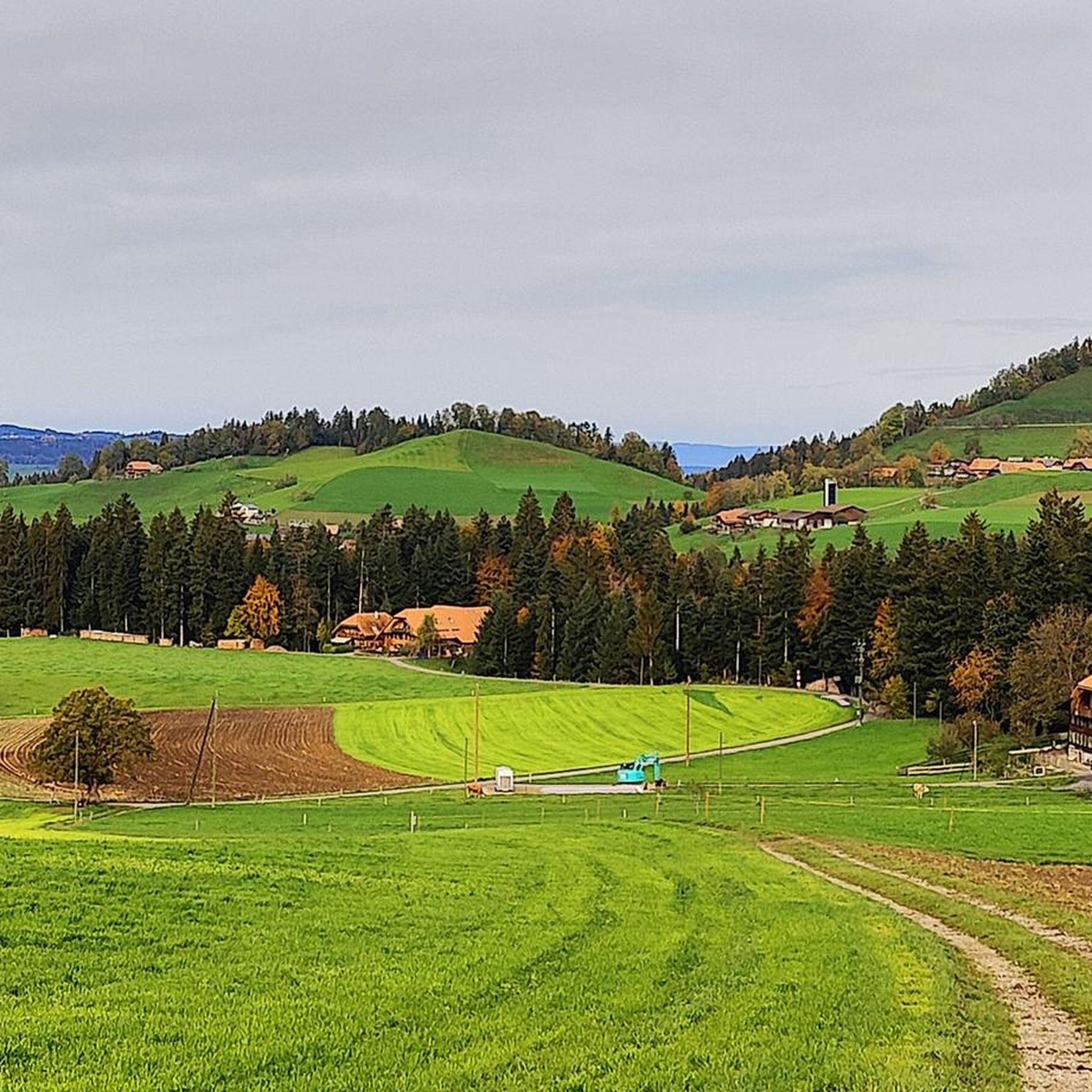
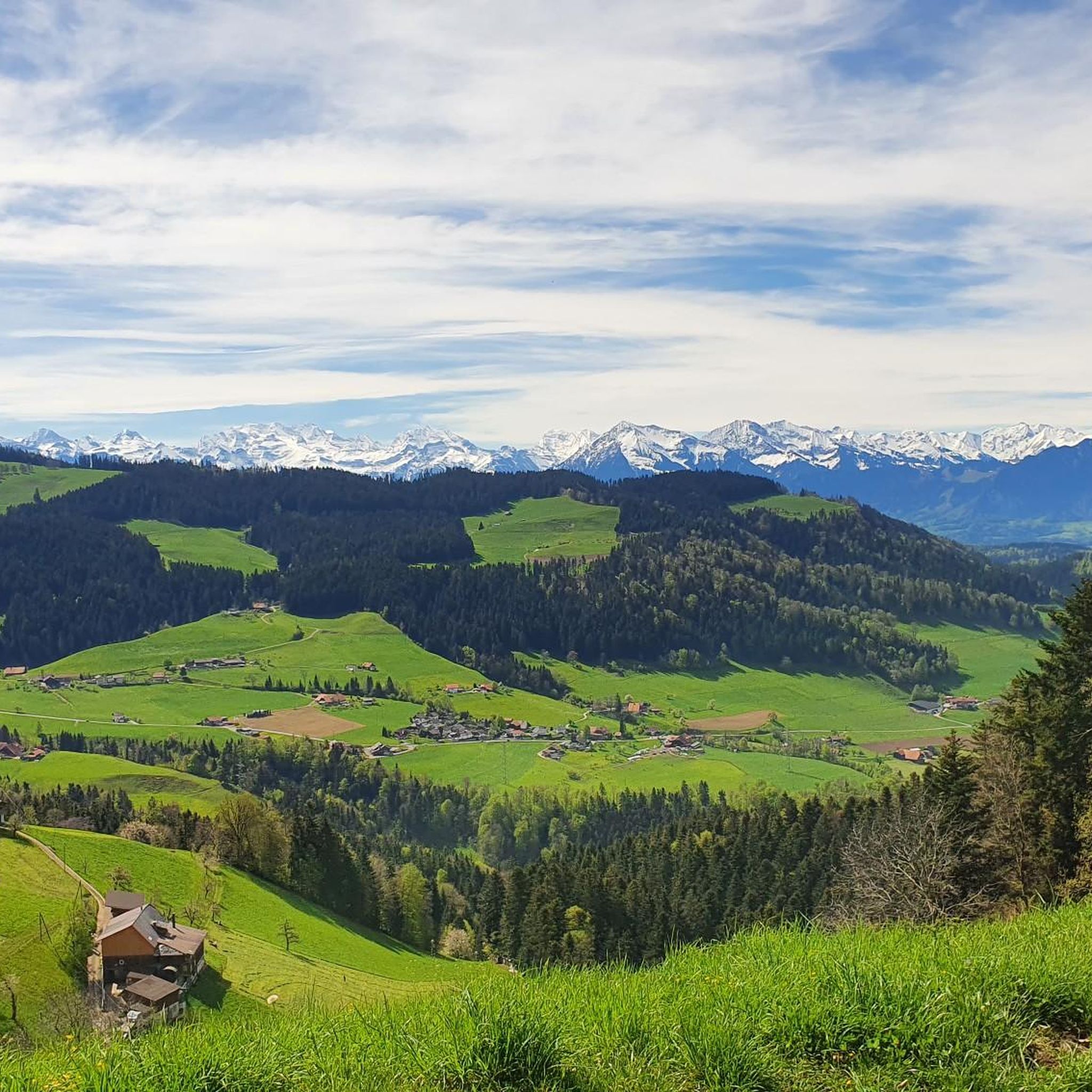
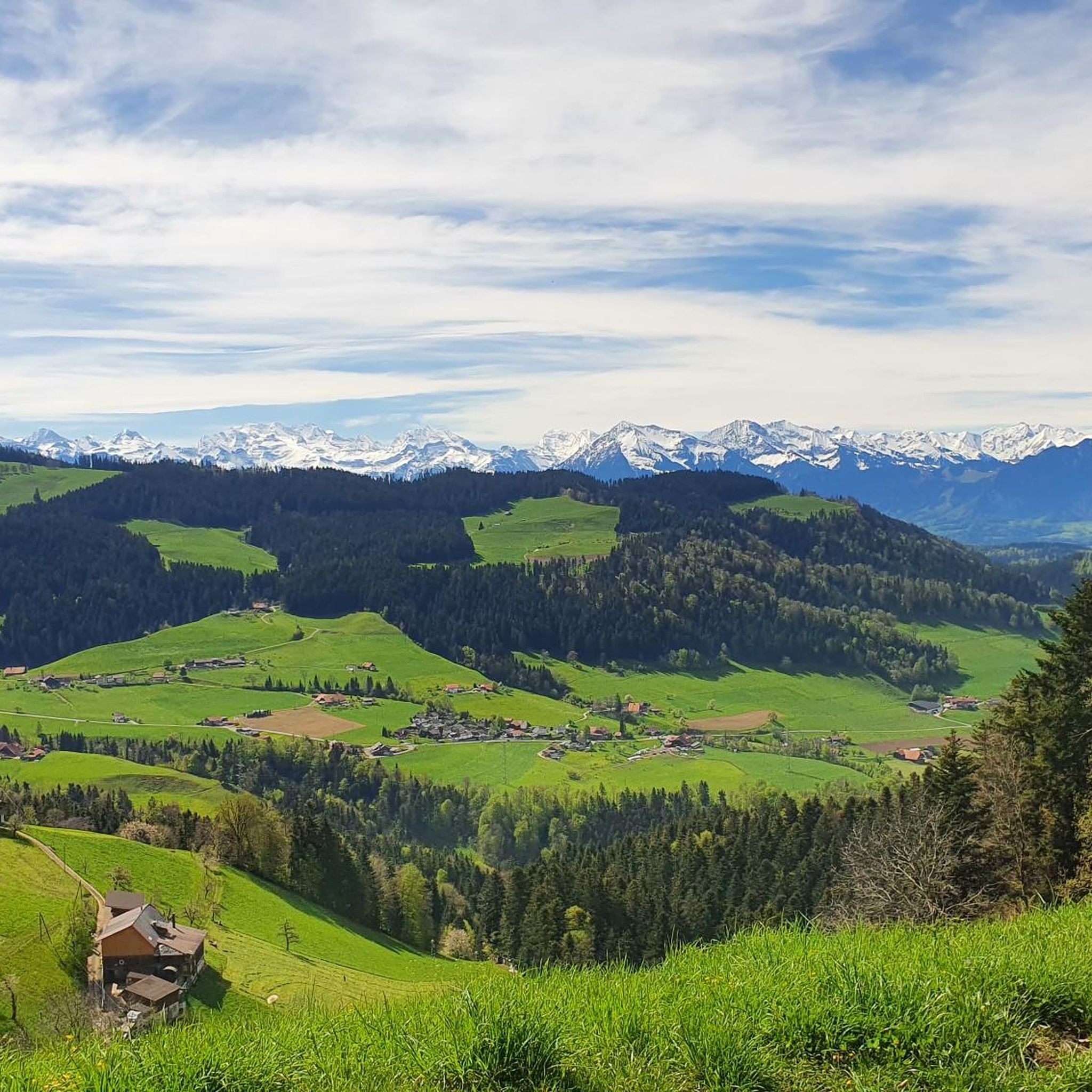
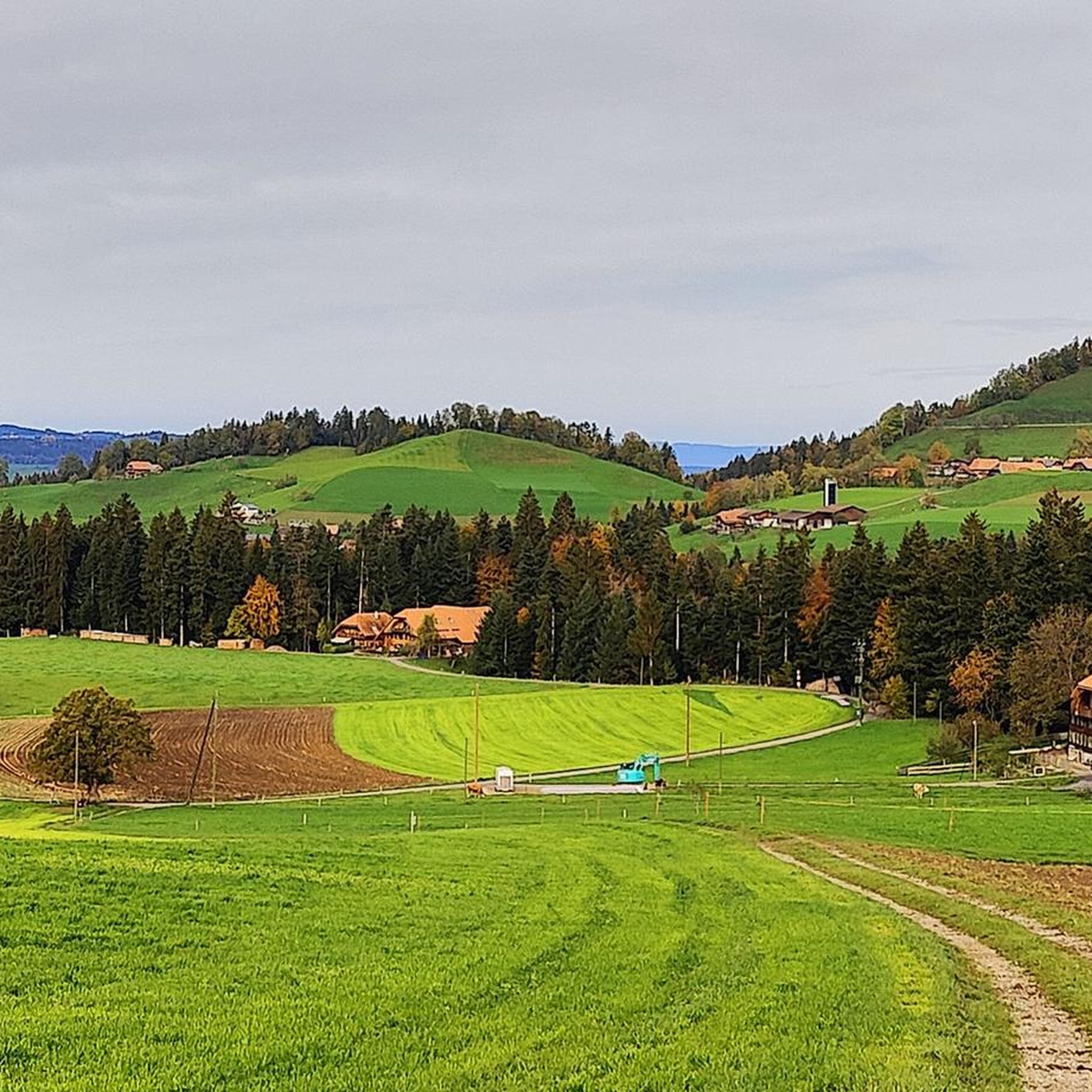
Mountain peaks around Oberdiessbach offer access to elevated areas within the Emmental region, providing views of the distant Bernese Alps. The local elevated spots include the Falkenfluh, a prominent mountain and viewpoint, and the Churzenberg ridge, known for its high-altitude hikes. These locations provide diverse perspectives on the Aare Valley and surrounding landscapes.
Best mountain peaks around Oberdiessbach
- The most popular mountain peaks is Chutzen Summit, Belpberg, a summit that marks the highest point on the Belpberg ridge. Despite…
Last updated: October 11, 2026
Blueme Observation Tower
Highlight • Viewpoint
Translated by Google •
Tip by

Chutze/Belpberg
Highlight • Summit
Showing Translation
Tip by

Sign up now to discover places like this
Get recommendations on the best single tracks, peaks, & plenty of other exciting outdoor places.
Schwarzenegg Church
Highlight • Religious Site
Translated by Google •
Tip by

Schallenberg Pass
Highlight • Mountain Pass
Showing Translation
Tip by

Würzbrunnen Church
Highlight • Religious Site
Translated by Google •
Tip by

Sign up for free to discover even more peaks around Oberdiessbach.
Already have an account?
Start today with a free account
Your next adventure awaits.

Tips from the Community


The Church of Würzbrunnen is a former pilgrimage church in the municipality of Röthenbach im Emmental, Canton of Bern, Switzerland. The church was dedicated to St. Stephen, but the pilgrimage was actually to St. Wolfgang. A wooden church, believed to have been founded by Leuthold von Rümligen (1115–1148), previously stood on the site of the current late Gothic church building. In 1148, Pope Eugene III confirmed Rüeggisberg Abbey's ownership rights to the Church of Würzbrunnen and the small Röthenbach Abbey. After a fire in 1494, the church was rebuilt in its present form, and in 1779 the interior was decorated in Baroque style with numerous biblical paintings. The church became particularly well-known through Franz Schnyder's film adaptations of Gotthelf's works. Today, it is a popular wedding venue, hosting numerous ceremonies from April to October.
0
0

🕍 Built in 1693–94, presumably according to plans by the renowned architect Abraham II Dünz. Unfortunately, the construction was also financed with confiscated Anabaptist property from the region. In 1871, the hall church received a neo-Romanesque front tower with an octagonal spire and three bells, designed by the architect Jakob Merz. The tower stands out vividly from the masonry with its twin windows, round-arch friezes, and cornices. During the renovation in 1977, the Baroque interior was restored in the style of the sermon hall, with a simple wooden ceiling and grisaille painting by Christian Stucki, as well as the original baptismal font (Dünz).
0
0
The Chutze marks the highest point on the eleven-kilometer-long Belpberg ridge between the Aare and Gürbe valleys. Despite its modest altitude (892 meters), it offers a phenomenal 360° panoramic view – of the Bernese Alps, Emmental, Jura, and often as far as the Aare valley. ✳️ Sights & Refreshments - Remains of the 12th-century Hohburg castle ruins, accessible above the path to the Chutzen. - Restaurant Chutzen (at 887 meters) directly at the viewpoint – regional cuisine, terrace with an Alpine view, usually open Wednesday to Sunday until 10:00 PM. - Memorial stone for John F. Kennedy in remembrance of Hungarian freedom aspirations, discreetly placed at the highest point.
1
0

It is one of the oldest churches in the region, mentioned as early as the 12th century. The frescoes are beautiful, and it is also beautifully situated in the middle of nature in a small hamlet.
0
0

360° view of the church from the inside: kirche-roethenbach.ch
0
0
Schwarzenegg church was built in 1694 and supplemented with a neo-Romanesque front tower in 1871.
0
0
Frequently Asked Questions
What kind of panoramic views can I expect from the elevated areas near Oberdiessbach?
From the local elevated spots like the Falkenfluh and the Churzenberg ridge, you can enjoy stunning deep views of the Aare Valley, the Belpberg, and the Gurnigel area. On clear days, you'll also see much of the Bernese Oberland, including iconic peaks like the Eiger, Mönch, and Jungfrau, as well as the Stockhorn and Niesen, and even the distant Jura mountains.
What are the most prominent local elevated areas or 'peaks' directly accessible from Oberdiessbach?
The two most prominent local elevated areas are the Falkenfluh, considered the 'Hausberg' of Oberdiessbach, and the Churzenberg ridge. Both offer excellent viewpoints and hiking opportunities.
Are there hiking trails suitable for different fitness levels around Oberdiessbach's elevated areas?
Yes, the region offers a variety of hiking trails. For instance, the Falkenfluh has routes ranging from easy to moderate, such as the 6.3 km loop from Brenzikofen or the 7.6 km loop from Bleiken bei Oberdiessbach. The Churzenberg ridge also features high-altitude walks through rolling hills and forests, suitable for various fitness levels.
What outdoor activities can I do near the mountain peaks around Oberdiessbach?
Besides hiking, you can explore the area through gravel biking or road cycling. There are numerous routes available, such as the 'View of the Aare towards Thun' gravel biking loop from Brenzikofen, or the 'View of the Bernese Alps' road cycling route from Lädeli. You can find more details on these activities in the Gravel biking around Oberdiessbach, Hiking around Oberdiessbach, and Road Cycling Routes around Oberdiessbach guides.
Are there specific hiking routes recommended for the Falkenfluh?
Yes, popular routes include the Falkenfluh Viewpoint – Falkenfluh Viewpoint loop from Brenzikofen (6.3 km, about 2 hours) and the Falkenfluh Viewpoint – Great view loop from Bleiken bei Oberdiessbach (7.6 km). A longer option is the Falkenfluh Viewpoint – Hammer Viewpoint loop from Oberdiessbach (9.9 km), which leads through varied landscapes.
What is the Churzenberg ridge hike like, and what are its highlights?
The Churzenberg ridge offers a magnificent high-altitude hike with constantly accompanying panoramic views of the Bernese Alps, the Aare Valley, and the Jura. A significant highlight is a 42-meter-high observation tower in the Goucherewald forest. The ridge also features a popular inn and the oldest church in the Emmental. A recommended route is an 11.1 km high-altitude walk from Chuderhüsi via Aebersold to Oberdiessbach.
Are there family-friendly mountain peaks or viewpoints near Oberdiessbach?
Yes, several spots are considered family-friendly. The Chutzen Summit, Belpberg, offers a 360° panoramic view and has a restaurant nearby. Schwarzenegg Church provides wide pastures and alpine views, and Wyl Castle and Münsingen Castle are historical sites with family appeal.
How can I reach the elevated areas around Oberdiessbach by public transport?
While specific public transport details for each trailhead are best checked locally, many starting points for hikes around Oberdiessbach, such as Brenzikofen or Bleiken, are generally accessible by public transport. It's advisable to check local bus and train schedules for the most convenient connections to your chosen starting point.
Are there any historical sites or cultural attractions on or near the mountain peaks?
Yes, the region blends natural beauty with cultural and historical context. The Churzenberg ridge is home to the oldest church in the Emmental. Additionally, nearby highlights include Schwarzenegg Church, a historical religious building, and castles like Wyl Castle (first mentioned around 1146) and Münsingen Castle, both offering historical insights.
When is the best time to visit the mountain peaks around Oberdiessbach?
The elevated areas around Oberdiessbach are rewarding year-round. The ascent to Falkenfluh is enjoyable even in winter. For hiking, spring, summer, and autumn offer pleasant conditions, with lush meadows and varied landscapes. Clear days are best for enjoying the extensive panoramic views of the Bernese Alps.
Where can I find places to eat or stay after a hike in the Oberdiessbach region?
Oberdiessbach and its surrounding villages offer various options. The Churzenberg ridge has a popular inn, and the Chutzen Summit, Belpberg, features the Chutzen Restaurant with regional cuisine and Alpine views. You'll also find cafes, restaurants, and accommodation options in Oberdiessbach itself and nearby towns.
What do visitors particularly enjoy about the mountain peaks around Oberdiessbach?
Visitors highly appreciate the diverse elevated spots, which include summits, viewpoints, and historical sites, each offering unique perspectives of the region. The komoot community has shared over 250 photos and given more than 400 upvotes, highlighting the beautiful deep views of the Aare Valley, the distant Bernese Alps, and the varied hiking experiences.
Most popular routes around Oberdiessbach
Most popular attractions around Oberdiessbach

Get inspired with the komoot mobile app


Explore more
See even more amazing summits around Oberdiessbach with these guides:
