Top 6 Castles around the Segre
Best castles around the Segre are found within the Segre river basin, primarily located in Catalonia, Spain. This region features historic strongholds, ranging from well-preserved monuments to ruins, each offering insight into the area's past. These castles are notable for their architectural significance, strategic locations, and the historical narratives they represent. The landscape provides a backdrop for exploring these historical landmarks.
Best castles around the Segre
- The most popular castles is Suda Castle of Lleida, a castle that stands…
Last updated: July 1, 2026
Suda Castle of Lleida
Highlight • Castle
Translated by Google •
Tip by

Hermitage of Our Lady of the Castle
Highlight • Religious Site
Translated by Google •
Tip by
Sign up now to discover places like this
Get recommendations on the best single tracks, peaks, & plenty of other exciting outdoor places.
Sign up for free
Alòs de Balaguer Castle
Highlight • Castle
Translated by Google •
Tip by
Ciutadella de Castellciutat
Highlight • Castle
Translated by Google •
Tip by
Gardeny Castle
Highlight • Castle
Translated by Google •
Tip by

Grialó Castle
Highlight • Castle
Translated by Google •
Tip by
Artesa de Segre Castle and Sacred Heart Statue
Highlight • Castle
Translated by Google •
Tip by
Start today with a free account
Your next adventure awaits.
Login or Signup
Popular around Segre
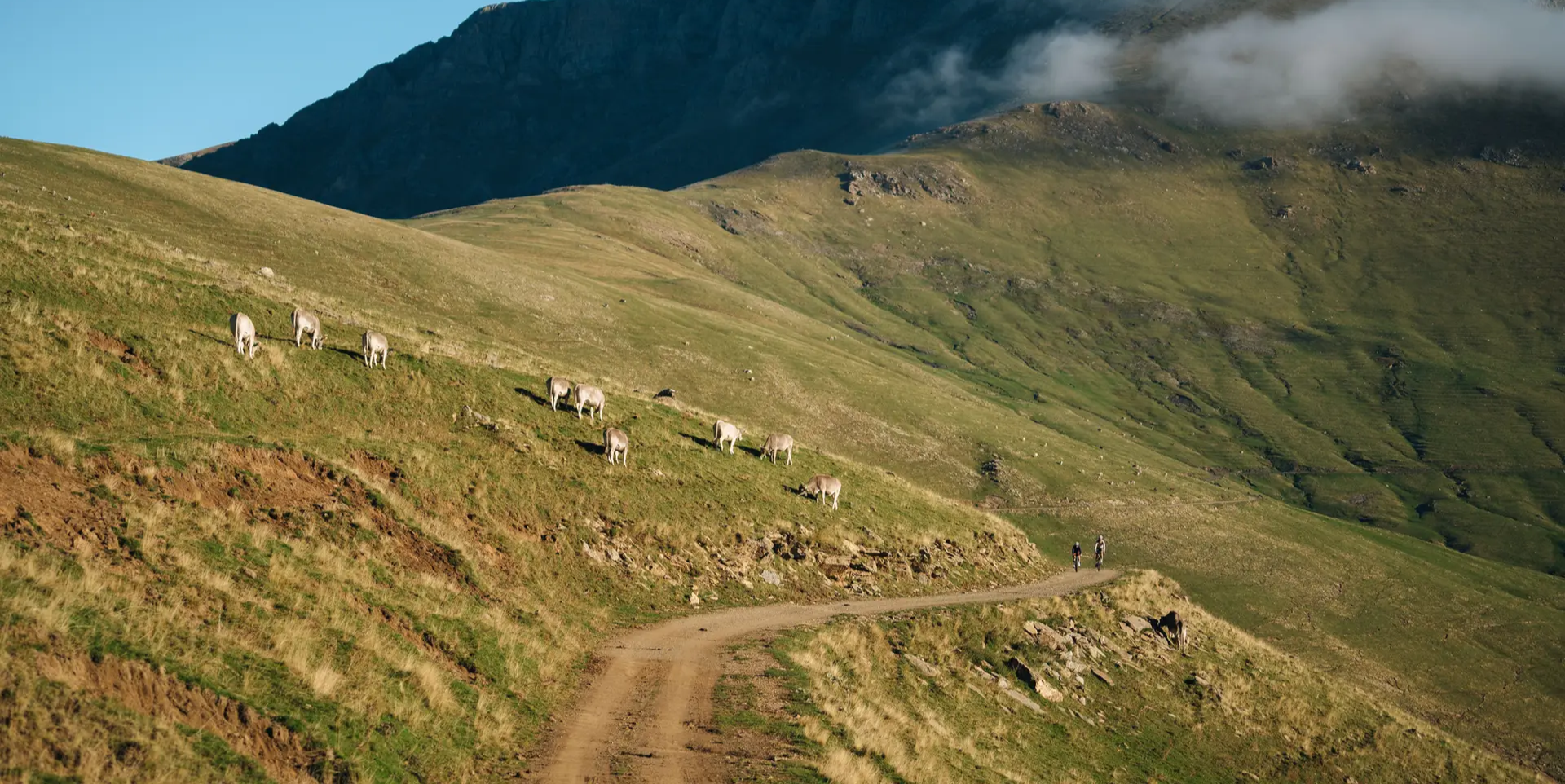
Grand Tour of Catalonia Gravel – your bikepacking adventure
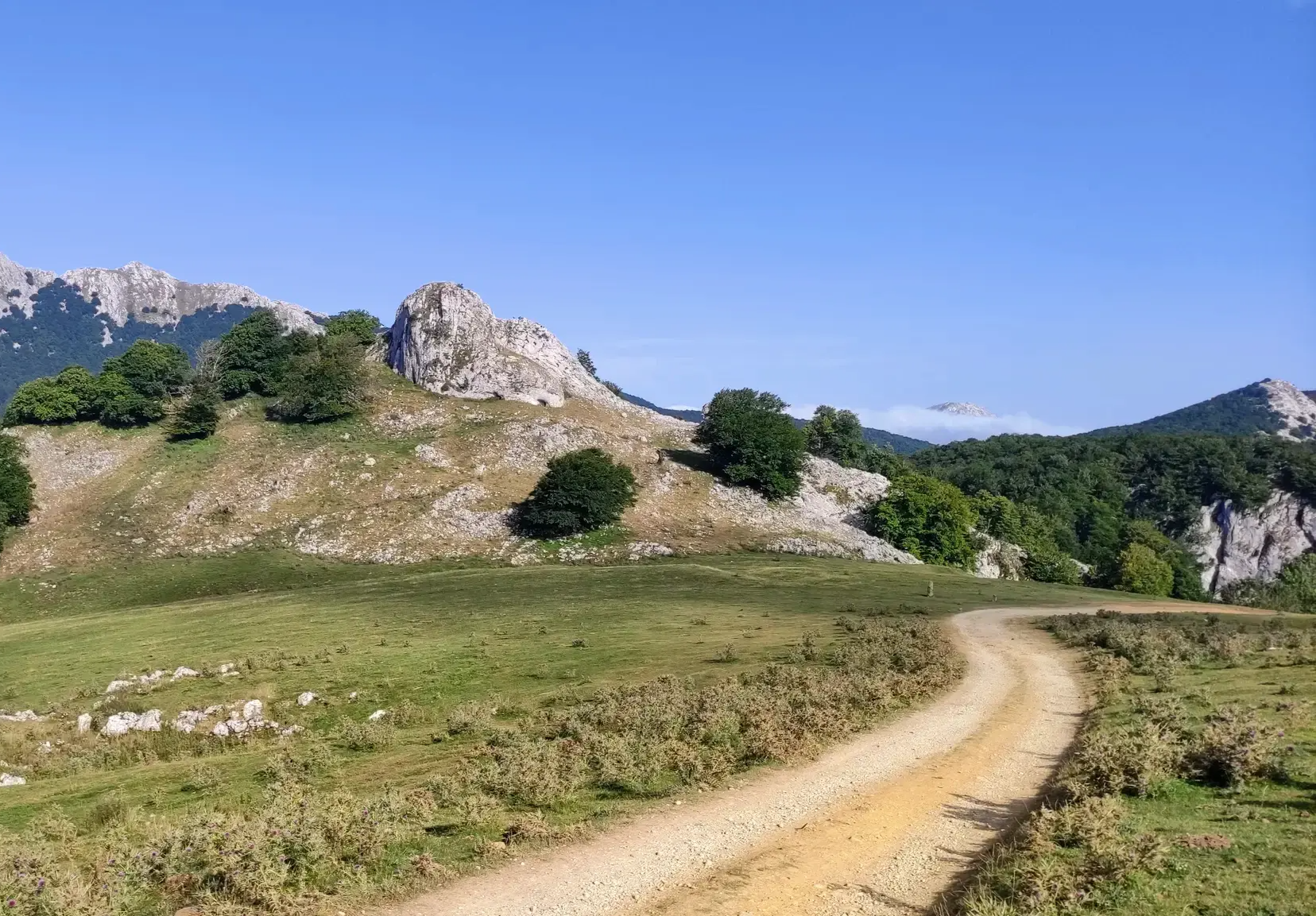
The Ignatian Way - In the footsteps of Ignatius of Loyola
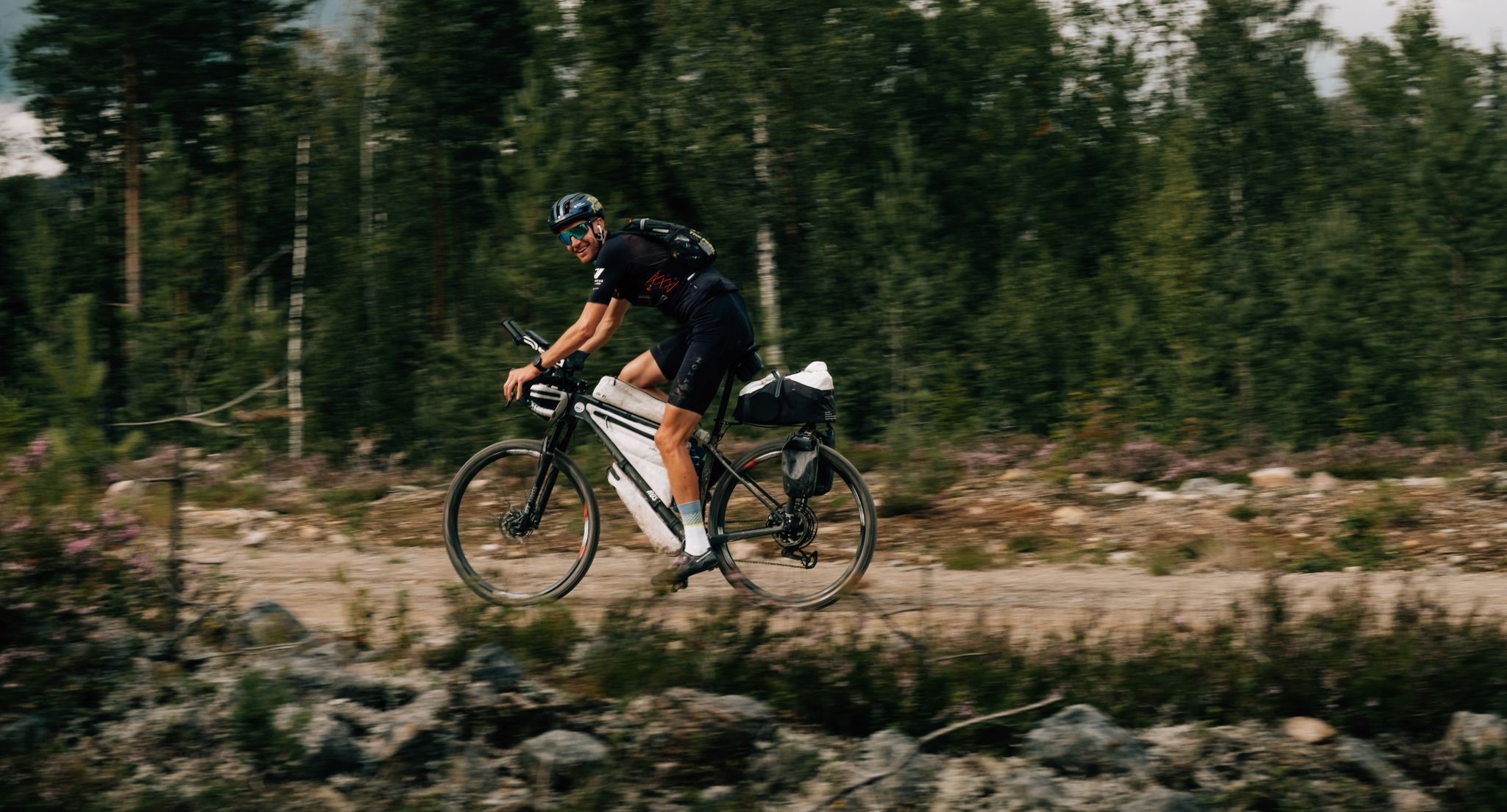
European D̶I̶V̶I̶D̶E̶ Connect Trail Project – a journey across Europe
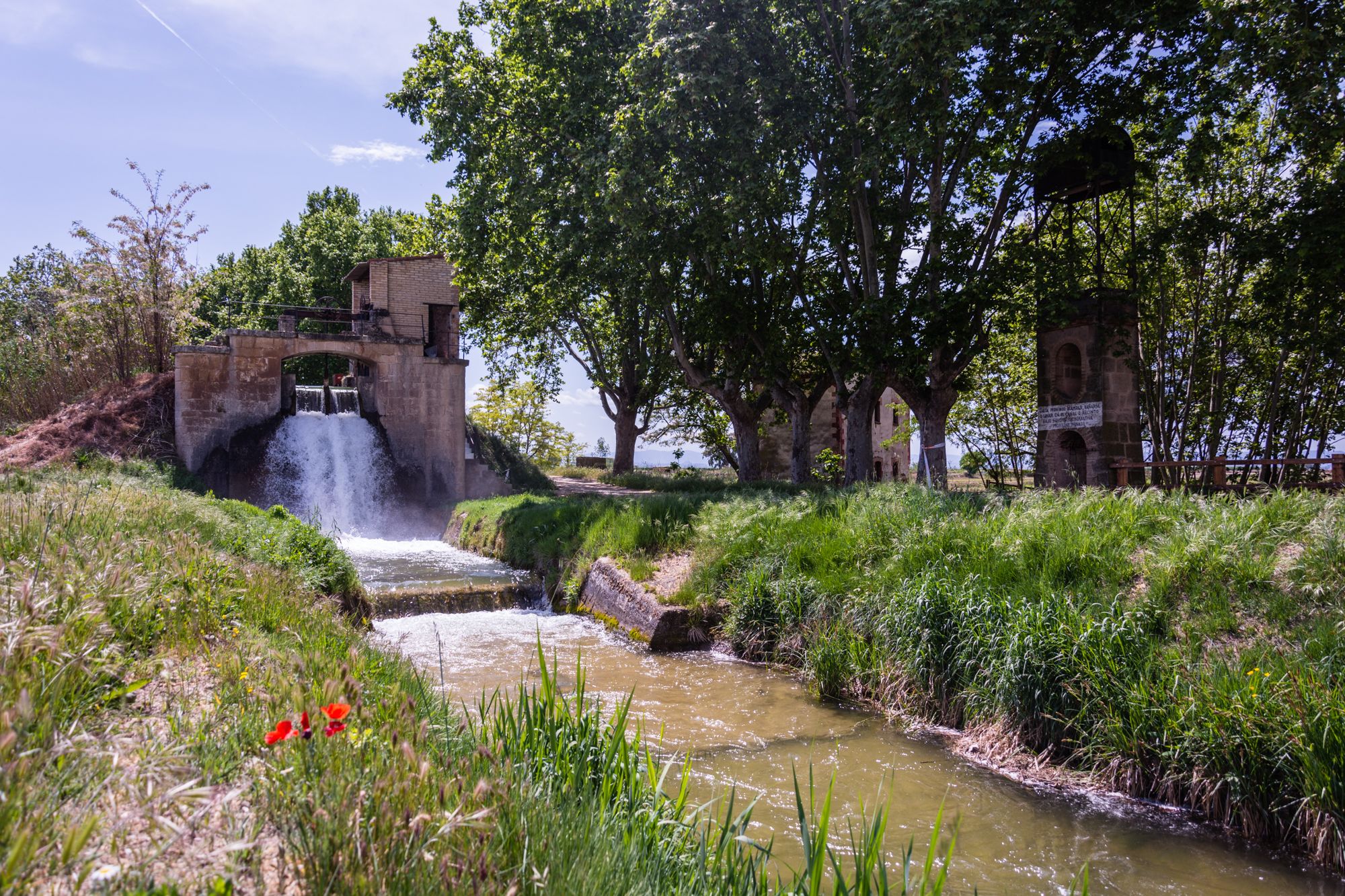
Follow the water in Spain – Pedals del Canal d'Urgell
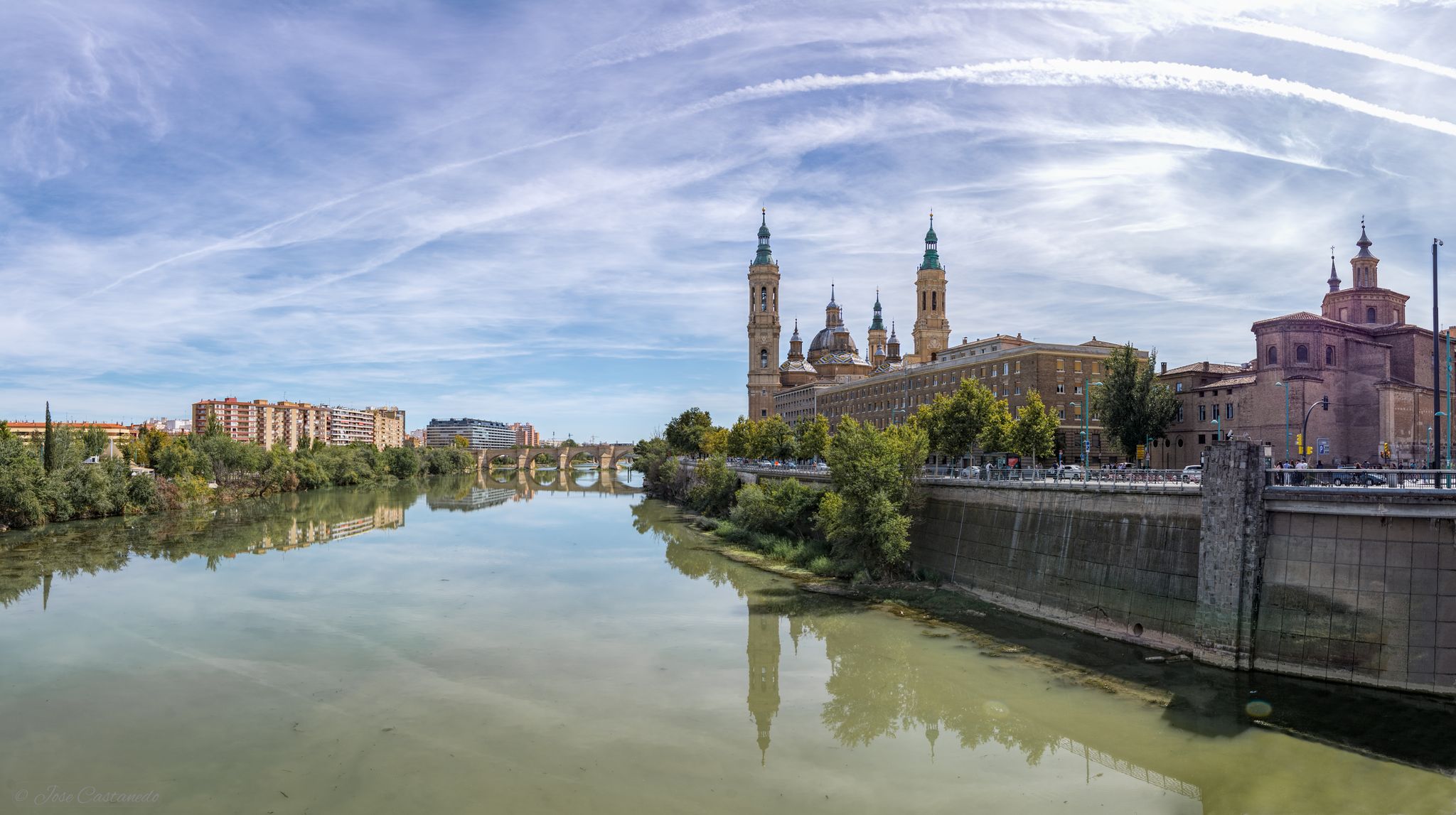
A river getaway – Ebro Natural Trail (GR 99)
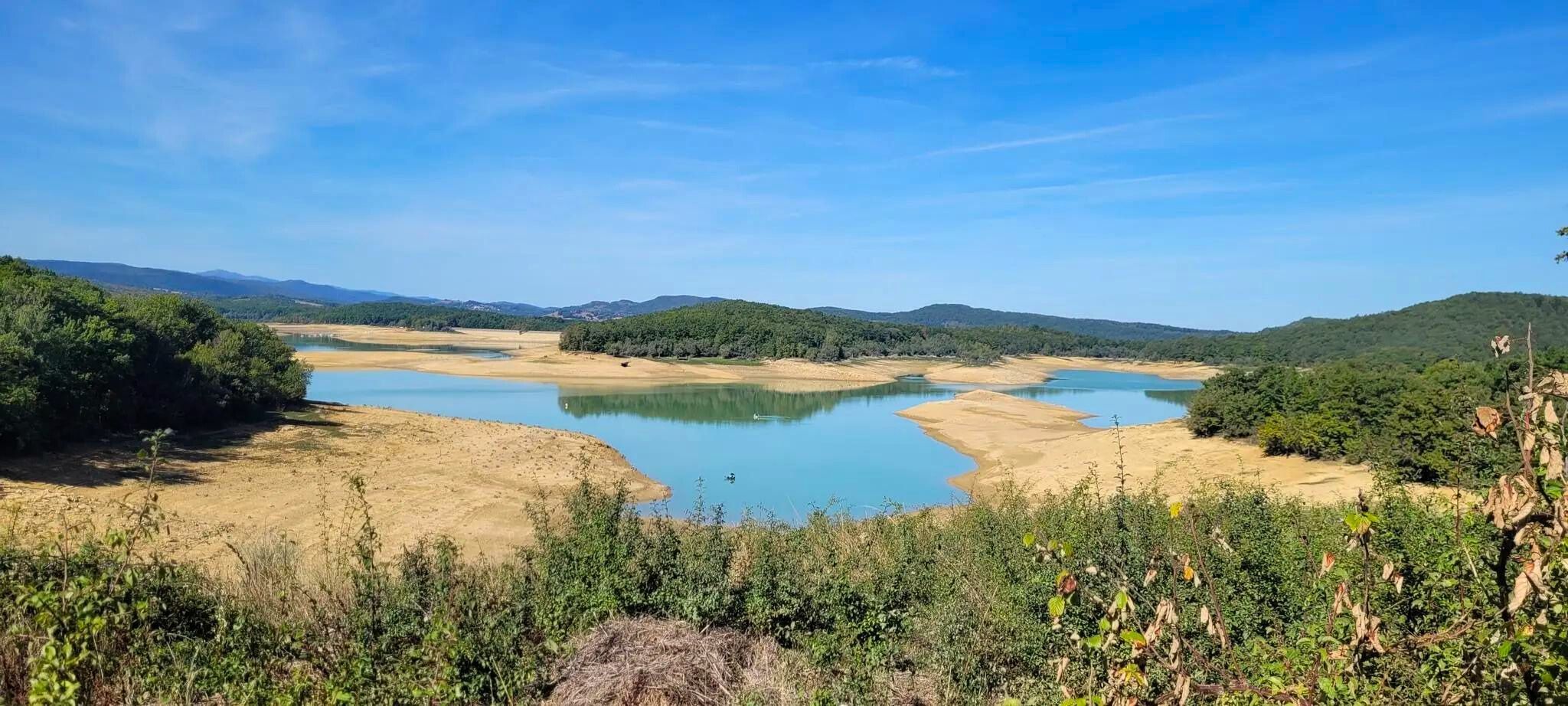
Plains, hills and mountains – GR 7 in the heart of France’s Occitania
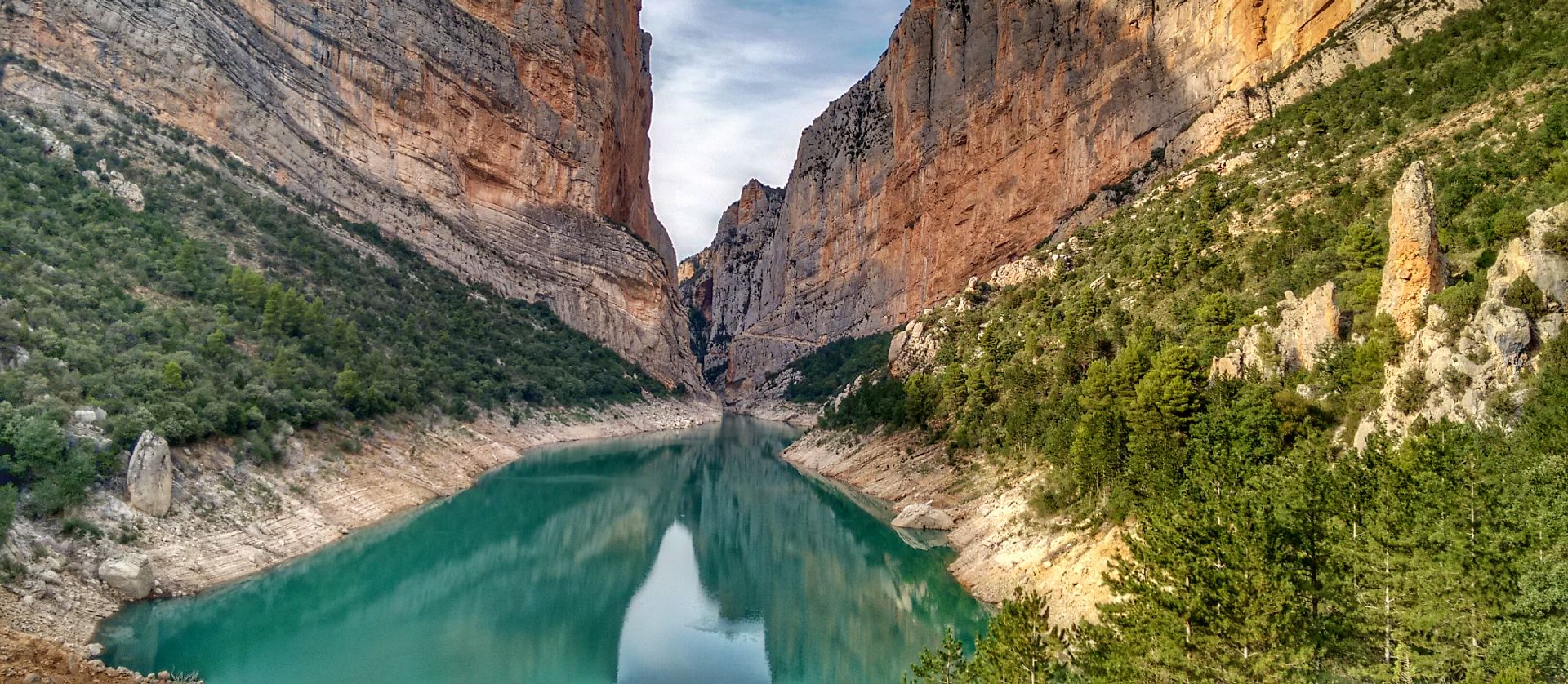
Lleida to El Pont d'Orrit – Sendero Central de Cataluña (GR3)
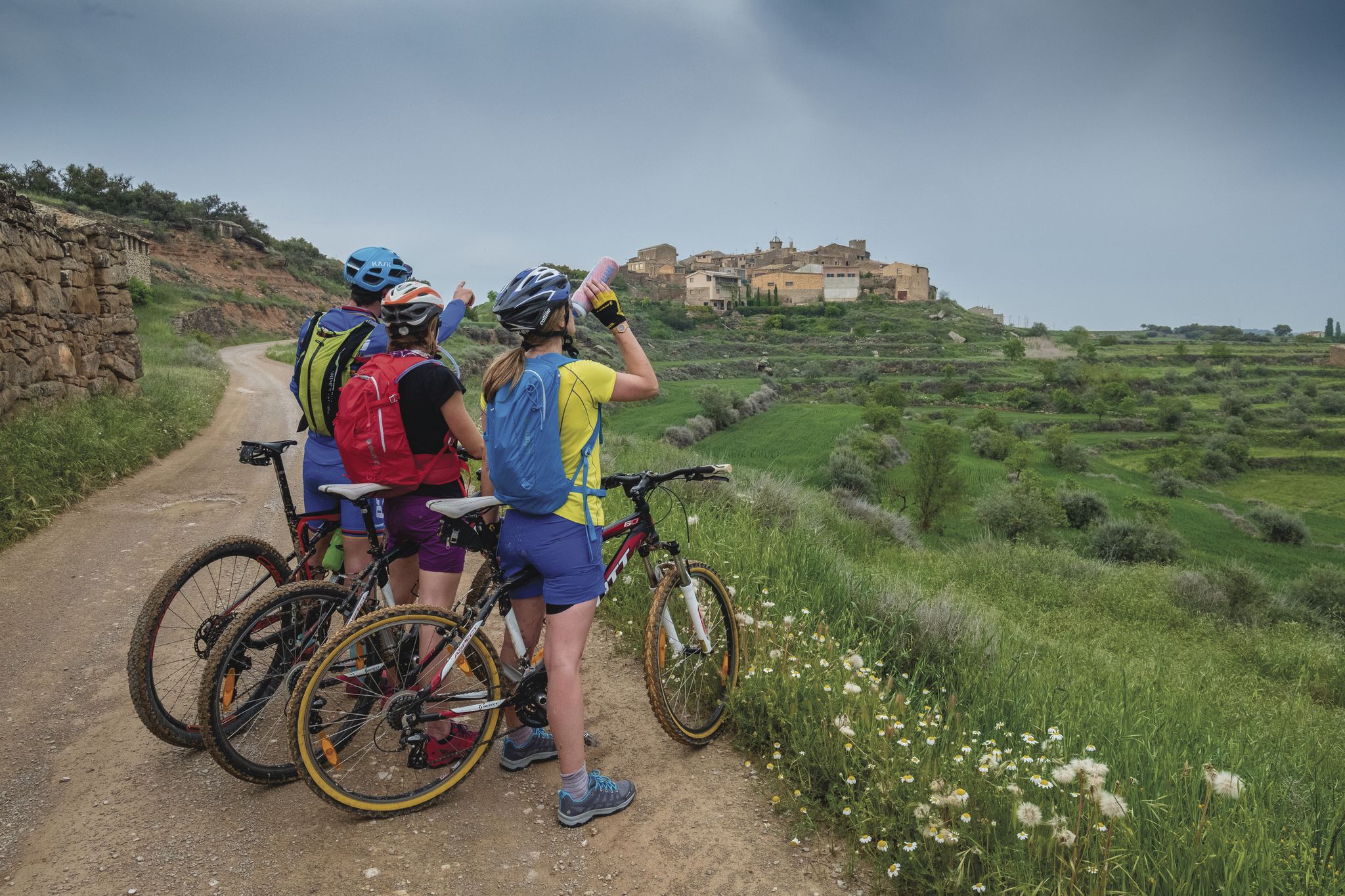
Bikepacking in Catalonia
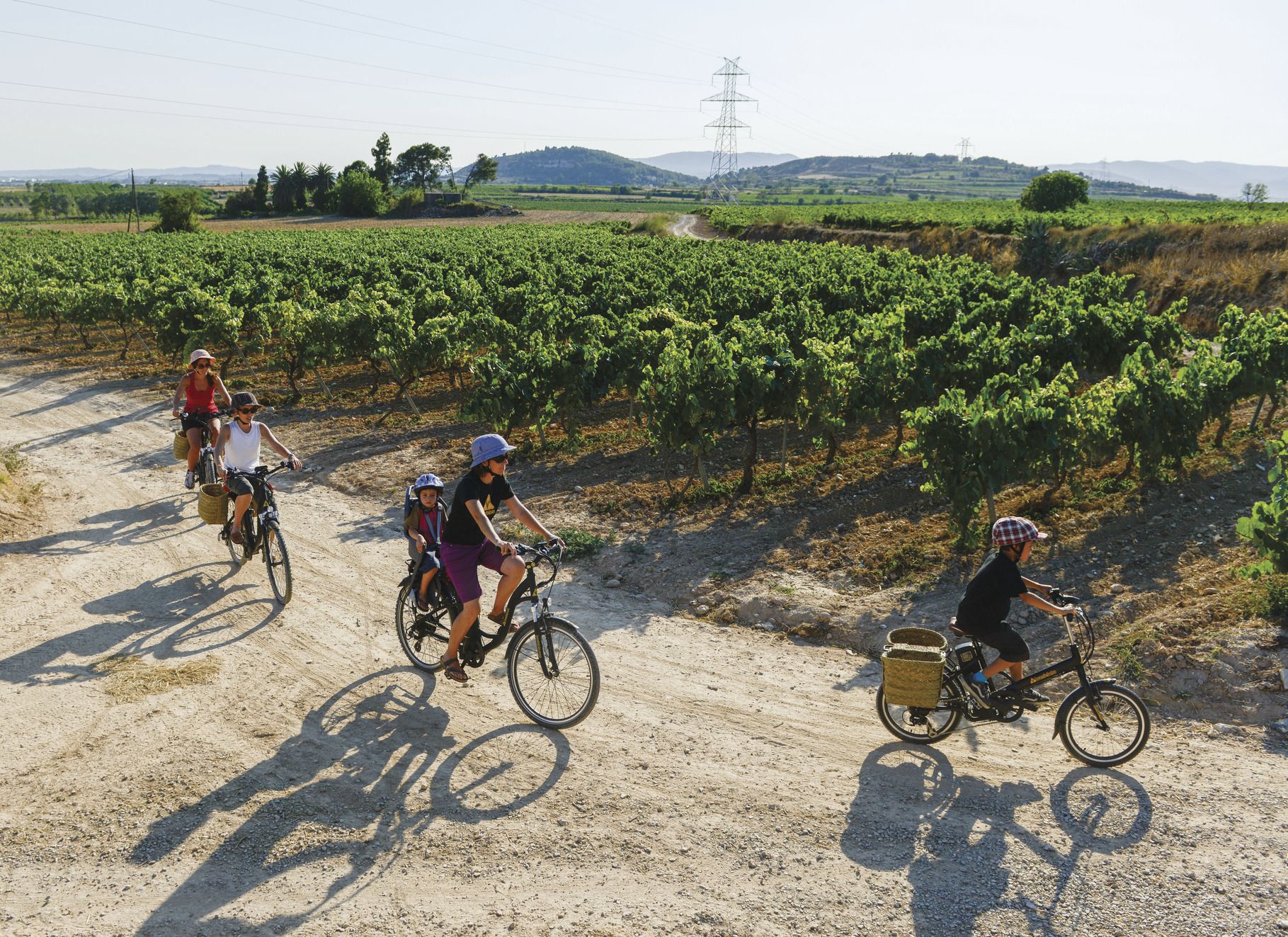
Cycling through Catalonia with your family
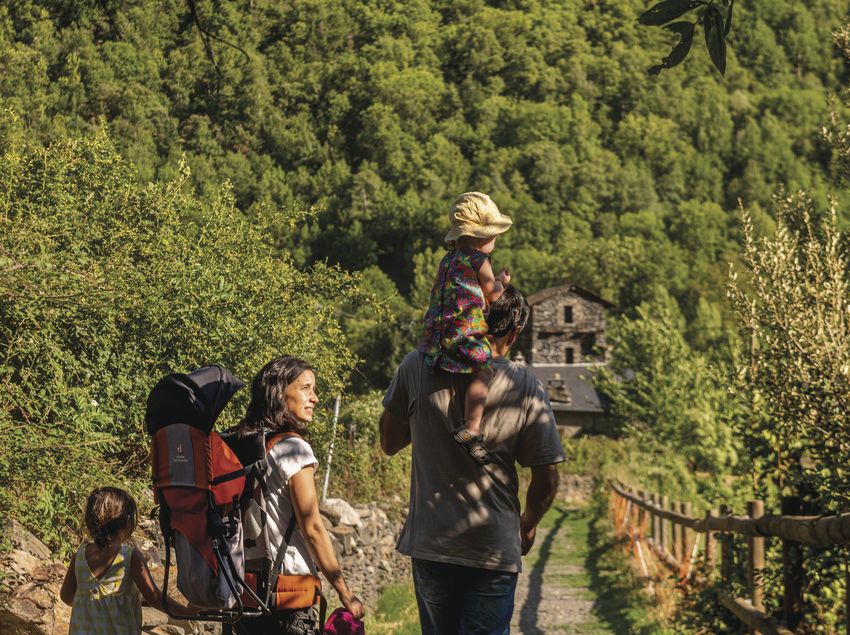
Hike with your family in Catalonia
Other adventures around the Segre


Tips from the Community

The Castell de Gardeny, located on the hill of the same name in Lleida, is one of the most important Templar monumental complexes in Catalonia and an excellent example of medieval military architecture. Built in the second half of the 12th century by the Templar Order, following the conquest of Lleida in 1149 by Ramon Berenguer IV, with the help of the Templars.
2
0
The Suda Castle was the as-sudda or citadel of the city. His remains, currently rehabilitated, are located on the La Seu Vella hill. The castle has its origins in a primitive fortified area built by the Arabs with Roman materials in the 9th century. Over time, it was transformed into a castle, palace and cathedral under the reign of Ramón Berenguer IV.
9
0

A detour here is definitely worth it…
2
0

At this point we are in the fortification of Ciutadella de Castellciutat, in the municipality of La Seu de Urgell. The construction dates from the 18th century and combines Roman and Baroque architectural styles.
0
0
The Castillo d'Alòs is a castle declared a natural asset of national interest. Located at the top of the town of Alòs de Balaguer from where the Segre river was controlled.
1
0
Located at the top of the Grialó hill, which presides over the small town of Colldelrat. Currently, it is in poor condition. It dates from the 11th century.
0
0
Remains of an Arab castle from the 10th century. It was built around 1024 by the Count of Urgell. The castle has undergone different changes and now a part of the original remains.
0
0
Alòs Castle, declared a natural asset of national interest. Located at the highest point of the town of Alòs de Balaguer from where the Segre river was controlled, through which we will continue our route.
1
0
Frequently Asked Questions
What historical periods do the castles around the Segre represent?
The castles in the Segre region showcase a rich history, evolving through Roman, Visigothic, and Islamic periods, and later becoming significant fortresses for the Crown of Aragon. Many, like Suda Castle of Lleida, have origins dating back to the 9th century, while others like Gardeny Castle are prime examples of 12th-century Templar military architecture.
Which castles offer the best panoramic views of the Segre valley?
Several castles provide stunning views. Suda Castle of Lleida, strategically located behind the Seu Vella cathedral, offers panoramic city views. Alòs de Balaguer Castle, perched at the highest point of its town, controlled the Segre river and provides expansive vistas. Ciutadella de Castellciutat also serves as an excellent viewpoint.
Are there any castles with unique architectural styles in the Segre region?
Yes, the region features diverse architectural styles. Gardeny Castle is a notable example of medieval military architecture from the 12th century. The Castell de Grialó, dating back to the 12th century, is believed to be Romanesque, characterized by rounded arches and thick stone walls. Ciutadella de Castellciutat, from the 18th century, combines Roman and Baroque architectural styles.
Can I visit castles that were significant during the Reconquest?
Absolutely. Florejacs Castle, part of the Segarra castles route, played a crucial role in the Reconquest as a border fortress between Arab and Christian territories. Its historical context makes it a fascinating visit for those interested in medieval history.
Are there any castles that offer an immersive historical experience?
Montclar Castle, also on the Segarra castles route, provides a unique and immersive experience. Visitors can take guided tours that transport them back to the 12th century, and it even offers an 'escape room' experience to delve into the medieval era interactively, making it engaging for families.
What is the best time of year to visit the castles around the Segre?
The Segre region generally offers pleasant weather for exploring castles, particularly during spring and autumn when temperatures are mild. Summer can be warm, but many castles are open, and the views remain spectacular. It's always a good idea to check specific castle opening hours, as some may have seasonal variations.
What outdoor activities can I do near these castles?
The Segre region offers a variety of outdoor activities. You can find numerous hiking trails, including easy options like the 'Castle of la Suda and Seu Vella' route. For cyclists, there are touring bicycle routes such as the 'Historic set of la Seu de Urgell' and gravel biking adventures like the 'Abandoned Village of Claret' loop. You can explore more options in the easy hikes, cycling, and gravel biking guides for the Segre.
Are there family-friendly castles or activities for children?
Yes, some castles are particularly engaging for families. Montclar Castle offers an interactive 'escape room' experience that allows guests to delve into the medieval era in a fun way. Exploring the grounds of well-preserved castles like Suda Castle of Lleida or the ruins of Castell de Grialó can also be an adventure for children, sparking their imagination about history.
Are there accessible castles for visitors with reduced mobility?
While many historic castles, due to their age and defensive design, may have limited accessibility, some renovated sites or specific areas might be more accommodating. For example, Suda Castle of Lleida is a renovated building within the city, which may offer better access to certain parts. It is advisable to check directly with individual castle sites for specific accessibility information before your visit.
What natural features can I see near the Segre castles?
The castles are often set amidst beautiful natural landscapes. Alòs de Balaguer Castle offers stunning views of the Segre river and surrounding landscape. Castell de la Clua is dramatically situated between the gorges of Clua, amidst cliffs. Castell de Llaés is in a remote and tranquil setting in the Ripollès region, surrounded by rivers, valleys, and mountains, providing exceptional natural beauty.
Can I stay overnight in a historic castle in the Segre region?
Yes, Castell de Llaés, a 10th-century castle and Cultural Good of National Interest, has been renovated and repurposed as a rural house. This offers a unique opportunity to stay within a historic fortress while experiencing its preserved original appearance, including a tribute tower and a courtyard of arms.
What do visitors enjoy most about the castles around the Segre?
Visitors frequently appreciate the strategic locations of the castles, which often provide incredible panoramic views, such as from Suda Castle of Lleida. The rich historical significance, from Roman origins to Templar complexes like Gardeny Castle, is also a major draw. The opportunity to explore well-preserved monuments and atmospheric ruins, and to engage with interactive experiences like those at Montclar Castle, are highly valued.
Most popular routes around the Segre
Most popular attractions around the Segre

Get inspired with the komoot mobile app


Explore more
Looking for the best castles somewhere else? Discover other guides around the Segre:
