The 20 Most Amazing Peaks around the Elbe
Mountain peaks around the Elbe are predominantly located in the Elbe Sandstone Mountains, a low mountain range situated on the border between southeastern Germany and the North Bohemian region of the Czech Republic. This landscape is defined by its unique sandstone rock formations, deep gorges, and extensive forests. The region provides diverse opportunities for hiking and climbing, featuring numerous summits and viewpoints.
Best mountain peaks around the Elbe
- The most popular mountain peak is Schrammstein Viewpoint, a viewpoint known…
Last updated: July 6, 2026
Schrammstein Viewpoint
Highlight • Viewpoint
Translated by Google •
Tip by

Lilienstein Summit Loop
Highlight • Trail
Translated by Google •
Tip by

Sign up now to discover places like this
Get recommendations on the best single tracks, peaks, & plenty of other exciting outdoor places.
Sign up for free
View of the Elbe Valley from the Lilienstein
Highlight • Viewpoint
Translated by Google •
Tip by

View of the Falkenstein
Highlight • Viewpoint
Translated by Google •
Tip by

Lilienstein — Obelisk and View over the Elbe Valley
Highlight • Viewpoint
In very good visibility you can see the Zirkelstein, Kaiserkrone and in Bohemian Switzerland even the Schneekuppe.
Translated by Google •
Tip by

Lilienstein Summit and Viewpoint
Highlight • Summit
Translated by Google •
Tip by

Sattelsteig Ascent to Papststein
Highlight • Trail
Translated by Google •
Tip by

Zirkelstein Summit
Highlight • Summit
Translated by Google •
Tip by

Gamrig viewpoint and sandstone rock formation
Highlight • Viewpoint
Translated by Google •
Tip by

Little Bärenstein
Highlight • Summit
Translated by Google •
Tip by

Sign up for free to discover even more peaks around the Elbe.
Sign up for free
Already have an account?
Start today with a free account
Your next adventure awaits.
Login or Signup
Popular around Elbe
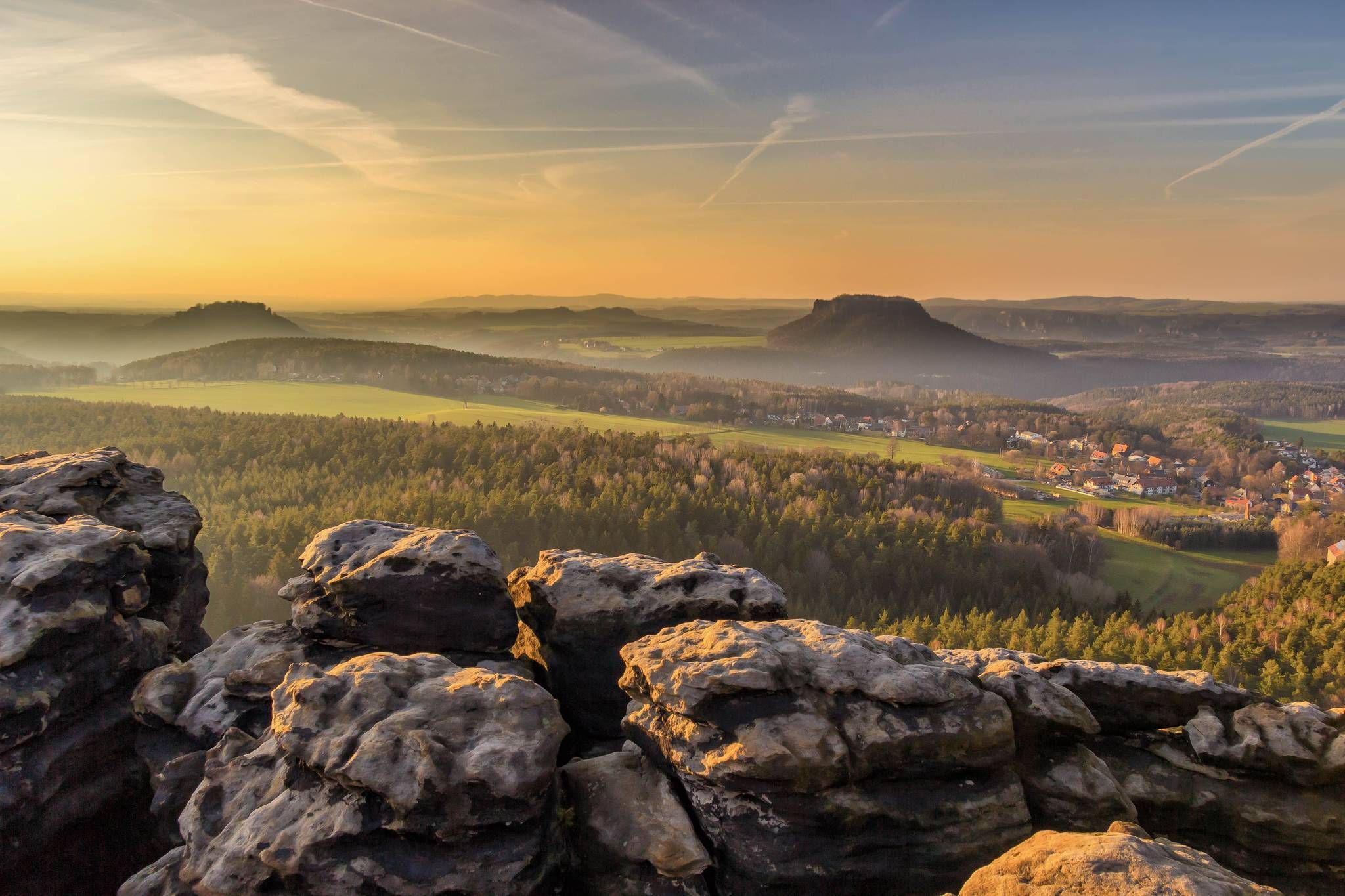
Forststeig – 7 days in the wild, remote sandstone mountains

North Sea Deluxe — bikepacking with Radelmädchen
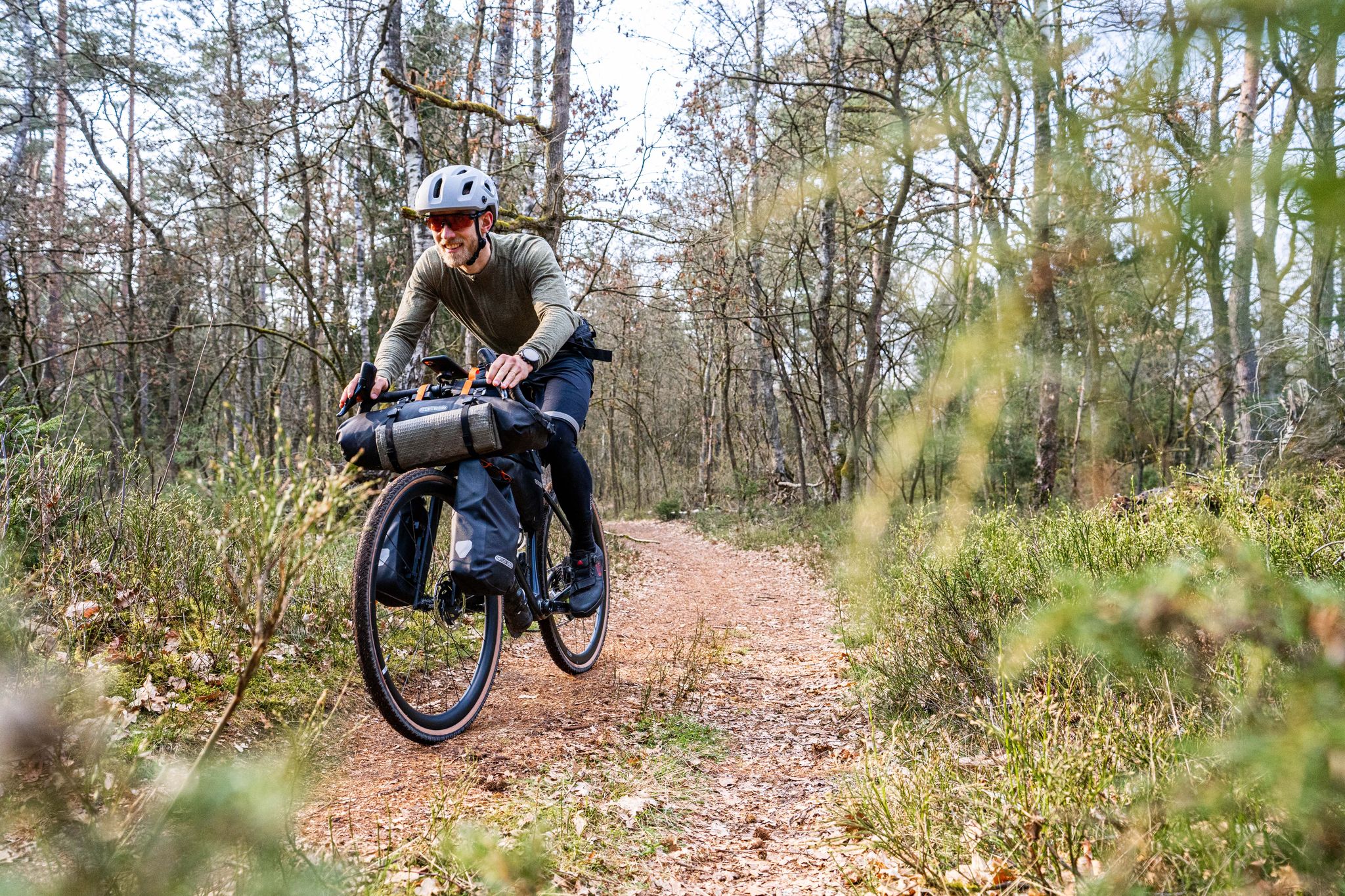
Gravel bikepacking from Hamburg to Munich
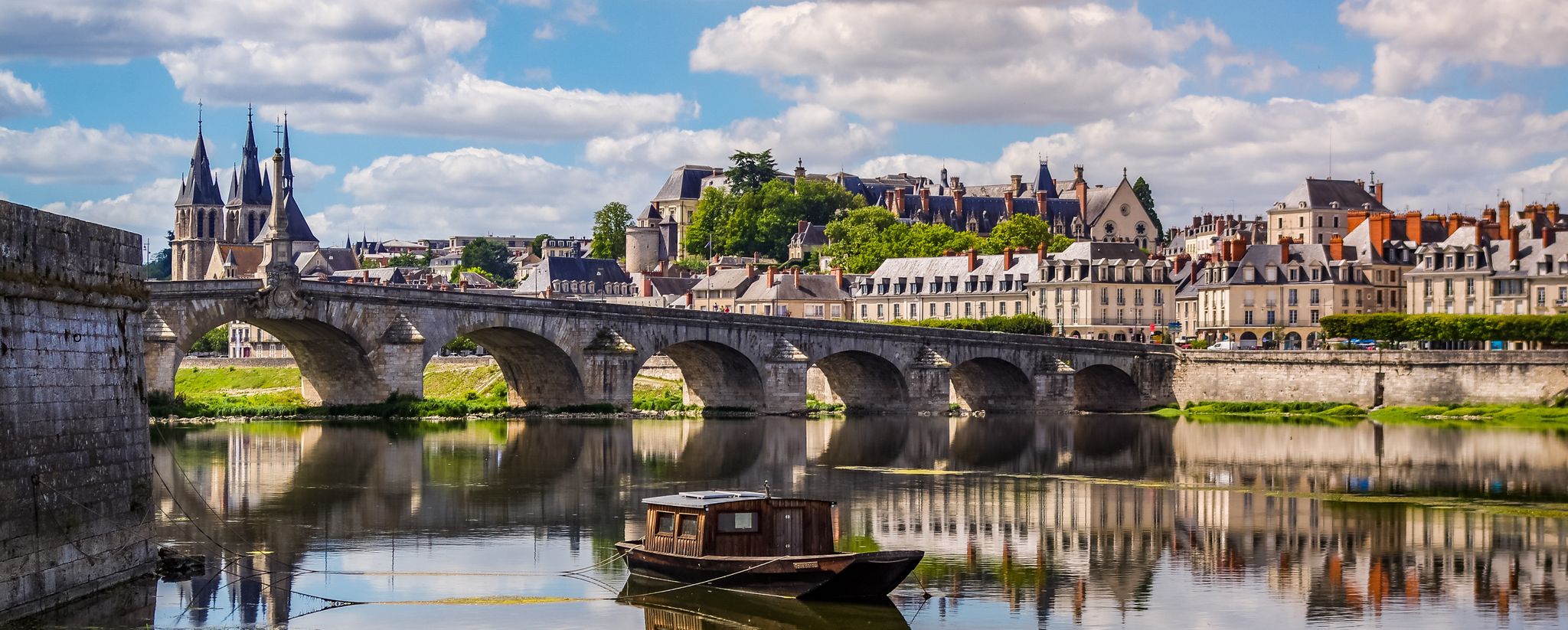
EuroVelo 3 – A cycling pilgrimage from Norway to France
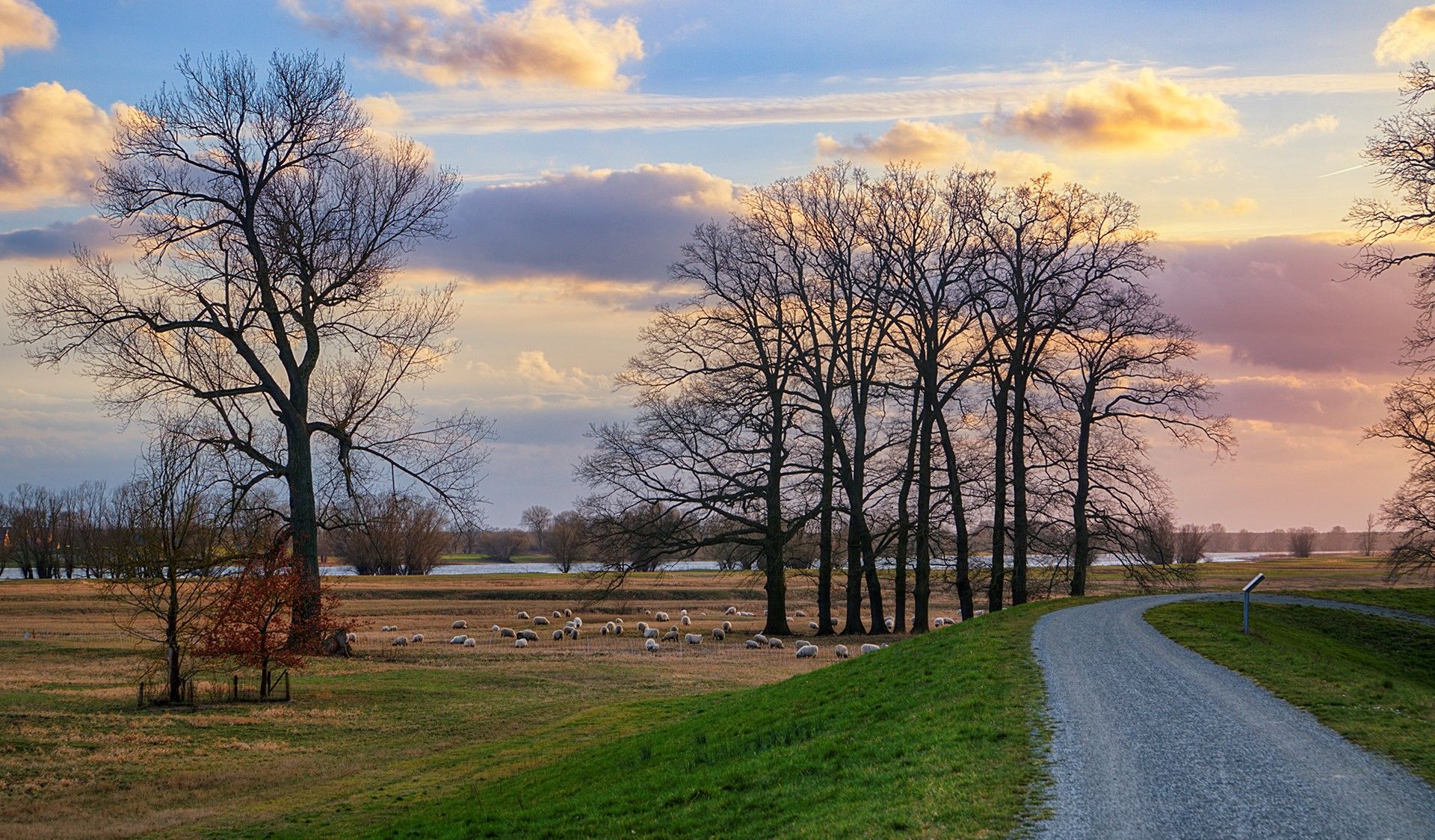
Tour Brandenburg – Cycle around Berlin in 18 stages
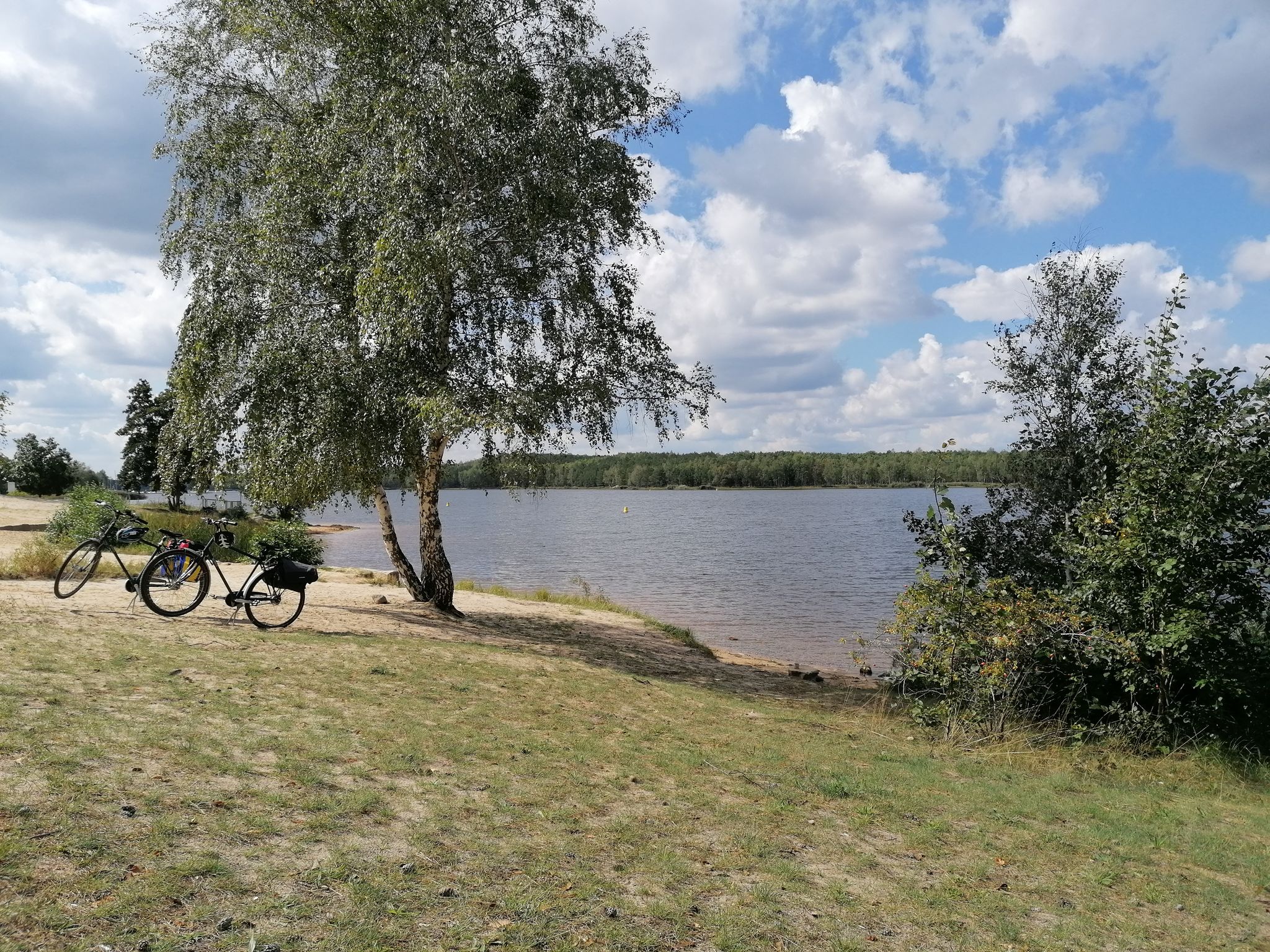
Cycling from Dresden to Berlin – lakes, nature and Sorbian culture
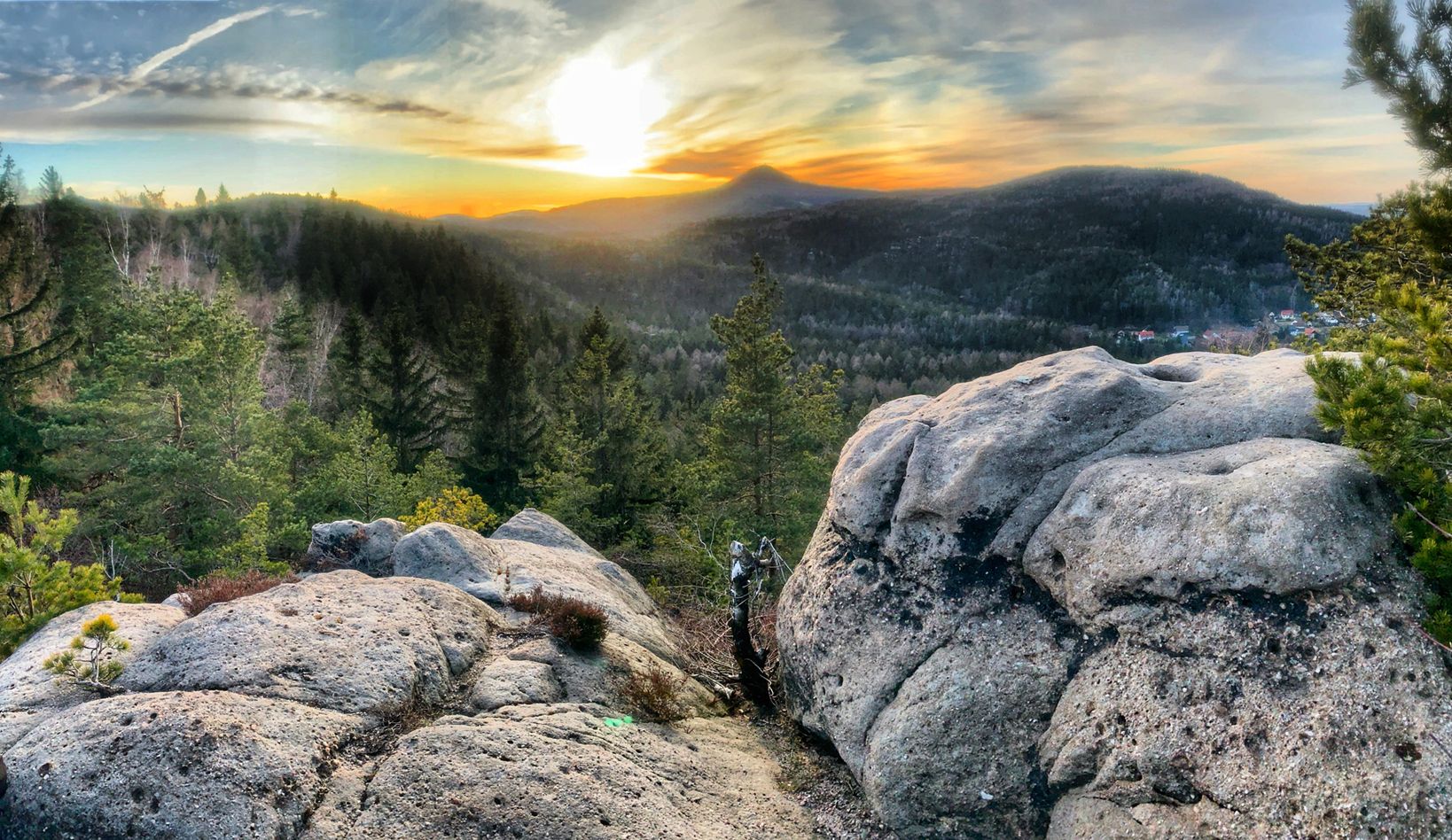
Mountains, heaths & lakes – hiking in Lusatia
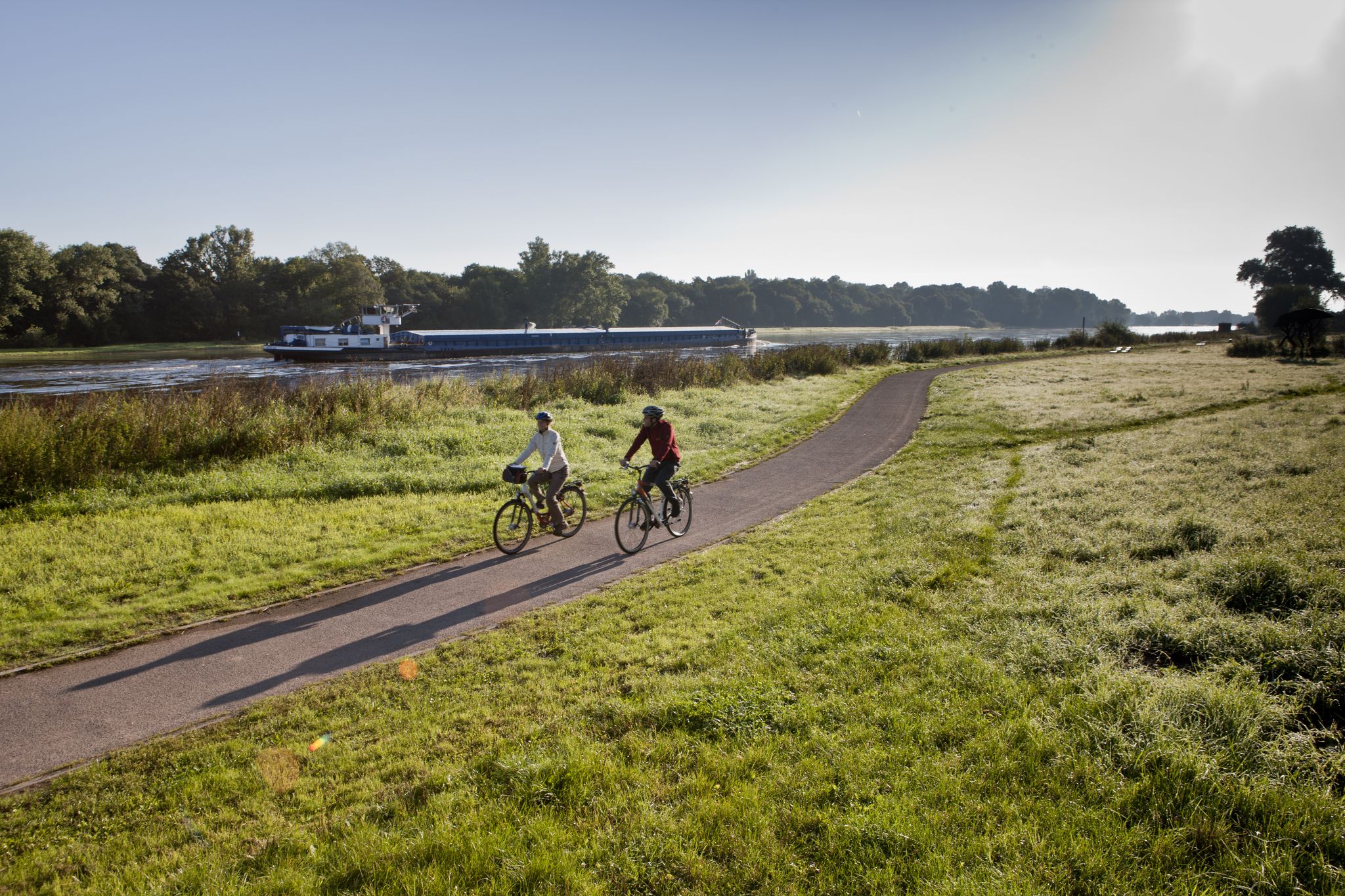
Elbe Cycle Route – Ride through Saxony-Anhalt
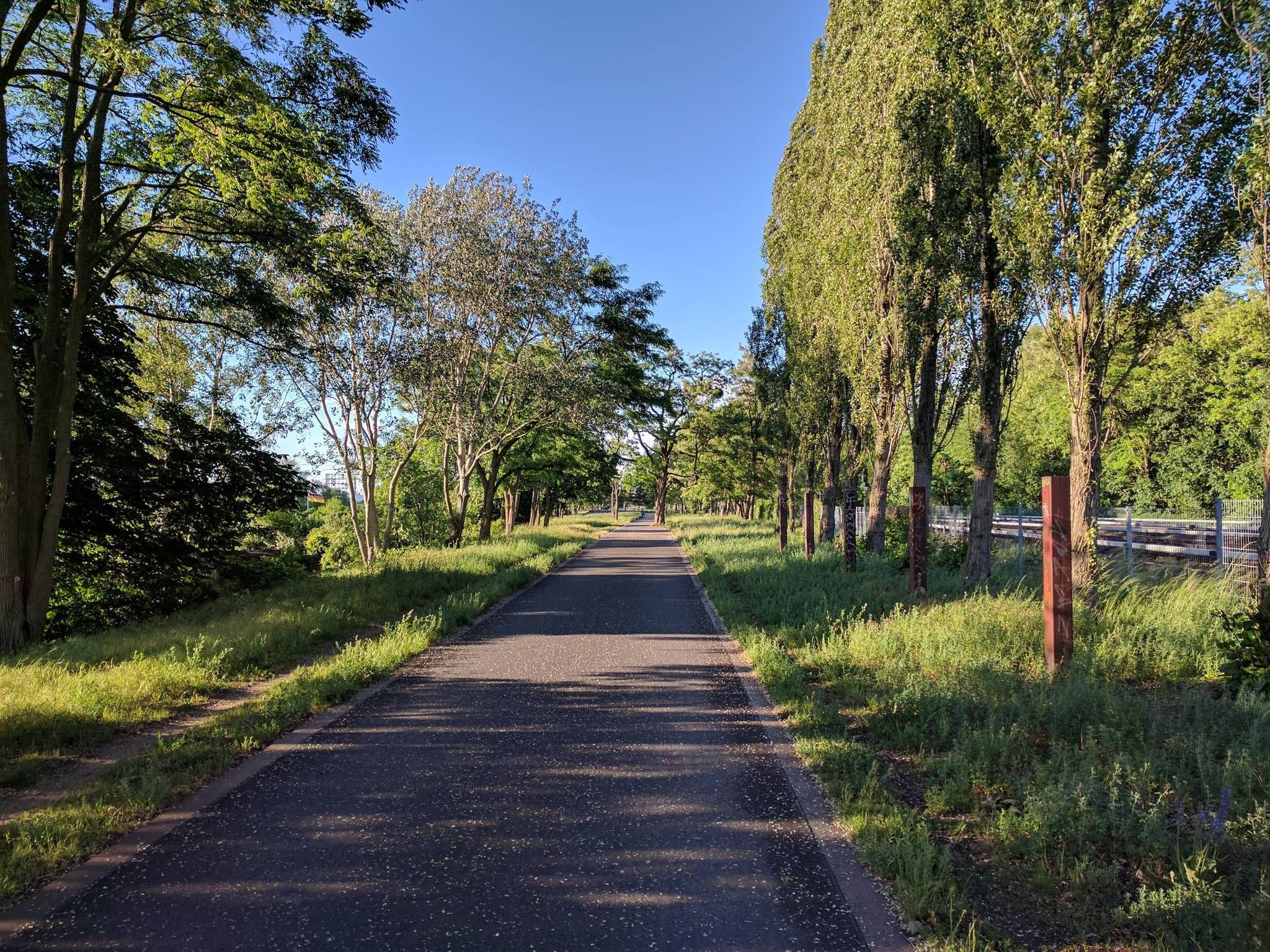
The Berlin Leipzig cycle path – Through the East in five stages
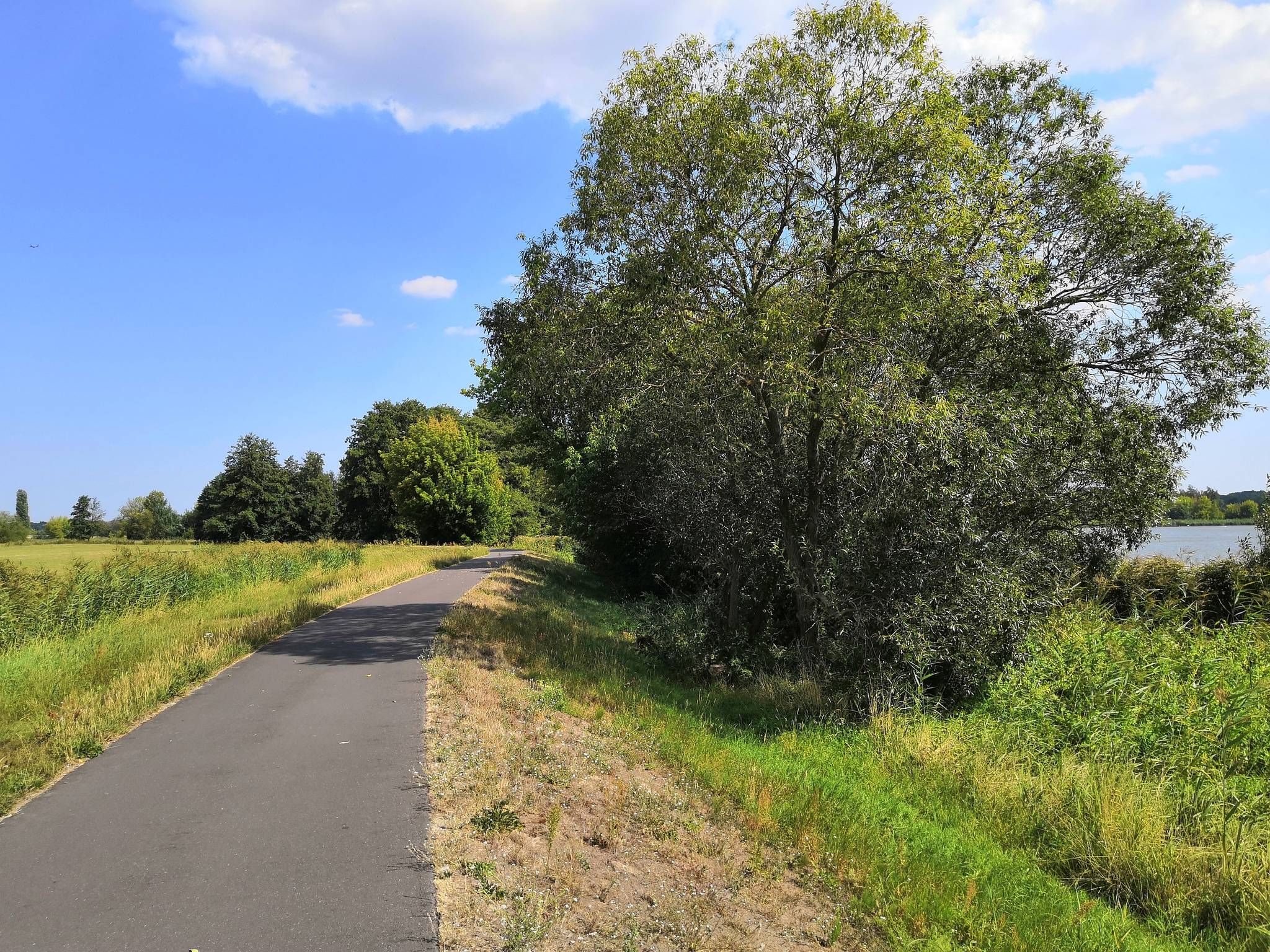
The Havel Cycle Path – in 6 stages from its source to its mouth
Other adventures around the Elbe


Tips from the Community

Climbing ladders to the summit is also great fun here🤗
8
0

It's really worth walking this path in the roundabout. Starting at the restaurant behind the toilets, we head north downhill and from there to the Wetterpine at the eastern tip of the Lilienstein. Then we go past the obelisks and views on the south side back to the restaurant.
6
1

Great view of the Elbe valley and the Königsstein Fortress.
5
2

The circular route allows you to walk around the entire summit area and enjoy a wide variety of perspectives on the surrounding landscape. The climb to the summit of the Lilienstein can be done from different sides, with all paths leading through dense forests and past impressive sandstone formations. Once you have reached the summit, the summit circular route offers a unique opportunity to experience the diversity and beauty of this striking mountain in all its glory. During the circular route, new views of the Elbe landscape, neighboring table mountains and deep gorges open up again and again. In clear weather, you can even see as far away as Dresden. The combination of towering rocks, gentle meadows and the view makes the circular route an unforgettable experience. In addition, several information boards and historical remains of fortifications bear witness to the important history of the Lilienstein. A few benches along the path invite you to linger and offer the perfect opportunity to enjoy the silence and the impressive view. The summit circular trail is well signposted and can be completed by most hikers without any major difficulties. However, sturdy shoes should be worn as there are some uneven and steep sections.
16
1

nice view from up here
14
5

A really great circular route over the Lilienstein with many highlights in different places, starting with the great view on the north ascent in the direction of Rathen/Bastei & Brand, over the east view at the Wetter Kiefer, the Drachenhöhle, the Rabenbad, the obelisks and the remains of the castle in height of the restaurant. The absolute highlight, of course, is the view on the west side from the popular photo spot on the western tip.
25
4

From here you have a wonderful view of the Falkenstein "Südriss". A classic and pleasure path (at least the first part 😁).
7
0

Beautiful view of the magnificent Falkenstein
4
0
Frequently Asked Questions
Which mountain peaks offer the best panoramic views in the Elbe Sandstone Mountains?
For breathtaking panoramic views, consider visiting Schrammstein Viewpoint, known for its superb vistas, especially at dusk. The Zirkelstein Summit also provides wonderfully exposed views across both Saxon and Bohemian Switzerland. Additionally, the Rauenstein Summit offers magnificent views in all directions from its secured ridge path.
Are there any family-friendly mountain walks in the Elbe region?
Yes, several areas are suitable for families. The Sattelsteig Ascent to Papststein is categorized as family-friendly. While some peaks involve climbs, many offer accessible paths to viewpoints. Always check the specific trail difficulty and conditions, especially with younger children.
What unique natural formations can I see among the Elbe mountain peaks?
The Elbe Sandstone Mountains are famous for their distinctive natural formations. You can explore towering, fissured sandstone rock formations, deep gorges, and unique table mountains. Highlights include the iconic sandstone bridge at Bastei, the rugged Schrammsteine, and the symbolic Lilienstein table mountain. On the Czech side, Pravčická brána is Europe's largest natural sandstone arch.
What historical sites are located near the mountain peaks in the Elbe Sandstone Mountains?
The region boasts significant historical sites. Königstein Fortress, perched atop a table mountain, is one of Europe's largest mountain fortresses, offering a journey through 800 years of history alongside panoramic views. The Lilienstein summit also features historical remains of fortifications.
What outdoor activities can I do near the Elbe mountain peaks?
The Elbe Sandstone Mountains are a paradise for outdoor enthusiasts. You can enjoy extensive hiking on around 1200 km of marked trails, including sections of the famous Malerweg. The region is also a renowned climbing destination with approximately 14,000 routes. For cycling, the Elbe Cycle Path offers leisurely rides, while mountain biking trails provide more demanding terrain. You can find various routes, including easy hikes, road cycling, and MTB trails, in guides like Easy hikes around the Elbe, Road Cycling Routes around the Elbe, and MTB Trails around the Elbe.
Which peak is the highest in the Elbe Sandstone Mountains?
The highest peak in the entire Elbe Sandstone Mountains is Děčínský Sněžník (Hoher Schneeberg), located on the Czech side in Bohemian Switzerland, standing at 723 meters (2,372 ft). It features an observation tower and a mountain inn, providing extensive views.
What is the highest point in the German part of the Elbe Sandstone Mountains?
In the German part of the Elbe Sandstone Mountains, the highest elevation is Großer Zschirnstein, reaching 560.3 meters. It serves as an excellent viewing point for appreciating the surrounding scenery.
Are there any mountain peaks with facilities like inns or hotels?
Yes, several peaks offer facilities for visitors. Děčínský Sněžník (Hoher Schneeberg) on the Czech side has a mountain inn. Großer Winterberg, the highest peak in Saxon Switzerland National Park, features both an observation tower and a hilltop hotel. The Rauenstein Summit also includes a small mountain inn.
What do visitors enjoy most about the mountain peaks around the Elbe?
Visitors frequently praise the magnificent panoramic views, the unique sandstone rock formations, and the diverse hiking opportunities. Many appreciate the serene atmosphere, especially during off-peak seasons, and the chance to explore both natural beauty and historical sites. The komoot community has shared over 8,000 photos and given more than 10,000 upvotes for the region's highlights.
Can I find challenging climbs among the Elbe mountain peaks?
Absolutely. The Elbe Sandstone Mountains are renowned as the birthplace of free climbing in Germany, offering approximately 14,000 climbing routes on 1134 freestanding sandstone rocks. For hikers, peaks like Schrammstein Viewpoint and View of the Falkenstein are categorized as challenging, providing rewarding experiences for experienced adventurers.
Which mountain peak is considered a symbol of the Saxon Switzerland National Park?
Lilienstein, a distinctive table mountain located on the east side of the Elbe River, is widely considered a symbol of the Saxon Switzerland National Park. Its climb rewards visitors with magnificent panoramic views of the Elbe landscape and neighboring table mountains.
Is it possible to visit the Elbe Sandstone Mountains in winter?
Yes, visiting in winter can offer a unique and serene experience. While popular spots like the Schrammsteine can be crowded in summer, they offer a more tranquil atmosphere in winter, with fewer hikers and potentially mystical foggy views. Always be prepared for winter conditions and check trail accessibility.
Most popular routes around the Elbe
Most popular attractions around the Elbe

Get inspired with the komoot mobile app


Explore more
See even more amazing summits around the Elbe with these guides:
