Top 20 Caves around the Elbe
Best caves around the Elbe are primarily found within the Elbe Sandstone Mountains and Saxon Switzerland National Park. This region is characterized by unique sandstone formations, offering diverse cave experiences. These geological features are largely formed by erosion and rockfall, resulting in distinct crevice and boulder caves. The area provides opportunities for exploration and discovery of natural shelters.
Best caves around the Elbe
- The most popular caves is Teufelsschlüchte (Devil's Gorges), a gorge that requires duck walking under small rock gates. This widely ramified system offers new impressions depending on the time of day and year.
- Another must-see spot is Lichter Cave (Kleinhennersdorfer Rock), a cave that is 21 meters deep and 14 meters wide. Visitors are encouraged to bring a headlamp to explore its depths, which were historically used for sand extraction.
- Visitors also love Diebskeller Cave, an impressive layer joint cave located just above the Malerweg. This cave is a notable feature in the area of the former Hohnstein quarry.
- Elbe is known for crevice, boulder, and rockfall caves. These formations offer a variety of experiences, from narrow passages to larger chambers.
- The caves around the Elbe are appreciated by the komoot community, with more than 2400 upvotes and over 1600 photos shared.
Last updated: June 23, 2026
Teufelskammer Gorge
Highlight (Segment) • Gorge
Translated by Google •
Tip by

Teufelsschlüchte (Devil's Gorges)
Highlight • Gorge
Translated by Google •
Tip by

Sign up now to discover places like this
Get recommendations on the best single tracks, peaks, & plenty of other exciting outdoor places.
Sign up for free
Lichter Cave (Kleinhennersdorfer Rock)
Highlight • Cave
Translated by Google •
Tip by

Hering's Cave
Highlight • Cave
Translated by Google •
Tip by
Diebskeller Cave
Highlight • Cave
Translated by Google •
Tip by

Devil's Kitchen
Highlight • Cave
Translated by Google •
Tip by

Hampel Cave
Highlight • Cave
Translated by Google •
Tip by

Dorfbachklamm Gorge
Highlight • Gorge
Translated by Google •
Tip by

Gamrig Cave
Highlight • Cave
Translated by Google •
Tip by

Robbers' Cave beneath the Bastei
Highlight • Cave
Translated by Google •
Tip by

Sign up for free to discover even more caves around the Elbe.
Sign up for free
Already have an account?
Start today with a free account
Your next adventure awaits.
Login or Signup
Popular around Elbe
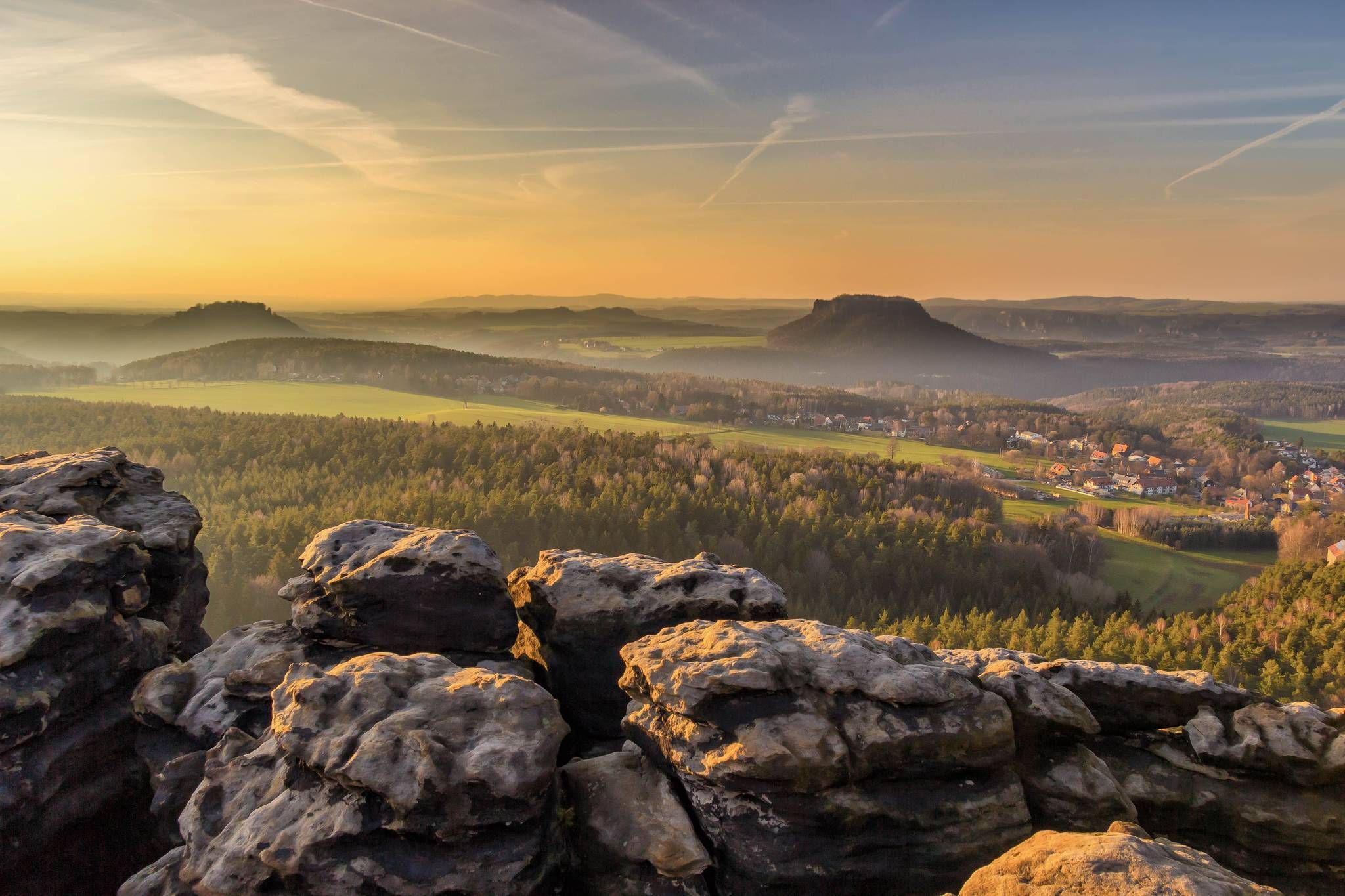
Forststeig – 7 days in the wild, remote sandstone mountains

North Sea Deluxe — bikepacking with Radelmädchen
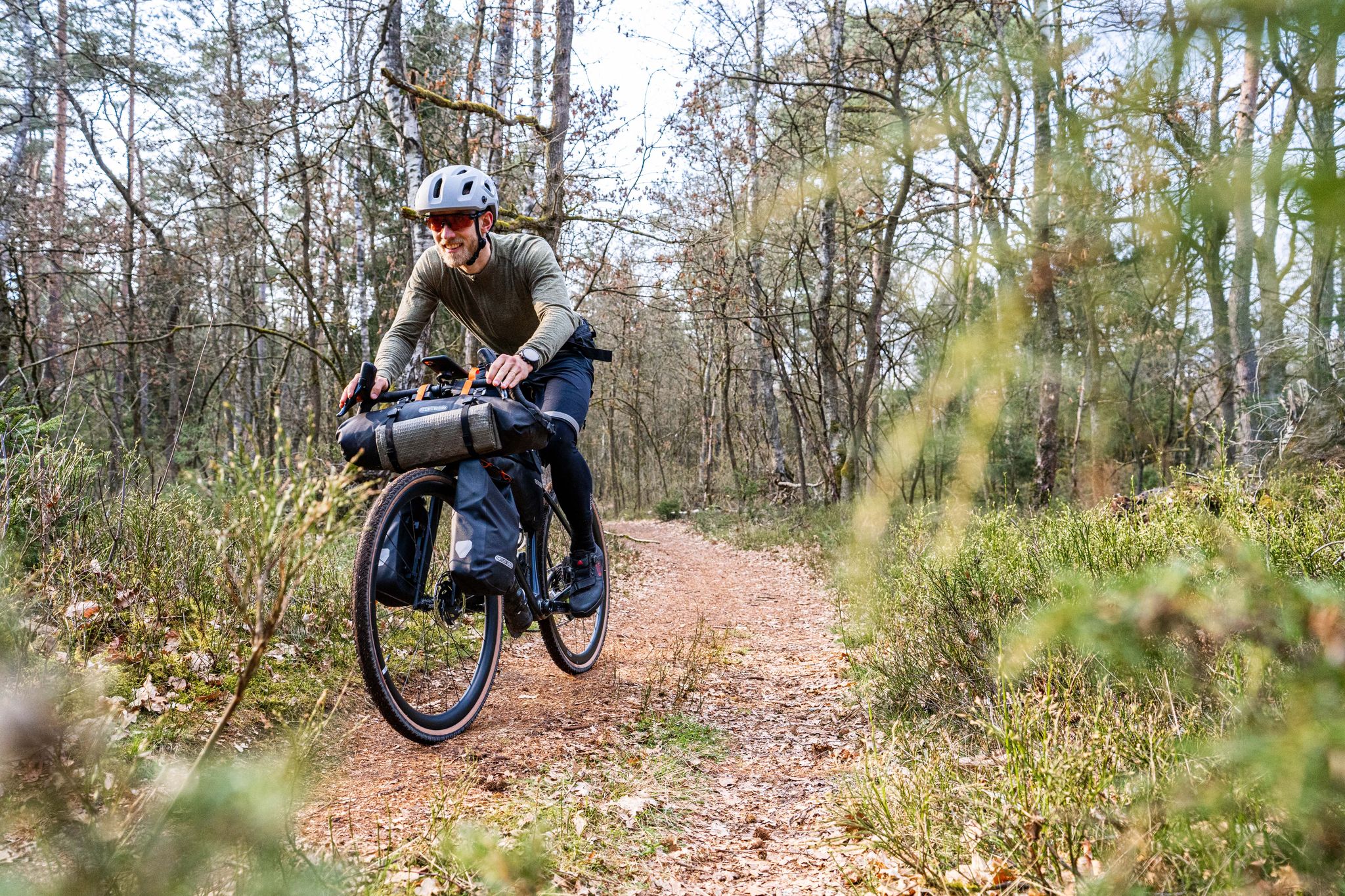
Gravel bikepacking from Hamburg to Munich
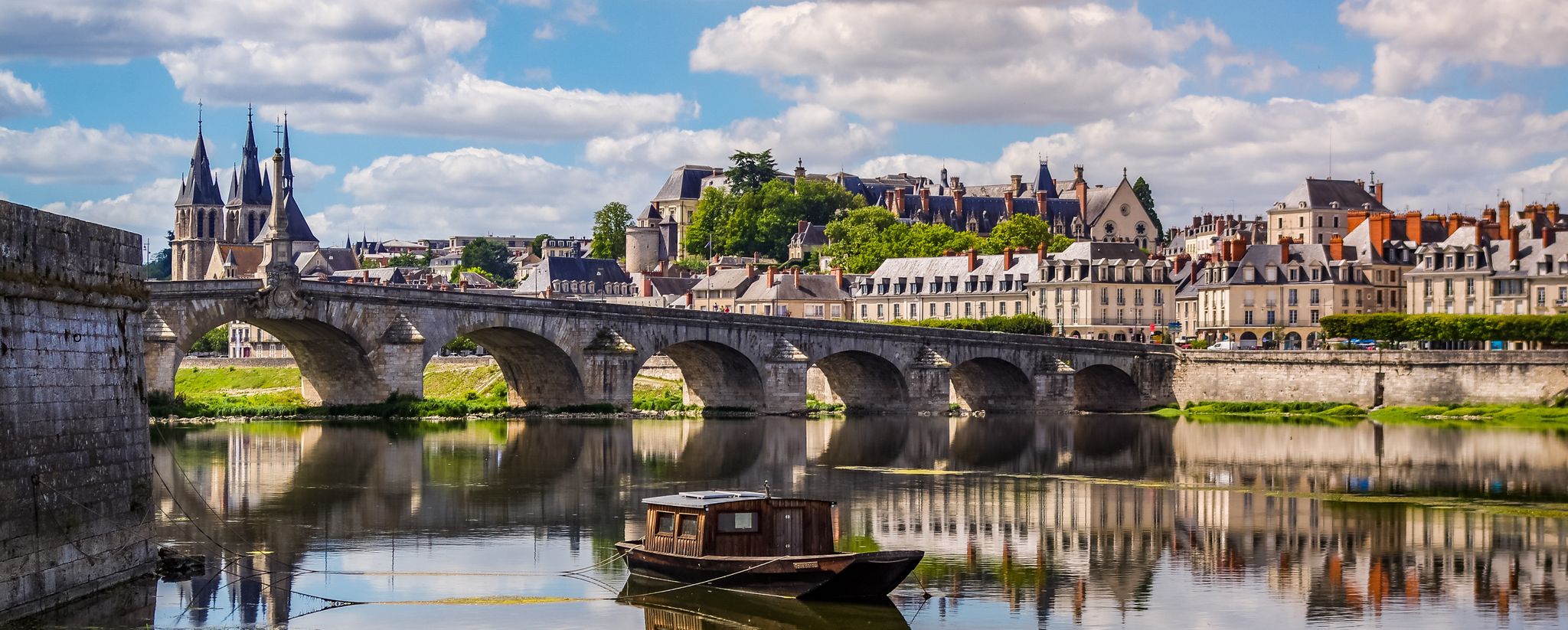
EuroVelo 3 – A cycling pilgrimage from Norway to France
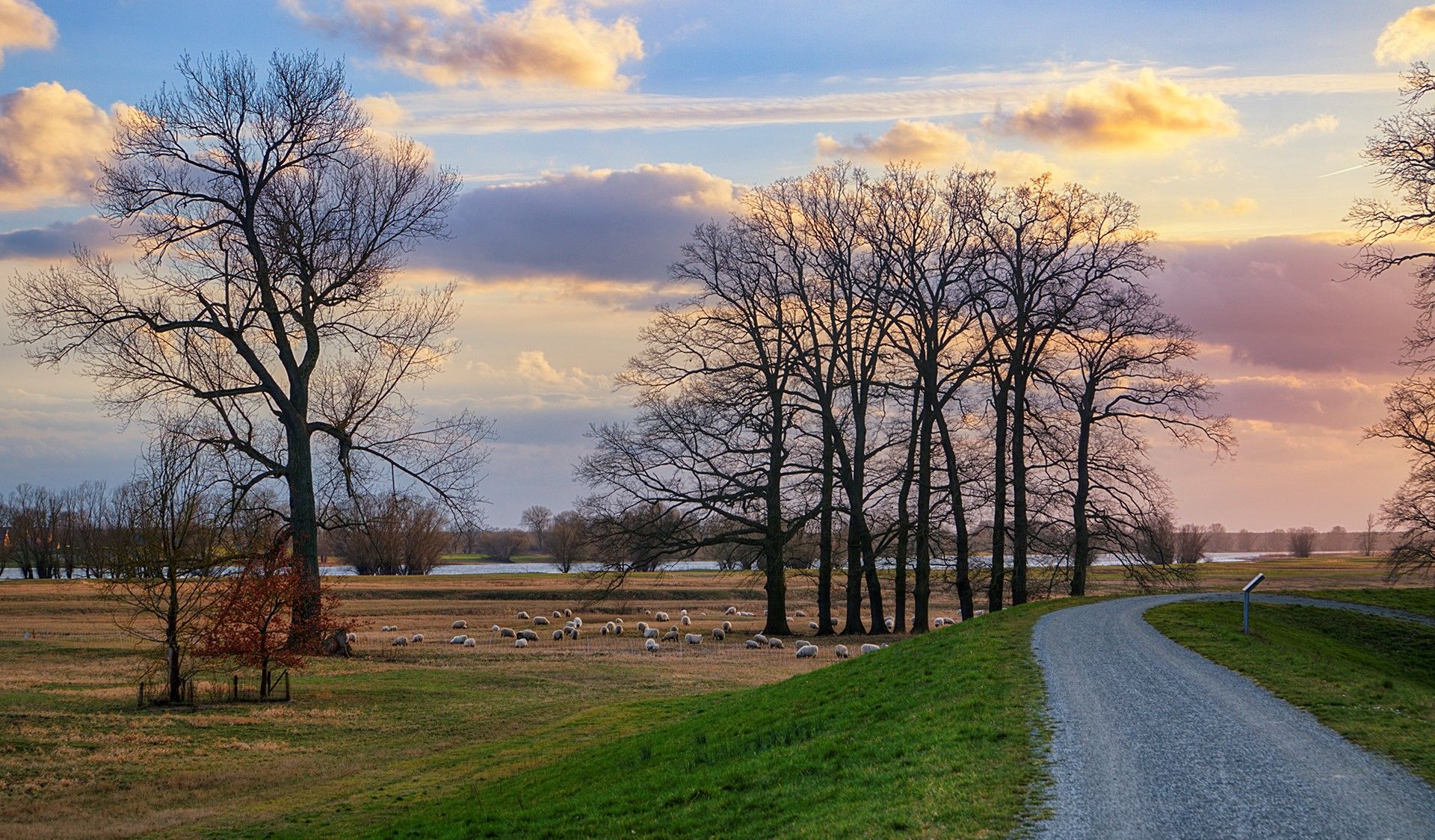
Tour Brandenburg – Cycle around Berlin in 18 stages
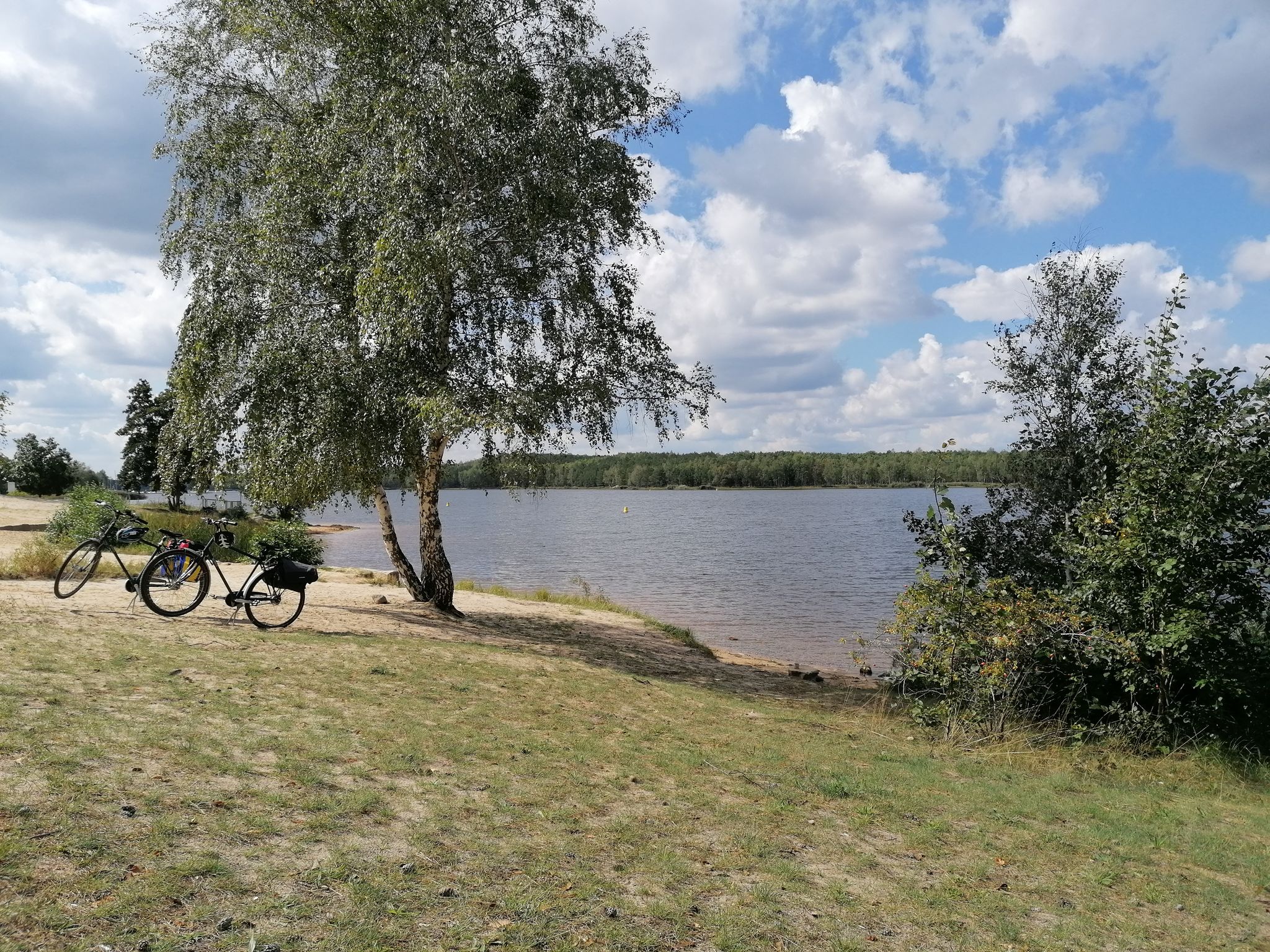
Cycling from Dresden to Berlin – lakes, nature and Sorbian culture
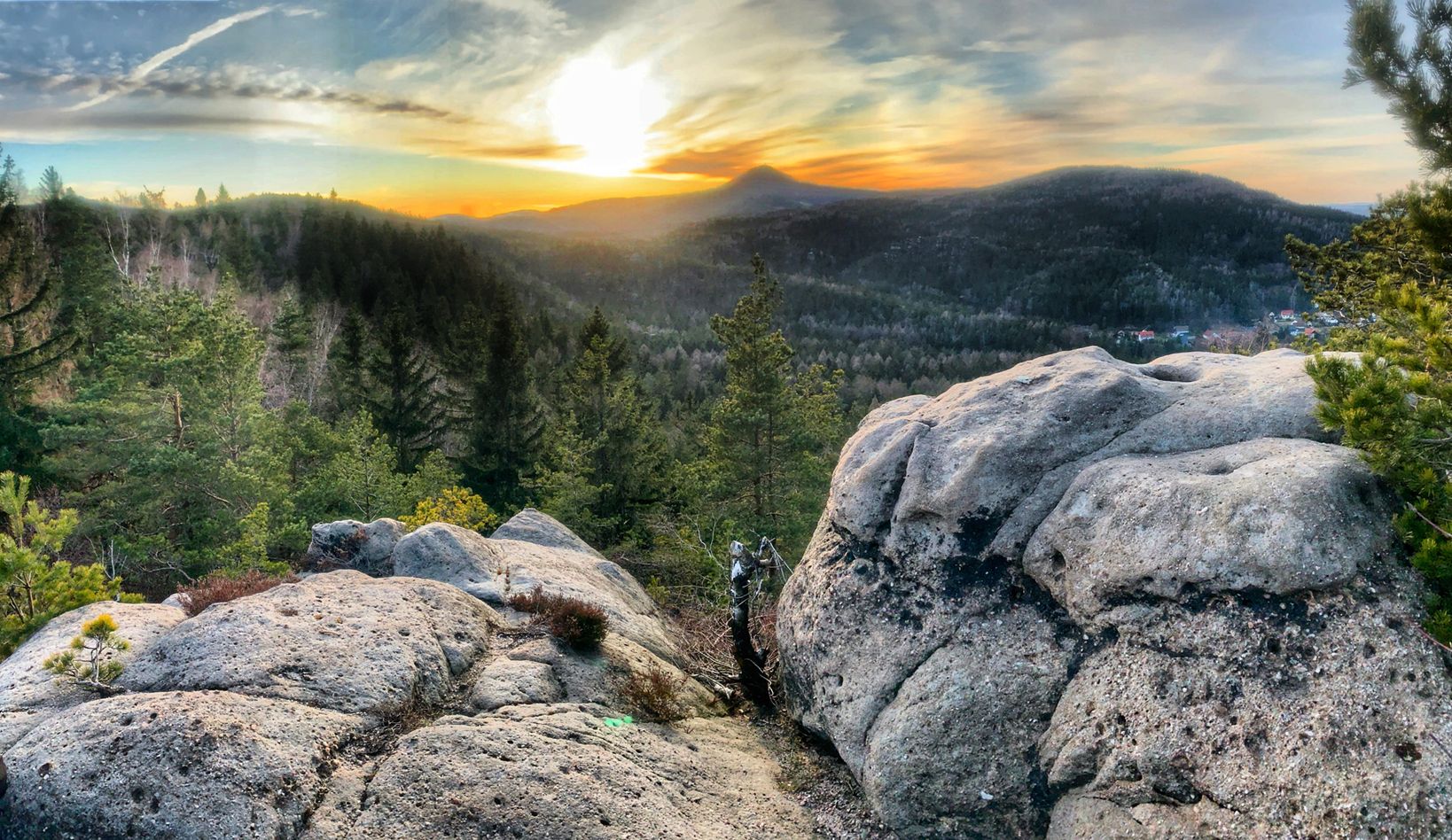
Mountains, heaths & lakes – hiking in Lusatia
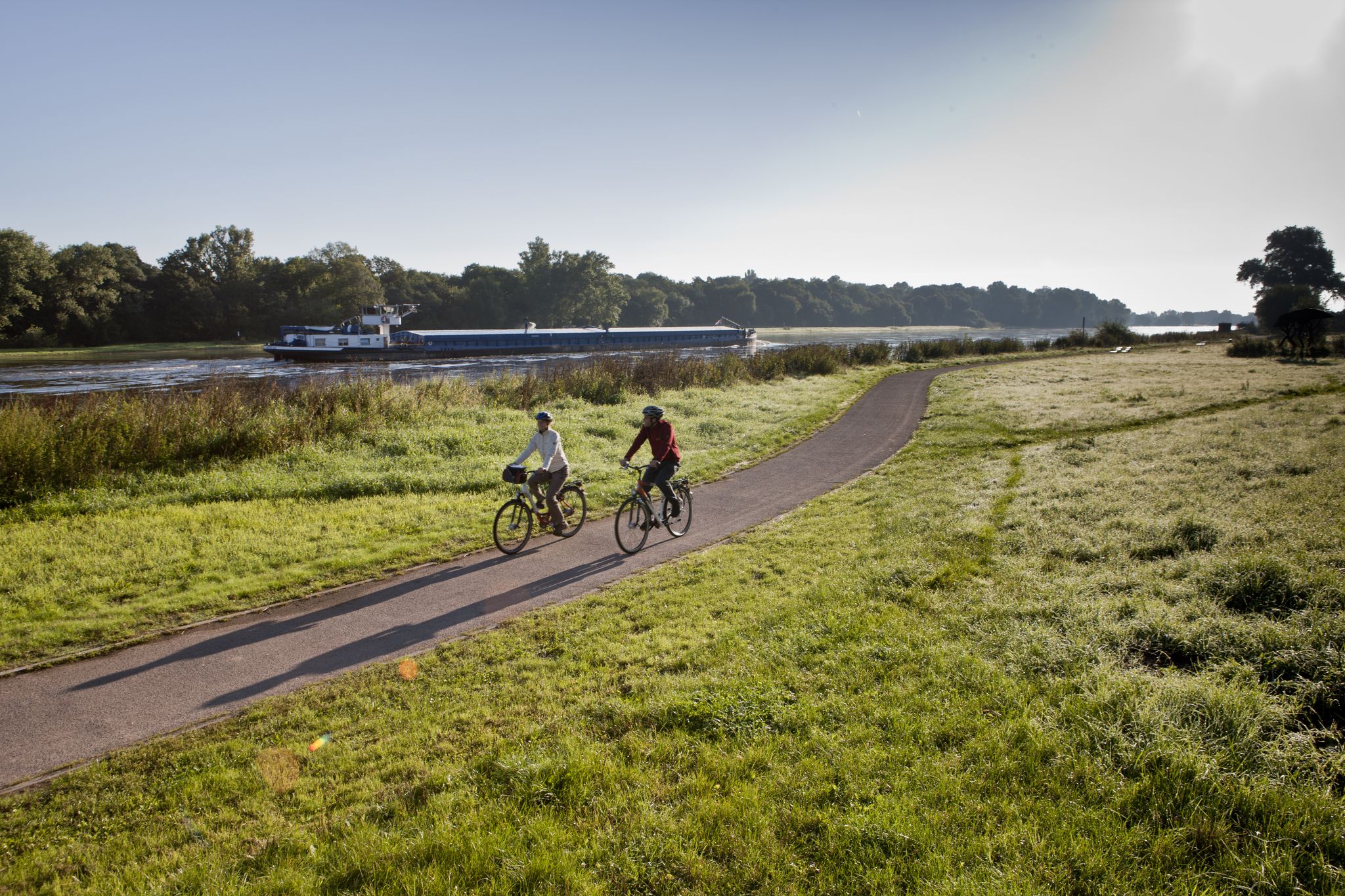
Elbe Cycle Route – Ride through Saxony-Anhalt
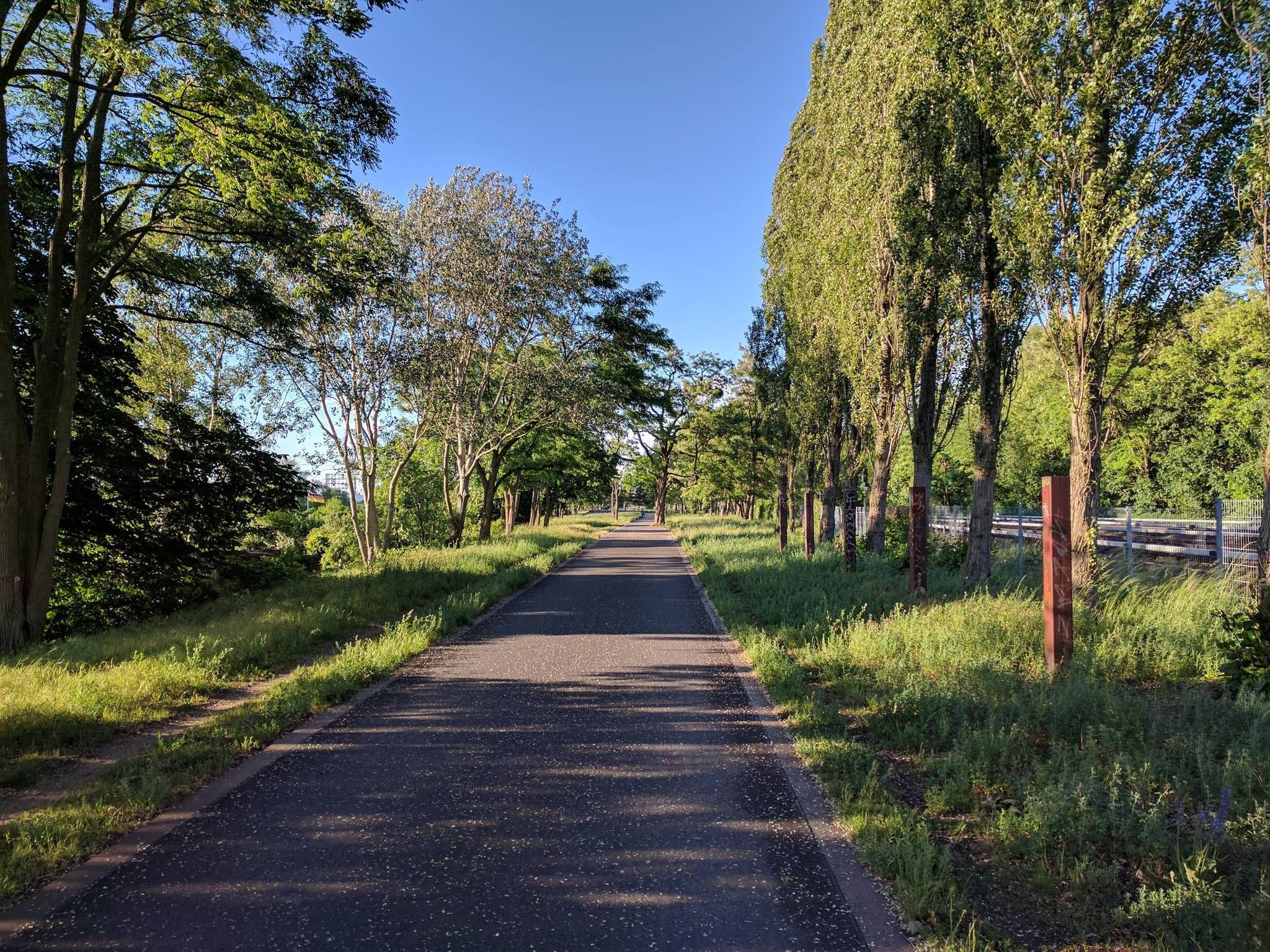
The Berlin Leipzig cycle path – Through the East in five stages
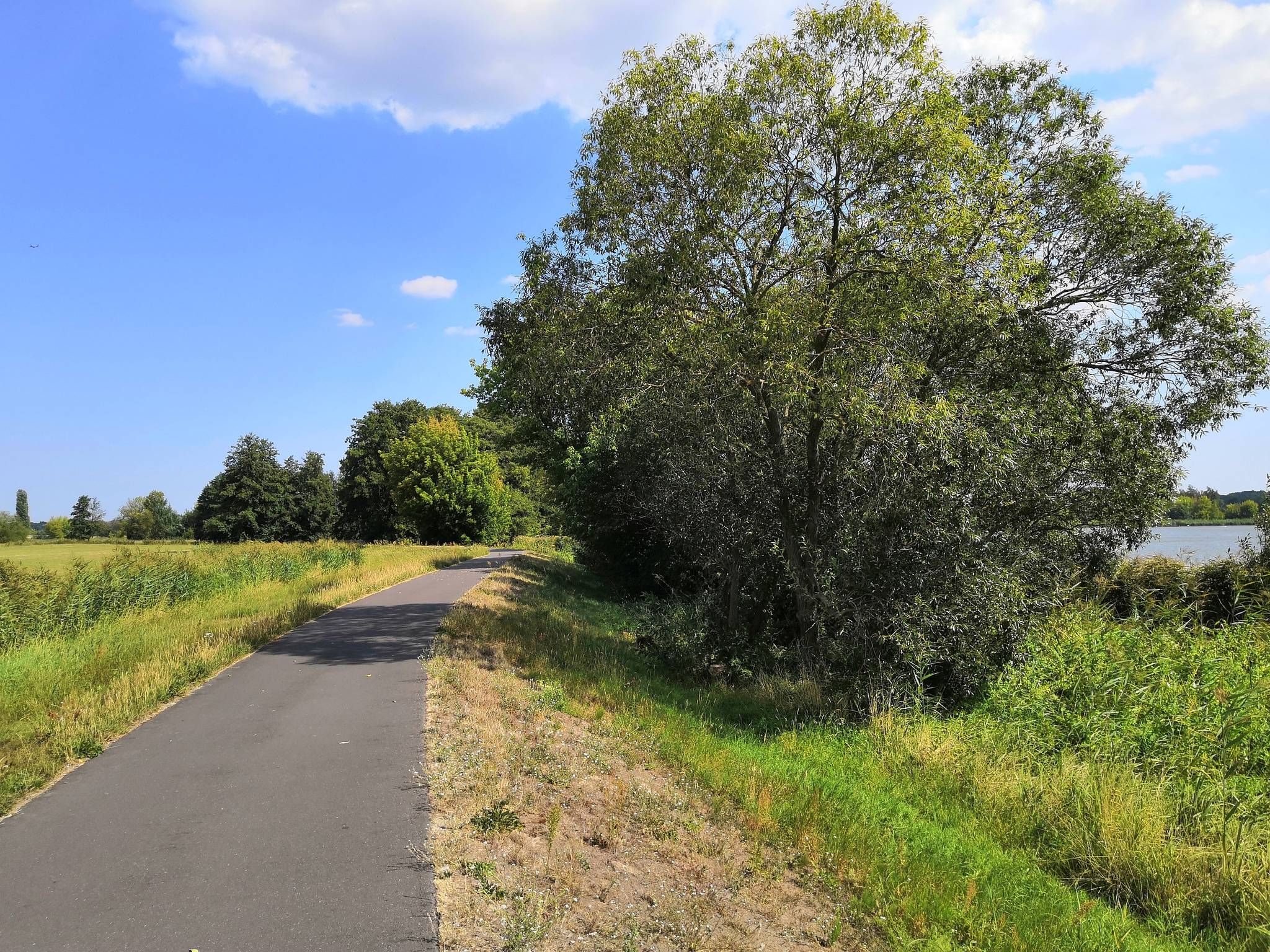
The Havel Cycle Path – in 6 stages from its source to its mouth
Other adventures around the Elbe


Tips from the Community

The Devil's Gorges wind picturesquely and wildly through the sandstone mountains, offering a perfect little adventure for people of all ages. With narrow paths and cave crossings, the trail is both challenging and fascinating. Appropriate preparation is therefore recommended for every visitor. See: https://www.saechsische-schweiz.de/ausflugsziele/teufelsschlucht
2
0

Closed from 16 June until 27 July 2025 due to repair work on the path and embankment. We saw the signs with this notice yesterday, 12 June.
5
2

Wehlen is a so-called country town in Saxon Switzerland. It lies on the railway line from Dresden to Prague and in the heart of the Elbe Sandstone Mountains, making it a starting point for hikes to destinations such as the Bastei, the Rathen Rock Stage, the Bärenstein and Rauenstein, as well as the Wehlen and Uttewalder Grund. Saxon Switzerland is the name given to the German part of the Elbe Sandstone Mountains in Saxony. Rathen is a spa town located below the rocky backdrop of the Elbe Sandstone Mountains in Saxon Switzerland, approximately 35 kilometers from Dresden. Both Wehlen and Rathen have a passenger ferry across the Elbe and a rail connection to Dresden, among other places! So you can easily reach the Elbe Sandstone Mountains!
2
0

great, always worth a trip
1
0

Here you can cross this small cave from three sides.
2
0


Super beautiful surroundings, it is very busy at the bridge. Spring 2023. If you go from the castle further into the forest, it looks as if there is no one left.
1
0
Frequently Asked Questions
What types of caves are common in the Elbe region?
The Elbe region, particularly within the Elbe Sandstone Mountains, is known for its unique crevice, boulder, and rockfall caves. These formations are primarily created by erosion and rockfall in sandstone, rather than the more common limestone karst processes. You'll find a variety of experiences, from narrow passages requiring 'duck walking' to larger chambers.
Are there any particularly large or impressive cave formations to visit?
Yes, the region offers several impressive formations. The Lichter Cave (Kleinhennersdorfer Rock) is notable, being 21 meters deep and 14 meters wide, and historically used for sand extraction. Another significant site is Kuhstall (Cow Shed), a massive rock gate in Saxon Switzerland, measuring 11 meters high, 17 meters wide, and 24 meters deep, making it the largest cave-like structure in the national park.
Are there family-friendly caves around the Elbe?
Many caves in the Elbe region are suitable for families. For example, Diebskeller Cave and Devil's Kitchen are categorized as family-friendly. These often offer accessible exploration, though some may still require a headlamp or involve light scrambling.
What should I bring when exploring caves in the Elbe region?
For many caves, especially those that are darker or require crawling, bringing a pocket or headlamp is highly recommended. Some caves, like Hering's Cave, become dark upon entry. Comfortable clothing that allows for movement, including potential crawling or light climbing, is also advisable.
Do any caves in the Elbe region have historical significance?
Yes, several caves have historical connections. The Götzinger Cave (Thieves' Cellar) is named after local historian Wilhelm Leberecht Götzinger and has an intriguing association with its 'Thieves' Cellar' moniker. The Lichter Cave was historically used for sand extraction, with remnants of walls still visible from when it was feared to collapse.
Are there guided caving tours available in the Elbe region?
Yes, guided cave adventure tours are available in the Elbe Sandstone Mountains. These tours often allow beginners to explore 5-6 caves with easy climbing and crawling passages, providing insights into the geological formation of the region.
What outdoor activities can I combine with a visit to the caves?
The Elbe region offers numerous outdoor activities. You can find many hiking opportunities, including easy hikes like the 'Medieval Tour to the Rock Castle Neurathen and the Swedish Caves' or the 'Discovery Tour to Wolf Hill'. For more options, explore easy hikes around the Elbe. The area is also popular for cycling and gravel biking, with various routes available, such as those found in Cycling around the Elbe.
Are there hiking trails that lead to or past these caves?
Absolutely. Many caves are integrated into popular hiking routes. For instance, Diebskeller Cave is located just above the Malerweg, a famous hiking trail. The Kuhstall rock gate can be reached with about a 30-minute walk from the Lichtenhain waterfall, and the nearby 'Himmelsleiter' offers an adventurous climb with stunning views.
What are the Teufelsschlüchte (Devil's Gorges) and how do they relate to caves?
The Teufelsschlüchte (Devil's Gorges) are technically narrow valleys rather than enclosed caves, but they are often included due to their cave-like characteristics. They feature a widely ramified system of valley bottoms that require 'duck walking' under small rock gates, offering a challenging and adventurous passage, especially with a backpack.
Are there less crowded or 'hidden gem' caves in the Elbe region?
While popular spots attract many visitors, the region has numerous smaller crevice and boulder caves that offer a more intimate exploration. Caves like Vehm Cave or the Robbers' Cave beneath the Bastei might offer a quieter experience compared to the larger, more well-known formations. Many of these require a headlamp and offer a hands-on caving adventure.
What is 'boofen' and how does it relate to caves in Saxon Switzerland?
'Boofen' is a unique tradition in Saxon Switzerland National Park, referring to cave camping or sleeping outdoors under a rock. This practice highlights the use of some of these natural shelters, particularly by climbers, adding a distinct cultural dimension to the cave experience in the Elbe region.
Most popular routes around the Elbe
Most popular attractions around the Elbe

Get inspired with the komoot mobile app


Explore more
Extend your search for the best caves by checking out these guides of the top ones around the Elbe:
