Attractions and Places To See around the Nemunas - Top 20
Best attractions and places to see around the Nemunas are concentrated in a region shaped by the Neman River, which forms part of Russia's border with Lithuania. This area features a blend of historical landmarks and natural landscapes, including forests and agricultural lands. Historically, the region has been influenced by various entities, including Prussia and Lithuania, contributing to its cultural heritage. Visitors can explore sites that reflect its past and enjoy the natural environment.
Best attractions and places to see around the Nemunas
- The most popular attractions is Vilkija–Pavilkijys Ferry, an other_man_made facility that provides a crossing point over the Nemunas River. It is a practical facility for cyclists and travelers, running regularly and costing 2€ with a bicycle as of June 2024.
- Another must-see spot is Old St. John the Baptist Church, Zapyškis, a historical religious building first mentioned in 1562. Its unique style and beautiful surroundings make it a notable stop, with a bike path extending to Kaunas.
- Visitors also love Pypliai Hillfort, a historical site dating back to the 1st-2nd millennium. Legends suggest it was the location of the Pilėnai tragedy in 1336, where defenders chose death over surrender.
- Neman is known for its historical sites, castles, and natural viewpoints. The region offers a variety of attractions to see and explore, from ancient hillforts to significant religious buildings.
- The attractions around the Nemunas are appreciated by the komoot community, with 15 upvotes and 24 photos shared across the highlights.
Last updated: July 6, 2026
Statue of Mahatma Gandhi and Hermann Kallenbach
Highlight • Monument
Translated by Google •
Tip by

Pypliai Hillfort
Highlight • Historical Site
Legendary
Some historians claim that it was here, and nowhere else, that the Pilėnai tragedy took place in 1336, when after long battles, when the enemy invaded the castle, the defenders of the castle voluntarily chose death instead of surrendering to the enemy. There is also a legend that this mound was built by Duke Pyplys in honor of his dead son. It is said that the duke's son Dainutis was taken captive by the Crusaders when he was a child and his father thought he was already dead. He, meanwhile, was raised as a cross until he finally met his father in one battle, only on different sides. The father immediately recognized the son and he remembered him, but there was no time to rejoice, Dainutis was killed by a crusader here. Mourning his son's prince and pouring a mound in his memory.
Translated by Google •
Tip by

Sign up now to discover places like this
Get recommendations on the best single tracks, peaks, & plenty of other exciting outdoor places.
Sign up for free
Panemunė Castle
Highlight • Castle
Very nicely rebuilt.
More information: de.wikipedia.org/wiki/Schloss_Panemun%C4%97
Translated by Google •
Tip by

Vilkija–Pavilkijys Ferry
Highlight (Segment) • Structure
Only the ferry between Vilkija and Pavilkijys.
More info: kaunorajonas.lt/lankytinos-vietos/vilkijos-keltas-vilkyne
Translated by Google •
Tip by
Antkalniškių Hillfort
Highlight • Historical Site
Translated by Google •
Tip by

Raudonė Castle
Highlight • Castle
Translated by Google •
Tip by
Old St. John the Baptist Church, Zapyškis
Highlight • Religious Site
Translated by Google •
Tip by
Biuvetė Mineral Water Pavilion
Highlight • Structure
The buvette was built using Corten steel, which changes color over time: from orange it turns brown and merges with the color of the tree trunks. The territory is landscaped and adapted for the disabled, benches and bicycle racks are installed. The buvette is open all year round.
Tip by

Jurbarkas Bridge Over the Nemunas River
Highlight • Bridge
Translated by Google •
Tip by
Veršvai Hillfort
Highlight • Historical Site
At the northern foot of the mound, in the area of 1.5 hectares, there were I thous. BC - a settlement with a rich cultural layer at the foot of the 13th century. The mound dates back to the 1st millennium - the 14th century.
Translated by Google •
Tip by
Sign up for free to discover even more attractions around the Nemunas.
Sign up for free
Already have an account?
Start today with a free account
Your next adventure awaits.
Login or Signup

Tips from the Community


Raudonė is first mentioned in the 16th century as the estate of the Polish King Sigismund II Augustus. He sold the property around 1580 to the Prussian timber merchant Hieronymus Krispin-Kirschenstein. He and his son built the first palace in the Renaissance style. The palace owes its present appearance primarily to the Neo-Gothic reconstructions carried out between 1861 and 1877 under the direction of Count Zubov's daughter, Sofia Kaissarowa. The last noble owners were the granddaughter Sofia Waxell and her Portuguese husband José Carlos de Faria e Castro. Following looting during the First World War, the de Faria e Castro descendant was in debt and auctioned the palace in 1934. Following protests, the Lithuanian National Bank ceded it to the Ministry of Education, which undertook restoration work in 1936. The Wehrmacht blew up the castle's main tower in 1944, but it was later rebuilt and is now open to visitors. The main building has housed a middle school since 1947, which was downgraded to an elementary school in 2003. Source: https://de.wikipedia.org/wiki/Raudone
0
0

Memorial to the two friends Mahatma Gandhi and Hermann Kallenbach, who comes from Rusnė.
1
0

A few years ago, a 150-meter-deep well was drilled in this place. After testing the water, it turned out that it was low in mineralization, very pure and clean. Then it was decided to install a mineral water treatment plant in Kulautuva. The buvette was built using Corten steel, which changes color over time: from orange it turns brown and merges with the color of the tree trunks. The territory is landscaped and adapted for the disabled, benches and bicycle racks are installed. The buvette is open all year round.
0
0

While the name Mahatma Gandhi is certainly familiar to many people of various nationalities and religions, the second person depicted, Hermann Kallenbach—including me personally—was completely unknown until I encountered this monument depicting the two companions. + Mahatma (actually Mohandas Karamchand) Gandhi, 1869 to 1948 (nominated for the Nobel Peace Prize at the time of his assassination) was a pioneer of India's independence from Great Britain, always and uncompromisingly advocating non-violent resistance and decisively rejecting armed struggle. + Hermann Kallenbach, 1871 (in Lithuania, then part of Russia) to 1945 (South Africa), was the son of Jewish parents and emigrated to South Africa. There he met Gandhi and became a friend and supporter of his cause.
0
0

Very beautiful surroundings, great bike path all the way to Kaunas.
0
0

The story of Gandhi and Kallenbach is a deeply intimate and personal one. But it also has historical and academic significance. This story is fascinating for another reason, because it proves and highlights the possibility of cross-cultural influences leading to much greater results, as manifested in Gandhi's impact on world history.
2
0

2€ with bicycle (06/2024). Runs regularly as soon as 1-2 vehicles are waiting.
2
0
Frequently Asked Questions
What historical sites can I explore in the Neman region?
The Neman region is rich in history. You can visit the ruins of Ragnit Castle, a Gothic castle built by the Teutonic Knights, which holds significant historical importance despite being largely destroyed during World War II. Other notable historical sites include Pypliai Hillfort, dating back to the 1st-2nd millennium, and the Old St. John the Baptist Church, Zapyškis, first mentioned in 1562. Additionally, Raudonė Castle and Panemunė Castle offer insights into the region's past.
What natural features define the Neman region?
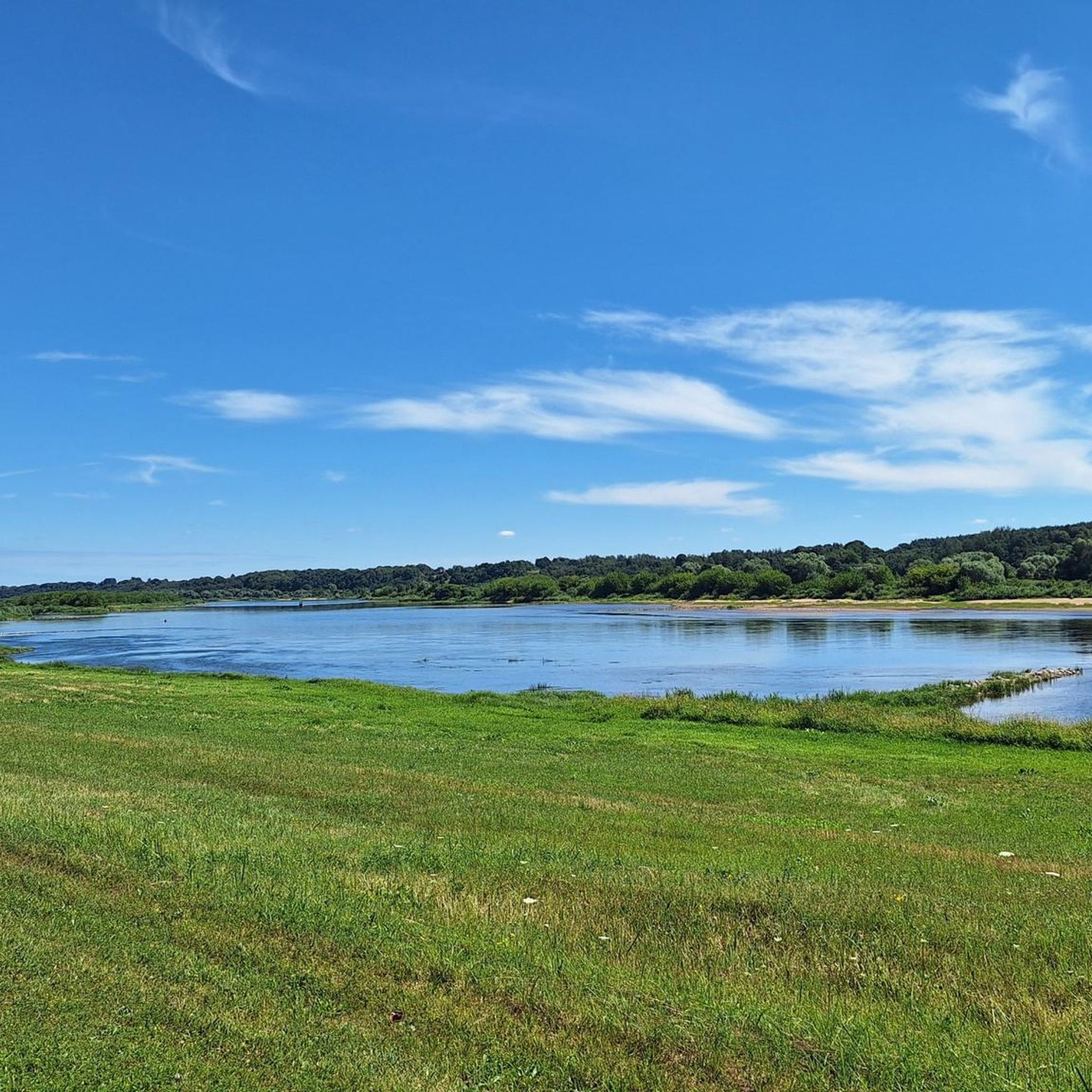
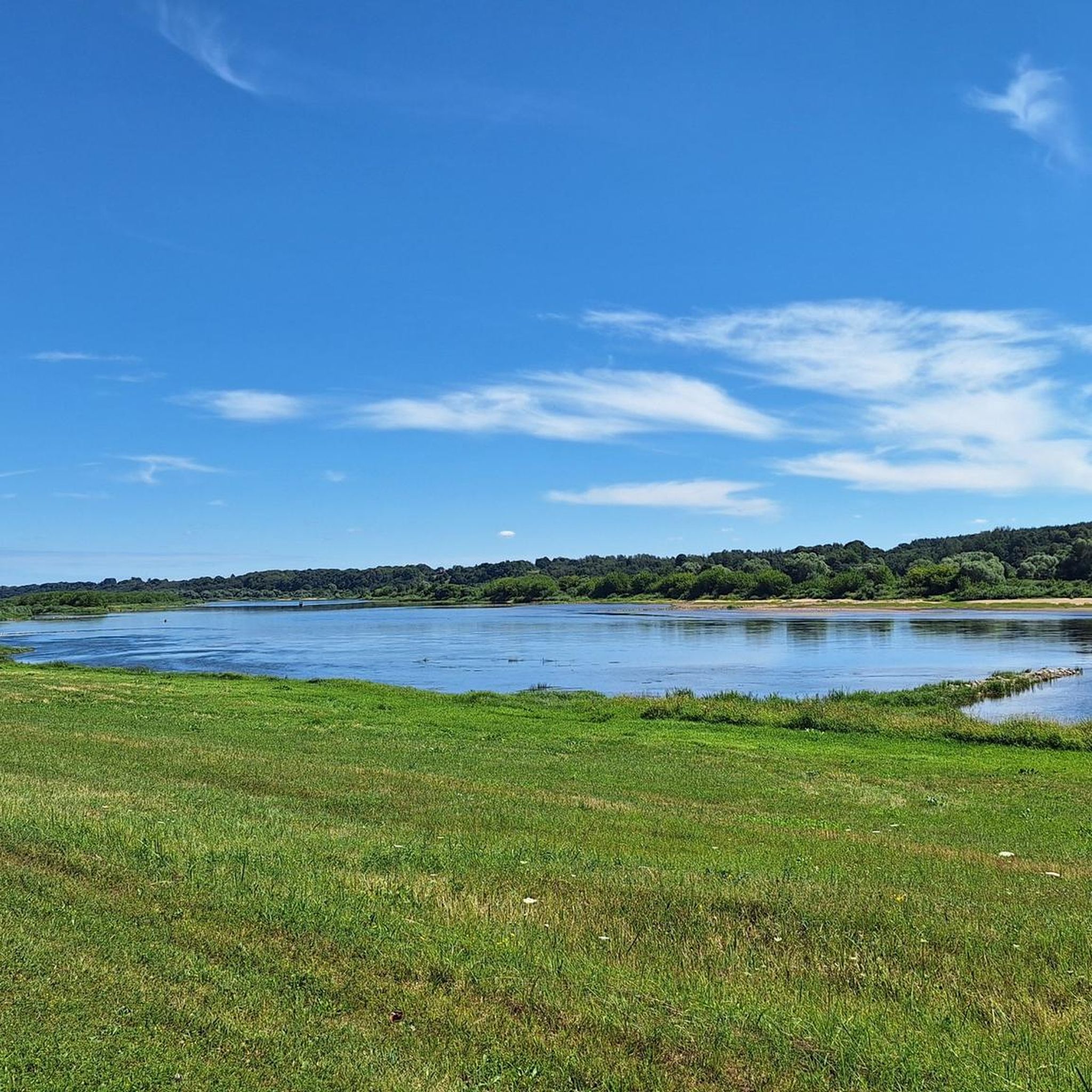
The Neman region is primarily defined by the Neman River, which forms part of Russia's border with Lithuania. The river is a significant geographical feature, shaping the local landscape with its steep southern bank. The surrounding area also features forests and agricultural lands, providing a blend of natural beauty and historical context.
Are there any family-friendly attractions in the area?
Yes, several attractions are suitable for families. Raudonė Castle and Panemunė Castle are both categorized as family-friendly. The Old St. John the Baptist Church, Zapyškis, with its beautiful surroundings, is also a pleasant stop for all ages. The Biuvetė Mineral Water Pavilion is another family-friendly and wheelchair-accessible spot.
What outdoor activities can I do near these attractions?
The region around the Nemunas offers various outdoor activities. You can find numerous routes for hiking, road cycling, and running. Popular hiking routes include the 'View of the River – Pypliai Mound loop from Kačerginė' and 'Lake Lampėdis – Lampėdžiai Beach loop from Vilijampolės seniūnija'. For cyclists, there's the 'Velo Bar – Pypliai Hillfort loop from Kazliškiai'.
Where can I find scenic viewpoints along the Nemunas River?
Several historical hillforts in the region double as excellent viewpoints. Pypliai Hillfort, Antkalniškių Hillfort, and Veršvai Hillfort all offer scenic vistas of the surrounding landscape, often including the Nemunas River.
Are there any unique ways to cross the Nemunas River?
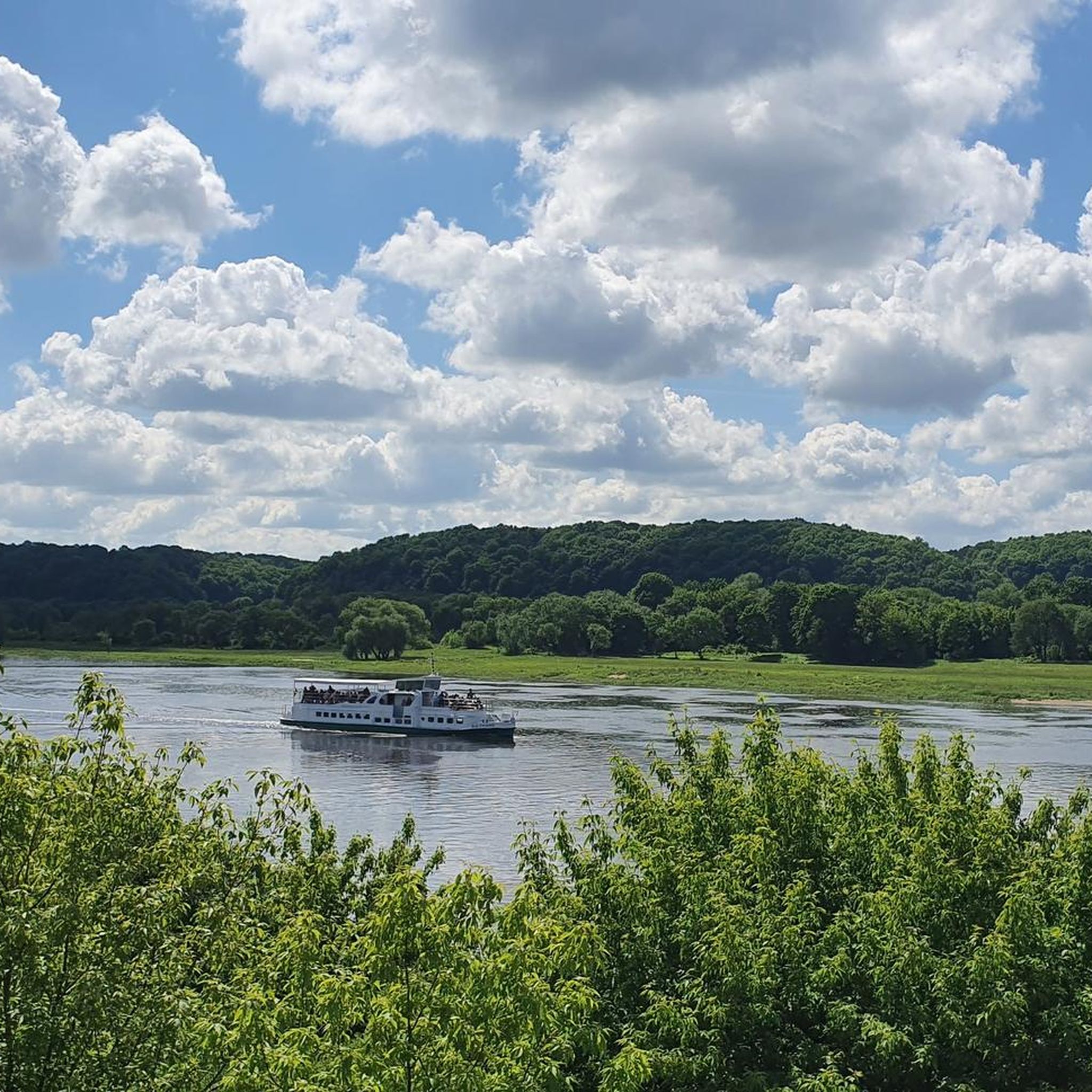
Yes, the Vilkija–Pavilkijys Ferry provides a unique and practical crossing point over the Nemunas River, especially for cyclists and travelers. It runs regularly and is a convenient way to traverse the river between Kaunas and Jurbarkas, where other crossing options are limited.
What do visitors enjoy most about the attractions around the Nemunas?
Visitors appreciate the blend of historical significance and natural beauty. The historical sites like Pypliai Hillfort are noted for their legends and historical depth. The Old St. John the Baptist Church, Zapyškis, is praised for its unique style and beautiful surroundings, with a great bike path extending to Kaunas. The practical aspect of the Vilkija–Pavilkijys Ferry is also highly valued by those exploring the region.
Are there any bridges crossing the Nemunas River for vehicles or pedestrians?
Yes, the Jurbarkas Bridge Over the Nemunas River, built in 1978, significantly improved transport links in the area. While it's a key crossing point, it's important to note that other options for crossing the river, especially for cyclists, are limited in the wider area, making the Vilkija–Pavilkijys Ferry a crucial alternative.
Can I find any monuments or statues in the Neman region?
Yes, you can visit the Statue of Mahatma Gandhi and Hermann Kallenbach. This monument commemorates the friendship between the two figures and is also wheelchair accessible.
What is the best time to visit the Neman region?
The Neman region offers different experiences throughout the year. While specific seasonal activities are not detailed, the natural landscapes, including the Neman River and surrounding forests, are generally best enjoyed during milder weather for outdoor activities like hiking and cycling. Historical sites can be visited year-round, though accessibility might vary with snow in winter.
Are there any accessible attractions for visitors with mobility needs?
Yes, the Statue of Mahatma Gandhi and Hermann Kallenbach and the Biuvetė Mineral Water Pavilion are both categorized as wheelchair accessible, ensuring a more inclusive experience for visitors with mobility needs.
Most popular routes around the Nemunas
Most popular attractions around the Nemunas

Get inspired with the komoot mobile app


