Top 20 Castles around the Steldt
Castles around the Steldt are concentrated in the Schelde River region, known as "Scheldeland" in Belgium. This area features a collection of historic castles, many notable for their architectural styles and historical significance. The Schelde River played a crucial role in the region's development, influencing the strategic placement of these fortifications. Visitors can explore a variety of castles, from medieval strongholds to elegant country estates.
Best castles around the Steldt
- The most popular castles is Het Steen, a castle…
Last updated: July 1, 2026
Het Steen
Highlight • Castle
Translated by Google •
Tip by

Berlare Castle Park
Highlight • Castle
The castle and outbuildings are not open to the public, but the park is.
Translated by Google •
Tip by

Sign up now to discover places like this
Get recommendations on the best single tracks, peaks, & plenty of other exciting outdoor places.
Sign up for free
Fort Steendorp
Highlight • Historical Site
Translated by Google •
Tip by

Wissekerke Castle
Highlight • Castle
Translated by Google •
Tip by
Graventoren - Rupelmonde
Highlight • Monument
Translated by Google •
Tip by
Bornem Castle
Highlight • Castle
Translated by Google •
Tip by

De Ghellinck Estate
Highlight • Historical Site
Translated by Google •
Tip by
d'Ursel Provincial Park
Highlight • Castle
Translated by Google •
Tip by
Graventoren of Rupelmonde
Highlight • Historical Site
The Graventoren was once owned …
Translated by Google •
Tip by

Liedts Castle
Highlight • Castle
Translated by Google •
Tip by
Sign up for free to discover even more castles around the Steldt.
Sign up for free
Already have an account?
Start today with a free account
Your next adventure awaits.
Login or Signup
Popular around Schelde
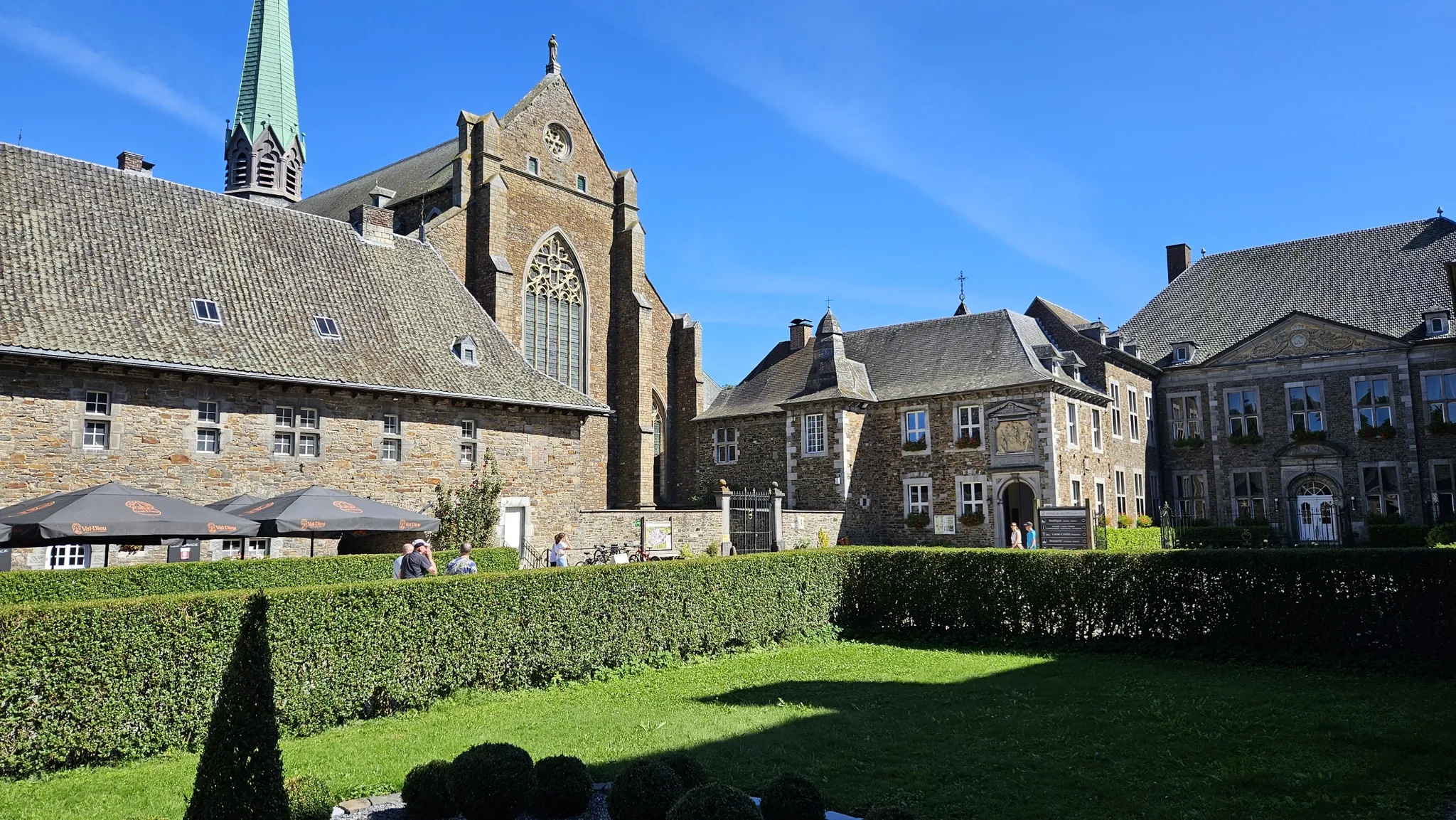
Trappist abbeys cycle route – Between beers and heritage
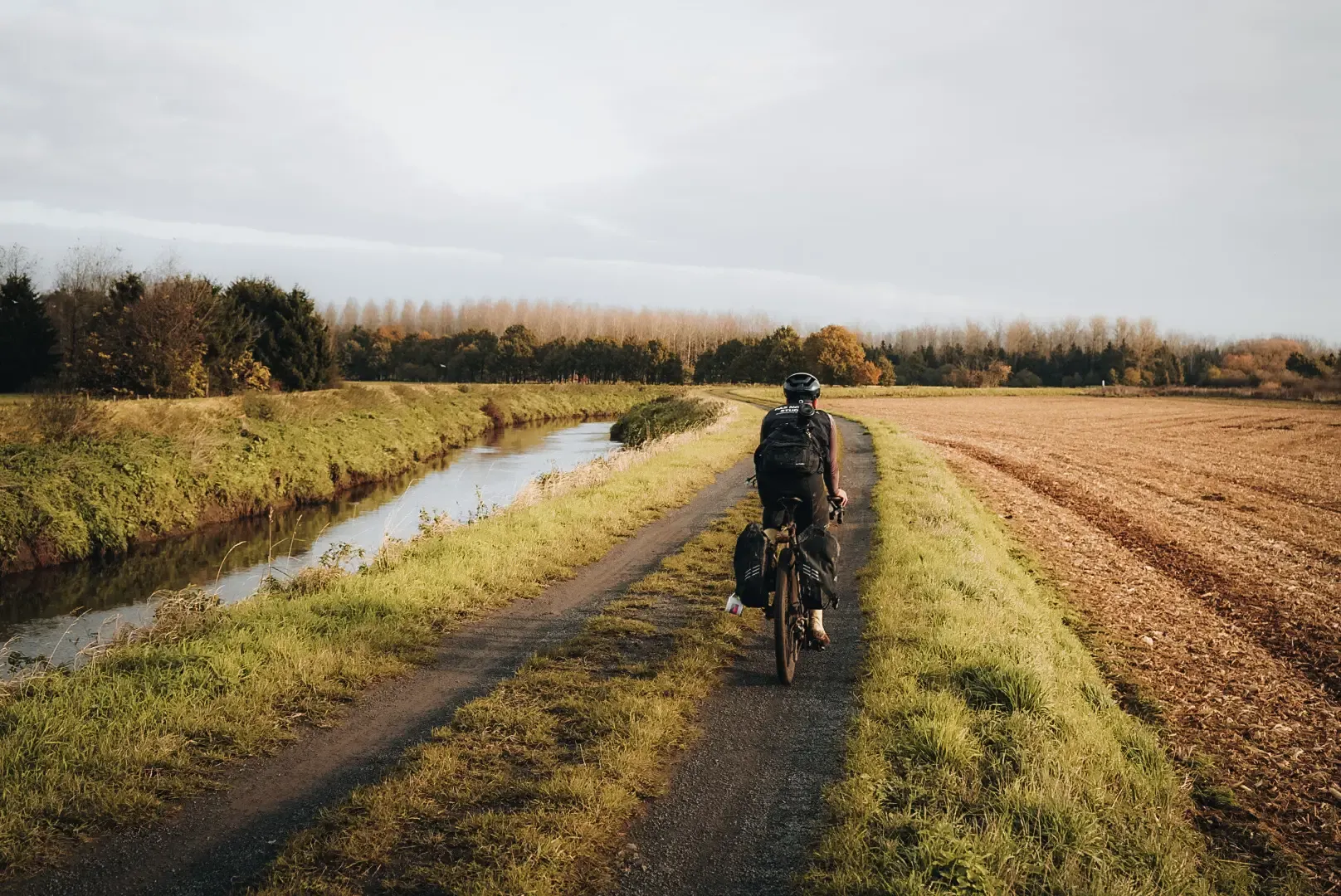
Flanders Divide - Across Flanders
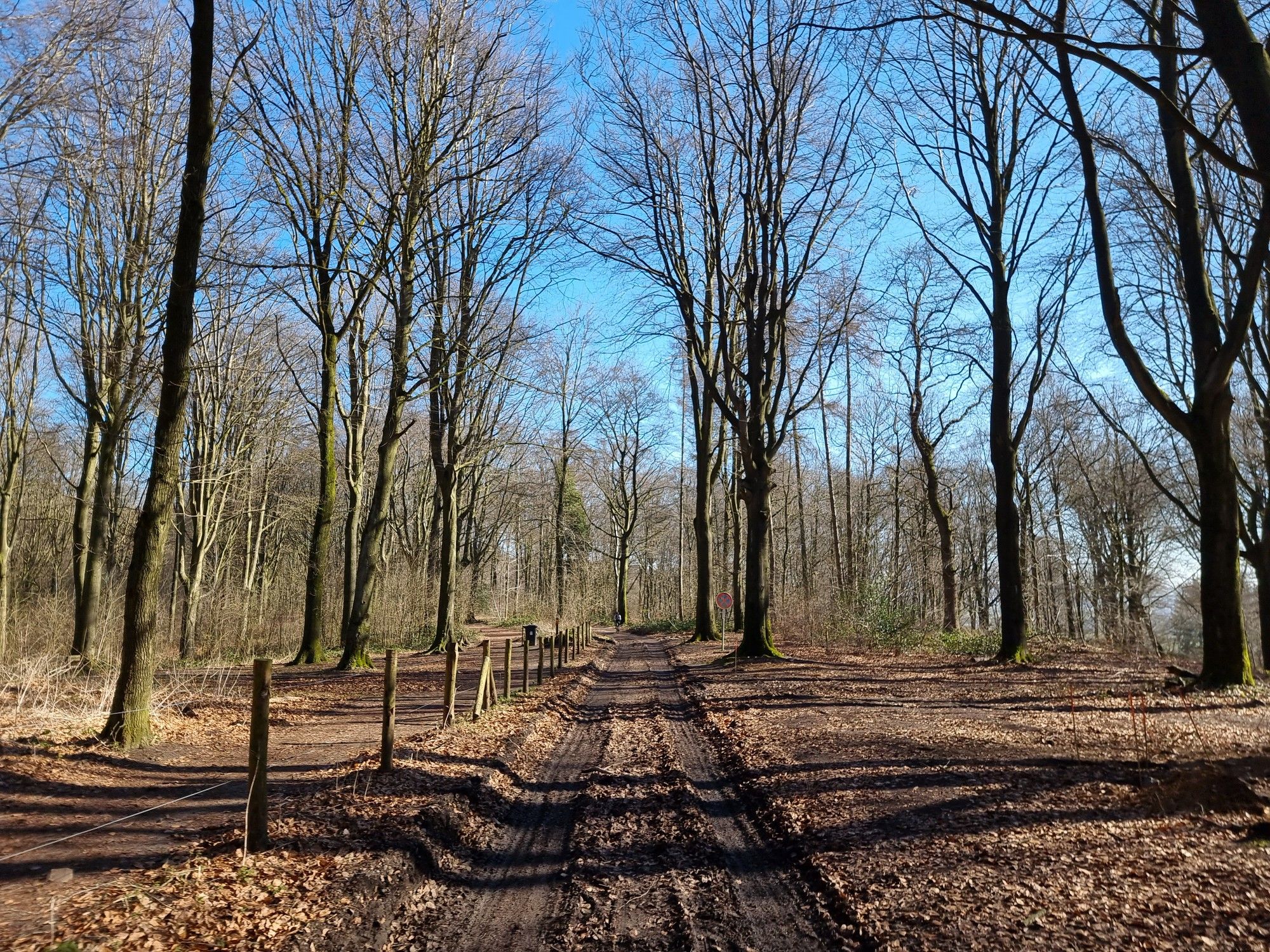
Grande Randonnée GRavel — Western Hainaut
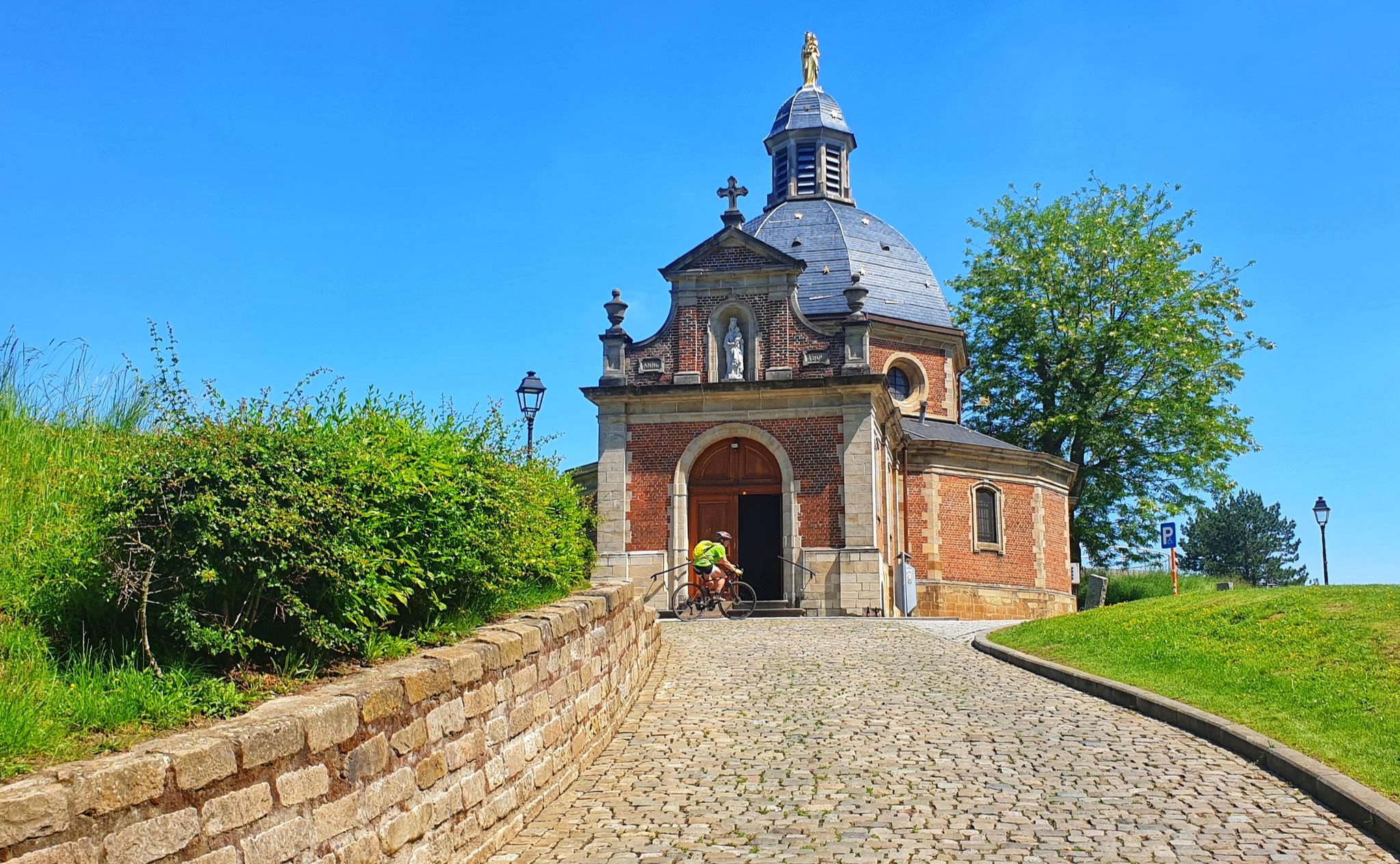
Through the heart of Flanders on a road bike in 2 days – Spartacus Route
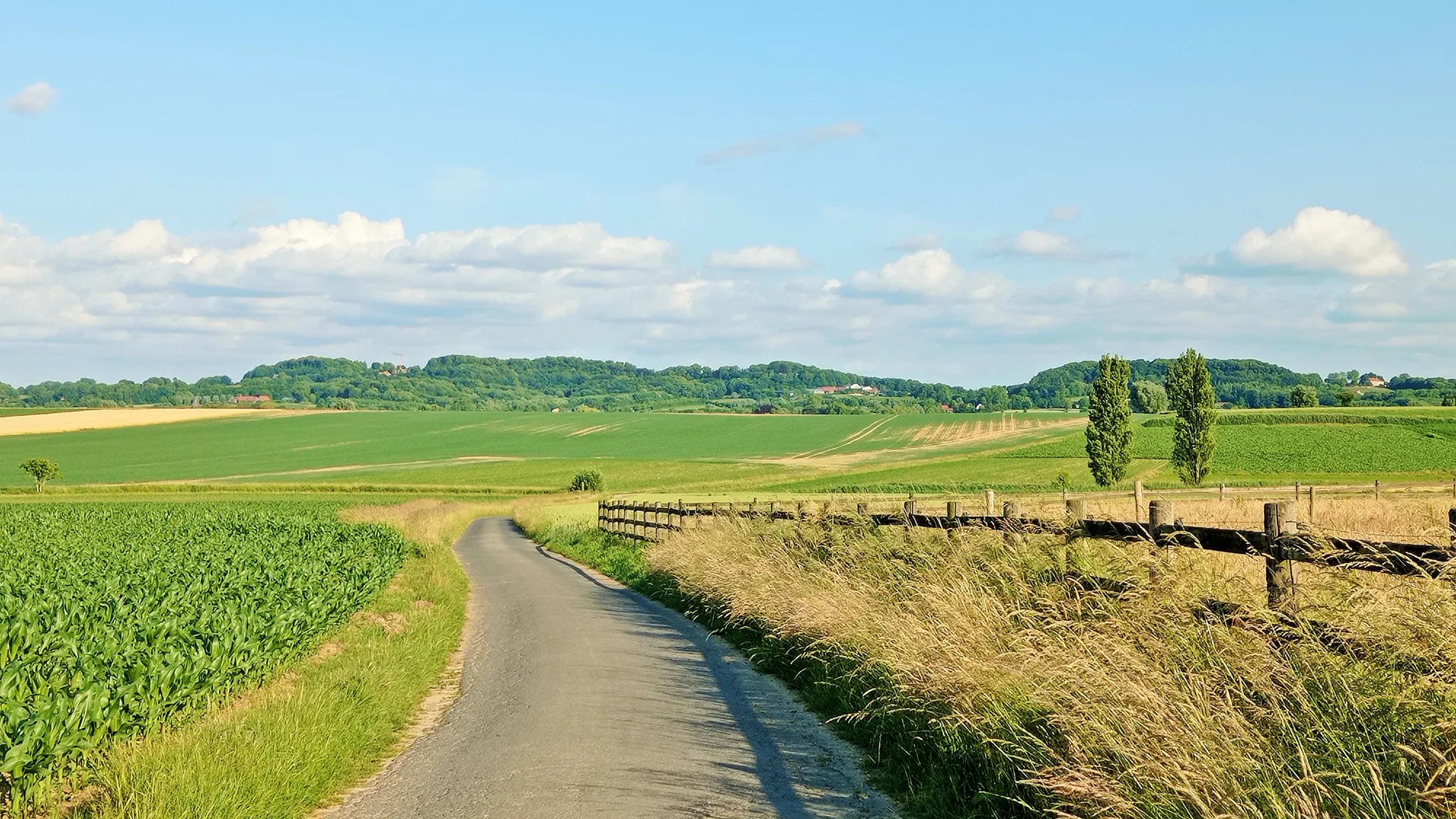
Seven-day Cycling tour through the South-Flemish hills – Hilly Route
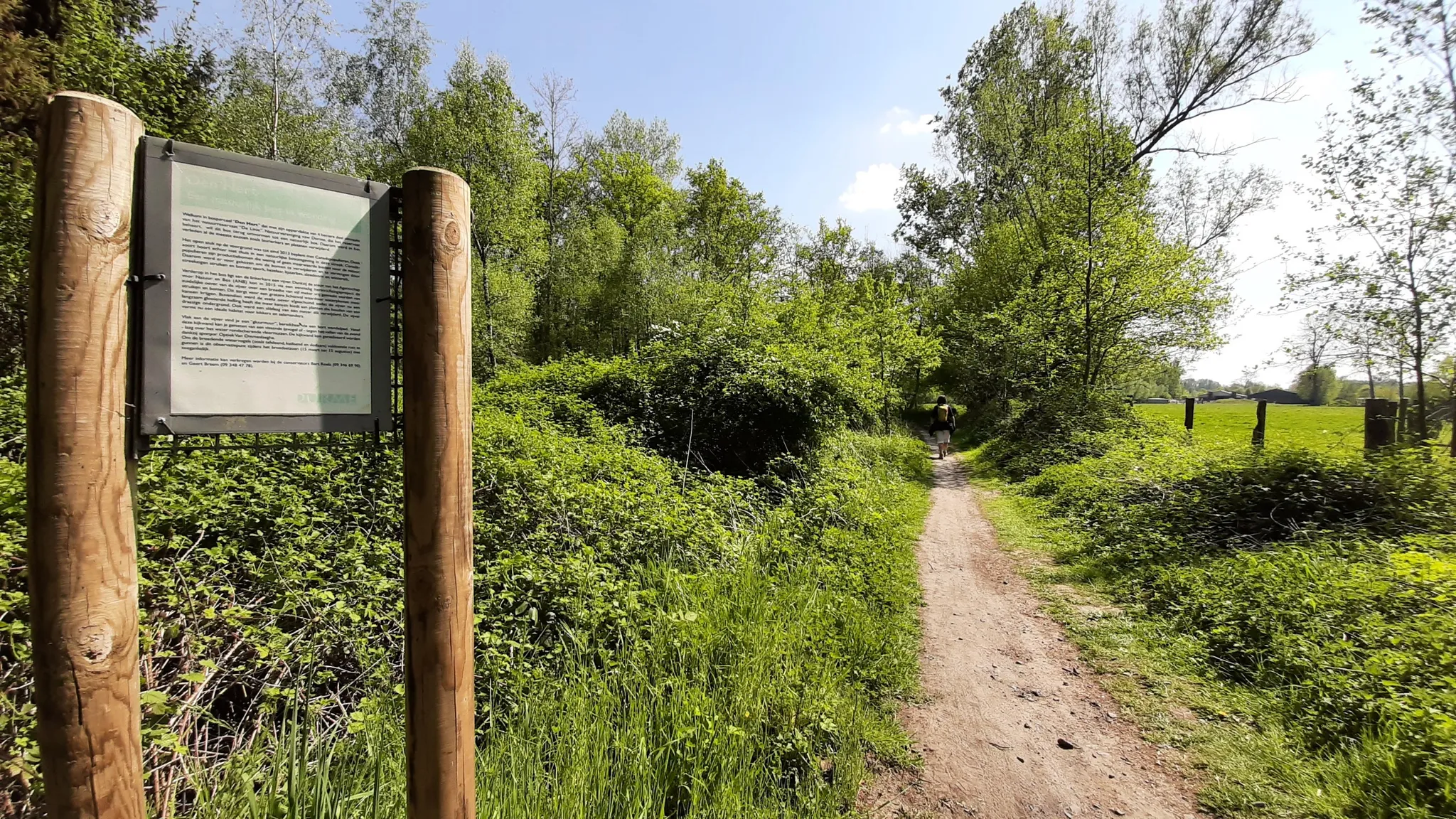
In the footsteps of den vos Reynaerde – Streek-GR Waas- en Reynaertland
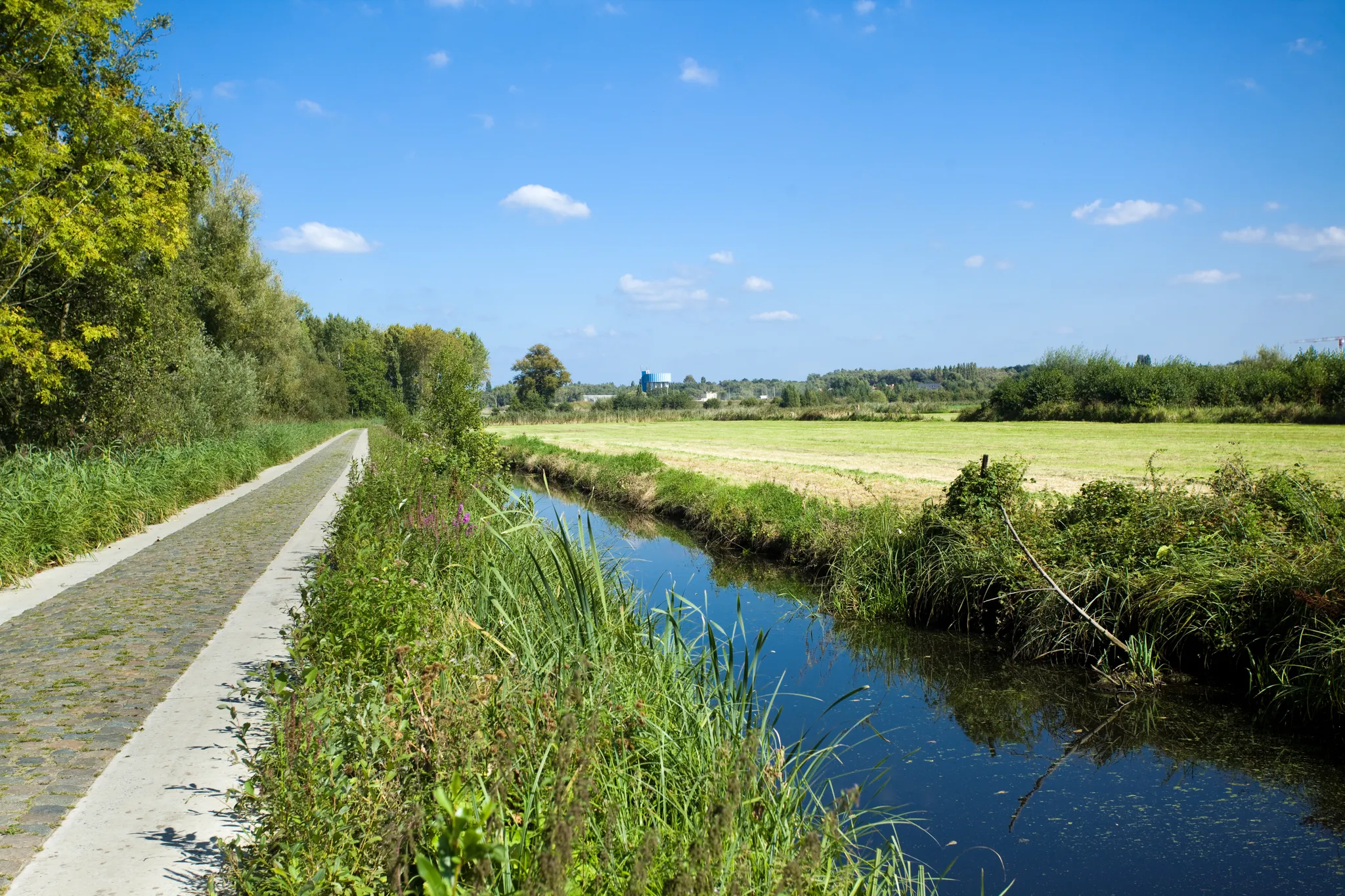
Two days Cycling in the border region – Between de Schelde and Zeeland
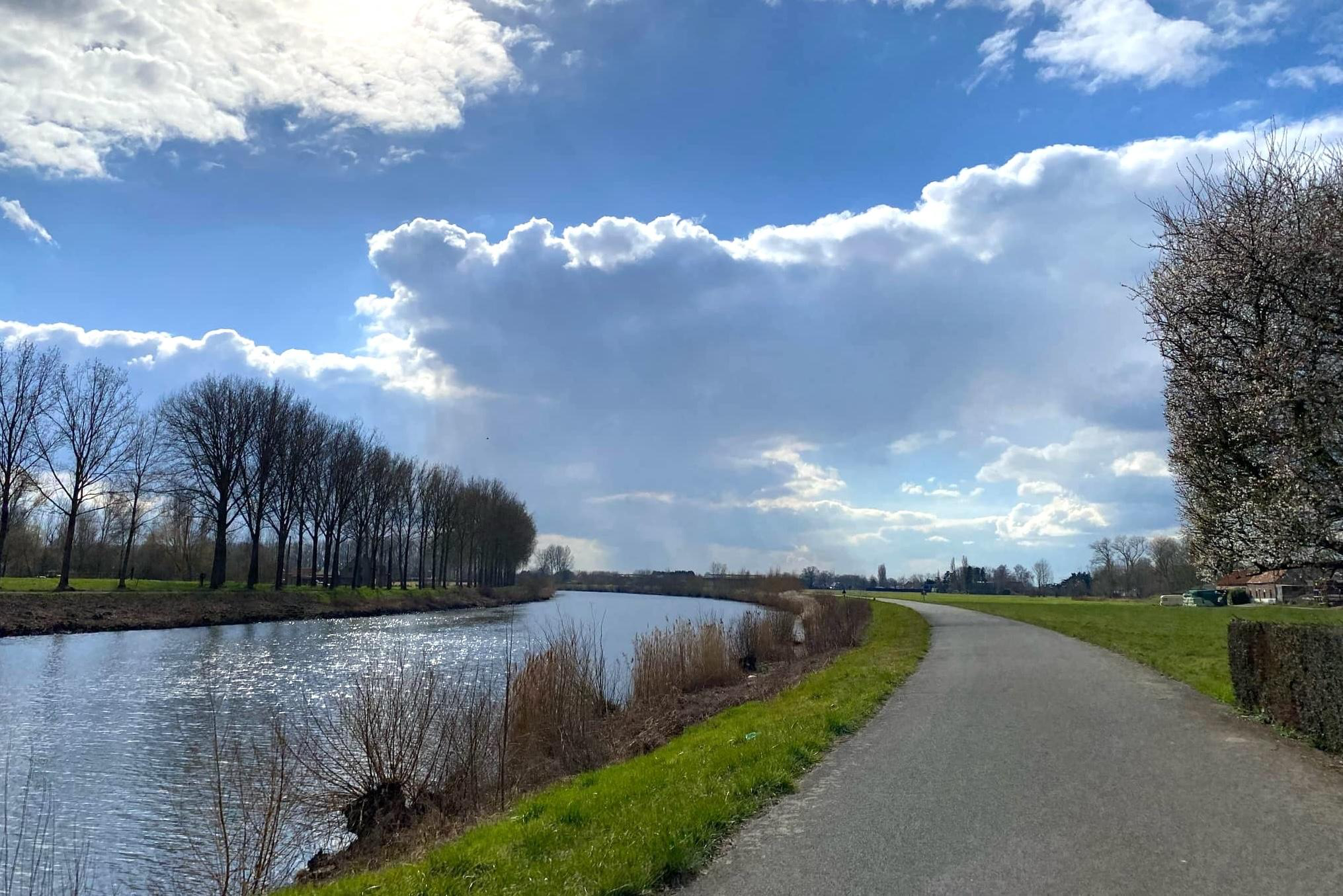
Three days of pure cycling pleasure from Spiere to Zandvliet – Schelderoute
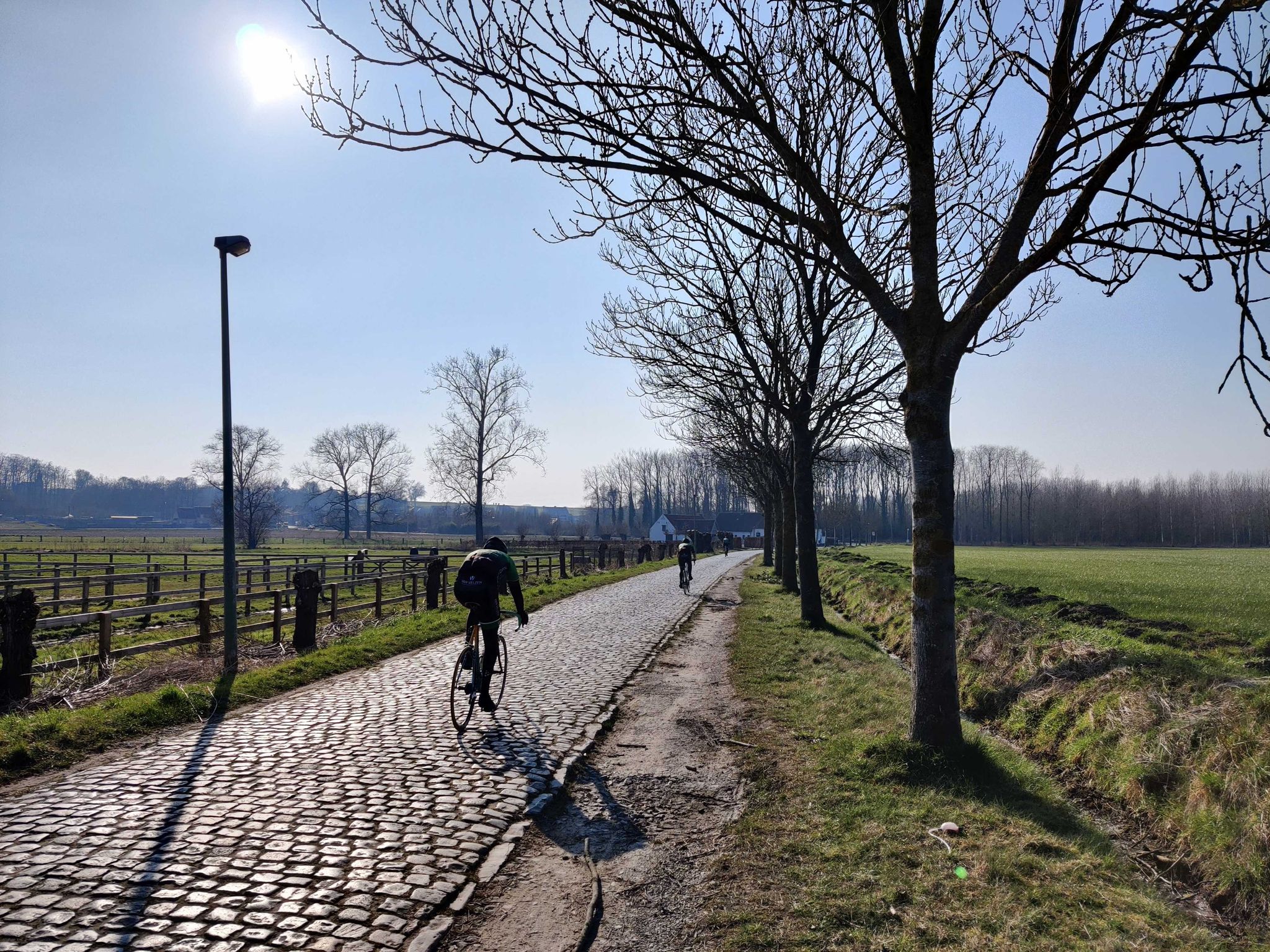
Become a Flandrien – take on climbs in the Flemish Ardennes
From station to station through nature – station hoppers in East Flanders
Other adventures around the Steldt


Tips from the Community

The castle was built by the Spanish nobleman Don Pedro Coloma and still exudes its former grandeur. Philippe de Marnix, Lord of Sainte Aldegonde, was the right-hand man of Prince William of Orange. He played a key role during the siege and fall of Antwerp in 1585 while mayor of the city. He is also mentioned as a possible author of the Wilhelmus, the Dutch national anthem.
7
0


Today, the castle is home to the Vrijzinnig Centrum Liedts (Liedts Free Centre), which gives the building a contemporary cultural and social function. The park, still open to the public, serves as Oudenaarde's green lung, connecting the rich history of the Liedts family with the daily life of the city. It's a lovely place to stroll.
11
0
Few buildings in the Waasland region hold such a mythical allure as the Graventoren (Counts' Tower) in Rupelmonde. The names associated with it certainly contribute to that. This tower, for example, is the remnant of a moated castle with no fewer than 17 towers, once owned by the Counts of Flanders. This colossal fortress protected the Scheldt River from attackers and conquerors. Mercator's Dungeon Mercator also plays a key role in this story. When he shared his revolutionary insights with the world, he was promptly sent to the dungeon by the church authorities. Guess where that dungeon was located? Exactly, in the cellars of the Graventoren. Here he was imprisoned for seven months, accused of heresy. A Bloody History Mercator, however, was not the only one to enter the cellars of the moated castle. Many dissidents suffered the same fate, and often worse. A stay in the dungeons of the Graventoren (Counts' Tower) often ended with a bloody decapitation. While the Counts of Flanders may have enjoyed legendary status in history, they were certainly not gentlemen. Count Robert of Bethune once even threw his own son in jail here, accused of high treason. A kind of chamber arrest before its time, you might say. At the end of the 17th century, the moated castle came to an end. The fortress was drastically destroyed, and the rubble was reused for other buildings. For example, the church of Rupelmonde was built with materials from the castle ruins.
9
0
When you say Rupelmonde, you say Mercator and the Graventoren. This historic tower is a former moated castle that is linked to a bloody history. The Graventoren was once owned by the Counts of Flanders. This colossal fortress protected the Scheldt from attackers and conquerors. Historical context: Mercator's dungeon Mercator also plays a leading role in this story. When he shared his revolutionary insights with the world, he was promptly sent to the dungeon by the church authorities. Guess where that dungeon was located? Exactly, in the cellars of the Graventoren. He was locked up here for seven months, accused of heresy. A bloody history However, Mercator was not the only one who saw the cellars of the moated castle from the inside. Many dissidents suffered the same fate, and often worse. A stay in the dungeons of the Graventoren often ended with a bloody beheading. The Counts of Flanders may have a legendary status in history, but they were not sweethearts. Count Robrecht van Bethune once even threw his own son in jail here, accused of high treason. A kind of room arrest avant la lettre, you could say. At the end of the 17th century, the curtain fell for the moated castle. The fortress was then drastically destroyed and the rubble was reused for other buildings. For example, the church of Rupelmonde was built with materials from the ruins of the castle.
7
0

Some local bars in this area. Good place to rest
0
0

Liedts Castle After the demolition of Oudenaarde's former city walls, part of this vacant land was sold to the prominent Liedts family. Charles Liedts, one of the founding fathers of Belgium, Minister of Finance in the mid-1800s, and one of the founders of the National Bank of Belgium, had a country house built there around 1860. Originally a white plastered castle, it was rebuilt in 1883 by his son, Amedée Liedts, in an eclectic style. The park, in the English landscape style, was largely laid out between 1865 and 1869. In 1907, the childless Amedée donated Liedts Castle, along with its library, art collection, and park, to the city of Oudenaarde, which opened the estate as a city park. Today, the castle is home to the VCL, the Liedts Liberal Centre. The park is open to the public and is the green lung of the city of Oudenaarde.
9
0

Beautiful park with ponds and café restaurant.
1
0
Frequently Asked Questions
What makes the Schelde region a notable area for castles?
The Schelde River, particularly in the region known as 'Scheldeland' in Belgium, has historically been a crucial waterway. This led to the strategic placement of numerous fortifications and estates along its banks. The area boasts a rich collection of historic castles, ranging from medieval strongholds to elegant country estates, many of which are part of the 'Castles of the Scheldt' network.
Which castles are particularly popular with visitors in the Schelde region?
Among the most popular castles are Het Steen in Antwerp, which is the city's oldest stone building and now houses the Tourist Information Office. Another favorite is Wissekerke Castle, known for its neo-Gothic style and preserved interiors. d'Ursel Provincial Park, with its elegant moated castle and open park, is also highly appreciated.
Are there family-friendly castles to visit in the Schelde region?
Yes, several castles offer family-friendly experiences. Het Steen in Antwerp is considered family-friendly, as is Wissekerke Castle with its interactive experience trail. d'Ursel Provincial Park is also great for families, offering extensive grounds for walks and relaxation.
What kind of historical significance do the castles in the Schelde region hold?
The castles in the Schelde region offer a deep dive into history. For example, Het Steen in Antwerp dates back to the 11th century and has served various roles, including a prison. The Graventoren (Counts' Tower) in Rupelmonde is a remnant of a moated castle that once belonged to the Counts of Flanders and famously imprisoned cartographer Gerardus Mercator. Many castles, like Laarne Castle, have retained their original medieval structures, offering a glimpse into centuries past.
Are there any castles that are particularly well-preserved or unique in their architecture?
Absolutely. Laarne Castle is renowned as one of Belgium's most beautiful and well-preserved fortified water castles, largely retaining its original 700-year-old structure. Wissekerke Castle stands out with its neo-Gothic style and neo-Tudor gatehouse, featuring unique interiors like an Egyptian room. Marnix de Sainte-Aldegonde Castle (Bornem Castle) is a neo-Gothic fairytale castle still inhabited by its owning family, showcasing beautifully preserved 18th-century rooms.
What outdoor activities can I do near the castles in the Schelde region?
The Schelde region offers various outdoor activities. You can enjoy easy hikes, such as the 'Doornhammeke Route' or the 'Battle of Gavere Trail'. For cycling enthusiasts, there are routes like 'Cycling past castles - Antwerp' or the 'Scheldedijk Route'. Gravel biking is also popular, with options like the 'Ghent Festive 500' or 'The Kwaremontes Gravel Route'. You can find more details on these activities in the easy hikes, gravel biking, and cycling guides for the Steldt area.
Are there any castles with significant natural surroundings or parks for walking?
Many castles are set within beautiful natural surroundings. Wissekerke Castle is surrounded by a landscaped park with a 600-meter-long avenue of monumental beech trees. d'Ursel Provincial Park offers a large domain open for walks. Poeke Castle also features a wooded 56-hectare estate with a magnificent neoclassical castle, open daily for visitors.
Can I find any castles that are wheelchair accessible?
Yes, Het Steen in Antwerp is noted as being wheelchair accessible, making it a good option for visitors with mobility needs.
What is the best time of year to visit the castles in the Schelde region?
While specific opening hours vary by castle, the parks and outdoor areas around many castles, like d'Ursel Provincial Park and Poeke Castle, are often open year-round for walks. Spring and autumn offer pleasant weather for exploring the grounds, while some castles might host special events during summer. For indoor tours, it's best to check individual castle websites for seasonal schedules.
Are there any castles that are less known but still worth visiting?
Beyond the most popular sites, Fort Steendorp, though more of a historical site than a traditional castle, is a unique 19th-century brick fortification that now serves as a bat sanctuary and offers a fascinating walking trail. Berlare Castle Park also offers a beautiful setting with historical significance, even if the castle itself is not always open for interior visits.
What do visitors particularly enjoy about the castles and their surroundings?
Visitors often praise the historical ambiance and architectural beauty of the castles. Many enjoy the extensive parks and grounds for walking, cycling, and picnicking, appreciating the tranquility and natural beauty. The preserved interiors and interactive exhibits, such as those at Wissekerke Castle, also receive positive feedback for bringing history to life.
Can I find information about cycling routes that pass by these castles?
Yes, the region is well-suited for cycling. You can explore routes like 'Cycling past castles - Antwerp' or the 'Scheldedijk Route'. For more options, including gravel biking, refer to the cycling guide and gravel biking guide for the Steldt area. The 'Scheldt Castles Route' is also a dedicated cycling route that highlights many of these historical sites, as mentioned by Visit Flanders.
Most popular routes around the Steldt
Most popular attractions around the Steldt

Get inspired with the komoot mobile app


Explore more
Looking for the best castles somewhere else? Discover other guides around the Steldt:
