Top 20 Lakes around the Steldt
Best lakes around the Steldt are found within the broader Schelde river basin, which features a variety of water bodies and wetlands. This region, spanning parts of Belgium and the Netherlands, is characterized by its extensive floodplains and areas shaped by flood control and nature development initiatives like the Sigma Plan. Visitors can explore a mosaic of wetlands, man-made recreational lakes, and ecologically significant areas. The landscape offers diverse experiences, from dynamic tidal river environments to tranquil nature reserves.
Best…
Last updated: May 4, 2026
Kalkense Meersen
Highlight • Natural
Translated by Google •
Tip by

Polders of Kruibeke
Highlight • Natural
Translated by Google •
Tip by
Sign up now to discover places like this
Get recommendations on the best single tracks, peaks, & plenty of other exciting outdoor places.
Sign up for free
Berlare Castle Park
Highlight • Castle
The castle and outbuildings are not open to the public, but the park is.
Translated by Google •
Tip by

Birdwatching hide at Hobokense Polder
Highlight • Structure
(Nature point)
Translated by Google •
Tip by

Berlarebroek Nature Reserve
Highlight • Forest
Translated by Google •
Tip by
Paardeweide Wetlands
Highlight • Natural
Translated by Google •
Tip by

View of ‘slack tide’ or ‘still water’
Highlight • Viewpoint
Translated by Google •
Tip by

Hingenewiel
Highlight • Lake
Translated by Google •
Tip by
Rupelmondse Kreek — Historic site — Dike breach 1715
Highlight • Lake
Translated by Google •
Tip by
Coupure Deweer
Highlight (Segment) • Lake
Translated by Google •
Tip by

Sign up for free to discover even more lakes around the Steldt.
Sign up for free
Already have an account?
Start today with a free account
Your next adventure awaits.
Login or Signup
Popular around Schelde
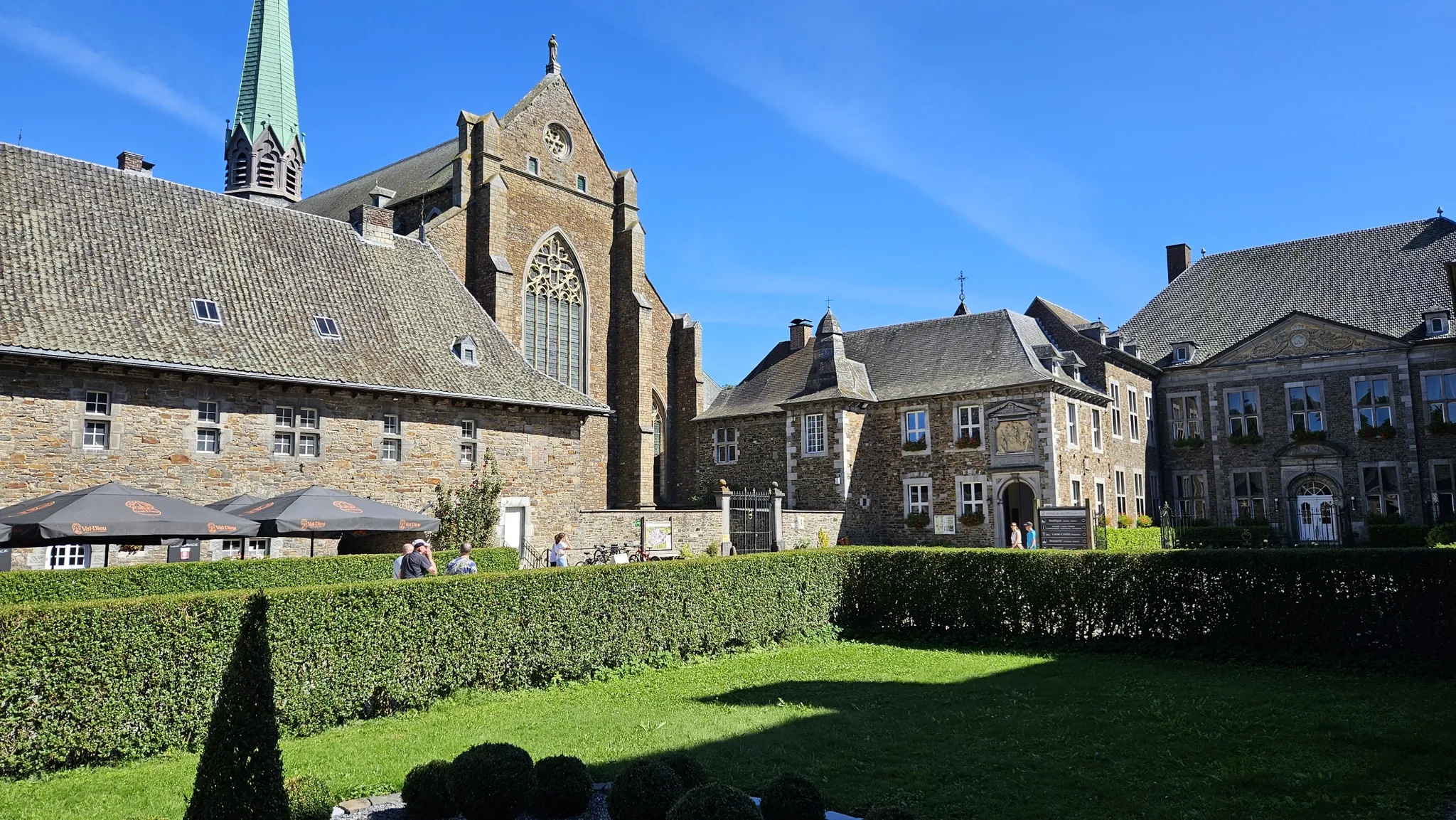
Trappist abbeys cycle route – Between beers and heritage
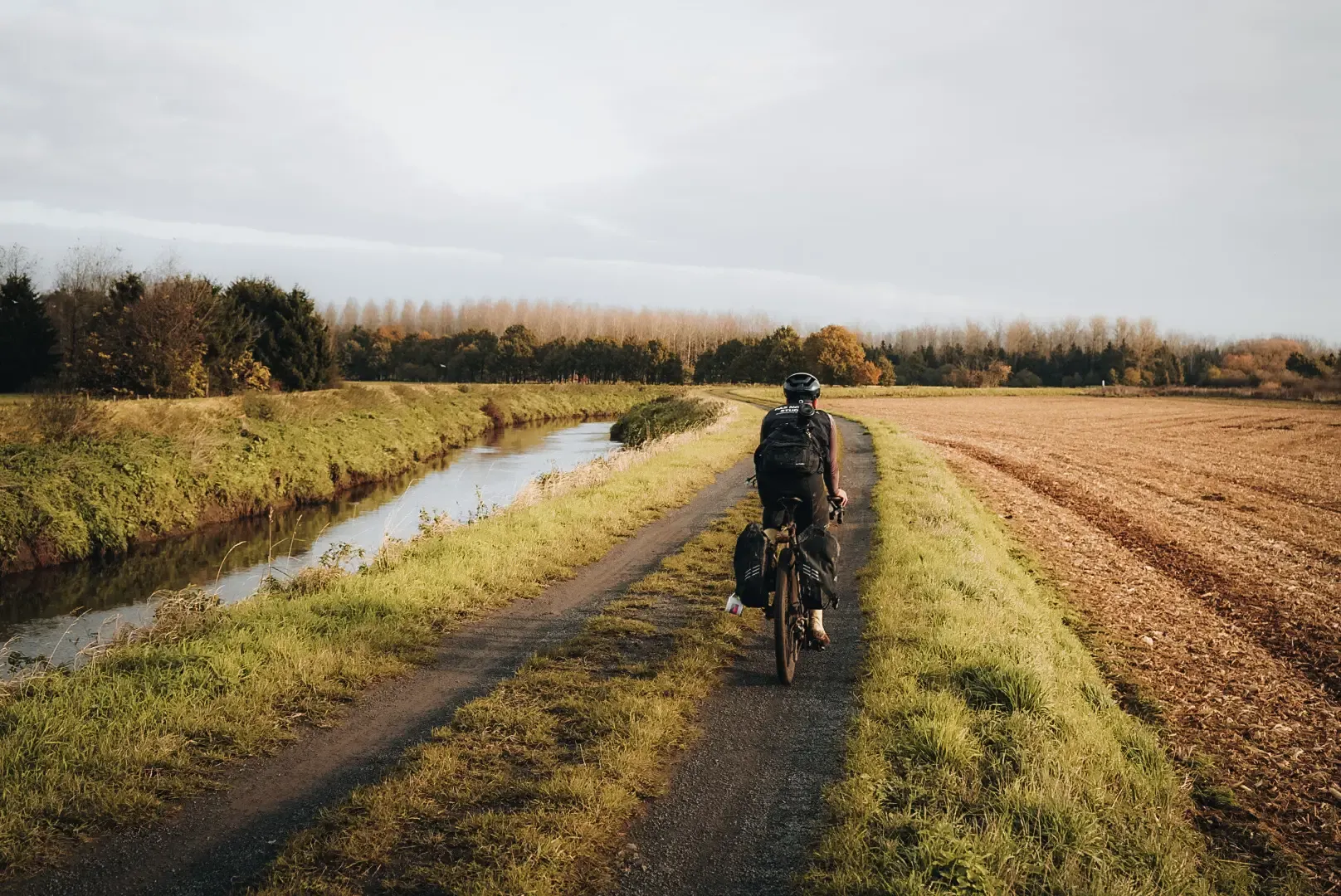
Flanders Divide - Across Flanders
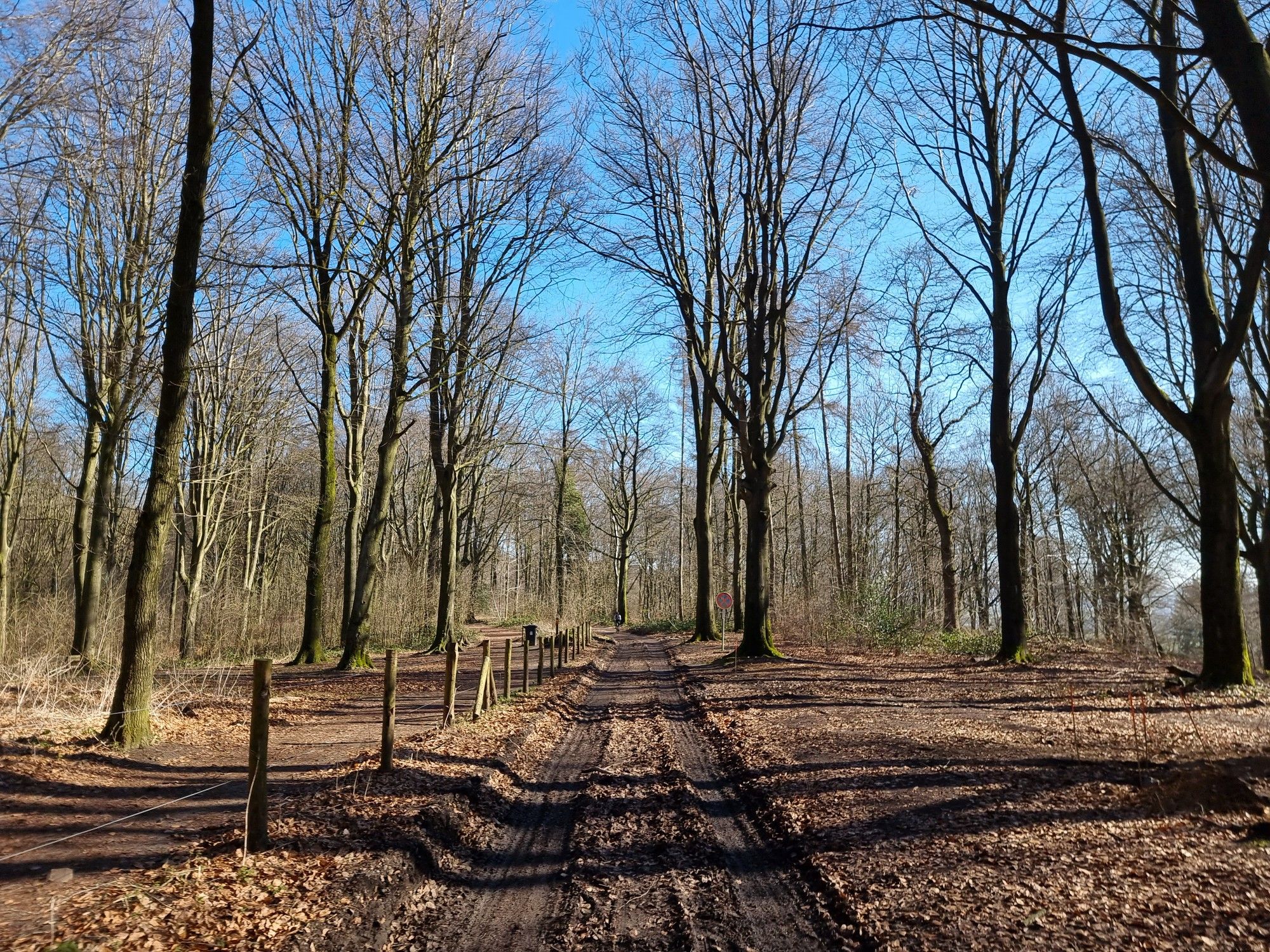
Grande Randonnée GRavel — Western Hainaut
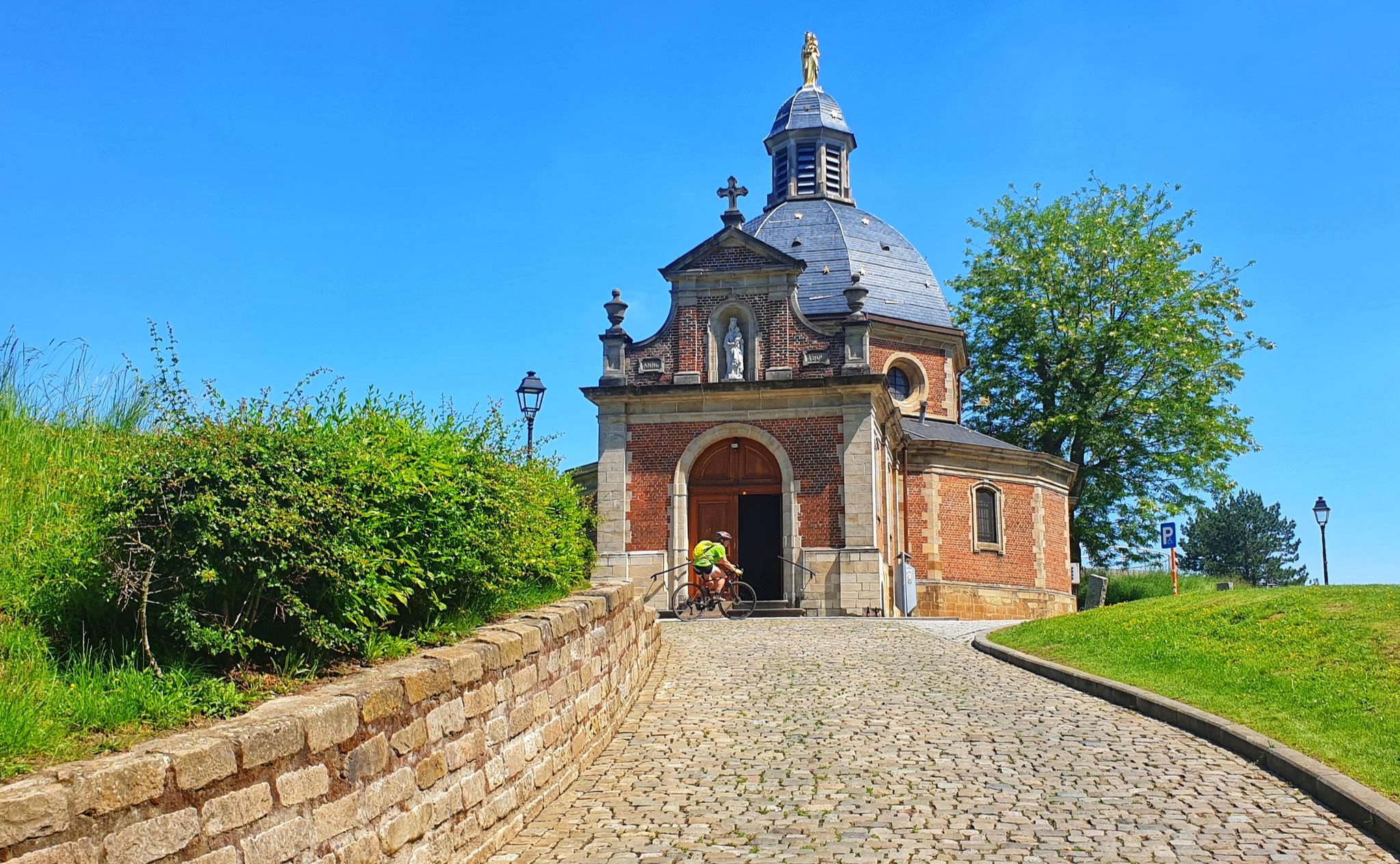
Through the heart of Flanders on a road bike in 2 days – Spartacus Route
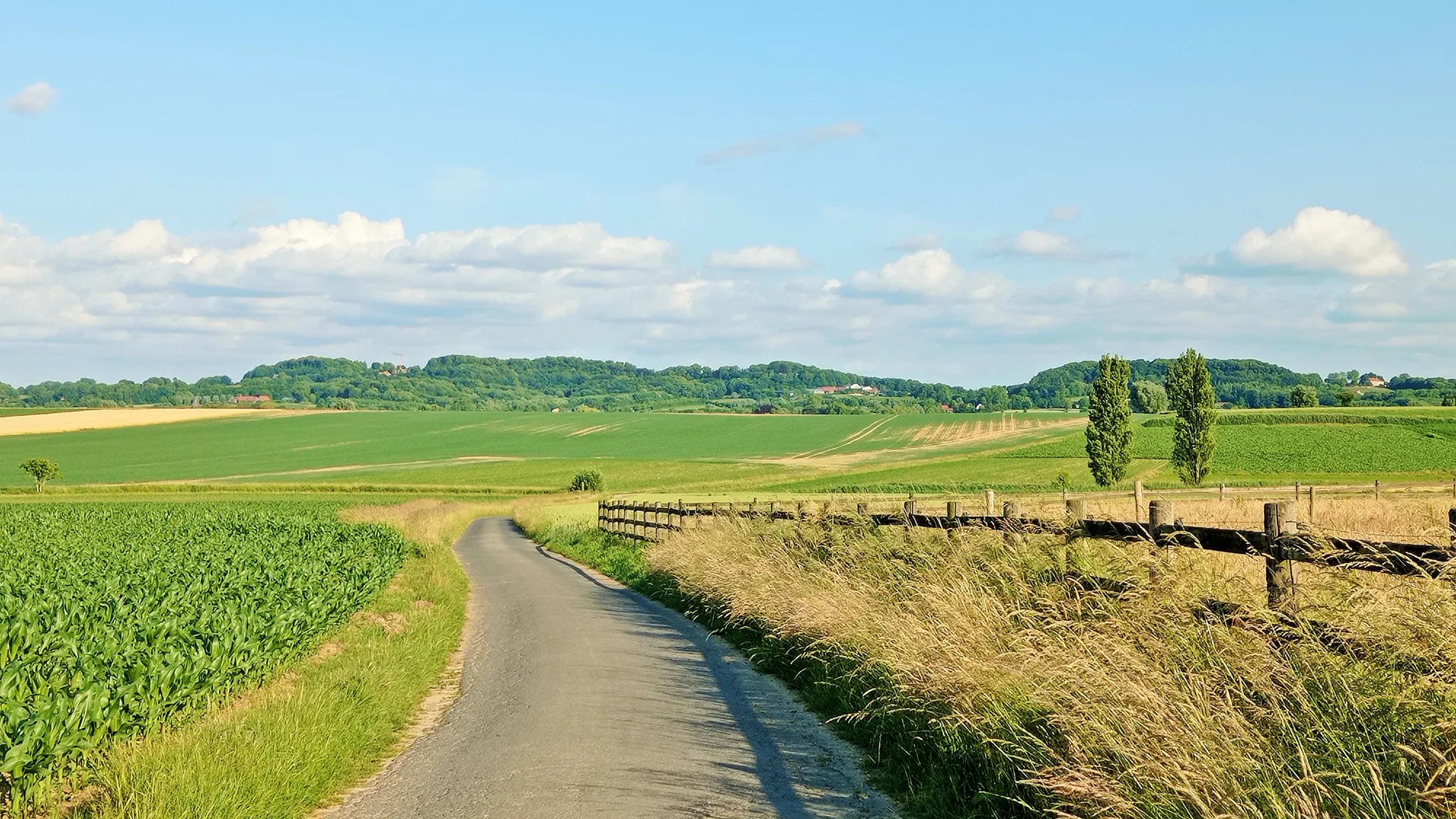
Seven-day Cycling tour through the South-Flemish hills – Hilly Route
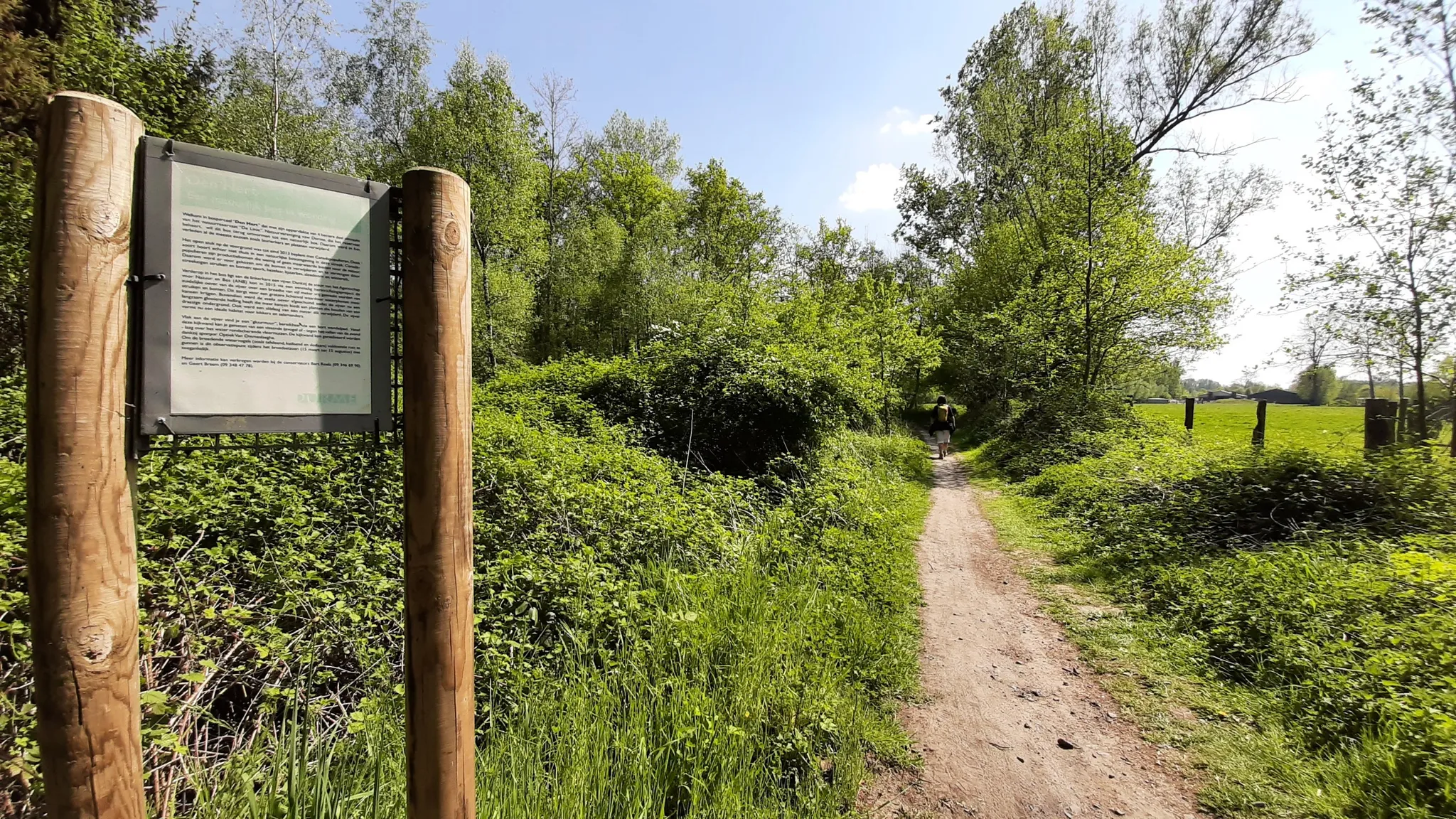
In the footsteps of den vos Reynaerde – Streek-GR Waas- en Reynaertland
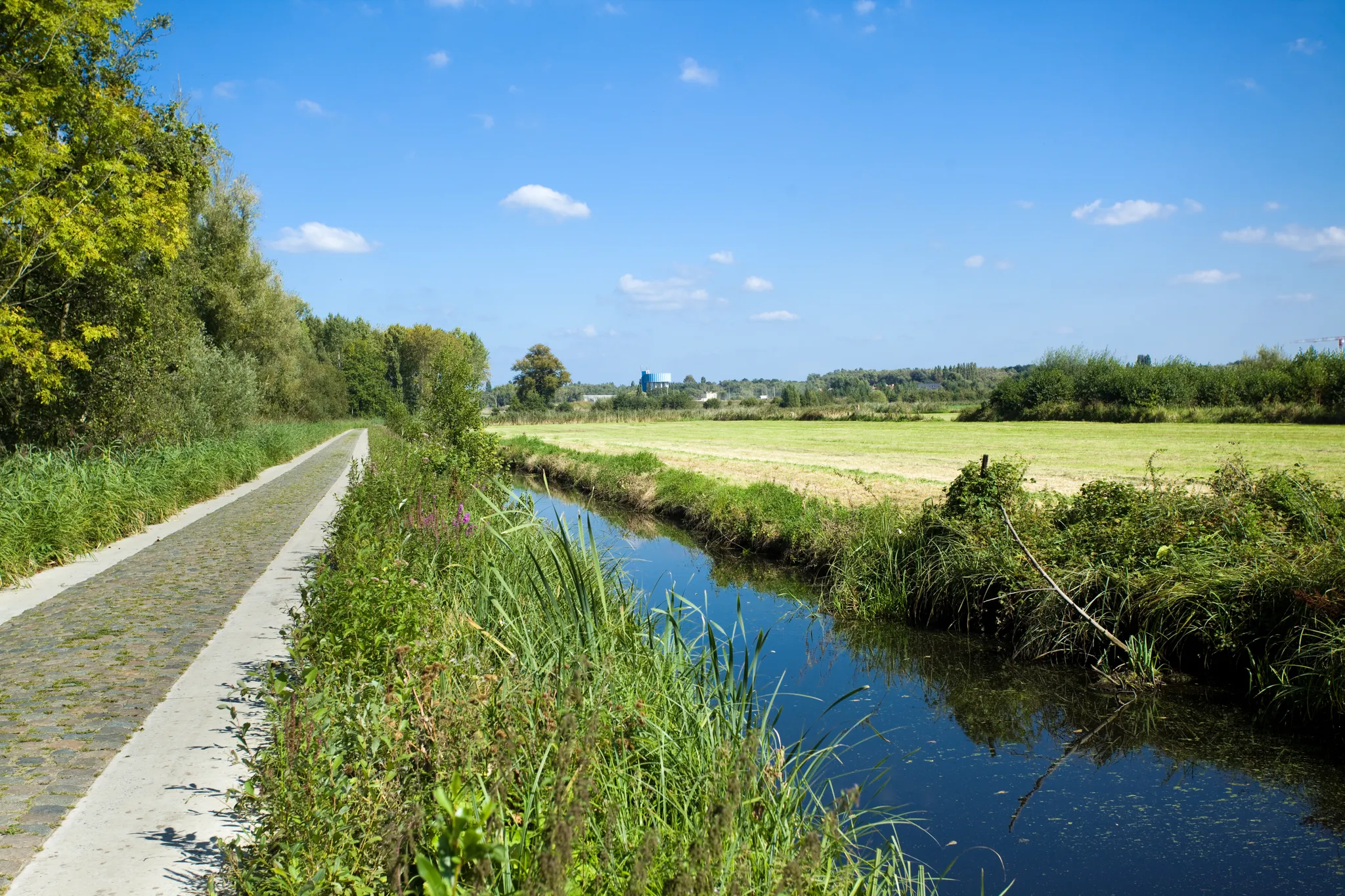
Two days Cycling in the border region – Between de Schelde and Zeeland
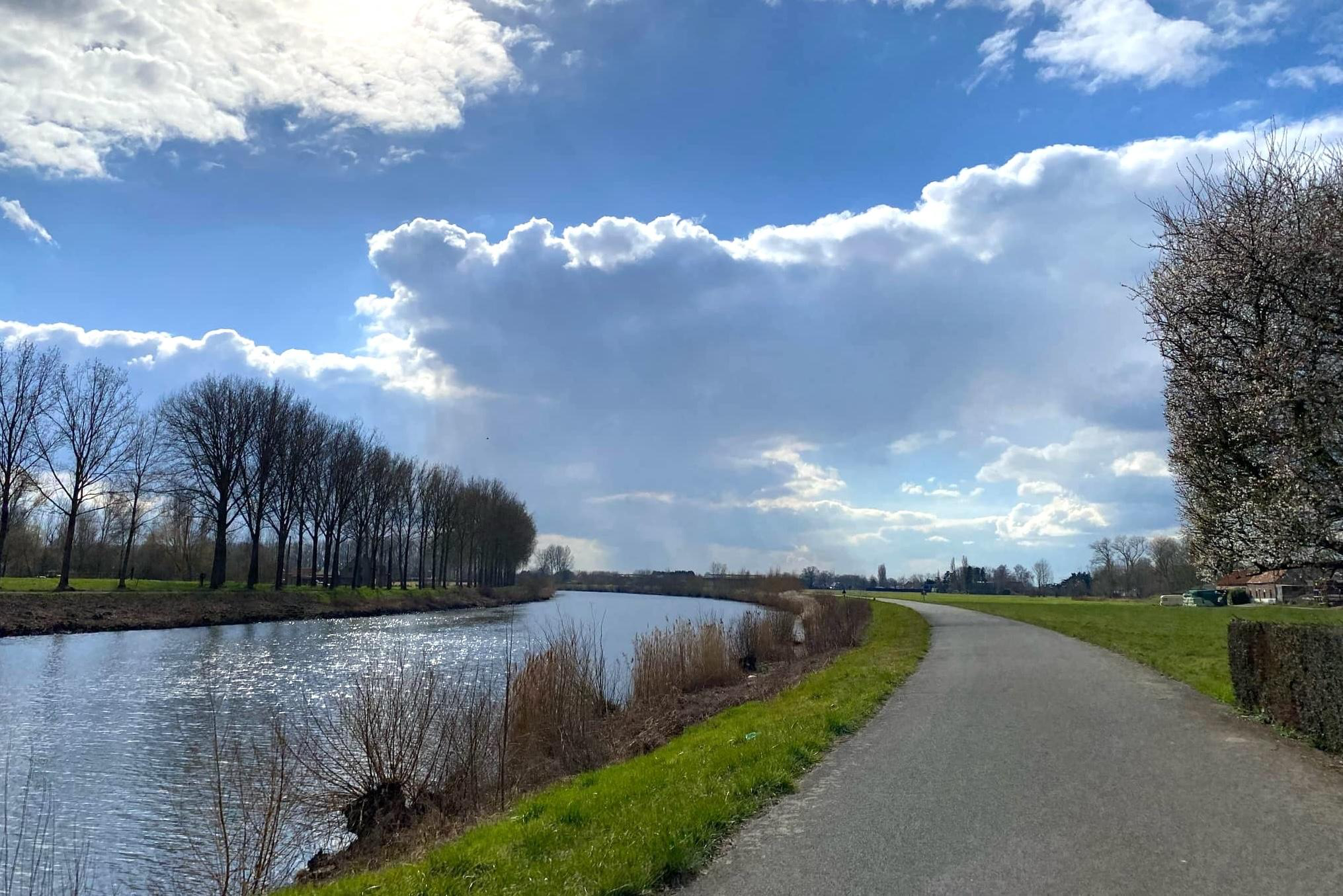
Three days of pure cycling pleasure from Spiere to Zandvliet – Schelderoute
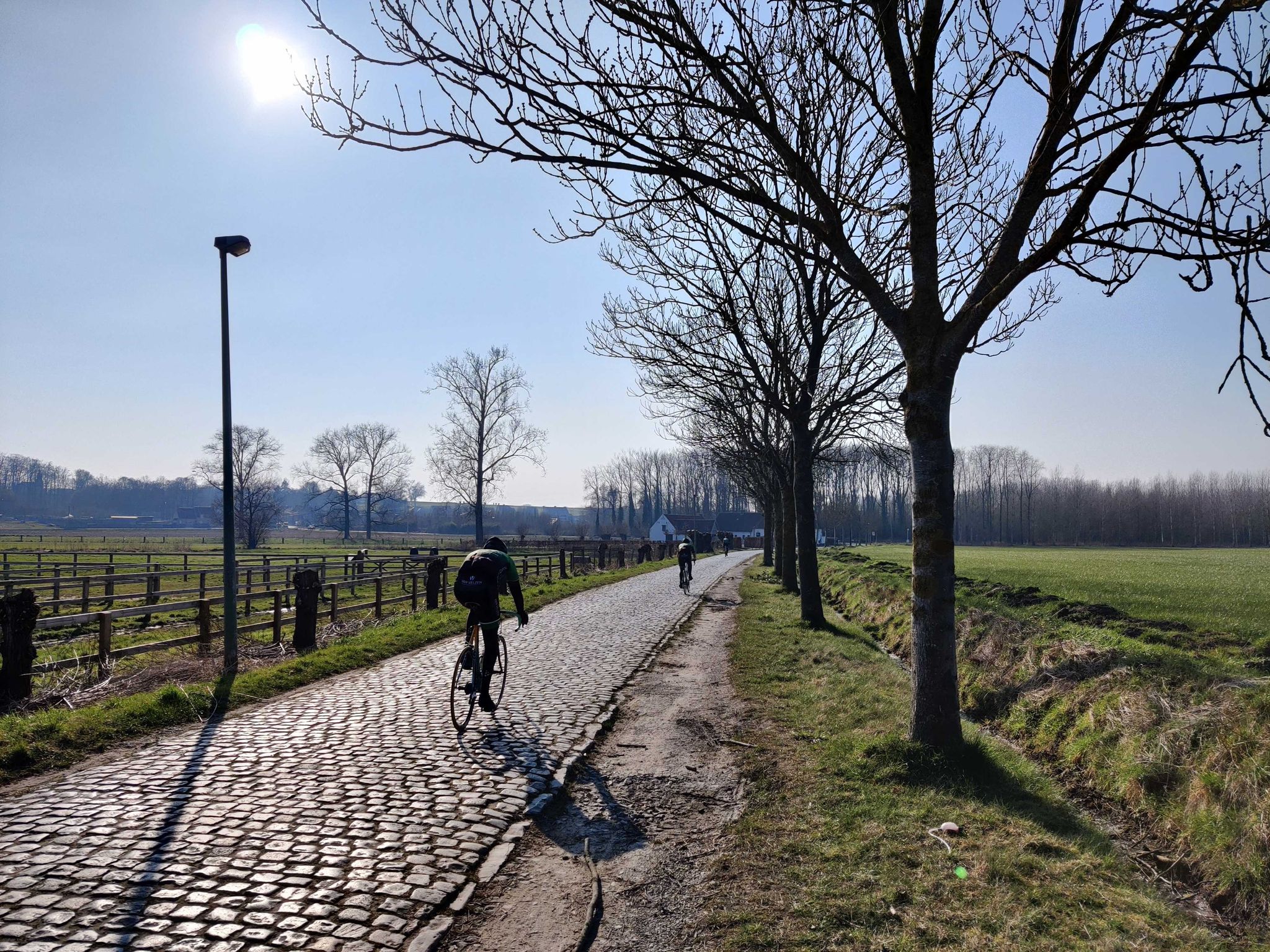
Become a Flandrien – take on climbs in the Flemish Ardennes
From station to station through nature – station hoppers in East Flanders
Other adventures around the Steldt


Tips from the Community

Descend and take on the challenge of the wet polder...
5
0
Come down from your attic and walk through the polder...
7
2
Patience and calm are instructive...
4
1


The wheel is privately owned, but you walk right past it (on the Victor De Witstraat). No one knows for sure how the Hingenewiel was formed. We know that the Spierenbroek flooded around 1552. After failed attempts to close the Spierenbroekgat, the other polders flooded in November 1554, because the pladderdijk broke. We suspect that this is how the Hingenewiel was formed. A pladderdijk is a cross dike that runs from the stream through the polder (so not along the river). This large wheel was originally even larger, probably the Ketelwiel used to be part of this wheel. In the middle of this wheel was an island with a tower on it. The Hingenewiel became smaller due to natural silting up. Kingfisher, grebe, coot, moorhen, gadwall and shelduck breed here, among other things. But you can also admire fire damselfly, ostrich fern and yellow water lily here. (Regional Landscape Schelde-Durme)
11
0

Picknick time! Or just a beer.
3
2

Quiet in nature by the water
4
0

Frequently Asked Questions
What kind of natural landscapes can I expect to see around the Schelde lakes?
The Schelde region features a diverse mosaic of wetlands, floodplains, and former river meanders. You'll find dynamic tidal river landscapes with mudflats and salt marshes, as well as tranquil areas with floral meadows, lily ponds, and alder forests. Ecologically significant areas like the Kalkense Meersen and the Polders of Kruibeke showcase these varied environments, shaped by the ebb and flow of the Schelde River and flood control initiatives.
Are there good opportunities for birdwatching in the Schelde region?
Yes, the Schelde basin is a haven for diverse wildlife, especially birds. Areas like the Scheldt Valley National Park, Kalkense Meersen, and the Polders of Kruibeke are known for marsh harriers, kingfishers, great egrets, bluethroats, and sedge warblers. The Birdwatching hide at Hobokense Polder is specifically designed for this activity, offering excellent views of the local avian population.
Where can I find family-friendly lakes for a day out?
Many areas around the Schelde are suitable for families. The Kalkense Meersen, Polders of Kruibeke, and Berlarebroek Nature Reserve offer accessible paths and natural beauty. De Gavers Provincial Domain, though not directly on the main Schelde, is a large recreational area with a lake, offering swimming, water sports, and an adventure park, making it very popular with families.
What historical sites are located near the lakes in the Schelde area?
The region has several historical points of interest. You can visit Berlare Castle Park, which features a castle and gardens. The Rupelmondse Kreek is a historic site formed by a dike breach in 1715, now a beautiful nature reserve. The broader Scheldt Valley National Park also encompasses picturesque villages and historic towns.
Are there options for water sports or swimming in the Schelde basin?
While swimming in the main Schelde river is not recommended, several lakes in the broader basin offer water sports and swimming. The Lacs de l'Eau d'Heure, Belgium's largest lake complex, is a major attraction for fishing, kayaking, diving, and jet skiing. De Gavers Provincial Domain also provides opportunities for swimming and various water sports.
What hiking trails are available near the lakes around the Schelde?
The Schelde region offers numerous hiking opportunities. You can explore the easy hikes around the Steldt, which include trails like the Doornhammeke Route and the Battle of Gavere Trail. Areas like the Scheldt Valley National Park and Kalkense Meersen have extensive walking route networks, allowing you to discover scenic landscapes and wetlands.
Can I go cycling around the lakes in the Schelde region?
Absolutely. Cycling is a popular activity throughout the Schelde region. You can find various routes, including road cycling routes and gravel biking trails. The Scheldt Valley National Park offers miles of biking trails, and the Veerse Meer in the Netherlands is known for its beautiful cycle paths with scenic lake views. The Kalkense Meersen also has extensive cycling opportunities.
What is the best time of year to visit the lakes around the Schelde?
The Schelde lakes can be enjoyed year-round, but each season offers a different experience. Spring brings floral splendor to areas like Paardeweide Wetlands. Summer is ideal for water sports and outdoor activities at recreational lakes like De Gavers. Autumn offers beautiful scenery as foliage changes, and winter can provide tranquil, crisp conditions for walking, especially in areas like the Scheldt Valley National Park.
Are there any hidden gems or less-known lakes worth exploring?
Beyond the well-known spots, the Schelde basin holds several quieter natural areas. Hingenewiel and Coupure Deweer are examples of smaller, ecologically significant lakes or natural monuments. Lippenbroek, a controlled flood area, offers an educational path to understand local nature, with surrounding areas great for cycling and bird-spotting.
What do visitors enjoy most about the lakes in the Schelde region?
Visitors frequently praise the tranquility and natural beauty of the Schelde lakes. They appreciate the vastness of the landscapes, the abundance of birds, and the unique combination of land and water. Many enjoy the feeling of peace while cycling through areas like the Kalkense Meersen, where water constantly interacts with the land, creating a dynamic and ever-changing environment.
How do the floodplains around the Schelde function?
The floodplains, such as the Polders of Kruibeke and Paardeweide Wetlands, are integral to the Sigma Plan, designed to protect inhabited areas from flooding. These areas are intentionally flooded during high water levels, creating temporary lakes. When the water recedes, they reveal rich mudflats, salt marshes, and fertile vegetation, providing vital habitats for wildlife and contributing to natural water purification.
Can I find viewpoints to observe the lakes and surrounding nature?
Yes, the region offers several excellent viewpoints. From the Scheldt dike, you often have beautiful views over landscapes like the Kalkense Meersen. The View of ‘slack tide’ or ‘still water’ highlight specifically points out a scenic spot. Additionally, the Birdwatching hide at Hobokense Polder doubles as a great spot for observing the lake and its inhabitants.
Most popular routes around the Steldt
Most popular attractions around the Steldt

Get inspired with the komoot mobile app


Explore more
Still not found your perfect lake around the Steldt? Check out the guides of these regions to see even more beautiful places.
