The best traffic-free bike rides in Naturpark Altmühltal
4.6
(389)
3,397
riders
319
rides
Gravel biking in Naturpark Altmühltal offers diverse landscapes characterized by the meandering Altmühl River and its picturesque valleys. The region features dramatic limestone cliffs, unique rock formations, and extensive juniper heathlands, providing varied terrain for cyclists. Part of the Franconian Jura, the park includes a mix of hills, deep river valleys, and forests, with routes often utilizing dedicated gravel paths and unpaved roads. The natural features, including the Danube Gorge near Kelheim, create a scenic backdrop for no traffic gravel…
Last updated: May 12, 2026
4.6
(14)
58
riders
51.1km
03:56
520m
520m
Hard gravel ride. Very good fitness required. Mostly paved surfaces. Suitable for all skill levels.
4.1
(9)
39
riders
Hard gravel ride. Very good fitness required. Mostly paved surfaces. Suitable for all skill levels.

Sign up for free
4.7
(6)
36
riders
56.1km
03:53
460m
460m
Hard gravel ride. Very good fitness required. Mostly paved surfaces. Suitable for all skill levels.
5.0
(2)
22
riders
67.3km
05:43
760m
760m
Hard gravel ride. Very good fitness required. Some segments of this route may be unpaved and difficult to ride.
4.0
(4)
41
riders
49.6km
03:53
420m
420m
Moderate gravel ride. Good fitness required. Some segments of this route may be unpaved and difficult to ride.
Get access to more routes and recommendations from other explorers.
Sign up for free
Already have an account?
Our route recommendations are based on thousands of hikes, rides, and runs completed by other people on komoot.
Start today with a free account
Your next adventure awaits.
Login or Signup
Popular around Naturpark Altmühltal
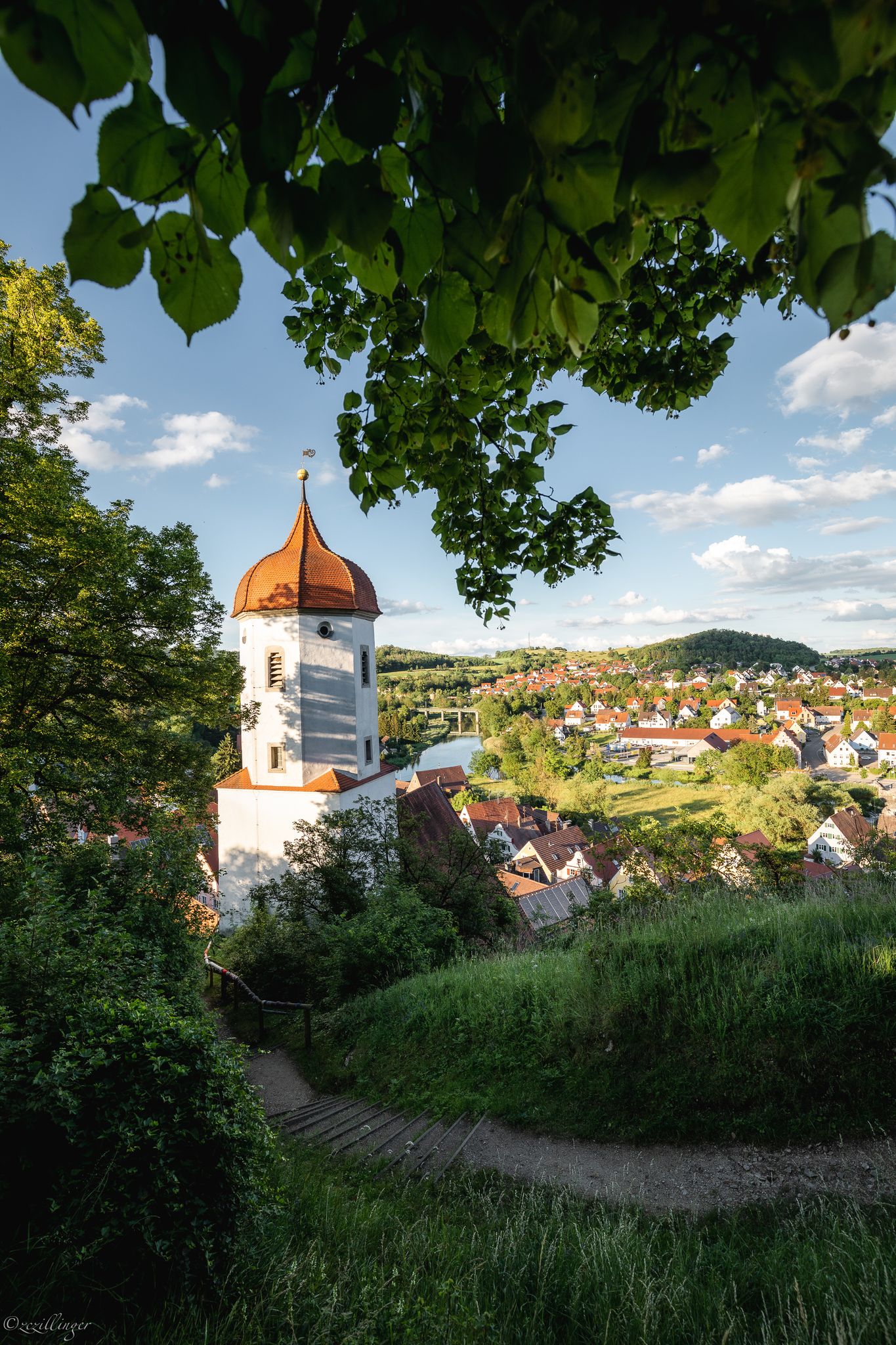
Augsburger Jakobsweg – Through Bavarian-Swabia
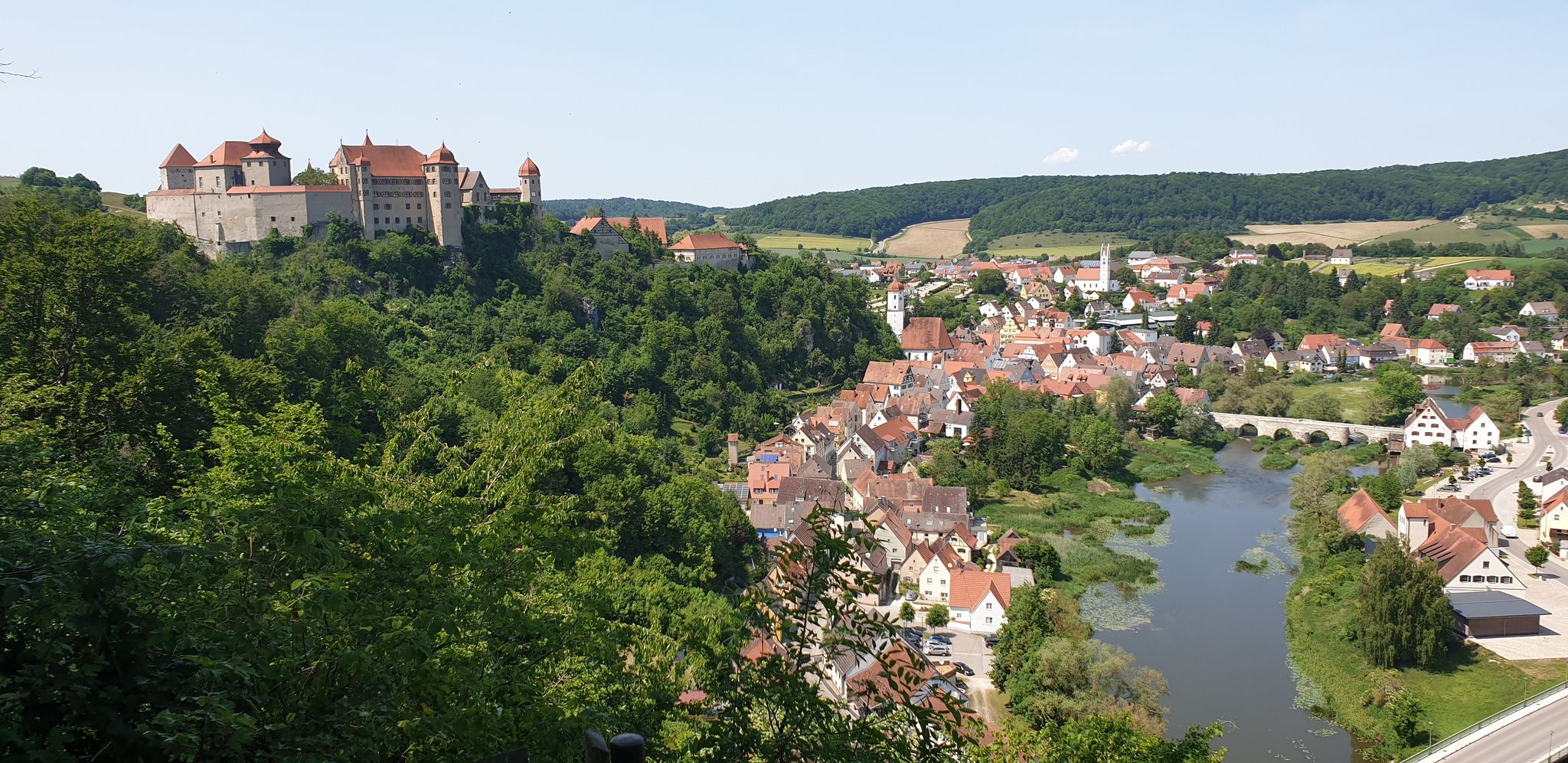
The Romantic Road – To the Pearls of Southern Germany
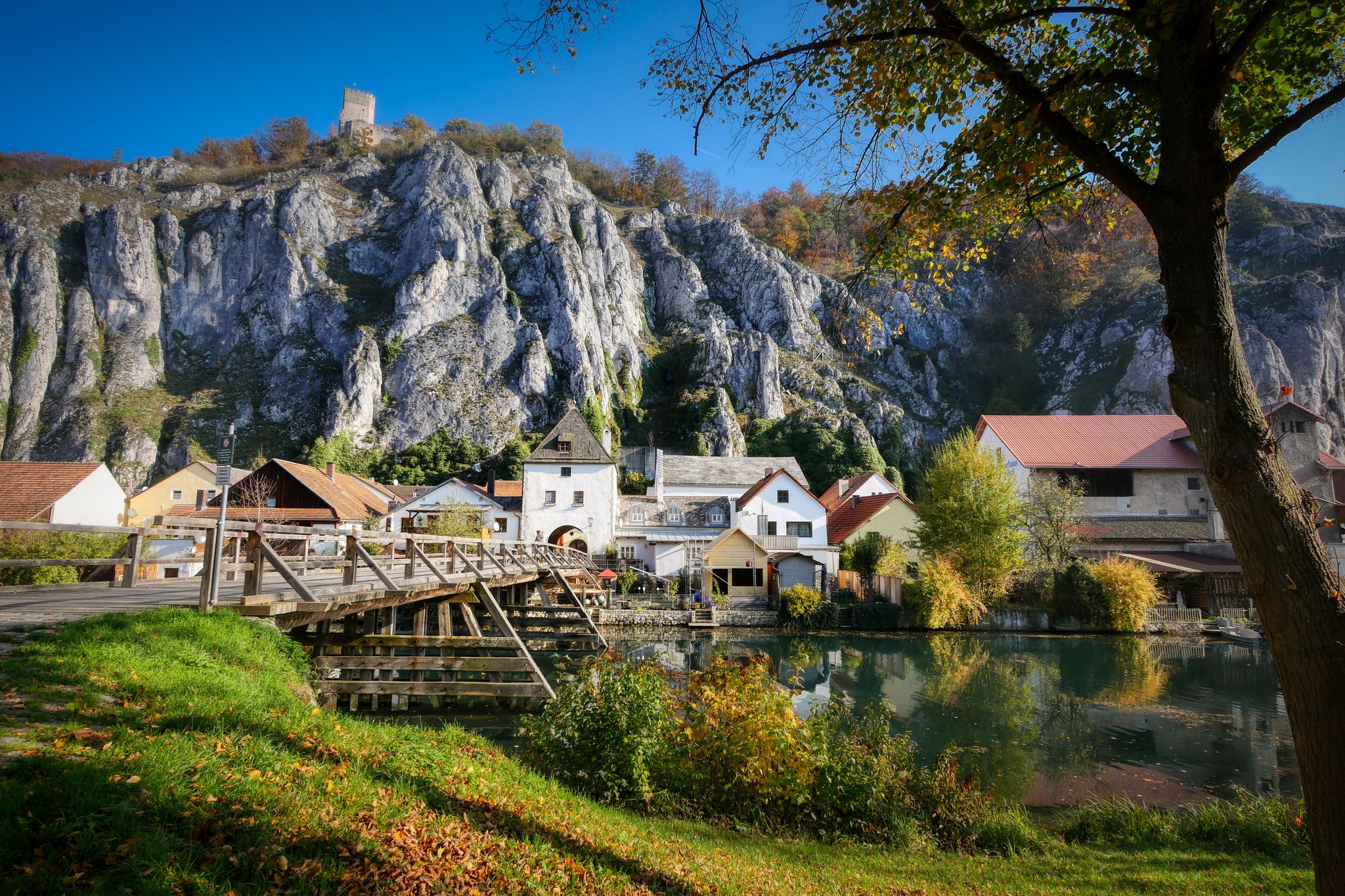
Jurasteig — hiking in the heart of Bavaria
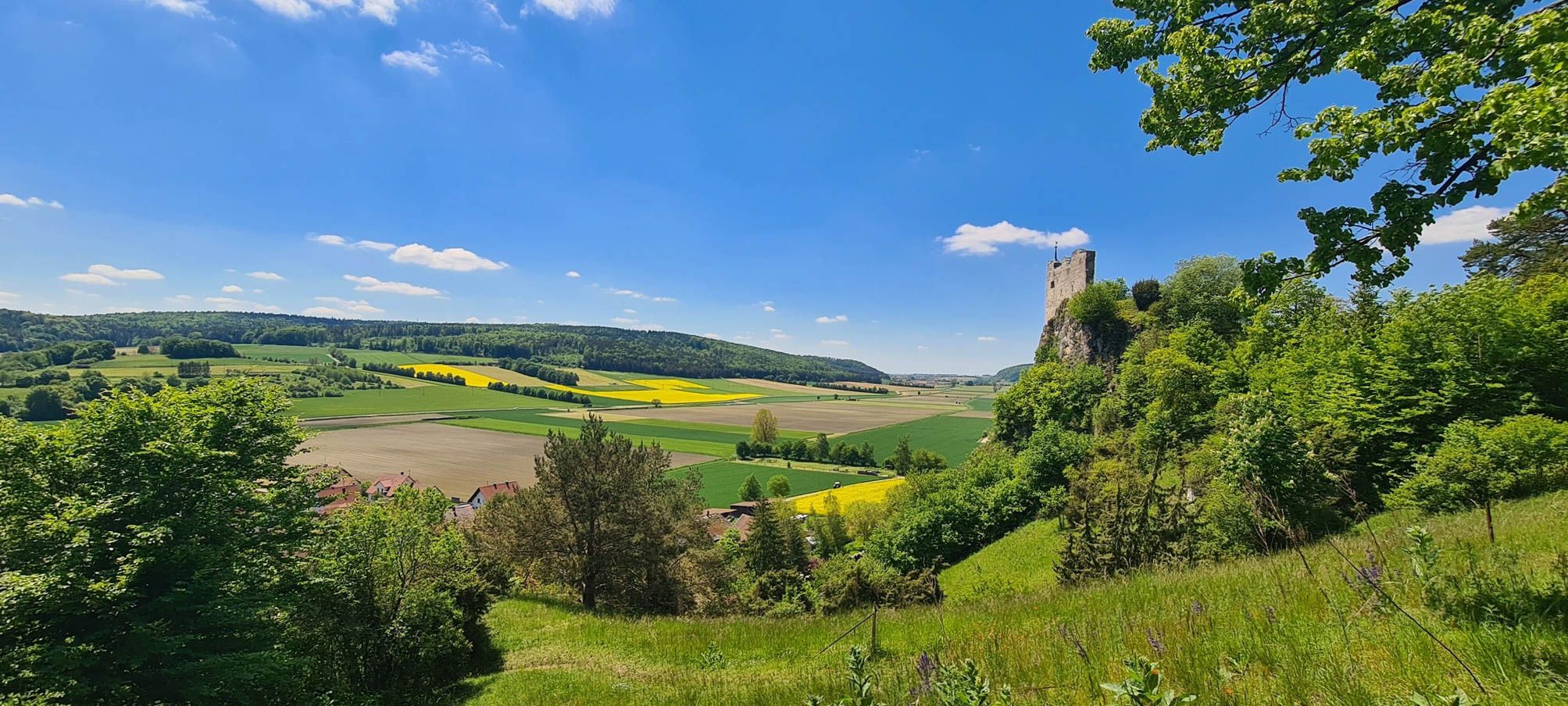
Urdonautalsteig – Hiking through past times
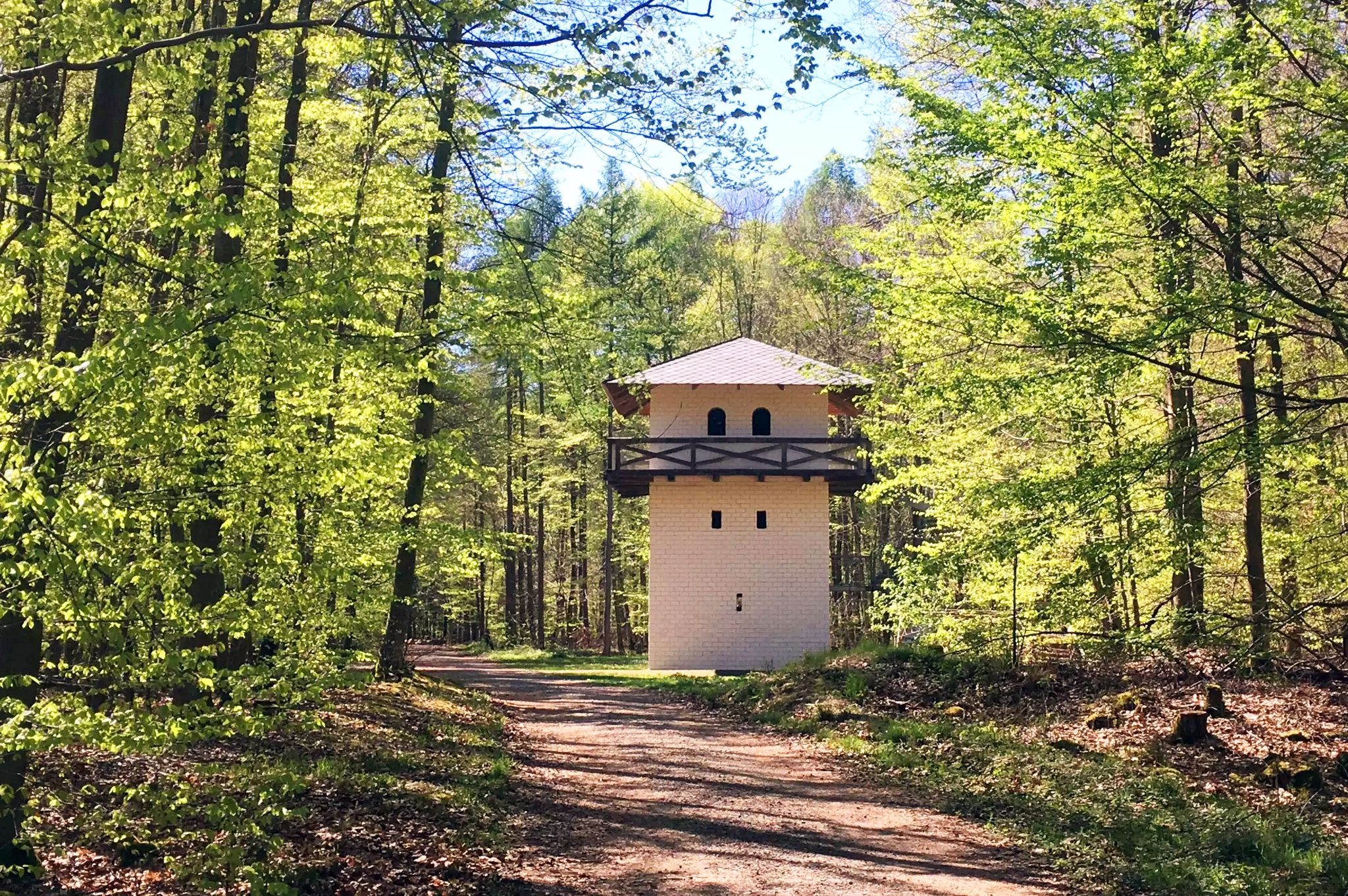
German Limes Cycle Path – Riding from the Rhine to the Danube
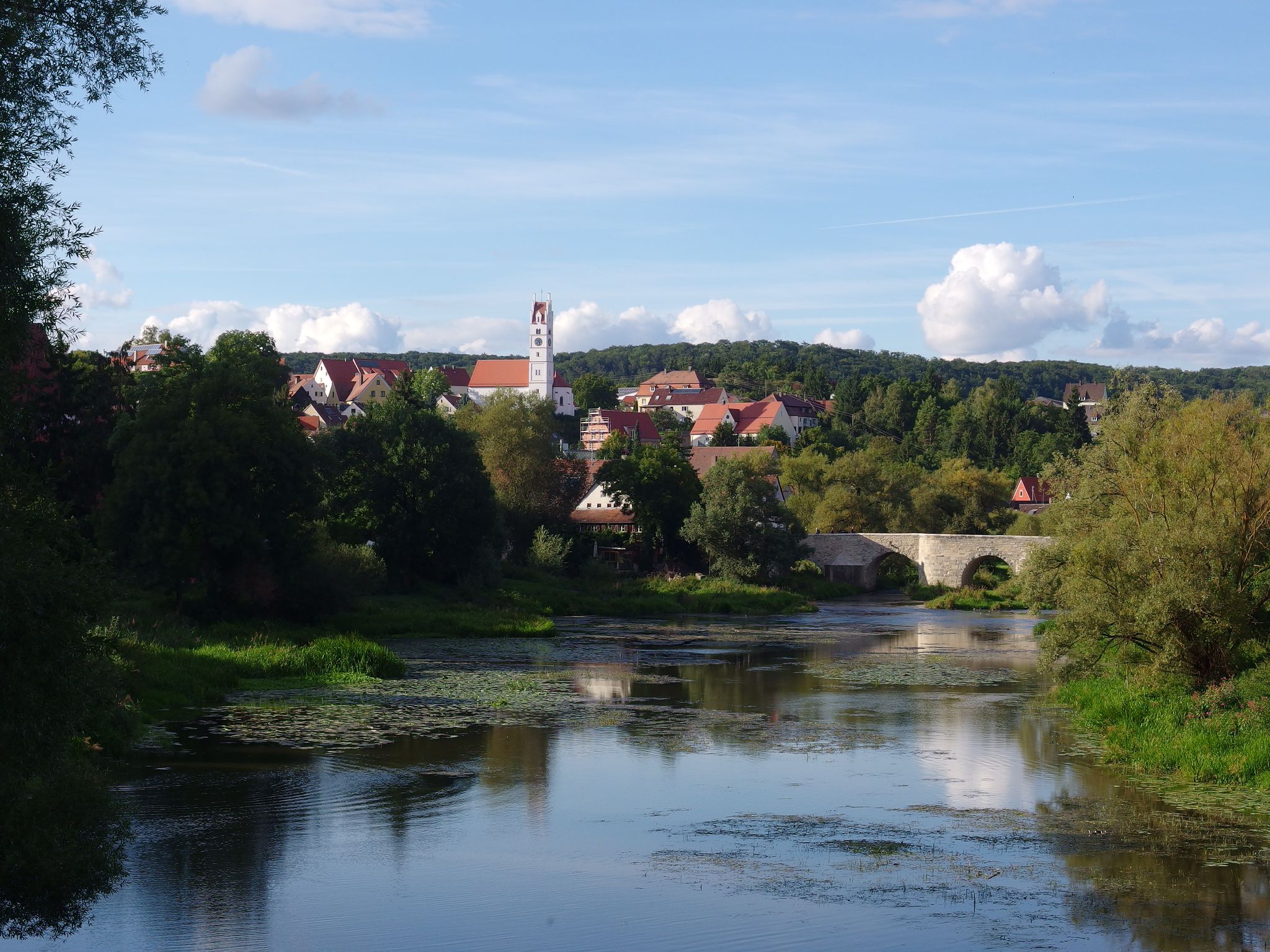
The Romantic Road – 10 fabulous stages
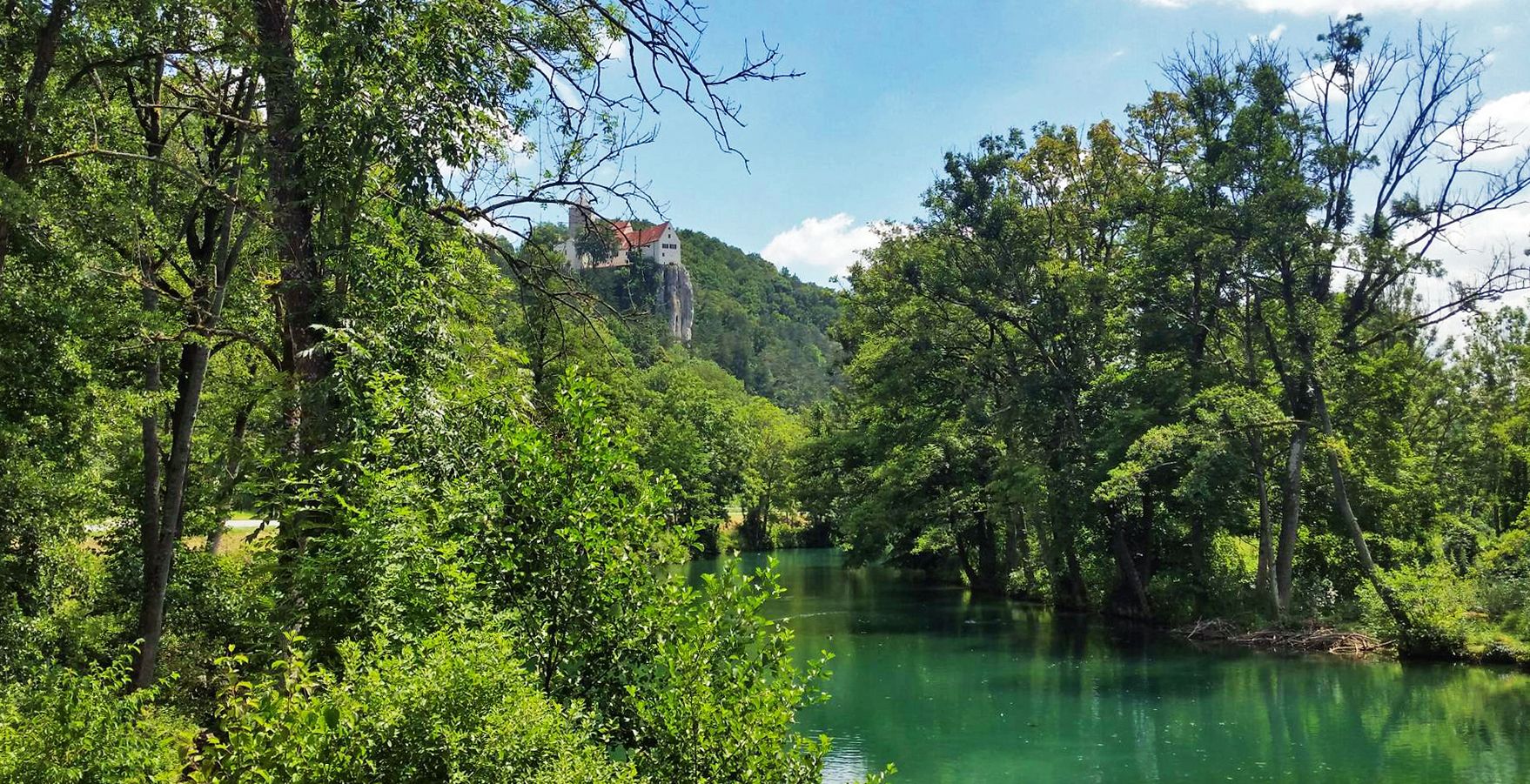
Five Rivers Cycle Path — 5 stages along Bavaria's most beautiful rivers
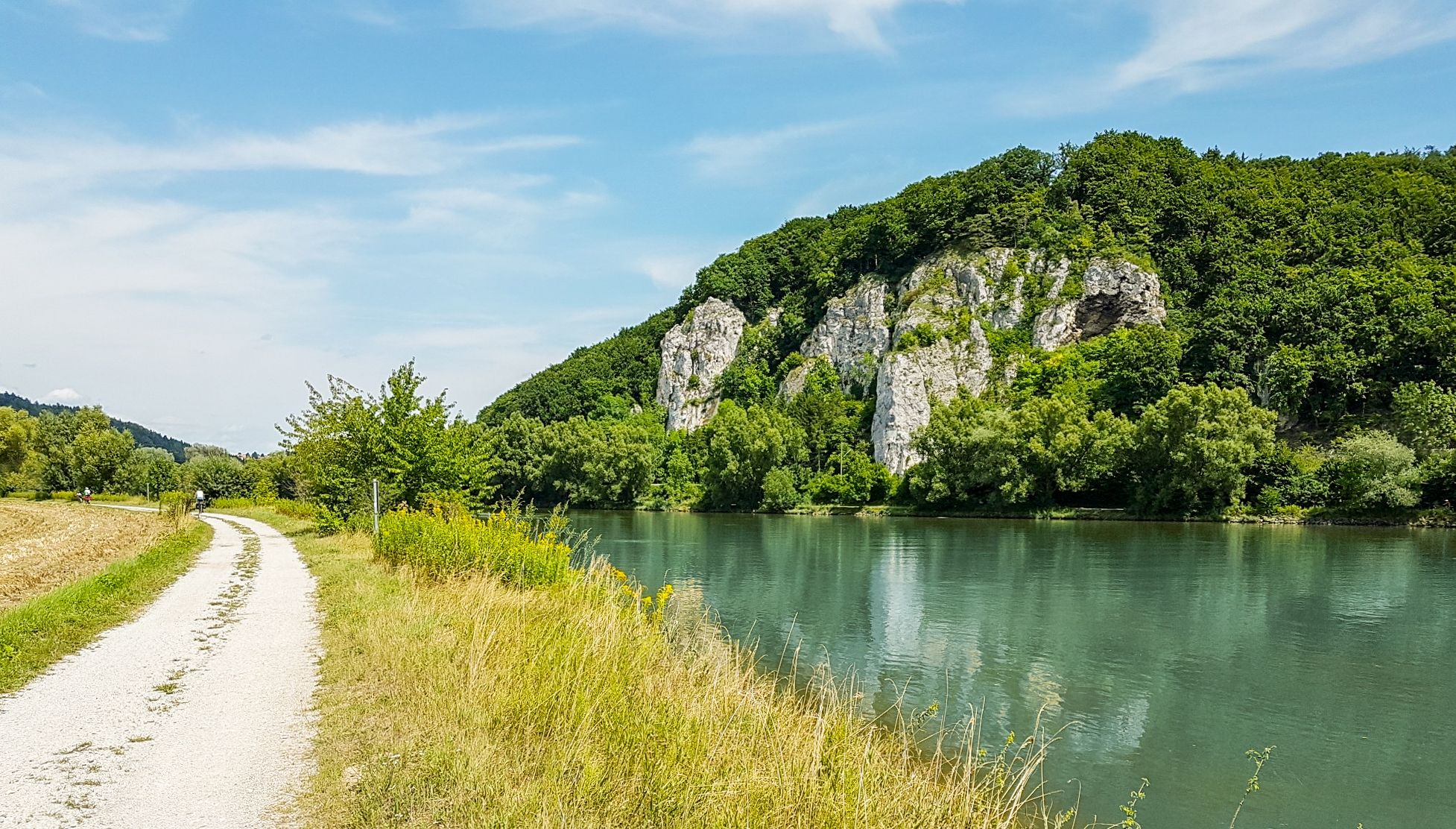
Donau-Panoramaweg – 10 days nature views and cultural insights
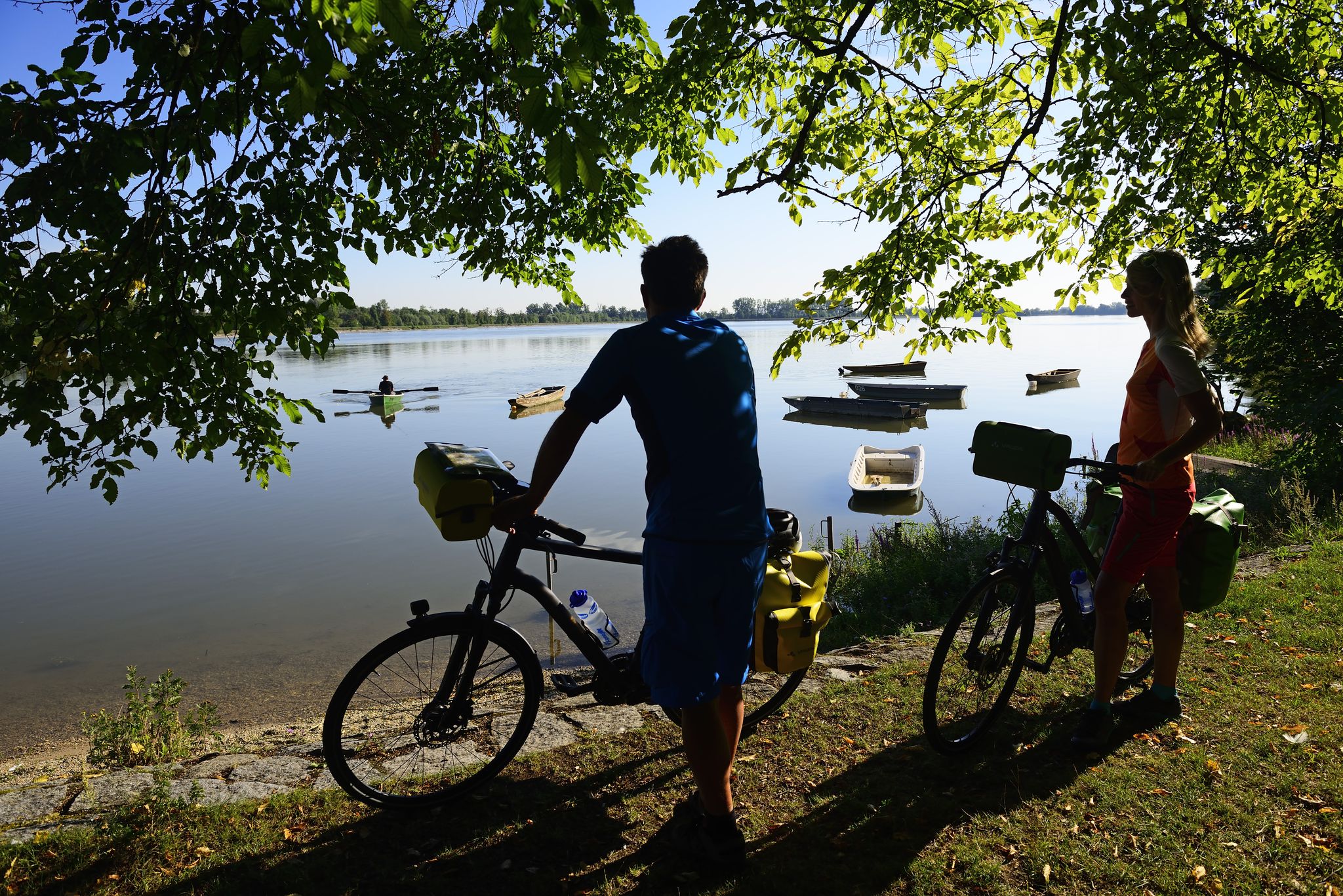
Niederbayerntour in 7 stages — Swim trunks, beer, baroque
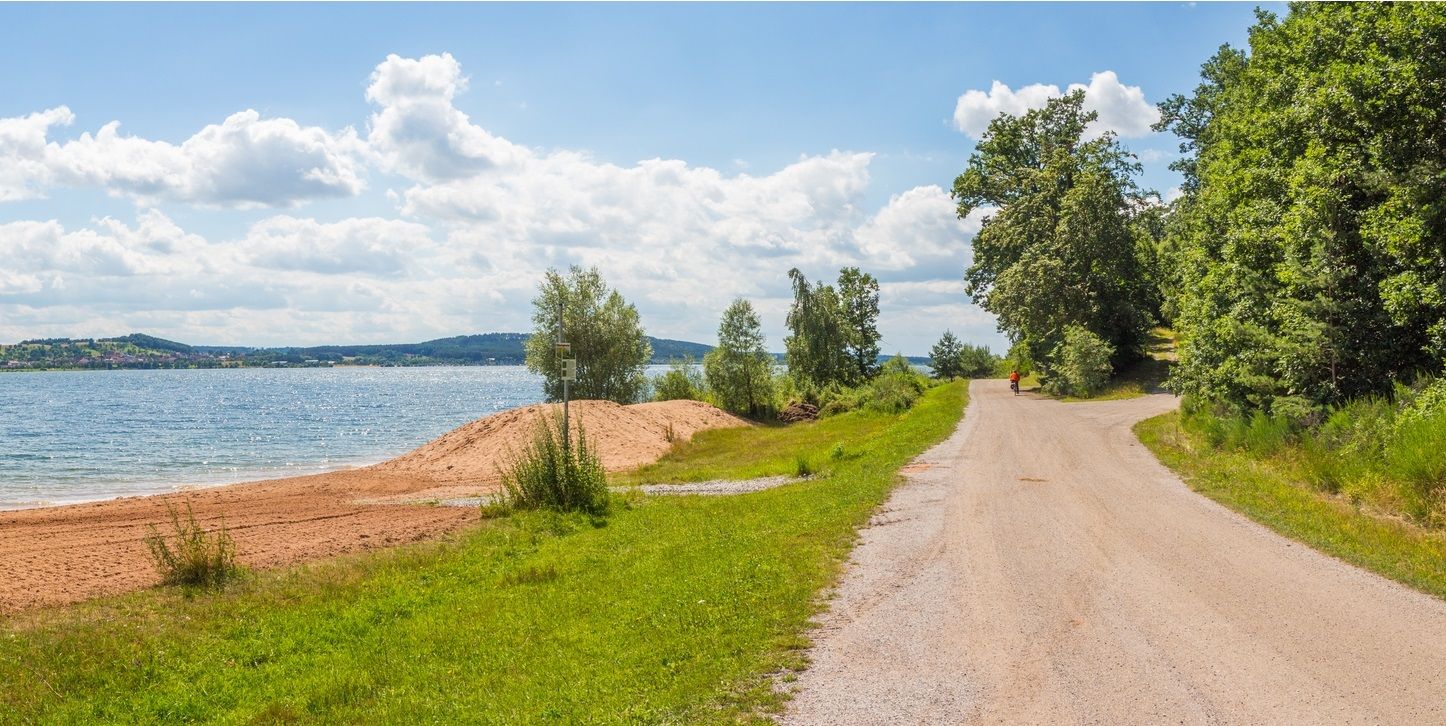
The Franconian Water Bike Path – 8 days of creeks, lakes & rivers
Other adventures in Naturpark Altmühltal


Tips from the Community

Hexenagger Castle A Dietricus von Haecsenakker is mentioned as early as 928 in a Regensburg document from the St. Emmeram Monastery; further information is scarce. In 1311, Gottfried Hexenacker became Bishop of Freising. He had studied in Bologna and served as dean of the cathedral there for many years. In 1314, he died of an infectious disease while on a tour of inspection in Vienna. In 1485, the castle passed through marriage to the Counts of Helfenstein, who sold the fortress to Duke William of Bavaria in 1528. He gave Hexenagger to the Muggenthal family as a fief. When the castle was destroyed in the Thirty Years' War, the Muggenthal family rebuilt it as a castle. In 1724, the castle was sold to the Bavarian Elector Charles Albert, as the Hexenagger line of the Muggenthal family had died out. In 1731, Elector Karl Albrecht donated the castle to his mistress, Maria Josepha Countess von Morawitzky. Her husband received the castle in 1738, and when he died in 1754, Anton von Kaiserstein became the new owner. Franz Joseph III von Kaiserstein (1792–1893) sold the castle in 1830 and acquired an estate in Sooß (Lower Austria) in exchange. From 1830 to 1951, Hexenagger Castle belonged to the noble family of Weidenbach. Otto Edler von Weidenbach bequeathed it to his niece Ilse von Kalckreuth, who married Wilhelm Leichtfuß, whose son, Eberhard Leichtfuß, owns it today. Hexenagger is a castle between the Renaissance and Baroque periods, built on the foundations of the old castle. In the lower areas and at the corners, ashlars and bossed ashlars, up to several meters high, are still visible on the castle building. The stump of the keep, made of bossed ashlar, is also said to have been preserved, but is not visible from the outside. The defensive character of the complex is best appreciated from the rear, where parts of the curtain wall and wall towers have been preserved. The tall, narrow chapel also still hints at the castle in its form; particularly interesting is the slender, slightly leaning bell tower, which appears to still sit on the older foundations of the medieval chapel tower. The main building itself, with its stepped gable and beautiful garden, presents a romantic sight. The castle is privately owned and not open to the public; the popular Christmas market was relocated to the Wolfgangshof estate near Zirndorf in Middle Franconia in 2023 due to complaints from local residents. Source: www.Burgenseite.de / www.wikipedia.de
2
0

Always a nice destination, gladly again
0
0

The entire Altmühl Valley Cycle Path is worth a bike ride. Ideally, a multi-day tour.
2
0
There are still many beautiful views to be had; the entire Altmühl Valley Cycle Path is worth a bike ride. Ideally, a multi-day tour.
0
0
There are still many beautiful views to be had; the entire Altmühl Valley Cycle Path is worth a bike ride. Ideally, a multi-day tour.
1
1

Supermarket directly on the cycle path invites thirsty (and hungry) cyclists to refuel
0
0

Wülzburg Castle offers an interesting journey into history. It is located on a hill (630 m) near Weißenburg. Free parking is available. Alternatively, you can choose the several-hour climb through the forest from Weißenburg. You can visit the inner courtyard of the pentagonal fortress at any time. Guided tours of certain areas are available from May to October (hourly, with the last one at 4 p.m.). You can then see, among other things, the cellars and the spectacular fountain. You can enjoy refreshments at the castle inn within the complex. An easy path leads around the outside of the fortress, offering beautiful views.
0
0

Magnificent rock formation in the Altmühl Valley.
1
0
Frequently Asked Questions
How many no-traffic gravel bike trails are available in Naturpark Altmühltal?
Naturpark Altmühltal offers a wide selection of gravel bike trails, with over 360 routes available. These range from easy to difficult, ensuring options for various skill levels. Many of these routes utilize the extensive network of gravel paths and unpaved roads, providing a truly traffic-free experience.
What kind of terrain can I expect on no-traffic gravel bike trails in Naturpark Altmühltal?
The terrain in Naturpark Altmühltal is diverse, featuring gently meandering river valleys along the Altmühl, dramatic limestone cliffs, and extensive juniper heathlands. You'll encounter a mix of hills, deep river valleys, and forests, characteristic of the Franconian Jura. While some routes are relatively flat, others involve challenging climbs and descents, with certain segments potentially requiring you to push your bike.
Are there any family-friendly no-traffic gravel bike routes in the region?
Yes, the Naturpark Altmühltal is known for its cycling infrastructure, including sections of the Altmühl Valley Cycle Route which are often separated from traffic. These flatter, well-maintained paths along the river are ideal for families looking for a relaxed, traffic-free gravel biking experience. Look for routes categorized as 'easy' for the most family-friendly options.
What natural features can I see along the no-traffic gravel bike trails?
You'll encounter stunning natural beauty, including the picturesque Altmühl River, impressive limestone cliffs, and unique rock formations like the '12 Apostles' near Essing. The region also boasts beautiful juniper heathlands and the dramatic Danube Gorge ('Donaudurchbruch') near Kelheim. These features provide a scenic backdrop for your rides.
What historical landmarks or attractions can I visit while gravel biking in Naturpark Altmühltal?
The region is rich in history. You can explore numerous castles and castle ruins, such as Prunn Castle, or visit historic towns like Eichstätt. The area also features sections of the Roman Limes, a UNESCO World Heritage Site. Don't miss the opportunity to visit Weltenburg Monastery, home to the world's oldest monastery brewery, often accessible from routes near the Danube.
Are there any circular no-traffic gravel bike routes available?
Yes, many of the gravel bike routes in Naturpark Altmühltal are designed as circular tours, allowing you to start and end at the same point. For example, the Solnhofer Platten-Runde offers a great loop experience, showcasing the diverse landscapes of the park.
What is the best time of year for gravel biking in Naturpark Altmühltal?
Spring and autumn generally offer the most pleasant conditions for gravel biking in Naturpark Altmühltal, with milder temperatures and beautiful scenery. Summer can also be excellent, though it's wise to start earlier in the day to avoid the midday heat. Winter riding is possible, but some trails may be affected by snow or ice, and amenities might have reduced hours.
Are there options for more challenging no-traffic gravel rides?
Absolutely. While there are easy routes, many of the gravel trails in Naturpark Altmühltal are rated as moderate or difficult, featuring significant elevation changes and technical sections. For a challenging ride with varied landscapes, consider the Altmuehlfranken route, which includes substantial climbs and descents.
What do other gravel bikers say about the no-traffic trails in Naturpark Altmühltal?
The gravel biking experience in Naturpark Altmühltal is highly rated by the komoot community, with an average score of 4.6 out of 5 stars from over 450 reviews. Riders frequently praise the quiet, traffic-free paths, the stunning natural scenery, and the well-maintained network of trails that allow for immersive rides through diverse landscapes.
Can I find amenities like cafes or pubs directly on the no-traffic gravel routes?
While many routes offer a sense of remoteness, you'll often find charming towns and villages along or near the trails, especially in river valleys. These provide opportunities for refreshments, meals, and accommodation. Historic towns like Beilngries or Riedenburg are good examples where you can easily access amenities.
Are there any specific routes that offer a good mix of nature and cultural sights?
For a blend of natural beauty and historical exploration, the Romantic valleys, heaths and castles route is an excellent choice. It takes you through picturesque valleys and heathlands while offering glimpses of the region's numerous castles and historical points of interest.
Is public transport accessible near the no-traffic gravel bike trails?
Naturpark Altmühltal has a reasonably good public transport network, including train and bus services that connect many towns within the park. This can be useful for reaching trailheads or for returning to your starting point after a one-way ride. It's advisable to check local schedules and bike transport policies in advance.
Most popular routes in Naturpark Altmühltal
Most popular attractions in Naturpark Altmühltal

Get inspired with the komoot mobile app


Explore more
Browse the best Gravel rides in other regions.
