The best city hikes and walks in Naturpark Hohe Mark - Westmünsterland
4.6
(60040)
222,467
hikers
201
hikes
Urban hiking trails in Naturpark Hohe Mark - Westmünsterland traverse a varied natural environment at the intersection of Münsterland, the Lower Rhine, and the Ruhr area. The park spans 1,978 square kilometers, featuring diverse landscapes including deep forests, expansive parklands, meadows, and numerous water bodies like the Halterner See. This region also includes a small, ice-age hill country with valleys, offering varied topography for urban exploration.
Best urban hiking trails in Naturpark Hohe Mark - Westmünsterland
- The most popular urban…
Last updated: August 18, 2026
4.4
(60)
278
hikers
7.58km
01:55
20m
20m
Easy hike. Great for any fitness level. Easily-accessible paths. Suitable for all skill levels.
4.1
(8)
62
hikers
Easy hike. Great for any fitness level. Easily-accessible paths. Suitable for all skill levels.

Sign up for free
4.8
(8)
39
hikers
3.41km
00:52
10m
10m
Easy hike. Great for any fitness level. Easily-accessible paths. Suitable for all skill levels.
5.0
(1)
39
hikers
2.69km
00:41
10m
10m
Easy hike. Great for any fitness level. Easily-accessible paths. Suitable for all skill levels.
4.5
(4)
22
hikers
Easy hike. Great for any fitness level. Easily-accessible paths. Suitable for all skill levels.
Get access to more routes and recommendations from other explorers.
Sign up for free
Already have an account?
Our route recommendations are based on thousands of hikes, rides, and runs completed by other people on komoot.
Start today with a free account
Your next adventure awaits.
Login or Signup
Popular around Naturpark Hohe Mark - Westmünsterland
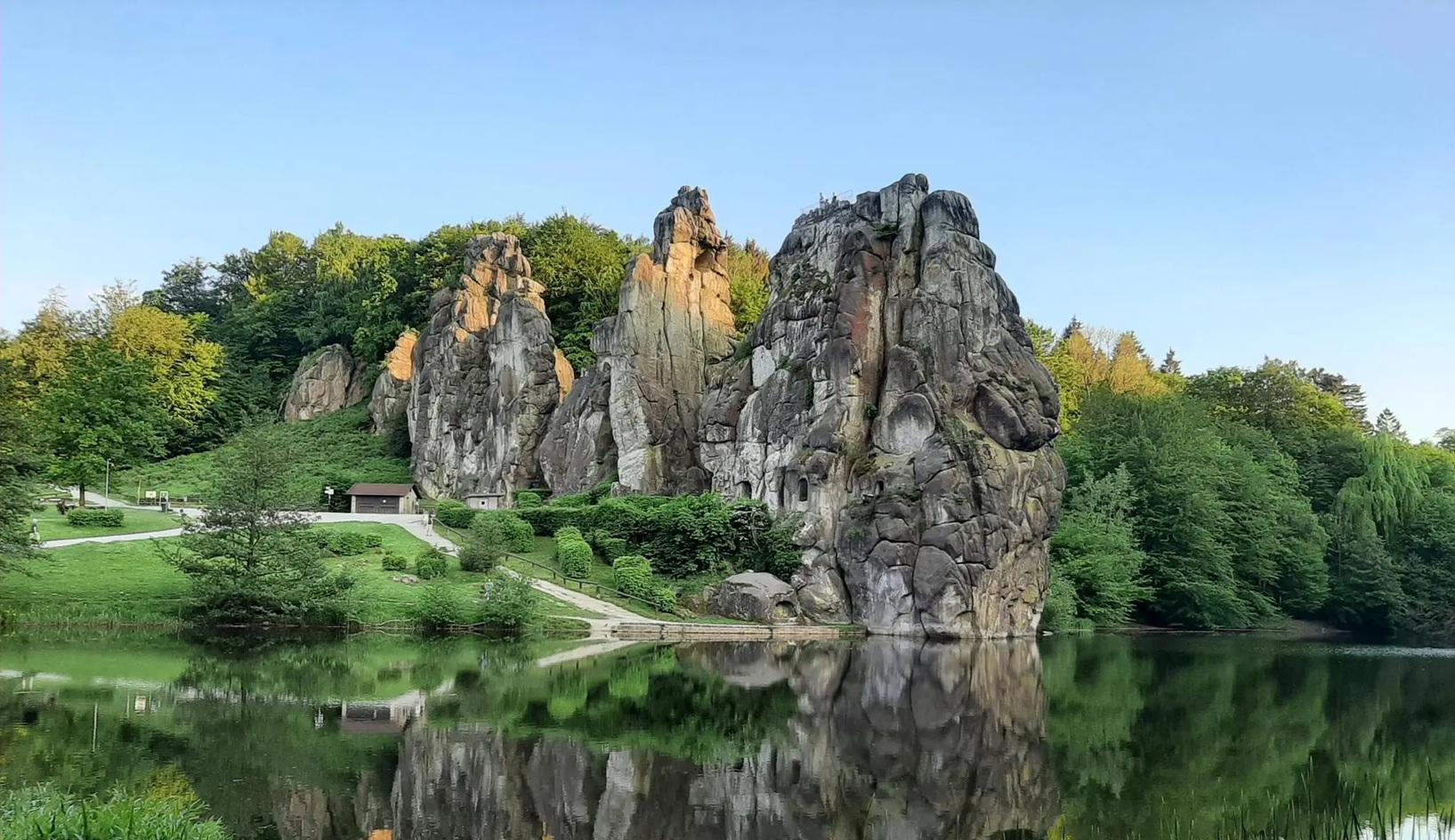
The National Natural Landscapes in Nordrhein-Westfalen
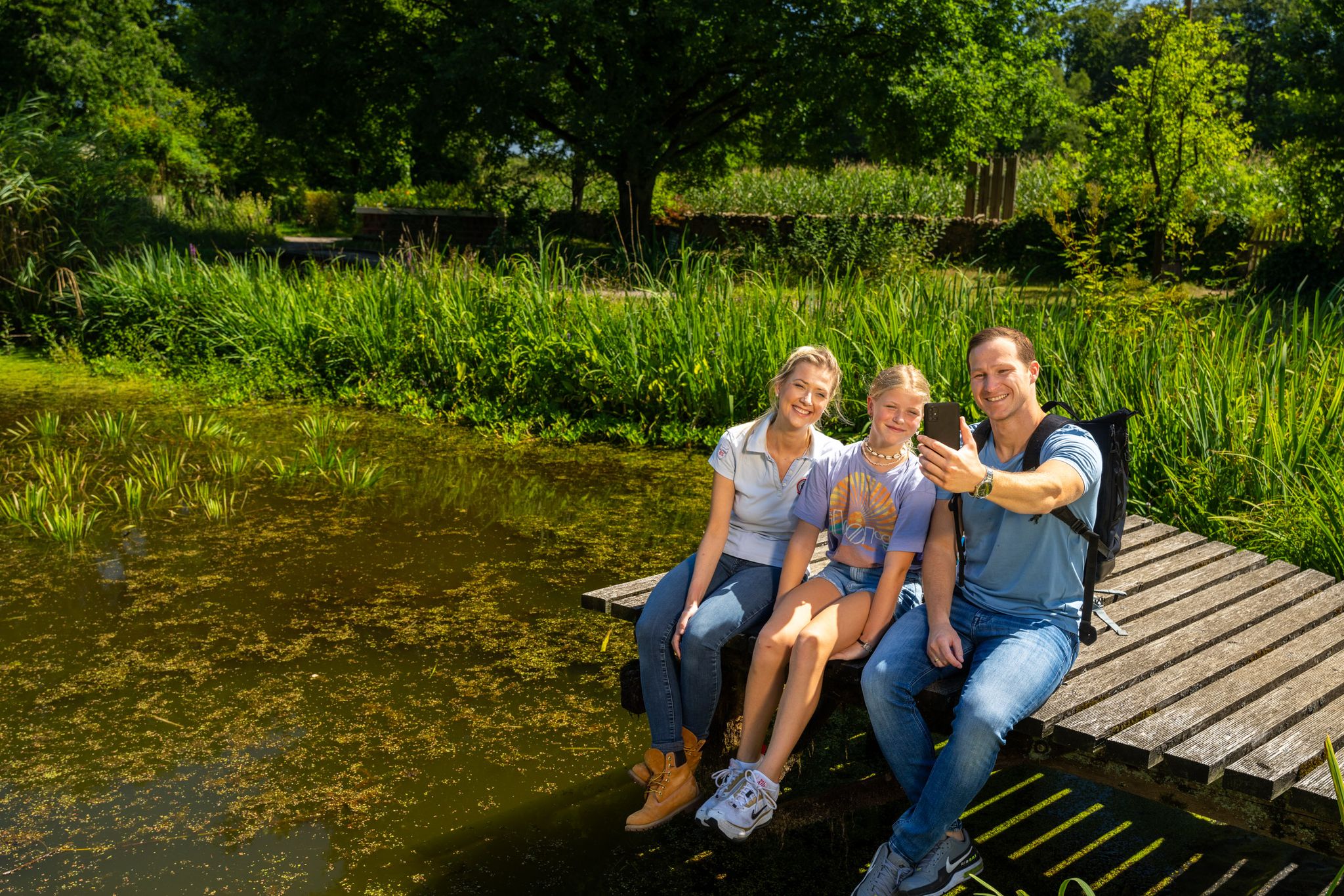
Hiking and discoveries – family walks in the Hohe Mark Nature Park
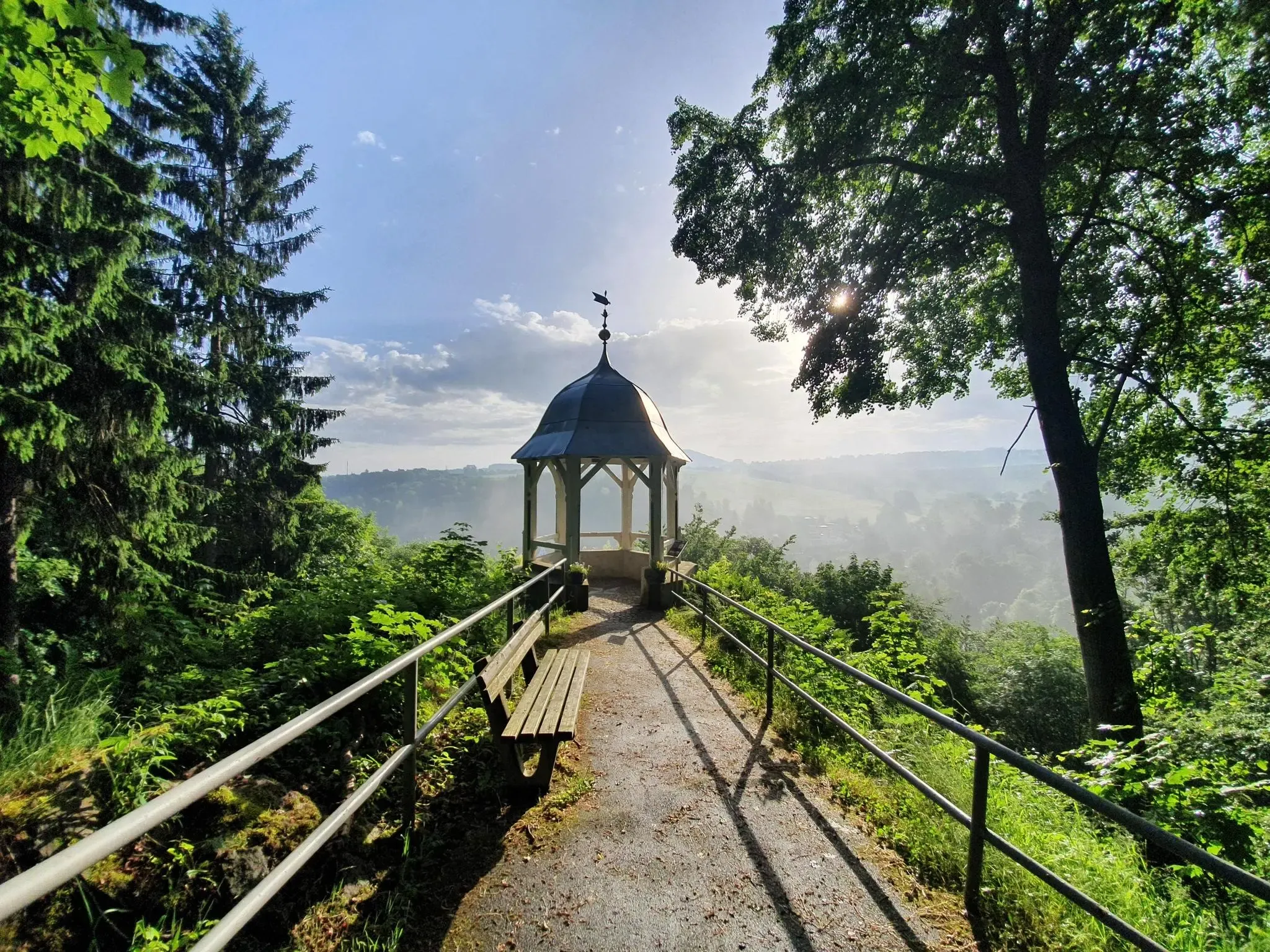
#GoFurther – discover the views of Germany!
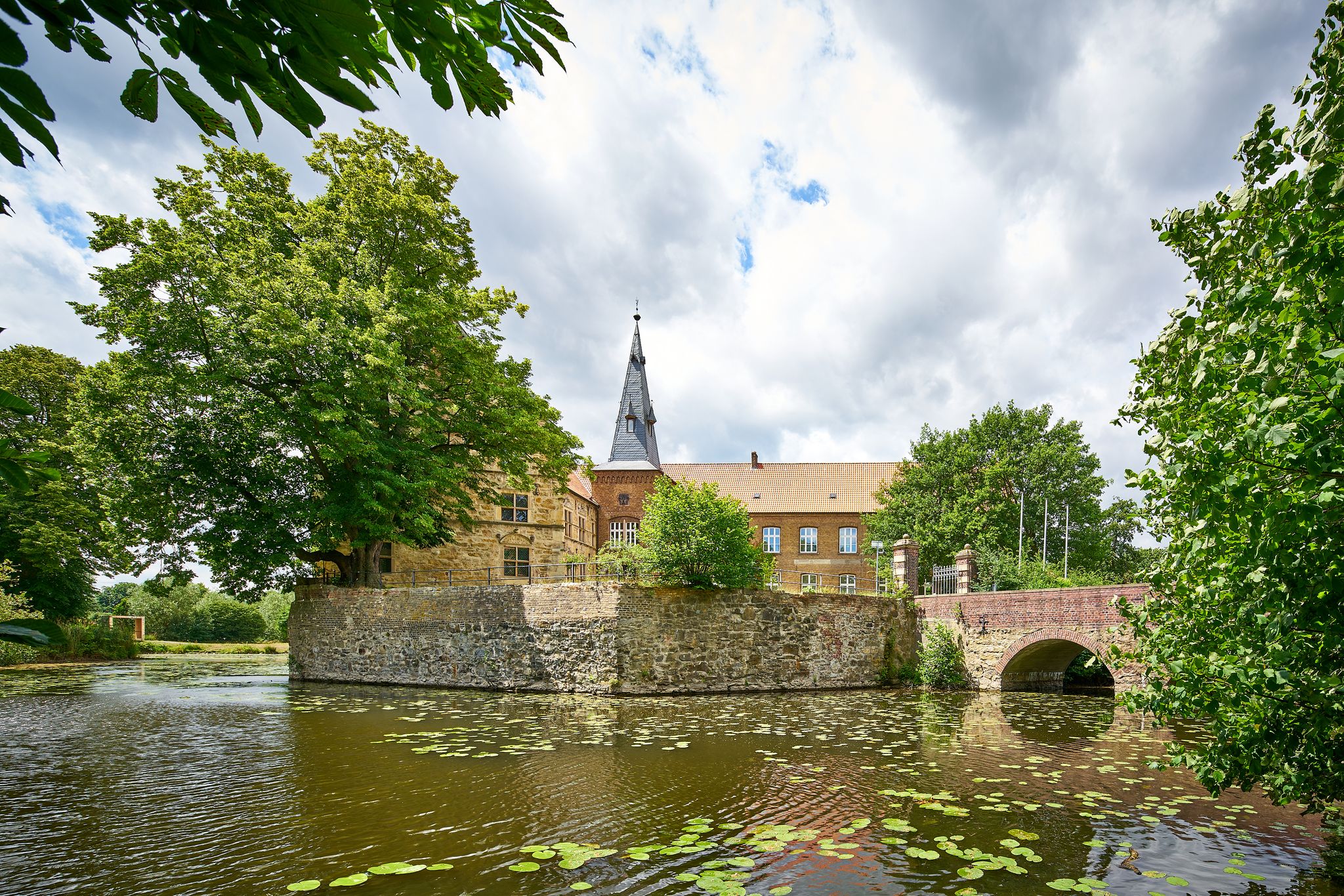
Hiking from castle to castle in Münsterland
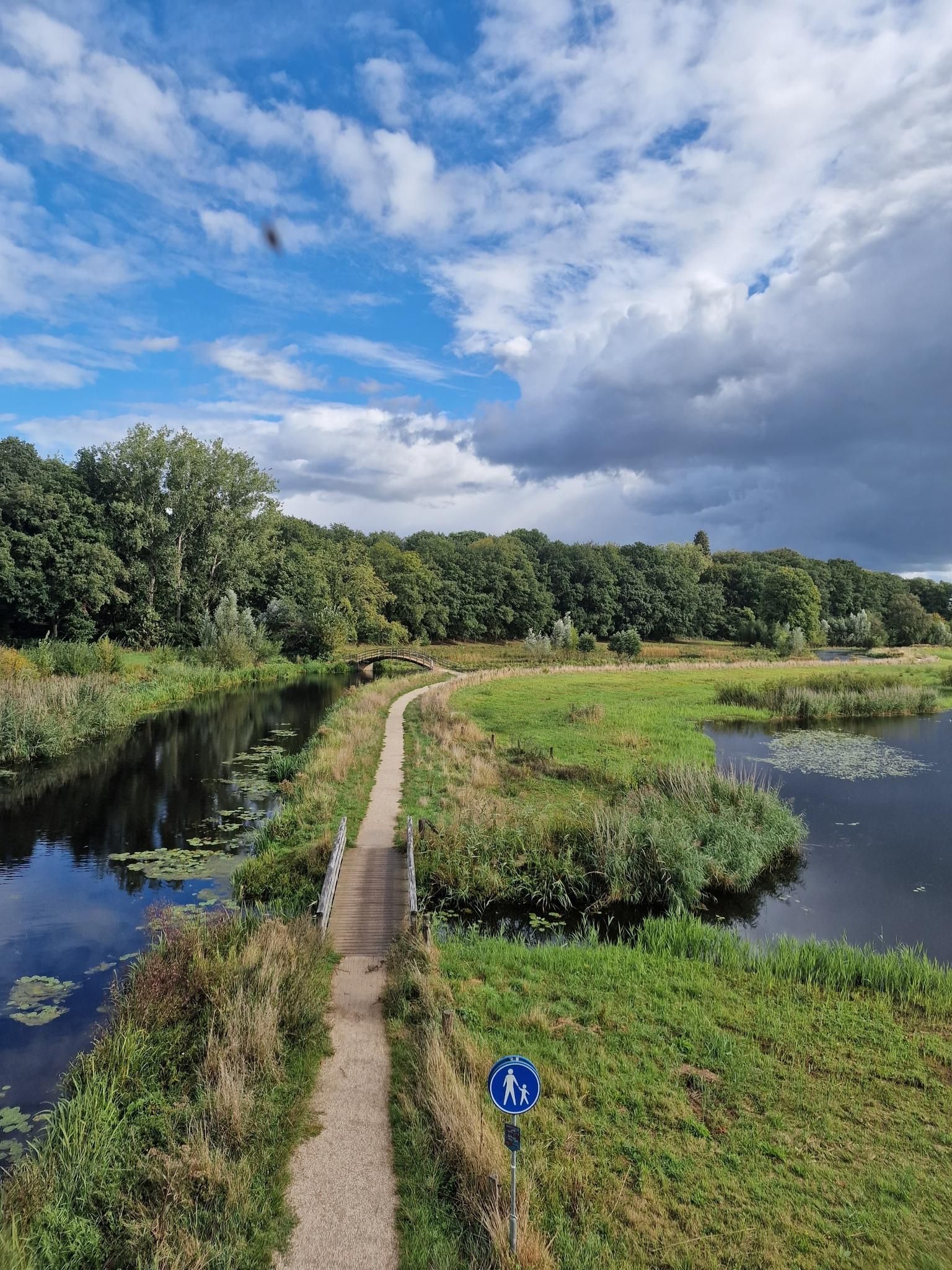
Wandelen along the Grens – Noaberpad (LAW 10)
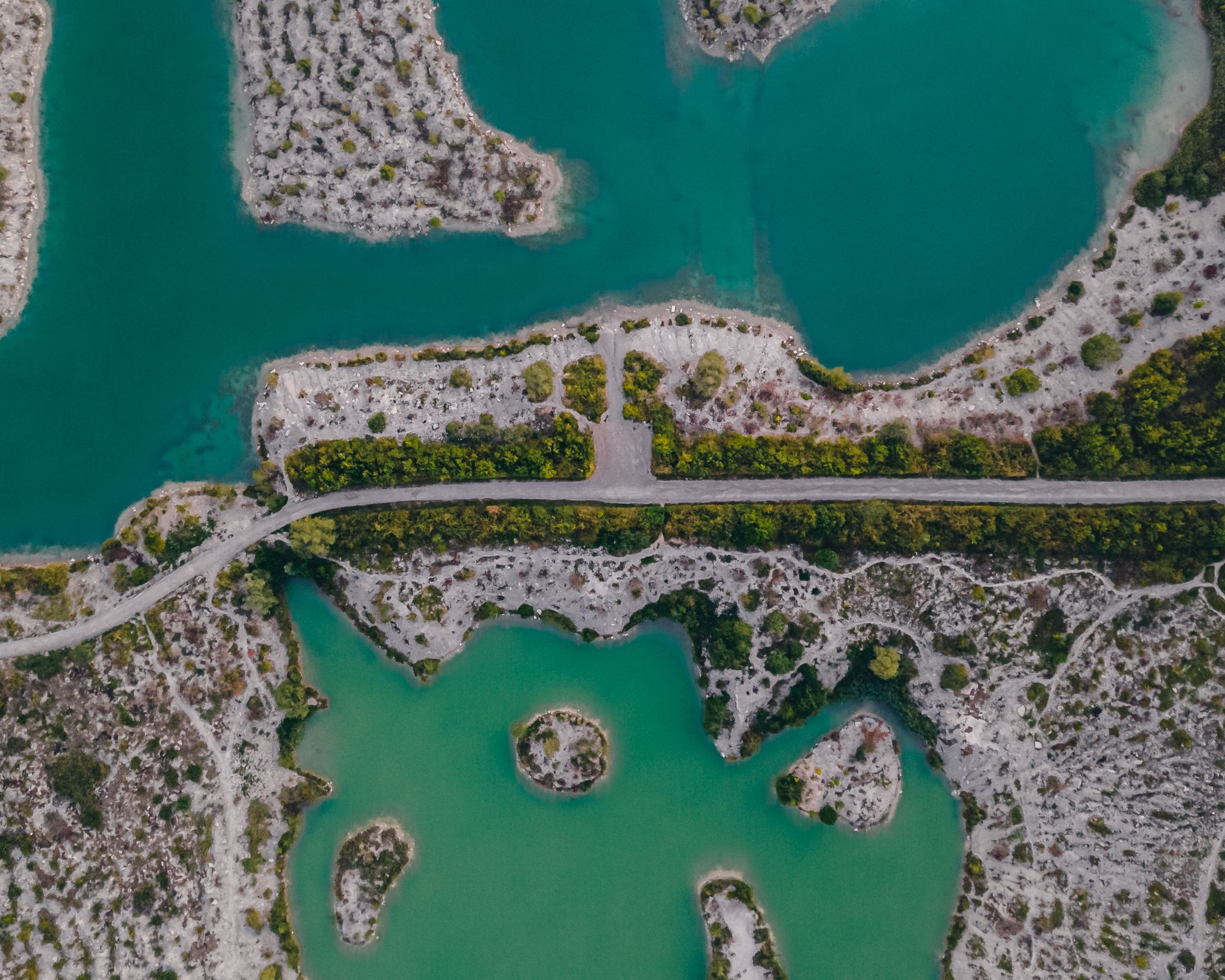
Quiet paths and stunning views — hiking through Münsterland
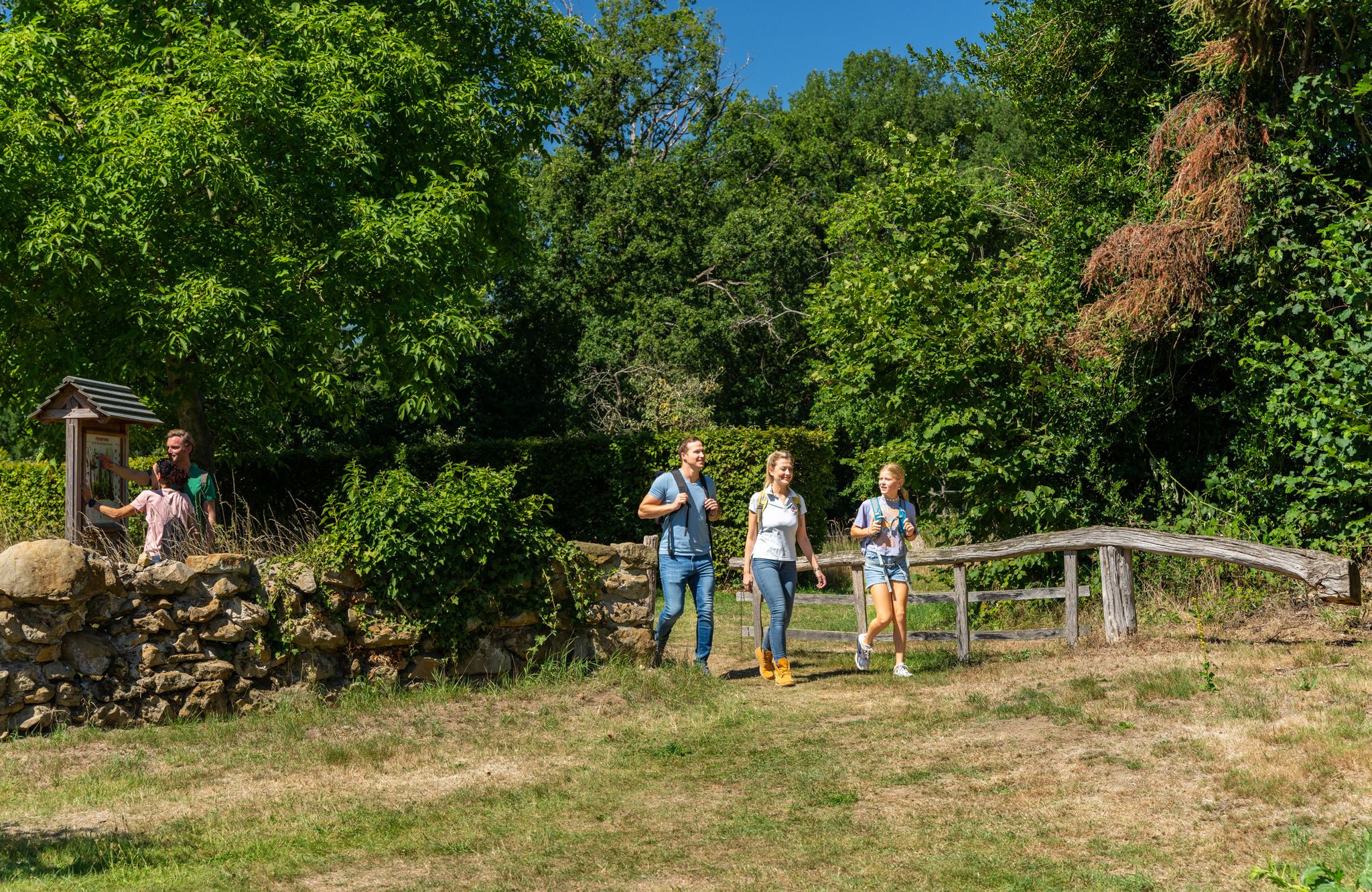
LandStreifer – circular hiking trails to Germany’s Hohe Mark Steig
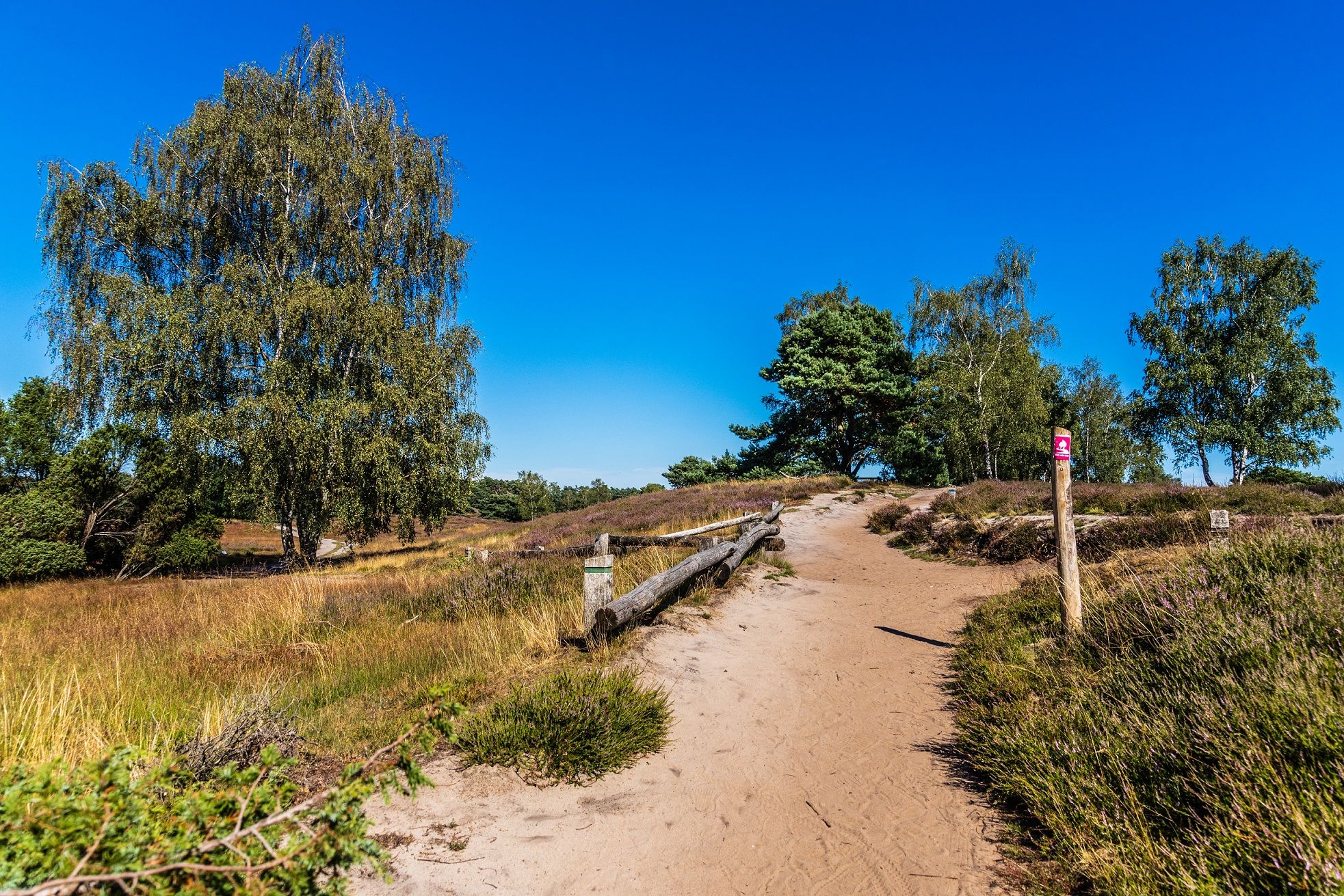
Your bond with nature — Germany’s Hohe Mark Steig
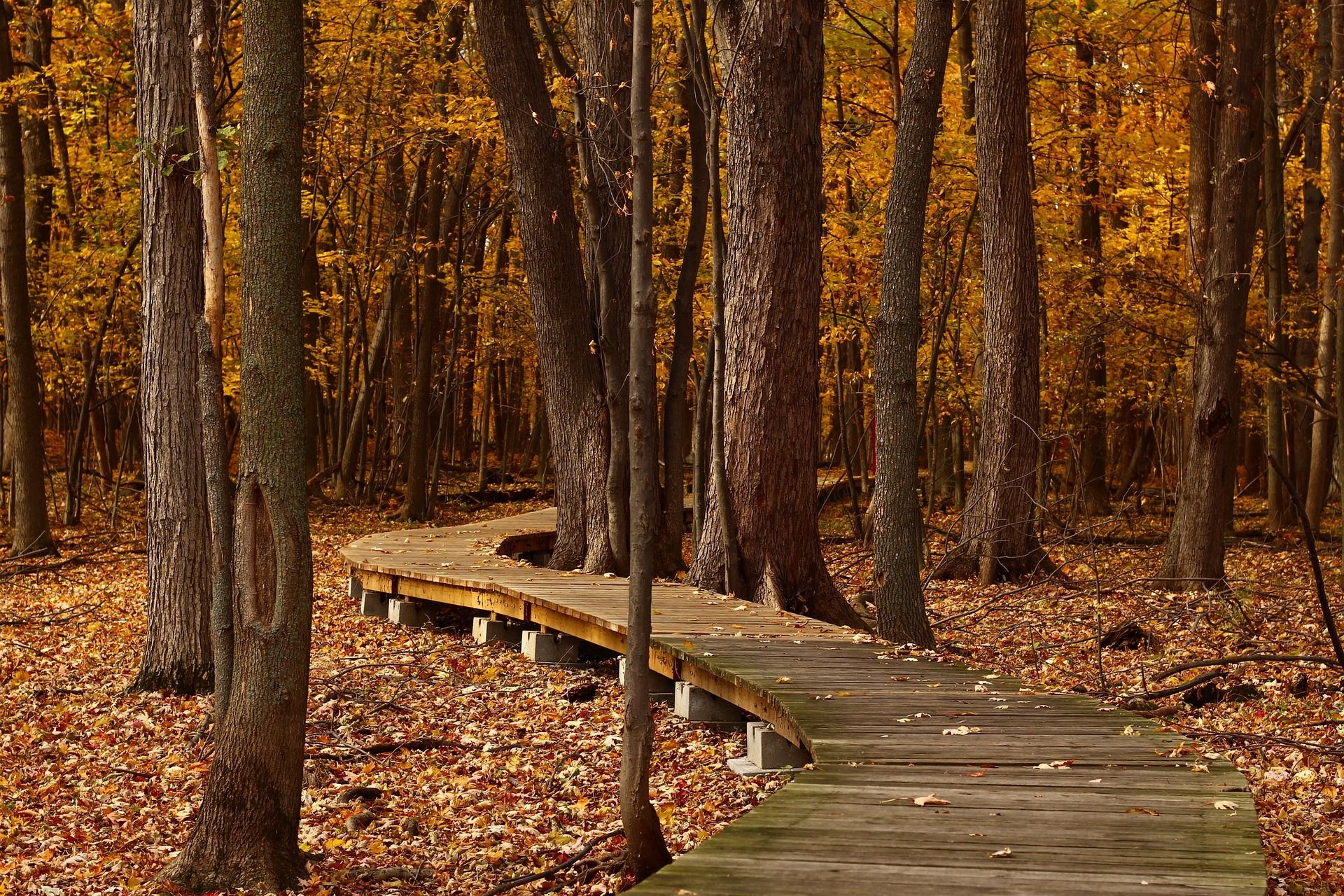
Top Hikes in Autumn - Ruhr Area and around Düsseldorf
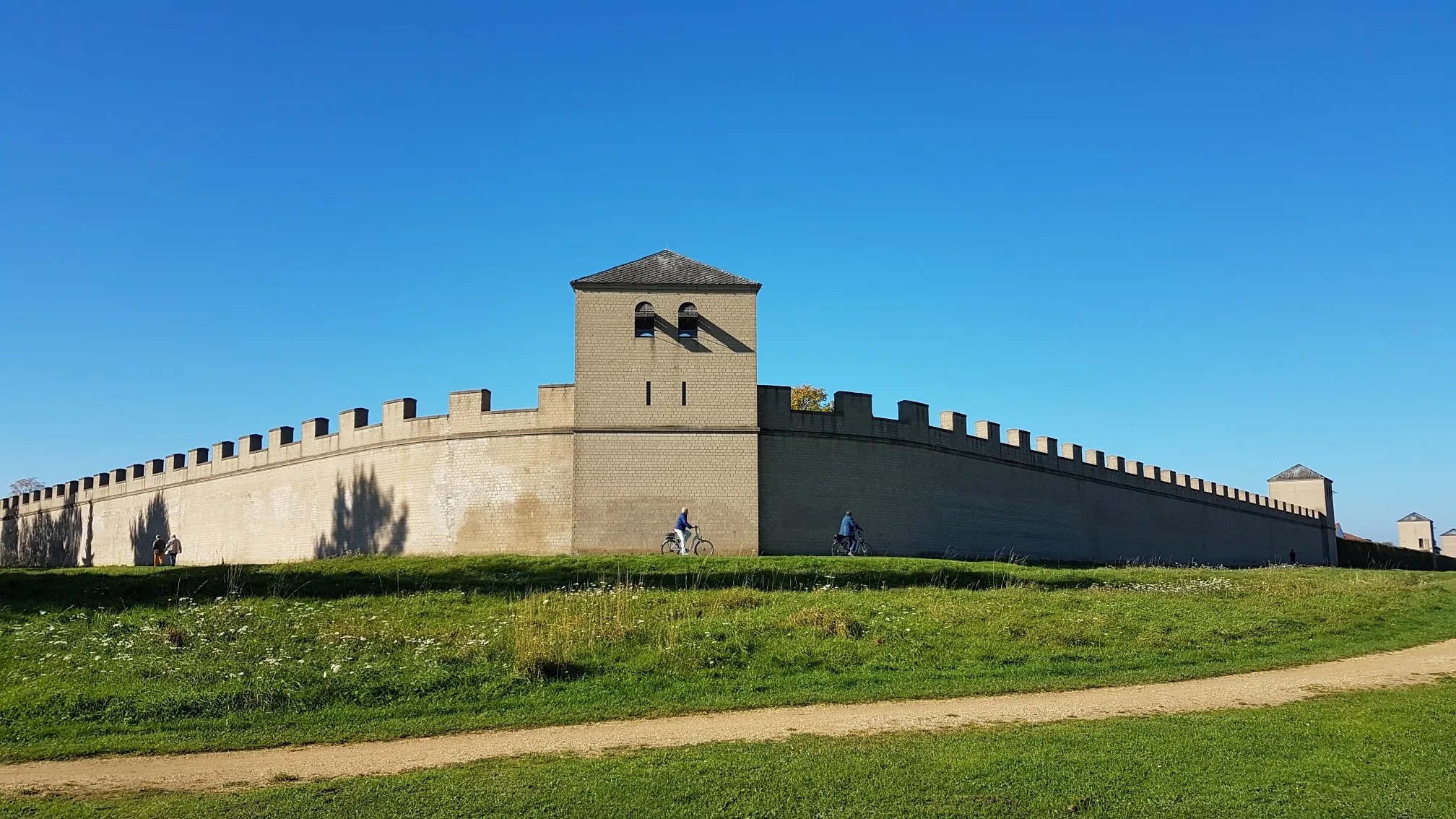
Römer‑Lippe Route – Water and history – 6 days
Other adventures in Naturpark Hohe Mark - Westmünsterland


Tips from the Community


Easily accessible from Dorsten without having to cycle through the city. Always nice for a coffee.
3
0

NAME FUCKEPOTT: Fuckepott, that's what people back then called the steam engine, which sounded very loud to them. "Fucke" means "to push, to bump" in Low German. This refers to the piston, which is moved back and forth by steam pressure in a cylinder and constantly bumps. "Pott" means "pot" in Low German. This is the boiler in which the water is heated until it becomes hot steam. This old steam engine (= HORIZONTAL TYPE) comes from a Bocholt textile factory on Ostwall and today stands on the Rossendale Promenade shortly before the junction with Schanze. It is intended to commemorate the era of the textile industry in Bocholt at the end of the 19th century. In 1852, August Cornelius Tangerding, a textile manufacturer, was the first in Bocholt to buy a steam engine for his spinning mill. It was a used roller boiler with an overpressure of 3 atmospheres, which he had overhauled in Aachen. This steam engine was still an older, vertical BEAM ENGINE, which was already superseded by a horizontal type. In a B. (beam engine), the vertical cylinder transmits the force via the piston rod, via the beam mounted horizontally above it (a 2-armed rocking beam pivoted in the middle), and then via a connecting rod to the flywheel. It operates at high pressure without condensation and had the power of 8 horses. (Source: Die Bocholter Textilindustrie by Eduard Westerhoff, p. 35) It is also considered the first to be used in a spinning mill on Münsterland soil. The introduction of this technology was the turning point for Bocholt's economic upswing from a craft-based to an industrial textile town. And Bocholt grew from a rural small town to a significant center of the German textile industry. Almost 10,000 people earned their living in the first half of the 20th century as spinners, weavers, bleachers, dyers, and printers in sometimes over 60 companies. (Source: lwl.org, exhibition on Bocholt's industrialization)
5
0
Just before the bridge, there is a small bay in the Aasee. The branches of a willow tree hang gently over the water. From here, you have an idyllic view of the lake. Ideal photo spot!
5
0

The Bocholter Aa river creates many picturesque views in the city center.
0
0

"Fuckepott" – that was the name given 150 years ago in West Münsterland to a popular instrument used to make a real racket at festivals. It consisted of a preserving pot with a pig's bladder stretched over it. A reed inserted into the pot made it hum. The people of Bocholt were reminded of this instrument when, in 1852, the first steam engine filled August Cornelius Tangerding's cotton spinning mill with noise. From then on, they called the newfangled contraptions, which were being used in more and more textile factories, "Fuckepott."
0
0

A lovely local recreation area. Easily accessible on foot from the city center.
3
0

Nice area to walk along.
0
0
Frequently Asked Questions
How many urban hiking trails are available in Naturpark Hohe Mark - Westmünsterland?
Naturpark Hohe Mark - Westmünsterland offers nearly 200 urban hiking trails. The vast majority of these, over 180, are rated as easy, making them accessible for most hikers.
What kind of terrain can I expect on urban hikes in Naturpark Hohe Mark - Westmünsterland?
Urban hikes in this region often blend natural beauty with cultural sights. You'll find paths through diverse landscapes like parklands, meadows, and small woods, often incorporating elements of towns and cities. The terrain is generally easy, with minimal elevation changes, making it suitable for relaxed walks.
Are there any family-friendly urban hiking routes?
Yes, many urban trails in Naturpark Hohe Mark - Westmünsterland are ideal for families. They are typically easy and relatively short. For example, the Vischering Castle – Moat at Vischering Castle loop from Lüdinghausen offers a pleasant walk around the impressive moated castle, which is often a hit with children.
Can I bring my dog on urban hikes in the region?
Most urban hiking trails in Naturpark Hohe Mark - Westmünsterland are dog-friendly, but it's always recommended to keep your dog on a leash, especially in populated areas or near wildlife. Many routes pass through parks and along rivers, providing enjoyable experiences for you and your canine companion.
What interesting landmarks or attractions can I see along urban hiking trails?
Urban hikes often lead you past significant cultural and historical sites. You can explore impressive castles like Vischering Castle or Lüdinghausen Castle. Some routes also feature unique natural elements or historical industrial sites transformed into scenic spots. For instance, the Kubaai Podium Bridge, Bocholt – St. George's Church, Bocholt loop from Bocholt takes you through urban areas with architectural interest.
Are there circular urban hiking routes available?
Yes, many urban hikes in Naturpark Hohe Mark - Westmünsterland are designed as circular routes, allowing you to start and end at the same point. This is convenient for those using personal transport. An example is the Skew Bridge (Olfen) – Poitou Donkeys in Steverauen loop from Olfen, which offers a pleasant circular walk.
How accessible are urban hiking trails by public transport?
The Naturpark Hohe Mark - Westmünsterland region is generally well-connected, and many urban trails are accessible via public transport. The park even promotes 'WuBB tours' specifically designed for public transport accessibility. Checking local bus and train schedules for your chosen starting point is advisable.
Where can I find parking for urban hikes?
Parking is generally available near the starting points of urban hikes, often in designated car parks within towns or near popular attractions. For specific routes, komoot provides detailed information on parking options. For example, routes around castles like Raesfeld Castle usually have visitor parking.
What do other hikers enjoy most about urban hiking in Naturpark Hohe Mark - Westmünsterland?
The komoot community highly rates urban hiking in Naturpark Hohe Mark - Westmünsterland, with an average score of 4.6 stars. Reviewers often praise the well-maintained paths, the blend of nature and cultural sights, and the ease of access. Many appreciate the opportunity to explore charming towns and historical sites while enjoying a refreshing walk.
Are there any urban hikes that follow rivers or canals?
Yes, the region is known for its 'water landscape,' with numerous rivers, canals, and lakes. Many urban hikes incorporate these features, offering scenic waterside paths. The Issel River – Small Bridge Over the Issel loop from Hamminkeln is a great example of a route that follows a river, providing tranquil views.
When is the best time of year for urban hiking in Naturpark Hohe Mark - Westmünsterland?
Urban hiking in Naturpark Hohe Mark - Westmünsterland is enjoyable year-round. Spring brings blooming flowers and fresh greenery, while autumn offers beautiful foliage. Summer is perfect for longer days and outdoor cafes, and even winter can be charming with crisp air and potentially snowy landscapes, especially on well-maintained urban paths.
Most popular routes in Naturpark Hohe Mark - Westmünsterland
Most popular attractions in Naturpark Hohe Mark - Westmünsterland

Get inspired with the komoot mobile app


Explore more
Browse the best Hikes in other regions.
