Attractions and Places To See in Hameln-Pyrmont - Top 20
Best attractions and places to see in Hameln-Pyrmont include a diverse array of historical landmarks, striking natural landscapes, and cultural institutions. The region is characterized by its well-preserved Weser Renaissance architecture, such as in Hameln Old Town, and significant natural features like the Weser River and the Süntel mountains. Visitors can explore ancient rock formations, impressive viewpoints, and sites connected to local folklore. The area offers a variety of experiences for those interested in history, nature, and active pursuits.
Best…
Last updated: October 9, 2026
Dutch Windmill Tündern
Highlight • Monument
Translated by Google •
Tip by

Hameln Old Town
Highlight • Historical Site
Translated by Google •
Tip by

Sign up now to discover places like this
Get recommendations on the best single tracks, peaks, & plenty of other exciting outdoor places.
Hohenstein Cliffs and Scenic Viewpoint
Highlight • Viewpoint
Translated by Google •
Tip by

Green Altar Viewpoint
Highlight • Viewpoint
Translated by Google •
Tip by

Adam and Eve Rock Formations
Highlight • Natural Monument
A detour to the Ith tower past the Bisperoder cliffs and back over the IthssHils way.
Translated by Google •
Tip by

Nordmannsturm and forest restaurant
Highlight • Viewpoint
Translated by Google •
Tip by

Süntel Tower
Highlight • Monument
Translated by Google •
Tip by

Großenwieden Cable Ferry
Highlight • Bridge
Translated by Google •
Tip by

Devil's Kitchen Gorge
Highlight • Gorge
Translated by Google •
Tip by

Spelunkenturm Observation Tower
Highlight • Viewpoint
Translated by Google •
Tip by

Sign up for free to discover even more attractions in Hameln-Pyrmont.
Already have an account?
Start today with a free account
Your next adventure awaits.
Popular around Hameln-Pyrmont
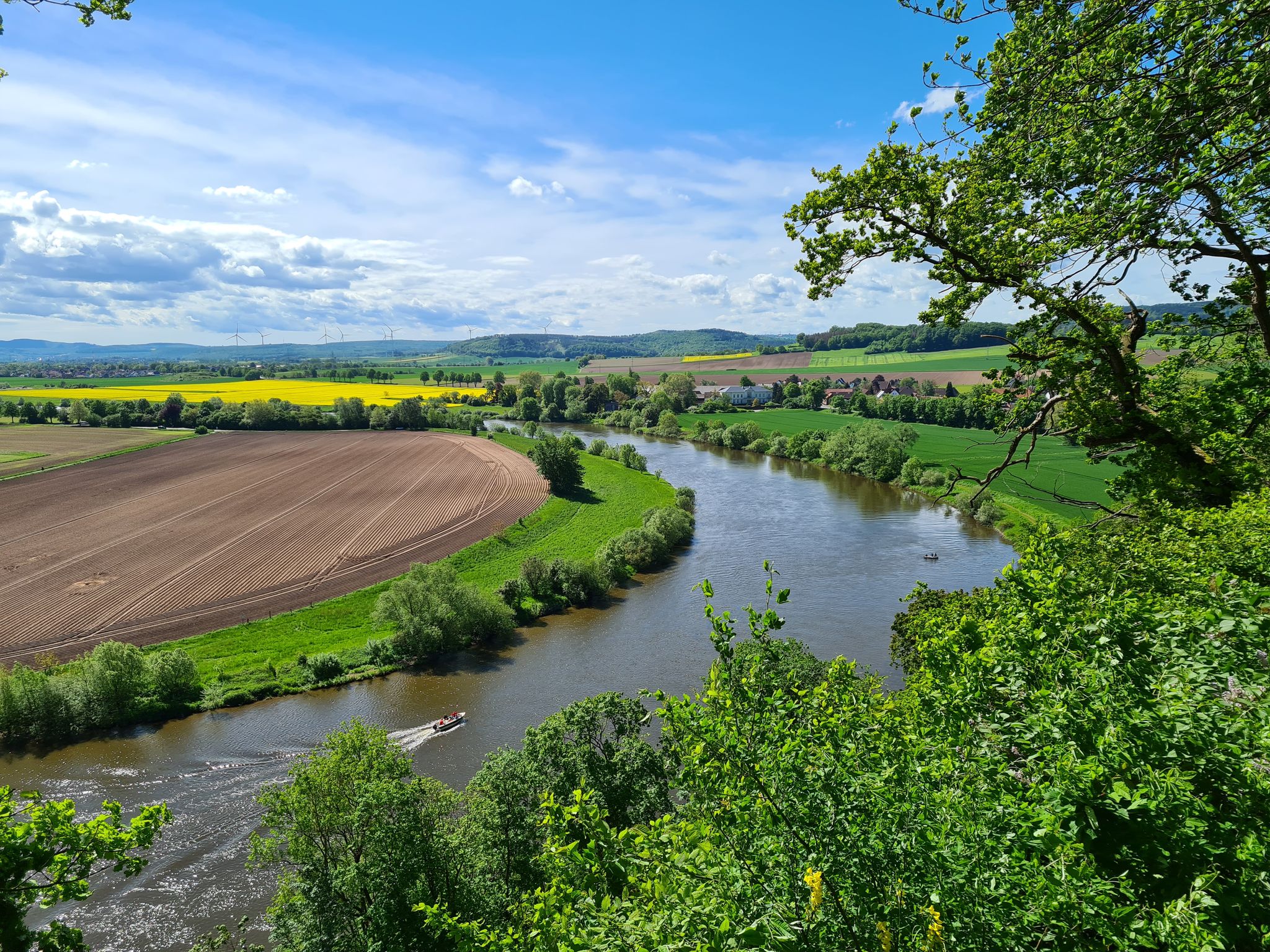
Loccum-Volkenroda pilgrim's way – From monastery to monastery
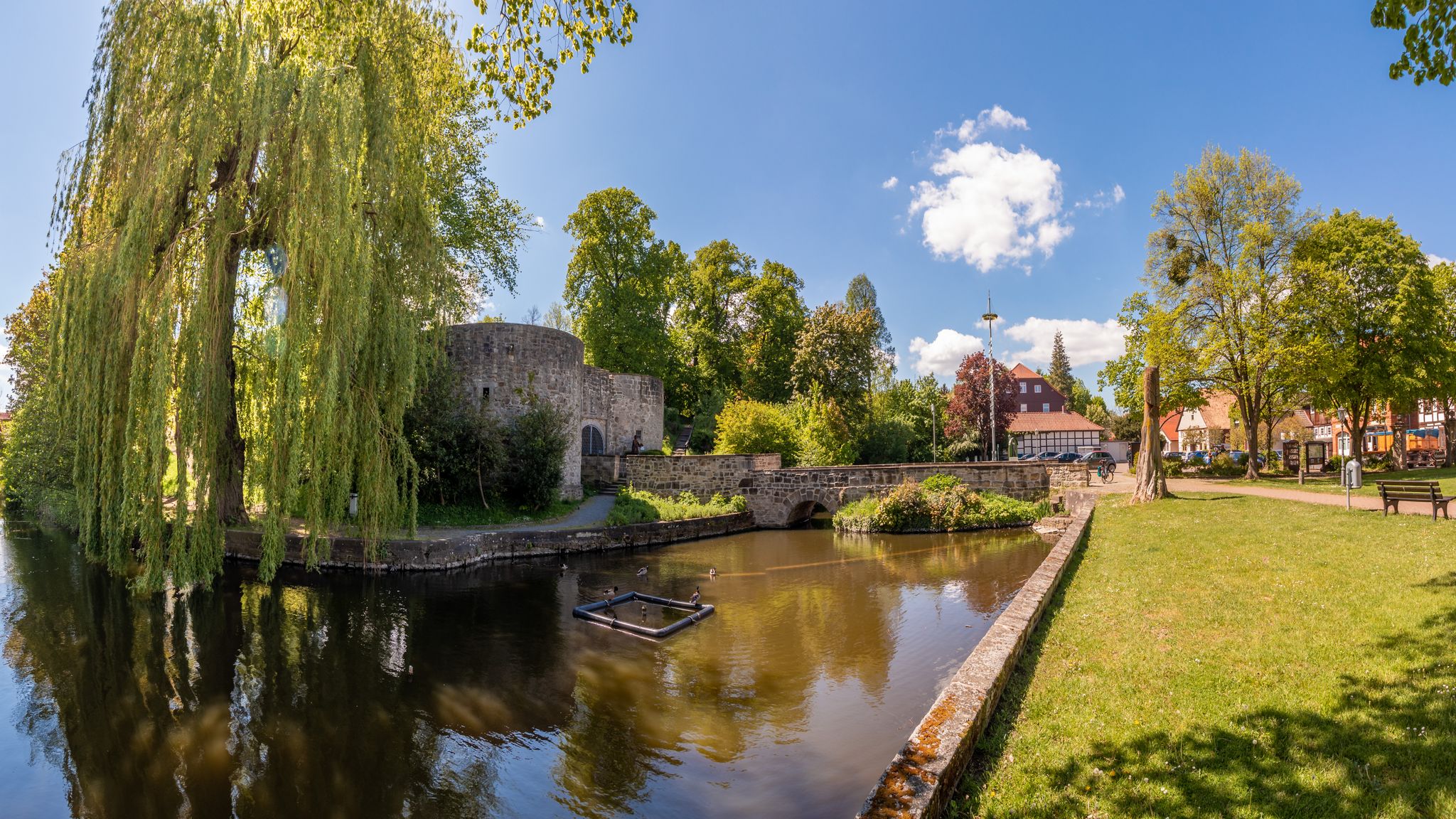
Berlin-Hameln Cycle Route – From West to East
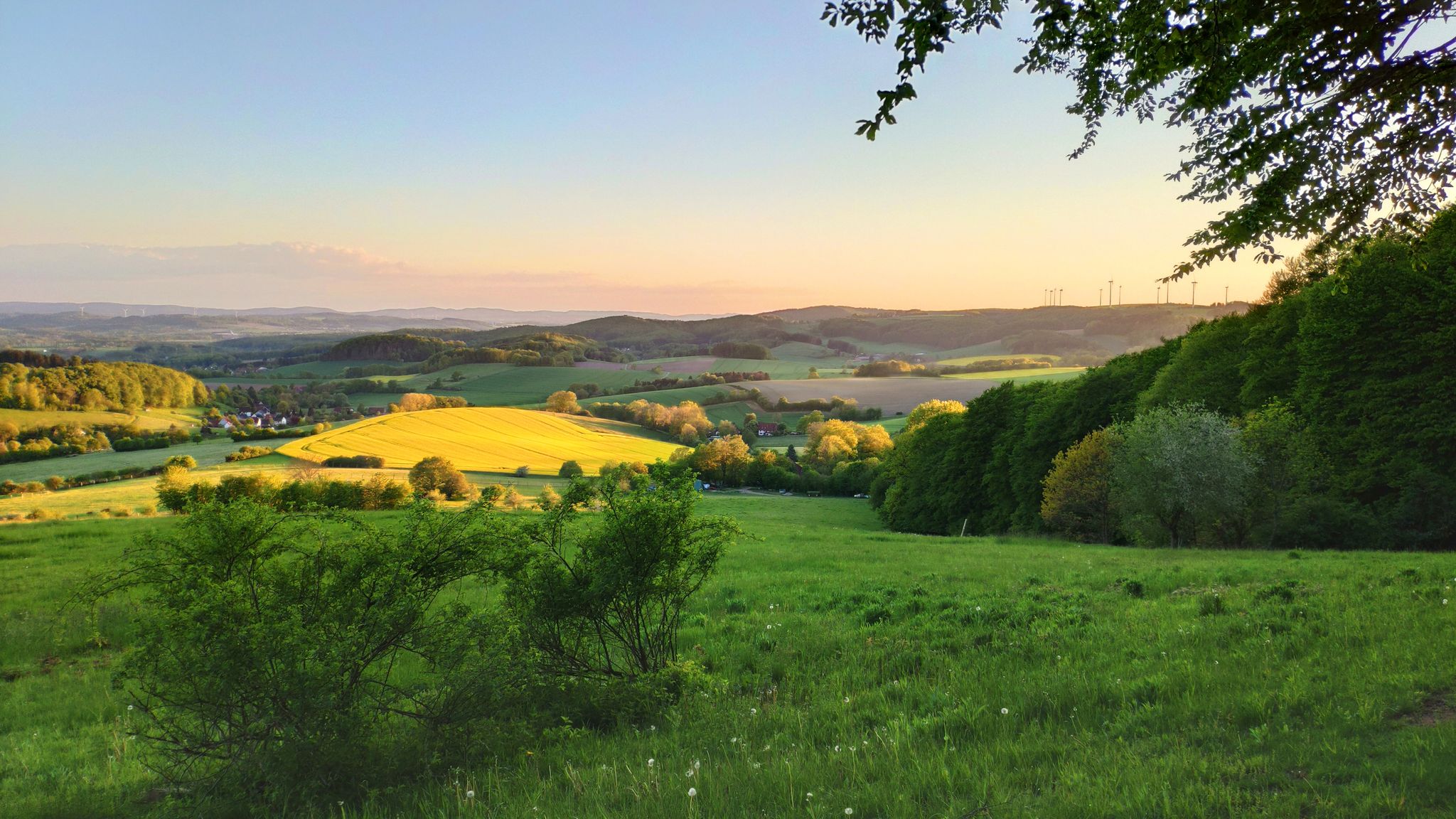
Hansa Trail in 6 stages – Hills and fun in Germany's Lipper Bergland
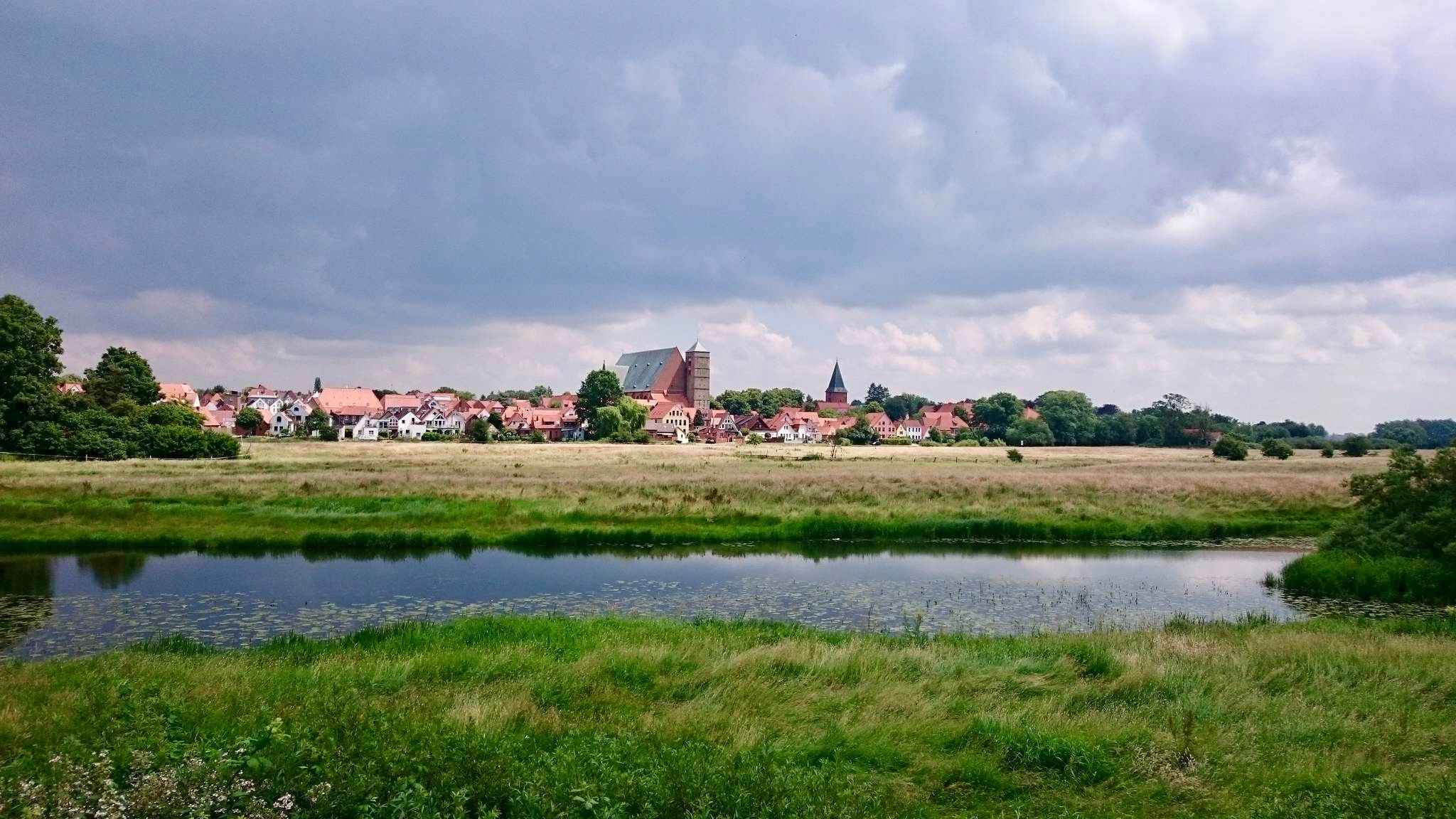
The Weser Cycle Path
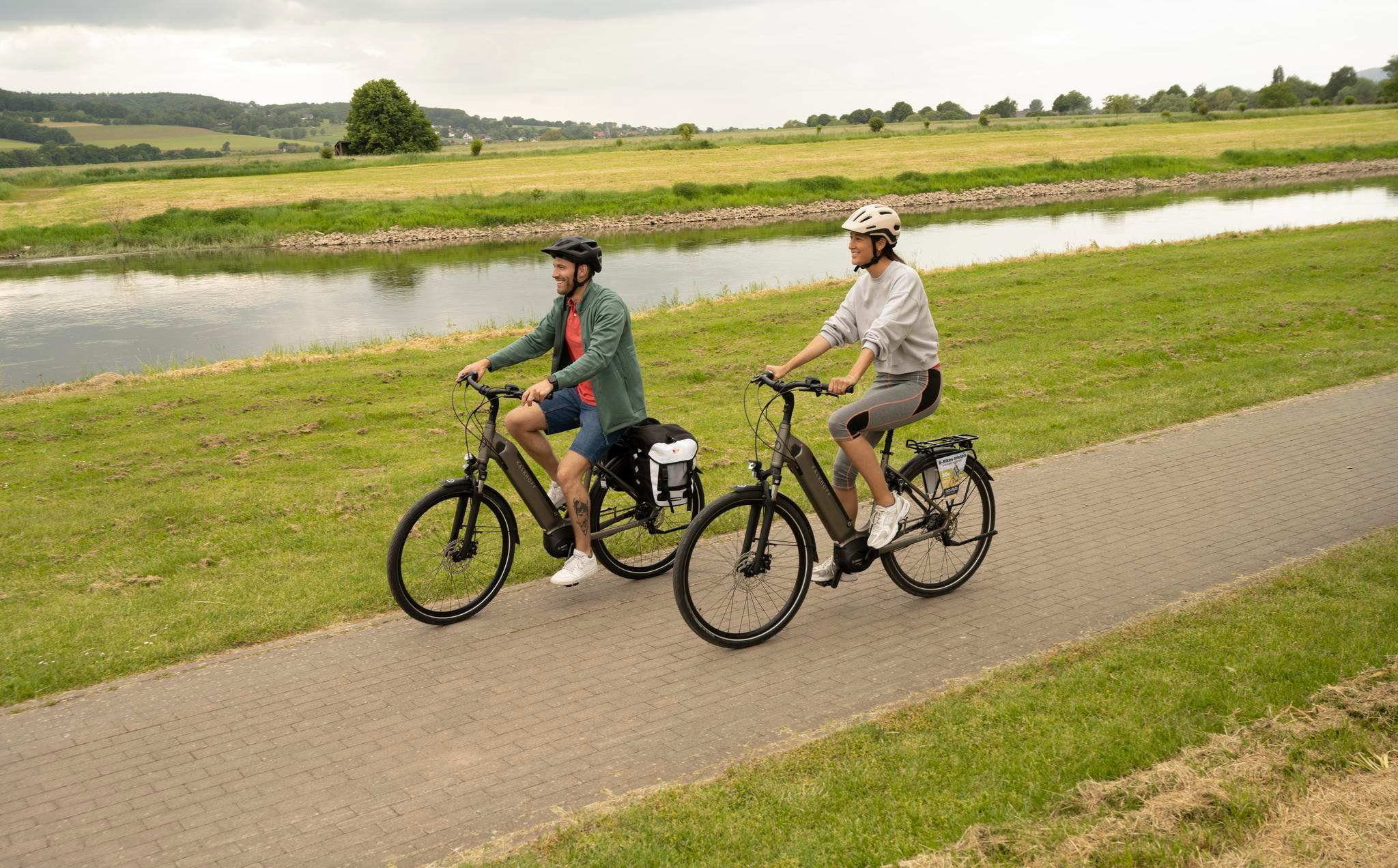
Relaxed rides in the Weser Uplands – E-bike routes with spectacular views
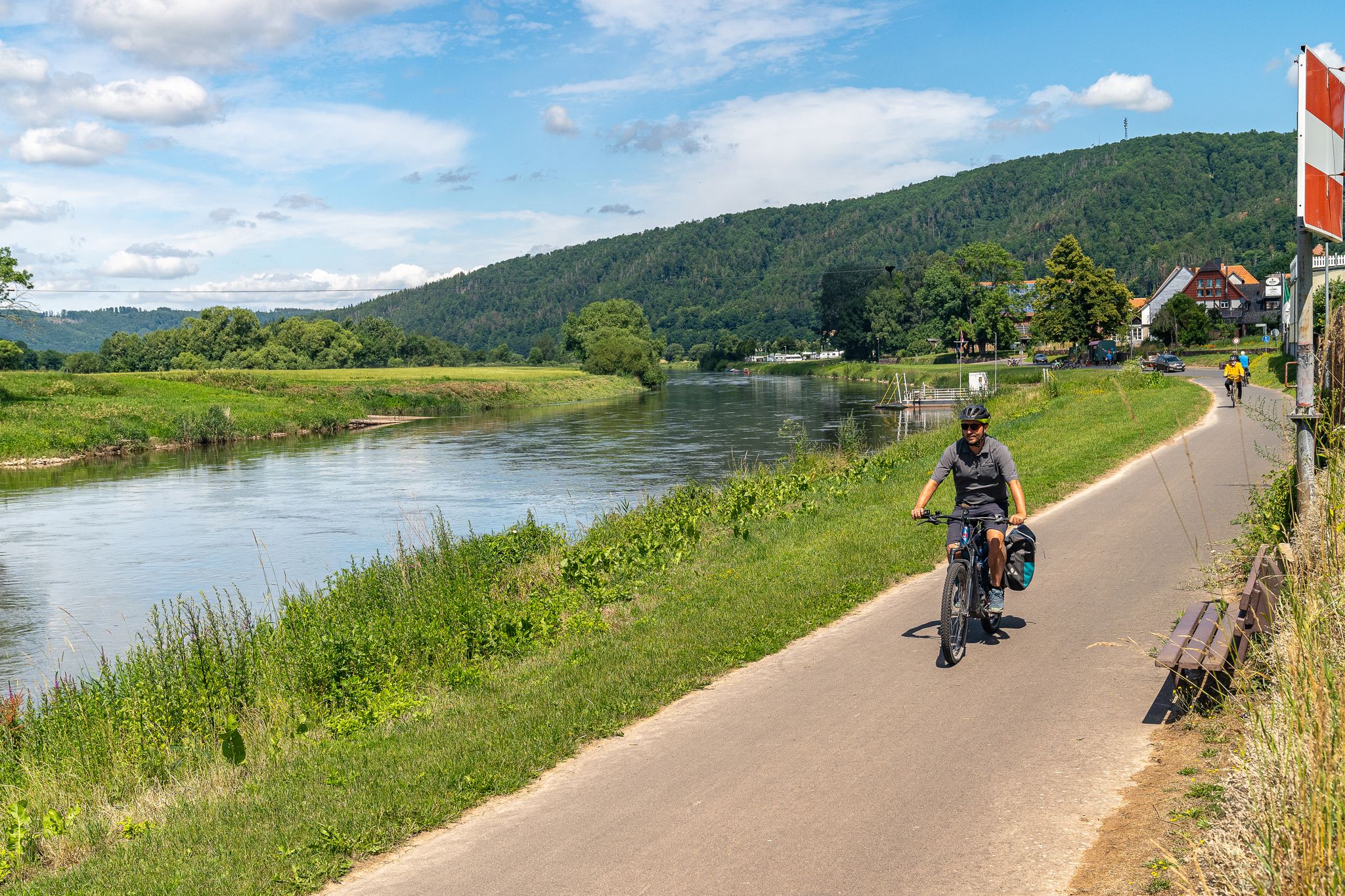
Freedom and pure cycling pleasure – Bike & Camp in the Weser Uplands
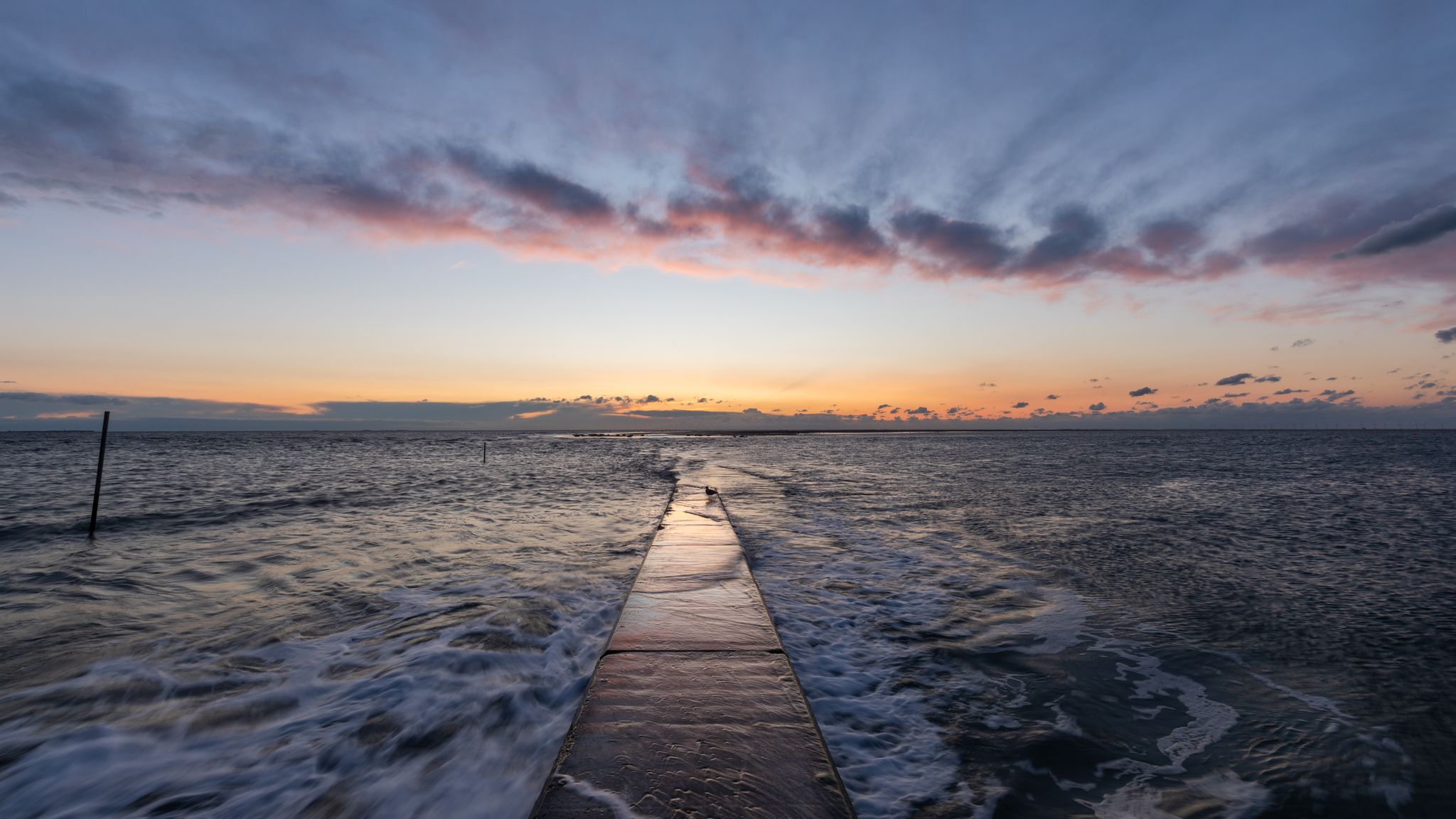
The National Natural Landscapes in Niedersachsen
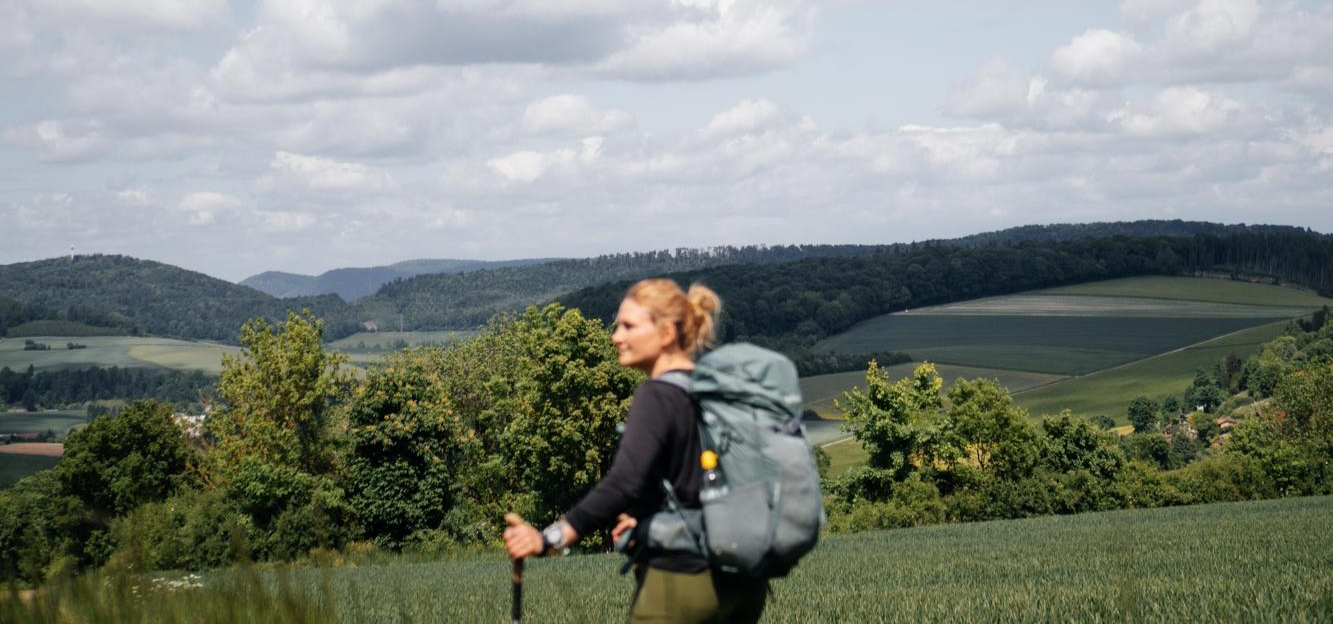
Ith-Hils-Weg with Fräulein Draußen
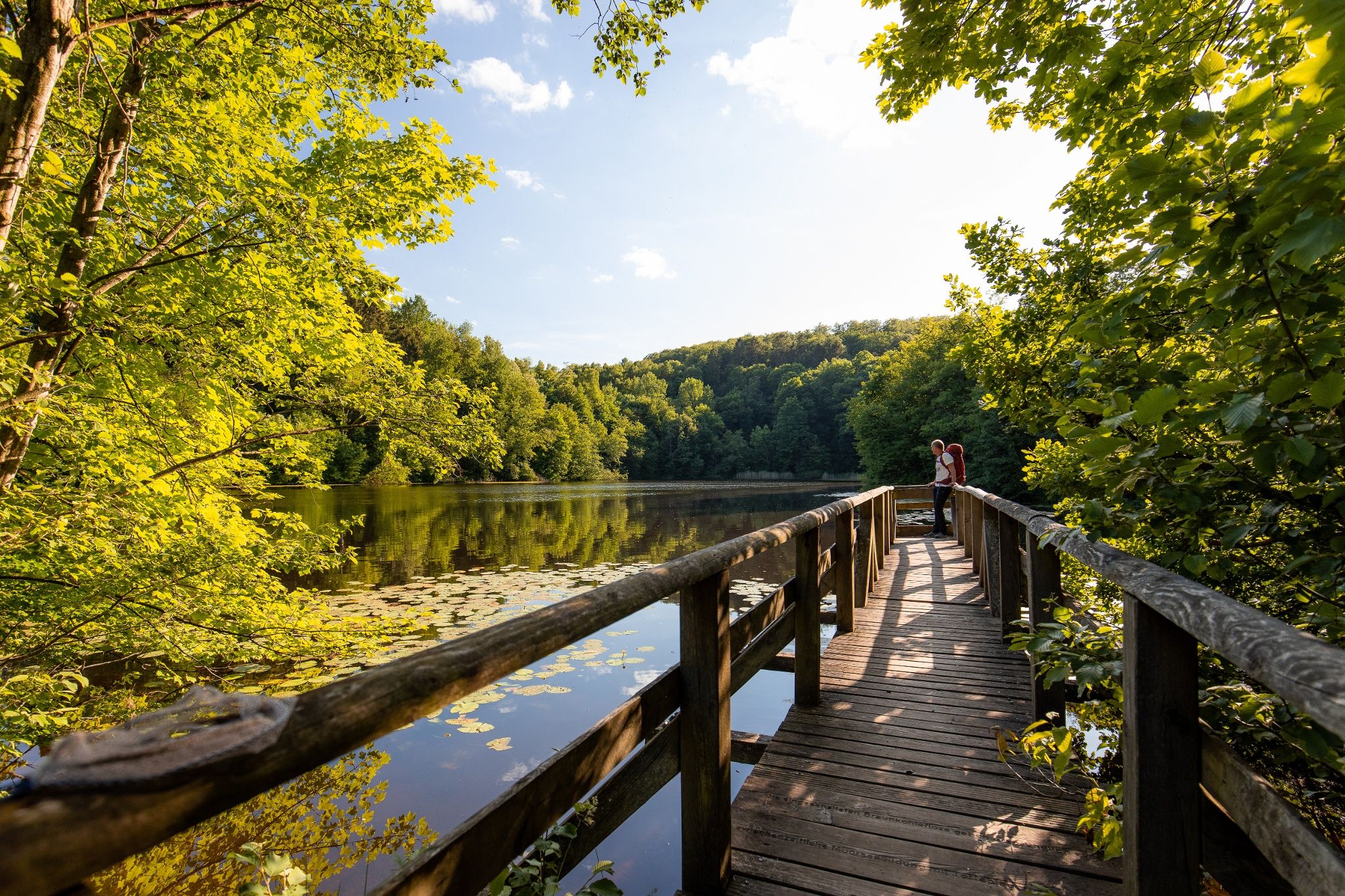
Time in the countryside – recharge your batteries in the Weserbergland

Nature, culture & cycling fun – top 10 Tours in the Weser Uplands
Other adventures in Hameln-Pyrmont


Tips from the Community

The Süntel Tower is temporarily closed. It may reopen on April 1st, 2026.
2
0

Good footwear and sure-footedness are required, especially when it is damp... But the journey is worth it.
3
0

A nice little highlight if you take the ferry across.😃
7
0

very useful and cheap, who wants to swim to the other side with their bike?
7
0

Small ferry across the Weser, the ferryman is an original and completely relaxed
7
0
Nice climb to the tower, great mountain training
9
0

A wooden lookout tower was first opened on the Hohe Egge in 1882 – the Augusta Tower. In 1899, after this tower had become dilapidated, work began on the construction of today's Süntelturm made of sandstone. The cornerstone was laid on September 24, 1899; Among others, the heath poet Hermann Löns was present. The construction costs were 7,000 marks. The tower was inaugurated on May 17, 1901. In 1910 the tower got a massive sandstone extension, in which there was a small kitchen, a counter and a guest room. In 1912 the tower received a telephone connection. In 1951, on the 50th anniversary of the tower, all damage caused by age and the effects of the war was repaired. In 1977 the tower was scaffolded to seal joints and cracks in the masonry. In 1985/86 the management was endangered because there were no connections for water, sewage and electricity. The district of Hamelin-Pyrmont and the cities of Hamelin, Bad Münder and Hessisch Oldendorf formed a financing community and began building electricity, water and sewage pipes as well as a sanitary area. The renovated restaurant was inaugurated in 1988. In the same year, the tower and restaurant became the responsibility of the town of Bad Münder. The tower was last renovated in 2010. In 2012, the ascent to the tower was blocked due to the risk of the stairs collapsing. The refurbishment of the staircase was completed in July 2012. The hiking restaurant remained open during this time. Source: https://de.wikipedia.org/wiki/S%C3%BCntelturm
9
0
It was the year 1284. As every year, there had been a series of festive days with boisterous activity in Hamelin around St. John's Day. Moving out and moving, especially of young people and children, were the order of the day. In the darkness, the St. John's fires blazed up on the heights of the surrounding mountains. Stimulated by the festivities of the preceding St. John's Day, a large group of children made their way to Ith, just under two miles away, on June 26th in the most beautiful summer weather. Massive and rugged, the massif of the Fahnenstein juts out into the plain on the northern Ith. According to ancient custom, a midsummer bonfire was burned at its height every year, and the youth of Hamelin wanted to be there. With happy playing and singing, we left Hamelin's Easter Gate. A minstrel, a piper, led the long procession of 130 children. The Cobbenberg, as this Ithhöhe is called in the oldest documents, was reached in good time towards evening. At the foot of the Fahnenstein, halfway up the Cobbenberg, lies the eerie devil's kitchen, a formerly swampy rock basin in the middle of steep cliffs. Tradition has it that this place was an old Germanic place of worship and sacrifice. The devil's kitchen at the foot of the flag stone now particularly attracted the leader of the children. Like all members of his guild, he was still excluded from the church and therefore stuck to the old beliefs. The devil's kitchen was dangerous terrain, due to the swamp basin and the steep cliffs from which large blocks had detached over time and today have completely filled the swamp hole. Mysterious mists rose from the bottom, will-o'-the-wisps floated to and fro. As dusk fell, the children feared spooks and ghosts. As if by magic, they pressed forward. As the foremost sank into the swamp, panic set in, and instead of realizing the danger and turning back, those who stayed behind became utterly shy. Partly driven by superstitions, partly in an effort to save their comrades, they pressed forward and thus to perdition. So the sump of the devil's kitchen on the slope of the Cobbenberg, just under two miles east of Hamelin, became the grave of the 130 Hamelin children. https://www.mystic-culture.de/kultplatz/ith/teufelskueche/rattenfaengersage.html
9
1
Frequently Asked Questions
What natural features and scenic viewpoints can I explore in Hameln-Pyrmont?
The region offers diverse natural beauty. You can visit the Hohenstein Cliffs and Scenic Viewpoint in the Süntel mountains, popular for climbing and hiking, or the Green Altar Viewpoint for stunning vistas. The Nordmannsturm and forest restaurant and the Süntel Tower also provide panoramic views. Don't miss the unique Devil's Kitchen Gorge with its steep cliffs and rock formations, or the Spelunkenturm Observation Tower for another great perspective.
What historical sites and cultural landmarks should I visit in Hameln-Pyrmont?
The historic Hameln Old Town is a must-see, with its well-preserved half-timbered houses and Weser Renaissance architecture, including the Hochzeitshaus and the iconic Pied Piper's House. Other significant sites include the magnificent Weser Renaissance castle, Schloss Hämelschenburg, and the Dutch Windmill Tündern, built in 1883. The Hameln Museum offers insights into local history and folklore.
Are there opportunities for hiking and cycling near the attractions?
Absolutely! The Hameln-Pyrmont region is excellent for outdoor activities. You can find numerous trails for various sports. For mountain biking, explore routes like the 'Raketentrail Trailhead – Ridge Trail to Nienstedter Pass loop' or the 'Weser Bridge – Tündern Windmill loop'. Gravel biking enthusiasts can enjoy routes such as 'Rinteln’s Historic Old Town – Auenlandschaft Hohenrode loop'. For running, popular options include the 'Sunset View of the Weser River loop' or the 'View over Hamelin from the Klüt – Klüt Tower loop'. You can find more details on these and other routes in the MTB Trails in Hameln-Pyrmont, Gravel biking in Hameln-Pyrmont, and Running Trails in Hameln-Pyrmont guides.
What are some family-friendly attractions in the Hameln-Pyrmont region?
Families have plenty of options! Popular choices include Rasti-Land amusement park, the Bad Pyrmont Zoo, and Kids Dinoworld, an indoor play area. The Dinopark in Münchehagen features life-sized dinosaur figures and fossilized footprints. Many historical sites, like Hameln Old Town and the Großenwieden Cable Ferry, are also considered family-friendly.
Can I learn about the Pied Piper legend in Hameln?
Yes, the Pied Piper legend is central to Hameln's identity. You can visit the iconic Pied Piper's House (Rattenfängerhaus) in the Old Town, see the Pied Piper Statue with Children (Rattenfängerstatue) in Rathausplatz, and even experience the famous Pied Piper open-air play and musical, which captivates audiences from May to September.
Where can I find unique geological formations in the area?
For unique geological formations, head to the Adam and Eve Rock Formations near Coppenbrügge. Another fascinating site is the Schillat Cave in Hessisch Oldendorf, which is the largest dripstone cave in North Germany, offering a cool and damp experience year-round.
Are there any impressive castles or stately homes to see?
The region is home to several impressive castles. Don't miss Schloss Hämelschenburg, a magnificent Weser Renaissance castle. Other notable castles include Bad Pyrmont Castle (which houses a museum), Schloss Bückeburg with its extensive park, Schloss Corvey (a UNESCO World Cultural Heritage site), Schloss Fürstenberg (known for its porcelain manufacturers), Marienburg Schloss, and Schloss Bevern.
What do visitors enjoy most about the Hameln-Pyrmont attractions?
Visitors frequently praise the stunning views from elevated points like the Hohenstein Cliffs and the Süntel Tower, especially during good weather. The varied hiking and climbing opportunities, particularly in areas like the Ith mountains and the Süntel, are also highly appreciated. Many enjoy the historical charm of Hameln Old Town and the unique natural experiences like the Devil's Kitchen Gorge.
Are there any wheelchair-accessible attractions?
Yes, the Großenwieden Cable Ferry is noted as being wheelchair accessible, offering a unique experience on the Weser River.
What is the best time of year to visit Hameln-Pyrmont?
The region is enjoyable year-round, but the best time often depends on your interests. Spring and autumn offer pleasant temperatures for hiking and cycling, with beautiful foliage in autumn. Summer is ideal for enjoying outdoor activities, river cruises on the Weser, and the Pied Piper open-air play. Winter can be charming for exploring the historic towns and enjoying cozy cafes, though some outdoor attractions might have reduced hours or accessibility.
Can I find places for relaxation and wellness in the region?
Yes, the region is known for its spa towns. The Ith Sole Therme in Salzhemmendorf and the Hufeland Therme in Bad Pyrmont offer spa treatments and thermal baths for relaxation and wellness. The Bad Pyrmont Kurpark is also notable for its extensive palm garden, considered Europe's largest open-air palm facility north of the Alps.
Most popular routes in Hameln-Pyrmont
Most popular attractions in Hameln-Pyrmont

Get inspired with the komoot mobile app


Didn’t find what you were looking for?
Are you keen on exploring more awesome places nearby? Browse our guides:
Explore more
Still not found the Highlight you’re looking for? See guides of the top attractions in other regions:
