Top 14 Castles in the Bezirk Salzburg-Umgebung
Castles in the Bezirk Salzburg-Umgebung, also known as Flachgau, offer diverse historical and architectural insights in the region surrounding Salzburg city. This area features varied landscapes, from the shores of Lake Fuschl to mountain foothills like the Untersberg. Visitors can explore a range of sites, including medieval fortifications, baroque palaces, and romantic water castles. The region's rich history is reflected in its numerous historical sites and natural features.
Best castles in the Bezirk Salzburg-Umgebung
- The most popular castles is View…
Last updated: October 10, 2026
View of Schloss Fuschl on Lake Fuschl
Highlight • Viewpoint
Translated by Google •
Tip by

Wartenfels Ruins
Highlight • Castle
Translated by Google •
Tip by

Sign up now to discover places like this
Get recommendations on the best single tracks, peaks, & plenty of other exciting outdoor places.
Glanegg Manor
Highlight • Historical Site
Translated by Google •
Tip by

Glanegg Castle at the foot of the Untersberg
Highlight • Castle
Translated by Google •
Tip by

Ruins of Plainburg Castle
Highlight • Castle
Translated by Google •
Tip by

Hüttenstein Castle
Highlight • Castle
Translated by Google •
Tip by

Söllheim Palace and St. Anthony's Chapel
Highlight • Historical Site
Translated by Google •
Tip by

Seeburg Castle
Highlight • Castle
Translated by Google •
Tip by
View of Mattsee Castle
Highlight • Viewpoint
Translated by Google •
Tip by

Lichtentann Castle Ruins
Highlight • Castle
Translated by Google •
Tip by

Sign up for free to discover even more castles in the Bezirk Salzburg-Umgebung.
Already have an account?
Start today with a free account
Your next adventure awaits.
Popular around Bezirk Salzburg-Umgebung
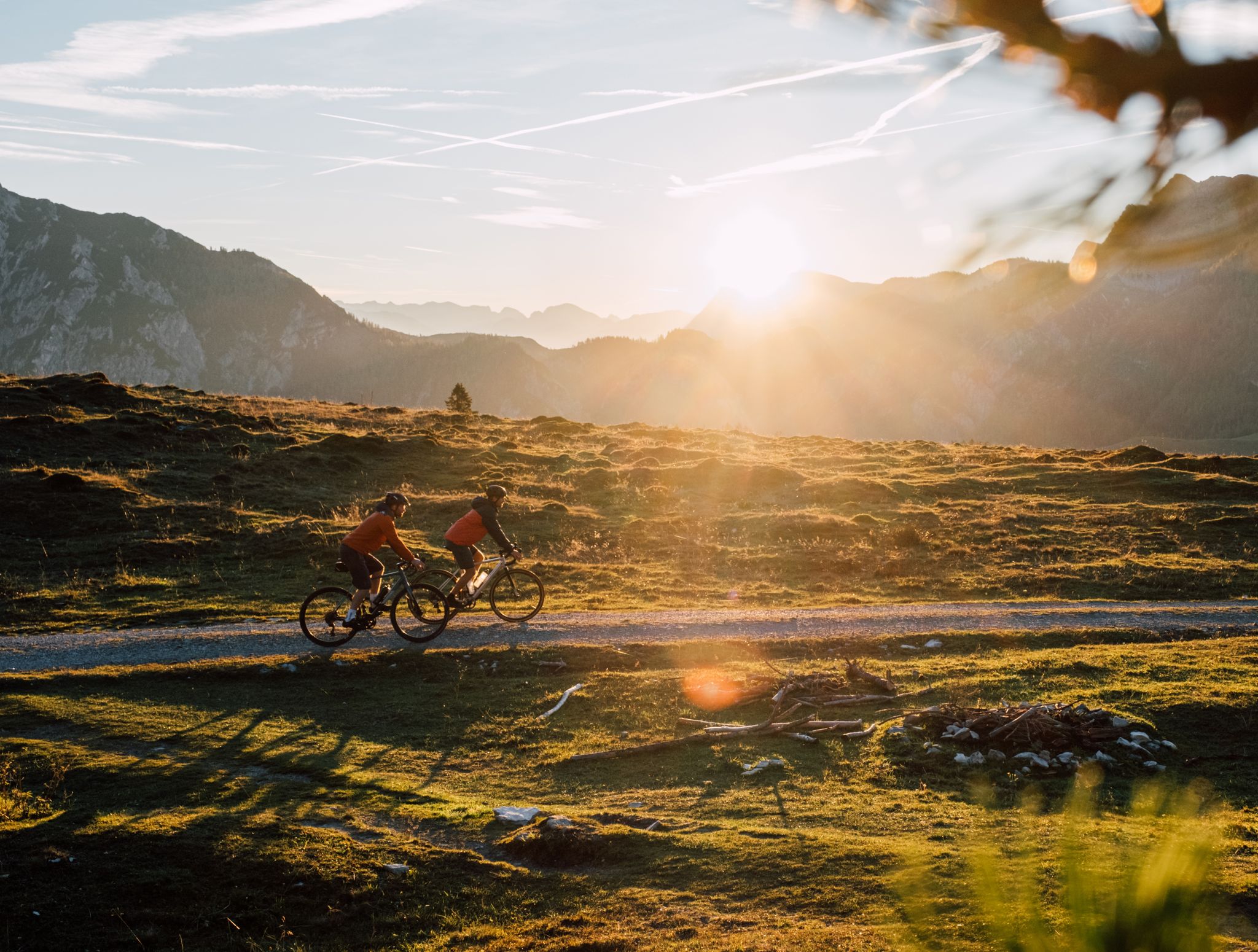
Beyond the pavement – explore Austria's wild nature on a gravel bike
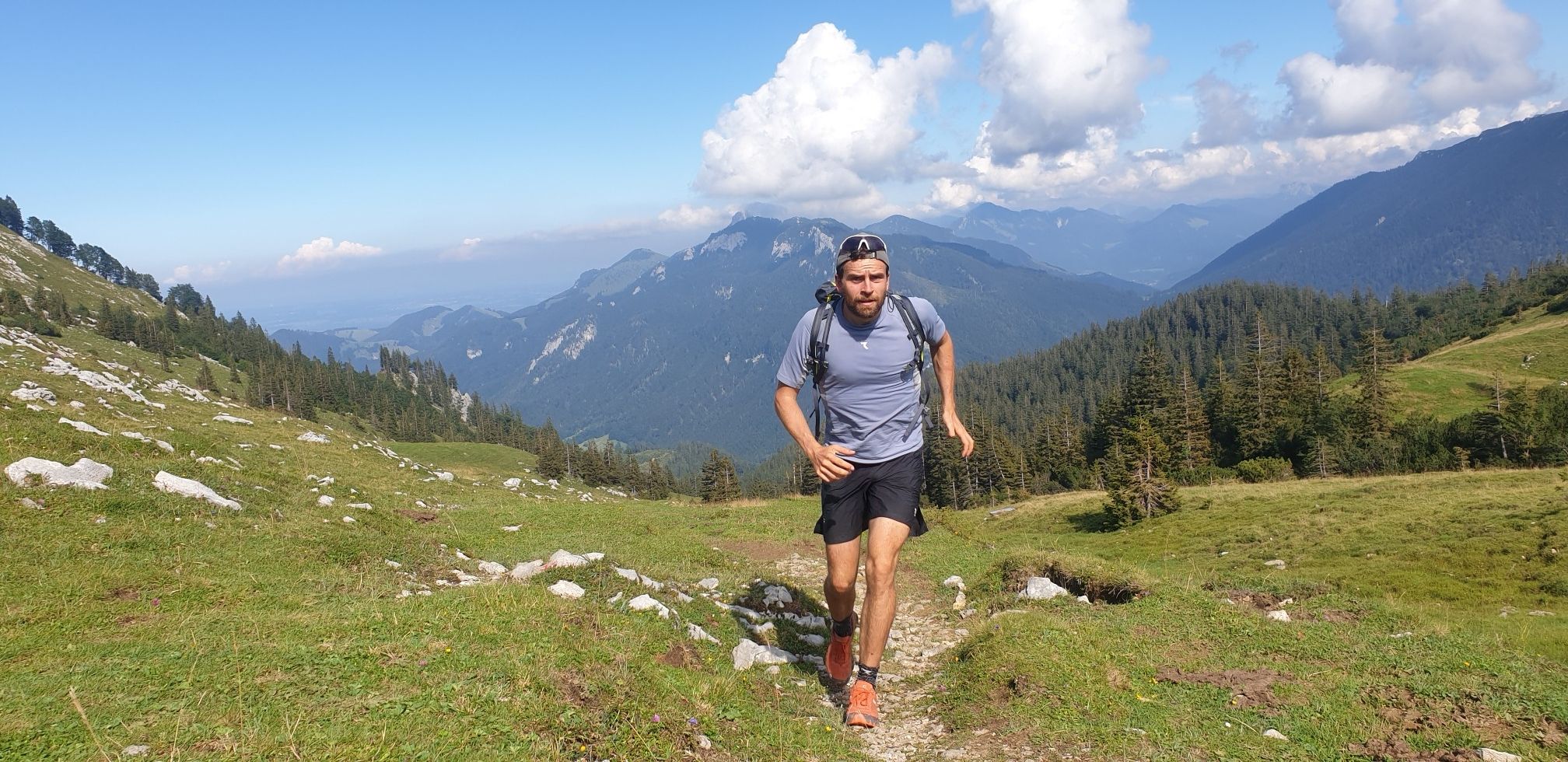
Triathlon around Germany
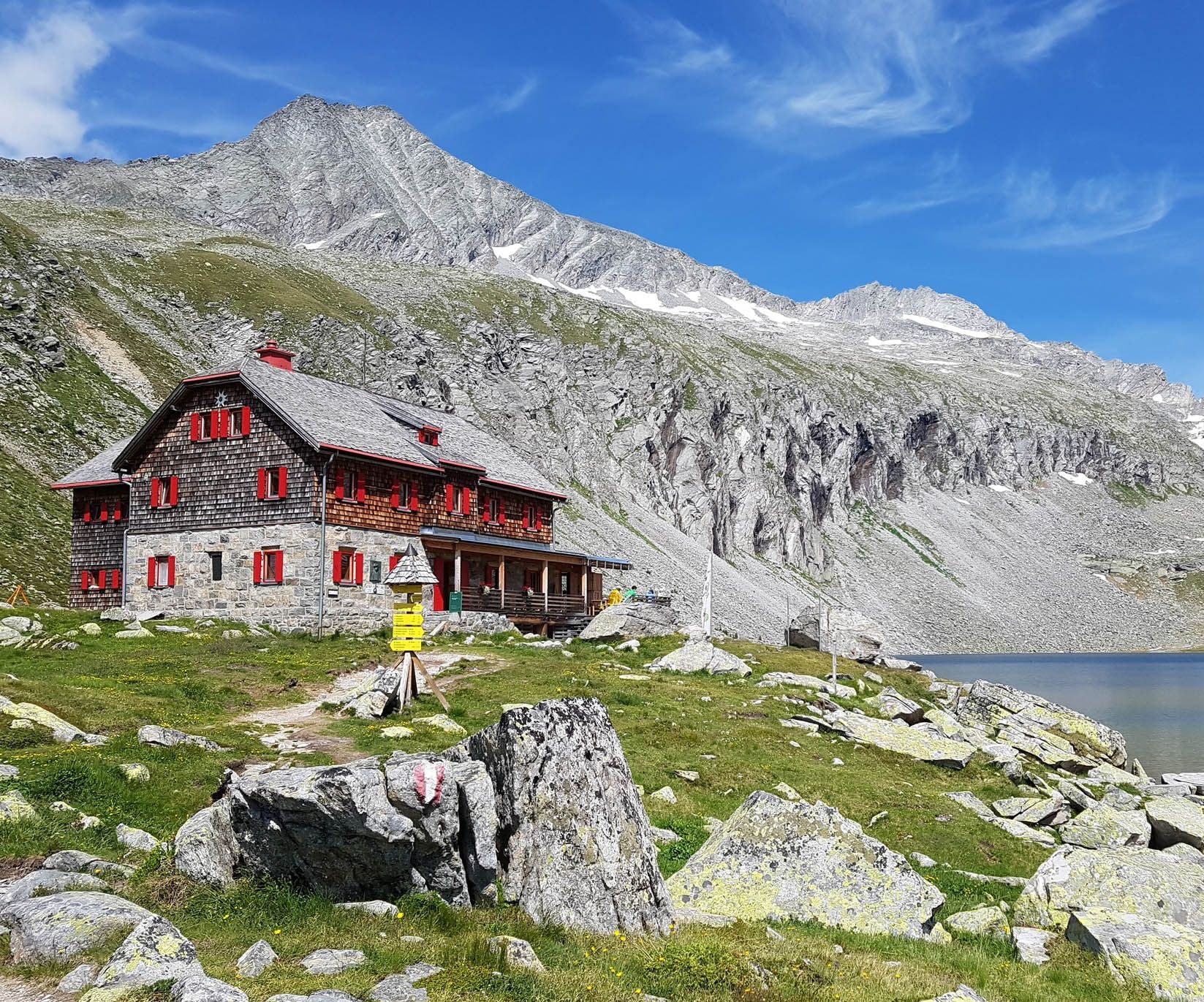
Ruperti Trail – Hike from Austria's Bohemian Forest to the Carnic Alps
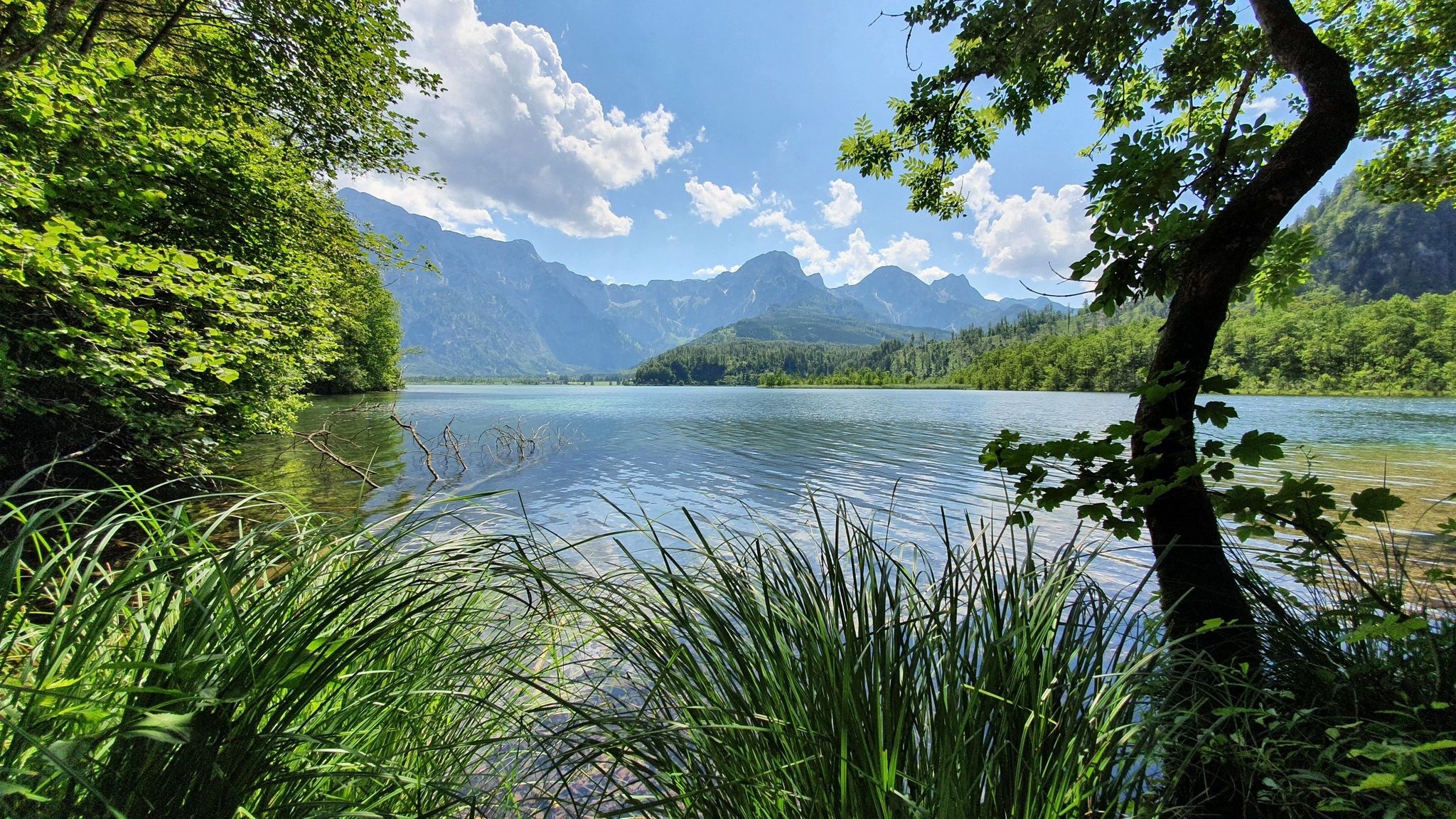
Voralpenweg 04 – From Vienna to Bad Reichenhall
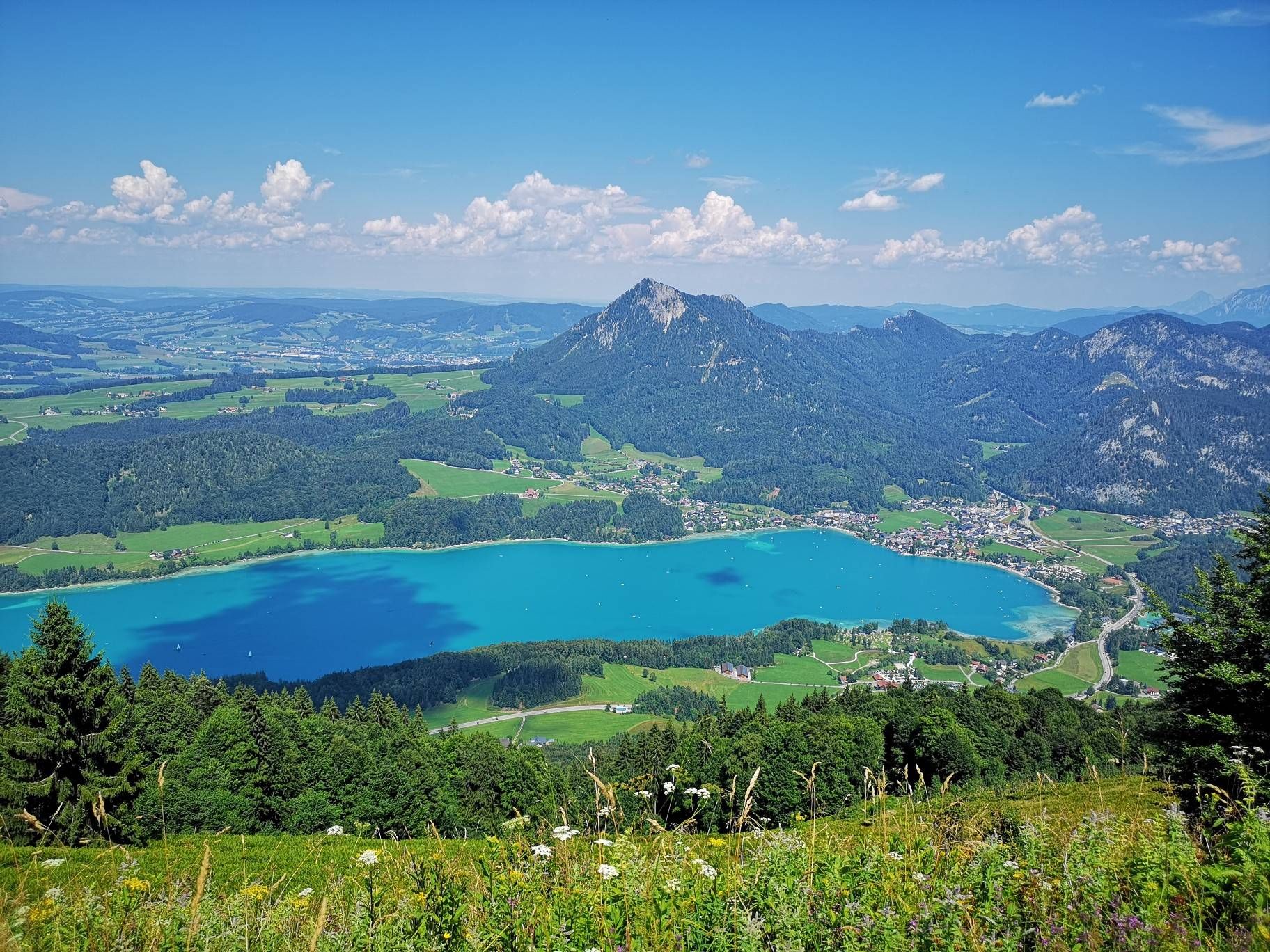
BergeSeen Trail – Long distance hiking in Austria's Salzkammergut with mountains and lakes galore
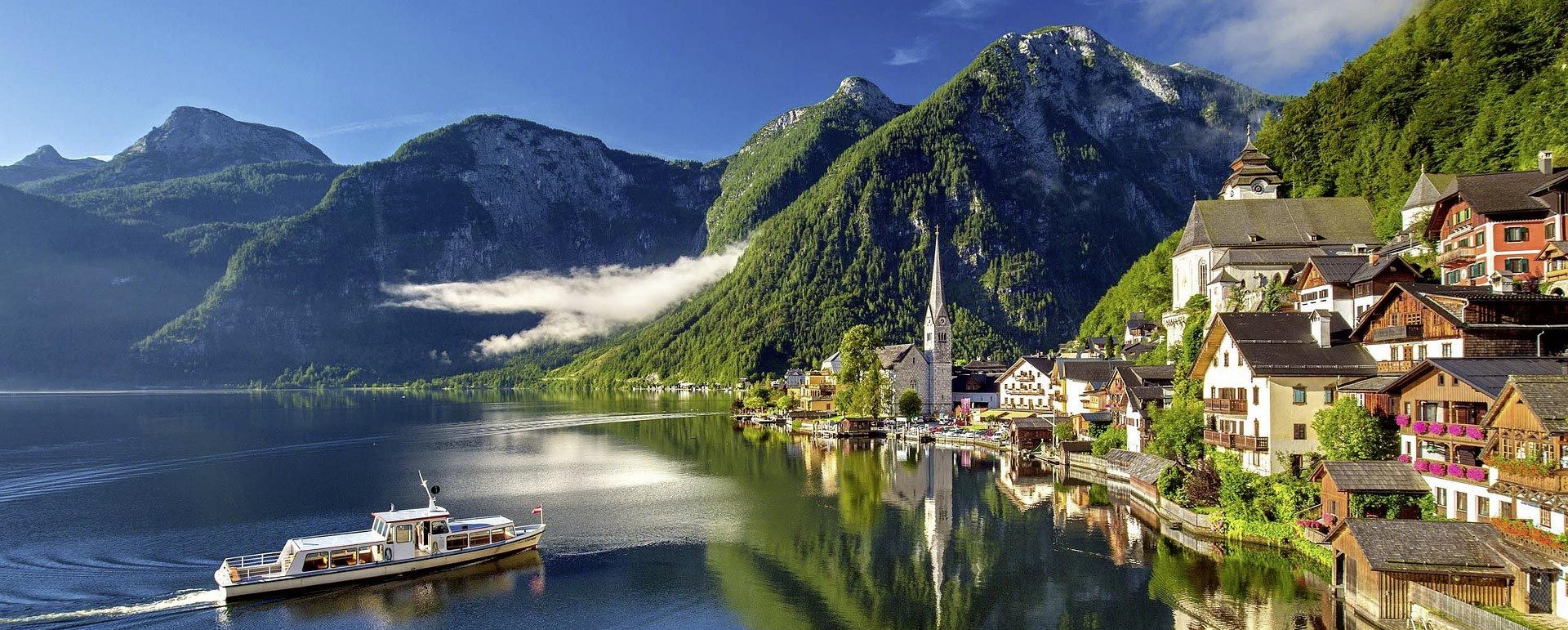
Cycling like a Kaiser – From lake to lake in Austria's Salzkammergut
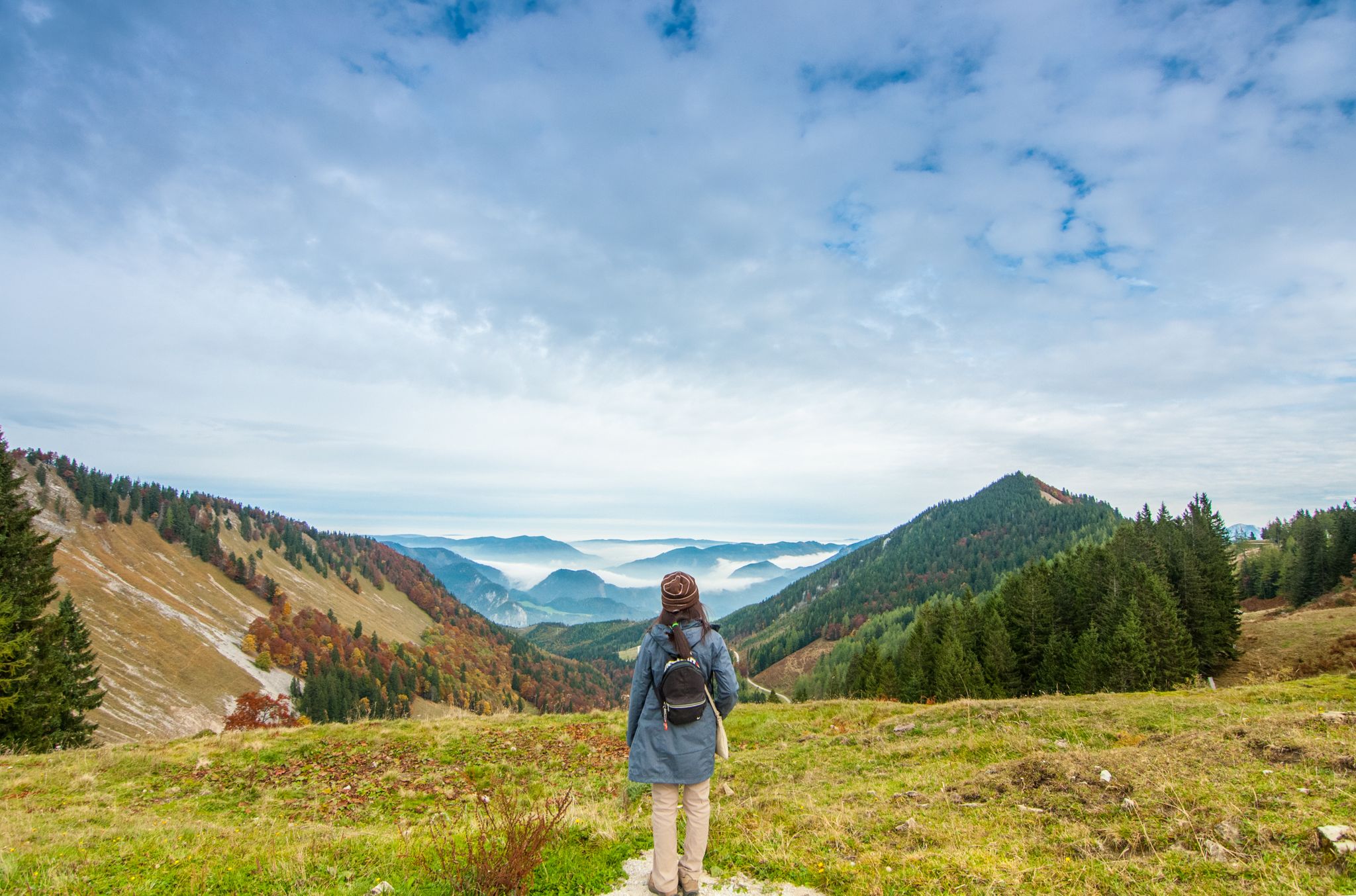
The Arnoweg – a circular hike through the province of Salzburg
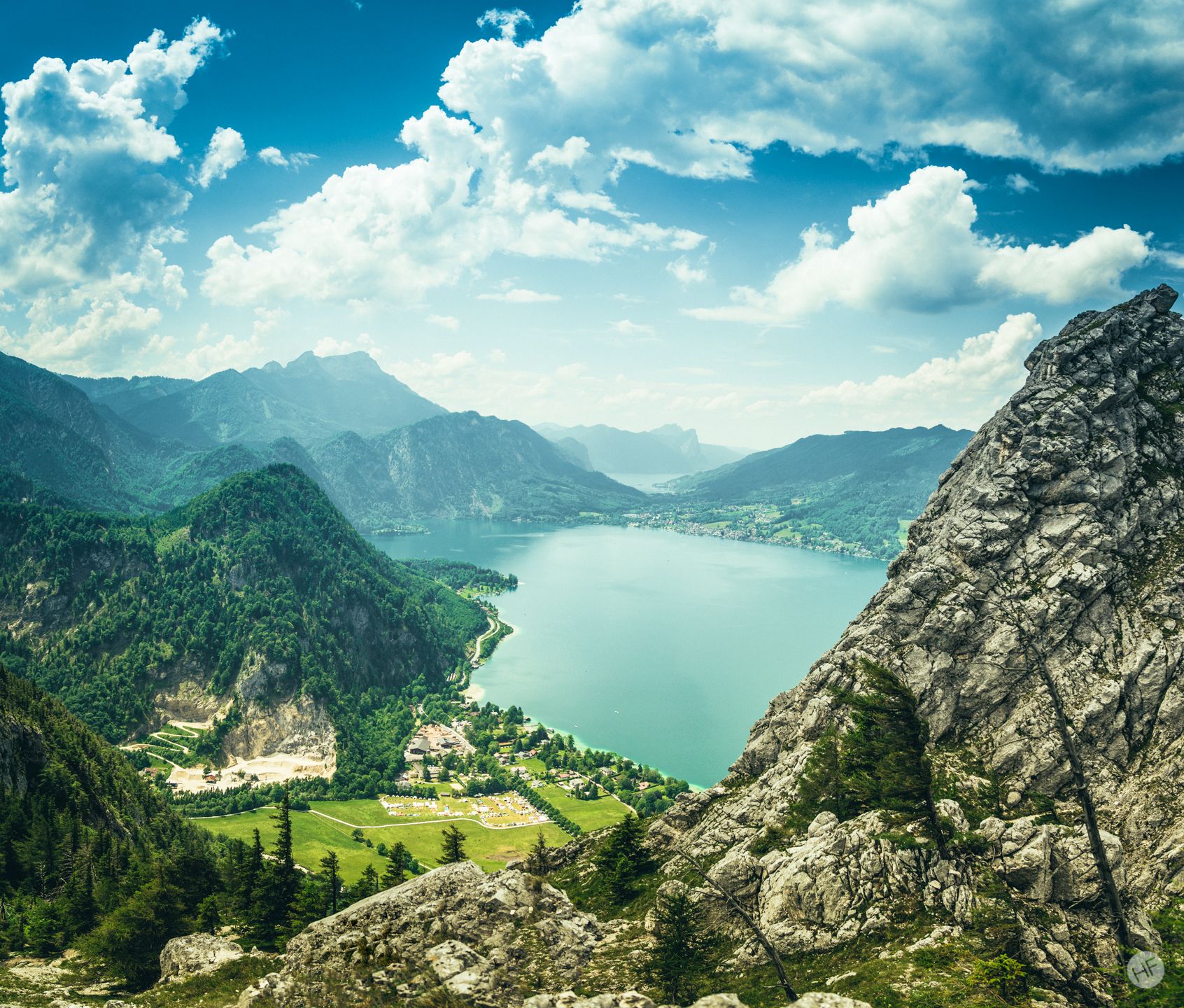
Around the Attersee – long-distance trails and the mountain hikes
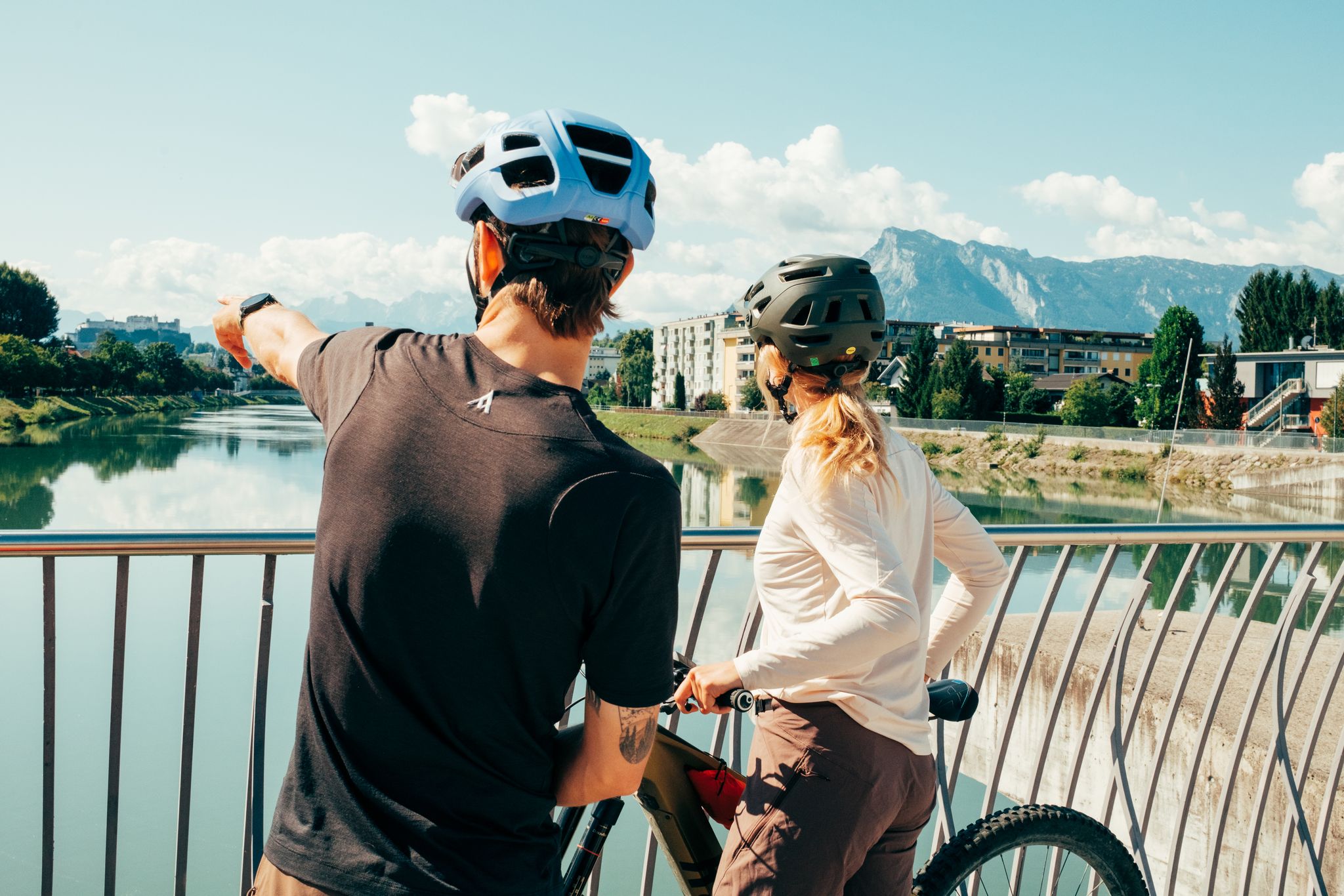
Salzburger Handwerk, Tradition und Natur
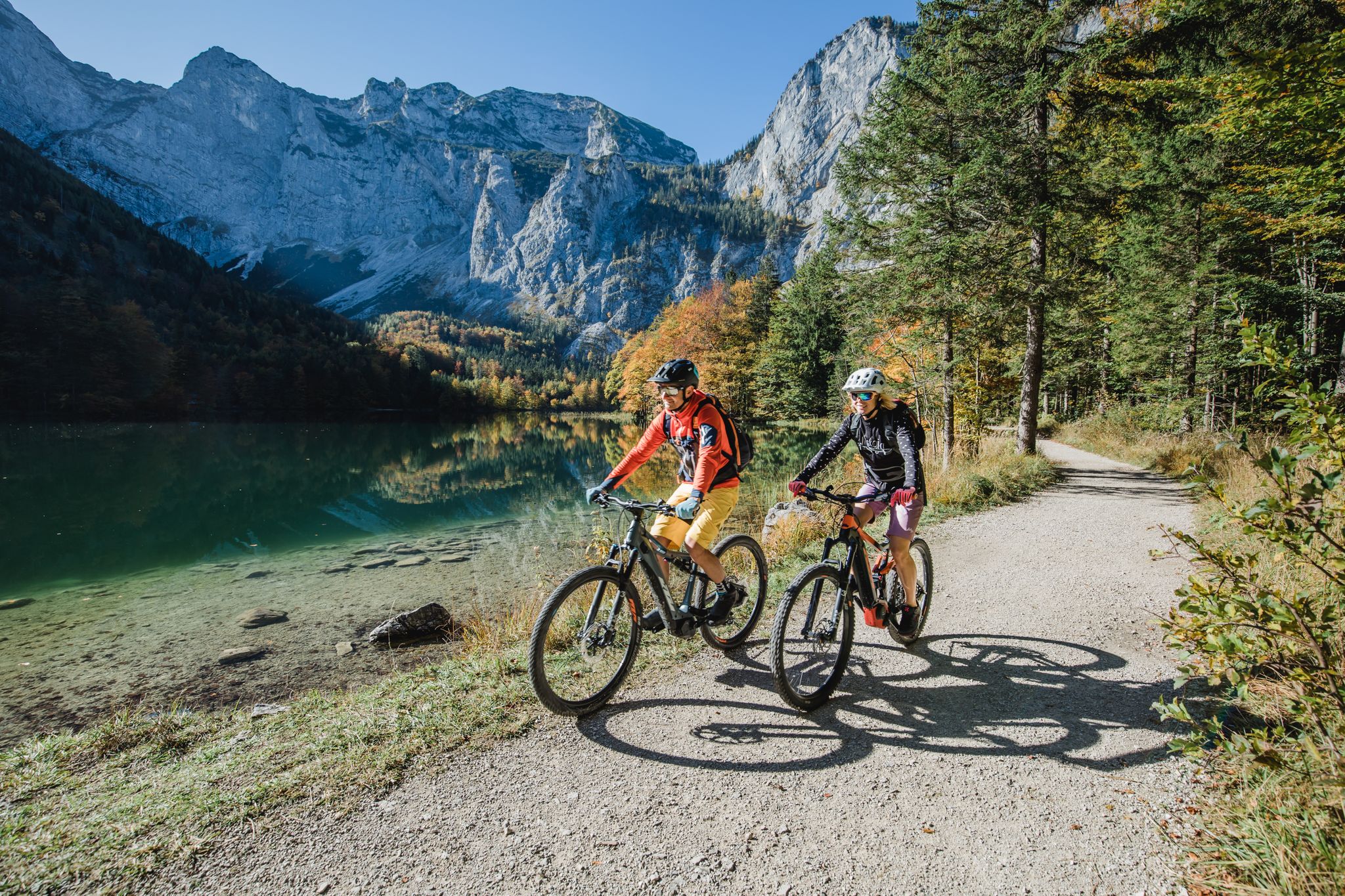
Between mountains and lakes – MTB in Salzkammergut
Other adventures in the Bezirk Salzburg-Umgebung


Tips from the Community

Still closed because passage and visit are apparently not desired by the owner. Currently, a cycle path is being built on the L237 from Glanegg to Fürstenberg around the estate. Status 06_2026
0
0


The castle's origins date back to a medieval fortress, first documented in 1323. Around 1565, it was converted into a court of law, but over time, its importance declined and it was already uninhabited by 1608. After the court's seat was relocated to St. Gilgen in 1703, the complex gradually fell into disrepair, and by 1811, large parts had been demolished or used as building material. In 1817, Field Marshal Carl Philipp von Wrede acquired the remains of the castle, and his son, Karl Theodor von Wrede, had a neo-Gothic palace built starting in 1843. Four octagonal towers, pointed arch windows, and a crenellated parapet were added, giving the current building its characteristic appearance. From 1880 onward, the castle changed hands several times, including Princess Franziska von Liechtenstein and later Demeter von Frank. Today, Hüttenstein Castle is owned by a private foundation and is not open to the public. The entire grounds, including the adjacent Krottensee lake, are used for private purposes. Visitors can only view the castle from the outside as part of cycling tours in the region.
0
0

Beautiful view of the lake and Mattsee itself
0
0

A detour to the ruins is definitely worth it. :)
2
0

The ruins of the hilltop castle are located at 736 m above sea level east of Henndorf near the ascent to the "Heimkehrerkreuz" and the Große Plaike (1031 m). The path is part of the "Eiszeitrundweg" (Ice Age circular path). The ruins are very hidden and cannot be seen from a distance. You will also only find information signs shortly before them. Note! Riding a bike is prohibited!!!
1
0

Unfortunately, access is blocked due to renovation work
0
0

Glanegg Castle is visible from afar
2
0
Frequently Asked Questions
Are there family-friendly castles to visit in the Bezirk Salzburg-Umgebung?
Yes, several castles in the region are suitable for families. The area around Schloss Fuschl offers beautiful lake views and is considered family-friendly. The Wartenfels Ruins provide an engaging historical site for exploration, and Hellbrunn Palace is also a popular family destination with its park and historical significance.
What kind of historical sites can I explore besides castles in the region?
Beyond the castles, the Bezirk Salzburg-Umgebung is rich in historical sites. You can visit the Wartenfels Ruins, which date back to 1259 and offer insights into medieval history. The Ruins of Plainburg Castle are among Austria's oldest, with mentions from the 12th century. Glanegg Manor, located below Glanegg Castle, also features historical architecture and a notable Rupertbrunnen.
What natural features or viewpoints can I find near the castles?
Many castles in the region are set amidst beautiful natural landscapes. Schloss Fuschl is famously located on Lake Fuschl, offering stunning lake and mountain views. The Wartenfels Ruins provide panoramic views of the surrounding landscape. Similarly, the Ruins of Plainburg Castle offer a viewing platform with wide vistas over the Gmainer Tal.
Are there hiking opportunities near the castles in Bezirk Salzburg-Umgebung?
Yes, the region offers various hiking opportunities. You can find easy hikes like the 'Gaisberger circular hiking trail' or the 'Bürgl Panoramaweg' which are great for exploring the natural surroundings. For more details on routes, you can check the Easy hikes in the Bezirk Salzburg-Umgebung guide.
Can I go cycling near the castles?
Absolutely. The Bezirk Salzburg-Umgebung is excellent for cycling. Routes like the 'Trumer-Seen-Runde' or the 'Wallersee loop' offer scenic rides through the area. For a comprehensive list of cycling tours, refer to the Cycling in the Bezirk Salzburg-Umgebung guide.
What is Schloss Fuschl known for?
Schloss Fuschl, a former 15th-century hunting lodge, is now a five-star luxury hotel located directly on Lake Fuschl. It's renowned for its picturesque setting, striking four-story castle tower, and a blend of historical ambiance with modern luxury. It also houses an extensive collection of 'old masters' artwork and has served as a backdrop for films like the Sisi movies.
Is Schloss Anif open to the public?
Schloss Anif is a privately owned neo-Gothic water palace and is generally not open for interior tours. However, its stunning exterior and beautiful park can be admired from the outside. Partial public access to the grounds might be granted on rare occasions, such as during Corpus Christi celebrations or evening tower brass performances.
What is the significance of the Wartenfels Ruins?
The Wartenfels Ruins date back to 1259 and have a rich history, changing hands multiple times before being burned down in peasant wars. Although abandoned since the late 16th century, restoration work in the 1980s made it possible to visit the ruins and enjoy views of the surrounding landscape. It's a significant example of medieval fortification in the region.
Are there any castles that are particularly good for photography?
Many castles offer excellent photographic opportunities. Schloss Fuschl on Lake Fuschl is a popular motif with its glittering turquoise waters and mountain backdrop. Schloss Anif, with its romantic neo-Gothic architecture shimmering in an artificial pond, is also a favorite spot for photographers, despite being privately owned.
What do visitors enjoy most about the castles in Bezirk Salzburg-Umgebung?
Visitors particularly appreciate the diverse historical and architectural insights offered by the castles, ranging from medieval fortifications to opulent palaces. The picturesque settings, often by lakes or with panoramic views, are highly valued. The blend of history with opportunities for outdoor activities like hiking and cycling also contributes to a memorable experience.
Are there any castles with unique architectural styles?
Yes, the region boasts diverse architectural styles. Schloss Anif is a notable example of romantic neo-Gothic architecture, reconstructed between 1838 and 1848, making it one of Austria's most significant castles of this style. Schloss Klessheim, on the other hand, is a prominent baroque palace, showcasing a different era of design.
Can I find accommodation or dining options near the castles?
Yes, especially near the more prominent castles. Schloss Fuschl itself operates as a five-star luxury hotel with multiple dining options, including the Schloss Restaurant and a Whisky Room. Other areas around popular castles often have cafes, restaurants, and accommodation options available in nearby towns and villages.
What is the best time of year to visit the castles in Bezirk Salzburg-Umgebung?
The best time to visit depends on your preferences. Spring and autumn offer pleasant weather for exploring the grounds and nearby hiking trails, with beautiful foliage in autumn. Summer provides warmer temperatures, ideal for enjoying the lake settings, though it can be busier. Some ruins, like the Ruins of Plainburg Castle, have their inner courtyard closed in winter, but the outer walls are accessible year-round.
Most popular routes in the Bezirk Salzburg-Umgebung
Most popular attractions in the Bezirk Salzburg-Umgebung

Get inspired with the komoot mobile app


Didn’t find what you were looking for?
Explore Bezirk Salzburg-Umgebung’s best castles region by region:
Explore more
Looking for the best castles somewhere else? Discover other guides in the Bezirk Salzburg-Umgebung:
