The best family-friendly hikes and walks in Mantingerzand
4.4
(4057)
23,131
hikers
16
hikes
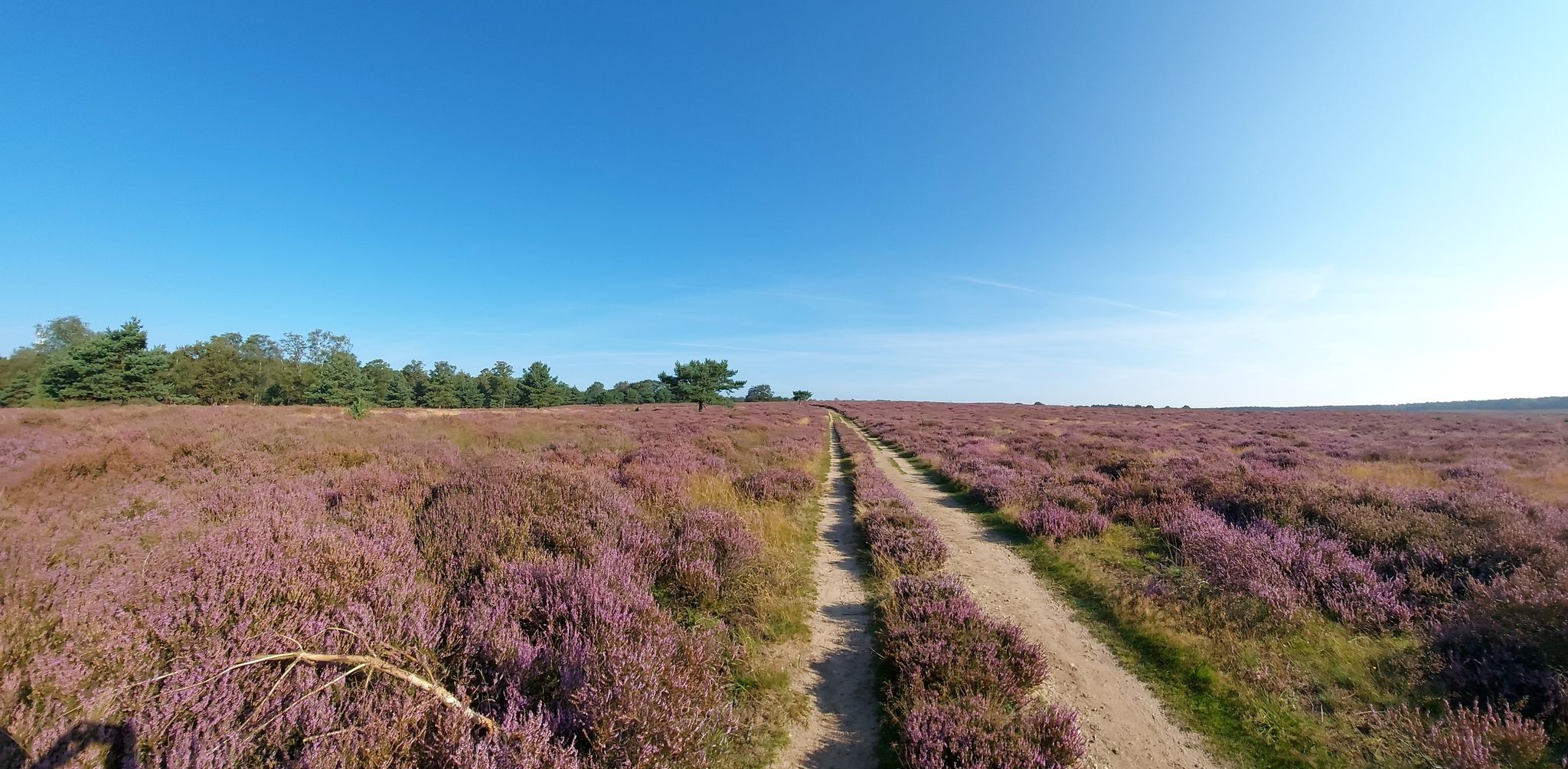
Family friendly hiking trails in Mantingerzand traverse a diverse natural landscape in the province of Drenthe, Netherlands. The region is characterized by a mosaic of sand drifts, extensive heathlands, fens, and ancient forests. Hikers will find open sandy plains, vibrant purple heath, and centuries-old oak trees. This blend creates a dynamic environment for outdoor exploration.
Best family friendly hiking trails in Mantingerzand
- The most popular family friendly hiking route is Fens, heath and sand in Drenthe – discover the Mantingerveld…
Last updated: July 22, 2026
4.5
(31)
92
hikers
11.9km
03:01
40m
30m
Moderate hike. Good fitness required. Easily-accessible paths. Suitable for all skill levels.
4.6
(93)
463
hikers
Moderate hike. Good fitness required. Easily-accessible paths. Suitable for all skill levels.

Sign up for free
4.6
(24)
96
hikers
Moderate hike. Good fitness required. Easily-accessible paths. Suitable for all skill levels.
4.8
(6)
28
hikers
Easy hike. Great for any fitness level. Easily-accessible paths. Suitable for all skill levels.
5.0
(5)
32
hikers
Easy hike. Great for any fitness level. Easily-accessible paths. Suitable for all skill levels.
Get access to more routes and recommendations from other explorers.
Sign up for free
Already have an account?
Our route recommendations are based on thousands of hikes, rides, and runs completed by other people on komoot.
Start today with a free account
Your next adventure awaits.
Login or Signup
Popular around Mantingerzand
Other adventures in Mantingerzand

Tips from the Community

The Mantingerzand is a vast nature reserve between the villages of Mantinge and Nieuw-Balinge. This area, better known as the Mantingerveld, consists largely of heathland, fens, forests, and some small drifting sands. Former agricultural lands are also part of the Natura 2000 area. These lands have been developed by the owner, Natuurmonumenten, for nature development. The main goal of these interventions was to connect isolated heathlands into one large nature reserve. Heathlands such as the Hullenzand, the Balingerzand and Mantingerzand, Martensplek, and the Lentsche Veen. These nature reserves were valuable remnants of a vast heathland between Hoogeveen and Westerbork, which was increasingly reclaimed over the course of the 20th century. Each of the four areas still possessed high natural quality, but their small size put them under considerable pressure. A striking feature of the Natura 2000 area is the extensive and magnificent juniper thickets, which are among the most beautiful thickets in the Netherlands. The dry and wet heathlands, fens, and drifting sands also demonstrate the area's great diversity. Several old deciduous forests and a number of reclaimed forests are also part of the Natura 2000 area. Source: https://www.provincie.drenthe.nl/onderwerpen/natuur-milieu/natuur/natuurbeleid-regels/natura-2000/gebieden/mantingerzand/
1
0
The Mantingerzand is a vast nature reserve between the villages of Mantinge and Nieuw-Balinge. This area, better known as the Mantingerveld, consists largely of heathland, fens, forests, and some small drifting sands. Former agricultural lands are also part of the Natura 2000 area. These lands have been developed by the owner, Natuurmonumenten, for nature development. The main goal of these interventions was to connect isolated heathlands into one large nature reserve. Heathlands such as the Hullenzand, the Balingerzand and Mantingerzand, Martensplek, and the Lentsche Veen. These nature reserves were valuable remnants of a vast heathland between Hoogeveen and Westerbork, which was increasingly reclaimed over the course of the 20th century. Each of the four areas individually still possessed high natural quality, but were under considerable pressure due to their small size. A striking feature of the Natura 2000 area is the extensive and magnificent juniper thickets, which are among the most beautiful thickets in the Netherlands. The dry and wet heathlands, fens, and drifting sands also demonstrate the area's great diversity. Several old deciduous forests and a number of reclaimed forests are also part of the Natura 2000 area. Source: https://www.provincie.drenthe.nl/onderwerpen/natuur-milieu/natuur/natuurbeleid-regels/natura-2000/gebieden/mantingerzand/
0
0
The Mantingerzand is a vast nature reserve between the villages of Mantinge and Nieuw-Balinge. This area, better known as the Mantingerveld, consists largely of heathland, fens, forests, and some small drifting sands. Former agricultural lands are also part of the Natura 2000 area. These lands have been developed by the owner, Natuurmonumenten, for nature development. The main goal of these interventions was to connect isolated heathlands into one large nature reserve. Heathlands such as the Hullenzand, the Balingerzand and Mantingerzand, Martensplek, and the Lentsche Veen. These nature reserves were valuable remnants of a vast heathland between Hoogeveen and Westerbork, which was increasingly reclaimed over the course of the 20th century. Each of the four areas still possessed high natural quality, but their small size put them under considerable pressure. A striking feature of the Natura 2000 area is the extensive and magnificent juniper thickets, which are among the most beautiful thickets in the Netherlands. The dry and wet heathlands, fens, and drifting sands also demonstrate the area's great diversity. Several old deciduous forests and a number of reclaimed forests are also part of the Natura 2000 area. Source: https://www.provincie.drenthe.nl/onderwerpen/natuur-milieu/natuur/natuurbeleid-regels/natura-2000/gebieden/mantingerzand/
1
0
The Mantingerzand is a vast nature reserve between the villages of Mantinge and Nieuw-Balinge. This area, better known as the Mantingerveld, consists largely of heathland, fens, forests, and some small drifting sands. Former agricultural lands are also part of the Natura 2000 area. These lands have been developed by the owner, Natuurmonumenten, for nature development. The main goal of these interventions was to connect isolated heathlands into one large nature reserve. Heathlands such as the Hullenzand, the Balingerzand and Mantingerzand, Martensplek, and the Lentsche Veen. These nature reserves were valuable remnants of a vast heathland between Hoogeveen and Westerbork, which was increasingly reclaimed over the course of the 20th century. Each of the four areas individually still possessed high natural quality, but were under considerable pressure due to their small size. A striking feature of the Natura 2000 area is the extensive and magnificent juniper thickets, which are among the most beautiful thickets in the Netherlands. The dry and wet heathlands, fens, and drifting sands also demonstrate the area's great diversity. Several old deciduous forests and a number of reclaimed forests are also part of the Natura 2000 area. Source: https://www.provincie.drenthe.nl/onderwerpen/natuur-milieu/natuur/natuurbeleid-regels/natura-2000/gebieden/mantingerzand/
1
0
The Mantingerzand is a vast nature reserve between the villages of Mantinge and Nieuw-Balinge. This area, better known as the Mantingerveld, consists largely of heathland, fens, forests, and some small drifting sands. Former agricultural lands are also part of the Natura 2000 area. These lands have been developed by the owner, Natuurmonumenten, for nature development. The main goal of these interventions was to connect isolated heathlands into one large nature reserve. Heathlands such as the Hullenzand, the Balingerzand and Mantingerzand, Martensplek, and the Lentsche Veen. These nature reserves were valuable remnants of a vast heathland between Hoogeveen and Westerbork, which was increasingly reclaimed over the course of the 20th century. Each of the four areas individually still possessed high natural quality, but were under considerable pressure due to their small size. A striking feature of the Natura 2000 area is the extensive and magnificent juniper thickets, which are among the most beautiful thickets in the Netherlands. The dry and wet heathlands, fens, and drifting sands also demonstrate the area's great diversity. Several old deciduous forests and a number of reclaimed forests are also part of the Natura 2000 area. Source: https://www.provincie.drenthe.nl/onderwerpen/natuur-milieu/natuur/natuurbeleid-regels/natura-2000/gebieden/mantingerzand/
1
0

Added to the collection: https://www.komoot.com/de-de/collection/3600632/-naturdenkmaeler-besondere-baeume-und-weitere-schaetze-der-natur
0
0

The characteristic pine trees of the Mantingerzand are striking conifers that thrive in the area's dry, sandy soil. They give the landscape its distinctive character, often in combination with heathlands and open sandy plains. These pines contribute to biodiversity, provide shelter and nesting sites for birds and other animals, and enhance the natural character of the Mantingerzand.
4
0
Ancient oaks are very old, often hundreds of years old, oak trees that play a vital role in the ecosystem. They provide a habitat for numerous plants, birds, insects, and fungi. Their age and size also make them historical and landscape icons, often recognizable by their impressive trunks and broad crowns.
4
0
Frequently Asked Questions
How many family-friendly hiking trails are available in Mantingerzand?
Mantingerzand offers a great selection of family-friendly hiking trails, with over 15 routes specifically curated for families. These include a mix of easy and moderate options, ensuring there's something suitable for all ages and fitness levels.
What kind of terrain can we expect on family hikes in Mantingerzand?
The trails in Mantingerzand are incredibly diverse, perfect for keeping children engaged. You'll encounter unique sand drifts, vast heathlands that bloom vibrantly in late summer, and ancient forests with impressive oak and juniper trees. Some paths are narrow and sandy, offering a distinct 'open landscape experience'.
Are there easy circular routes suitable for families with younger children?
Yes, Mantingerzand has several easy circular routes perfect for families. For instance, the Mantingerzand loop from Nieuw-Balinge is an easy 4.5 km option. Another great choice is the Ancient Oaks at Mantingerzand loop from Nieuw-Balinge, which is around 7 km and also rated easy.
What natural features or landmarks can we see along the family trails?
Mantingerzand is rich in natural beauty. Families can explore the unique Mantingerzand itself, walk along a Narrow sandy path through Mantingerzand, or discover the ancient oak trees within the Mantingerzand Nature Reserve. Don't miss the impressive Paths Through the Juniper Trees or the tranquil Heathland pond.
What is the best time of year to visit Mantingerzand for family hiking?
Mantingerzand is beautiful year-round, but late summer (August to September) is particularly stunning when the heathlands burst into vibrant purple bloom. Spring offers fresh greenery and new life, while autumn brings rich colors to the forests. Even winter walks can be magical, offering a peaceful and serene experience.
Are dogs allowed on the family-friendly hiking trails in Mantingerzand?
Mantingerzand is generally dog-friendly, but rules can vary depending on the specific area or nature reserve. It's always best to keep dogs on a leash to protect wildlife and ensure a pleasant experience for all visitors. Please check local signage for any specific restrictions.
What do other hikers enjoy most about the family-friendly trails in Mantingerzand?
The komoot community highly rates the trails in Mantingerzand, with an average score of 4.5 stars. Reviewers often praise the diverse landscapes, the tranquility, and the well-maintained paths. Many highlight the unique experience of walking through sand drifts, heathlands, and ancient forests, making it feel like a 'savanna in Africa' in some parts.
Is parking available near the trailheads for family hikes?
Yes, parking is generally available at or near the main access points for the hiking trails in Mantingerzand. Specific parking information can often be found on the individual route pages on komoot or local signage at the start of the trails.
What wildlife might families encounter during a hike in Mantingerzand?
Mantingerzand's diverse ecosystems support various wildlife. You might spot different bird species, insects, and even hear frogs near the fens and ponds. The area is also home to grazing animals like cows and sheep, which contribute to maintaining the unique landscape.
Are there any longer, moderate family-friendly routes for older children?
For families looking for a slightly longer adventure, the Fens, heath and sand in Drenthe – discover the Mantingerveld route is a moderate 11.9 km trail that takes about 3 hours to complete, exploring the diverse landscapes of the Mantingerveld. Another option is the Ancient Oaks at Mantingerzand – Mantingerzand Grassland loop from Mantinge, which is around 12 km.
What should we wear for family hiking in Mantingerzand?
Given the varied terrain and open heathlands, it's advisable to wear comfortable, layered clothing suitable for the weather conditions. Sturdy walking shoes are recommended, especially for sandy or uneven paths. Don't forget sun protection, even on cloudy days, and bring enough water and snacks for everyone.
Can we access the family-friendly trails in Mantingerzand using public transport?
While Mantingerzand is primarily accessed by car, some trailheads might be reachable via local bus services from nearby towns. However, public transport options can be limited, so it's advisable to check local bus schedules and routes in advance if you plan to rely on it.
Most popular routes in Mantingerzand
Most popular attractions in Mantingerzand

Get inspired with the komoot mobile app


Explore more
Browse the best Hikes in other regions.
