The best family-friendly hikes and walks in Nationales Naturerbe Lübtheener Heide
4.4
(187)
647
hikers
45
hikes
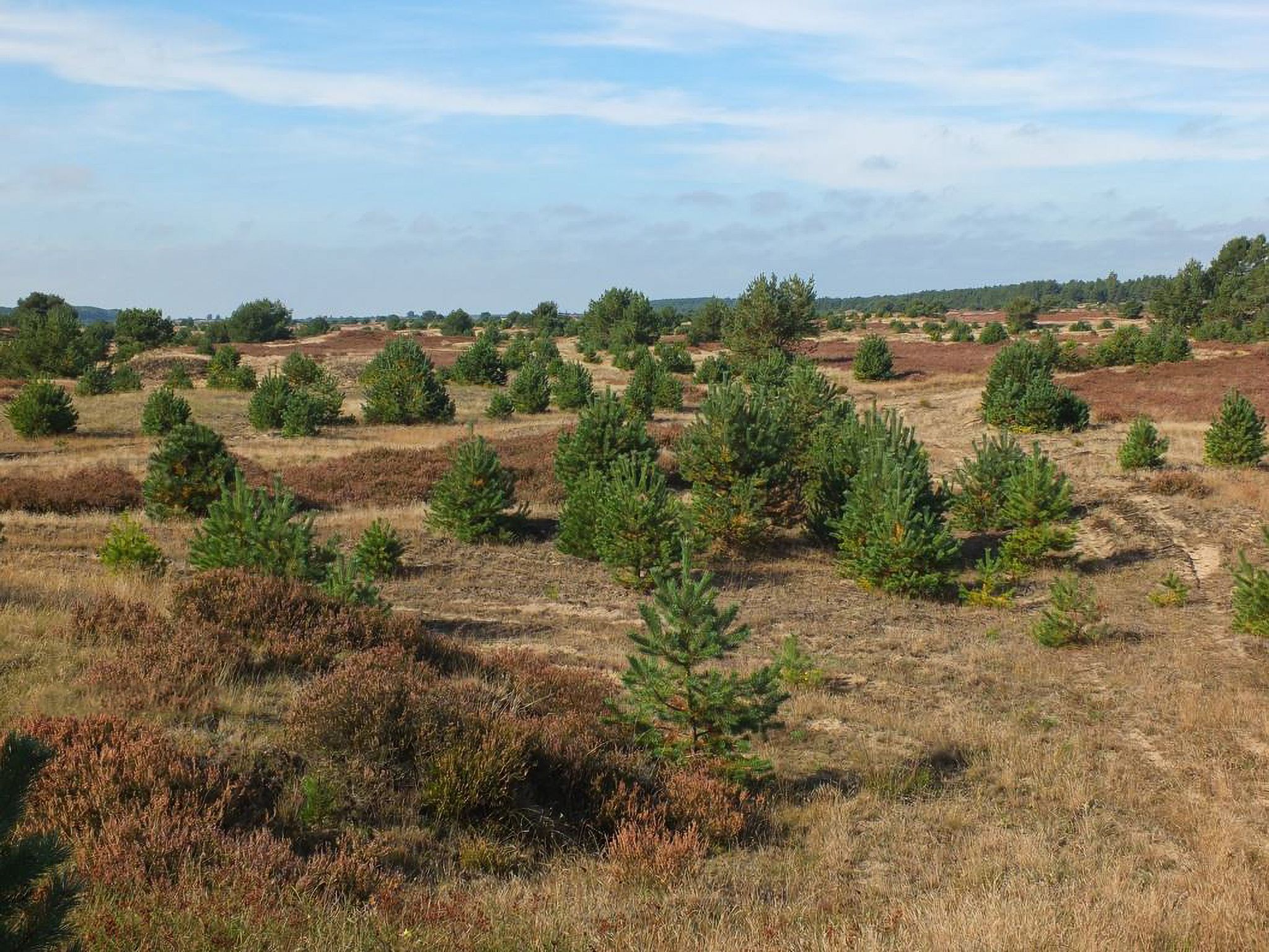
Family friendly hiking trails in Nationales Naturerbe Lübtheener Heide traverse a unique landscape in Mecklenburg-Vorpommern, characterized by vast heathlands, open sand areas, and sparse pine forests. The region is home to one of Germany's largest active inland dunes, a rare natural feature. As part of the UNESCO Biosphere Reserve Flusslandschaft Elbe, it offers a blend of natural beauty and ecological significance.
Best family friendly hiking trails in Nationales Naturerbe Lübtheener Heide
- The most popular family friendly hiking route is Heiderundweg…
Last updated: May 12, 2026
4.7
(14)
43
hikers
10.6km
03:12
20m
20m
Moderate hike. Good fitness required. Easily-accessible paths. Suitable for all skill levels.
4.0
(4)
27
hikers
7.29km
02:13
10m
10m
Moderate hike. Good fitness required. Easily-accessible paths. Suitable for all skill levels.

Sign up for free
4.0
(5)
34
hikers
Moderate hike. Good fitness required. Easily-accessible paths. Suitable for all skill levels.
4.7
(9)
14
hikers
Hard hike. Very good fitness required. Easily-accessible paths. Suitable for all skill levels.
4.0
(5)
34
hikers
8.46km
02:10
30m
30m
Moderate hike. Good fitness required. Easily-accessible paths. Suitable for all skill levels.
Get access to more routes and recommendations from other explorers.
Sign up for free
Already have an account?
Our route recommendations are based on thousands of hikes, rides, and runs completed by other people on komoot.
Start today with a free account
Your next adventure awaits.
Login or Signup
Popular around Nationales Naturerbe Lübtheener Heide
Other adventures in Nationales Naturerbe Lübtheener Heide

Tips from the Community

The Lübthen Heath is the largest contiguous heathland in Mecklenburg-Western Pomerania and has been part of the UNESCO Elbe River Landscape Biosphere Reserve since 2015. 📜 Formerly a military training area, the area is now a unique natural heritage site with a rare active inland dune. 🦉 Many rare animals such as the Boreal Owl, Nightjar, and Red-backed Shrike have found a protected habitat here. 🛡️ Large parts of the heath are core and conservation zones where nature is allowed to develop freely. 🌄 Along the way, open sandy areas alternate with heather and sparse pine forests. 🏚️ Relics such as the remains of bunkers and traces of the former village of Quast recall the region's turbulent past. ⚠️ It is important not to leave the marked trails, as explosive ordnance may still be found in the ground off the trail. 📍 Red-headed posts and information boards at the starting points of the routes provide orientation.
0
0
The Lübthen Heath is the largest contiguous heathland in Mecklenburg-Western Pomerania and has been part of the UNESCO Elbe River Landscape Biosphere Reserve since 2015. 📜 Formerly a military training area, the area is now a unique natural heritage site with a rare active inland dune. 🦉 Many rare animals such as the Boreal Owl, Nightjar, and Red-backed Shrike have found a protected habitat here. 🛡️ Large parts of the heath are core and conservation zones where nature is allowed to develop freely. 🌄 Along the way, open sandy areas alternate with heather and sparse pine forests. 🏚️ Relics such as the remains of bunkers and traces of the former village of Quast recall the region's turbulent past. ⚠️ It is important not to leave the marked trails, as explosive ordnance may still be found in the ground off the trail. 📍 Red-headed posts and information boards at the starting points of the routes provide orientation.
0
0

The old fieldstone church was built around 1256 and served as a place of worship for the surrounding villages of the Alt Jabel community until a new one was built in 1908. The attic and a wooden bell tower were demolished, and the church remains were left to their own devices. The church ruins have now been restored and secured.
2
0

It is a good place to park if you want to hike to the inland dune.
0
0

A fascinating place that is worth exploring. There are also a few benches here that invite you to linger. Just sit down and think about your thoughts.
1
0
The inland dune, which is also wandering, is one of the largest of its kind in Germany. In addition to the dune itself, you can also enjoy the wonderful panorama of the heath from the hill.
0
0

Definitely worth checking out. Very nice spot to pause and enjoy, this dune in the middle of the forest.
2
0

Again and again you will find relics in this area from the time when active military training took place here. Among other things, a number of buildings that were built specifically for this purpose served as targets.
1
0
Frequently Asked Questions
What makes Nationales Naturerbe Lübtheener Heide a good destination for family hikes?
The region offers a unique blend of open heathlands, vast sand areas, and sparse pine forests, providing diverse scenery that keeps children engaged. Many trails are generally easy to navigate, and the area's history as a former military training ground adds an interesting, albeit carefully managed, element to explore. It's a great place to experience nature and learn about local biodiversity.
Are there any easy circular routes suitable for families with younger children?
Yes, several routes are well-suited for a family outing. For example, the Heiderundweg from Probst Jesar offers a moderate loop through heathlands and pine areas, approximately 10.5 km long. Another option is the Quaster Meadow loop from Biosphärenreservat Flusslandschaft Elbe - Mecklenburg-Vorpommern, which is about 8.2 km and allows you to explore parts of the designated wilderness area.
What natural attractions can we see while hiking with family?
The most prominent natural attraction is the rare and impressive Wandering Dune (Schwarze Berge), one of Germany's largest still-moving inland dunes. You can reach it via the Dune path from Ramm. The vast heathlands are particularly stunning when the heather is in full bloom during late summer, offering picturesque views. You can also find a View of the dunes from Teehaus Hill.
Are there any historical points of interest along the trails?
Yes, the area's past as a military training ground has left its mark. You can discover the Quast Deserted Village Memorial in Lübtheener Heide, which offers a glimpse into the area's eventful history. Traces of its military past, such as bunker remains, can also be found, adding an educational element to your hike.
What should we know about safety when hiking in Nationales Naturerbe Lübtheener Heide?
Due to its former military use, it is crucial to stay strictly on the marked paths. Areas off-trail may still contain unexploded ordnance. Information boards and red-capped posts guide hikers along the safe routes. Always adhere to these guidelines to ensure a safe and enjoyable family outing.
Can we bring our dog on the family-friendly trails?
While the guide focuses on family-friendly trails, specific dog regulations can vary. Generally, dogs are welcome in many natural areas, but it's always best to keep them on a leash, especially given the presence of rare wildlife and the need to stay on marked paths for safety. Please respect local signage regarding pets.
What is the best time of year to visit Nationales Naturerbe Lübtheener Heide with family?
The heathlands are particularly beautiful in late summer when the heather is in full bloom, painting the landscape in vibrant purples. Spring and early autumn also offer pleasant temperatures for hiking and opportunities to spot various bird species. Summer can be warm, so plan for early morning or late afternoon hikes and bring plenty of water.
How long do family-friendly hikes typically take in this region?
The duration varies depending on the route and your family's pace. For example, the Dune path from Ramm is about 7.2 km and can take around 2 hours and 15 minutes, while the Heiderundweg from Probst Jesar, at 10.5 km, might take closer to 3 hours and 10 minutes. These times are estimates and can be adjusted for breaks and younger hikers.
Are there good starting points with parking for family hikes?
Yes, there are designated entrances that often have parking facilities. For instance, you can start your adventure from the Lübtheener Heide Entrance (Alt Jabel) or the Lübtheener Heide Entrance at Probst Jesar. These points are typically well-equipped for visitors.
What do other hikers enjoy most about the family-friendly trails here?
The area is highly rated by the komoot community, with an average score of approximately 4.5 stars. Reviewers often praise the unique landscape, especially the impressive inland dune, and the well-marked paths that make navigation easy for families. The sense of wilderness and the opportunity to spot rare wildlife are also frequently highlighted.
Can we reach the hiking trails using public transport?
While direct public transport to every trailhead might be limited, some villages near the Nationales Naturerbe Lübtheener Heide, such as Probst Jesar, Ramm, and Alt Jabel, may have bus connections. From these villages, you can often access the main hiking routes. It's advisable to check local bus schedules in advance for the most up-to-date information.
Most popular routes in Nationales Naturerbe Lübtheener Heide
Most popular attractions in Nationales Naturerbe Lübtheener Heide

Get inspired with the komoot mobile app


Explore more
Browse the best Hikes in other regions.
