The best traffic-free bike rides in Naturpark Schlei
4.5
(16823)
78,138
riders
713
rides
No traffic touring cycling routes in Naturpark Schlei traverse a diverse landscape shaped by moraine ridges from the last ice age. The region is characterized by the 42-kilometer-long Schlei Fjord, which meanders inland, offering varied coastal sections. Cyclists encounter gentle hills, green forests, and traditional hedgerow landscapes, providing a mix of terrain for exploration. This natural park features a blend of fresh, brackish, and saltwater habitats, making it a significant area for biodiversity.
Best no traffic touring cycling routes in…
Last updated: May 12, 2026
4.5
(124)
385
riders
41.4km
02:46
220m
230m
Moderate bike ride. Good fitness required. Mostly paved surfaces. Suitable for all skill levels.
4.6
(32)
160
riders
21.5km
01:42
130m
130m
Hard bike ride. Great for any fitness level. You may need to push your bike for some segments of this route.

Sign up for free
4.4
(177)
1,743
riders
Easy bike ride. Great for any fitness level. Mostly paved surfaces. Suitable for all skill levels.
4.6
(236)
1,623
riders
Easy bike ride. Great for any fitness level. Mostly paved surfaces. Suitable for all skill levels.
4.6
(236)
967
riders
73.3km
04:29
340m
340m
Moderate bike ride. Good fitness required. Mostly paved surfaces. Suitable for all skill levels.
Get access to more routes and recommendations from other explorers.
Sign up for free
Already have an account?
Our route recommendations are based on thousands of hikes, rides, and runs completed by other people on komoot.
Start today with a free account
Your next adventure awaits.
Login or Signup
Popular around Naturpark Schlei
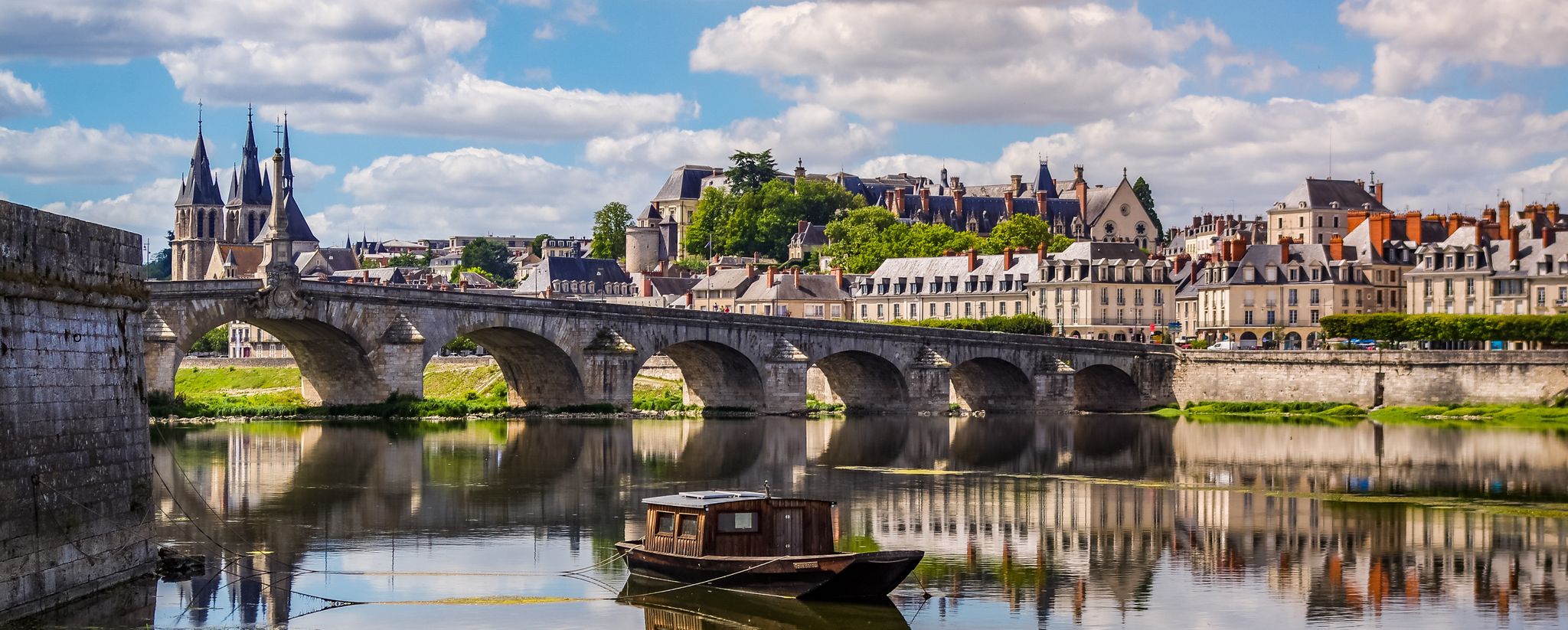
EuroVelo 3 – A cycling pilgrimage from Norway to France
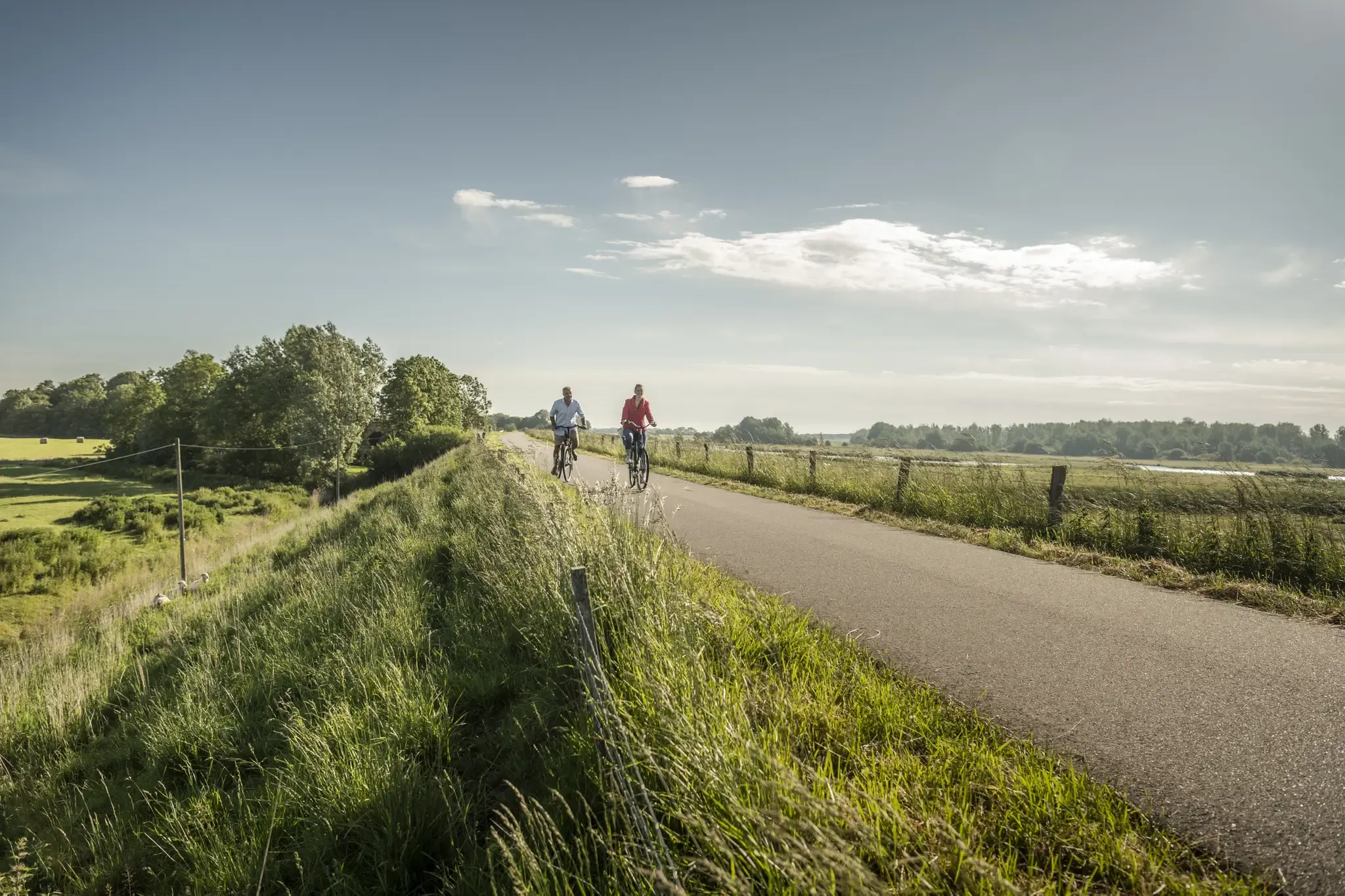
Coast to Coast on historic trails – Viking-Frisian Route
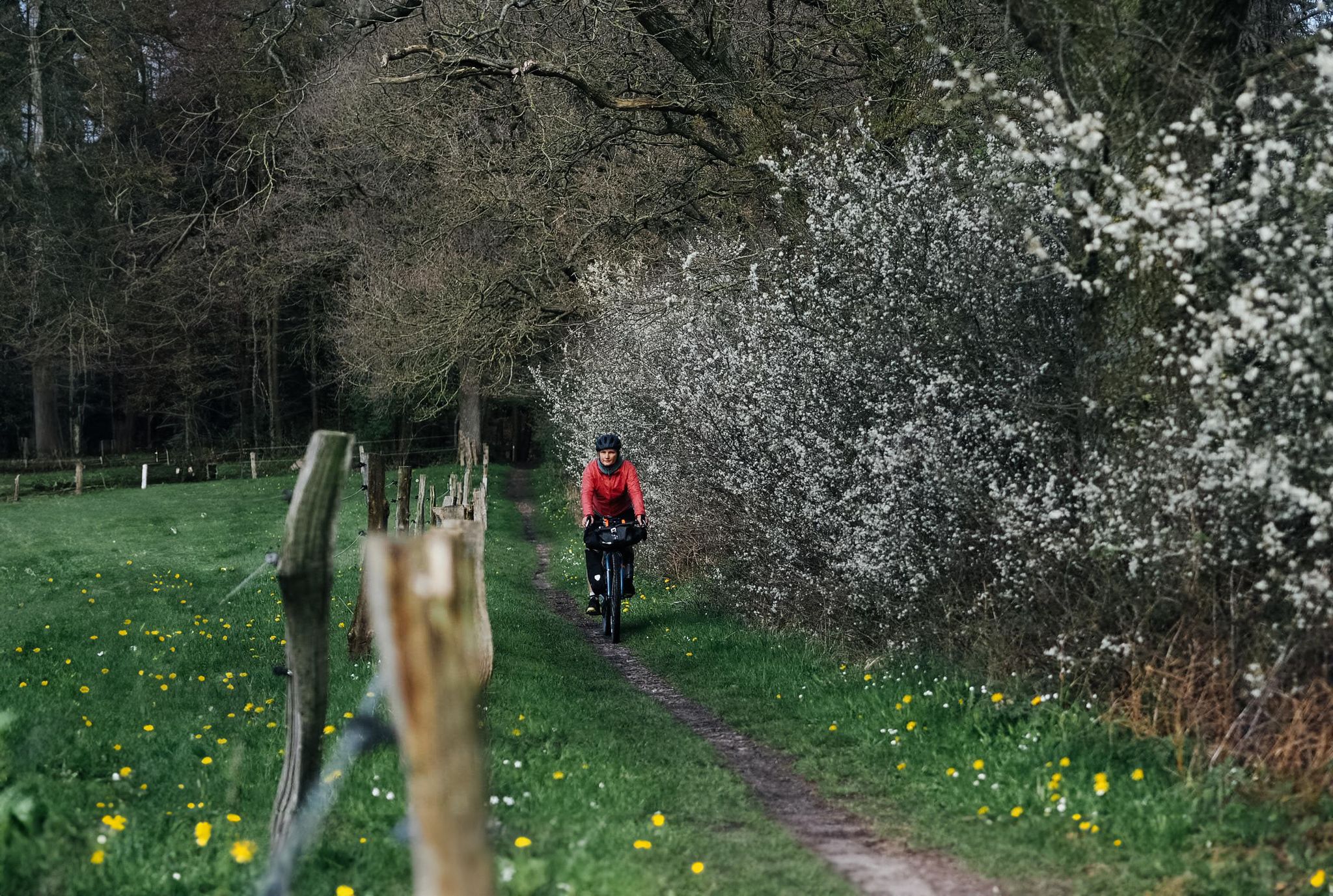
Cycling with Fräulein Draußen on the Ochsenweg
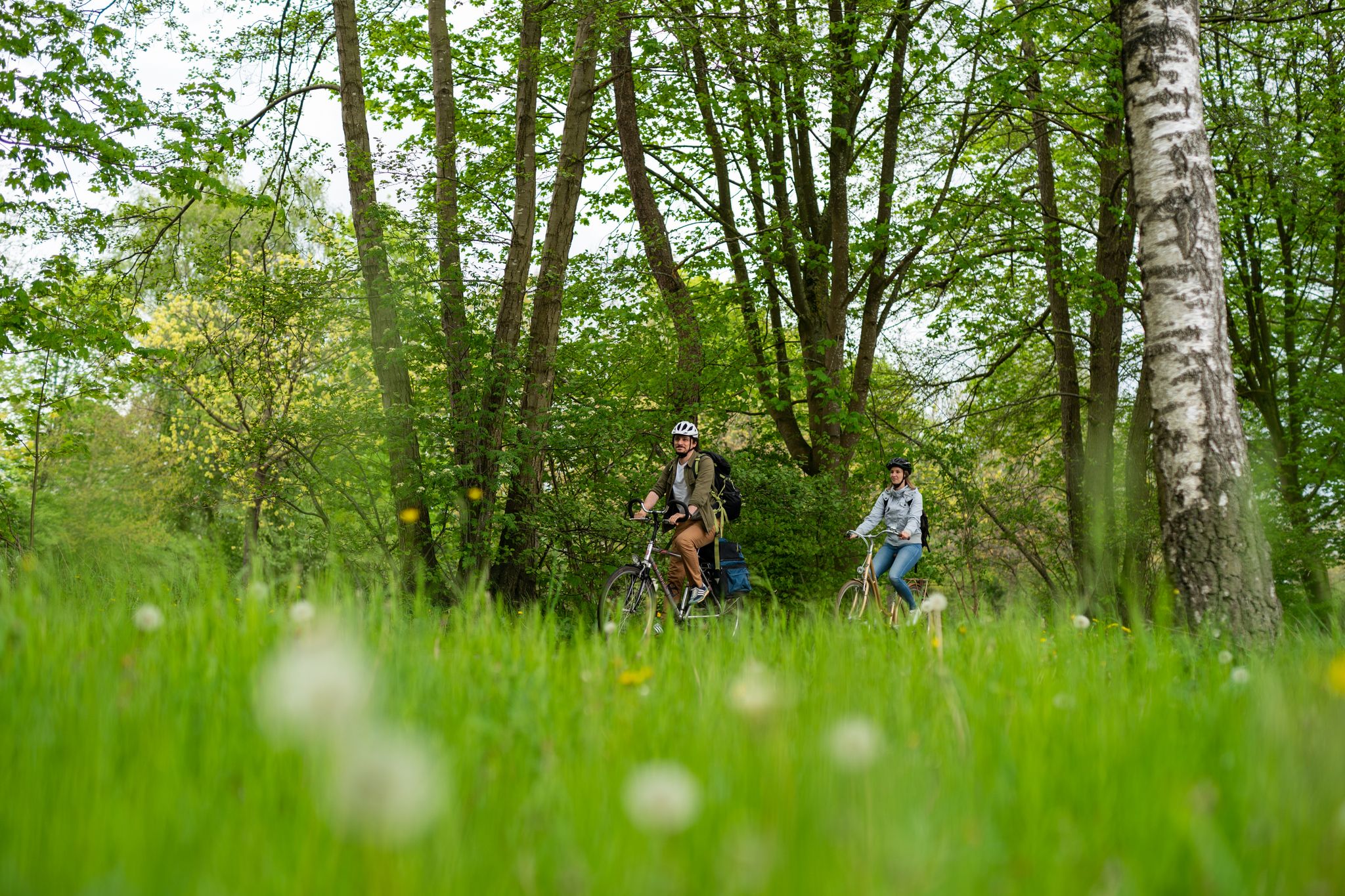
Between nature and history – Ochsenweg cycle path
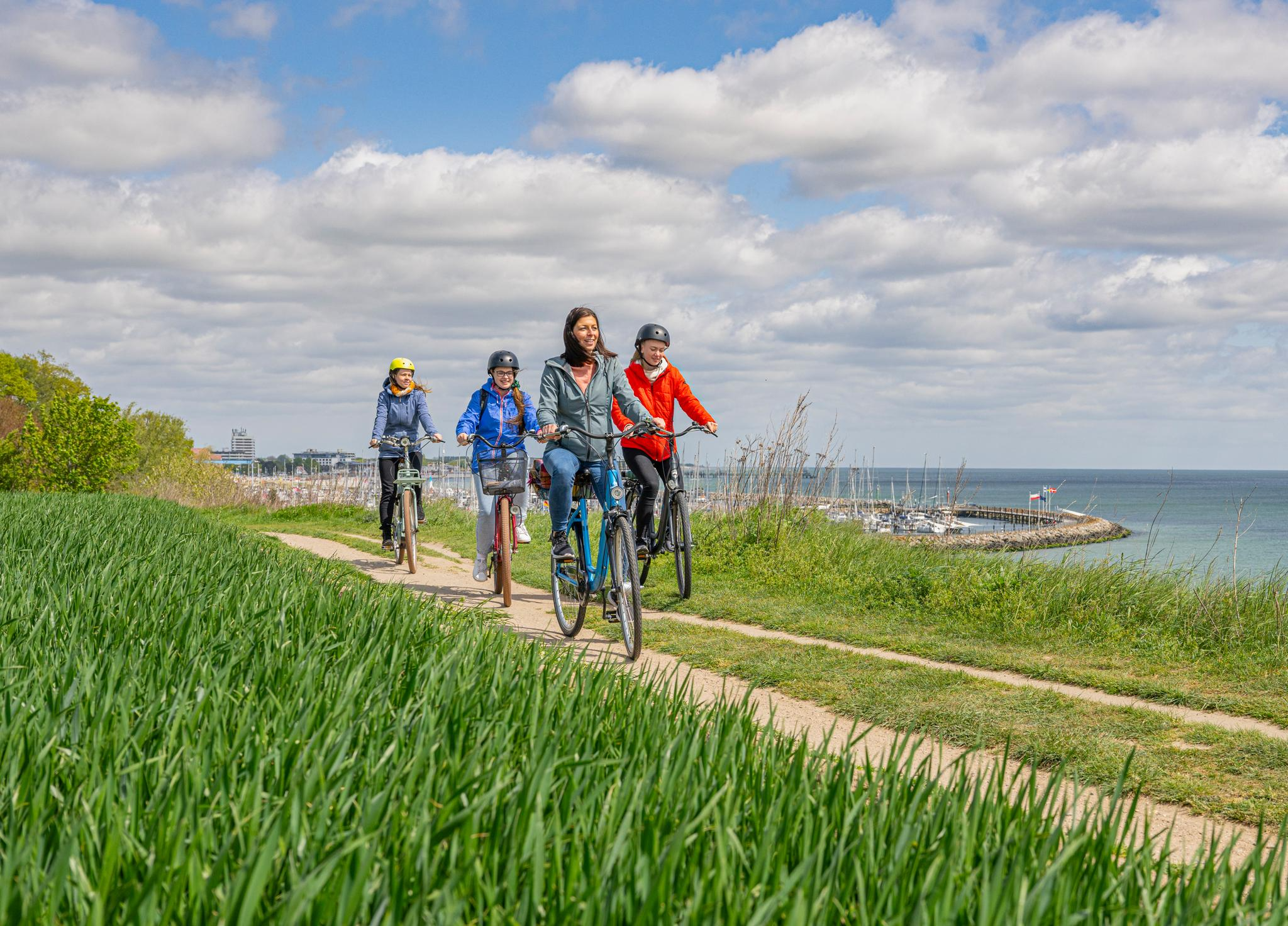
Baltic Sea Coast Cycle Route – Schleswig-Holstein's most popular long-distance cycle route
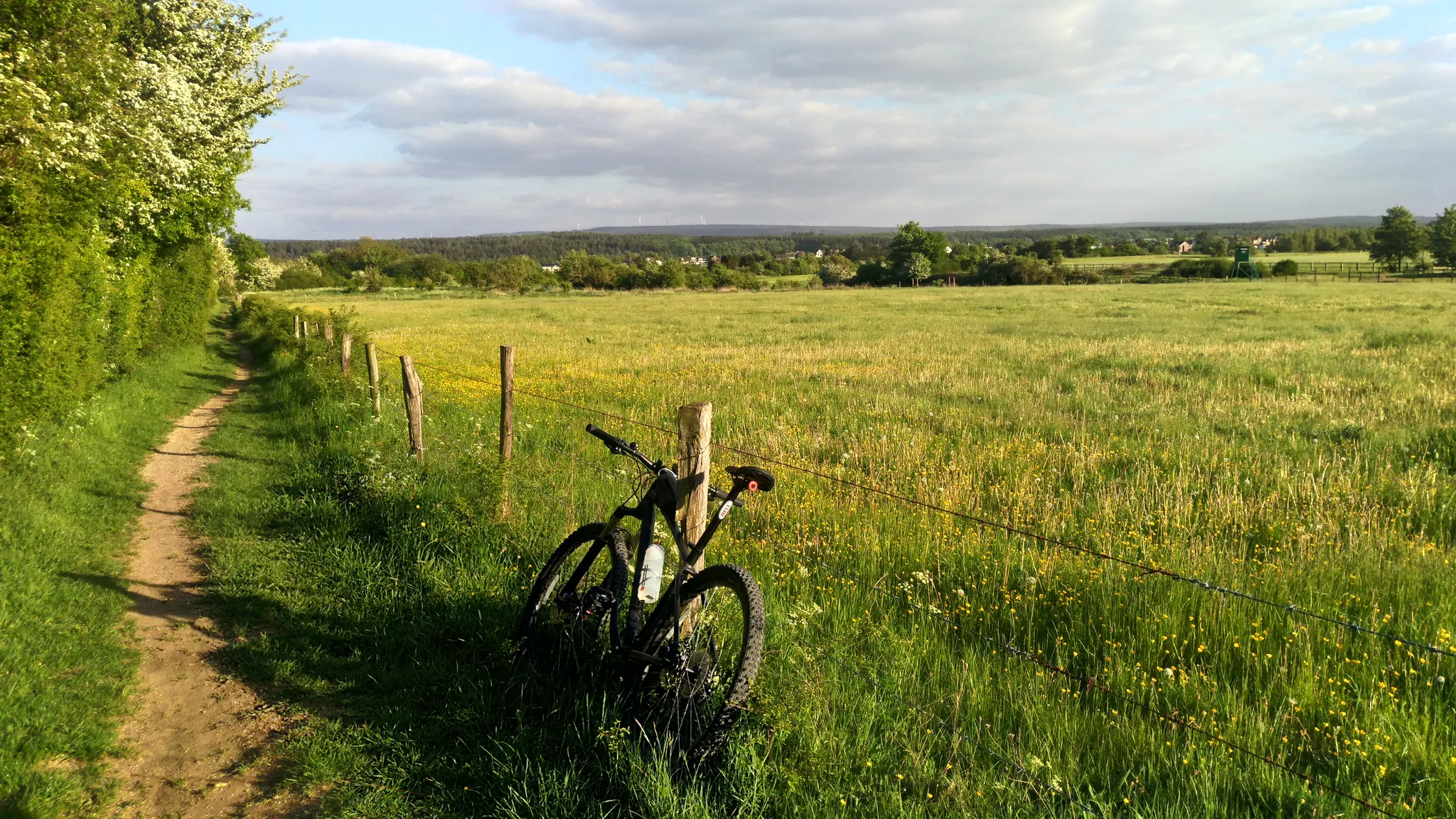
D-Route 7: Pilgrimage Route
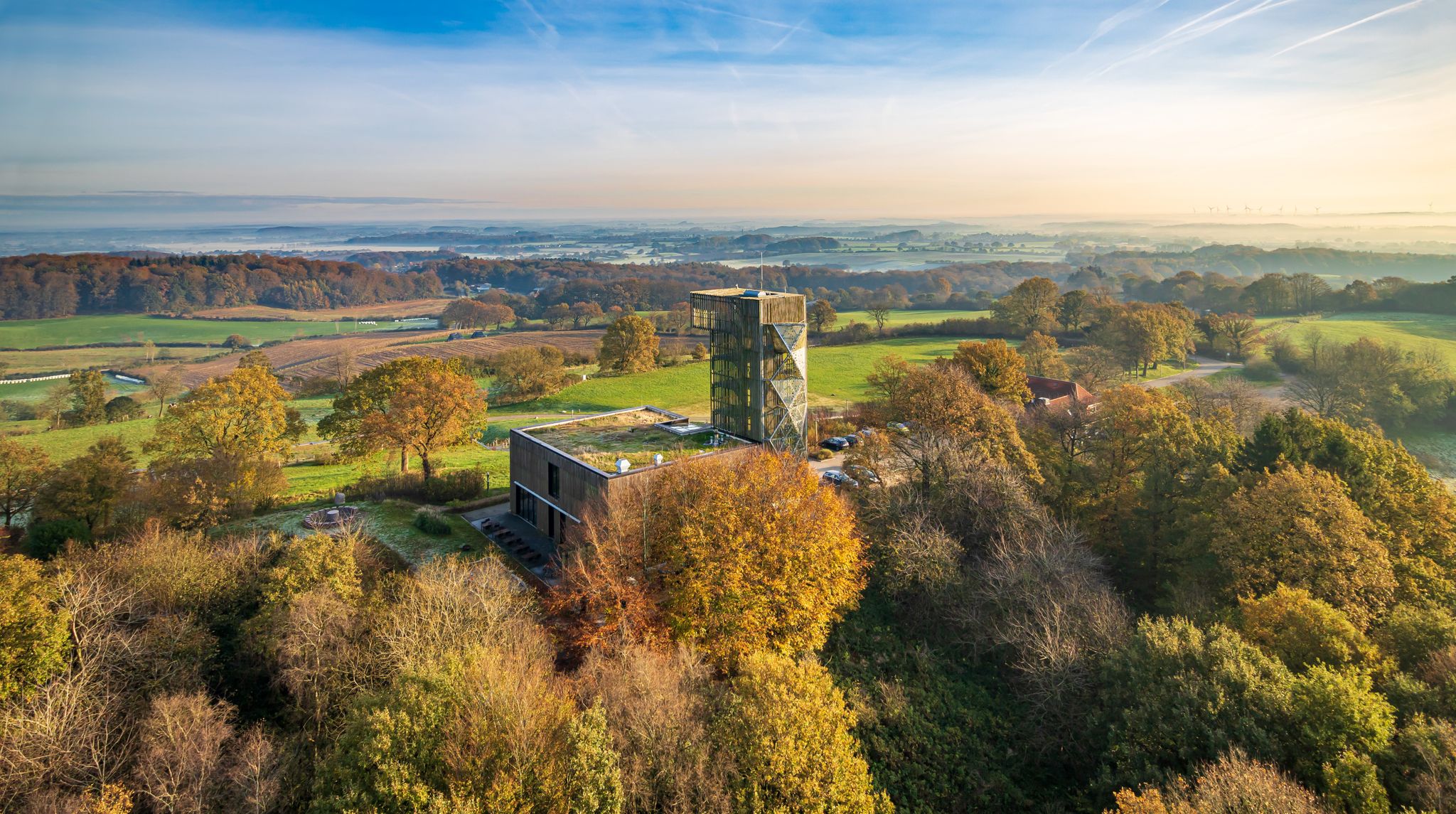
Between Geest and Hügelland — cycling in Germany’s Hütten Hills
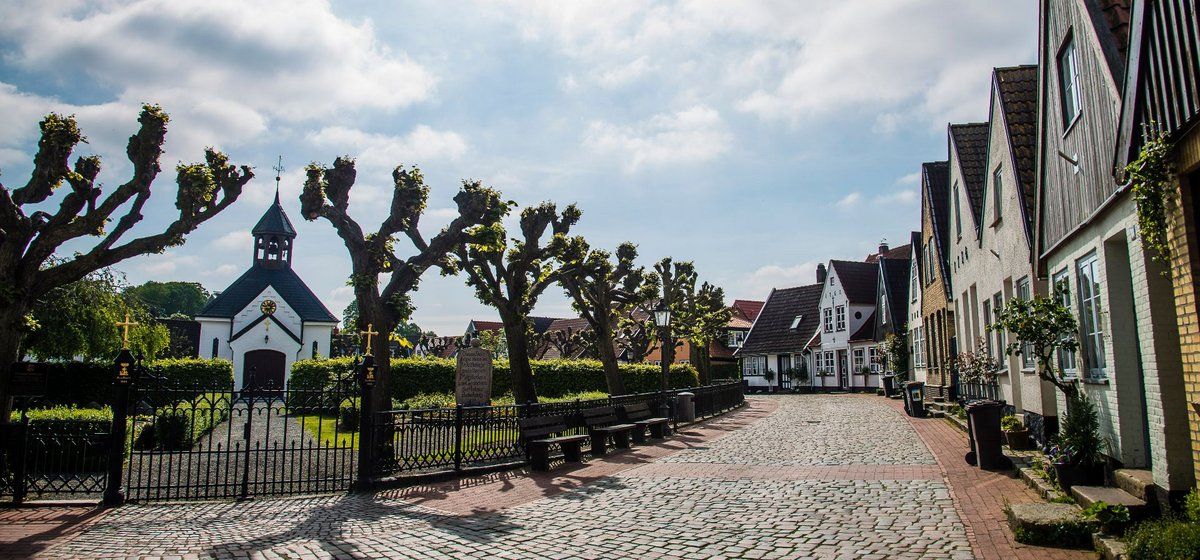
Mini cycling tour region Schleswig
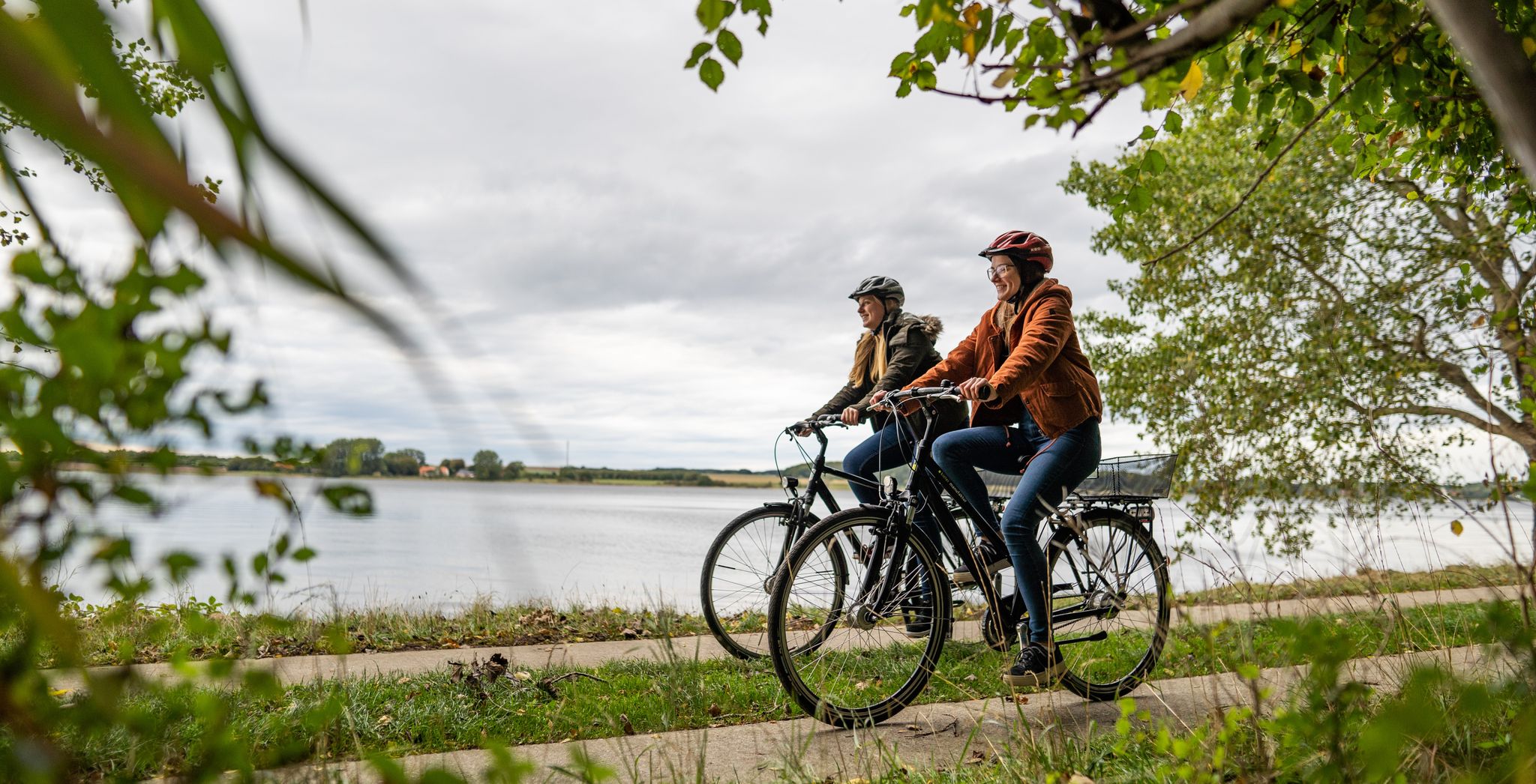
Cycling in Germany’s northern Binnenland – cycle paths through flat landscapes
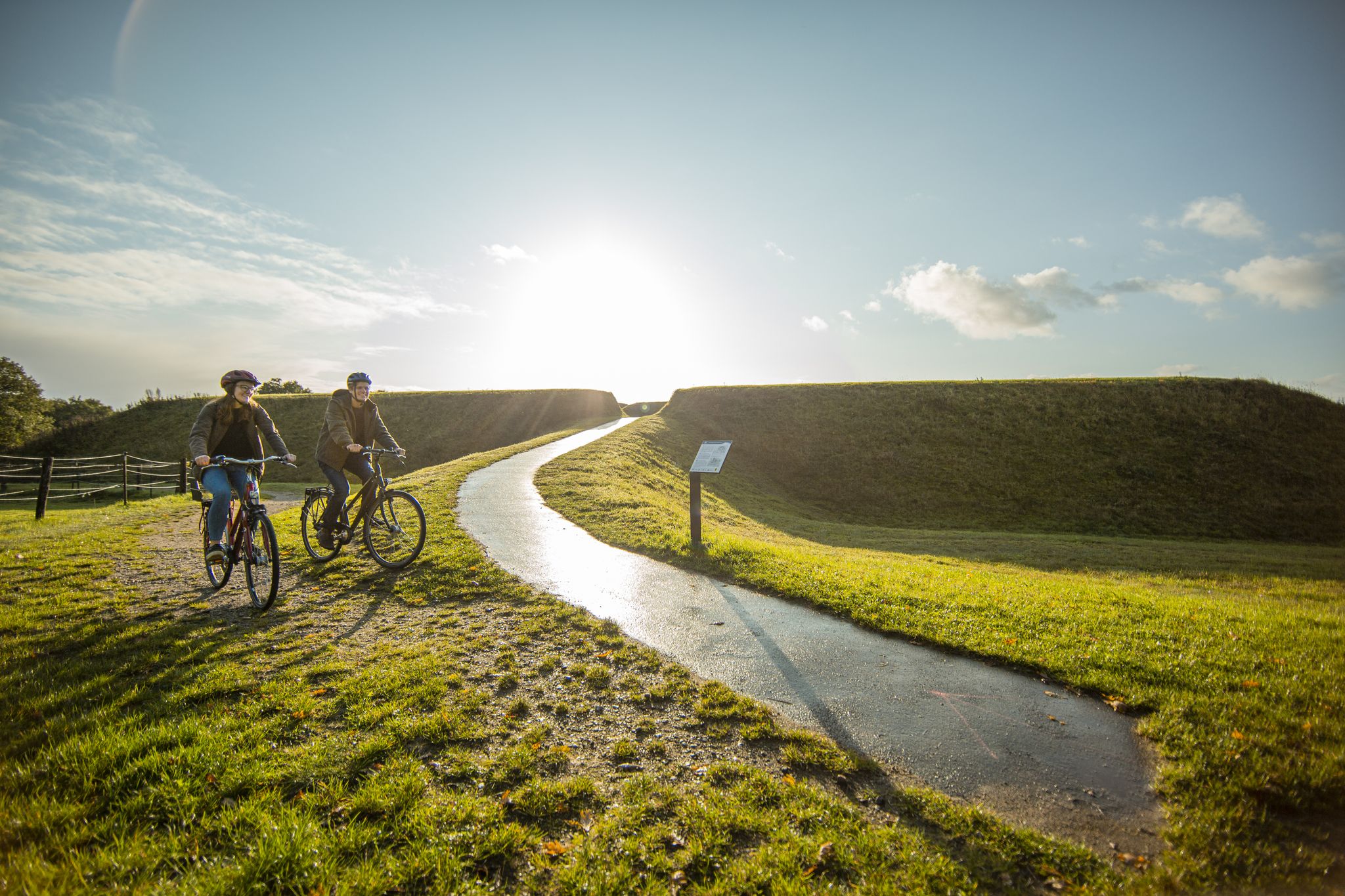
Cycling at the World Heritage Haithabu and Danewerk – Baltic Sea Fjord Schlei
Other adventures in Naturpark Schlei


Tips from the Community

Danewerk, former fortification from the Slavic and Viking era.
1
0

All sorts of interesting facts about the history of the city of Schleswig
1
0


Viking Museum Haithabu – A Window into the World of the Norsemen The Viking Museum Haithabu in Busdorf is one of the most important archaeological museums in Germany and a real highlight. The exhibition building presents spectacular archaeological finds, models, and multimedia installations that bring the life of the Vikings between the 8th and 11th centuries to life. Seven authentically reconstructed buildings vividly show how people lived back then – from everyday life to craftsmanship. Since 2018, Haithabu and the Danewerk have been a UNESCO World Heritage site – a testament to their historical significance. 🕒 Opening Hours & Prices Museum: Open daily from 9:00 AM to 5:00 PM. Admission: Adults €9, Children €3, Families €19, Reduced €7. Café Haithabu: Open Wednesday to Sunday from 11:00 AM to 5:00 PM – ideal for a break with a view of the Haddebyer Noor. The museum is located in the middle of a nature reserve with ramparts, burial mounds, and hiking trails. Popular routes lead, for example, from Busdorf or Holm to the settlement and offer great views of the Schlei and Schleswig Cathedral. https://haithabu.de/
6
0

The castle houses Schleswig-Holstein's most important museums and is involved in a wide range of cultural events. In addition to changing exhibitions (including those by contemporary artists), theater performances in the courtyard and concerts are held at irregular intervals. The entire grounds and many of the interior rooms are open to visitors. Some of the castle's original furnishings have been preserved and can be viewed as part of the museum tours. Of particular note are the festive Hirschsaal (Stag Hall) from 1591 and the two-story Renaissance chapel. The castle is considered the most important secular building in the state of Schleswig-Holstein.
15
1
At the beginning of 1945, more and more refugees from the eastern territories of the German Reich arrived in Schleswig, their number rising to almost 18,000 by the summer. Gottorf, like many of the country's residences, was used as a temporary reception camp, and several hundred refugees were housed in the castle.[31] In the post-war period, the entire complex was made available to the Schleswig-Holstein State Museums from 1948 onwards.
15
1
After the war of 1848, the Danes first set up a hospital and then a barracks in the castle,[22] in order to be able to operate more effectively against the insurgents in Schleswig-Holstein. The building was adapted to the new needs, and the interior lost much of its once significant furnishings. The former state rooms and ducal apartments were converted into dormitories and dining rooms. The outbuildings were demolished and replaced by extensive stables, and the defensive structures were demolished. Gottorf remained a barracks[22] when it fell to Prussia in 1867 as a result of the Second Schleswig War, and it retained this function until 1945.
15
1
Subsequently, Gottorf became the center of power of the Dukes of Schleswig and was repeatedly at the center of political conflicts. In 1283, the young Duke Waldemar IV of Schleswig was imprisoned in the castle for a time by the Danish King Eric V. In 1329, Gottorf was besieged for the first time (unsuccessfully) by a coalition of Jutland nobles in their fight against Count Gerhard III of Holstein, who had served as Duke for several years.[6] In June 1340, the castle was transferred as a pledge into the permanent possession of the Counts of Holstein from the House of Schauenburg,[7] who resided in Gottorf until their extinction in 1459. Initially as counts, after Count Gerhard VI was invested with the duchy by the Danish regent Margaret I in 1386[8], then formally again as dukes.[9]
15
1
Frequently Asked Questions
How many no-traffic touring cycling routes are available in Naturpark Schlei?
Naturpark Schlei offers a wide selection of car-free touring cycling routes. You'll find over 700 routes specifically designed for touring bicycles, ensuring a peaceful experience away from vehicle traffic.
Are there easy, beginner-friendly no-traffic cycling routes in Naturpark Schlei?
Yes, Naturpark Schlei is very welcoming for beginners and those seeking relaxed rides. Over 460 of the no-traffic touring cycling routes are classified as easy, featuring gentle terrain and well-maintained paths. A great option for a leisurely ride is Kappeln Bascule Bridge – Kappeln Harbour loop from Olpenitz Südmole/Kreisverkehr, which is an easy, shorter loop.
What is the best time of year to enjoy no-traffic cycling in Naturpark Schlei?
Cycling in Naturpark Schlei is enjoyable throughout the year. Spring and summer offer blossoming nature and lush green landscapes, while autumn provides vibrant foliage. The region's diverse scenery, from the Schlei fjord to the Baltic Sea coast, is beautiful in any season, making it suitable for year-round exploration.
What kind of attractions can I see along the no-traffic touring cycling routes?
The routes often lead past a variety of historical and natural attractions. You can explore significant sites like Gottorf Castle, a prominent historical landmark. The region also features charming villages such as Sieseby, known for its traditional reed-roofed houses, and the unique landscapes of the Schlei fjord itself. Birdwatching huts, like the Bird Warden's Hut Maasholm, are also accessible along some paths.
Are there circular no-traffic cycling routes in Naturpark Schlei?
Yes, many of the no-traffic routes are designed as loops, allowing you to start and end at the same point without retracing your steps. For example, the Gottorf Castle – Schleswig Harbour loop from Schleswig offers a scenic circular tour, and the Schlei Riverside Cycle Path – Historic Village of Sieseby loop from Kappeln, (Schlei) is another excellent circular option.
What do other touring cyclists enjoy most about the no-traffic routes in Naturpark Schlei?
The komoot community highly rates the touring cycling experience in Naturpark Schlei, with an average score of 4.5 stars from over 17,000 ratings. Cyclists frequently praise the region's diverse landscapes, the tranquility of the car-free paths, and the ease of navigating the well-developed cycle network. The ability to explore charming villages and historical sites without traffic is a particular highlight.
Are there family-friendly no-traffic bike trails in Naturpark Schlei?
Absolutely. With a large number of easy routes and mostly flat terrain, Naturpark Schlei is ideal for family cycling. The absence of traffic on these designated paths ensures a safe and enjoyable experience for all ages. Look for the 'easy' graded routes, which are perfect for families.
How can I cross the Schlei fjord on a bike tour?
The Schlei fjord can be easily crossed using the convenient ferries available at Missunde, Lindaunis, Arnis, and Kappeln. These ferries are bike-friendly and allow you to connect different parts of the nature park, offering flexibility in planning your no-traffic cycling routes.
What kind of terrain can I expect on the no-traffic touring cycling routes?
The cycling paths in Naturpark Schlei offer a varied terrain. While many sections are paved and smooth, suitable for all bike types, you may also encounter unpaved sections of grass, forest paths, and gravel. These varied surfaces add to the adventure and may require a suitable touring bike and some basic off-road cycling skills.
Are there places to eat and drink along the no-traffic cycling paths?
Yes, the charming villages and towns along the Schlei, such as Kappeln, Lindaunis, Missunde, and Schleswig, offer various cafes and restaurants where you can stop for refreshments or a meal. Many routes are designed to pass through or near these settlements, making it easy to find a break spot.
Can I find routes that focus on cultural or historical sights?
Yes, the region offers themed tours that highlight its rich history and culture. For instance, the Culture route – cycling on the Baltic Sea fjord Schlei is specifically designed to lead you past significant historical attractions, including UNESCO World Heritage Sites like Haithabu and Danewerk, as well as various historic buildings and churches.
Most popular routes in Naturpark Schlei
Most popular attractions in Naturpark Schlei

Get inspired with the komoot mobile app


Explore more
Browse the best Cycling routes in other regions.
