The best traffic-free bike rides in Bauschlotter Au
4.6
(6304)
30,243
riders
425
rides
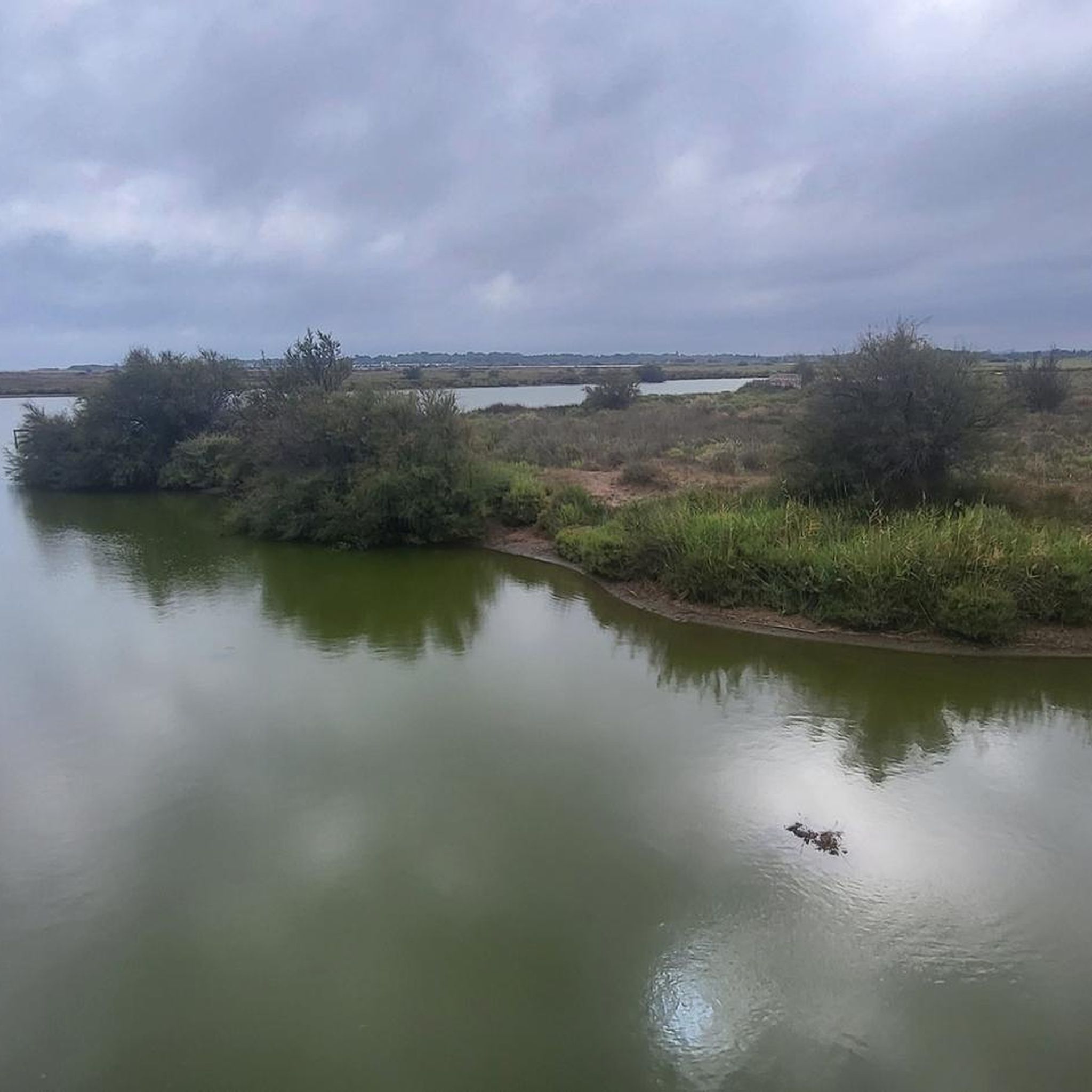
No traffic touring cycling routes in Bauschlotter Au traverse a 192.2-hectare nature reserve characterized by an open meadow landscape. The area features species-rich dry meadows, small wetlands, orchards, and deciduous forests. The headwaters of the Erlenbach wind through the reserve, contributing to its natural beauty. This region offers varied terrain, from flat sections along rivers to scenic, hilly surroundings.
Best no traffic touring cycling routes in Bauschlotter Au
- The most popular no traffic touring cycling route is Enz Gardens, Mühlacker…
Last updated: May 13, 2026
4.5
(20)
72
riders
26.4km
01:37
190m
190m
Moderate bike ride. Good fitness required. Mostly paved surfaces. Suitable for all skill levels.
4.3
(14)
104
riders
17.8km
01:05
150m
150m
Moderate bike ride. Good fitness required. Mostly paved surfaces. Suitable for all skill levels.

Sign up for free
22
riders
Easy bike ride. Great for any fitness level. Mostly paved surfaces. Suitable for all skill levels.
5.0
(2)
8
riders
Moderate bike ride. Good fitness required. Mostly paved surfaces. Suitable for all skill levels.
6
riders
31.1km
02:02
390m
390m
Moderate bike ride. Good fitness required. Mostly paved surfaces. Suitable for all skill levels.
Get access to more routes and recommendations from other explorers.
Sign up for free
Already have an account?
Our route recommendations are based on thousands of hikes, rides, and runs completed by other people on komoot.
Start today with a free account
Your next adventure awaits.
Login or Signup
Popular around Bauschlotter Au

Tips from the Community

https://www.knittlingen.de/stadt-knittlingen/stadtgeschichte "Monday, June 2nd, I will depart. My heart expanded in all the expectations of what I will see and hear. Never have I felt so well as when, half an hour from here, I rode down the mountain – and below me lay Knittlingen…" (Friedrich Hölderlin in a letter from 1788)https://As "Württemberg's foremost bulwark and border fortress against the Palatinate" Knittlingen was first mentioned in a document in 843, then still as "Cnudelingen". In 1148, the Maulbronn monastery, completed a year earlier, acquired the rights over Knittlingen, where one of the monastery's seven granges also arose. In the following centuries, Knittlingen suffered major destruction multiple times – for example in 1360 by the Count Palatine of the Rhine, in the Thirty Years' War in 1632 by the troops of Imperial General Ernesto Montecuccoli, and in 1692 by the French. Partially devastating fires affected many historical buildings. Great influence on the development of urban life was exerted in 1490 by the idea of the Taxis dynasty (since 1650 Thurn und Taxis) to establish a horse relay post from Dutch Mechelen to Austrian Innsbruck and to open a post station in Knittlingen. From 1806 Knittlingen was part of the Oberamt Maulbronn, and in 1840 the place was officially granted town rights. From 1938 to 1972 Knittlingen belonged to the Vaihingen district, and since its dissolution to the Enzkreis in the administrative district of Karlsruhe. The history of Knittlingen's sub-districts Freudenstein (first mentioned in documents around 1251 as "Frodenstein") and Hohenklingen (first mentioned in writing in 1312) also dates back to the 13th or 14th century. The Waldensian village of Kleinvillars was founded in 1699 by reformed religious refugees from Piedmont. The incorporation of Kleinvillars into the town of Knittlingen took place on February 15, 1972, and the amalgamation of Freudenstein-Hohenklingen on August 9, 1975. Also not to be forgotten are the two Spanish partner municipalities Benaoján and Montejaque, with whom Knittlingen has been friendly connected for over 50 years, and since 2010 there has also been an official partnership. www.knittlingen.de/tourismus-freizeit/radtouren
0
0


A relaxing path along the edge of the forest, perfect for letting your bike roll. Newly paved in November 2025.
0
0

The fountain in the upper village depicts the traditional Dürrner professions of farming and gold mining, as well as the “Dodebritscher” story.
5
0
The former fortified church is a reminder that the people of Dürrn – like their neighbors in Ölbronn, for example – were repeatedly plagued by war and destruction. Residents could bring themselves and their belongings to safety in their shelters, known as "Gaden" (forts). The oldest parts of the listed church date back to the 15th century.
5
0
On the ascending path to Dürrn there is a good view of the Bauschlotter Au nature and landscape conservation area.
5
0
The fire department has a historic fire engine in a glass-enclosed shed.
5
0

Aiza, Oiza, or simply Ötisheim
4
0
Frequently Asked Questions
How many no traffic touring cycling routes are available in Bauschlotter Au?
There are over 400 touring cycling routes in the Bauschlotter Au region, with a significant number designed to minimize traffic. Specifically, you'll find 91 easy, 196 moderate, and 116 difficult routes, many of which offer a tranquil, traffic-free experience through the natural landscape.
What is the typical difficulty level for no traffic touring cycling routes in Bauschlotter Au?
The no traffic touring cycling routes in Bauschlotter Au cater to a range of abilities. While there are 91 easy routes perfect for a relaxed ride, the majority (196) are classified as moderate, offering a good balance of challenge and enjoyment. There are also 116 more difficult routes for experienced cyclists seeking a greater workout.
Are there circular no traffic touring cycling routes in Bauschlotter Au?
Yes, many of the no traffic touring cycling routes in Bauschlotter Au are designed as circular tours, allowing you to start and end at the same point. For example, the Dürrn Fortified Church – Bauschlotter Au Nature Reserve loop from GVV Neulingen is an easy, circular option that takes you through the heart of the nature reserve.
What natural features or landmarks can I see along the no traffic touring cycling routes?
The no traffic touring cycling routes in Bauschlotter Au offer a chance to experience diverse natural features. You can explore the Bauschlotter Au Nature Reserve itself, characterized by species-rich dry meadows, small wetlands, and orchards. The routes often follow the headwaters of the Erlenbach, providing scenic views of its winding streams. You might also pass by the Erlenbach Bridge or the Zigeunerwälder Forest Playground.
Are the no traffic touring cycling routes suitable for families with children?
Many of the no traffic touring cycling routes in Bauschlotter Au are well-suited for families, especially the easier, flatter sections that follow river paths or traverse the open meadow landscapes. The region's emphasis on low-traffic areas makes it safer for younger riders. Consider routes like the Dürrn Fortified Church – Bauschlotter Au Nature Reserve loop, which is rated as easy and offers a pleasant ride through nature.
Can I bring my dog on the no traffic touring cycling routes?
Yes, dogs are generally welcome on the cycling routes in Bauschlotter Au, provided they are kept on a leash, especially within the nature reserve areas. It's always best to be mindful of other cyclists and pedestrians. The quiet nature of these routes makes them pleasant for cycling with a canine companion.
Where can I park my car when visiting for a no traffic touring cycling trip?
Parking is available in and around the municipalities bordering the Bauschlotter Au, such as Neulingen and Ölbronn-Dürrn. Look for designated parking areas near trailheads or town centers, which often provide convenient access to the cycling network. Specific parking information for individual routes can often be found on their respective komoot tour pages.
What kind of terrain can I expect on these routes?
The terrain in Bauschlotter Au and the wider Enzkreis region is varied. Within the nature reserve, you'll find mostly flat, open meadow landscapes with subtle undulations. However, the broader region offers a mix of flat river paths along the Enz and Würm, as well as more hilly sections through orchards and vineyards. The 'no traffic' routes often utilize dedicated paths or quiet country roads, ensuring a smooth and enjoyable ride.
What do other touring cyclists say about the no traffic routes in Bauschlotter Au?
The komoot community highly rates the touring cycling experience in Bauschlotter Au, with an average score of 4.6 out of 5 stars from over 5,200 ratings. Reviewers often praise the tranquil atmosphere, the beautiful natural scenery of the reserve, and the well-maintained paths that make for a pleasant, traffic-free ride. The diversity of routes, from easy loops to more challenging tours, is also frequently highlighted.
Are there places to eat or stay near the no traffic touring cycling routes?
Yes, the towns and villages surrounding Bauschlotter Au, such as Neulingen and Ölbronn-Dürrn, offer various options for refreshments and accommodation. You'll find local restaurants, cafes, and guesthouses where you can refuel and relax after your ride. It's advisable to check opening hours, especially in smaller villages.
What is the best time of year to go touring cycling in Bauschlotter Au?
The best time for touring cycling in Bauschlotter Au is generally from spring through autumn (April to October). During these months, the weather is typically mild and pleasant, and the natural landscape is at its most vibrant. Spring brings blooming orchards, while autumn offers beautiful foliage. Be aware that some sections might experience water accumulation during heavy rain, so checking local weather conditions is always recommended.
How long are the no traffic touring cycling routes typically?
The no traffic touring cycling routes in Bauschlotter Au vary significantly in length. You can find shorter, easy loops perfect for a quick outing, such as the Dürrn Fortified Church – Bauschlotter Au Nature Reserve loop at just under 8 km. Longer routes, like the Aalkistensee – West shore of Aalkistensee loop, can extend up to 30 km or more, offering a full day's adventure through the region's scenic landscapes.
Most popular routes in Bauschlotter Au
Most popular attractions in Bauschlotter Au

Get inspired with the komoot mobile app


Explore more
Browse the best Cycling routes in other regions.
