The best city hikes and walks in Piacenza
4.4
(5066)
23,838
hikers
82
hikes
Urban hiking trails in Piacenza offer a blend of historical exploration and cityscapes within the Emilia-Romagna region of Italy. The city's routes often incorporate ancient pathways and lead through areas dotted with historical architecture. While the broader region features rolling hills and river valleys, urban trails focus on the city's cultural landmarks and accessible paths. These routes provide opportunities to experience Piacenza's urban environment on foot.
Best urban hiking trails in Piacenza
- The most popular urban hiking route is Piacenza…
Last updated: May 14, 2026
3.5
(2)
6
hikers
5.83km
01:29
20m
20m
Easy hike. Great for any fitness level. Easily-accessible paths. Suitable for all skill levels.
16.0km
04:03
30m
30m
Hike the 10.0 miles (16.0 km) Via Francigena: Piacenza Alternative Trail, a moderate route through Po Valley farmlands and rolling hills.

Sign up for free
3.5
(2)
19
hikers
7.71km
01:58
30m
30m
Easy hike. Great for any fitness level. Easily-accessible paths. Suitable for all skill levels.
7
hikers
6.26km
01:36
30m
30m
Easy hike. Great for any fitness level. Easily-accessible paths. Suitable for all skill levels.
4.0
(2)
22
hikers
6.74km
01:43
20m
20m
Easy hike. Great for any fitness level. Easily-accessible paths. Suitable for all skill levels.
Get access to more routes and recommendations from other explorers.
Sign up for free
Already have an account?
Our route recommendations are based on thousands of hikes, rides, and runs completed by other people on komoot.
Start today with a free account
Your next adventure awaits.
Login or Signup
Popular around Piacenza

City hikes around the Po

City hikes in Zona Di Protezione Speciale

City hikes in Geosito Di Croara
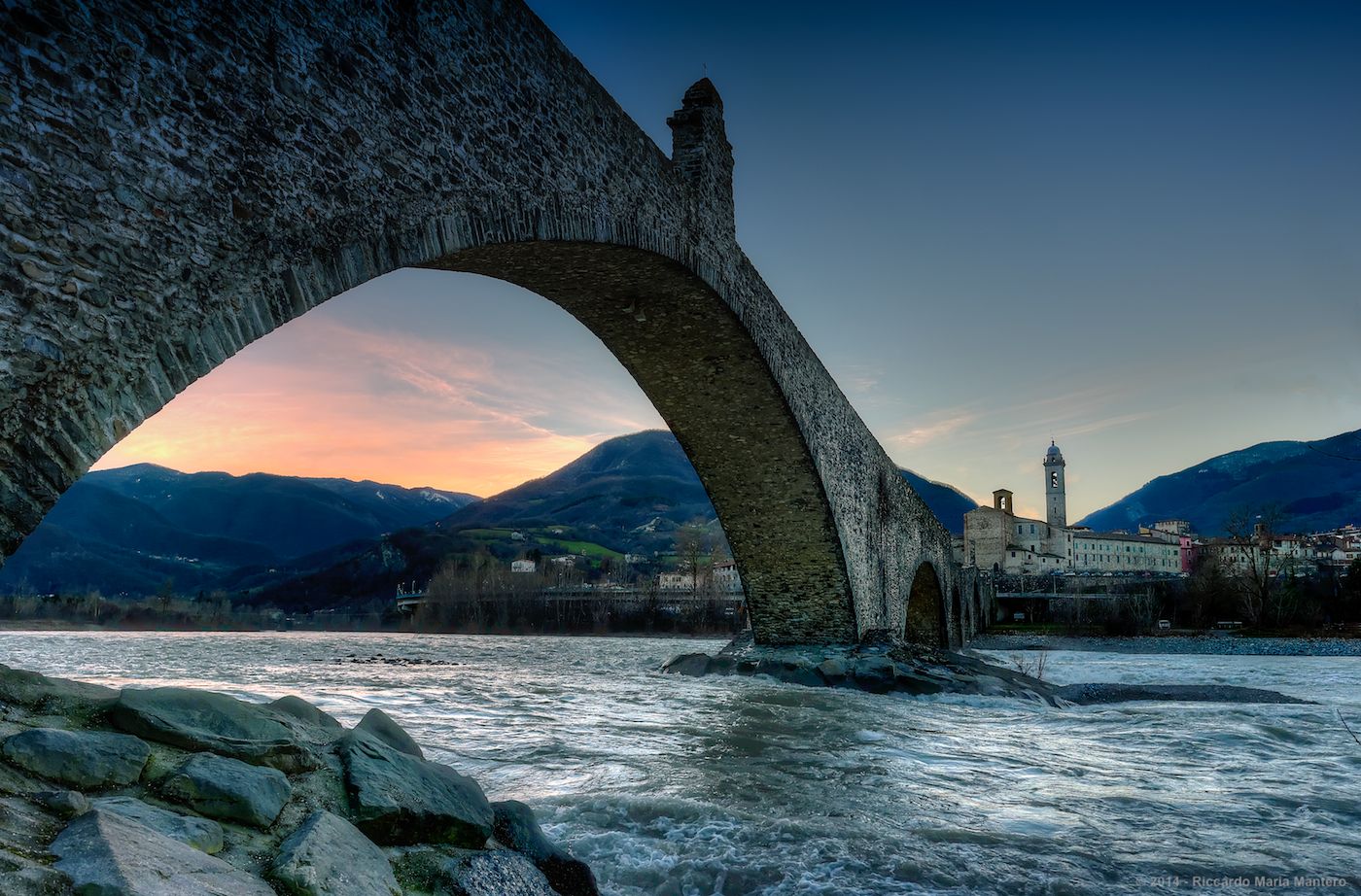
Hike from Milan to the sea – Path of the Celts and Ligurians
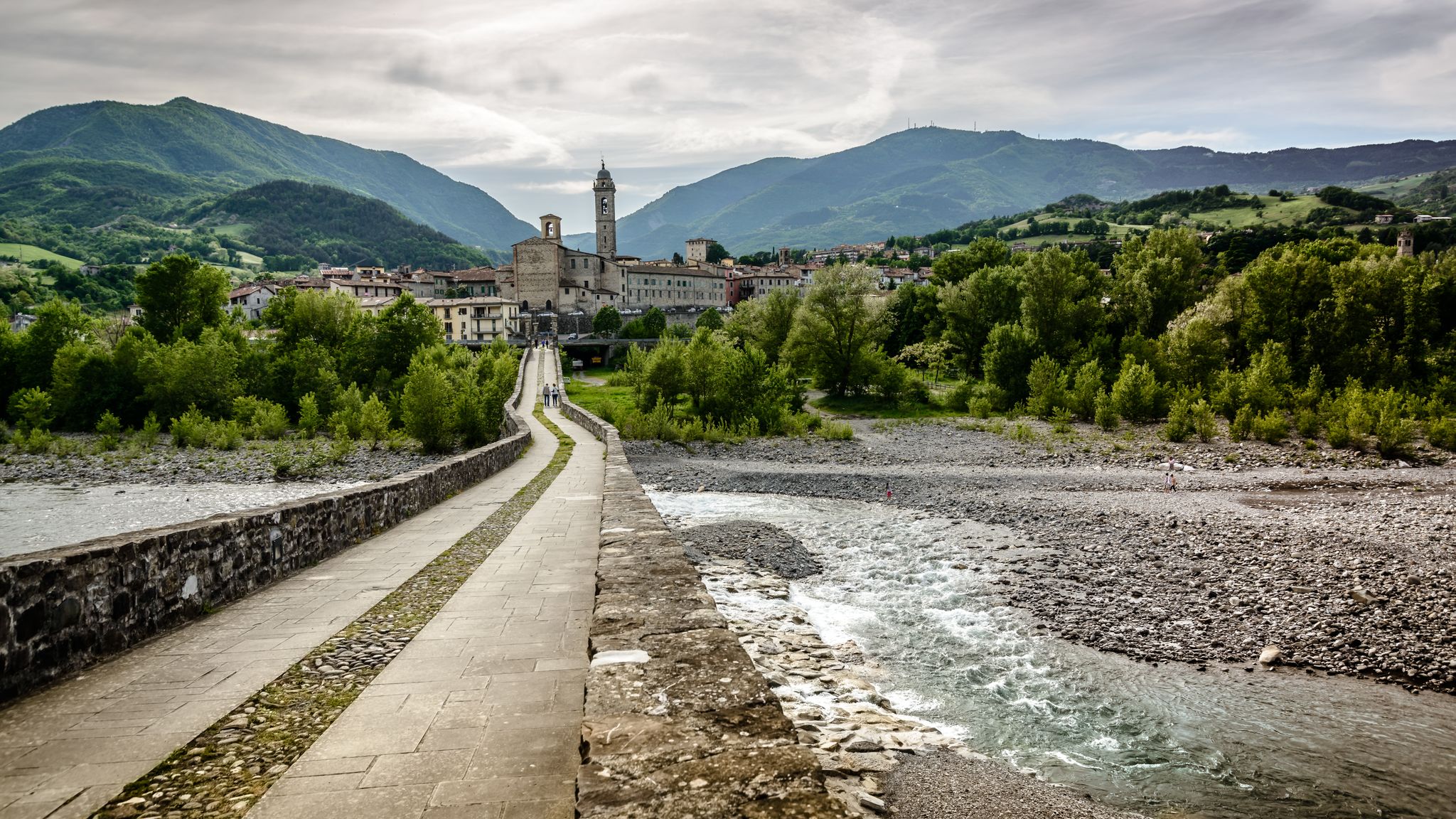
A historic hike from Pavia to Pontremoli – Via degli Abati
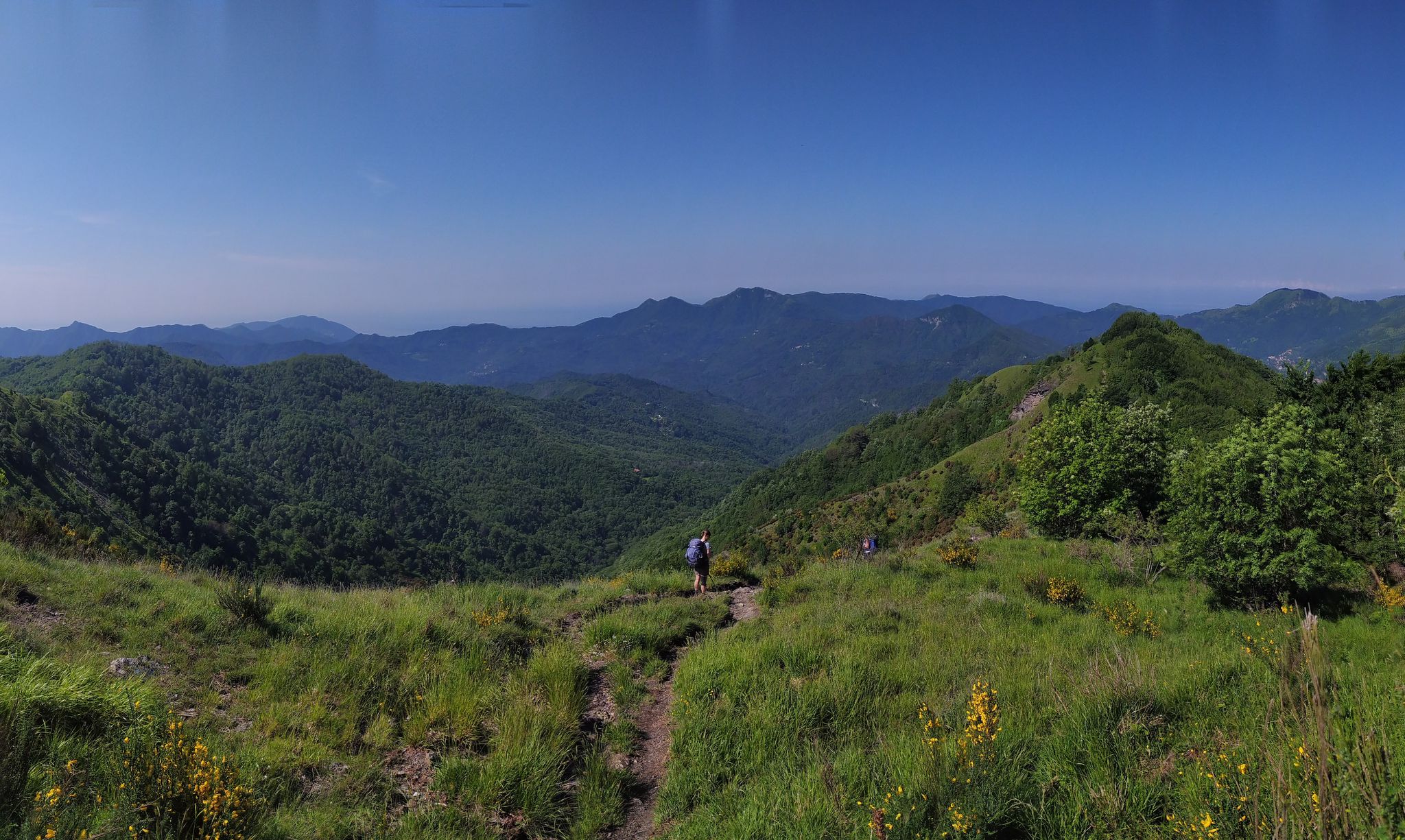
On the way to the sea – Italy’s Salt Road
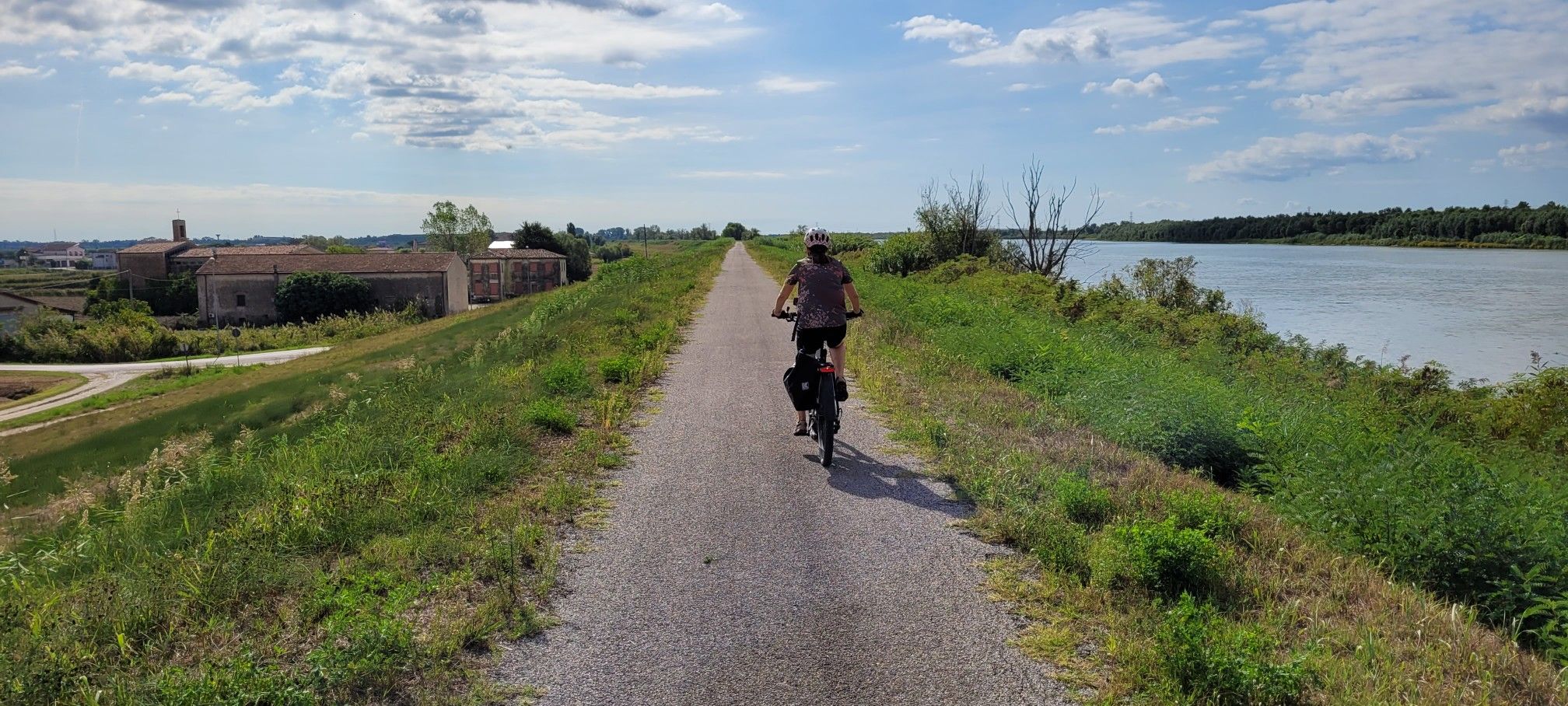
Ciclovie del Po — An all-round experience along Italy's longest river
Apennine Cycle Route (Part 1) - From Liguria to Umbria
Bike rides to the Italian coast – 10 ways to take a dip
Ride through Italy’s Po Valley – a pilgrimage on the Via Postumia
Other adventures in Piacenza


Tips from the Community

Thank you very much Patrick
1
0

The first foundation of the church dates back, in all likelihood, to the mid-9th century. In 1140 the entire village of Santa Brigida was the victim of a violent fire in which it is assumed that the temple was also destroyed, consequently rebuilt. Here in 1185 the Peace of Constance, already preliminarily discussed in S. Antonio, was ratified by the Lombard League. The current temple was restored by Giannantonio Perrau (1899) who returned it to its original Romanesque features. The interior, without a transept, has three naves, closed by apses. Worthy of mention is the chapel of the Crucifix (right nave), so called because of the suggestive wooden simulacrum (13th century) that it houses. It is decorated with frescoes by Roberto de Longe, a Flemish painter by origin, but active in Piacenza since 1685, who depicts the Ascension in the dome and the Sibyls in the pendentives. On the walls of the church you can see a painting by Felice Boselli from Piacenza (1650-1732) representing the Ecce Homo and a St. Andrew led to martyrdom, a notable work by Camillo Gavasetti (1628). (c) https://scopripiacenza.it/it/luoghi/chiese-e-santuari-piacenza-la-citta-chiesa-di-santa-brigida
2
0
Built between 1278 and 1363 by the Ghibelline Umbertino Landi, the church of San Francesco is in Lombard Gothic style with a terracotta façade. The Friars Minor were commissioned to carry out the work and quickly built the church and adjoining monastery. Over the centuries, the church was enriched with works of art and the convent reached considerable dimensions. The most important historical event connected to the church was, in 1848, the proclamation, which took place here with a plebiscite, of the annexation of Piacenza to the Kingdom of Sardinia. The church preserves inside the tombs of illustrious men, paintings, sculptures and remains of frescoes from the 14th and 15th centuries. Note the sculpture placed in the lunette of the portal, with the Stigmata of San Francesco (around 1480). The dome of the chapel of the Immaculate Conception is frescoed by Giovanni Battista Trotti, known as “Il Malosso” (1600). Also worthy of note is the stucco sculpture group created by Reti in the 17th century and depicting the Deposition. Other artists present are Bernardo Castello, Giuseppe Nuvolone and Benedetto Marini. In front of the church of San Francesco, the so-called “Dado” develops in height, the building that incorporates the architectural structures of the ancient medieval Torrazzo communal tower. (c) https://scopripiacenza.it/it/luoghi/chiese-e-santuari-piacenza-la-citta-piazza-cavalli-chiesa-di-san-francesco
1
0
The 16th-century Santa Maria di Campagna , built in the Renaissance style, has beautiful frescoes by Pordenone and Bernardino Gatti, who decorated the dome with colorful paintings. The church also features a statue of Ranuccio Farnese, Duke of Piacenza, from 1616 by the sculptor Francesco Mochi, who also created the equestrian statues in Piazza Cavalli.
0
0

Known as "il Gotico" to those who live in Piacenza, due to the presence of pointed arches typical of Gothic architecture, this historic building in the city center hosted the poet Francesco Petrarca in 1351. Today it opens to the public only on the occasion of events or temporary exhibitions.
3
0

Piacenza Cathedral (Italian: Duomo di Piacenza) is a Roman Catholic church in Piacenza (Emilia-Romagna, Italy) dedicated to Saint Justina of Padua and the Assumption of the Blessed Virgin Mary. Saint Justina is also the patron saint of the city. The cathedral is located in the city center, on Piazza Duomo. The church is the seat of the Diocese of Piacenza-Bobbio.
2
0
Piacenza is a city full of beautiful squares, all lively and crowded. On this square are the cathedral and the bishop's palace.
1
0
Inside the church, it is worth paying attention to the frescoes by Gavasetti and Robert de Longe. Interestingly, some of them were transferred to the Municipal Gallery in Piacenza.
0
0
Frequently Asked Questions
How many urban hiking trails are available in Piacenza?
There are over 80 urban hiking routes in Piacenza, offering a variety of experiences for city explorers. Most of these, around 67, are rated as easy, making them accessible for many.
What kind of terrain can I expect on urban hikes in Piacenza?
Urban hikes in Piacenza primarily feature flat or gently rolling terrain, ideal for leisurely walks through the city's historic center and along its riverbanks. You'll encounter paved paths, cobblestone streets, and some green spaces. Elevation gains are generally minimal, making these routes suitable for all fitness levels.
Are there any historical landmarks or points of interest to see on Piacenza's urban trails?
Absolutely. Piacenza's urban trails often weave through the city's rich history. You can explore significant sites like the Gothic Palace and the Piacenza Cathedral. Many routes also pass by the impressive Palazzo Farnese. For a specific route that highlights the city's core, consider the Piacenza city tour: walk in the city.
Are Piacenza's urban hiking trails suitable for families with children?
Yes, many of Piacenza's urban trails are very family-friendly, especially the easy-rated routes. The flat terrain and short distances make them ideal for walks with children. Routes like the Gothic Palace (Piacenza) – Piacenza Cathedral loop from Piacenza offer engaging sights without being too strenuous.
Can I bring my dog on urban hikes in Piacenza?
Generally, dogs are welcome on urban trails in Piacenza, provided they are kept on a leash. Many city parks and pedestrian areas are dog-friendly. Always remember to clean up after your pet to ensure a pleasant experience for everyone.
What is the best time of year for urban hiking in Piacenza?
The best times for urban hiking in Piacenza are spring (April to June) and early autumn (September to October). During these months, the weather is mild and pleasant, perfect for exploring the city on foot. Summer can be quite warm, while winter might be chilly and damp.
Are there any circular urban hiking routes in Piacenza?
Yes, Piacenza offers several excellent circular urban hiking routes. These are perfect for exploring the city without needing to retrace your steps. Examples include the Piacenza Cathedral – Gothic Palace (Piacenza) loop from Piacenza and the Palazzo Farnese – Gothic Palace (Piacenza) loop from Piacenza, both of which are easy and offer great city views.
What do other hikers enjoy most about urban hiking in Piacenza?
The urban hiking routes in Piacenza are highly rated by the komoot community, with an average score of 4.38 stars from over 2,400 reviews. Hikers often praise the historical richness of the city, the ease of access to cultural landmarks, and the pleasant atmosphere for a leisurely stroll.
Are there any longer urban or semi-urban routes for more experienced hikers?
For those looking for a longer, more challenging urban-adjacent experience, the Via Francigena: Piacenza Alternative Trail offers a moderate 16 km route. While starting in the city, it extends further, providing a blend of urban and more expansive landscapes.
Are there any natural features or lakes accessible near Piacenza's urban trails?
While the immediate urban trails focus on the city's architecture and history, the wider Piacenza region is rich in natural beauty. You can find beautiful lakes like Black Lake and impressive structures like the Molato Dam and Mignano Dam, which are popular destinations for day trips from Piacenza. The region also boasts the scenic Val Trebbia and Val Nure, known for their rivers and hills.
What are the typical distances and durations for urban walks in Piacenza?
Urban walks in Piacenza vary in length, but many easy routes are between 5 to 8 kilometers, taking approximately 1.5 to 2.5 hours to complete at a leisurely pace. For example, the Piacenza city tour: walk in the city is about 5.8 km and takes around 1.5 hours.
Is public transport easily accessible for reaching urban trailheads in Piacenza?
Yes, Piacenza has a well-developed public transport network, including buses, which makes it easy to reach various starting points for urban hikes within the city. Many routes begin directly in the city center, which is highly accessible by public transport.
Most popular routes in Piacenza
Most popular attractions in Piacenza

Get inspired with the komoot mobile app


Didn’t find what you were looking for?
Check out more Hikes throughout Piacenza below and find the perfect route in your destination.
Explore more
Browse the best Hikes in other regions.
