The best traffic-free bike rides in the Harz Mountains
4.5
(919)
4,959
riders
391
rides
Gravel biking in the Harz Mountains offers a diverse landscape of dense forests, rugged mountains, and clear streams. The region features varied terrain, including tarmac, compacted gravel paths, and unpaved sections, making it well-suited for gravel bikes. This low mountain range is characterized by extensive beech and spruce forests, moors, and striking rock formations. The network of routes provides a blend of adventure and natural exploration across its varied surfaces.
Best no traffic gravel bike trails in the Harz Mountains
- The most popular no traffic gravel bike trail is The Harz via Okertal and Kleiner Steffentalskopf - circular route from Hahnenklee, a 36.9 miles (59.3 km) trail that takes 5 hours 19 minutes to complete. This route explores the Harz region, passing through the Okertal valley.
- Another top favourite among local gravel bikers is Brocken Summit – Eckertalsperre dam loop from Braunlage, a difficult 42.1 miles (67.7 km) path. This route offers challenging climbs towards the Brocken summit and views of the Eckertalsperre dam.
- Local gravel bikers also love the Zillierbach Dam – View of the Brocken loop from Brockenbahn, a 14.6 miles (23.4 km) trail leading through forested areas with views towards the Brocken, often completed in about 1 hour 34 minutes.
- Gravel biking in the Harz Mountains is defined by dense forests, rugged mountains, and varied gravel and unpaved paths. The extensive network offers options for different ability levels, from moderate rides to more challenging ascents.
- The routes in Harz Mountains are highly rated by the komoot community with an average score of 4.6 stars from over 600 reviews. More than 4000 gravel bikers have used komoot to explore Harz Mountains's varied terrain.
Last updated: September 30, 2026
4.5
(11)
72
riders
59.3km
05:20
1,190m
1,190m
Hard gravel ride. Very good fitness required. You may need to push your bike for some segments of this route.
4.5
(16)
145
riders
67.5km
04:49
1,410m
1,410m
Hard gravel ride. Very good fitness required. You may need to push your bike for some segments of this route.

4.1
(18)
94
riders
23.7km
01:34
370m
370m
Moderate gravel ride. Good fitness required. Mostly paved surfaces. Suitable for all skill levels.
4.5
(6)
92
riders
Hard gravel ride. Very good fitness required. Mostly paved surfaces. Suitable for all skill levels.
4.0
(3)
39
riders
43.2km
02:50
780m
780m
Hard gravel ride. Very good fitness required. You may need to push your bike for some segments of this route.
Get access to more routes and recommendations from other explorers.
Already have an account?
Our route recommendations are based on thousands of hikes, rides, and runs completed by other people on komoot.
Start today with a free account
Your next adventure awaits.
Popular around Harz Mountains
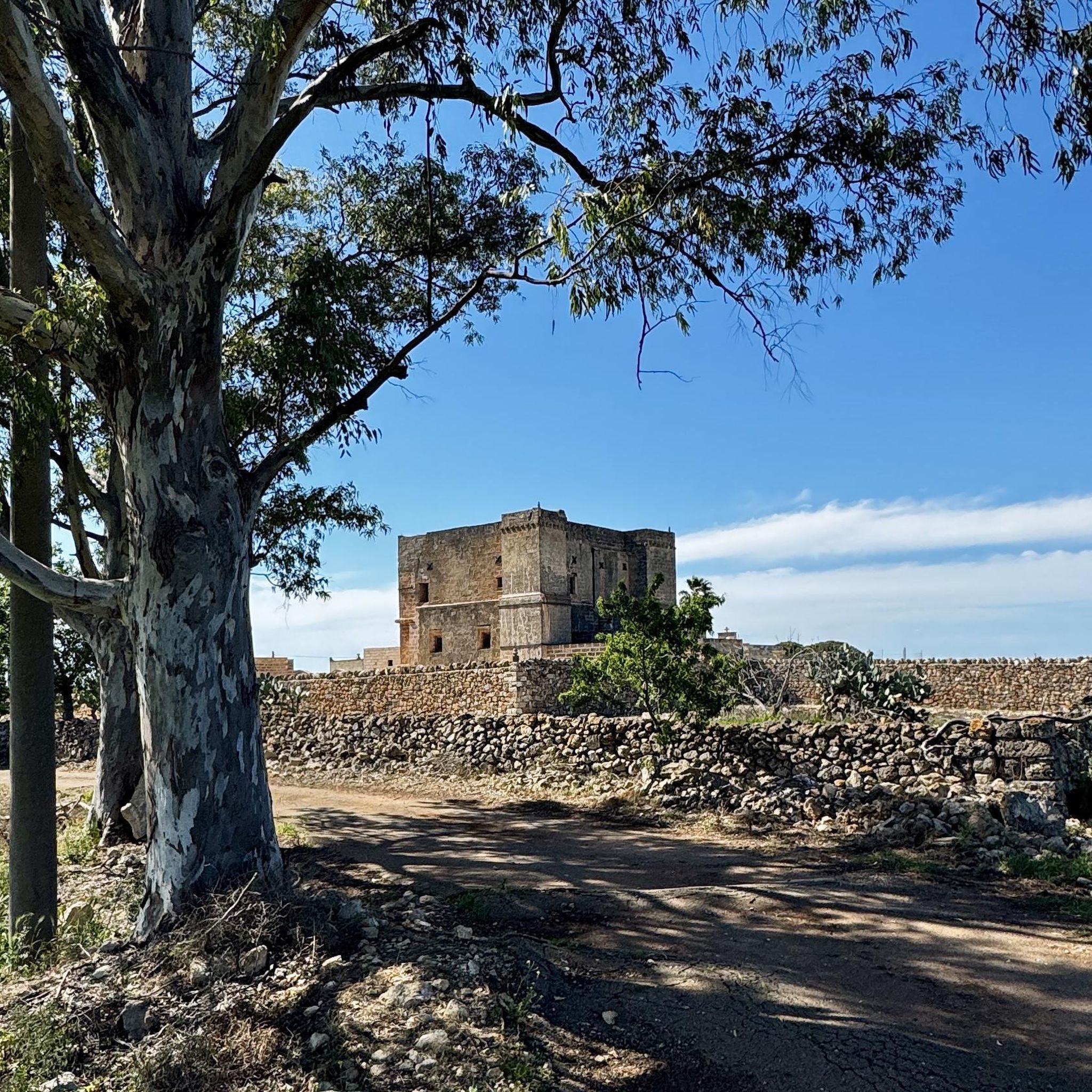
Traffic-free bike rides around Goslar
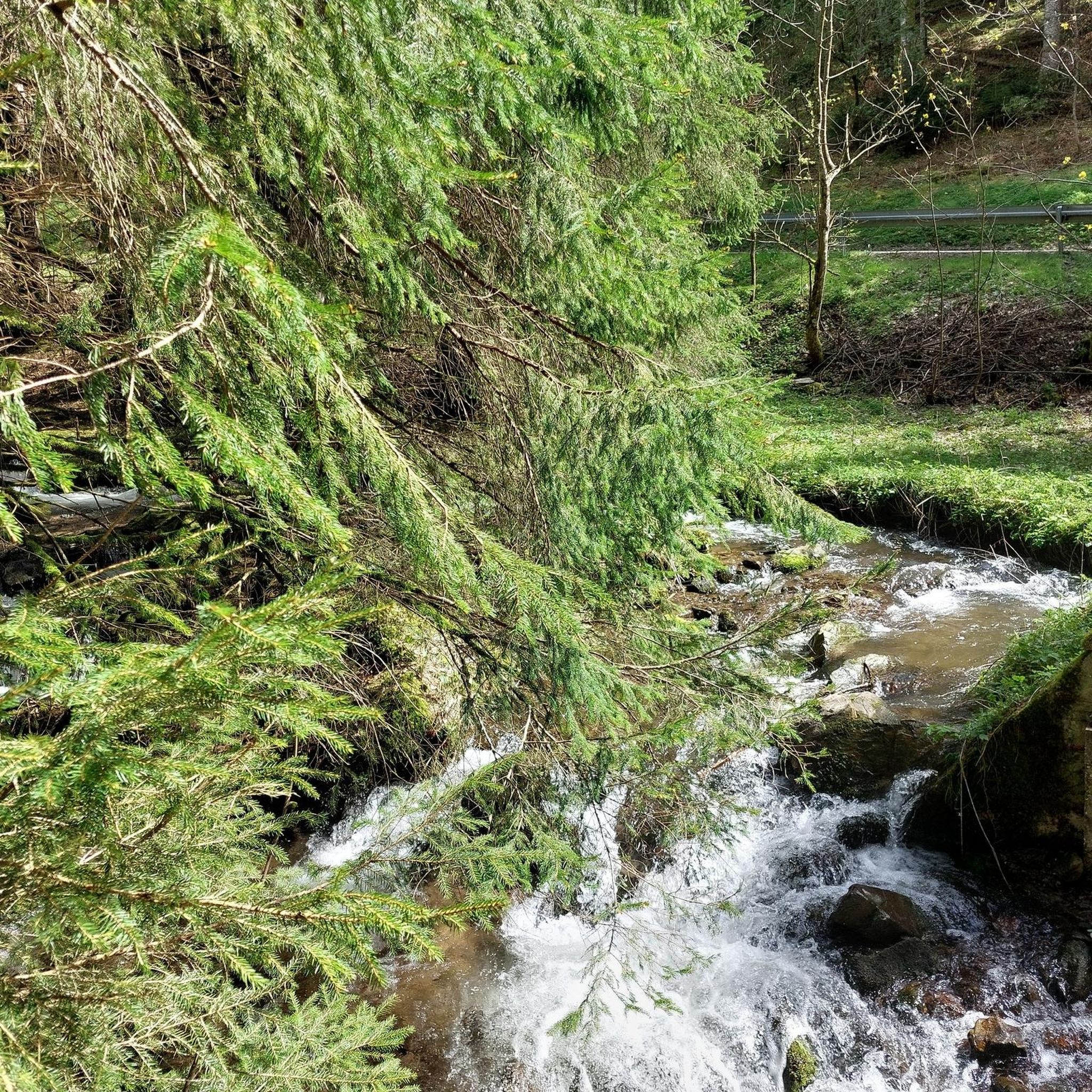
Traffic-free bike rides in Osterode am Harz
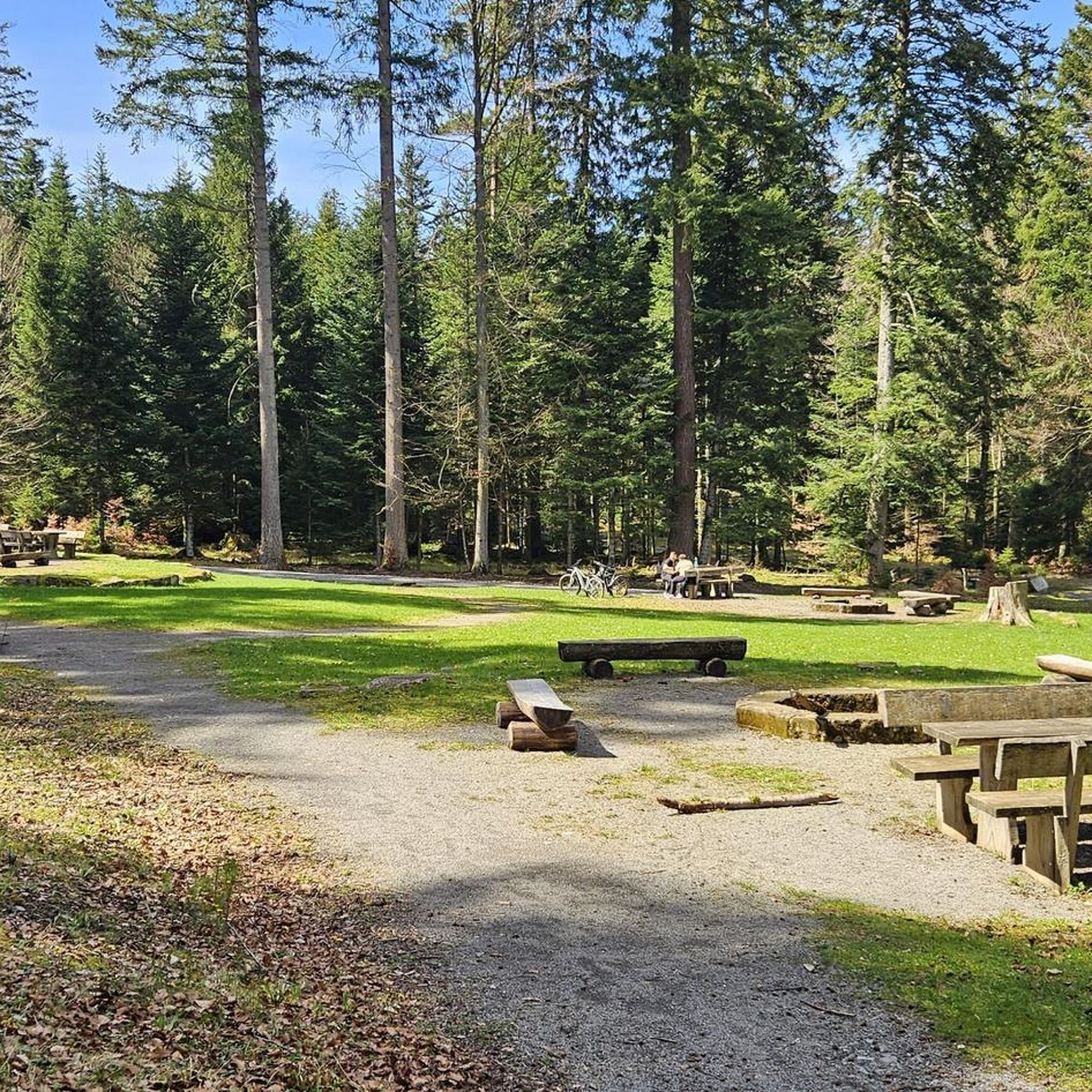
Traffic-free bike rides in Mansfeld-Südharz
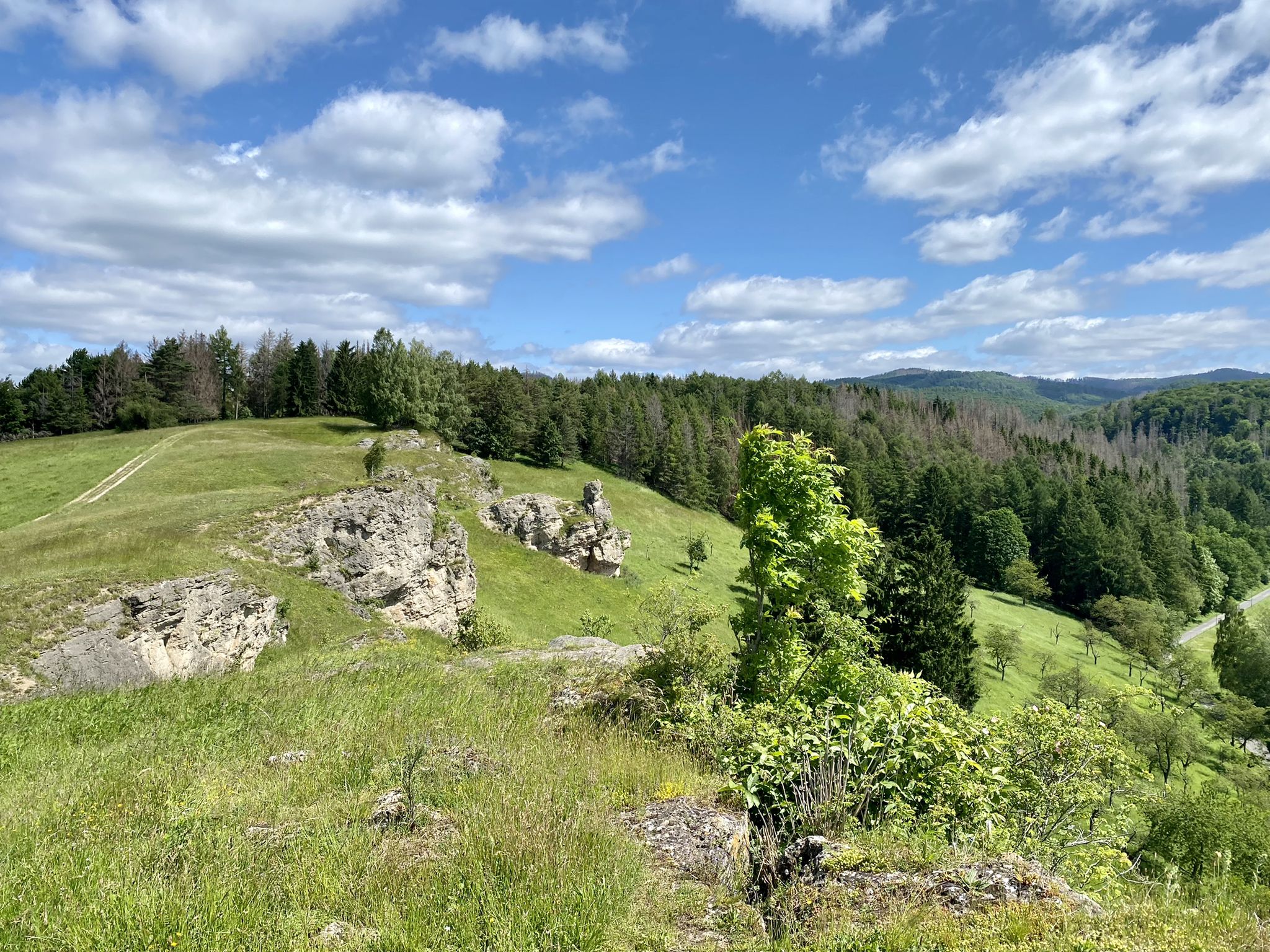
Karst Trail in Germany's Southern Harz Mountains – Where Water Meets Limestone
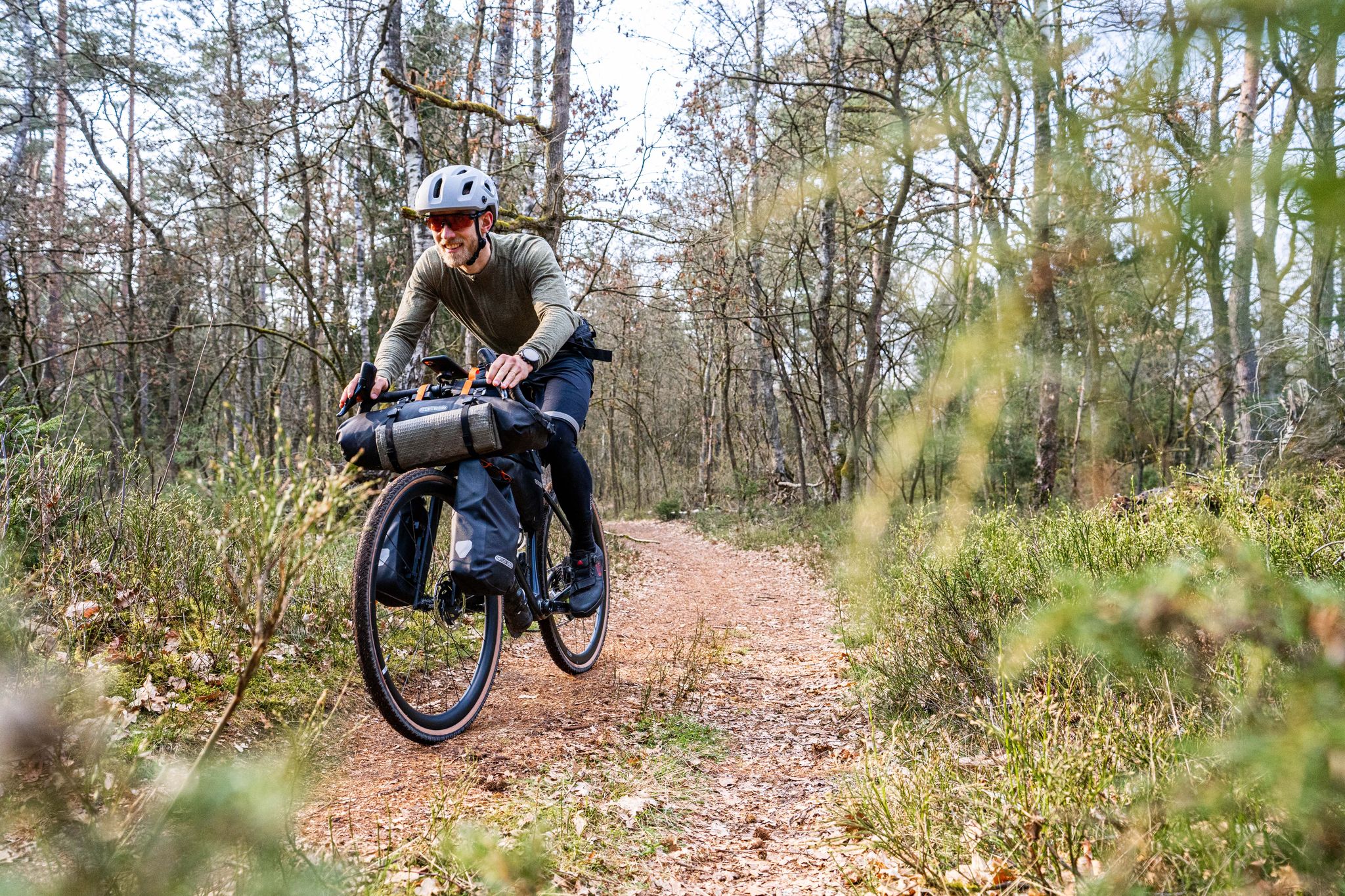
Gravel bikepacking from Hamburg to Munich
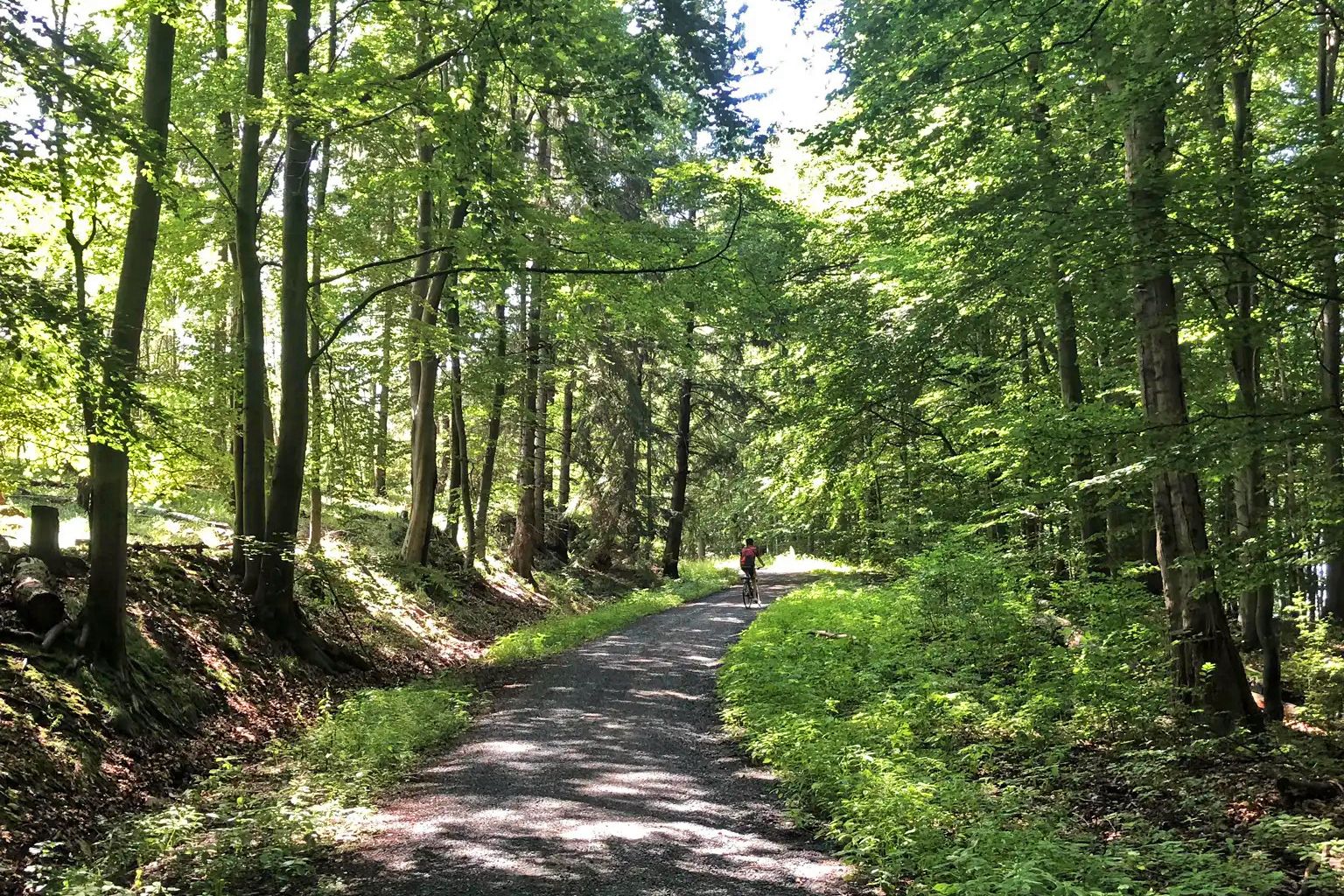
The Harz-Rundweg – once around the low mountain range in the Harz foreland
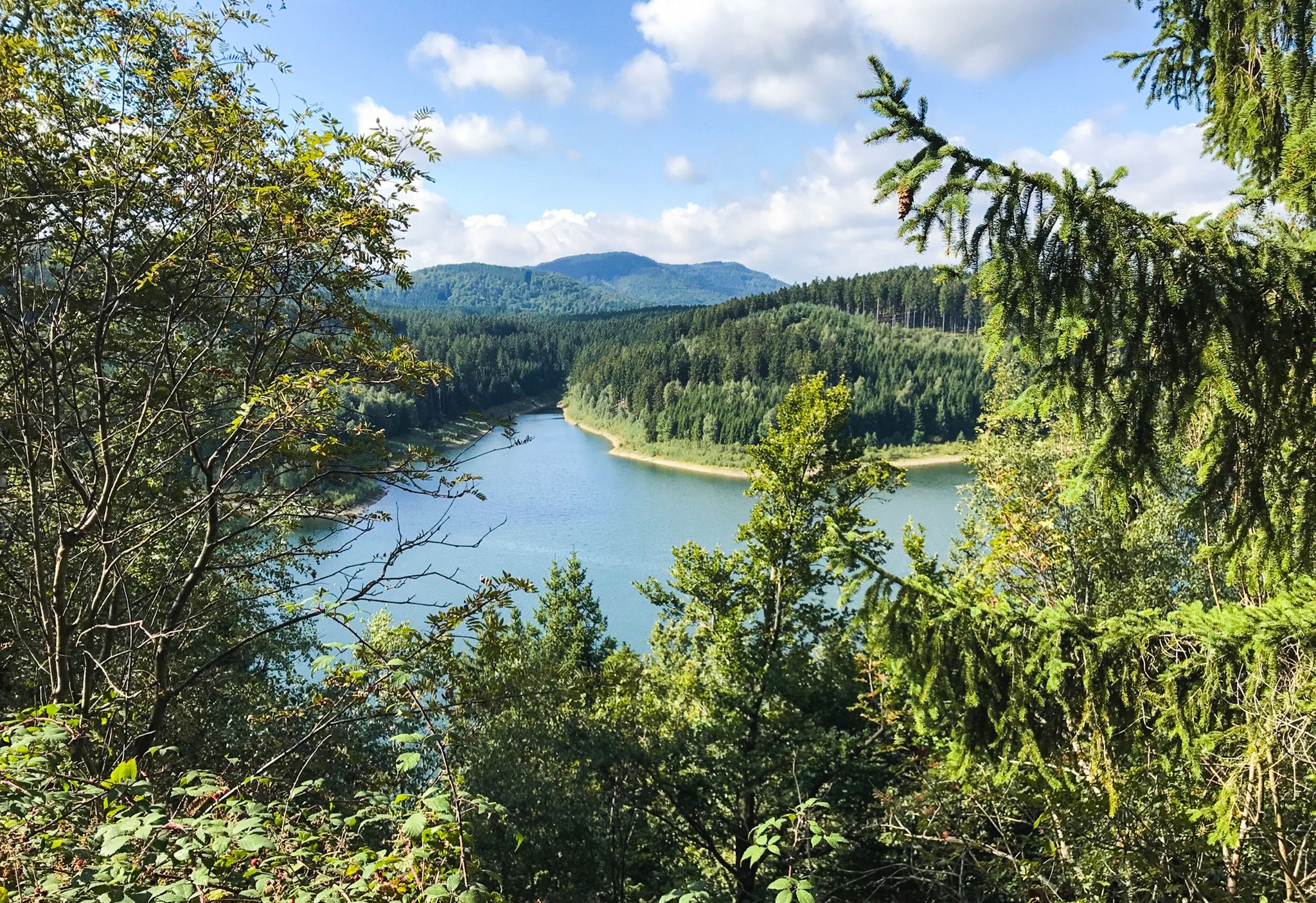
The Harzer Försterstieg trail – in 4 stages through the western Harz
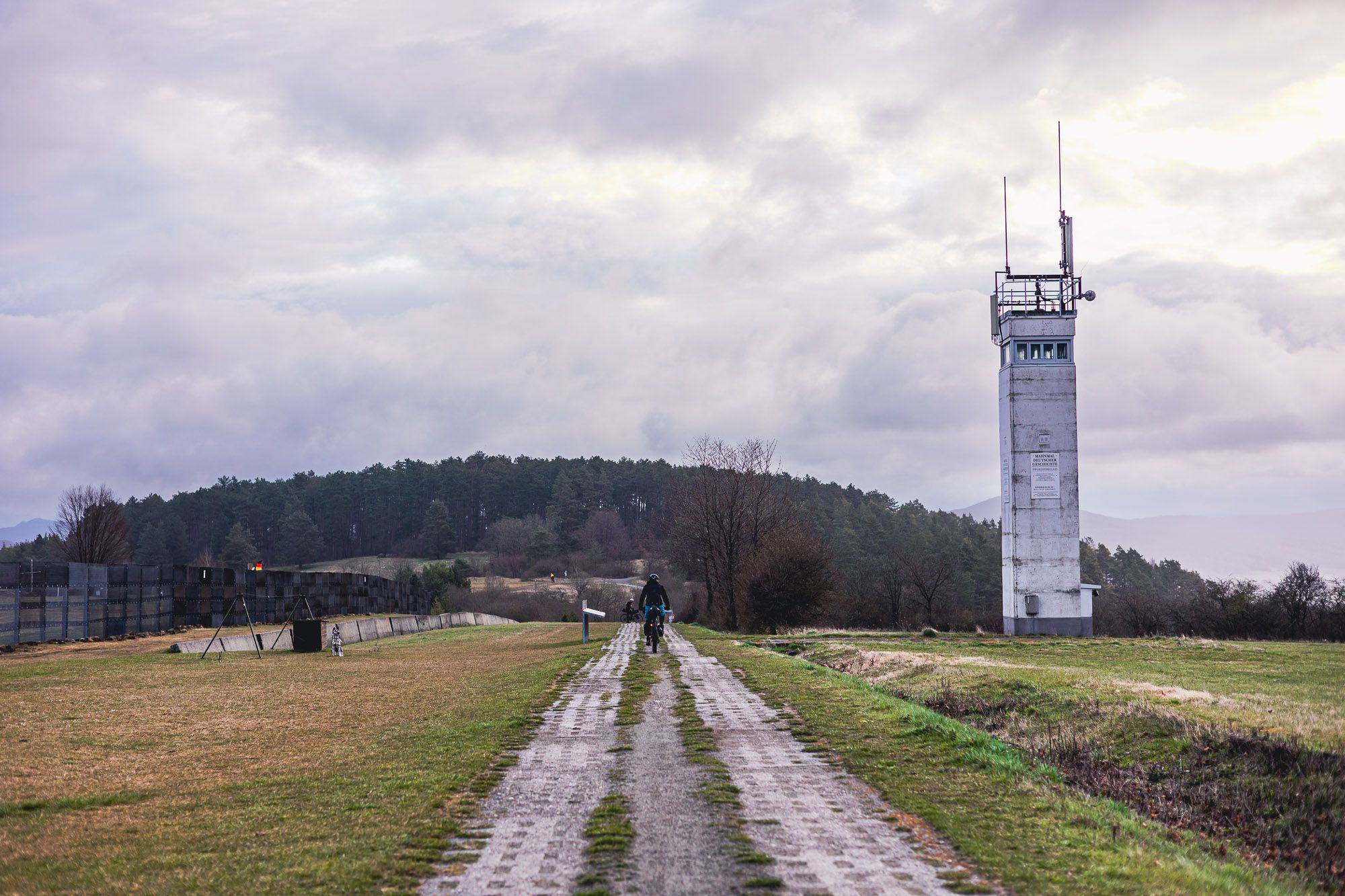
The Baltic Sea to Vogtland – 8 days along Germany's green former border
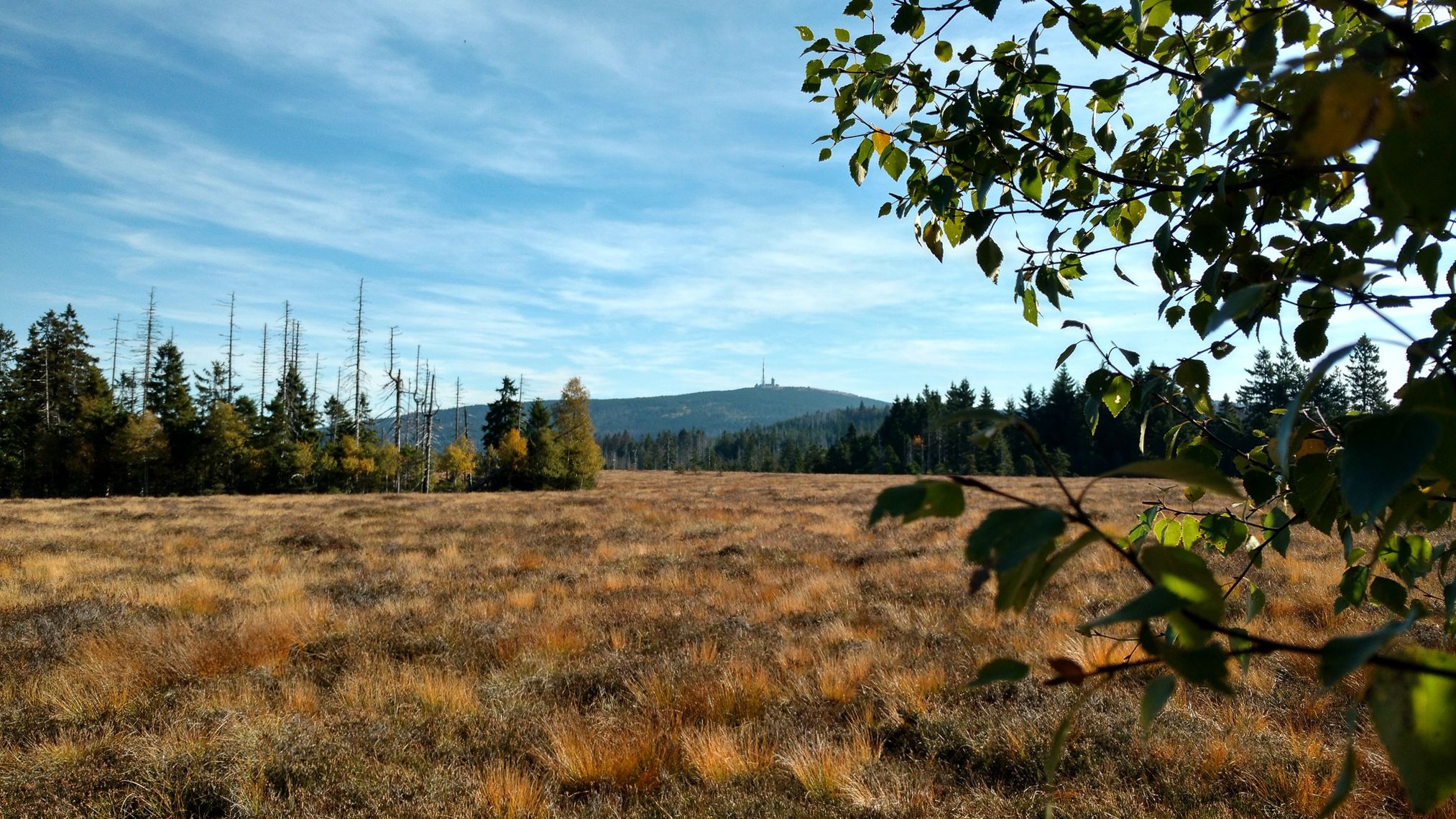
Harz Witches' Trail – A magical journey through Germany
Run Wilder – six trail runs in Germany with the HOKA Speedgoat 7
Other adventures in the Harz Mountains


Tips from the Community

Well-drivable asphalt path along the lake. Continuous from the dam to Altenau.
0
0

Also a former mining pond, presumably already created in the 17th century.
1
0

Attention: The bridge is currently closed!
2
0

The church was built in ten months from 1907 to 1908. Its model was the much older stave churches of Norway. Prof. Karl Mohrmann, consistorial master builder of the Hanoverian regional church, drew inspiration from Nordic churches, but adapted the size and design to the needs of the congregation. Thus, the Hahnenklee Stave Church, with its 240 seats, is larger than its Norwegian counterparts, and the relatively large windows allow plenty of light into the interior. The local craftsmen used spruce wood from the surrounding area as building material, which also made construction more cost-effective than the originally planned neo-Gothic brick structure. Many elements of the architectural style are reminiscent of shipbuilding, even somewhat of Viking ships with their numerous dragons on the roof and in the decorations. The chandelier is modeled after a ship's wheel.
9
0

The reservoir supplies drinking water to the cities of Braunschweig, Wolfenbüttel, and Wolfsburg. The water is piped to the Lewerberg reservoir near Liebenburg, where drinking water from the Grane Dam also arrives. From there, a pipeline leads to the Thieder Lindenberg and further to the cities of Braunschweig and Wolfsburg. The water of the Ecker River is relatively acidic, with a pH of 4.6, due to the humic acid-rich moor streams. It is also low in nutrients and therefore well suited for drinking water treatment.[3] The dam is not used for fishing, as most fish cannot tolerate the low pH.[5] Below the dam, the water is almost neutral. Source: https://de.wikipedia.org/wiki/Eckertalsperre
3
0
The Ecker Dam (sometimes also called the Ecker Reservoir) is a dam near Bad Harzburg in the Harz Mountains, which was commissioned in 1943[1] and impounds the Ecker River and its tributaries. Operated by Harz Waterworks, the facility serves to supply drinking water, protect against flooding, increase low water levels, and generate energy.[2] Source: https://de.wikipedia.org/wiki/Eckertalsperre
3
0

The paths/trails are quite easy to ride
1
0

According to the information board, the ditch is almost 8km long, then plunges into the mines and eventually flows into the Sieber River. Incredible!
0
1
Frequently Asked Questions
How many traffic-free gravel bike trails are available in the Harz Mountains?
The Harz Mountains offer a vast network of trails, with over 400 routes suitable for gravel biking. Many of these are specifically designed to be traffic-free, allowing you to enjoy the natural beauty without vehicle interference. You'll find a good mix of difficulties, from moderate to challenging, ensuring there's a route for every skill level.
What makes the Harz Mountains ideal for no-traffic gravel biking?
The Harz Mountains are a prime destination for no-traffic gravel biking due to their extensive network of dedicated gravel paths, forest roads, and trails. The region's diverse landscape, from dense forests and rugged mountains to clear streams and scenic lakes, provides varied terrain. Many routes, like those within the Harz National Park, offer serene nature and excellent descents away from public roads, making it perfect for a peaceful ride.
What do other gravel bikers say about the traffic-free routes in the Harz Mountains?
The komoot community highly rates the gravel biking experience in the Harz Mountains, with an average score of 4.58 stars. Reviewers often praise the quiet, well-maintained paths, the stunning natural scenery, and the sense of adventure found on these traffic-free routes. The varied terrain and the opportunity to explore historical sites and natural monuments are frequently highlighted as major positives.
Are there easy, traffic-free gravel routes for beginners in the Harz Mountains?
Yes, while many routes are moderate to difficult, there are several easy, traffic-free gravel routes suitable for beginners. These trails typically feature well-maintained gravel paths with gentler ascents, allowing new riders to enjoy the scenery without excessive challenge. Look for routes with lower elevation gains and shorter distances for a comfortable introduction to gravel biking in the Harz.
What kind of terrain can I expect on traffic-free gravel trails in the Harz Mountains?
On traffic-free gravel trails in the Harz Mountains, you can expect a varied terrain that includes compacted and unpaved gravel sections, forest roads, and some asphalt stretches connecting different areas. The region's geology means you'll encounter everything from smooth, rolling paths to more rugged sections with loose gravel and occasional roots, especially on routes that venture into higher elevations or through dense forests.
Are there family-friendly, traffic-free gravel bike trails in the Harz Mountains?
Absolutely. Many traffic-free routes in the Harz Mountains are suitable for families, particularly those that follow old railway lines or well-maintained forest paths with minimal elevation. These trails often pass by picnic spots, small villages, or natural attractions, providing opportunities for breaks and exploration. Always check the route's difficulty and length to ensure it matches your family's capabilities.
Can I bring my dog on traffic-free gravel bike routes in the Harz Mountains?
Yes, many traffic-free gravel routes in the Harz Mountains are dog-friendly, especially those on forest roads and wider paths. However, within the Harz National Park, dogs must be kept on a leash to protect wildlife. Always ensure your dog is well-behaved, accustomed to cycling, and that you carry water for them. Check specific trail regulations if you plan to enter sensitive natural areas.
What natural attractions can I see along traffic-free gravel bike trails?
The Harz Mountains are rich in natural attractions accessible via gravel trails. You can encounter stunning features like the Brocken Summit (the highest peak), picturesque lakes such as Okerstausee and Granetalsperre, and impressive rock formations. Some routes also lead past beautiful waterfalls like the Lower Ilse Falls and Upper Ilse Falls, offering scenic stops during your ride.
Are there any circular, traffic-free gravel routes in the Harz Mountains?
Yes, the Harz Mountains offer numerous circular, traffic-free gravel routes, perfect for riders who prefer to start and end at the same point. An example is The Harz via Okertal and Kleiner Steffentalskopf - circular route from Hahnenklee, which provides a challenging loop through diverse landscapes. Another option is the Brocken Summit – Eckertalsperre dam loop from Braunlage, offering a demanding ride with rewarding views.
What is the best time of year for traffic-free gravel biking in the Harz Mountains?
The best time for traffic-free gravel biking in the Harz Mountains is typically from late spring (May) to early autumn (October). During these months, the weather is generally mild, and trails are dry and clear of snow. Autumn offers spectacular foliage, while spring brings blooming nature. Winter riding is possible but requires appropriate gear due to snow and ice, especially at higher elevations.
Are there routes that pass by historical sites or cultural landmarks?
Many traffic-free gravel routes in the Harz Mountains weave through areas rich in history and culture. You can ride along sections of the UNESCO World Heritage Upper Harz Water Regal, an ancient water management system. While specific routes might not directly pass through towns like Quedlinburg or Goslar, they often connect to areas where you can explore historical sites, castles, and charming villages, blending natural adventure with cultural discovery.
Can I find cafes or refreshment stops along traffic-free gravel trails?
While many routes are traffic-free and immerse you in nature, you can often find cafes, restaurants, or traditional Harz pubs in the villages and towns that these trails connect or pass near. It's advisable to plan your route and check for refreshment points beforehand, especially on longer rides, as some remote sections may not have immediate amenities. Many routes are designed to offer a blend of wilderness and convenient stops.
Most popular routes in the Harz Mountains
Most popular attractions in the Harz Mountains

Get inspired with the komoot mobile app


Didn’t find what you were looking for?
Check out more Gravel rides throughout Harz Mountains below and find the perfect route in your destination.
Explore more
Browse the best Gravel rides in other regions.
