The best traffic-free bike rides in Upper Austria
4.5
(7568)
181,981
riders
2,011
rides
No traffic road cycling routes in Upper Austria traverse a diverse landscape, from the dramatic alpine foothills to serene lake districts and winding river valleys. The region is characterized by the expansive Danube River Valley, the numerous clear lakes of the Salzkammergut, and the rolling hills and granite formations of the Mühlviertel. This varied terrain offers a range of cycling experiences, from gentle riverside paths to routes with significant elevation gains.
Best no traffic road cycling routes in Upper Austria
…Last updated: September 27, 2026
4.3
(30)
646
riders
36.4km
02:29
130m
130m
Moderate road ride. Good fitness required. Mostly well-paved surfaces and easy to ride.
4.4
(18)
135
riders
54.6km
02:44
300m
300m
Moderate road ride. Good fitness required. Mostly well-paved surfaces and easy to ride.

4.6
(14)
86
riders
55.3km
02:57
750m
750m
Moderate road ride. Good fitness required. Mostly well-paved surfaces and easy to ride.
4.1
(11)
92
riders
71.9km
03:49
600m
600m
Moderate road ride. Good fitness required. Mostly well-paved surfaces and easy to ride.
5.0
(4)
63
riders
50.0km
03:34
460m
460m
Moderate road ride. Good fitness required. Mostly well-paved surfaces and easy to ride.
Get access to more routes and recommendations from other explorers.
Already have an account?
Our route recommendations are based on thousands of hikes, rides, and runs completed by other people on komoot.
Start today with a free account
Your next adventure awaits.
Popular around Upper Austria
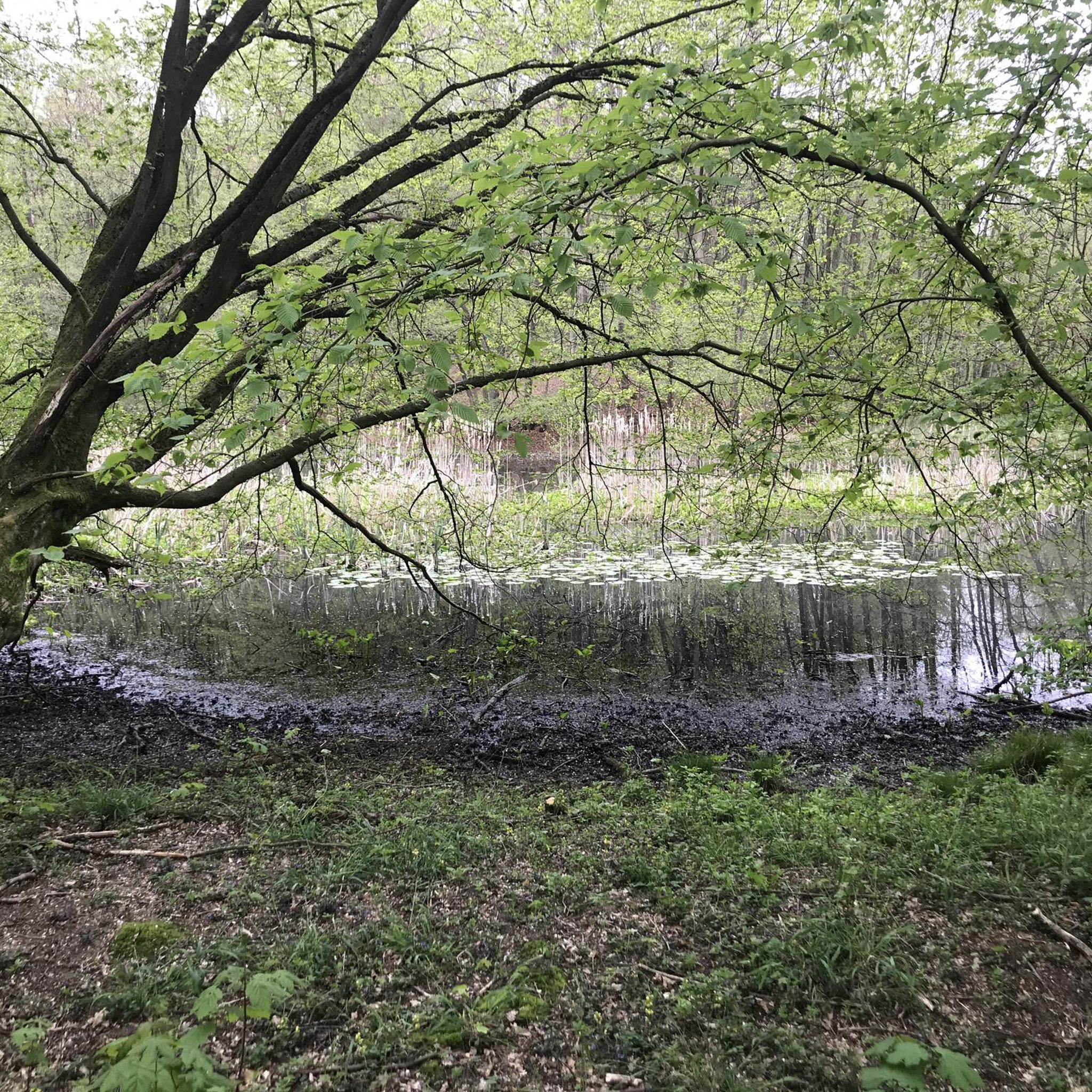
Traffic-free bike rides in Bezirk Wels-Land

Traffic-free bike rides around Linz

Traffic-free bike rides around Linz
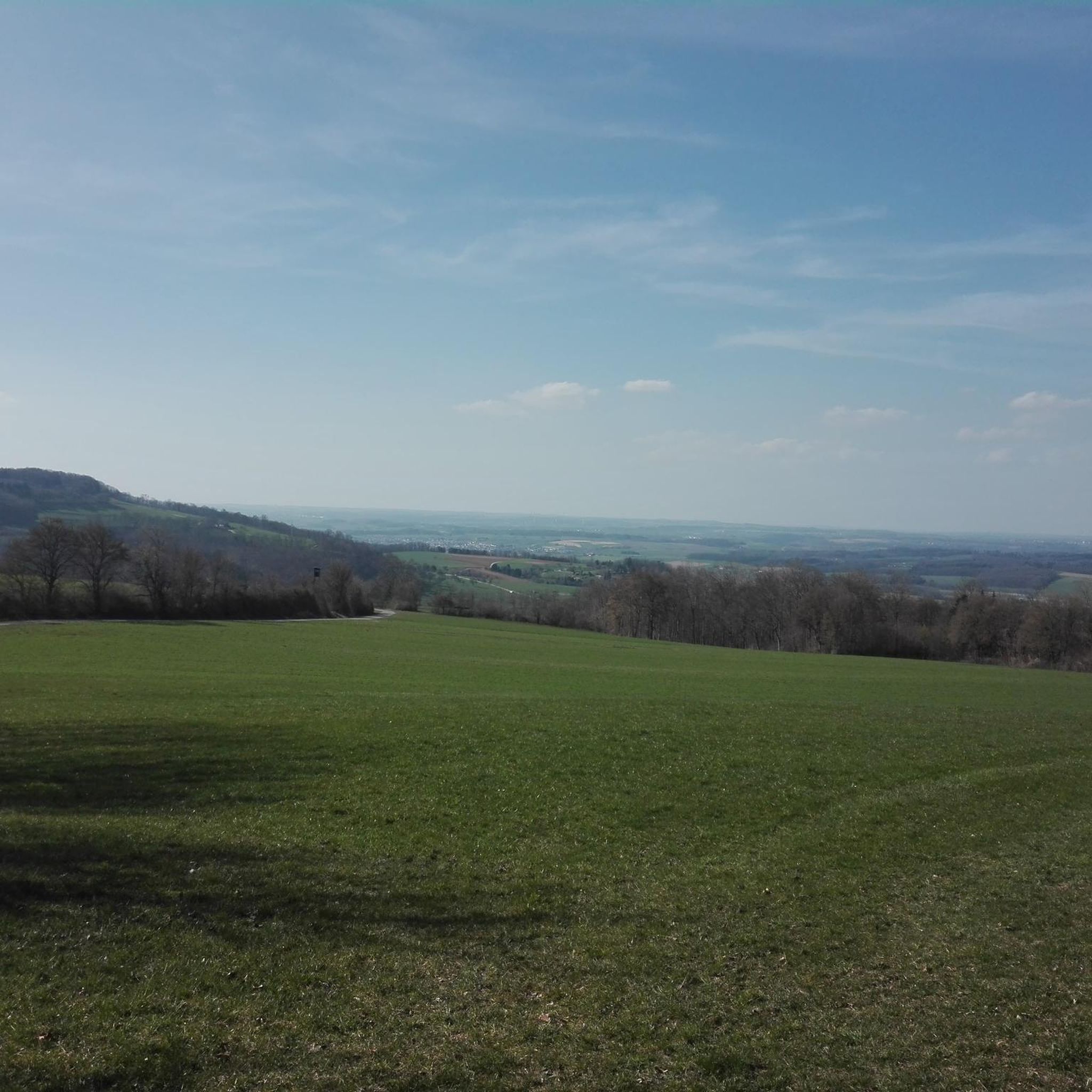
Traffic-free bike rides in the Mühlviertel

Traffic-free bike rides in the Salzkammergut
Traffic-free bike rides in Bezirk Linz-Land
Traffic-free bike rides around Bezirk Steyr-Land
Traffic-free bike rides around Großer Weikerlsee

Traffic-free bike rides around Bezirk Braunau
Traffic-free bike rides around Eferding
Other adventures in Upper Austria


Tips from the Community

The place no longer exists
0
0

Austria's highest fish ladder is currently being built in Traun-Pucking.
0
1


Kremsmünster Benedictine Abbey Since 777, a monastic community has lived, prayed, and worked at Kremsmünster Benedictine Abbey. Today, 39 monks strive to implement the precepts of the 1500-year-old Rule of Saint Benedict in the 21st century. The abbey is primarily a place of spiritual life, which finds diverse expression: in the liturgy, as a spiritual center for its parishes, and in its commitment to culture and education through the high school and the monastic collections. Furthermore, the abbey is also an important economic enterprise and employer. The Benedictine spirit should be palpable everywhere, as Benedict writes in the chapter on the monastery's craftsmen: "That in all things God may be glorified." (RB 57:9) Even the founder of the order, Benedict, assumed that monks could work and support themselves. The abbey thus offers a variety of businesses and products: Garden center, winery, monastery shop, forestry operation, event venue & rentals The observatory: A universe in miniature The view of the night sky has always fascinated humankind. For centuries, celestial phenomena were observed in the observatory. Today, the impressive telescopes can be admired as exhibits in the Natural History Museum. Even a sextant belonging to Johannes Kepler and a valuable collection of globes fascinate visitors in the astronomy hall. Weather records are still actively kept in the weather chamber of the tower. The continuous series of measurements, dating back to 1762, is of great importance for climate research today. The library: The library is a central space for a monastery, as reading and studying are inextricably linked to monastic life. Over the centuries, the monks in Kremsmünster have not only studied the Bible and theology, but have also collected books from a wide variety of fields of knowledge. Today the library comprises around 230,000 volumes.
0
1

Great bike path and suitable for everyone
3
1

Beautiful panorama
1
0

A food truck will soon be starting up again next to the power plant.
3
1

The food at Gasthof Mayr was great.
3
1
Frequently Asked Questions
How many no-traffic road cycling routes can I find in Upper Austria?
Upper Austria offers a vast network of routes for road cyclists seeking quiet paths. You can discover over 2000 road cycling routes in the region, many of which are designed to minimize traffic exposure, providing a serene cycling experience.
What kind of terrain can I expect on no-traffic road cycling routes in Upper Austria?
The terrain in Upper Austria is incredibly diverse. You'll find gentle, flat paths along river valleys like the Danube, rolling hills in regions such as the Mühlviertel, and more challenging ascents with alpine backdrops in areas like the Salzkammergut Lake District. Many routes utilize well-maintained asphalt paths and quiet country roads.
Are there easy, beginner-friendly no-traffic road cycling routes in Upper Austria?
Yes, Upper Austria is very welcoming for beginners and leisure cyclists. Routes along the Danube Cycle Path, for instance, are known for their gentle inclines and excellent infrastructure, making them ideal for those new to road cycling or looking for a relaxed ride. There are over 400 easy routes available.
Are there challenging no-traffic road cycling routes for experienced cyclists in Upper Austria?
Absolutely. For experienced cyclists seeking a challenge, regions like the Mühlviertel offer routes with significant elevation gains through rolling hills and granite formations. The Kalkalpen National Park also features demanding trails. You can find over 350 difficult routes to test your endurance.
What is the best time of year for no-traffic road cycling in Upper Austria?
The best time for road cycling in Upper Austria is generally from spring to autumn. Summer offers pleasant temperatures for cycling and swimming in the lakes, while spring and autumn provide beautiful scenery with fewer crowds. Always check local weather conditions before heading out.
Are the no-traffic road cycling routes in Upper Austria suitable for families?
Many routes in Upper Austria are very family-friendly, especially those along river paths like the Danube Cycle Path, which offers continuous, well-developed routes with gentle inclines. The region's extensive cycling infrastructure and numerous attractions make it a great choice for family outings.
What can I see along the no-traffic road cycling routes in Upper Austria?
You'll encounter a wealth of natural beauty and cultural highlights. Routes often pass through charming historic towns like Hallstatt and St. Wolfgang, offer stunning views of lakes such as Wolfgangsee and Mondsee, and traverse diverse landscapes from river valleys to alpine scenery. You might also discover unique natural features like the Stillensteinklamm gorge or the Pießling Spring.
Are there any circular no-traffic road cycling routes in Upper Austria?
Yes, many popular no-traffic road cycling routes in Upper Austria are designed as loops, allowing you to start and end at the same point. The Salzkammergut Lake District, for example, offers numerous circular routes around its crystal-clear lakes, such as the Hallstättersee Loop, providing mesmerizing views.
Where can I find parking for no-traffic road cycling routes in Upper Austria?
Parking is generally available at the start points of many popular cycling routes and in the towns and villages along the paths. For routes like the Danube Cycle Path, you'll find designated parking areas, often near train stations or public transport hubs, making it convenient for point-to-point rides as well.
What do other road cyclists enjoy most about no-traffic road cycling in Upper Austria?
The komoot community highly rates road cycling in Upper Austria, with an average score of 4.6 stars. Reviewers often praise the region's breathtaking natural beauty, the variety of landscapes from serene lakes to dramatic mountains, and the well-maintained, clearly signposted paths that offer a truly traffic-free experience.
Can I use public transport to access no-traffic road cycling routes in Upper Austria?
Yes, Upper Austria has good public transport connections, especially along major routes like the Danube Cycle Path. Many train lines and bus services allow for bicycle transport, making it easy to access different sections of routes or return to your starting point after a point-to-point ride.
Are there specific no-traffic routes that pass by historical sites or cultural landmarks?
Many routes are rich in history and culture. The Danube Cycle Path, for instance, passes through historic cities like Linz and numerous castles and palaces. The route to Stift Sankt Florian takes you to a magnificent Augustinian monastery, offering a blend of cycling and cultural exploration.
Most popular routes in Upper Austria
Most popular attractions in Upper Austria

Get inspired with the komoot mobile app


Didn’t find what you were looking for?
Check out more Road cycling routes throughout Upper Austria below and find the perfect route in your destination.
Explore more
Browse the best Road cycling routes in other regions.
