The best city hikes and walks in Saxony
4.6
(75013)
269,893
hikers
3,548
hikes
Urban hiking trails in Saxony offer a diverse experience, combining historical cityscapes with natural elements. The region features picturesque river valleys, historic town centers, and green spaces, providing varied terrain for urban exploration. Hikers can discover well-preserved architecture, riverside paths, and city parks. These routes cater to those looking to experience Saxony's cultural heritage and urban nature on foot.
Best urban hiking trails in Saxony
- The most popular urban hiking route is Dresden Zwinger – Frauenkirche, Dresden loop from Dresden…
Last updated: September 30, 2026
4.8
(262)
1,467
hikers
Easy hike. Great for any fitness level. Easily-accessible paths. Suitable for all skill levels.
4.7
(154)
1,114
hikers
12.3km
03:12
80m
80m
Moderate hike. Good fitness required. Easily-accessible paths. Suitable for all skill levels.

4.8
(502)
3,424
hikers
Easy hike. Great for any fitness level. Easily-accessible paths. Suitable for all skill levels.
4.7
(153)
686
hikers
Easy hike. Great for any fitness level. Easily-accessible paths. Suitable for all skill levels.
4.6
(151)
704
hikers
Moderate hike. Good fitness required. Easily-accessible paths. Suitable for all skill levels.
Get access to more routes and recommendations from other explorers.
Already have an account?
Our route recommendations are based on thousands of hikes, rides, and runs completed by other people on komoot.
Start today with a free account
Your next adventure awaits.
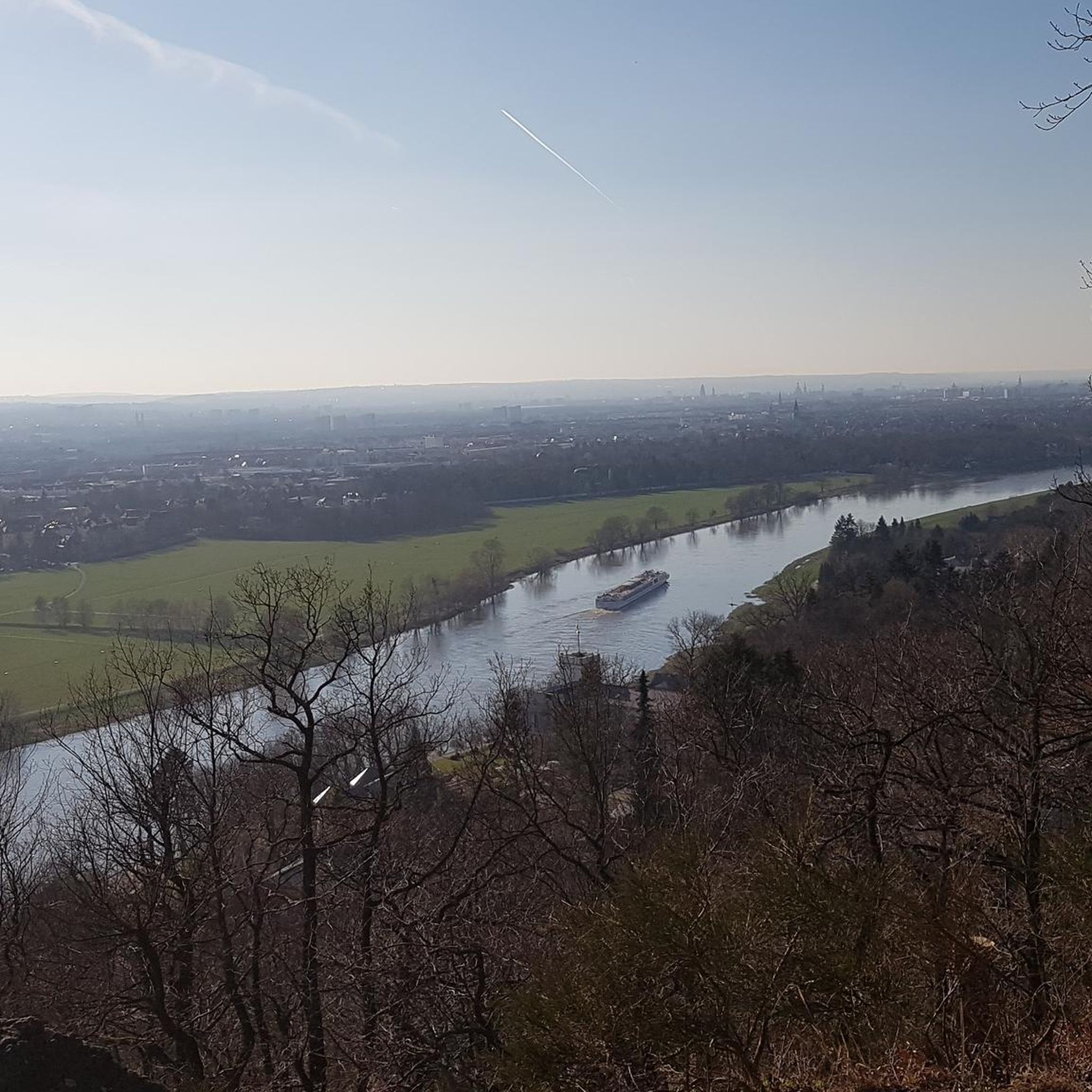


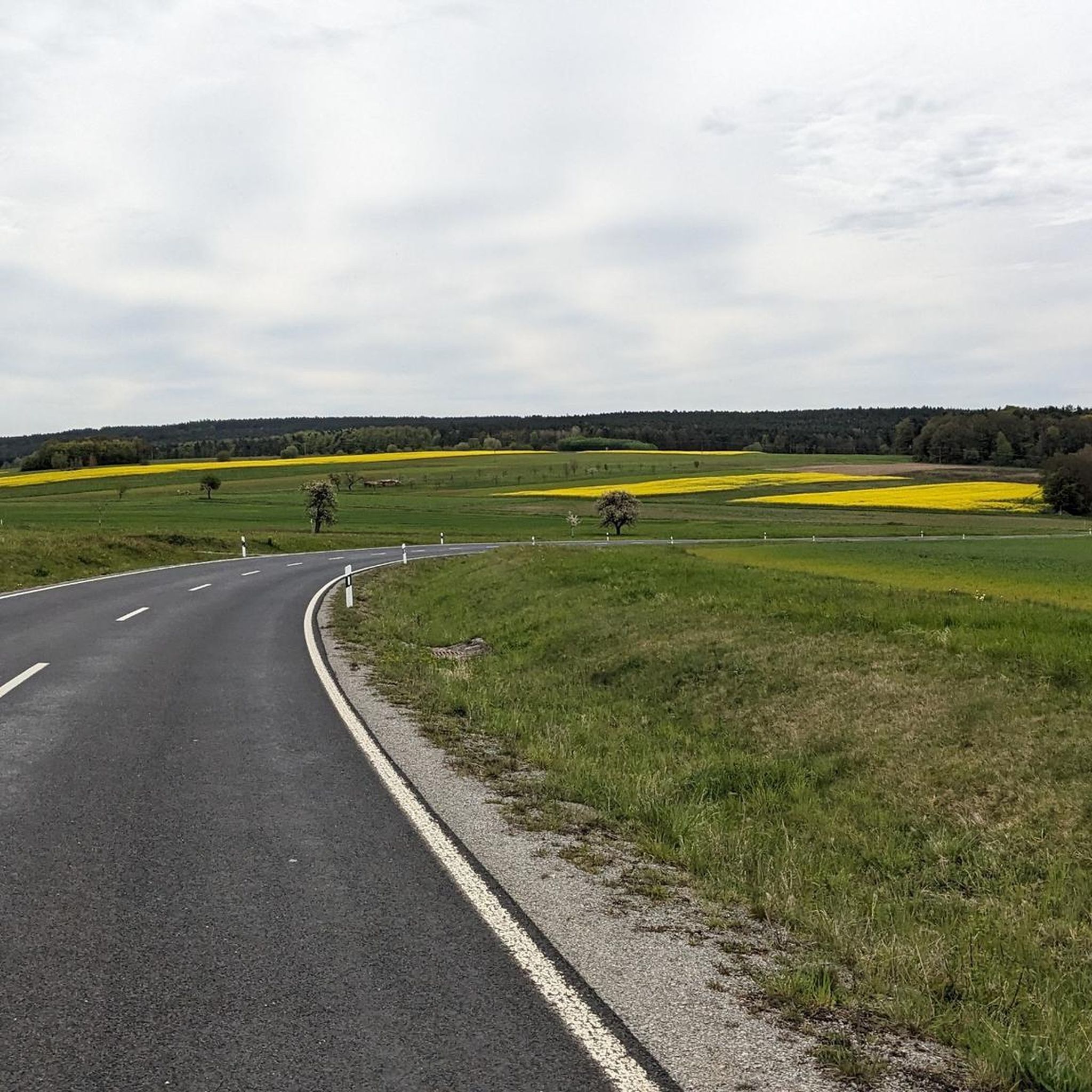
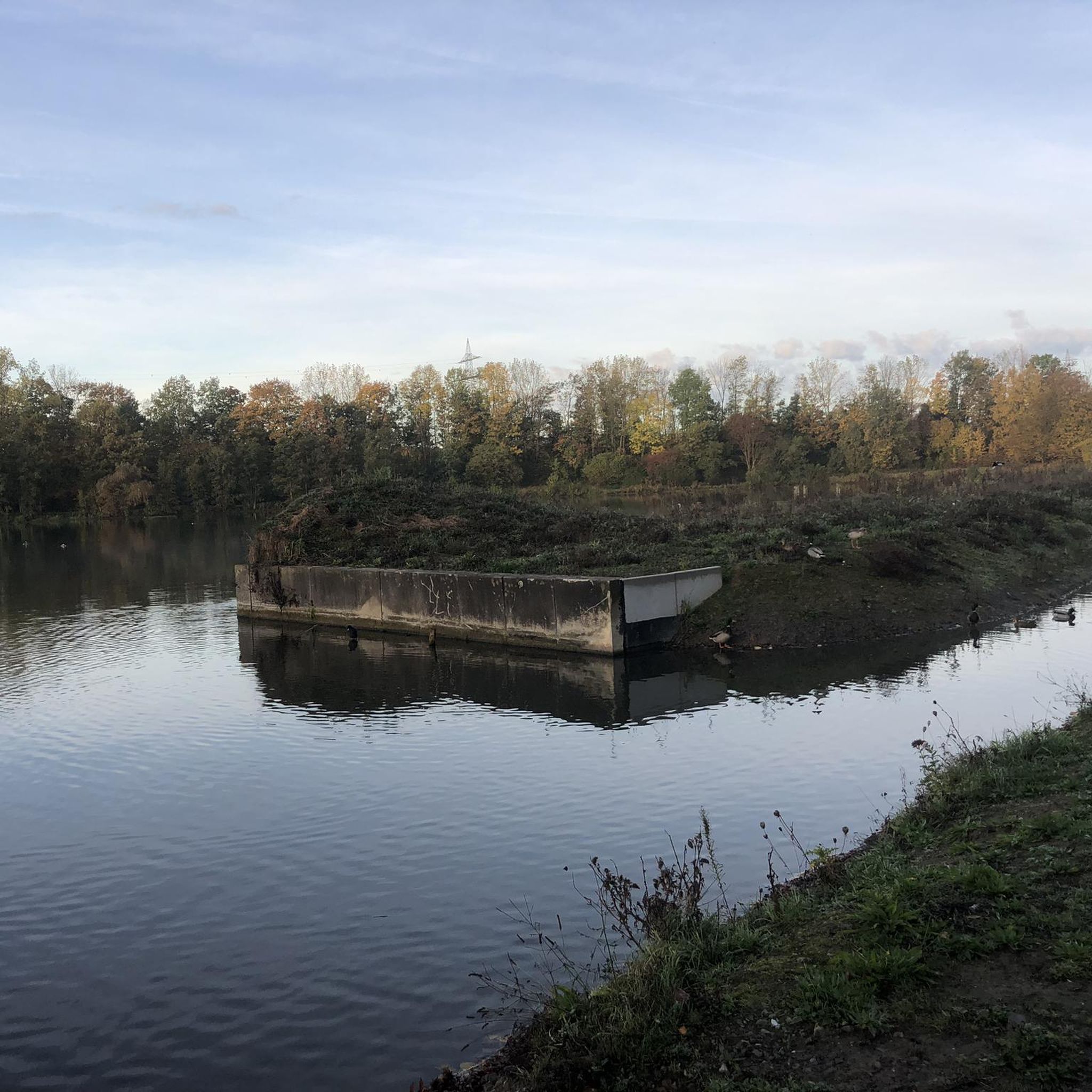
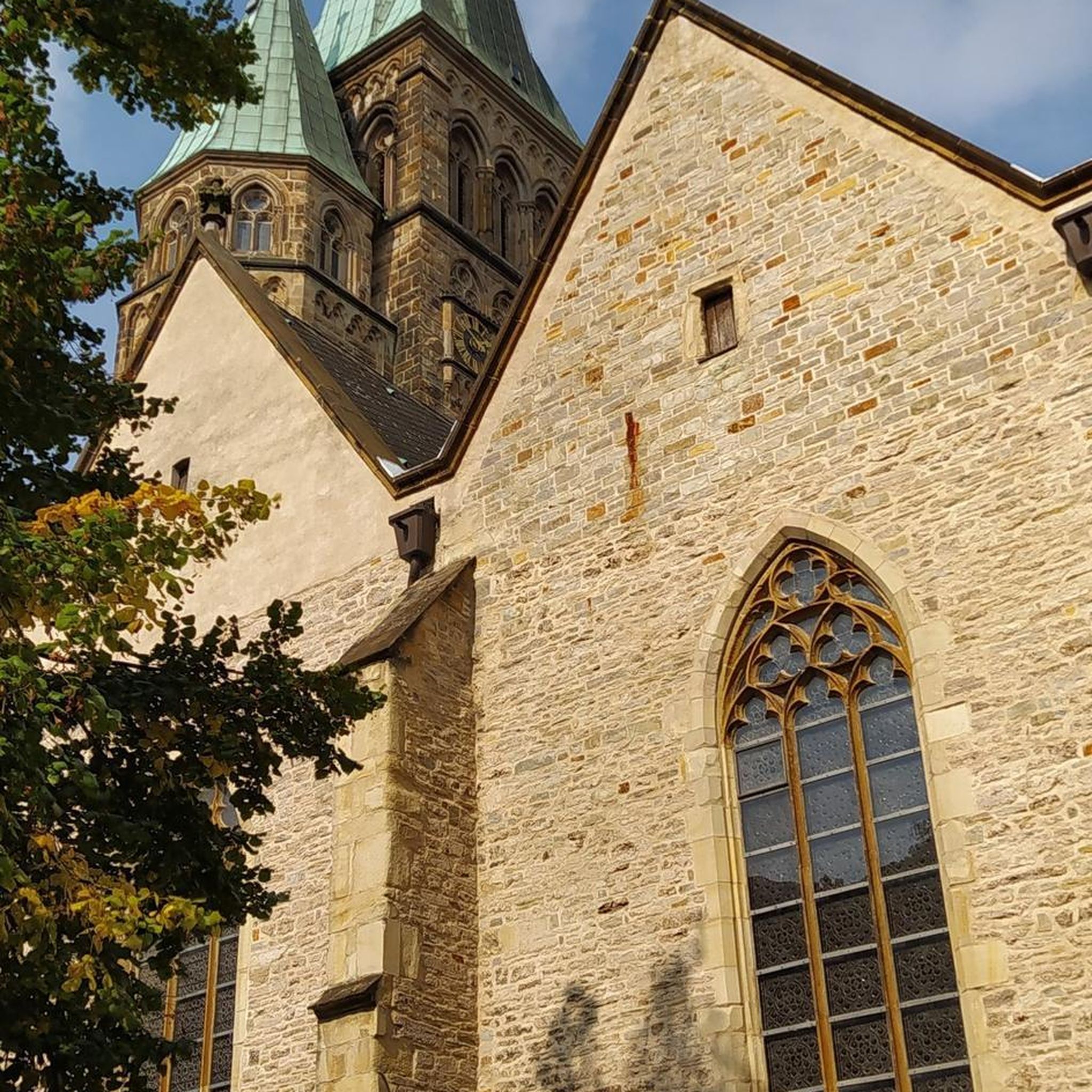
Other adventures in Saxony


Tips from the Community

The waterfall in Gondwanaland at Leipzig Zoo is one of the central highlights of the large tropical hall. It is artificially created, but with dense vegetation, rocks, and high humidity, it looks like a real rainforest waterfall. The cascading water contributes to the special atmosphere and is part of the complex climate system that maintains the tropical conditions inside. Visitors can experience the waterfall from various perspectives, for example from paths or during a boat trip through Gondwanaland.
4
0
In the world's unique Pongoland ape facility, four fascinating and simultaneously highly endangered ape species live under one roof: lowland gorillas, bonobos, West African chimpanzees, and orangutans. Since its opening in 2001, the facility has been considered a special place where modern animal husbandry, scientific research, and unique encounters between humans and animals come together. Currently, 49 primates live here in five social groups.
3
0
The snow leopards at Zoo Leipzig (often referred to as Irbis or the "Ghost of the Mountains") have inhabited a nature-like Himalayan high mountain landscape since 2017. The pair Askar and Chandra live in a rocky enclosure designed as a climbing-intensive environment, offering training-intensive care and protection from summer heat. Medical training takes place, in which the male cat Askar often participates with motivation.
5
0
The plant world in Gondwanaland at Leipzig Zoo is an impressive, 16,500 square meter tropical jungle landscape with over 24,000 exotic plants. It simulates dense rainforests from Asia, Africa, and South America, featuring a treetop path and swamp plants, which are maintained by zoo gardeners and partially used as animal feed.
4
0
The Kiwara Lodge is a restaurant in the Leipzig Zoo and is located in the 'Kiwara-Savanne' experience world. The building incorporates architectural elements of African lodges and offers seating inside as well as on a terrace overlooking the savanna landscape. Due to its location within the themed world, the Kiwara Lodge combines gastronomy with the immediate surroundings of the animal enclosures and complements the culinary offerings of the zoo.
5
0

The whole zoo is really well laid out. The enclosures are very natural, and some different animals live together. There's a discounted price three hours before closing.
2
0


Bautzen boasts several important fountains, including the Ritter-Dutschmann Fountain on the main market square, the historic New Waterworks in the city fortifications, the Nymph and Unicorn drinking fountain on Reichenstraße, and the Elector Johann Georg Fountain. There's also the historic Gesundbrunnen fountain, whose spring was once considered to have healing properties. These fountains are part of the city's sights and history.
1
0
Frequently Asked Questions
How many urban hiking trails are available in Saxony?
Saxony offers a vast network of urban hiking trails, with over 3,600 routes available on komoot. This includes a wide variety of options, from leisurely strolls to more challenging city explorations.
What is the best time of year for urban hikes in Saxony?
Urban hikes in Saxony can be enjoyed year-round. Spring and autumn offer pleasant temperatures and beautiful scenery, while summer allows for longer days and outdoor cafe stops. Even in winter, many city paths are accessible, providing a unique perspective on the historical architecture and landscapes, especially in areas like the Elbe Sandstone Mountains which are tranquil during this season.
Are urban hiking trails in Saxony suitable for beginners?
Yes, Saxony is very welcoming for beginner urban hikers. Over 2,900 of the available routes are rated as easy, making them perfect for those new to hiking or looking for a relaxed experience. These trails often feature well-maintained paths and minimal elevation changes.
What historical landmarks can I see on urban hikes in Saxony?
Urban hikes in Saxony often lead you past significant historical landmarks. In Dresden, you can explore the magnificent Zwinger and Frauenkirche. Bautzen offers walks along its historic city wall and towers, while Görlitz features its impressive Town Hall Tower and Untermarkt. Meissen's Market Square and Old Town are also popular destinations. Beyond these, you might encounter iconic monuments like the Königstein Fortress or the famous Bastei Bridge, which are often accessible via trails from nearby towns.
Are there circular urban walks available in Saxony?
Yes, many urban hiking routes in Saxony are designed as circular walks, allowing you to start and end at the same point. For example, the Dresden Zwinger – Church of Our Lady loop is a popular circular option, offering a comprehensive tour of the city's highlights.
Are urban hiking trails in Saxony accessible by public transport?
Many urban hiking trails in Saxony are easily accessible by public transport. Major cities like Dresden, Leipzig, and Chemnitz have extensive tram and bus networks, and regional trains connect smaller towns. This makes it convenient to reach trailheads without a car, especially for routes starting and ending within city limits or near train stations.
Is parking available near urban hiking trails in Saxony?
Parking is generally available in and around the cities and towns that serve as starting points for urban hikes in Saxony. Look for designated parking areas, public car parks, or park-and-ride facilities, especially near city centers or popular attractions. It's advisable to check local parking regulations and availability beforehand, particularly in busy tourist areas.
Are urban hikes in Saxony family-friendly?
Absolutely. Many urban hikes in Saxony are suitable for families, offering easy terrain and opportunities to explore historical sites, parks, and playgrounds. The region's diverse landscapes and attractions, from the Elbe Sandstone Mountains to charming old towns, provide engaging experiences for all ages. Look for shorter, less strenuous routes when hiking with children.
Can I bring my dog on urban walks in Saxony?
Generally, dogs are welcome on urban walks in Saxony, provided they are kept on a leash, especially in populated areas, nature reserves, and near wildlife. Always carry waste bags and ensure your dog is well-behaved. Some indoor attractions or specific park sections might have restrictions, so it's good to check local signage.
What do other hikers enjoy most about urban hiking in Saxony?
The komoot community highly rates urban hiking in Saxony, with an average score of 4.6 stars. Hikers frequently praise the unique blend of historical architecture, cultural landmarks, and natural beauty found within the cities. The well-maintained paths, diverse scenery, and opportunities to discover hidden gems are often highlighted as key reasons for the positive experiences.
What should I wear for urban hiking in Saxony?
For urban hiking in Saxony, comfortable walking shoes are essential, as you'll be covering varied surfaces from cobblestones to paved paths. Dress in layers to adapt to changing weather conditions, and consider a light rain jacket, especially during spring and autumn. A small backpack for water, snacks, and personal items is also recommended.
Most popular routes in Saxony
Most popular attractions in Saxony

Get inspired with the komoot mobile app


Didn’t find what you were looking for?
Check out more Hikes throughout Saxony below and find the perfect route in your destination.
Explore more
Browse the best Hikes in other regions.
