The best city hikes and walks in the Waldviertel
4.6
(13426)
72,457
hikers
63
hikes
Urban hiking trails in the Waldviertel region traverse a landscape characterized by extensive forests, rolling hills, and riverine environments. The area features unique granite rock formations and over 1,400 ponds, contributing to its diverse natural character. Hilly terrain with small to medium differences in altitude provides varied paths suitable for urban exploration. This region offers a network of trails that combine natural features with cultural and historical points of interest.
Best urban hiking trails in the Waldviertel
- The most popular…
Last updated: May 14, 2026
3.0
(1)
31
hikers
7.32km
01:54
40m
40m
Easy hike. Great for any fitness level. Easily-accessible paths. Suitable for all skill levels.
26
hikers
6.80km
01:45
30m
30m
Easy hike. Great for any fitness level. Easily-accessible paths. Suitable for all skill levels.

Sign up for free
4.7
(3)
19
hikers
5.32km
01:23
30m
30m
Easy hike. Great for any fitness level. Easily-accessible paths. Suitable for all skill levels.
17
hikers
Easy hike. Great for any fitness level. Easily-accessible paths. Suitable for all skill levels.
15
hikers
3.03km
00:47
20m
20m
Easy hike. Great for any fitness level. Easily-accessible paths. Suitable for all skill levels.
Get access to more routes and recommendations from other explorers.
Sign up for free
Already have an account?
Our route recommendations are based on thousands of hikes, rides, and runs completed by other people on komoot.
Start today with a free account
Your next adventure awaits.
Login or Signup
Popular around Waldviertel
City hikes in the Bezirk Krems

City hikes in Zwettl

City hikes in Bezirk Horn
City hikes in Bezirk Waidhofen an der Thaya
Ysper-Weitental circular hiking trail – Unwind in Austria
North-South Trail through Austria – Small country, big paths!
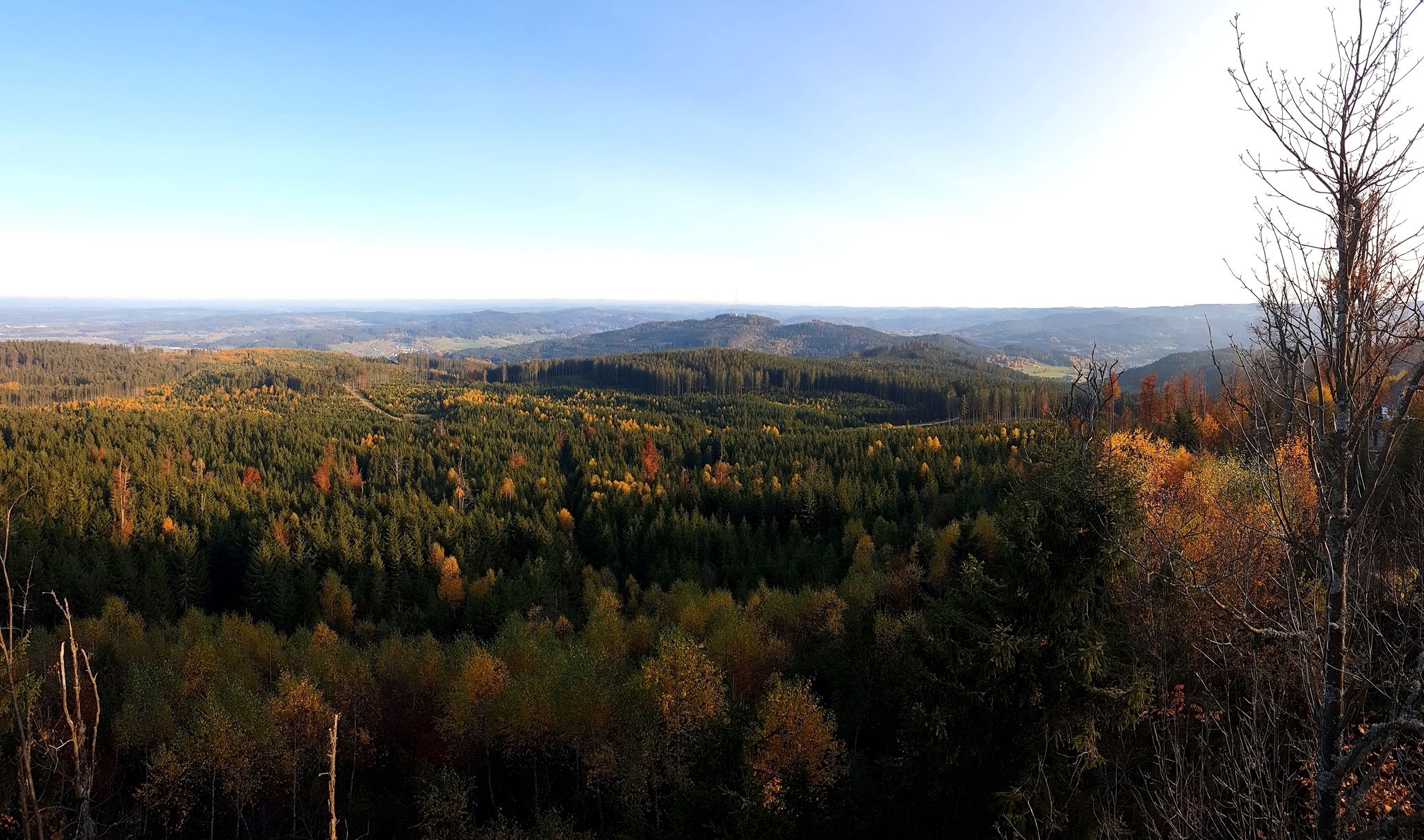
Nordwaldkamm trail – Hiking between the Czech Republic and Austria
The Path of Life — A (spiritual) hike through northeastern Austria
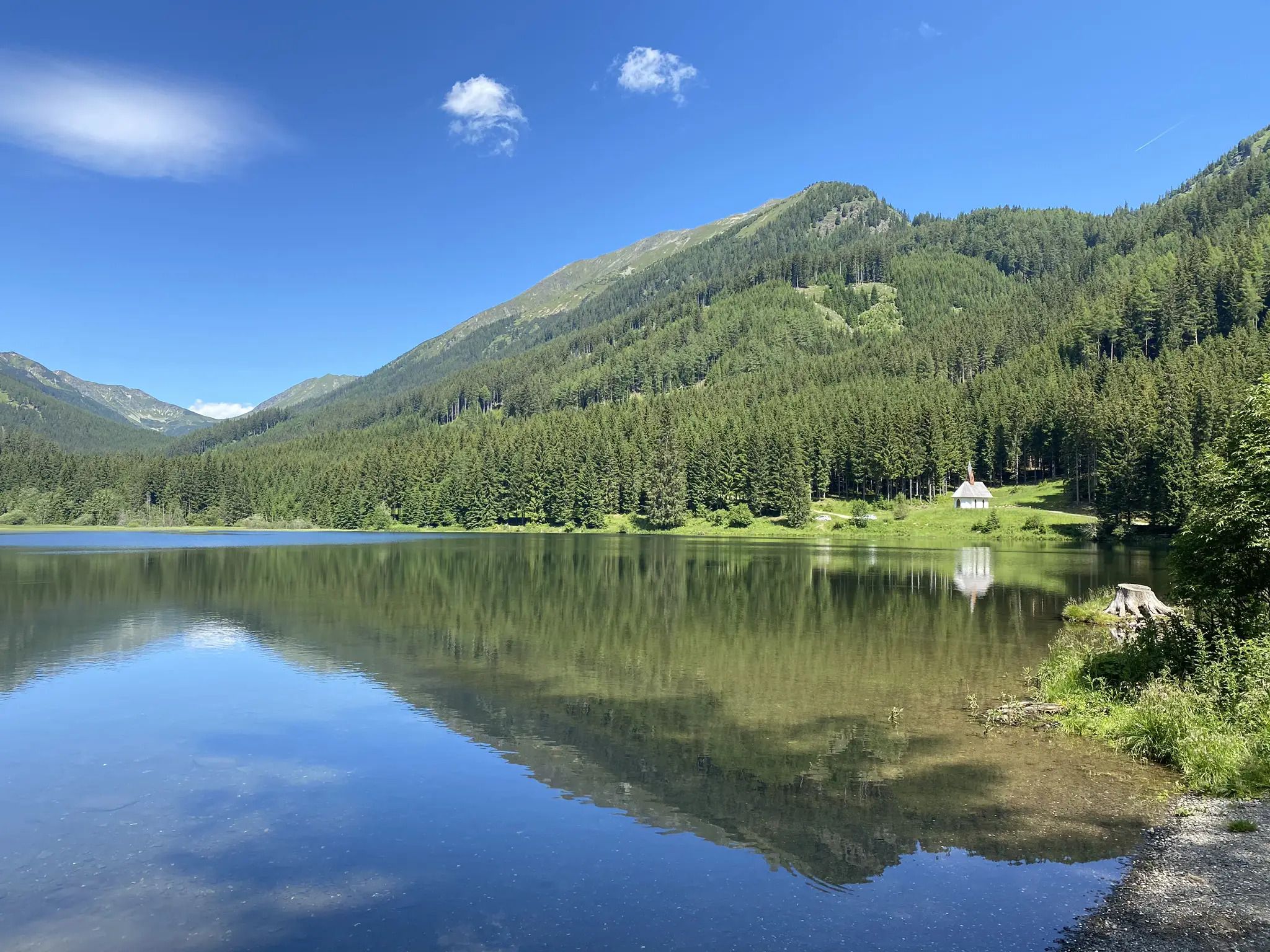
Eisenwurzen Trail – Hiking through Austria from north to south
Kremstal Trail — Hiking along rivers through Lower Austria
Other adventures in the Waldviertel


Tips from the Community

Lovingly restored, the crenellated wall projection is presented in all its glory, and interactive exhibits offer a vivid glimpse into the city's history. A path and staircase lead to the top of the city wall.
0
0
The three bells originally located in the church tower, dating from 1779, 1818, and 1881, had fallen victim to the wars. To mark the 700th anniversary of the Zwettl Citizens' Hospital Foundation – now called "Zwettl Citizens' Foundation - St. Martin's Senior Center" – three new bells were acquired in 1998 and installed in the bell chamber of St. Martin's Church tower, which had been empty for over 50 years.
0
0
The old civic hospital, which was located outside the city gate before 1295, was one of the oldest in the region. In 1427, during their unsuccessful siege of the city, the Hussites destroyed the hospital and the adjoining St. Martin's Chapel. The new civic hospital was built on land acquired by the citizens of Zwettl in 1438 near the New Market and opened in 1448. The newly built hospital church was placed under the patronage of St. Martin. Gothic stonework can still be seen in the church today: the portal to the sacristy, the sedentary niche, and the square tabernacle. A late Gothic Madonna and Child standing on a crescent moon was restored in 1995 by Ralf Wittig from Zwettl and installed in the apse above the altar.
0
0
The local authorities succeeded in persuading the master artist Hundertwasser to design and construct a fountain in the main square. The presentation of the fountain model met with both widespread approval and vehement opposition from the residents of Zwettl. In 1994, the fountain, consisting of three main elements—the two fountain columns with basins and the pavilion—was unveiled to the public. Since then, it has been a popular meeting place in the heart of the town. Friedensreich Hundertwasser died in February 2000 at the age of 71.
0
0
Until the end of the 19th century, a monumental fountain stood in the middle of the main square, the terminus of Zwettl's oldest water supply system, dating back to the early 17th century; a place where the population gathered, not just to fetch water. A war memorial was erected here in 1925, and from the mid-20th century onward, the square in the heart of the town was primarily used as a park. In the early 1990s, the municipality of Zwettl decided to redesign the main square. The aim was to give the town an attractive central point once again and thus preserve the tradition of the old Zwettl main square for the present and future. Friedensreich Hundertwasser, born Friedrich Stowasser in 1928, had owned an old mill on the banks of the Kamp River above Zwettl since the 1970s.
0
0
The Anton Tower, a fortified tower dating from the 15th century and located at the northwest corner of the former fortifications, has become a landmark of the city. It derives its name from the family name of the owners on whose property it stands. The tower stands on exposed rock above the Zwettl Valley, has an irregular octagonal floor plan, and appears rather graceful despite its walls being up to two and a half meters thick. Interestingly, the wall thickness in all stories of the Anton Tower is significantly less on the city-facing side than on the outer sections of the tower.
0
0
During the Baroque period, people everywhere were eager to express their gratitude for overcoming the plague years and the Turkish Wars by erecting plague or Trinity columns. In 1727, the pillory in the upper square was replaced by the richly sculpted sandstone column created by Kaspar Högl of Eggenburg. During the last renovation in 1998, extensive environmental damage to the figures was repaired, and the entire column was painted a light yellow. The four life-size statues are, in the center at the front, the Immaculate Conception; to her left, St. Sebastian (pierced by five arrows); to her right, St. Roch (pointing to the plague boil on his thigh); and St. Florian (holding a flag in one hand and a bucket of water in the other). The iron fountain in the immediate vicinity of the Trinity Column is a gift from the then-mayor, Eugen Beck, of the twin town of Plochingen near Stuttgart.
0
0
In the immediate vicinity of the former Upper Gate and the city tower were two freeholds, properties that enjoyed the privilege of being exempt from all taxes and duties—except those payable to the Estates—as long as the respective property remained in private hands. While the freehold at Landstraße 62 was demolished towards the end of the 19th century, and the so-called "Jubilee House" was built on this plot in 1898, the Pernerstorferhof (Landstraße 65) was preserved as an interesting old building. The originally single-story, barrel-vaulted core of this building dates back to the 13th century. The courtyard features arcades from various construction phases. In the 18th century, the facade of the house was renovated, and the attractive sun gate also dates from the Baroque period. In 1801, the building passed into private hands and thus lost its freehold privileges. In 1984, the facade of the Pernerstorferhof was restored by its
0
0
Frequently Asked Questions
How many urban hiking trails are available in the Waldviertel region?
There are over 60 urban hiking trails in the Waldviertel region, with the vast majority being easy to moderate. This guide features 63 routes, including 58 easy and 5 moderate options, ensuring there's a suitable path for almost every urban explorer.
What kind of terrain can I expect on urban hikes in the Waldviertel?
Urban hikes in the Waldviertel typically feature rolling hills and small to medium differences in altitude. You'll find varied terrain that combines townscapes with nearby natural elements like forests, riverine landscapes, and unique granite formations. Many routes are designed for leisurely strolls, offering comfortable paths through towns and their immediate surroundings.
Are there any circular urban walks in the Waldviertel?
Yes, many urban hikes in the Waldviertel are circular, allowing you to start and end in the same location. For example, the Hiking loop from Gmünd and the Zwettl Town Wall – Hundertwasser fountain, Zwettl loop from Moidrams are excellent circular options that let you explore without needing to retrace your steps.
What are some interesting landmarks or attractions to see on urban hikes in the Waldviertel?
Urban hikes in the Waldviertel often lead you past fascinating landmarks. In Zwettl, you can follow trails inspired by Friedensreich Hundertwasser, starting from the Hundertwasser Fountain. The region is also known for its unique granite rock formations, such as those found in Blockheide. You might also encounter historic sites like castles and abbeys, or natural features like the Lohnbachfall – Steinerne Stube waterfall.
What do other hikers enjoy most about urban hiking in the Waldviertel?
The urban hiking trails in the Waldviertel are highly rated by the komoot community, with an average score of 4.62 stars from over 13,000 ratings. Reviewers often praise the region's untouched nature, diverse landscapes, and the network of well-maintained trails that seamlessly blend urban exploration with natural beauty.
Are there family-friendly urban hikes in the Waldviertel?
Absolutely. Many of the urban hikes in the Waldviertel are easy and suitable for families. The region's gentle rolling hills and well-marked paths make for pleasant outings with children. Look for routes that pass through town centers or near parks for added interest.
Can I bring my dog on urban hiking trails in the Waldviertel?
Yes, the Waldviertel is generally dog-friendly, and many urban trails are suitable for walks with your canine companion. Always ensure your dog is on a leash, especially in populated areas or near wildlife, and remember to carry waste bags. Check local regulations for specific areas if you plan to visit nature reserves or protected sites.
What is the best time of year for urban hikes in the Waldviertel?
The Waldviertel is beautiful year-round, but spring and autumn offer particularly pleasant conditions for urban hiking with mild temperatures and vibrant scenery. Summer provides warm days, ideal for combining hikes with visits to local cafes, while winter can transform the landscape into a serene, snowy wonderland, though some paths might be less accessible.
Are there urban hikes that include natural features like waterfalls or unique rock formations?
Yes, several urban hikes in the Waldviertel incorporate natural features. While primarily urban, these trails often extend to nearby natural highlights. For instance, you can find routes that lead to the Lohnbachfall – Steinerne Stube waterfall or pass by the region's distinctive granite rock formations, adding a touch of wilderness to your city exploration.
Where can I find places to eat or rest along urban hiking routes?
Many urban hiking routes in the Waldviertel pass directly through towns and villages, offering ample opportunities to find cafes, restaurants, and pubs. Additionally, some trails might lead you near specific facilities like the Cyclists' and hikers' oasis, Lämmerhof Groiss, providing convenient spots for a break or a meal.
Are there easy urban hikes suitable for beginners in the Waldviertel?
Yes, the Waldviertel offers a wide selection of easy urban hikes perfect for beginners. Out of the 63 routes in this guide, 58 are classified as easy. These trails typically have minimal elevation gain and well-maintained surfaces, making them accessible for all fitness levels. A good example is the Schirmbar Stadtplatz Freistadt loop from Gmünd, which is relatively short and flat.
Most popular routes in the Waldviertel
Most popular attractions in the Waldviertel

Get inspired with the komoot mobile app


Didn’t find what you were looking for?
Check out more Hikes throughout Waldviertel below and find the perfect route in your destination.
Explore more
Browse the best Hikes in other regions.
